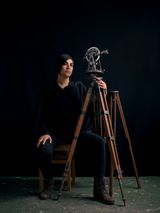
Heba Y. Amin‘s research-based practice proposes speculative, often satirical, approaches to examining how ideals of ‘progress’ have been advanced through the various technologies of colonisation. Foregrounding interdisciplinary methods and performative investigations, When I see the future, I close my eyes: Chapter II presents a series of works that explore the political determinations of these technologies and how they define contemporary frames of representation.
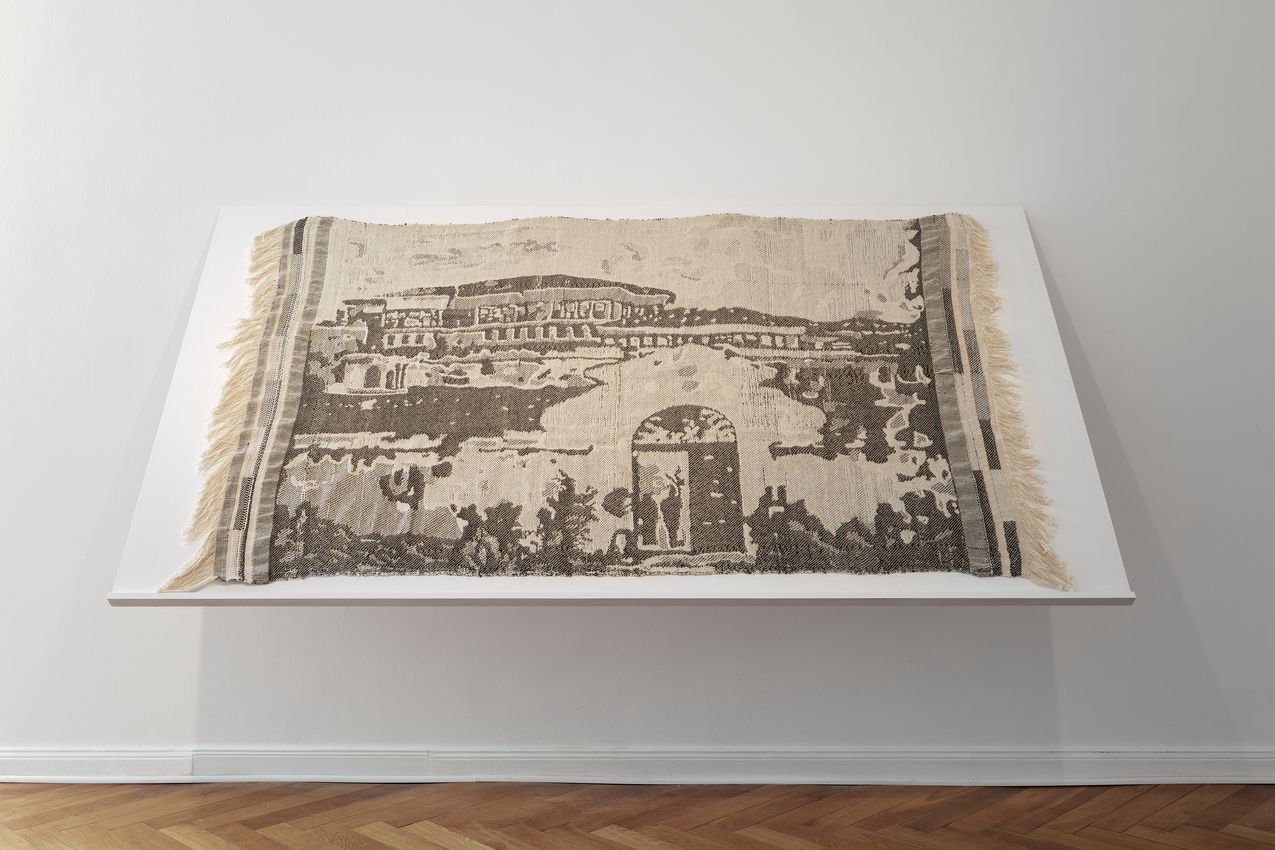
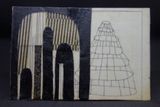
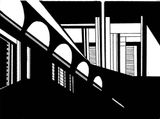
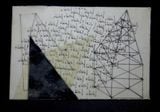
Starting with the story of the first known photograph taken on the African continent in 1839, the exhibition addresses the history of machinic vision as a means for advancing the political and discursive ambitions of colonial exploitation. _Windows on the West _(2019), a woven reconstruction of a French orientalist painter’s photograph, portrays the exterior of Muhammad Ali Pasha’s harem palace in Alexandria. Although there was nothing erotic about the image, its contrived sexual implications excited audiences in Paris at the time. The original photograph, upon which this work is based, came to represent France’s domination over a territory through the subjugation of North African women. Re-staging this historical context, Windows on the West (2019) examines how the extractive technologies of colonial vision can be reconsidered from within their structural logic.
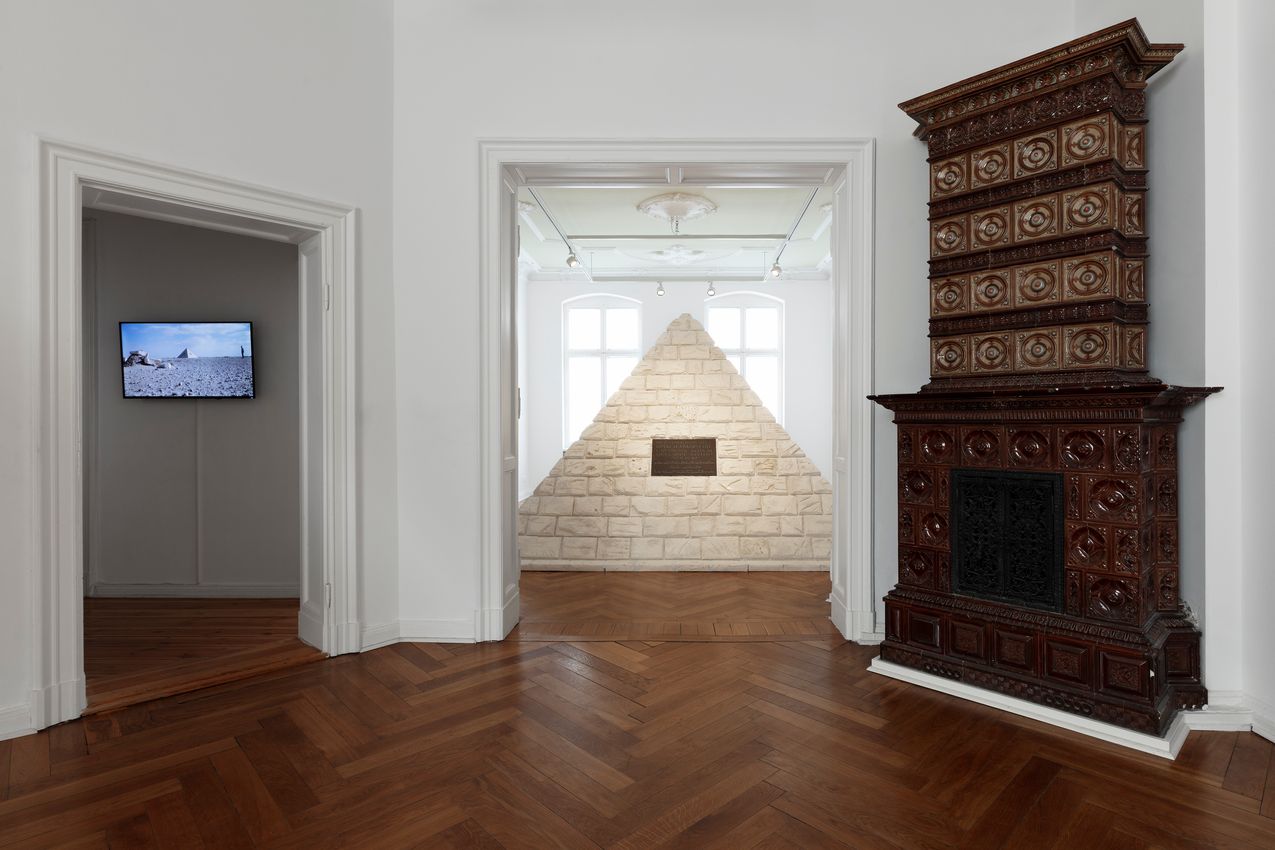
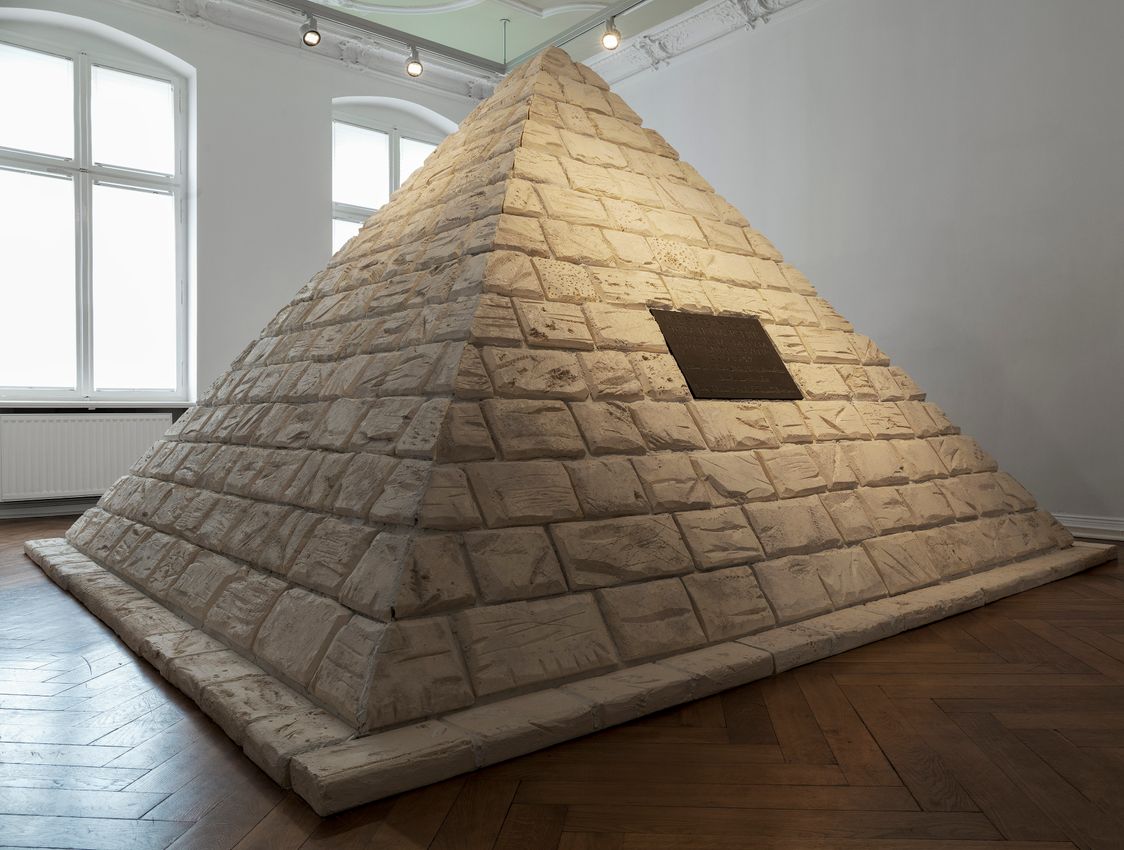
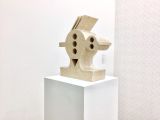
Alluding to similar elements, including the territorialisation of space, The Devil’s Garden (2019-ongoing) explores how colonial violence is engendered through both the material and immaterial occupation of future realities. Examining narratives relating to the German Afrika Korps and their lingering presence in northern Egypt, this project observes how, during the WWII campaign in al-Alamein, millions of landmines were planted by Erwin Rommel’s army. Through her research and fieldwork in what remains one of the most landmine-infested regions in the world, Amin came across a peculiar pyramid built by the Luftwaffe to commemorate a WWII German fighter pilot. By creating a replica of the Nazi-era memorial and bringing it back to Germany, the artist inverts the historical framing of these events and focuses on how European propaganda, perpetuated by mainstream films in particular, continues to disavow responsibility for the techno-fossils that remain in the aftermath of colonial violence.
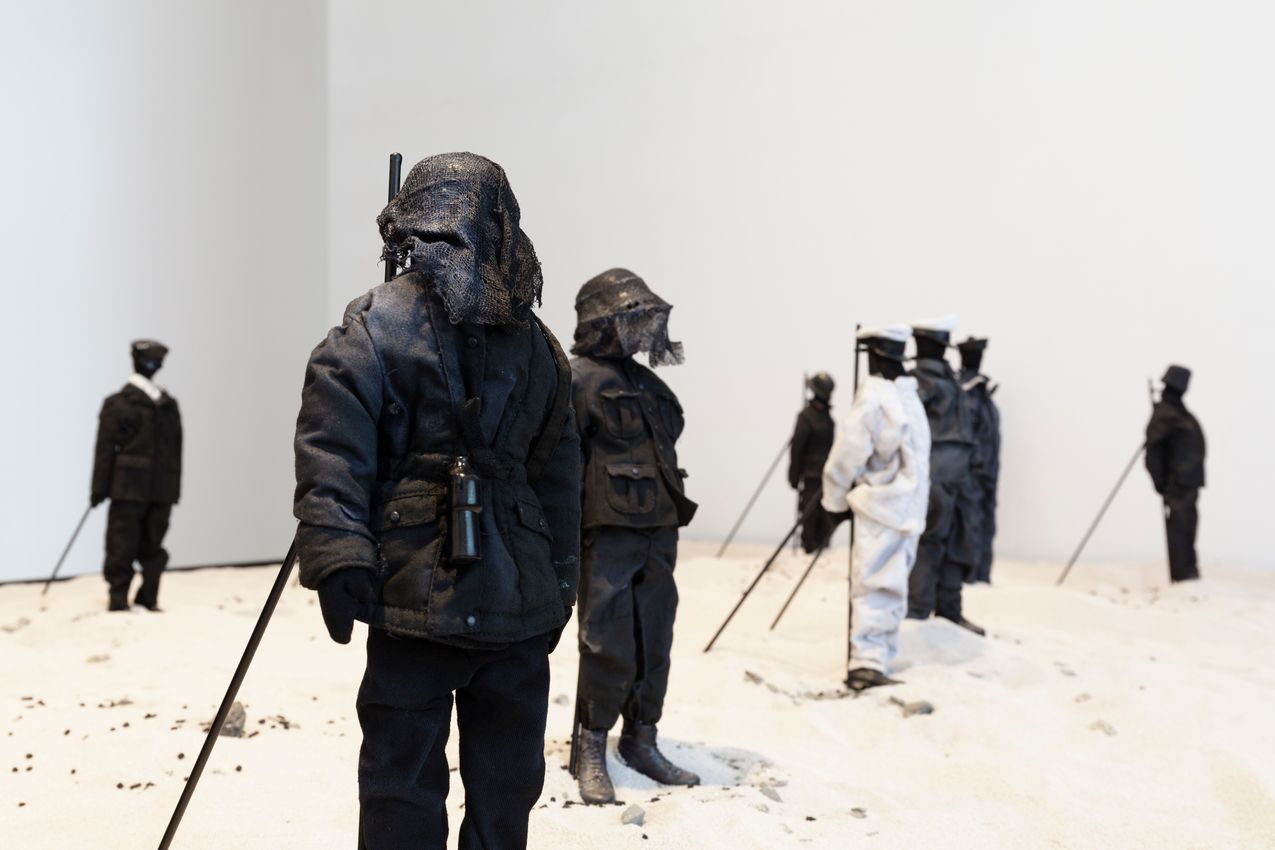
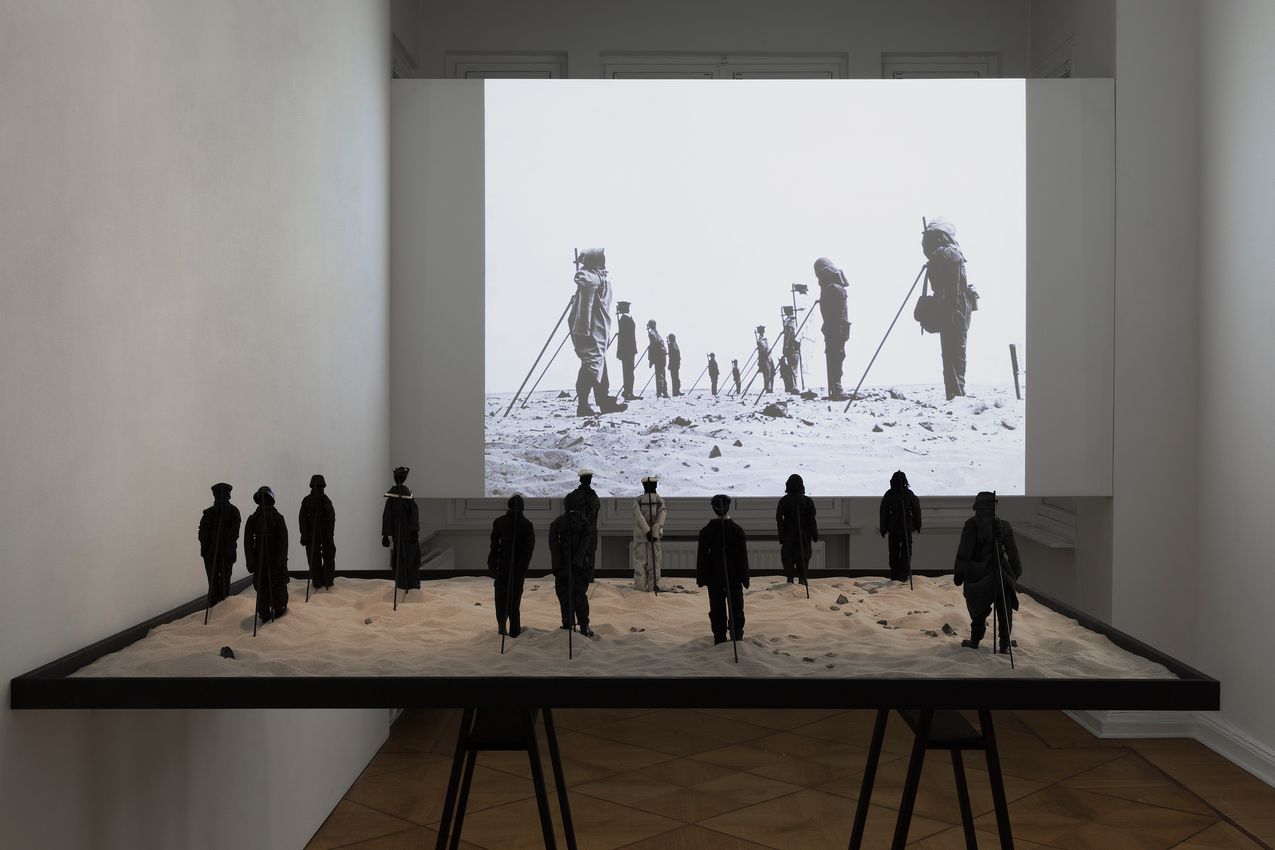
Amin’s newest work in the exhibition, Atom Elegy (working title, 2022), confronts France’s nuclear experiments in Algeria and the far-reaching impact of radioactive fallout. Staged to look like people awaiting the detonation of an atomic bomb, a haunting photograph depicts two rows of human-like figures situated in the Algerian desert in 1960. A miniature model and live photo reconstruction of the original image captures the anticipation of nuclear violence that is pending in real-time. While viewers never witness the ‘climactic’ explosion, they are invited to intervene in a critical moment in history by inscribing their own bodies into it. The catastrophic vision of nuclear destruction, a potent symbol of hubristic modernity, is both sublimated and foregrounded as a testimony to the colonial legacies of territorial destruction and, crucially, the neocolonial will to occupy the future.
Initially launched in 2020 by Heba Y. Amin and Anthony Downey at the Mosaic Rooms London, When I see the future, I close my eyes is a collaborative platform that explores art- and exhibition-making as a methodology for new and ongoing research aimed at broadening conversations around the emerging forms of digital authoritarianism and the post-digital future of technologies of warfare. With a commitment to publishing content emerging out of the exhibition’s themes, When I see the future reflects upon the history of technology and its role in shaping Western visuality.
Amin’s projects are research-based investigations addressing themes related to urbanism and technology. They question modes of development and construction within a political context and look at contested territory through junctures, glitches and flawed memory. Using various media, Amin utilises a sociopolitical approach to scrutinise the impact of imposed infrastructures on the human psyche.
Zilberman Gallery, founded in Istanbul in 2008, stages 10–12 exhibitions every year at its main gallery spaces in Istanbul and Berlin and at the project space. The gallery occupies two separate floors of Mısır Apartment, one of the most famous examples of art nouveau architecture in Istanbul.

A respected voice in contemporary art discourse.
Focusing on ambitious storytelling and insightful art-world commentary. Ocula Magazine publishes in-depth interviews, critical essays and timely analysis on the artists, exhibitions and ideas driving the global art world.
Learn more about Ocula Magazine
Showcasing the best of the art world.
Ocula partners with galleries from around the world to highlight their artists, artworks and exhibitions. Gallery membership is by application and invitation, with each member vetted by an independent panel.
Learn more about Ocula Membership

Specialises in the sale of major artworks.
Led by a team with deep ties to the world’s leading auction houses, galleries and collectors. Ocula’s advisory team offers bespoke services to high-net-worth clients from around the world who are looking to acquire the best of contemporary and modern art.
Learn more about our team and services