





LAURA GRISI
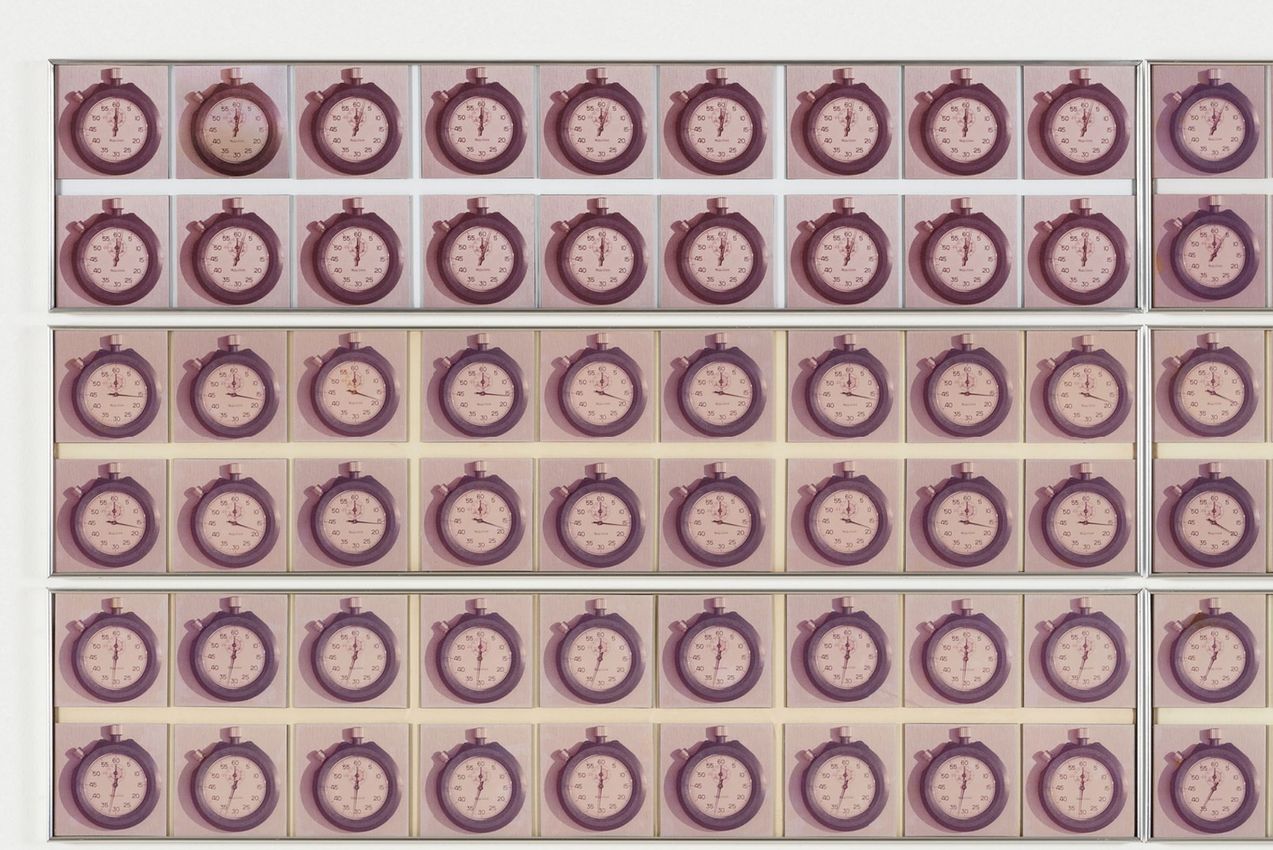
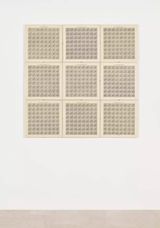
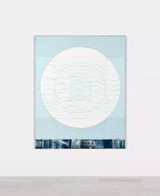
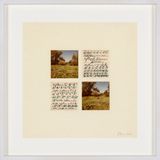
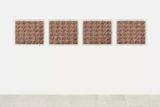
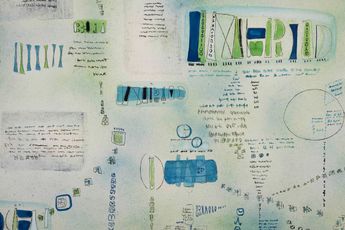
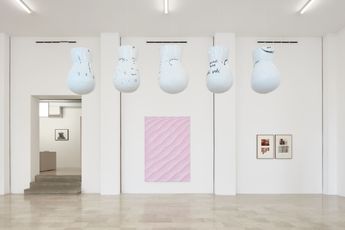
1939-2017, ItalyLaura Grisi’s work has always been considered part of Italian Pop Art, though even from the outset she has actually gone beyond that category, promptly intercepting various lines of international artistic research and applying them in her own original synthesis.
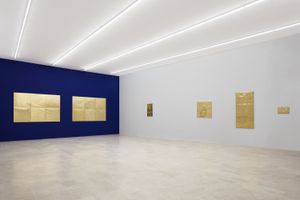
From her debut in 1964 to 1968, Grisi’s work featured elements derived from the art of the first half of the 1960s, when economic affluence was prompting artists to simulate a society of consumption, borrowing objects, images and media (in Pop Art), or analyzing the capacity of new technologies to influence perception (in Optical Art and Kinetic-Programmed Art), while also absorbing the modular, geometric aspects of industrial production, the absence of subjective-manual intervention (in Minimal Art). On the other hand, however, Grisi’s work already included elements belonging to the research conducted in Italy and abroad in the second half of the 1960s, when a phase of economic recession led artists to view the society of consumption as alienating, and therefore to attempt to restore an atrophied creative potential to every individual, making them the protagonists of a dematerialized, de-aestheticized and theatrical art (in the temporary actions and site-specific installations characteristic of Arte Povera and Process Art). [...] Precisely in response to the oppression and incommunicability of the mass society, in1967 and 1968 many artists in Italy and elsewhere proposed a return to the primal, vital elements of nature (just consider Arte Povera). Grisi immediately intercepted this new experimentation, developing the _Natural Elements _series starting in 1968, of installation/works that artificially reproduce atmospheric phenomena. [... ] With respect to the tautological-objectual and mythical- ancestral use of natural elements implemented by Arte Povera, Grisi presents nature as a mental, technologized. [... ] The particular character of the research of Grisi, from then on, lies in the equal presence of the technological- scientific and aesthetic-perceptive components.”
Text courtesy P420.


















Explore and Follow Artists Shaping Contemporary Art
A respected voice in contemporary art discourse.
Focusing on ambitious storytelling and insightful art-world commentary. Ocula Magazine publishes in-depth interviews, critical essays and timely analysis on the artists, exhibitions and ideas driving the global art world.
Learn more about Ocula Magazine
Showcasing the best of the art world.
Ocula partners with galleries from around the world to highlight their artists, artworks and exhibitions. Gallery membership is by application and invitation, with each member vetted by an independent panel.
Learn more about Ocula Membership
Specialises in the sale of major artworks.
Led by a team with deep ties to the world’s leading auction houses, galleries and collectors. Ocula’s advisory team offers bespoke services to high-net-worth clients from around the world who are looking to acquire the best of contemporary and modern art.
Learn more about our team and services