





TATIANA TROUVÉ
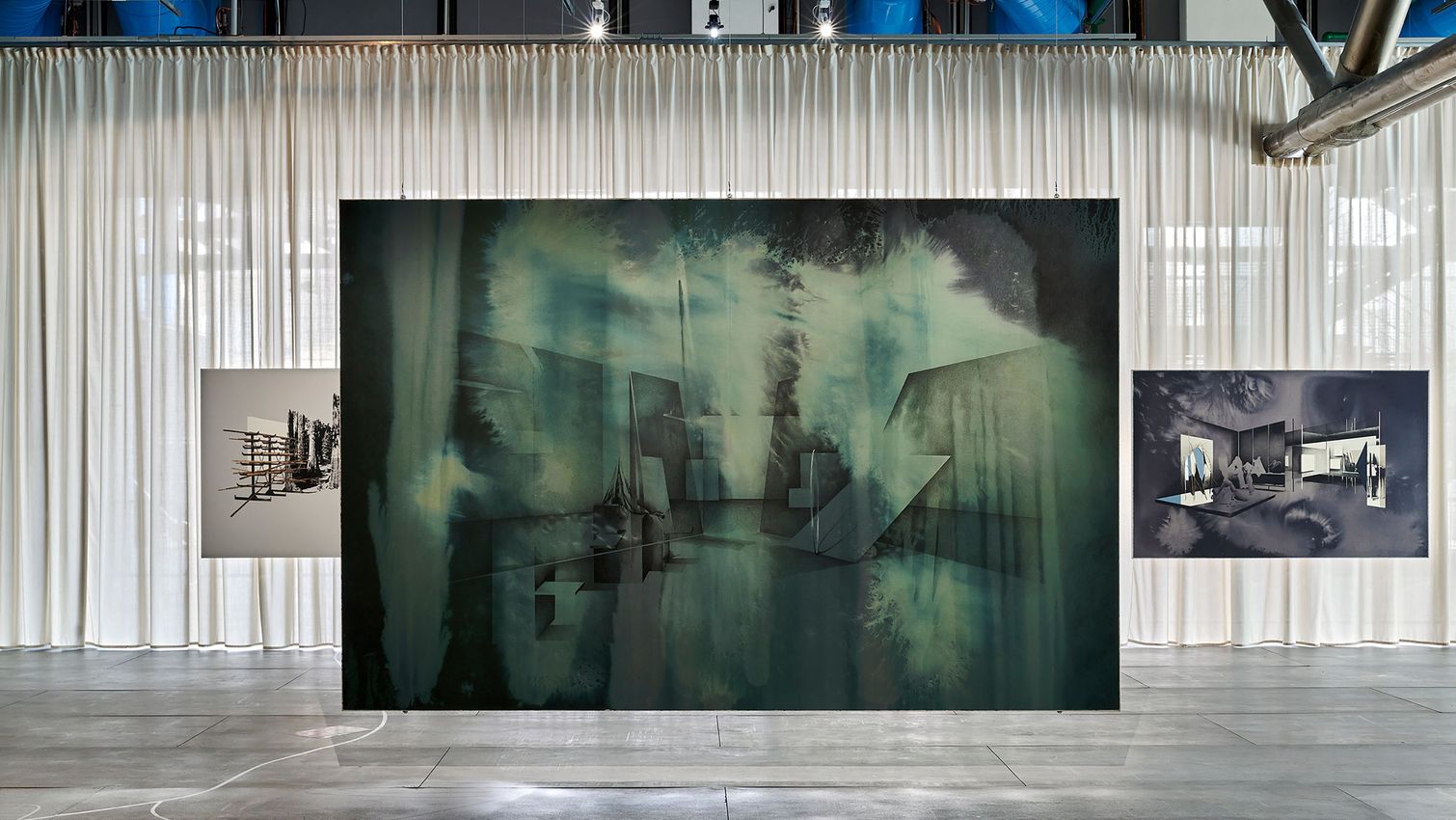
b. 1968, ItalyTatiana Trouvé has developed a vast and ambitious body of work in which drawing, sculpture, and installation are intricately interwoven. Her practice moves seamlessly between the imagined and the constructed, forming a poetic visual language that explores time as suspended, memory through its ruptures, and spatial disorientation. Trouvé first garnered critical attention with Bureau d’Activités Implicites (1997–2007), a formative project she described as a “laboratory of time.” Combining fictional documents, personal archives, and architectural modules, it introduced many of the thematic and formal concerns that continue to shape her work: the construction of psychological and physical space, the layering of memory, and the tension between presence and absence.
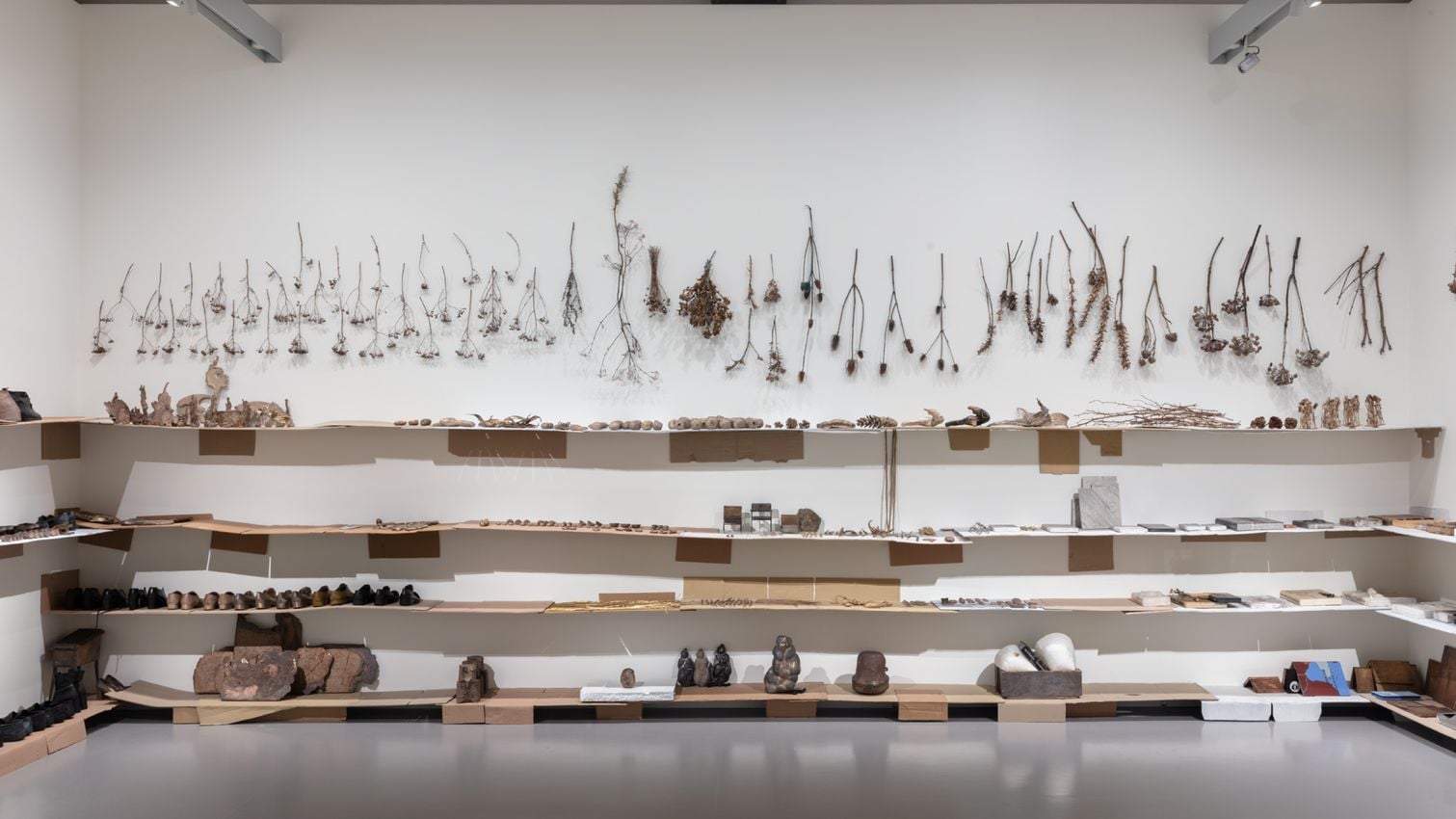
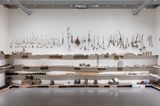
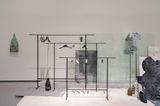
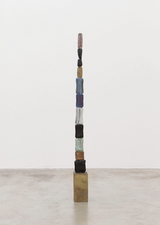
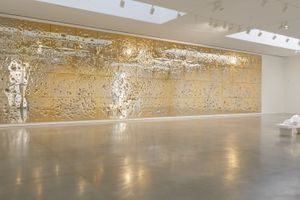
Sculptural works often unfold in suspended or transitional environments. Cast objects—chairs, bags, ropes, architectural fragments—inhabit spaces that feel paused or emptied, evoking liminality and unease. Materials such as bronze, copper, marble, and glass are treated with precision and restraint, contributing to atmospheres of quiet disorientation. Drawing is not a preparatory gesture but a central strand of her practice. Her large-scale graphite works blend architectural and landscape elements with references from her own studio, forming complex mnemonic terrains. These drawings explore memory not by showing things exactly as they were, but through distortion, omission, and repetition. They invite viewers into non-linear stories shaped by both remembering and imagining. Rather than depicting events, Trouvé reimagines how we experience time and space, making visible the invisible architectures of memory and thought.
Tatiana Trouvé (b. 1968, Cosenza, Italy) was raised in Dakar, Senegal and now lives and works in Paris, France. She studied at Villa Arson in Nice, France and later at Ateliers ‘63 (now De Ateliers) in the Netherlands. She currently teaches at the École Nationale Supérieure des Beaux-Arts in Paris. The artist’s first solo exhibition took place at the Centre national d’art contemporain at Villa Arson in 1997, and her first retrospective, The Longest Echo, was held at MAMCO, Geneva in 2014. In 2022, she was the subject of a major monographic exhibition, Le grand atlas de la désorientation, at the Centre Pompidou, Paris. Trouvé is the recipient of numerous awards, including the Pernod Ricard Foundation Prize (2002), the Marcel Duchamp Prize (2007), the ACACIA Prize (Italy, 2014), and the Rosa Schapire Art Prize (Germany, 2019). In 2020, she was named Officier de l’Ordre des Arts et des Lettres by the French Ministry of Culture and Communication.
Courtesy Xavier Hufkens


Works at Xavier Hufkens




Works Elsewhere











Explore and Follow Artists Shaping Contemporary Art
A respected voice in contemporary art discourse.
Focusing on ambitious storytelling and insightful art-world commentary. Ocula Magazine publishes in-depth interviews, critical essays and timely analysis on the artists, exhibitions and ideas driving the global art world.
Learn more about Ocula Magazine
Showcasing the best of the art world.
Ocula partners with galleries from around the world to highlight their artists, artworks and exhibitions. Gallery membership is by application and invitation, with each member vetted by an independent panel.
Learn more about Ocula Membership
Specialises in the sale of major artworks.
Led by a team with deep ties to the world’s leading auction houses, galleries and collectors. Ocula’s advisory team offers bespoke services to high-net-worth clients from around the world who are looking to acquire the best of contemporary and modern art.
Learn more about our team and services