





VIVIAN LYNN
b. 1931, New ZealandVivian Lynn was a pioneering New Zealand artist whose radical, feminist-driven contemporary art practice challenged conventions and redefined the representation of women in art.
Early Years
Lynn was born in Wellington in 1931. She attended Wellington Girls’ College before completing a Diploma of Fine Arts at Canterbury University College’s School of Fine Arts in 1952, majoring in painting, and a Diploma of Teaching at Auckland Teachers’ Training College in 1954. Lynn undertook further study in Honolulu, New York, and Albuquerque, and participated in international land art projects, including Christo‘s Rifle Gap Valley Curtain in Colorado. She lived and worked in Wellington for most of her life, teaching for many years at Wellington Polytechnic’s School of Design (now Massey University), where she influenced generations of artists and designers.
Vivian Lynn Artworks
Vivian Lynn’s contemporary art practice is renowned for its conceptual rigour, use of unorthodox materials, and ongoing investigation into gender, identity, and the body. Her work often juxtaposes charged bodily materials such as hair with industrial or architectural forms, interrogating the cultural codes that shape our understanding of the body and society.
Abandoning Painting and Embracing Feminist Practice
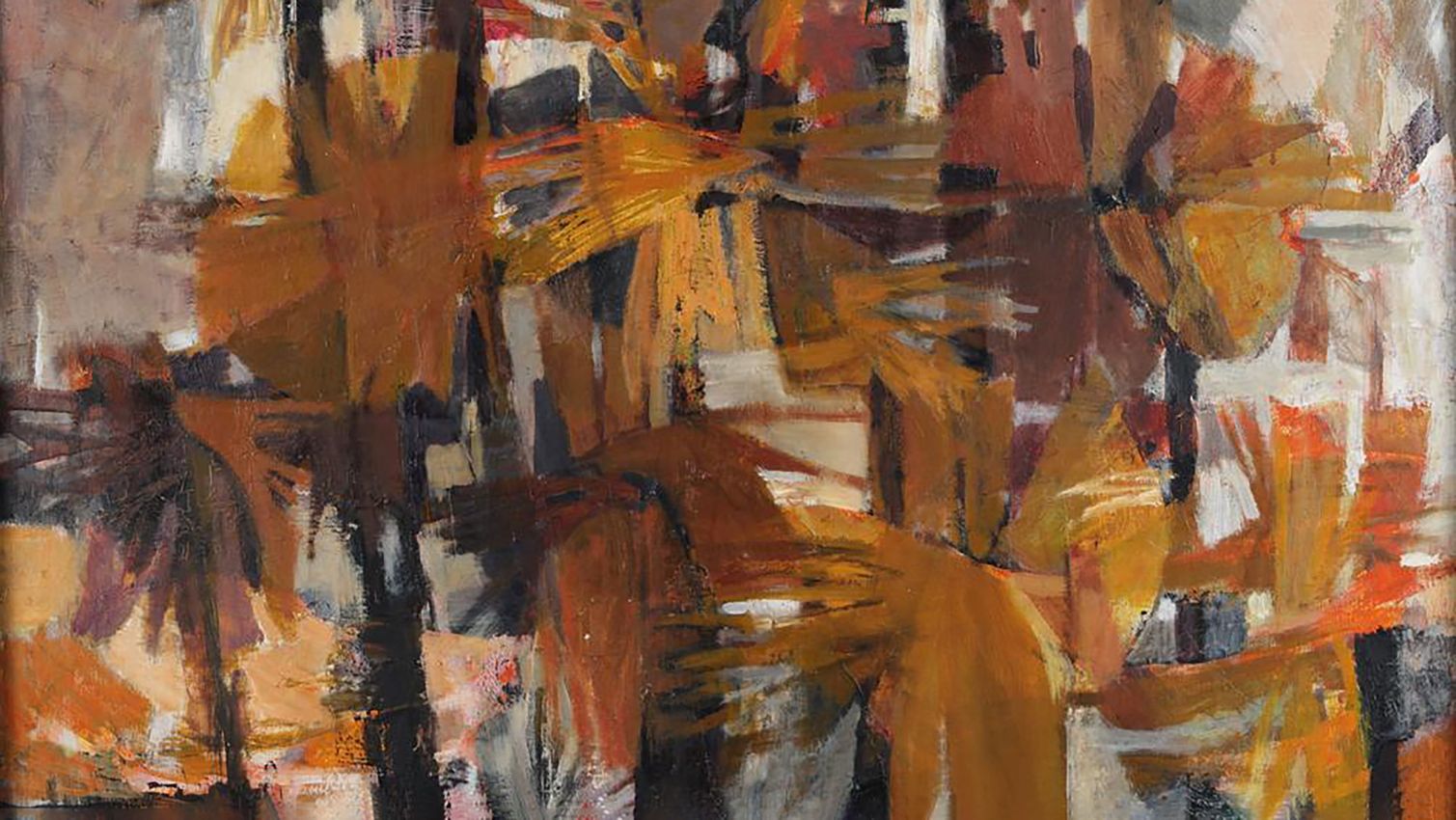
In the late 1960s, Lynn abandoned traditional painting and an early interest in Modern abstraction, believing that ‘a feminist oil painting on canvas is an oxymoron.’. She began working with diverse materials and technologies, developing a conceptual approach that became her signature by the early 1970s.
Guarden Gates and Hair Works
Lynn’s Guarden Gates (1982) is a seminal series comprising seven works that use human hair woven through cyclone gates, exploring themes of female power, myth, and the constraints of patriarchal society. The works evoke spiritual journeys and challenge stereotypes, drawing on Jungian psychology and ancient mythologies.
Medical Imagery and the Mind
From the late 1980s, Lynn incorporated medical imagery, such as DNA, Rorschach inkblots, and brain scans, into her work. Her installation Spin: Versor, Versari (1997) features nine large MRI scans of her own brain, inviting viewers to contemplate the intersection of the body, mind, and societal structures. This work reflects her ongoing interest in how the self is constructed at both the physical and psychological levels.
Other Notable Works
Gates of the Goddess — a southern crossing attended by the Goddess (1986) brings together themes of healing, the abject, and the undervalued status of women’s craft and reproduction. Lynn’s practice consistently interrogated the politics of gender, nature/culture discourse, and the boundaries between public and private.
Awards and Accolades
- QEII Arts Council grants (1980—1983)
- Advisory Committee on Women’s Affairs grant (1983)
- Trustees of the National Library grant (1984)
- Wellington Polytechnic School of Design Research grant (1992—1993)
Exhibitions
Vivian Lynn has been the subject of both solo and group exhibitions at important institutions. In 2008—2009, a survey exhibition of Lynn’s work titled I, HERE, NOW: Vivian Lynn, curated by Christina Barton, was held at the Adam Art Gallery at Victoria University of Wellington.
Solo Exhibitions
- Spin: Versor, Versari, City Gallery Wellington, 1997
- Caryatid, City Gallery Wellington, 1986
- Survey exhibition, City Gallery Wellington, 1982
- I, HERE, NOW: Vivian Lynn, Adam Art Gallery, Victoria University of Wellington, 2008—09
Group Exhibitions
- Art and Organised Labour, City Gallery Wellington, 1991
- The Sacred Way, City Gallery Wellington, 1992
- Alter/Image, City Gallery Wellington, 1993
- Monsters from the Id, City Limits café, Wellington, 1988
Website
Vivian Lynn’s website can be found here.
Critical Reception
Vivian Lynn’s practice has been covered in publications, including Art New Zealand, City Gallery Wellington, and Te Papa’s Blog. Her work is widely recognised for its intellectual depth and its significant contribution to feminist discourse in New Zealand art.
Vivian Lynn FAQs
What themes did Vivian Lynn explore in her art?
Lynn’s work investigated gender politics, the construction of identity, myth, the body, and the impact of patriarchal culture on women.
What materials did Lynn use?
She is known for using unconventional materials such as human hair, industrial steel, DNA imagery, and medical scans.
Where can Lynn’s artworks be seen?
Lynn’s works are held in public collections at Auckland Art Gallery, Museum of New Zealand Te Papa Tongarewa, and Christchurch Art Gallery.
Did Lynn teach?
Yes, Lynn taught drawing and design at Wellington Polytechnic’s School of Design for many years.
What is her legacy?
Vivian Lynn is celebrated as a key figure in New Zealand’s women’s art movement, whose experimental and conceptual practice continues to influence contemporary art and feminist discourse.
Ocula | 2025


Explore and Follow Artists Shaping Contemporary Art
A respected voice in contemporary art discourse.
Focusing on ambitious storytelling and insightful art-world commentary. Ocula Magazine publishes in-depth interviews, critical essays and timely analysis on the artists, exhibitions and ideas driving the global art world.
Learn more about Ocula Magazine
Showcasing the best of the art world.
Ocula partners with galleries from around the world to highlight their artists, artworks and exhibitions. Gallery membership is by application and invitation, with each member vetted by an independent panel.
Learn more about Ocula Membership
Specialises in the sale of major artworks.
Led by a team with deep ties to the world’s leading auction houses, galleries and collectors. Ocula’s advisory team offers bespoke services to high-net-worth clients from around the world who are looking to acquire the best of contemporary and modern art.
Learn more about our team and services