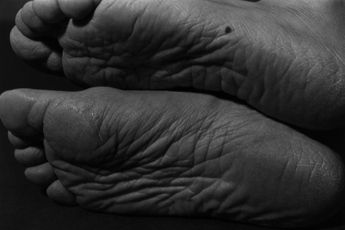
In the decades after World War II, Japanese photographers turned their lenses toward a country in transition. The period of United States military occupation following Japan’s defeat after the war was a time of profound political, economic, and social upheaval. The Okinawa Islands—an archipelago occupied by the United States until 1972, and still home to the majority of American military personnel stationed in Japan—along with porous towns bordering military bases became a focal point for many artists as a symbol of the clash between past and present, tradition and modernization, East and West.
Drawn from The Met collection, the artworks featured in A Long Shadow reveal how artists documented, questioned, and reshaped the social fabric of postwar Japan. They demonstrate the power of photography to not only record history but also to shape how it is understood. Monthly photography magazines and photobooks flourished as Japanese society grappled with these new realities, publishing visual essays that helped readers interpret a rapidly changing nation. Artists rejected the objective style that had dominated wartime and postwar reportage and instead embraced a subjective approach rooted in personal experience. While Tōmatsu Shōmei, one of the pioneers of modern Japanese photography, examined the collision of American and Japanese culture in communities surrounding U.S. military bases, photographers including Ishikawa Mao, Ishiuchi Miyako, and Tokiwa Toyoko explored the occupation’s impact on women’s lives—depicting their own experiences alongside those of friends and loved ones. Okinawan artists such as Yamashiro Chikako continue to address how the shadows of war remain woven into contemporary life.
The first exhibition at The Met of Japanese photography since 1995, and the second to feature many rare books, A Long Shadow also presents a group of new acquisitions by such artists as Tōmatsu, Ishikawa, and Ishiuchi, who began making pictures in the shadow of the war.


The Metropolitan Museum of Art (The Met) is one of the world’s most well-loved landmark museums located on Fifth Avenue along Central Park’s Museum Mile in Manhattan, New York. Renowned for its monumental Beaux-Arts architecture and encyclopedic collection, it also presents an exceptional showing of contemporary art.

A respected voice in contemporary art discourse.
Focusing on ambitious storytelling and insightful art-world commentary. Ocula Magazine publishes in-depth interviews, critical essays and timely analysis on the artists, exhibitions and ideas driving the global art world.
Learn more about Ocula Magazine
Showcasing the best of the art world.
Ocula partners with galleries from around the world to highlight their artists, artworks and exhibitions. Gallery membership is by application and invitation, with each member vetted by an independent panel.
Learn more about Ocula Membership

Specialises in the sale of major artworks.
Led by a team with deep ties to the world’s leading auction houses, galleries and collectors. Ocula’s advisory team offers bespoke services to high-net-worth clients from around the world who are looking to acquire the best of contemporary and modern art.
Learn more about our team and services