



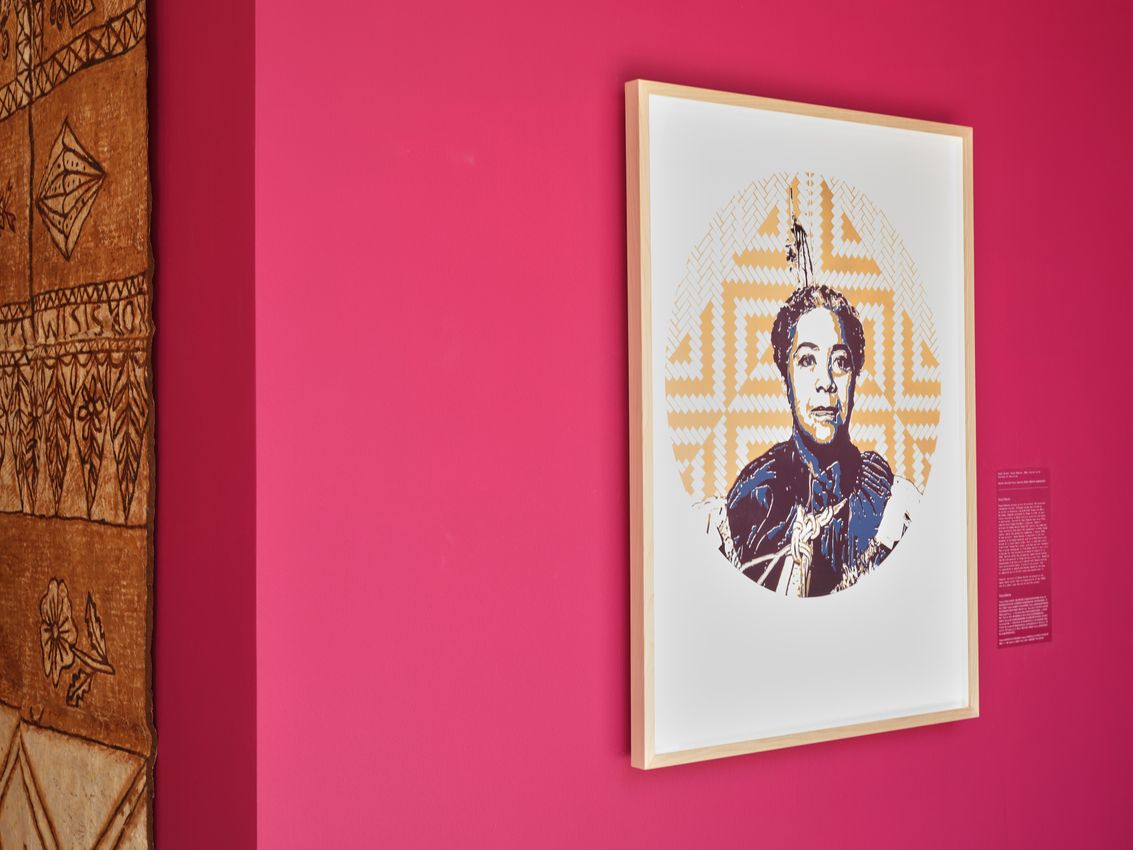
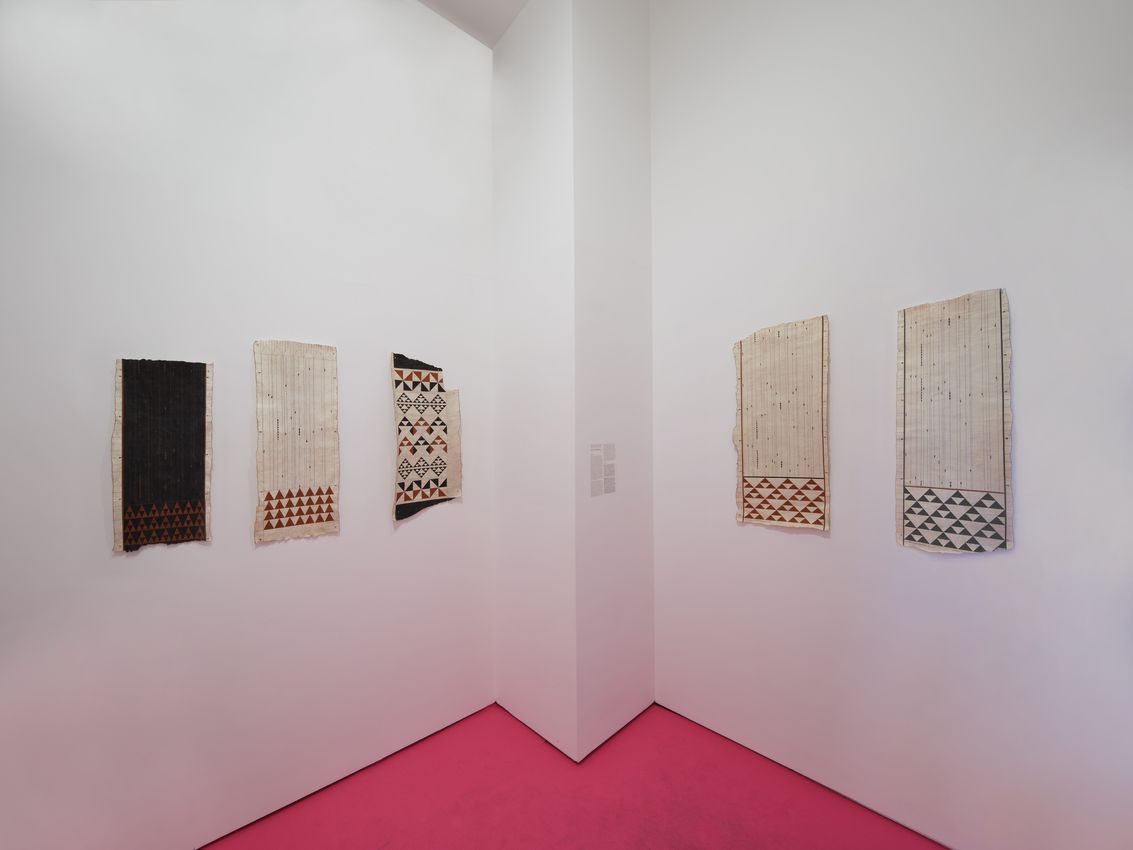
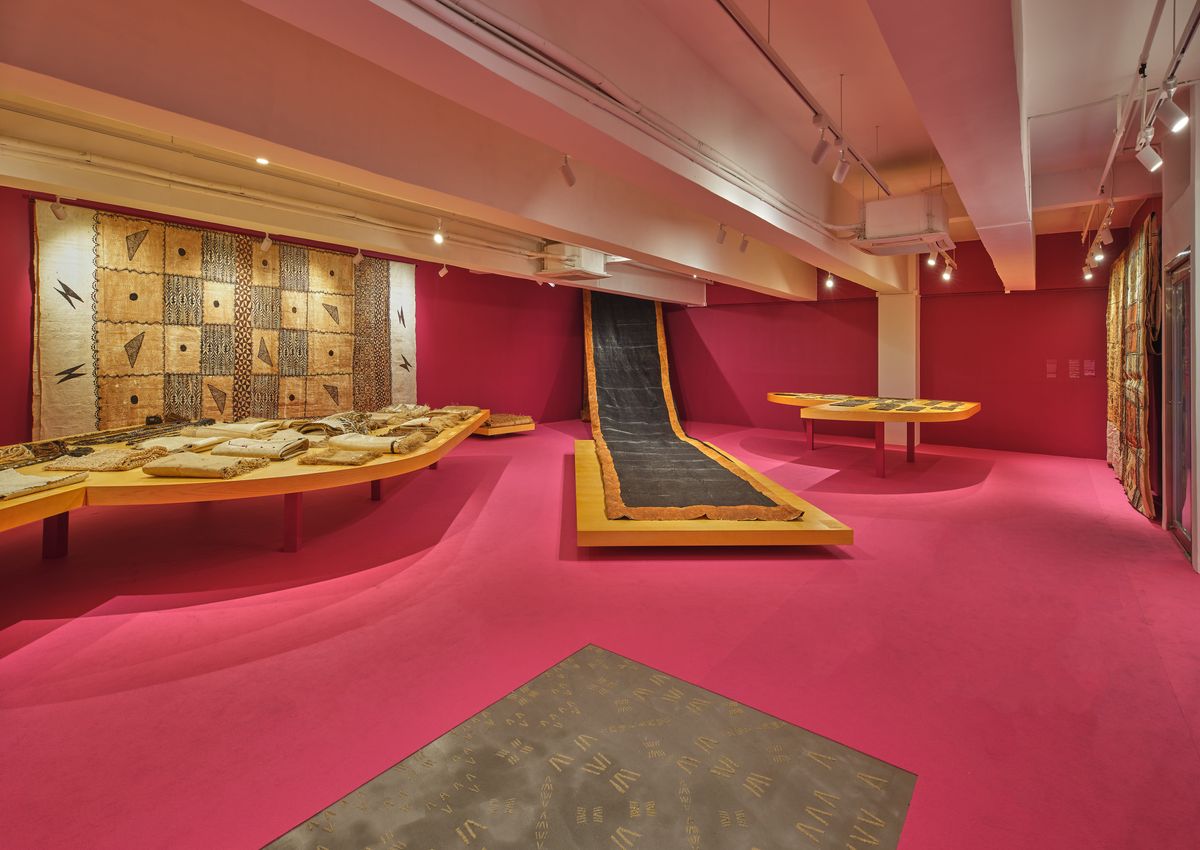
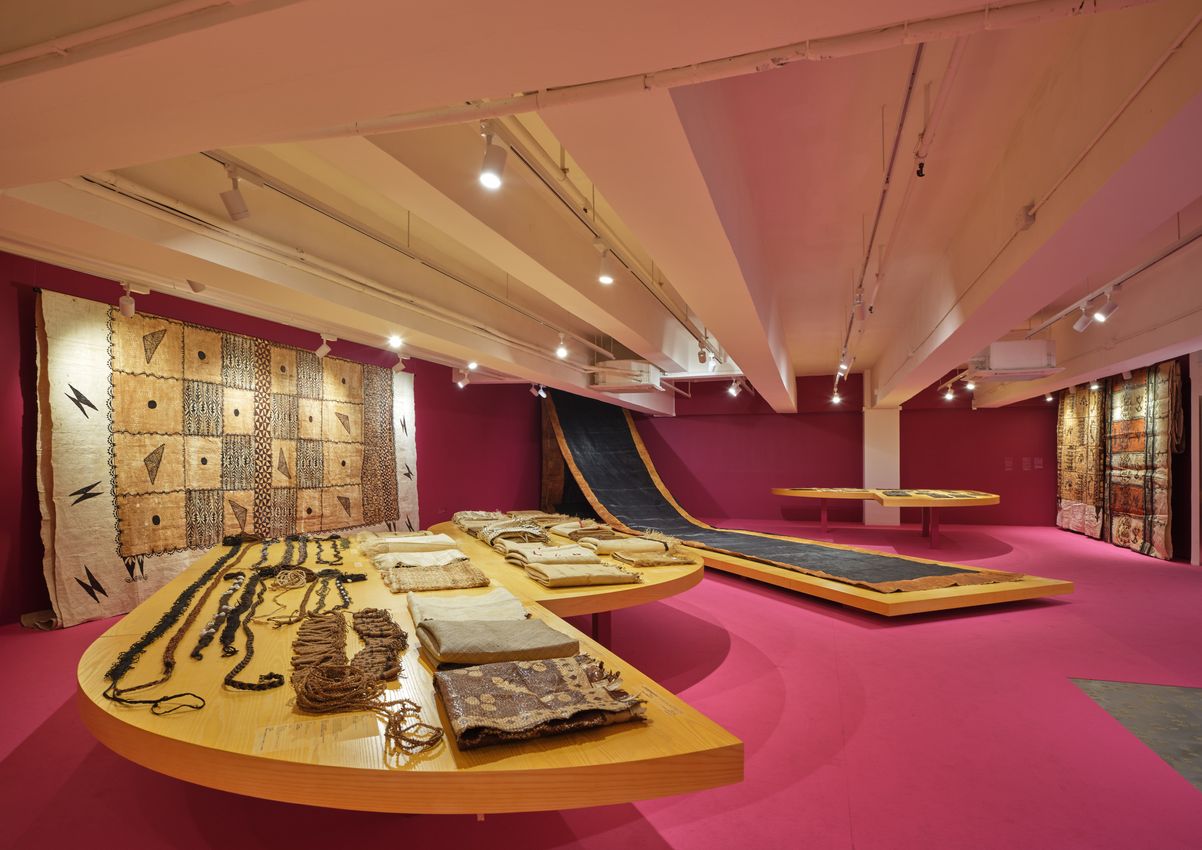
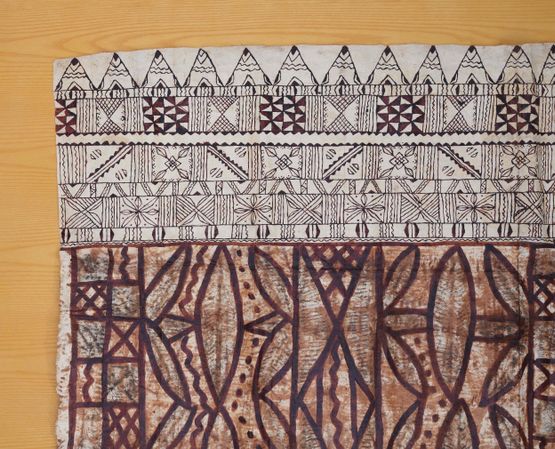
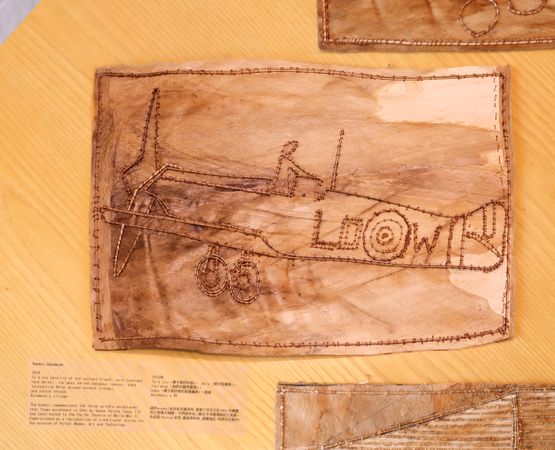
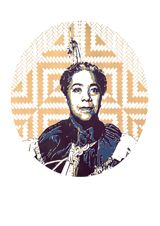
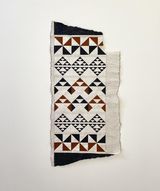
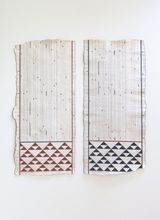
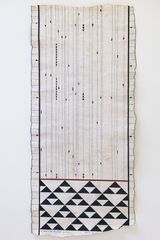
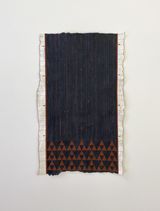
Para Site is proud to present the exhibition Koloa: Women, Art, and Technology, an unprecedented international presentation based on the life-long research of Tunakaimanu Fielakepa, the Dowager Lady Fielakepa, the Kingdom of Tonga’s foremost knowledge-holder of ‘koloa’ or customary women’s arts in Tonga. The exhibition in Hong Kong marks the second presentation of the exhibition, which was launched in August this year as a partnership between Para Site and the Langafonua ‘a Fafine Tonga, a historic centre for women’s customary arts, established by Queen Sālote Tupou III in 1953 in Nuku’alofa. The Dowager Lady Fielakepa has often been consulted and has written for major international research and museum projects, but this will be the first exhibition that presents her exceptional work and perspective to both Tongan and international audiences under her acknowledged authorship. The exhibition thus features a rich array of Tongan art practices, focused upon the main categories constituting koloa: ngatu or bark cloth making and fine weaving such as ta’ovala garments and ceremonial mats, as well as kafa or woven rope. The presentation includes prized, heirloom pieces as well as newly produced examples specially commissioned for the exhibition. These new pieces ensure a full exploration of design motifs and techniques of Tongan artistic practices, at the same time as they support the Dowager Lady Fielakepa’s vision to stimulate and support village-based women’s groups who gather and maintain the skills, stories, songs, and knowledge that make up koloa. For its international presentation at Para Site in Hong Kong, the exhibition expands its scope with a parallel, curated presentation of three women artists, Tanya Edwards, Nikau Hindin, and Vaimaila Urale, that further reflects upon the sophisticated status of aesthetic lineages in the Pacific as inseparable manifestations of art and technology.
The artistic practices of koloa are enmeshed within extensive pathways of knowledge, technology, aesthetics, as well as social and ecological lineages. Their production indexes a political geography of eco-social relations through both the materiality and the motifs of particular pieces. Through a ceremonially orchestrated system of exchange, the arts of koloa have been a crucial component in politically, socially, and culturally binding an extensive maritime geography of the some 170 islands of Tonga. Exchange also extends to neighbouring nations such as Fiji and Samoa, and beyond, maintaining close historical ties in trading and familial relations despite the enforced partitions of the colonial era and the enclosed and bordered formation of the modern nation-state. The exhibition thus presents examples of artistic practices from the Pacific region, highlighting the specialisation of techniques and styles, as well as various efforts of revitalising lost or dwindling practices. As part of the exhibition’s broader affirmation of the need for establishing a horizontal platform for reading contemporary artistic practices of various lineages, this accompanying presentation includes examples of bark cloth and textiles from greater Asia, Latin America, and Africa—associating pieces based on their shared influences but also on their similar visual qualities, social function, and historical narratives, in a manner emphatically closer to contemporary art curating principles than traditional ethnographic selections.
Organising this exhibition within a contemporary art institutional framework affirms a commitment to expanding what is acknowledged as contemporary artistic practices. It responds to this political agenda to decolonise our taxonomies and perspectives and to move beyond the category of art as defined by the colonial legacy, by including artists working with and from within multiple aesthetic and cosmological perspectives and meanings, manifesting the multiplicities that construct our kaleidoscopic global reality. This includes as a matter of urgency practices that have been systematically excluded from the realm of art and designated by a colonial ethnographic gaze as craft, folklore, or at best, ‘traditional’ art, even if these practices often perform analogous cultural and social functions in their communities as art does in the system of global society. The presentation and reception of such work in the changing and critical field of contemporary art recognises the same evolving nature of these practices, as well as their potential for a critical reflection of their contexts, as opposed to the static and obedient character assigned to them by the Westerncentric perspective.
While the inaugural exhibition at Langafonua in Nuku’alofa focused upon a social activation of koloa as a vivid aesthetics and technics, the inclusion in the Hong Kong iteration of the three contemporary artists from the Pacific broadens and deepens this conversation. With reference to distinct knowledge repertoires and practice archives such as Sāmoan tatau (body-marking), Māori ocean and celestial navigation charts, and the incorporation of modern technology into existing infrastructures such as ngatu, each of these artists pries open the powerful relation of art and technology with a grounding in women’s knowledge and practice.
Koloa: Women, Art, and Technology is curated by Tunakaimanu Fielakepa, the Dowager Lady Fielakepa, and co-curated with Cosmin Costinas and Vivian Ziherl.

Established in 1996 by seven Hong Kong artists, Para Site began as the city’s first artist-run exhibition space and has since developed into an internationally networked hub for contemporary art.

A respected voice in contemporary art discourse.
Focusing on ambitious storytelling and insightful art-world commentary. Ocula Magazine publishes in-depth interviews, critical essays and timely analysis on the artists, exhibitions and ideas driving the global art world.
Learn more about Ocula Magazine
Showcasing the best of the art world.
Ocula partners with galleries from around the world to highlight their artists, artworks and exhibitions. Gallery membership is by application and invitation, with each member vetted by an independent panel.
Learn more about Ocula Membership

Specialises in the sale of major artworks.
Led by a team with deep ties to the world’s leading auction houses, galleries and collectors. Ocula’s advisory team offers bespoke services to high-net-worth clients from around the world who are looking to acquire the best of contemporary and modern art.
Learn more about our team and services
