





Thailand Biennale Rips Through Phuket’s Tourist Clichés
Turning conventions of tourism on their head and reflecting on environmental and sexual exploitation, this year’s Thailand Biennale doesn’t need international superstar artists to provoke conversation. Save to My OculaOn the flight to Phuket, the fourth stop of the travelling Thailand Biennale (after previous iterations in Krabi, Korat and Chiang Rai), I opened co-curator Hera Chan’s preview essay. It reads like a crash-course intelligence briefing: beginning with the island’s many names, it gathers pace as it carries the reader towards the socio-historical pressure points of tourism on a financially ascendant island with scant cultural visibility. In effect, the text doubles as a guide for a context-sensitive visitor to a nation whose tourism industry totalled as much as 20 percent of its entire GDP pre-pandemic, with Chan inviting the kind of ‘cultural’ tourists who are likely to travel for a bienniale to be attentive to what lies beneath the surface, cautiously testing the limits of an inevitably exterior gaze.
While the directors of the Thailand Bienniale Phuket 2025 (29 November 2025–30 April 2026) have chosen curators with a regional footprint (appointing Arin Rungjang and David Teh as artistic directors, alongside Marisa Phandharakrajadej and Chan herself), the exhibition indulges in a familiar flourish of global biennials: a sweeping umbrella theme. This time, Kalpa (a Thai word hinting at infinite time and wholeness) serves less as meaning than as a canvas for covering everything under the regional sun. Yet Phuket, an island tourist destination long dominated by the travel economy, keeps its internal cultural lineage elusive, leaving the curators to stake their bets on counter-images that might offset the industry’s more commercialised constructions.
![Speedy Grandma, Pickled Thoughts in Brine: Come Be a Tourist in My Sea (2025). Exhibition view: Thailand Biennale: Eternal [Kalpa], Phuket (2025).](https://files.ocula.com/rf/d4/d4410d81-bcc4-46f9-a78e-3ca87ec8e76f/speedy-1.jpg)
![Nathalie Muchamad, The Throne and the Crown (2025). Exhibition view: Thailand Biennale: Eternal [Kalpa], Phuket (2025).](https://files.ocula.com/rf/61/61b0e4a7-3548-4c25-834b-e3a8c6e7ef5f/l9a5857.jpeg)
![Ibrahim Mahama, Freshwater, Stay with me, and Sweet medicine (2024–2025). Exhibition view: Thailand Biennale: Eternal [Kalpa]](https://files.ocula.com/rf/bc/bc52aa29-9b5c-46c8-b003-90d047bc8841/l9a6146.jpeg)
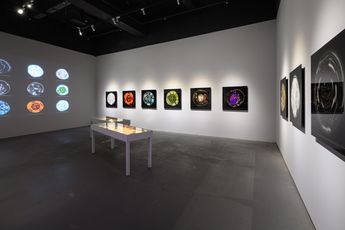
![Noémie Goudal, Grand Vide (2024). Exhibition view: Thailand Biennale: Eternal [Kalpa], Phuket (2025).](https://files.ocula.com/rf/8b/8b5c2e0e-12fe-405b-aa23-639313a8f0c0/l9a5787.jpg)
![Exhibition view: Thailand Biennale: Eternal [Kalpa], Phuket (2025).](https://files.ocula.com/rf/ce/cebd16a8-09ac-4cff-8ffa-494216386955/l9a5716.jpg)
The Biennale’s decentralised layout—20 venues (plus 13 independent pavilions), 65 artists and collectives, and more than 50 commissioned works—sprawls across the well-trodden old town and the modest inland district of Kathu, home to a popular Phuket-born Taoist festival, connected by a 20-minute drive past industrial relics such as the former Kathu Liquor Distillery and Chao Fah Power Station, with a few venues scattered even farther afield. Many long-emptied service facilities, whose ill-fated histories are deployed to reveal the city’s economic swings, are strategically activated as part of the exhibition’s site-driven narrative. Not all were ready for the opening (a risk inherent in repurposing such spaces) but the experiment is worthwhile: a ghosts-of-the-economic-boom tour where learning about the city’s history replaces lecturing with a guided, experiential mode.
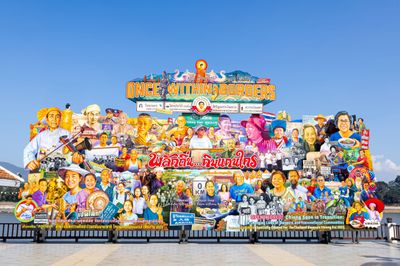
In any case, in claiming to ‘unify the vernacular of everyday life… and the aesthetics of tourism’, the curators invite a reflexive reading of the island’s self-constructed tourist figure. Let me begin with a minor gesture and save the macro one for later. One entry point is the exhibition’s subtle camouflage: some gallery entrances are disguised as information desks. In a former hotel lobby, arranged like a boisterous visitor hub of pamphlets, photos and texts, Bangkok artist collective Speedy Grandma conjures a Thai adventure epic to critically examine their own external gaze on Phuket and its historical constructions. Upon entering the notoriously sleazy Pearl Theater, artists Mochu and Merve Ertufan stage a philosophical riff on the souvenir shop, in which the Ancient Greek concept of isonomia (equality before the law) is spelled out upon a painted Aegean Airlines board, used here to reflect on the often-unequal power dynamics of resort tourism, and is complemented by a dozen magnets, from the kitsch ‘I ❤️ Philosophy’ to beach-sandal magnets stamped ‘misdelivery’. Likely borrowed from Japanese philosopher Hiroki Azuma, the term frames the tourist as a contingent subject. As Azuma writes in Philosophy of the Tourist (2023), ‘even people with no interest in art might tour museums while visiting France or Italy’, encountering moments that can unexpectedly shift perspective. Azuma uses the unremarkable subject to suggest a form of otherness that avoids the rigid ‘friend or foe’ divides that amplify radical positions and nationalism.
“The curators do not tiptoe around sex work.”
![Mochu and Merve Ertufan, Philosophical Magnets: acknowledging declination 0° 26’ (2025–). Exhibition view: Thailand Biennale: Eternal [Kalpa], Phuket (2025).](https://files.ocula.com/rf/8f/8fdaac37-d4ff-48f5-92a9-e41df399a0f8/mochu-merve-pearl.jpg)
![Mochu and Merve Ertufan, Philosophical Magnets: acknowledging declination 0° 26’ (2025–) (detail). Exhibition view: Thailand Biennale: Eternal [Kalpa], Phuket (2025).](https://files.ocula.com/rf/86/860de470-e584-4e2b-8d48-94d46094b5af/mochu-merve-close-up.jpg)
![Tomiyama Taeko, Let’s Go to Japan!: The Thai Girl Who Never Came Home series (1991). Exhibition view: Thailand Biennale: Eternal [Kalpa], Phuket (2025).](https://files.ocula.com/rf/3d/3d9152d1-cbc4-4286-87f0-6a39bdbe5add/l9a5468.jpg)
![Imhathai Suwatthanasilp, Foxy Diva Hot Pink Lacegina Queen (2025). Exhibition view: Thailand Biennale: Eternal [Kalpa], Phuket (2025).](https://files.ocula.com/rf/c8/c84211b1-b02e-4ed7-99da-e5edb58e50d2/l9a5506.jpg)
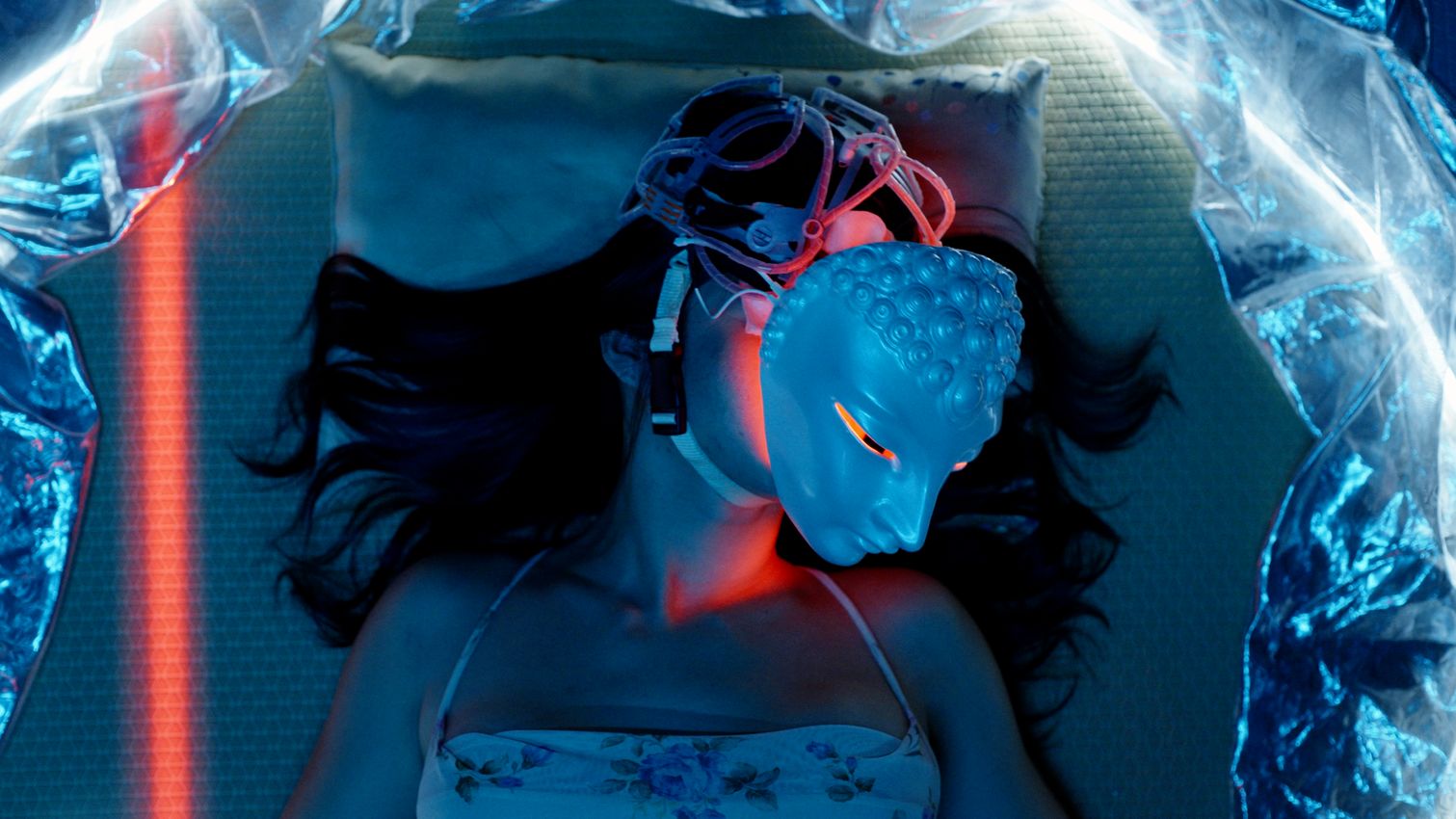
![Andrew Thomas Huang, The Deer of Nine Colors (2025). Exhibition view: Thailand Biennale: Eternal [Kalpa], Phuket (2025).](https://files.ocula.com/rf/fe/fea8adc4-bf39-4094-9eef-3d54c564e18b/andrew.jpeg)
To return to the theme of dark tourism, two major Bienniale sites loudly testify to its hidden truths through the omnipresent sex industry. Among them is the centrepiece venue, the Pearl Theater, first opened in 1971 just as the Vietnam War was putting the royal kingdom on the global travel map, tucked within a complex long catered to adult fun, its oddball licensing leaving it stubbornly vacant until the biennale moved in.
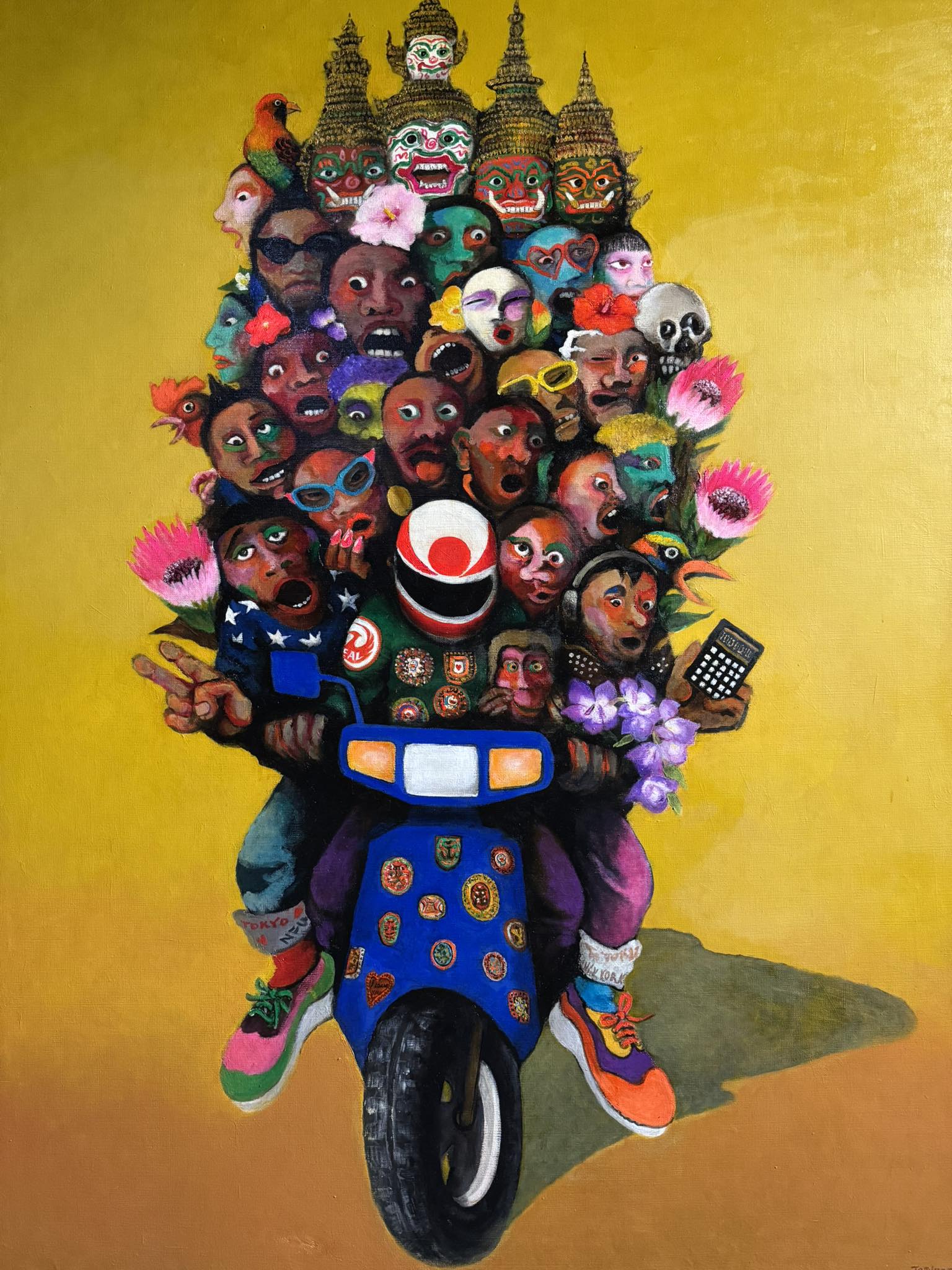
The curators do not tiptoe around sex work. They have chosen to bring back Japanese artist Tomiyama Taeko’s historical Bangkok show, Thai Girl Who Never Returned Home (1991), which sets the tone—it layers history across multiple sites and perspectives. Taeko’s wall-mounted paintings juxtapose a travelogue-like attention to Japayuki, a derogatory term for female Southeast Asian labourers in Japan (whose roles are often conflated with sex work), and their gods (helmeted bike drivers), with wildly inventive found-object collage. Pinball machine fragments and computer panels form opaque yet legible imagery of Japan’s 1980s boom, while the unresolved shadow of World War II ‘comfort women’ underwrites her concern with Japayuki as a continuing history of gendered and migrant exploitation, echoed in a nearby archival presentation.
Then the baton passes to Bangkok-based artist Imhathai Suwatthanaslip, whose Foxy Diva Hot Pink Lacegina Queen (2025)—presented like a glowing shopfront, backlit in pink—displays underwear braided from donated wigs. The furred, swaying garments hover at the edge of intimate exposure; camp, certainly, but grounded in interviews with the trans women who perform at the locally-famed theatre Simon Cabaret.
![Melati Suryodarmo, ANCESCAPE (2025). Exhibition view: Thailand Biennale: Eternal [Kalpa], Phuket (2025).](https://files.ocula.com/rf/dc/dcd5fb7b-855a-49f9-8a12-3eaacdb7e980/l9a5614.jpg)
![Oat Montien, Pearl Boy Operating Theater (2025). Exhibition view: Thailand Biennale: Eternal [Kalpa], Phuket (2025).](https://files.ocula.com/rf/e1/e11dcb98-b697-4f92-abb5-02f05ec9f8f6/l9a5617.jpg)
![Oat Montien, Pearl Boy Operating Theater (2025). Exhibition view: Thailand Biennale: Eternal [Kalpa], Phuket (2025).](https://files.ocula.com/rf/42/421466fd-2342-486b-b60f-50546e92e85d/l9a5646.jpg)

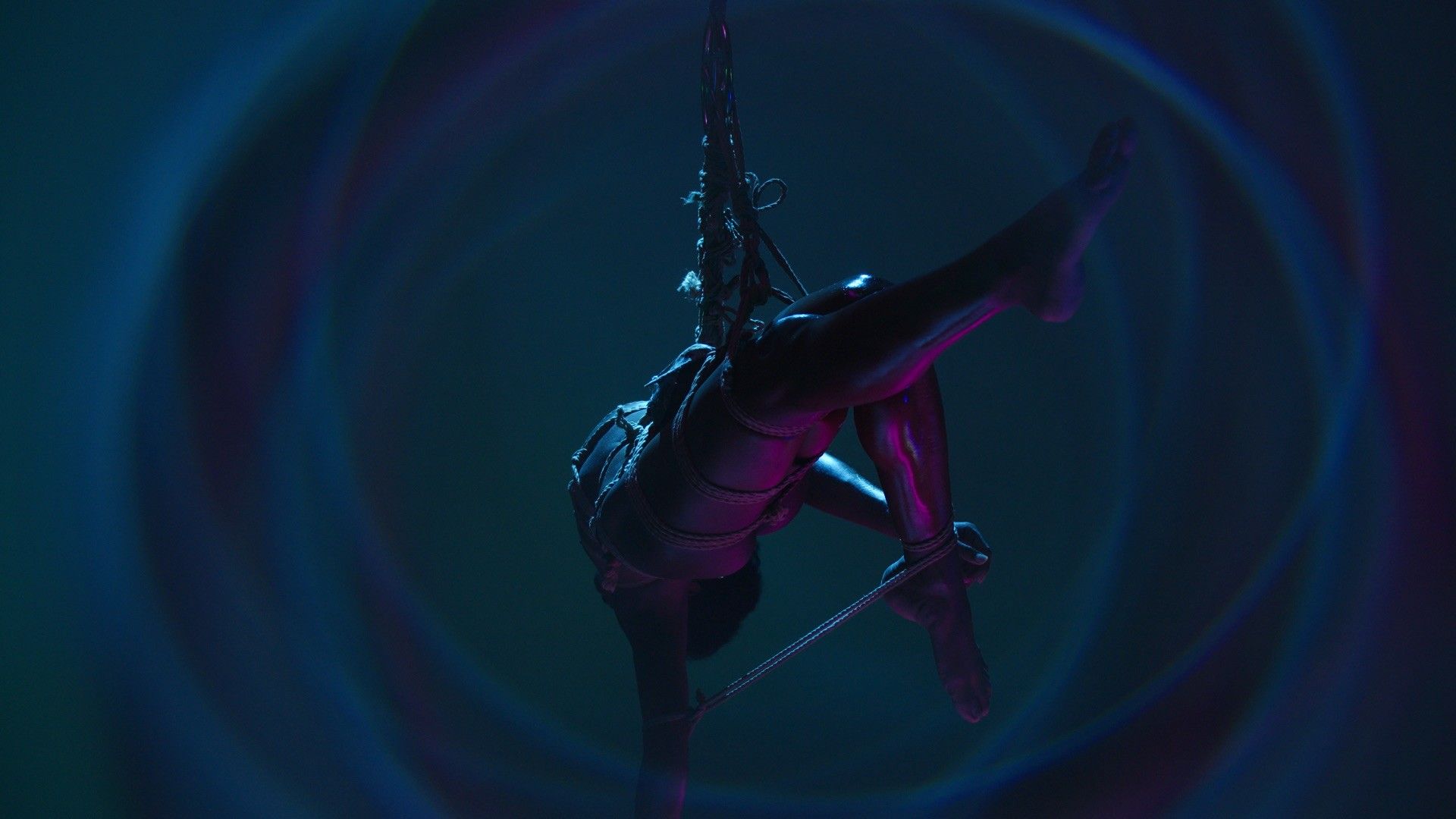
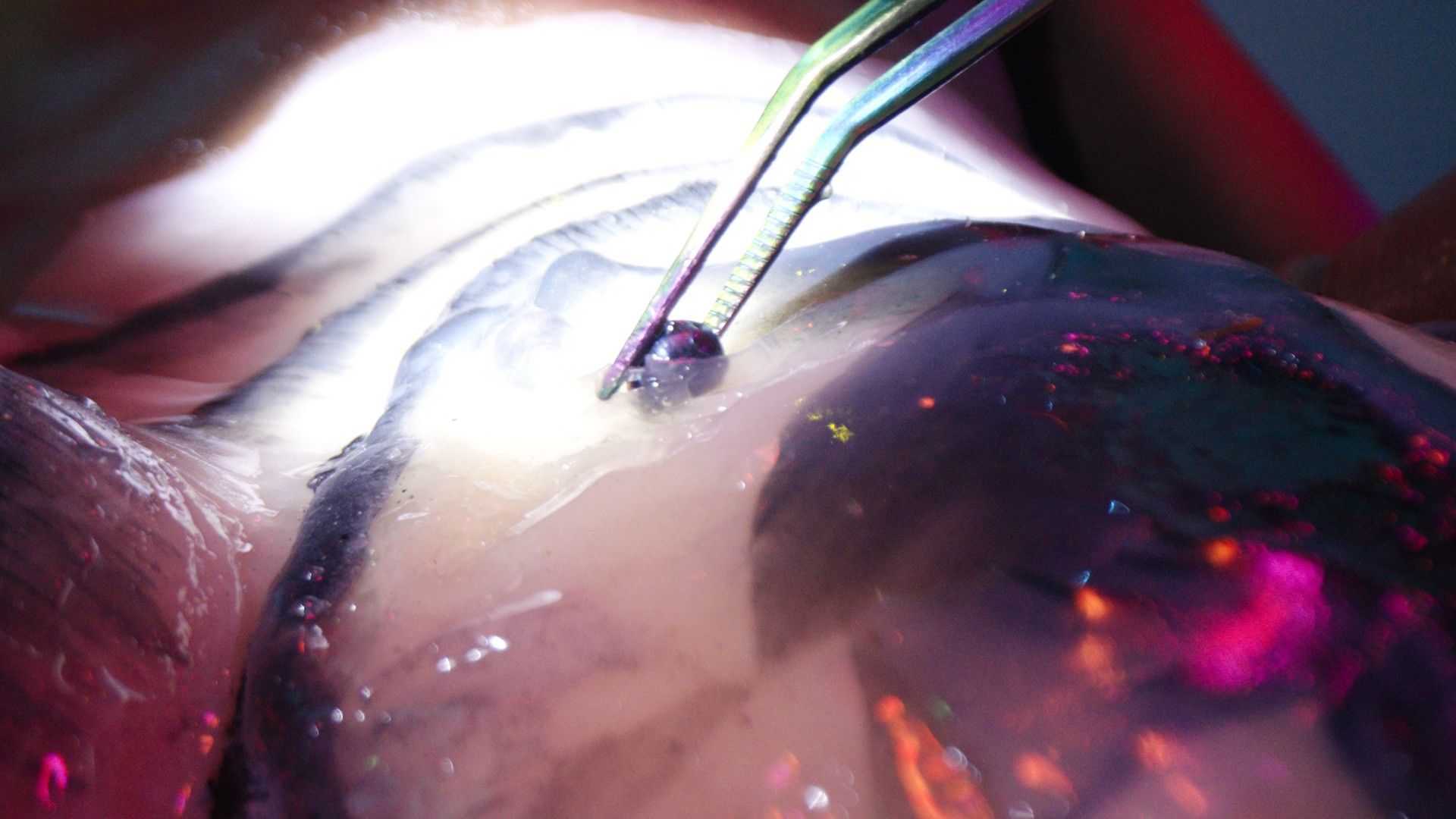
French artist Pauline Curnier Jardin’s installation of homespun flags and flowers interspersed with handwritten notes, suggestive of a community-based union group’s meeting room, is built in collaboration with a sex workers’ rights group. Next, the exhibition descends into Indonesian performance artist Melati Suryodarmo’s abstract landscape, where space itself becomes a stage for durational vocal performance. This shift changes the exhibition’s pace, leading into an audio-driven underworld where its engagement with sex work culminates in Pearl Boy Operating Theater (2025). Here, Thai artist and performer Oat Montien (who grew up in a family-run brothel among sex workers) fuses nightclub spectacle with surgical chairs for phalloplasty, scored by a provocative, risqué music video inspired by his realisation that Phuket’s nightlife glamour, embodied by the video’s titular fictional protagonist Pearl Boy, is shaped by foreign intrusion. In this way, it mirrors pearl formation: an external irritant triggers protective layering, transforming the wounds of the sex-work economy into an alluring, glittering surface.
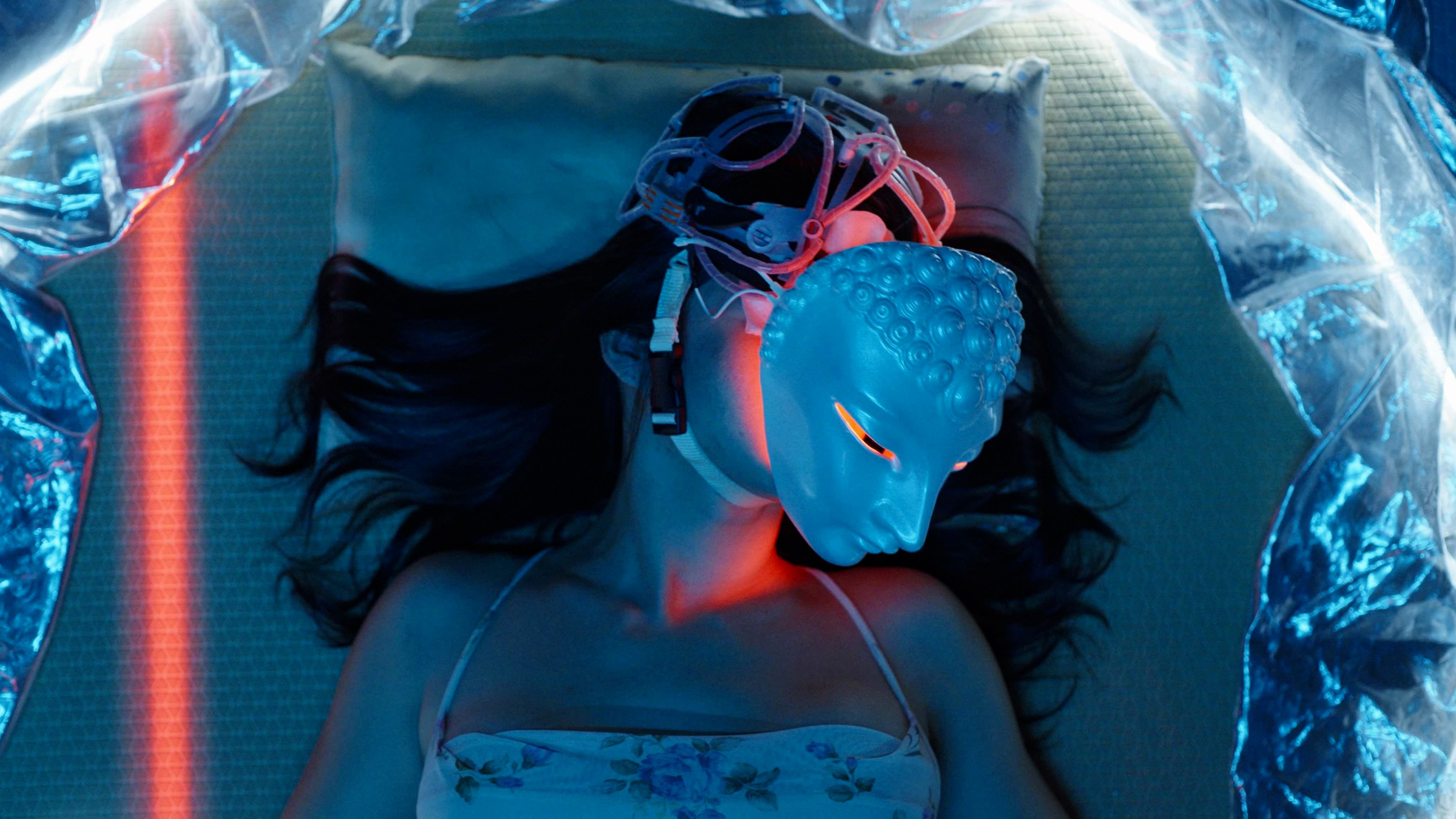
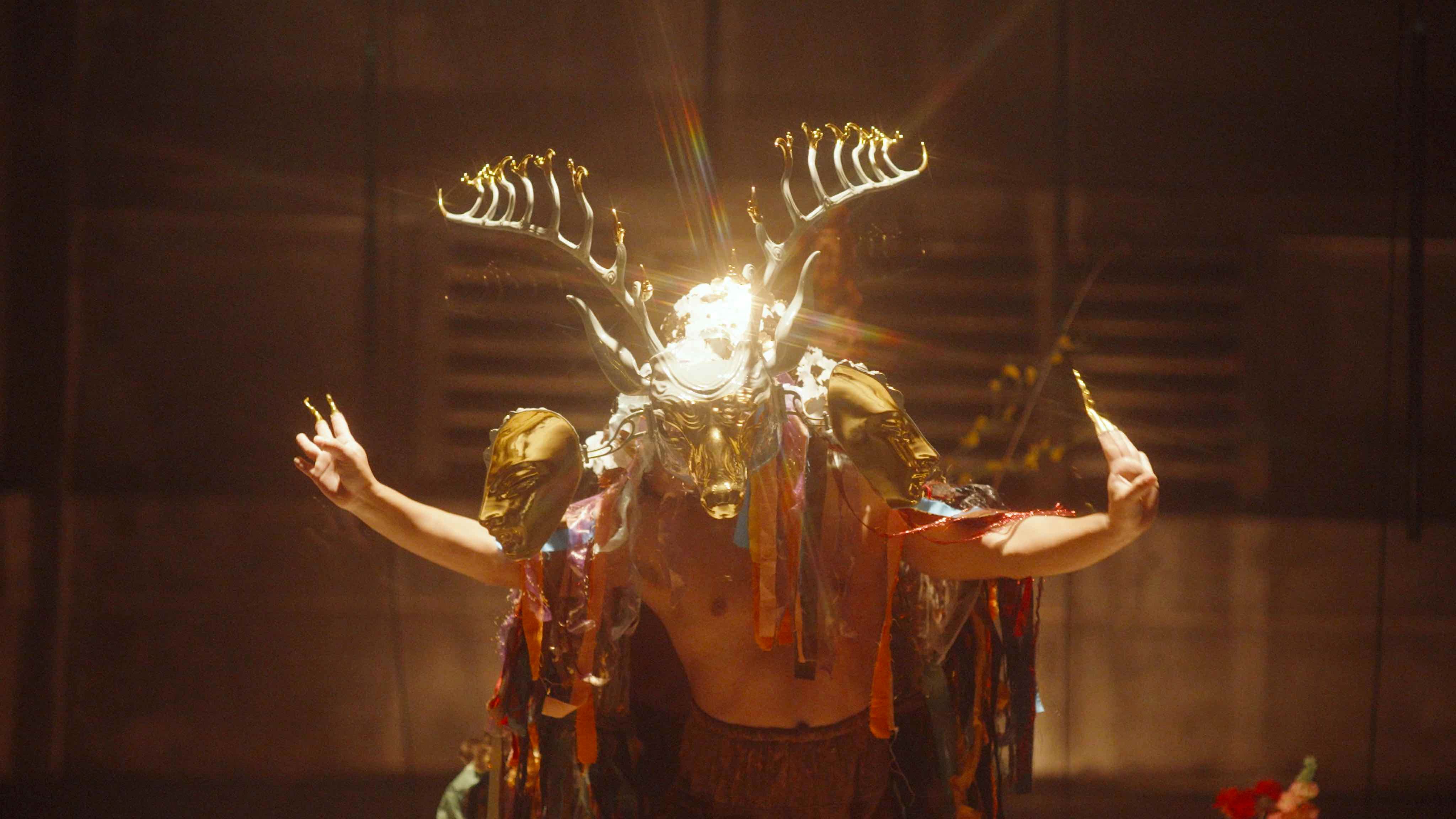
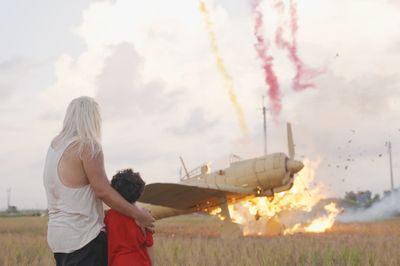
This sensorial logic extends across other venues. The exhibition feels resolutely Asian in orientation—eschewing highbrow conceptual language in favour of the media-saturated pop culture that has shaped post-war Asian imaginaries. From Chinese-American artist and filmmaker Andrew Thomas Huang’s motion-captured folkloric performance to Lebanese artist Haig Aivazian’s détournement of Asian cartoons, familiar to generations of Beirut’s children, into a newly constructed series organised around the concept of the fugitive experience.
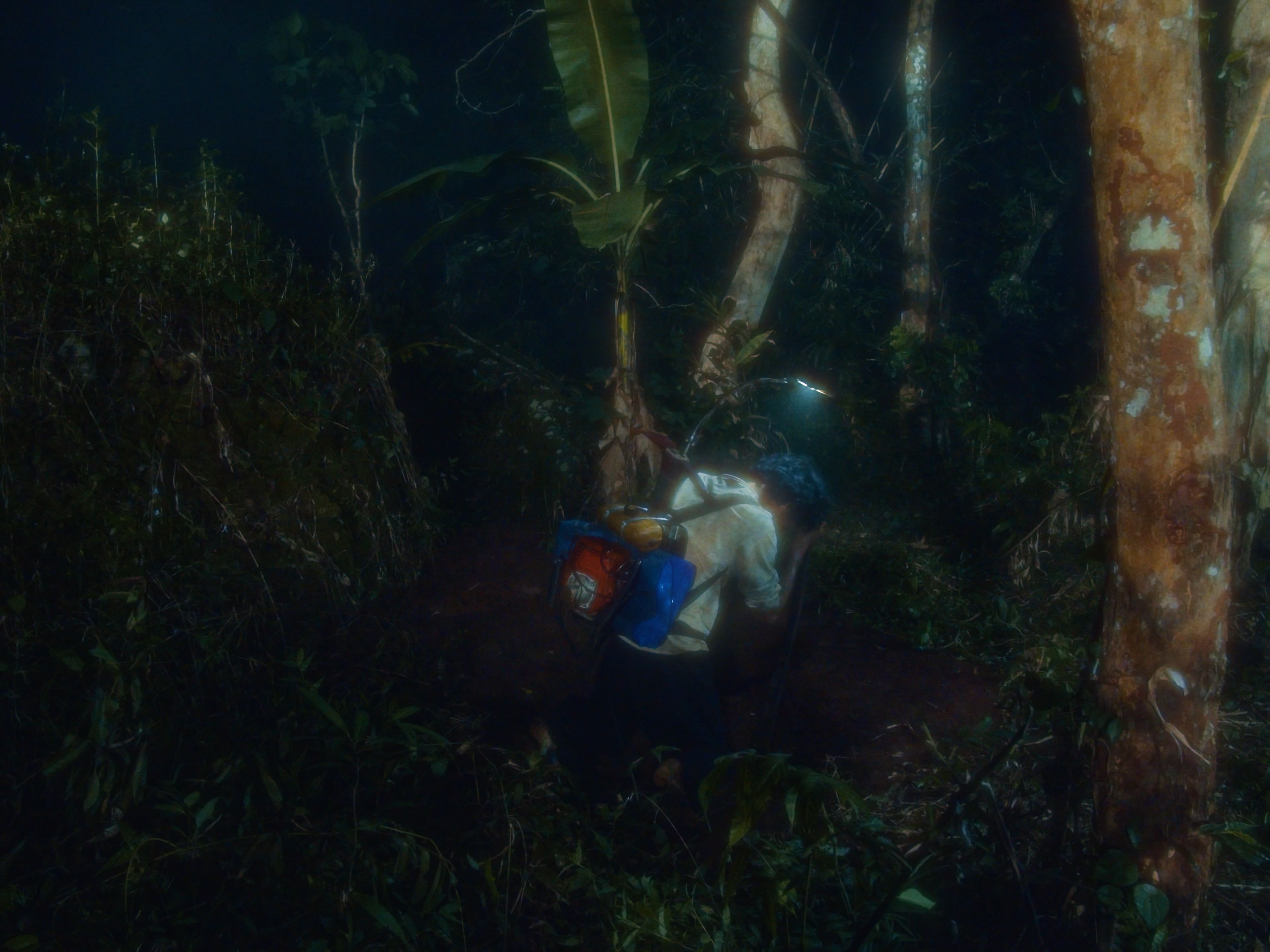
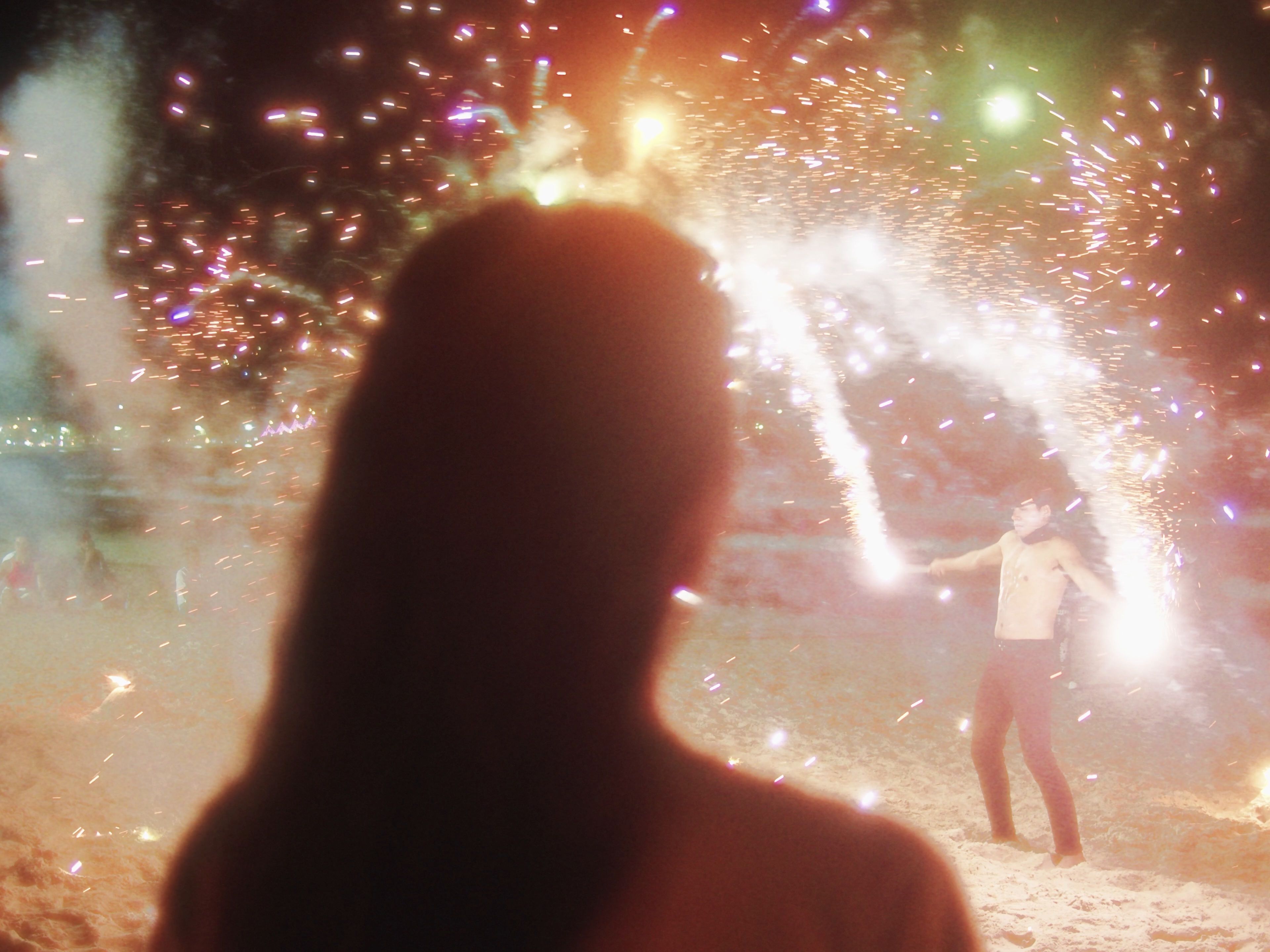
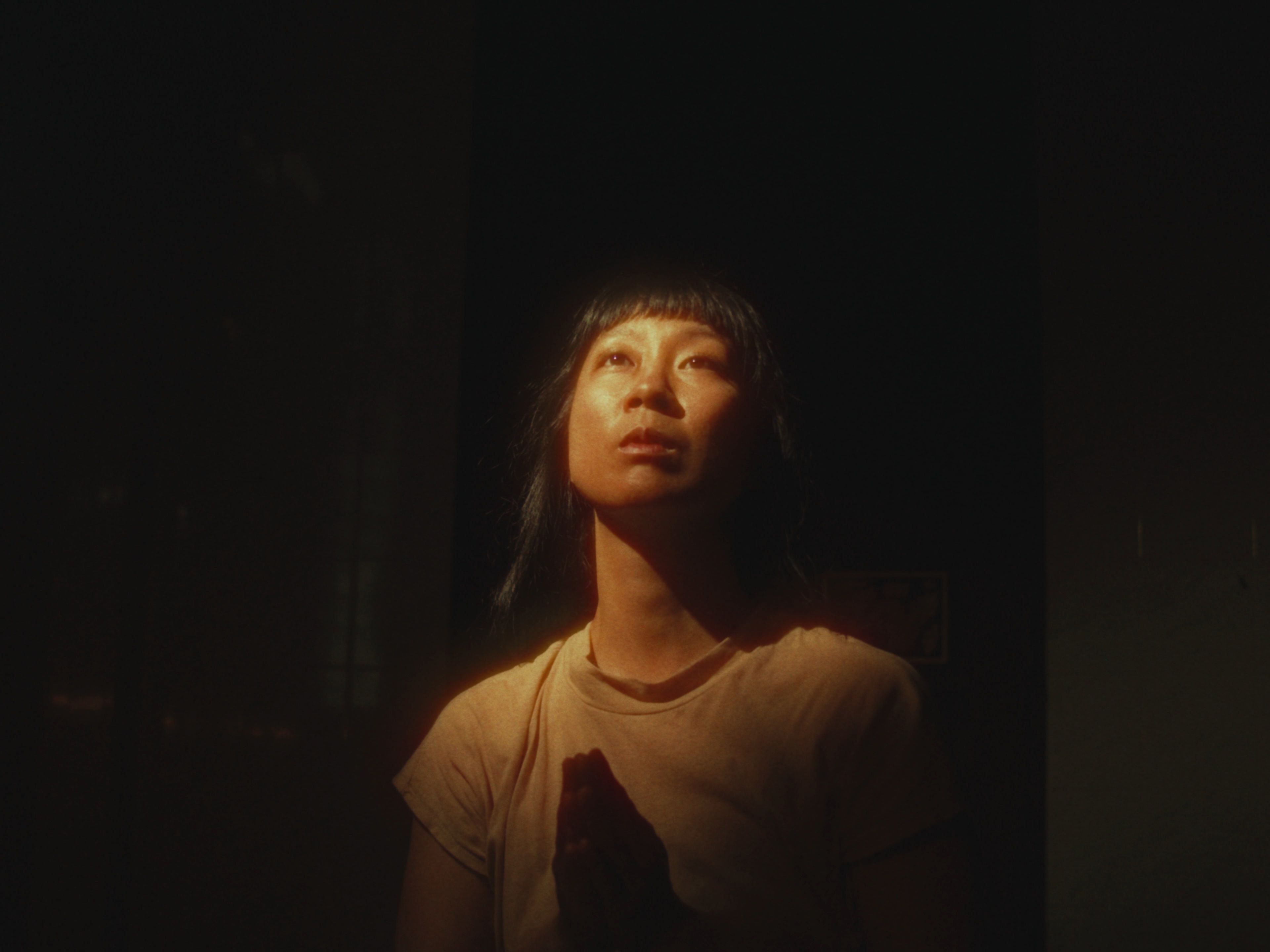
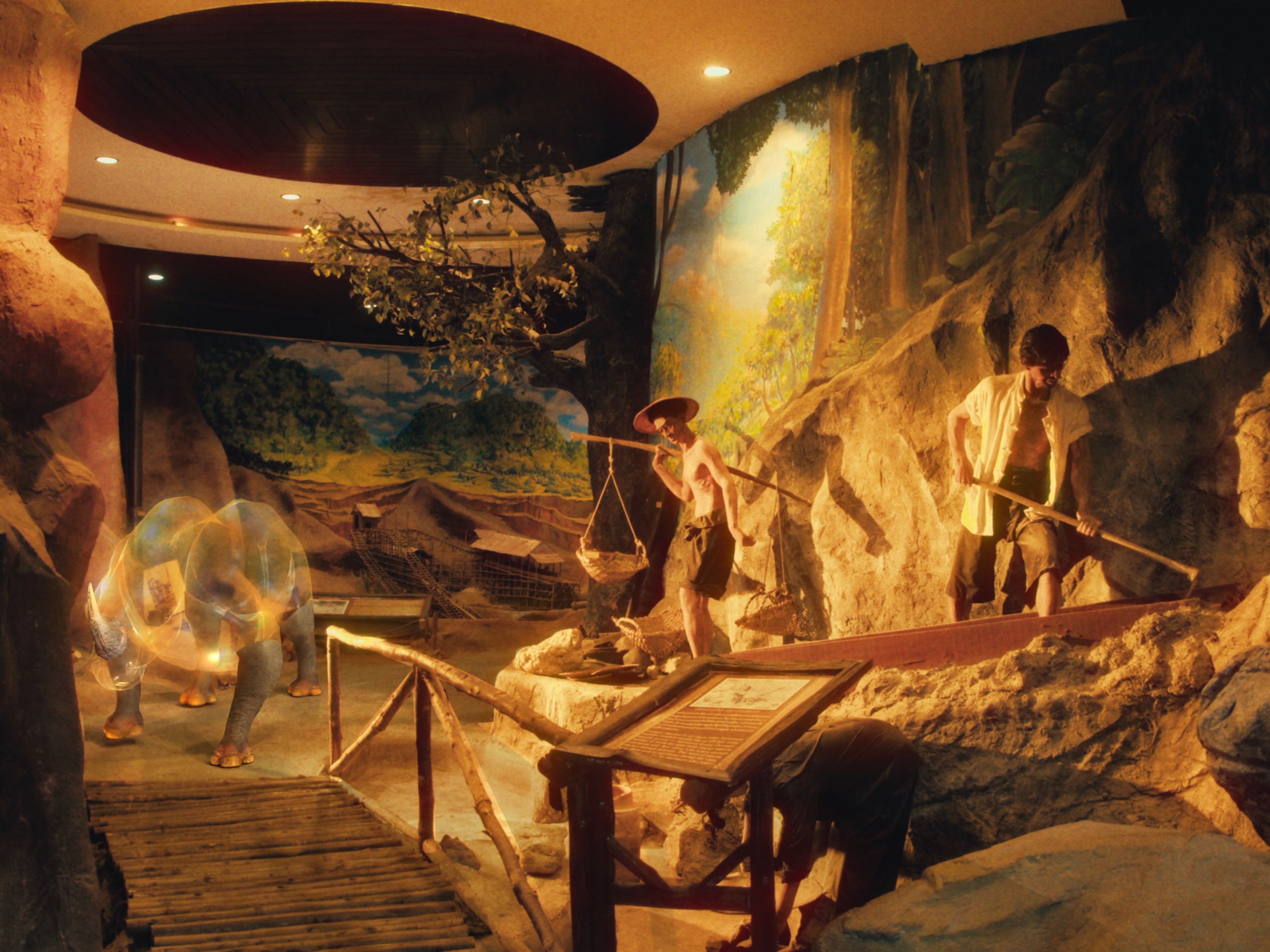
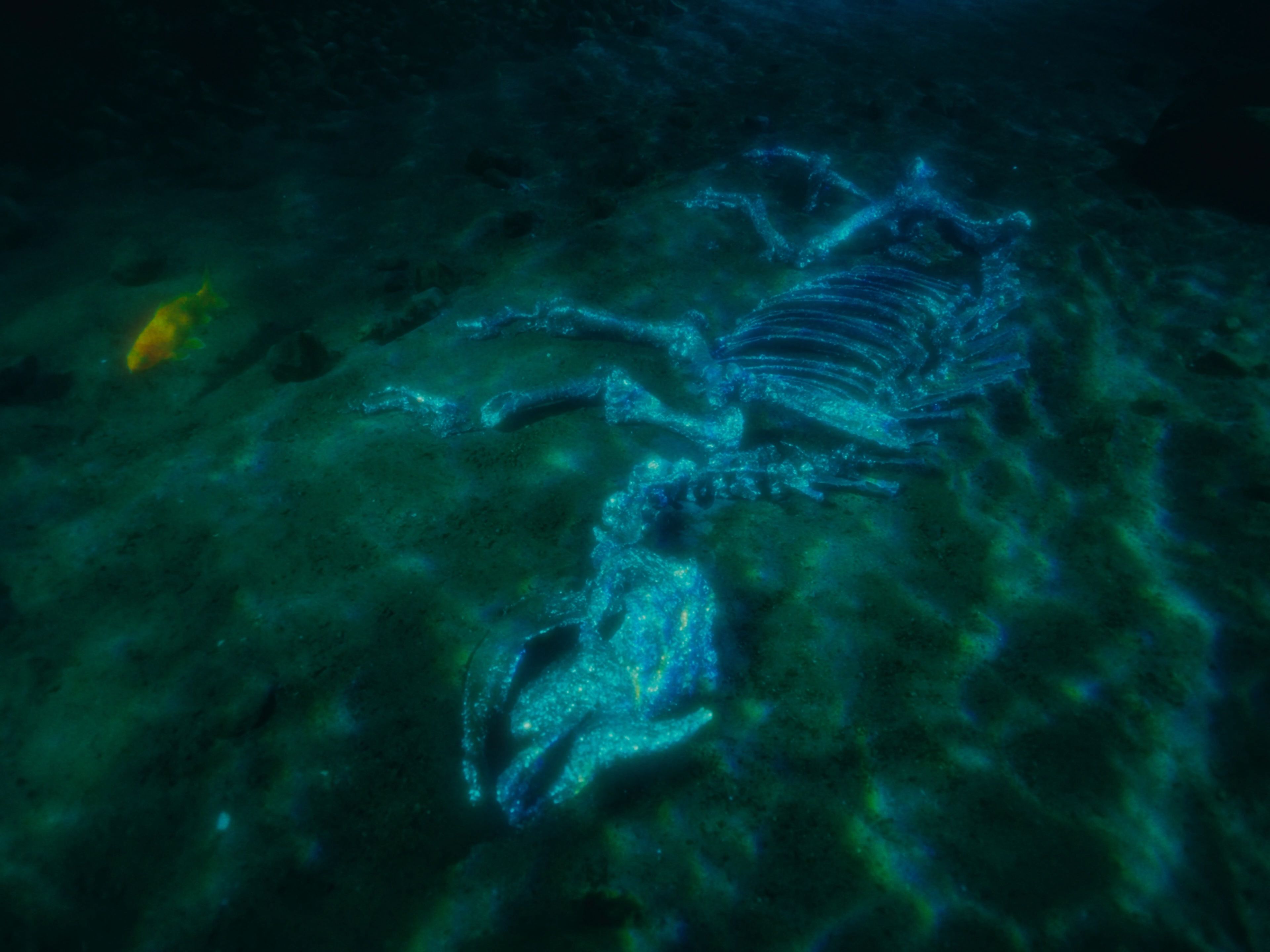
Within this lineage, one of the exhibition’s most compelling works is Indonesian artist Riar Rizaldi’s latest film, Badak (2025): a fast-paced, mind-bending, B-movie-inspired short film that folds his research on Javanese tin mining into a fantastical narrative set in Phuket. Javan rhinoceros relics once guided Dutch scientists to mineral‑rich plants, while shrines to the local Muslim deity Toh Thami replaced the rhino as a guide to tin at many mine sites. Badak dramatises these entanglements: an Indonesian miner descends a mountain shaft, transforms into a human–rhinoceros hybrid in the afterworld, and is reborn in today’s Phuket as a female tourist, fathoming the cosmic‑ecology logic that binds her destiny. The meditation on extraction and multispecies entanglement wrapped in cult‑cinema capers is unexpectedly accessible, even to the most uncurious of visitors.
“These archetypal early images of tourist infrastructures almost seem to wink at us.”
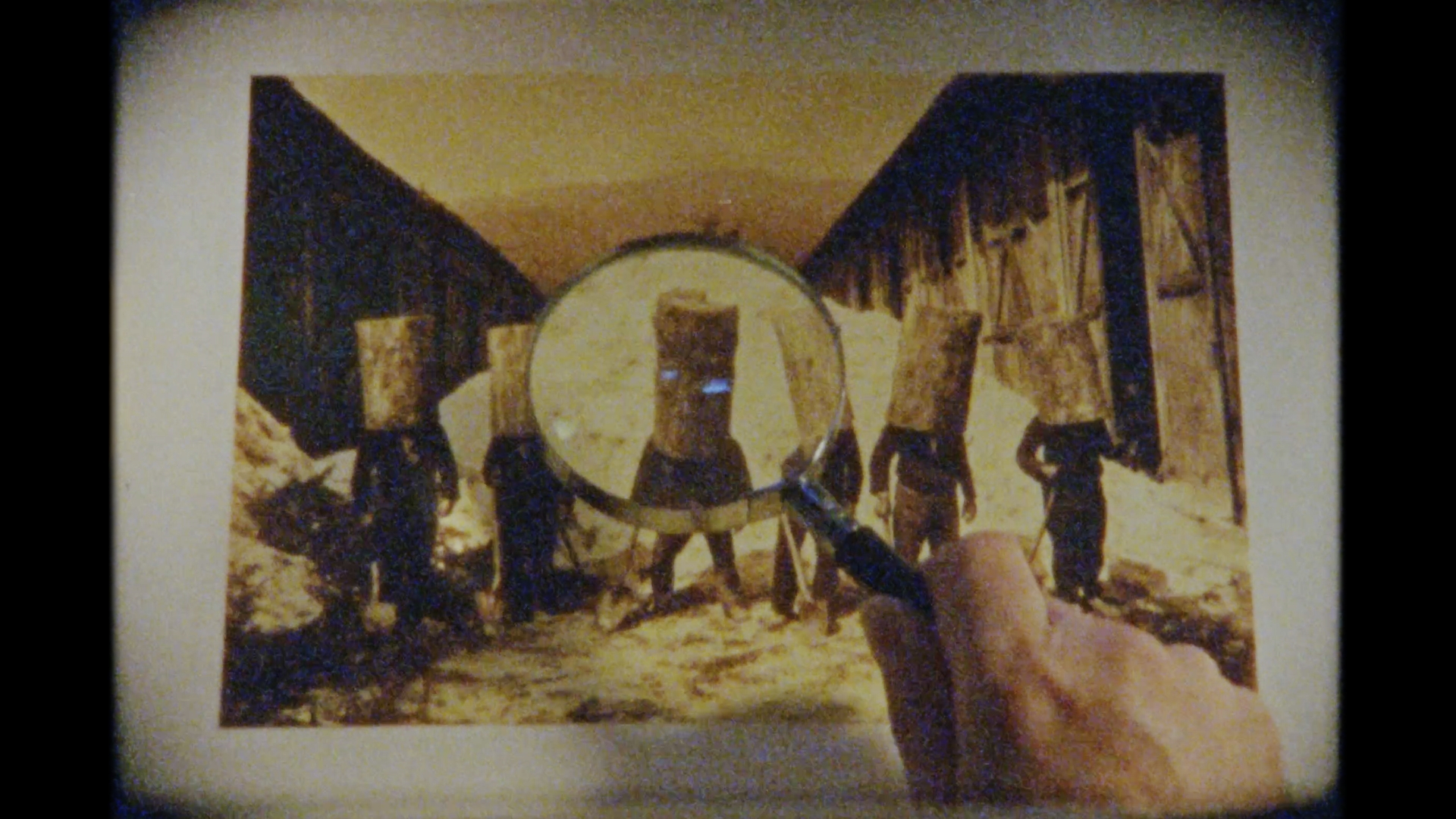
Taiwanese artist Wu Chi-Yu traces camphor extraction in Taiwan from celluloid film stock archives, constructing a genealogy linking early cinema’s material history to extractive infrastructure. His mini solo presentation weaves this serial inquiry together with Taiwanese Hakka labour songs, Phuket rubber work, and archival film sources. Most unexpectedly, the work introduces a tourism genealogy: alongside phantom-ride images filmed from the front of locomotives, it incorporates a family travel film documenting visits to camphor extraction display at the 1935 Taiwan Exposition. These archetypal early images of tourist infrastructures almost seem to wink at us: ‘Come see a show about extraction!’
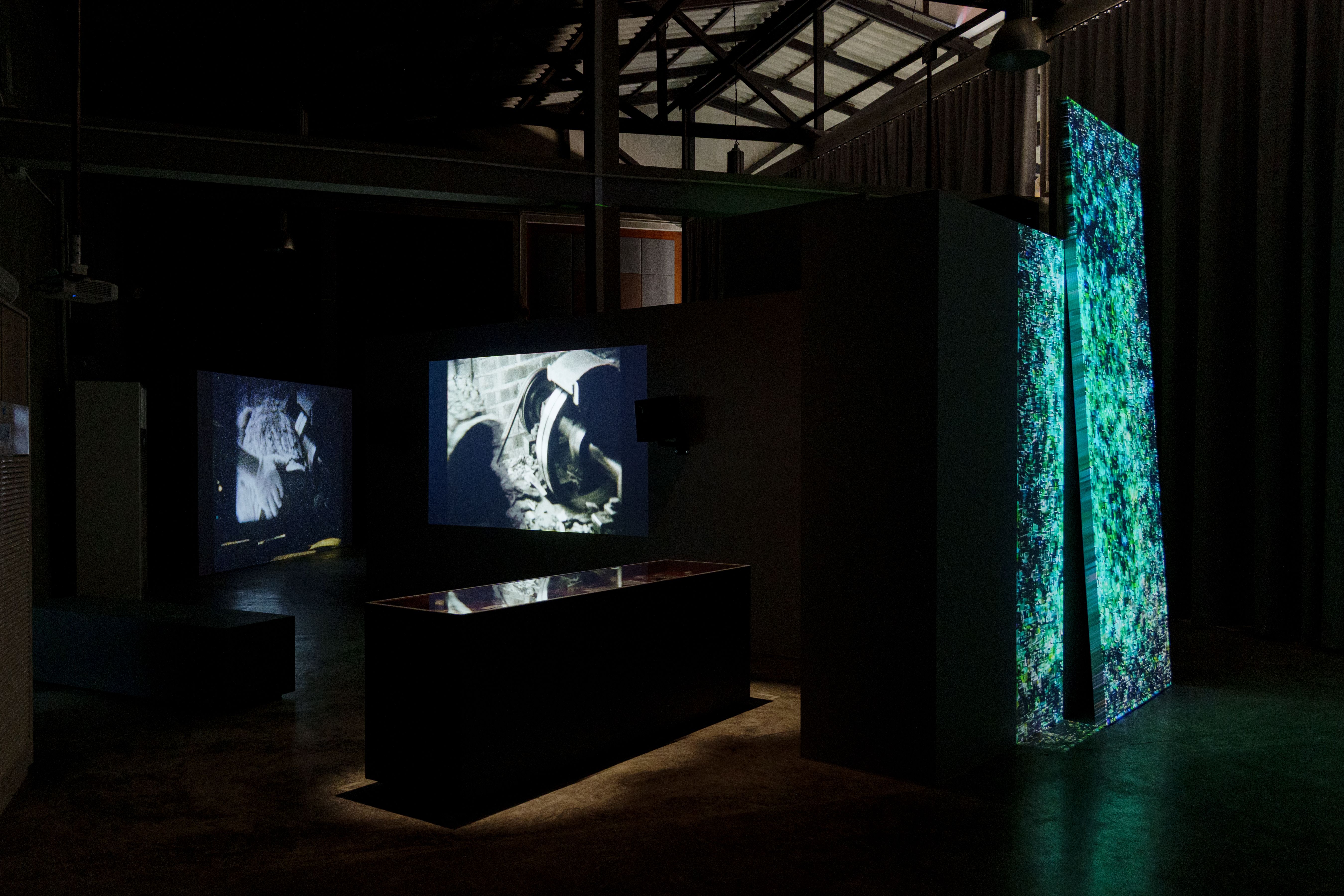
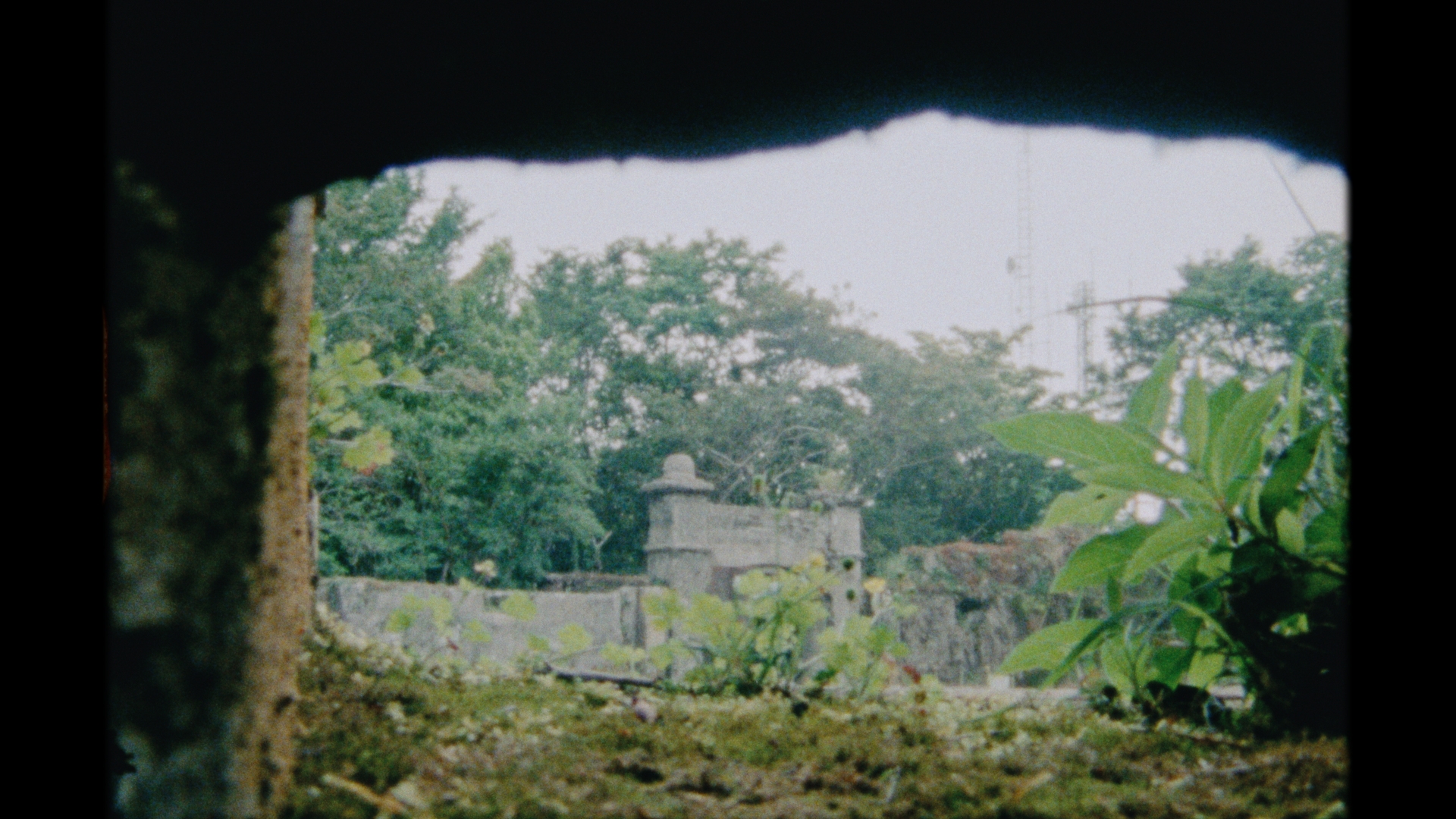
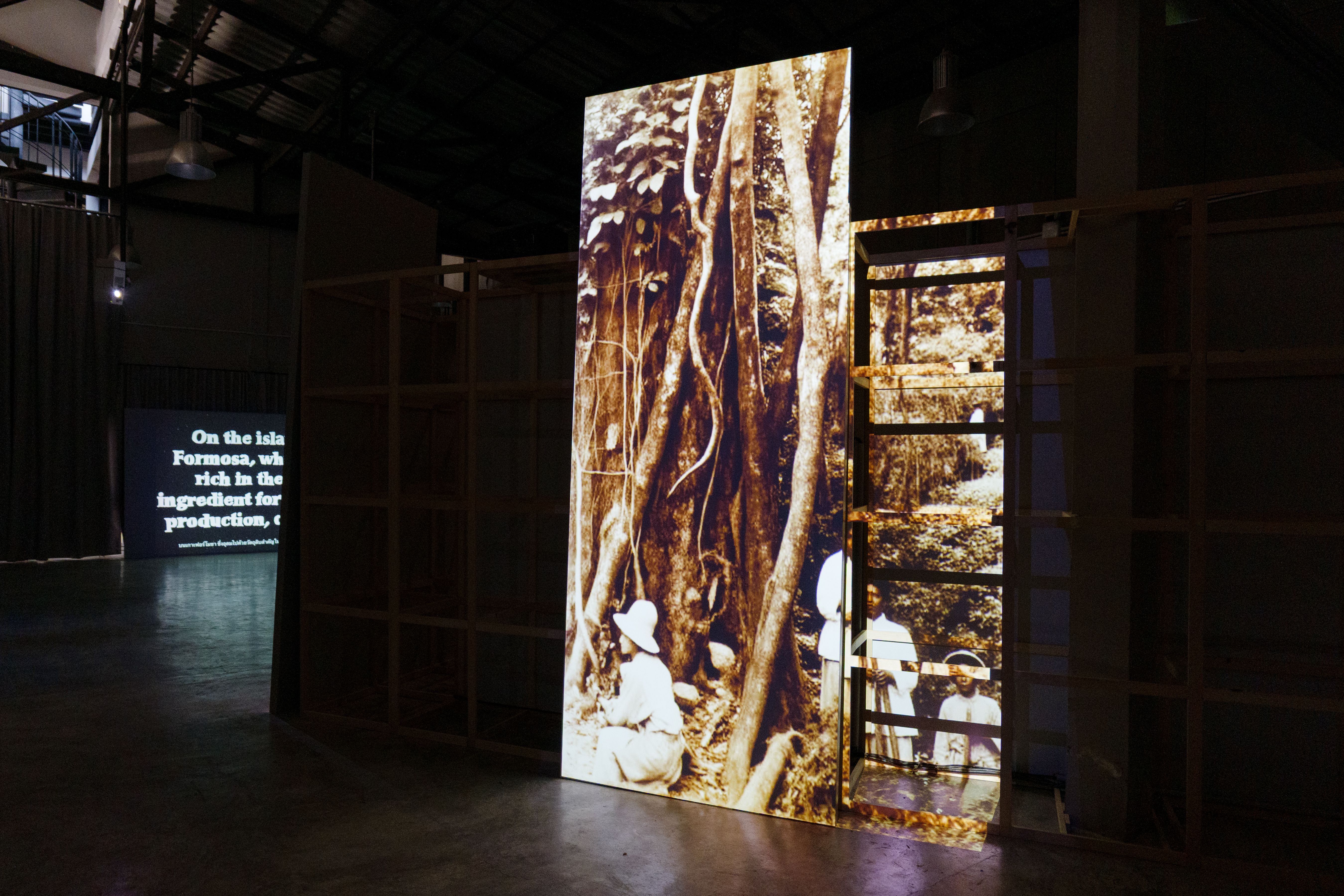
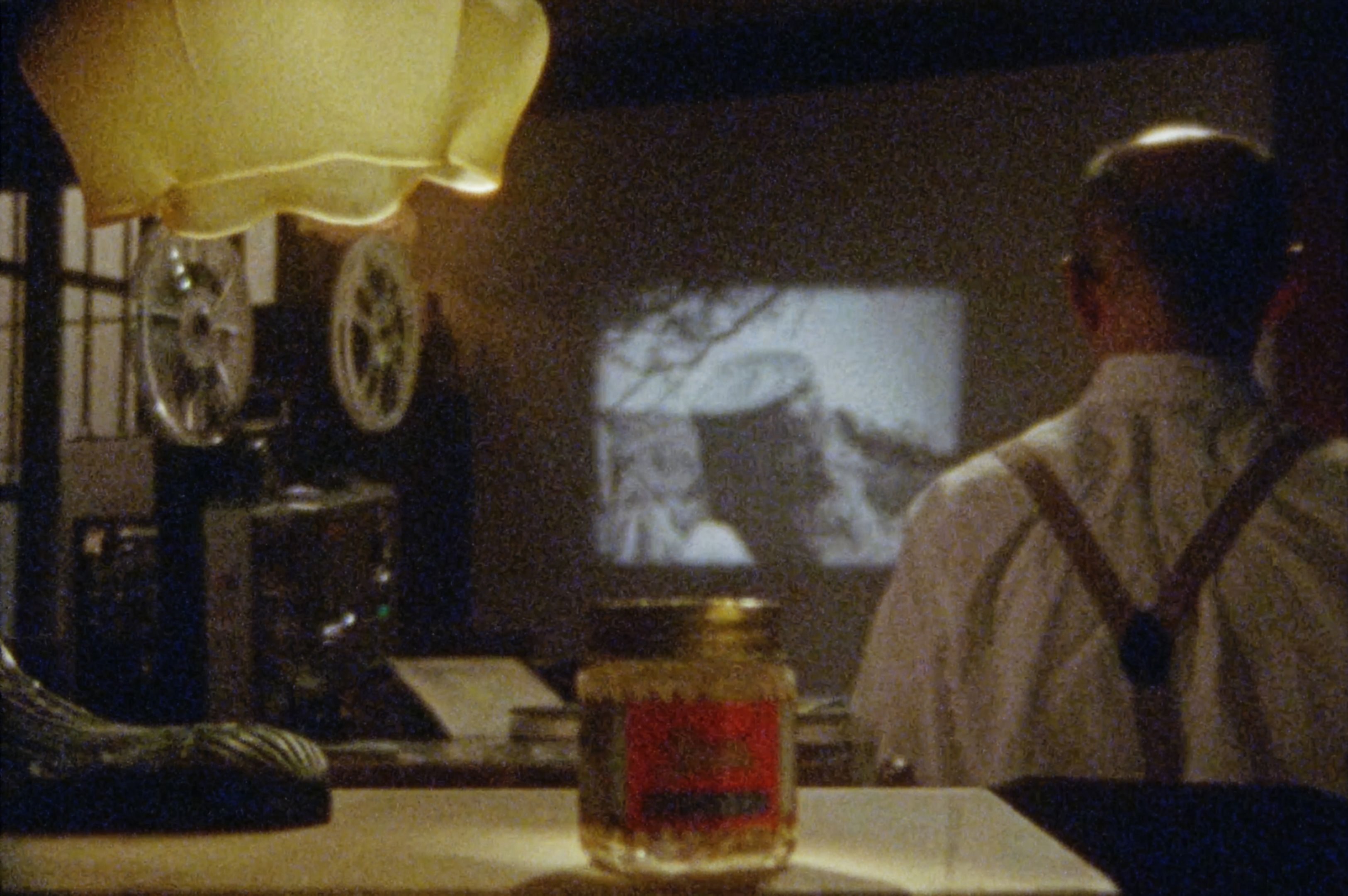
The biennale’s most striking translocal logic pivots on insights drawn from Pattani, a city located in the south of Thailand long subjected to marginalisation and discrimination. In Poon Phol Building, a fringe-city giant whose commercial dreams never materialised and which now casts a shadow over the run-down neighbourhood, Thai photographer Ampannee Satoh’s Beyond the Homeland (2025) frames her contested Pattani Muslim identity through photographic portraiture and video, showing a woman in a Muslim scarf facing the sea, an autoethnography quietly turning away from Thailand’s Theravada Buddhist mainstream.
A parallel intervention, the pink street cart BangLee Pink Karee Puff (2025), brings fellow Pattani-based Anuwat Apimukmongkon’s practice into Phuket. Merging food and nomadic performance, each curry puff (wryly referencing a Thai slur for sex workers) functions as both offering and provocation. While the itinerant intervention evokes the artist’s curatorial and space‑making projects that recently put the Pattani community-based art scene on the Thai cultural map, for the Biennale, Apimukmongkon also presents the legacy of the late Doloh Chetae, a Pattani fisherman and self‑taught environmental activist.
![Anuwat Apimukmongkon, BangLee Pink Karee Puff (2025). Exhibition view: Thailand Biennale: Eternal [Kalpa], Phuket (2025).](https://files.ocula.com/rf/0c/0c4dffb5-30cd-4050-8c73-80d69e158b8a/anuwat.jpg)
![Anuwat Apimukmongkon, BangLee Pink Karee Puff (2025). Exhibition view: Thailand Biennale: Eternal [Kalpa], Phuket (2025).](https://files.ocula.com/rf/e1/e128abae-1752-454b-8f4d-11d6ac7e9078/anuwat-install.jpg)

![Doloh Chetae, Memoryscape of Pattani Bay (1984–2024). Exhibition view: Thailand Biennale: Eternal [Kalpa], Phuket (2025).](https://files.ocula.com/rf/76/76e830b6-7f0d-4312-9634-ff9423af9cd0/l9a5689.jpg)
In Pearl Bowl, a derelict bowling alley transformed into an immersive projection space focusing on the island’s marine ecology, hang Chetae’s 27 unassuming series of A4 crayon cartographies, Bay of Pattani (1992–2024), mapping trade routes, microclimates and ecological patterns. Displayed alongside this is his co‑authored ethnography, Memories of Pattani Bay (2010), which foregrounds the ‘insider’ (khon nai) perspective of local fishers, sketching a time before racial tensions boiled over and casting a sceptical eye on municipal mismanagement.
That said, this is a show without many international superstars parachuting in, a tightly articulated exhibition where visitors leave championing works of their own choosing. On this note, Singaporean artist Robert Zhao’s Where the Caterpillar Ends (2025), an immersive film installation, unfolds like a scavenger hunt through a cabinet of curiosities. We encounter a playful, fabricated natural history of found objects drawn from his travels to a secluded island off Phuket, culminating in a sonically rich 30-minute documentary, alongside a short film encountered in a projection only upon exit.
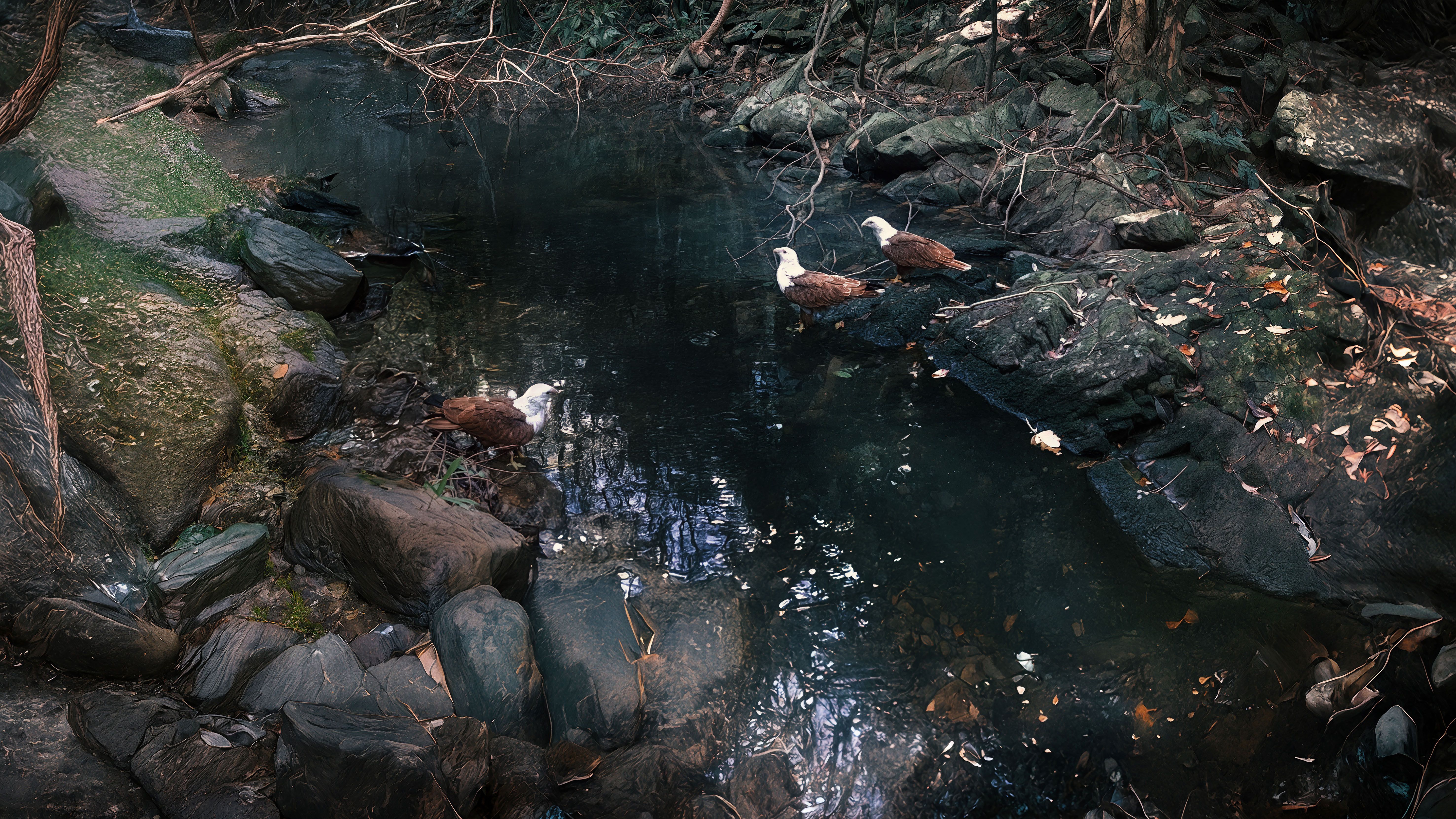
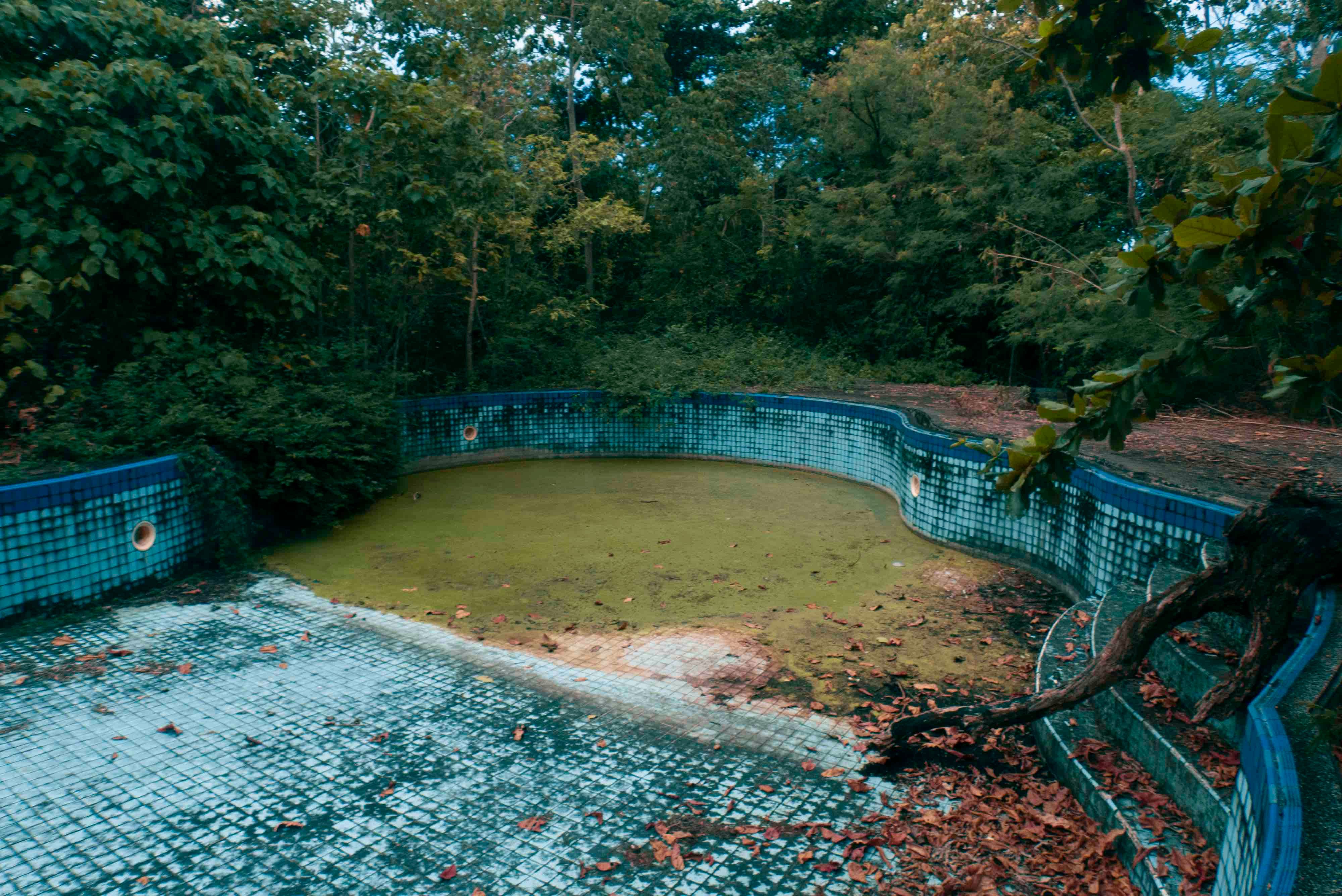
In the documentary, Zhao is guided by a local as he tracks down a waterfall he’d only previously heard about, conjuring a scenic patchwork shaped as much by manmade rubber plantations and rice terraces as by nature itself. As the camera drifts on, crumbling hotels and encroaching forests slip through the frame, turning the waterfall less into a destination than a MacGuffin for other, unanticipated discoveries. Just when it seems the misdelivered rhythms of tranquil non-human life (including an eagle family caught in a unattended camera, luxuriating in a newly reclaimed bath after human order has receded) have been fully recorded, we exit, only to stumble upon a final, fleeting surprise: a local radio broadcast briefly spotlighting a tiny, unnamed slug, glistening like a dewdrop. The film’s lone fictional wink (a detail I only learned afterwards), just like the assemblage works masquerading as natural history artefacts, leaves a quiet epiphany. If tourism in self-reflection is about countering consumption, could a wholly artificial flourish, untouched by nature, serve as its ultimate reward? —[O]
Main image: Andrew Thomas Huang, The Deer of Nine Colors (2025) (still). Video and sculpture installation. 25 min. Commissioned by Thailand Biennale, Phuket. Courtesy the artist and Thailand Biennale.









A respected voice in contemporary art discourse.
Focusing on ambitious storytelling and insightful art-world commentary. Ocula Magazine publishes in-depth interviews, critical essays and timely analysis on the artists, exhibitions and ideas driving the global art world.
Learn more about Ocula Magazine
Showcasing the best of the art world.
Ocula partners with galleries from around the world to highlight their artists, artworks and exhibitions. Gallery membership is by application and invitation, with each member vetted by an independent panel.
Learn more about Ocula Membership
Specialises in the sale of major artworks.
Led by a team with deep ties to the world’s leading auction houses, galleries and collectors. Ocula’s advisory team offers bespoke services to high-net-worth clients from around the world who are looking to acquire the best of contemporary and modern art.
Learn more about our team and services