The art world in focus
Subscribe to our newsletter for news and insights on artists, galleries and exhibitions.

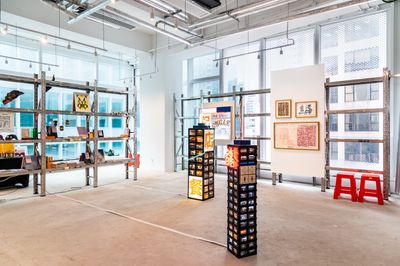
After two years in Fitzrovia’s Mandrake Hotel, the “transgressive art fair” moves to a new home this October.Minor Attractions 2025, installation view. Photo: Isabelle Tilli.
Billing itself as “London’s premier transgressive art fair”, Minor Attractions has today announced plans to expand both its roster of galleries and its city-wide events offering ahead of its fourth edition this October.
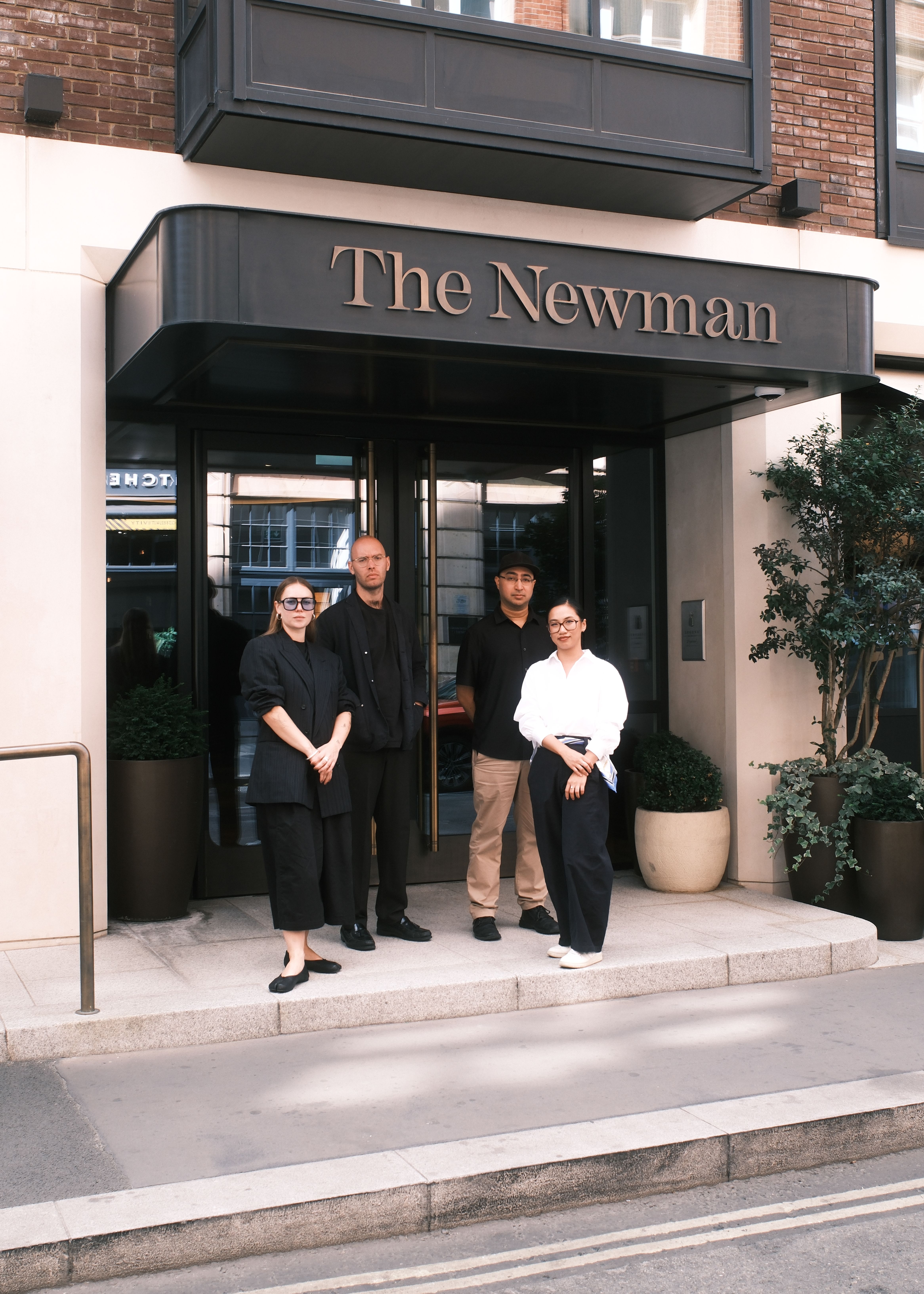
After two years in Fitzrovia’s Mandrake Hotel, where the fair unfolded across multiple floors in both public spaces and bedrooms, this year will see it move to the nearby Newman Hotel, where it will occupy 16 rooms on the first floor.
This year’s fair is currently slated to host more than 75 exhibitors—a modest increase on last year’s list. However, co-founder Jacob Barnes told Ocula: “It may not stop there.”
Alongside a global selection of small-scale commercial galleries—including London’s Cedric Bardawil, Sydney’s LAILA and Ghent’s Tatjana Pieters—in 2026 Minor Attractions will also incorporate film screenings, a bookshop and presentations from project spaces and curatorial projects rarely seen at fairs, such as the itinerant Benny’s Video and Brooklyn’s Interrobang 11232.
“To call them exhibitors is perhaps not the right nomenclature—they’re more participants, partners, collaborators, contributors,” said Barnes, who co-founded the fair in 2023 with Harlesden High Street director Jonny Tanna. “This feels like the year that we’ve best realised our mission to integrate both highs and lows in terms of the art gallery sphere.”
Taking place during the London art world’s busiest week, the fair will be competing with Frieze London and a litany of other satellite fairs for the time and attention of the international art cognoscenti. Undeterred, it plans to expand the audacious and varied events programme for which it has become known.
“Minor Attractions is never just the art fair itself—it’s always these peripheral elements that make it an experience in its own right,” the fair’s programme curator, Sophie Barrett-Pouleau, told Ocula.
Last year the fair hosted events including readings, performances and a wine tasting at the luxury Mandrake Hotel. This year’s edition extends beyond the hotel’s physical footprint through partnerships with venues including the 2,800 sq m (30,000 sq ft) warehouse-cum-club Electrowerkz and independent arts venue, The Horse Hospital.
The fair will also partner with Stück—a multi-use space in Dalston that has been the subject of much media attention, positioning itself “between home, work, and Berghain”.

In an art market that many consider oversaturated—one where too many galleries vie for the attention of not enough collectors—Minor Attractions’ efforts to reach a less visual-art-specific audience may prove to be a smart strategy.
“Part of this growth is giving ourselves the tools to be reaching [art] adjacent audiences on their own terms,” Barnes explained. “These activations throughout the city allow us to engage with communities that maybe wouldn’t engage with us otherwise.”
Hosting an art fair in a domestic setting is not a new formula. The Armory Show, one of New York’s best known fairs, started life in the rooms and corridors of the city’s Gramercy Park Hotel.
In a marked difference, however, galleries at Minor Attractions will be able to share space in the Newman’s bedrooms, rather than committing to entire booths.
During a difficult—though, in some circles, cautiously optimistic—moment for the art market, this adaptability likely makes the fair an attractive option for galleries looking to establish a presence at London’s art fair week. The fact that Minor Attractions has pledged to freeze exhibitor fees “in defiance of industry-wide rising operational costs” probably helps, too.
However, Barnes doesn’t think of the fair as growing out of a gloomy market. “We work every day to provide both a service and an experience to collaborators that’s about what we think the art world can and should be,” he said. “If they choose to engage with us and for as long as they choose to engage with us, we’ll keep doing it and we’ll keep enjoying it.”


A respected voice in contemporary art discourse.
Focusing on ambitious storytelling and insightful art-world commentary. Ocula Magazine publishes in-depth interviews, critical essays and timely analysis on the artists, exhibitions and ideas driving the global art world.
Learn more about Ocula Magazine
Showcasing the best of the art world.
Ocula partners with galleries from around the world to highlight their artists, artworks and exhibitions. Gallery membership is by application and invitation, with each member vetted by an independent panel.
Learn more about Ocula Membership
Specialises in the sale of major artworks.
Led by a team with deep ties to the world’s leading auction houses, galleries and collectors. Ocula’s advisory team offers bespoke services to high-net-worth clients from around the world who are looking to acquire the best of contemporary and modern art.
Learn more about our team and services