





5 Artists Pick the Exhibitions Not to Miss During London Gallery Weekend
Save to My OculaMore than 120 galleries are taking part in London Gallery Weekend between 5–7 June 2026. Five artists select the must-see exhibitions opening in the capital this month.

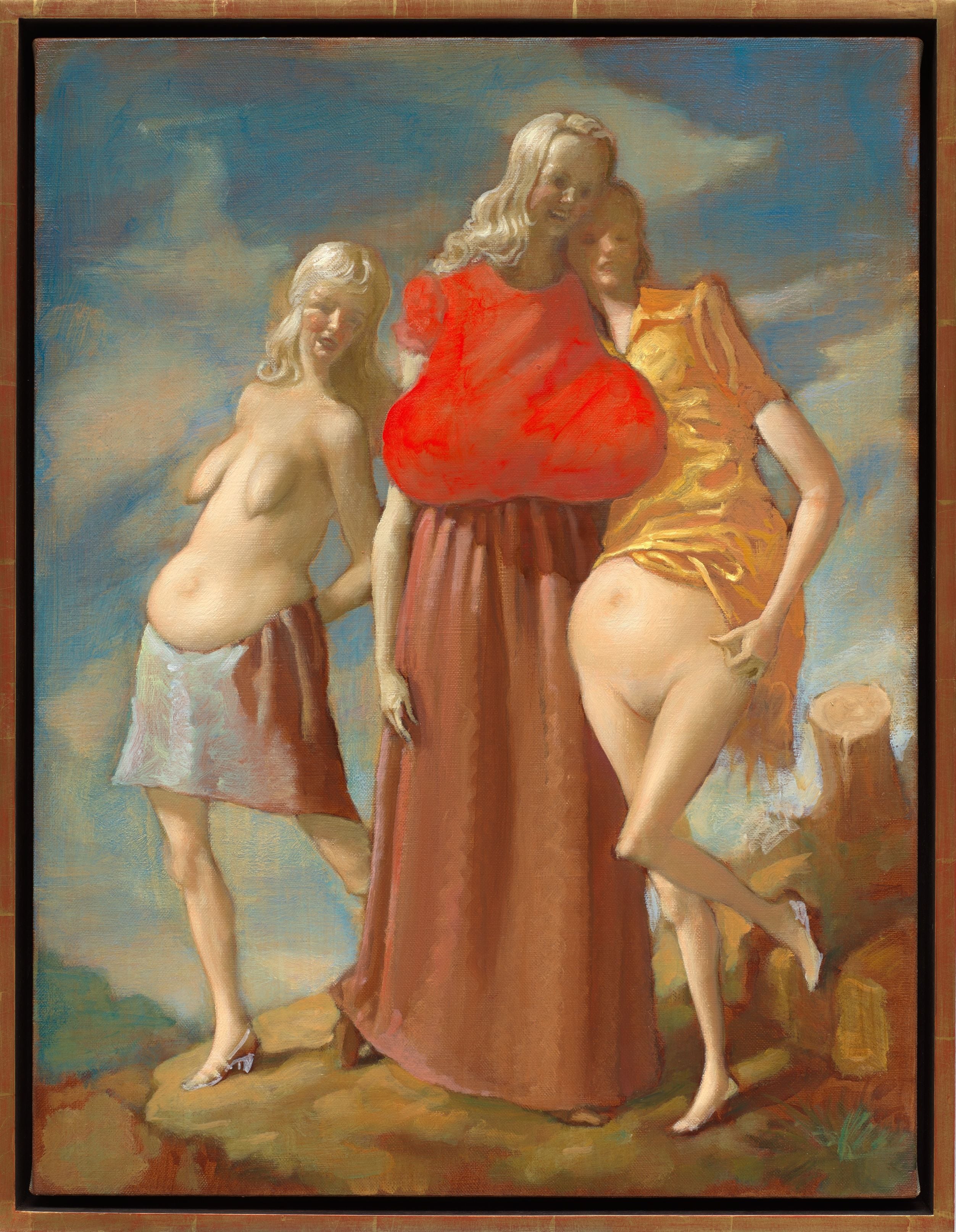

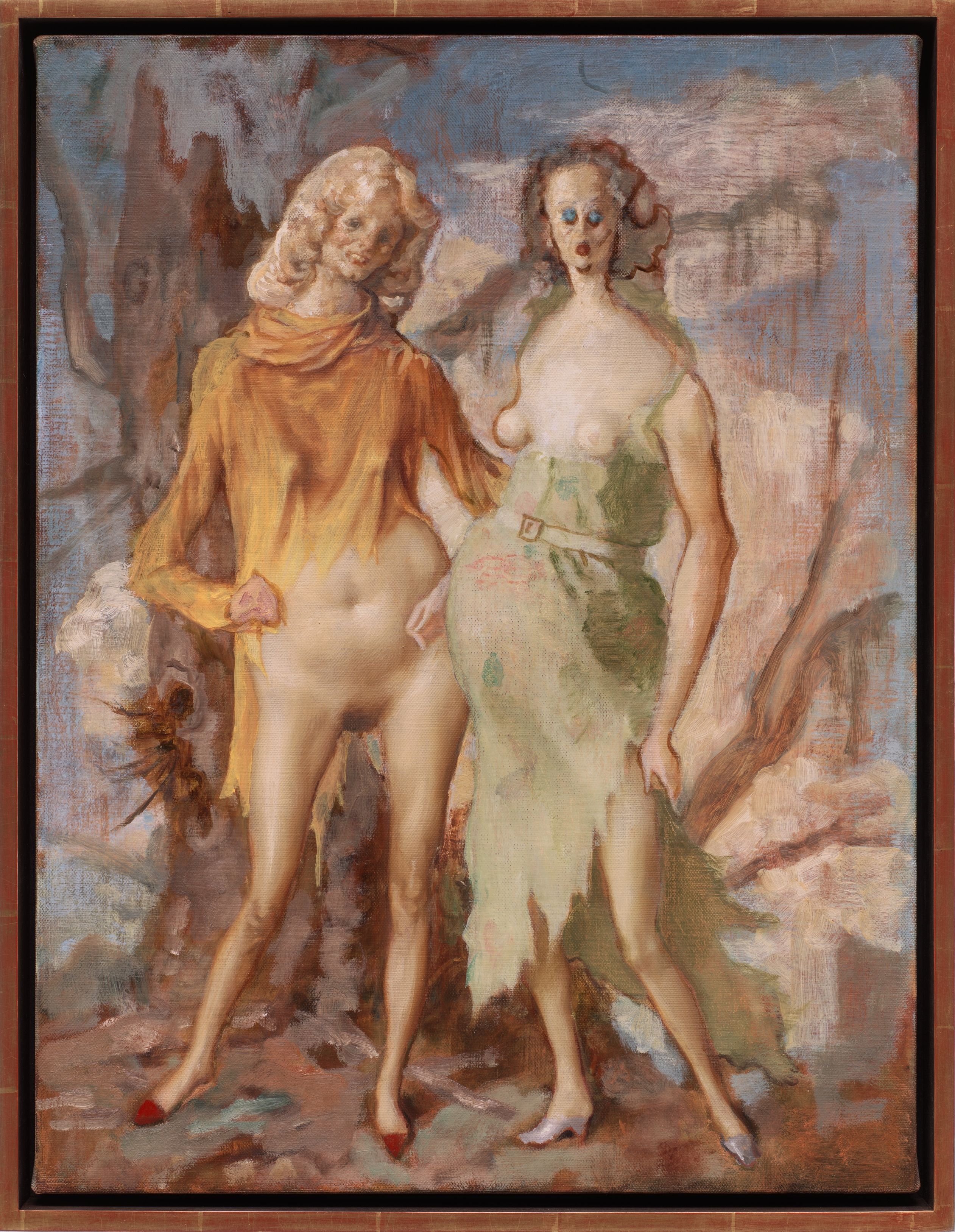
John Currin, Opening Credits (4 June–12 September) at Sadie Coles, selected by Evangeline Turner
I went to John Currin’s first show at Sadie Coles in April 1997 when I was one year old. I don’t remember it, of course, but I was certainly aware of his paintings from an early age. Currin taps into the psychological eeriness brimming beneath everyday scenes, something I also tend to chase in my own paintings. The new show at Sadie Coles features images populated by “pairs or triplets of women [...] in ornamental, Arcadian landscapes”. I’m interested in whatever surreal serenity he draws out in his figures, which here appear to be forest bathing. Currin has always painted or drawn women’s bodies that actually look like women: the odd, disproportionate figures with bellies, skinny legs and saggy boobs that you see on the beach. He recognises that freakiness is realism, and he understands the real strangeness of ordinary scenes. I’m also a realist in that kind of way.
Evangeline Turner is a painter. Recent solo exhibitions include I love you with all my bowels at a. SQUIRE, London (2025) and Chaff at a. SQUIRE, London (2023)
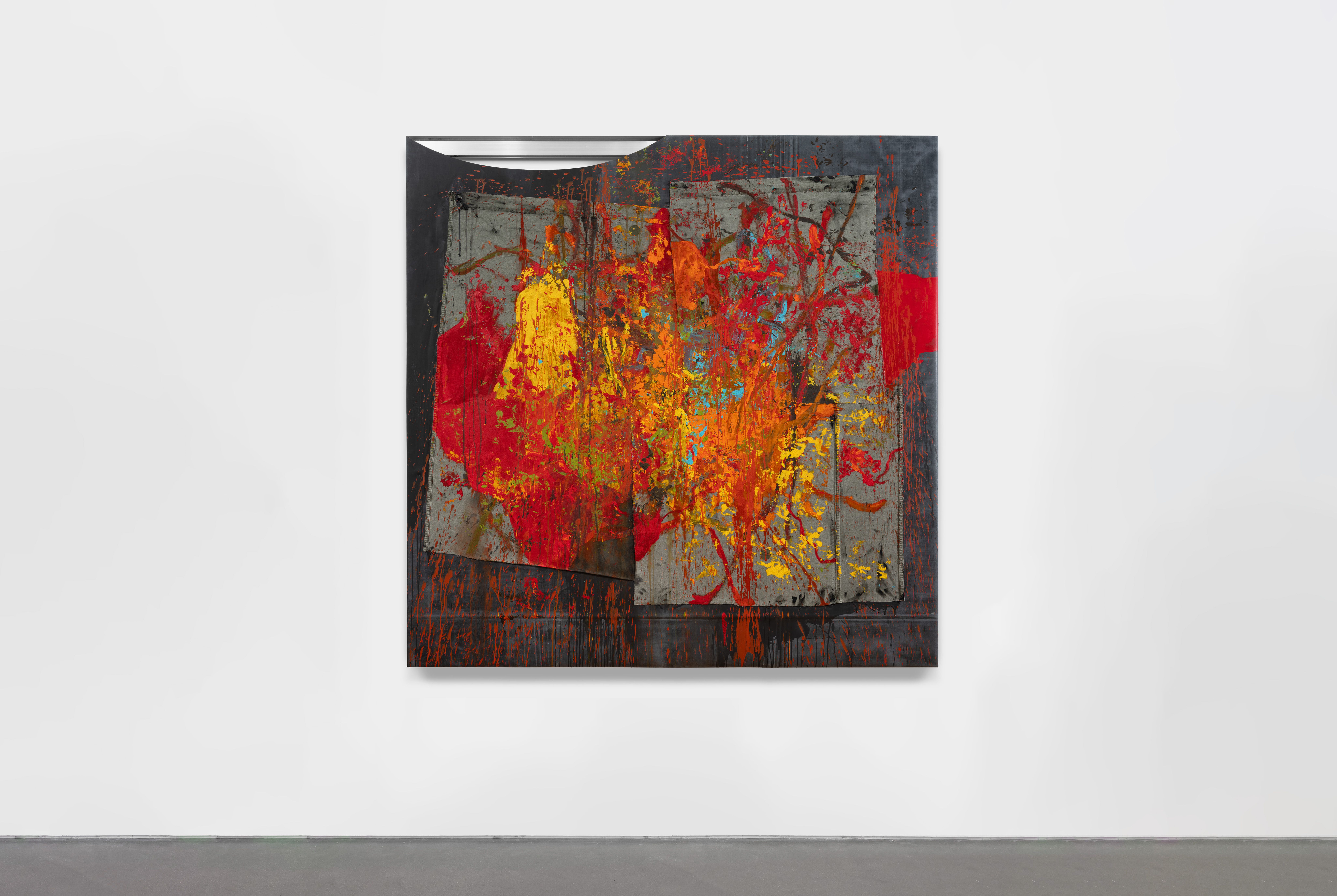
Reginald Sylvester II, Until Then (4 June –1 August) at Maximillian William, selected by Gray Wielebinski
I’m a big fan of Reginald Sylvester II’s work. It engages with questions, themes and materials with which I’m deeply invested: assemblage, abstraction, ephemera, and reconfiguring the tools of militarism and violence. The show includes works that blur the boundaries between painting and sculpture, using materials such as stretched rubber over metal alongside repurposed military shelters, which he then paints directly on top of. I deeply admire the work for its rigorous and formal qualities. It also brings up a feeling I’d describe as a type of benevolent or generative jealousy that artists (or at least this artist!) experience when you see work that engages with ideas, materials, references and ambitions that interweave with your own. They give insight into someone else’s brain in such a way that you are confronted with the depth of the reality that every single person is a whole world. I can’t help but think about everything that brought him to each decision, each brushstroke, each idea and reference.
Gray Wielebinski is a multidisciplinary visual artist. His exhibition Bring Me Men (until 4 July) is at Nicoletti Gallery, Londo
![Frida Kahlo, Untitled [Self-portrait with thorn necklace and hummingbird] (1940). Nickolas Muray Collection of Mexican Art.](https://files.ocula.com/rf/fc/fca94a5f-63ea-4429-98e6-f74427f08f91/frida-kahlo-untitled-self-portrait-with-thorn-necklace-and-hummingbird.jpg)
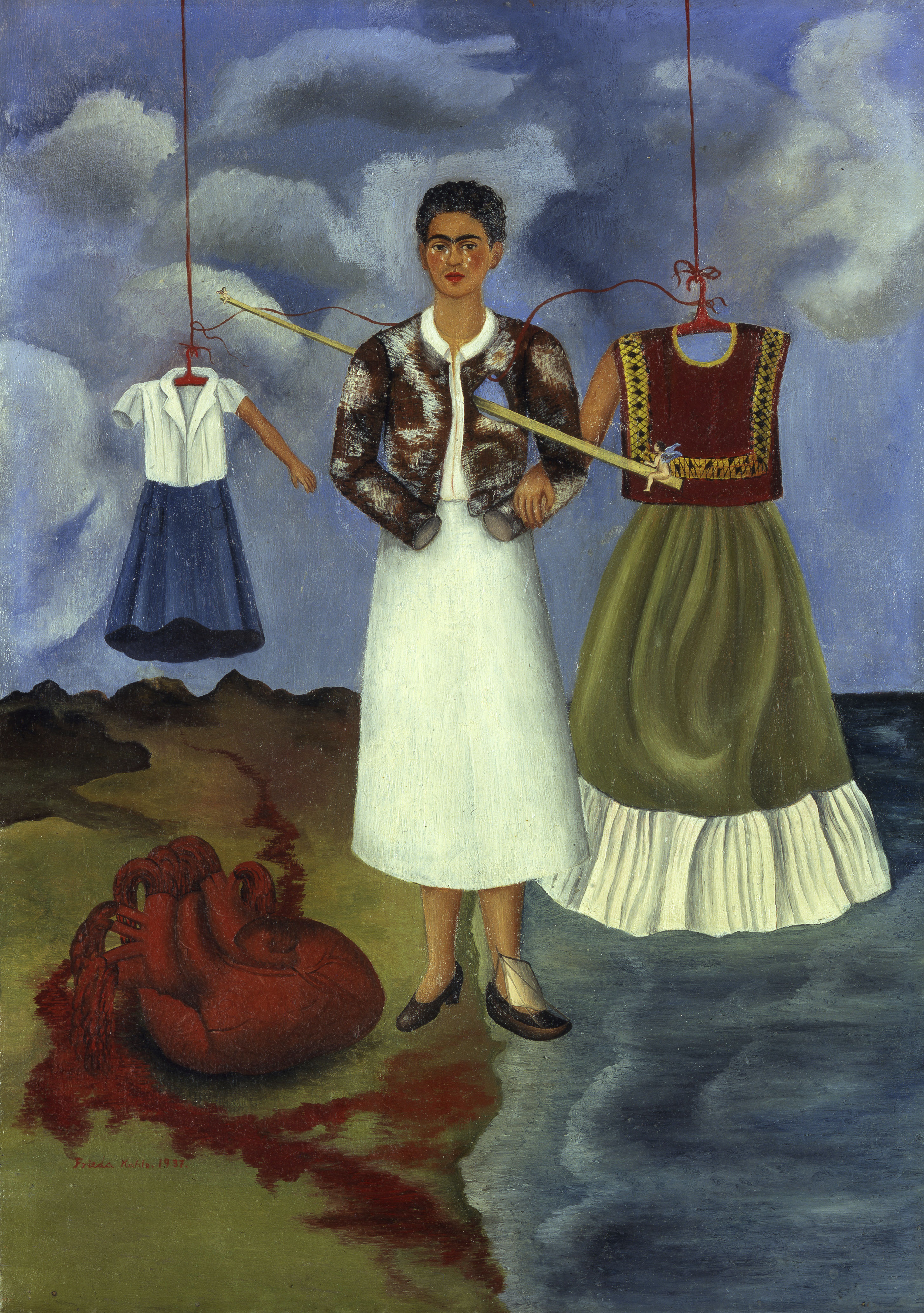
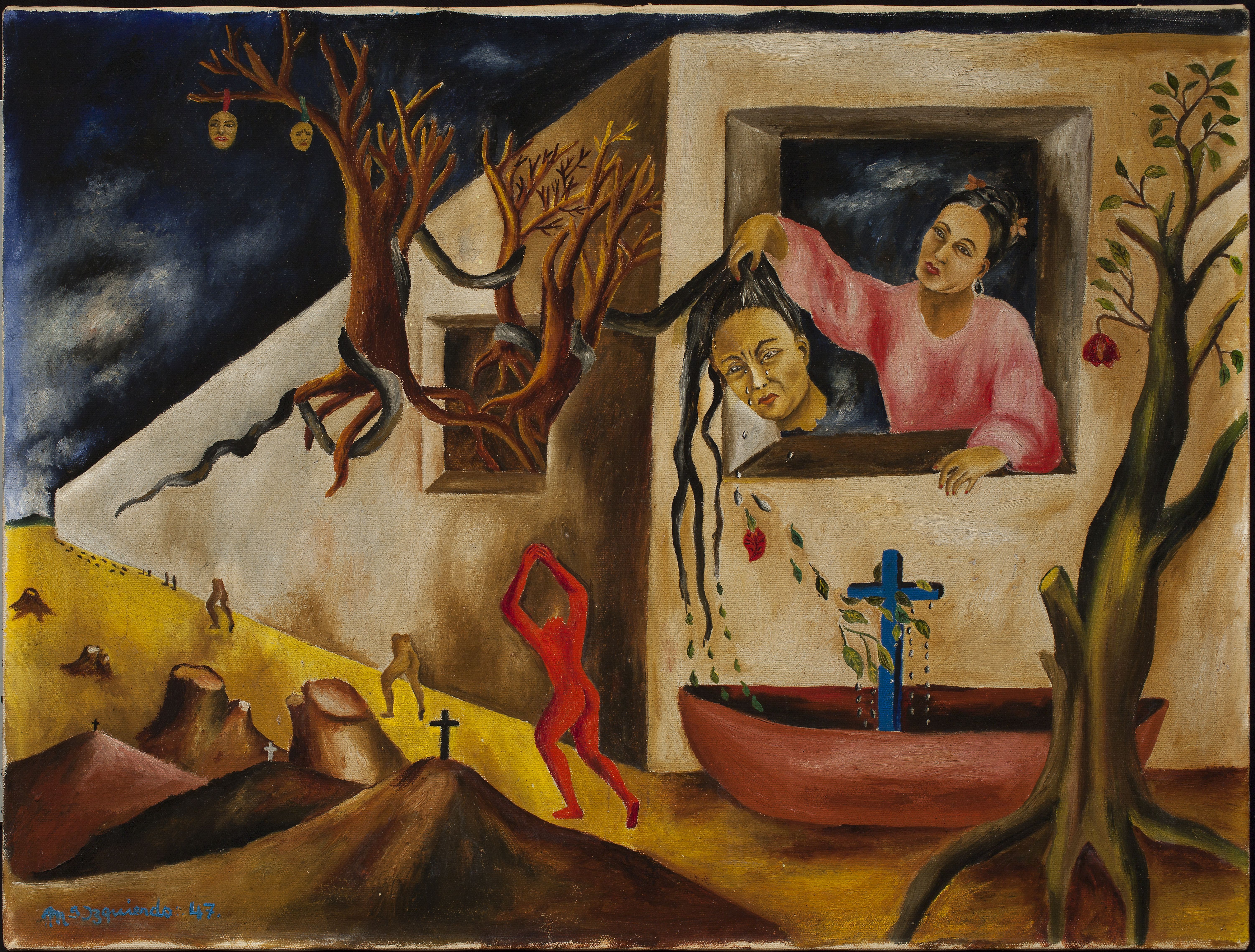
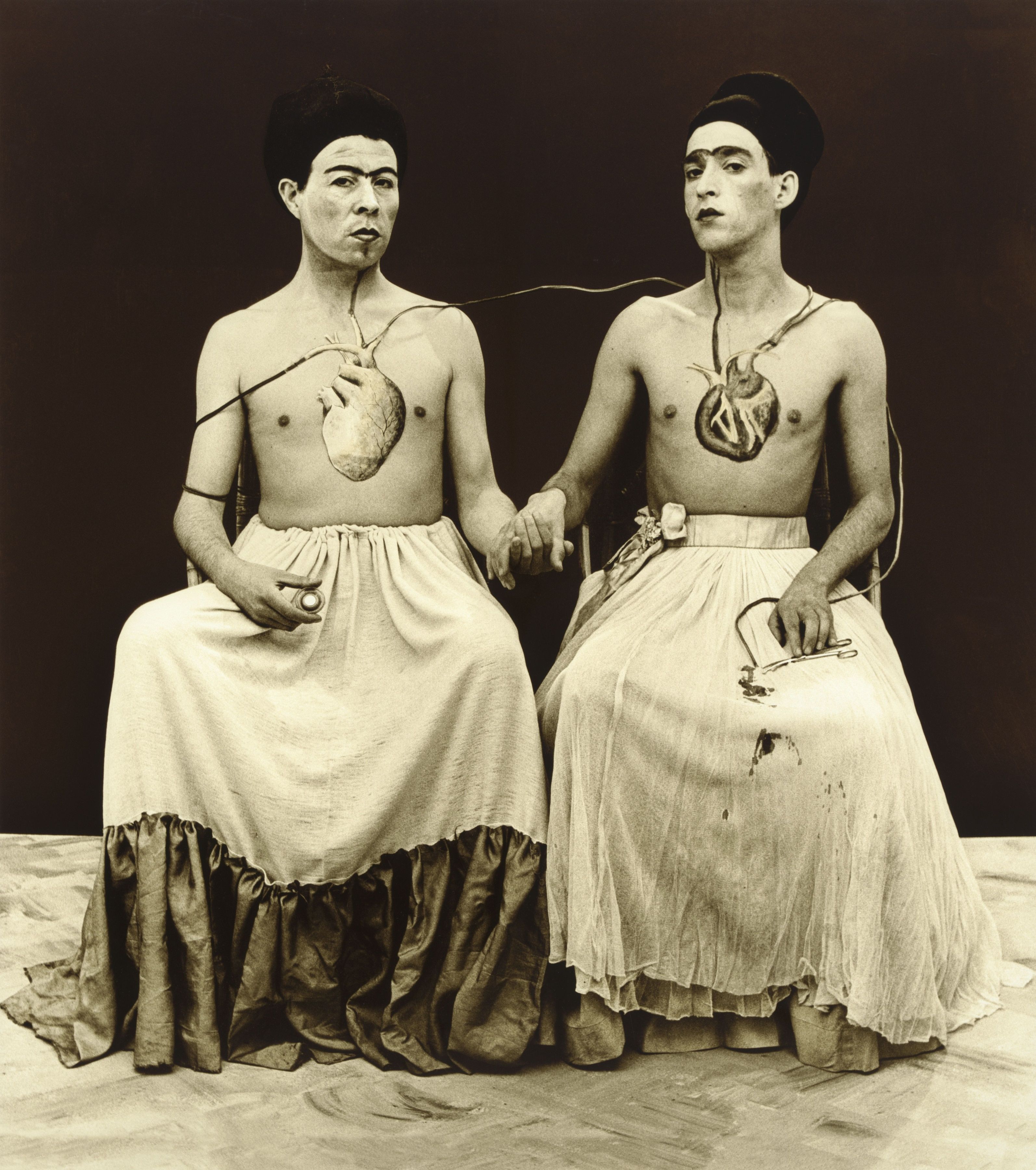
Frida: The Making of an Icon (25 June–3 January) at Tate Modern, selected by Mohammed Z Rahman
My first brush with Frida Kahlo was in a grubby print of Self-Portrait with Thorn Necklace and Hummingbird (1940) in Ilford Library during the 2000s and I took heed, yes chef. My story is common: Kahlo is one of those giants whose work lives swarmed in a shoal of its reproductions and pastiches. It’s that unruly life-after-life of her art that draws my curiosity to the Tate Modern show, which will put Kahlo among a chorus of artists she’s inspired after her death up to now. There’s also the spinier question of how her revolutionary soul weighs against a heavily merchandised legacy. Maybe most of all I anticipate feeling what Kahlo reliably does for me and many others touched by her work; how in refusing to put the vernacular, political, stylish and surreal at odds, she makes speaking from under a weight feel possible.
Mohammed Z Rahman is a British-Bengali multidisciplinary artist. His exhibition Never the Same (5 June–8 November) is at Art Now, Tate Britain
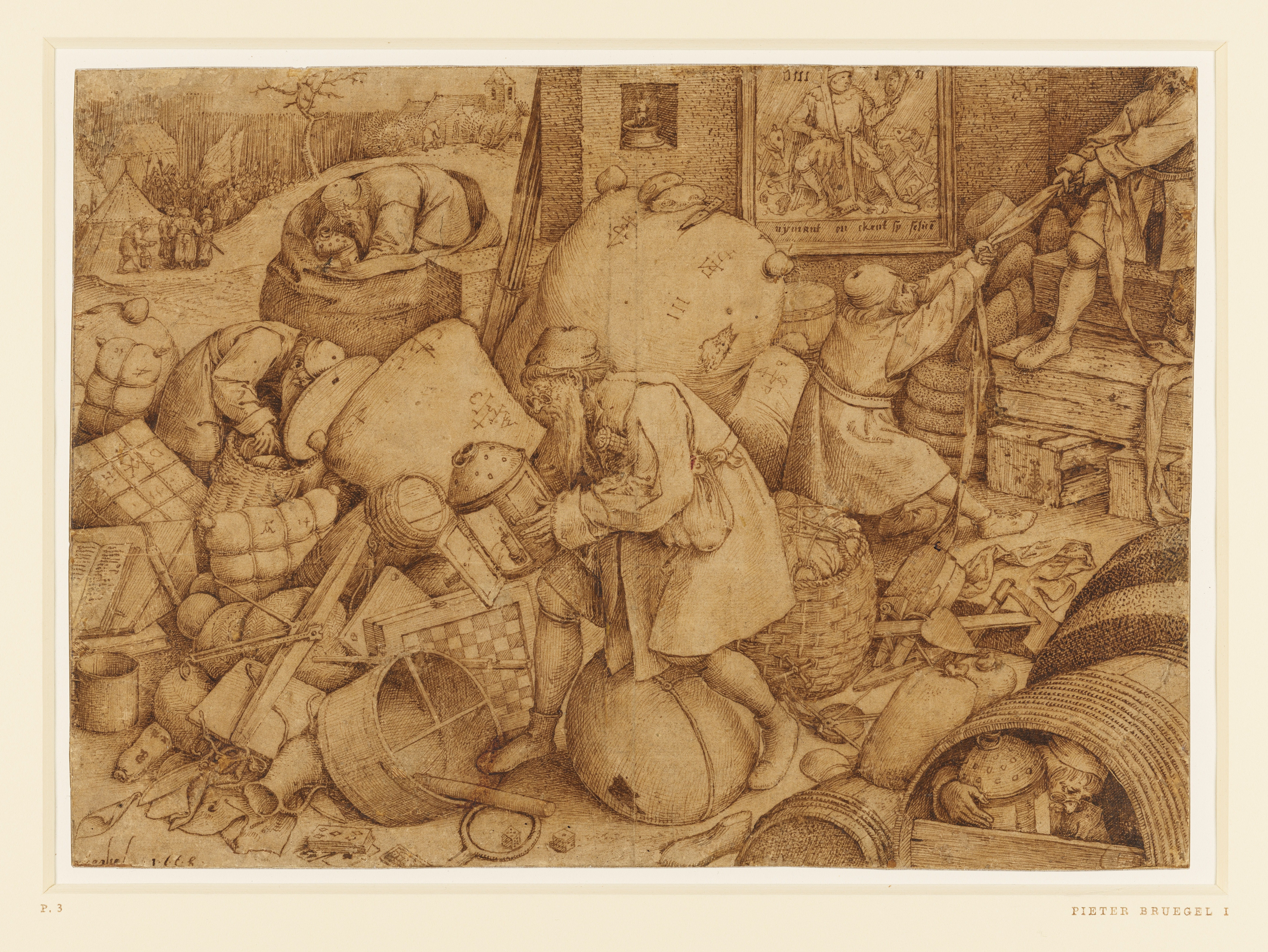
Early Netherlandish Drawings (until 20 September) at British Museum, selected by Georg Wilson
Drawing is a really accessible medium. All you need is a pencil and paper: simple materials that we still use today. Drawing is the fundamental backbone of my own practice—I use it for world-building and imagining. It is also the start of every painting I create, but probably the medium I exhibit the least. People are used to seeing oil paintings and engravings from this early modern era of European art history in museums, but this exhibition is a rare opportunity to see drawings instead. While paintings by Pieter Bruegel and his contemporaries were made to be sold, exhibited and distributed, some of the drawings in this exhibition were not necessarily intended to be seen at all. They might have been just a study from life, and they give an intimate window into an artist’s mind and the rapid decisions they’re making. With drawing they can just have fun, and there’s a playfulness and magic to that.
Georg Wilson is a British painter. She will present a solo exhibition at Gainsborough’s House, Sudbury, from November 2026
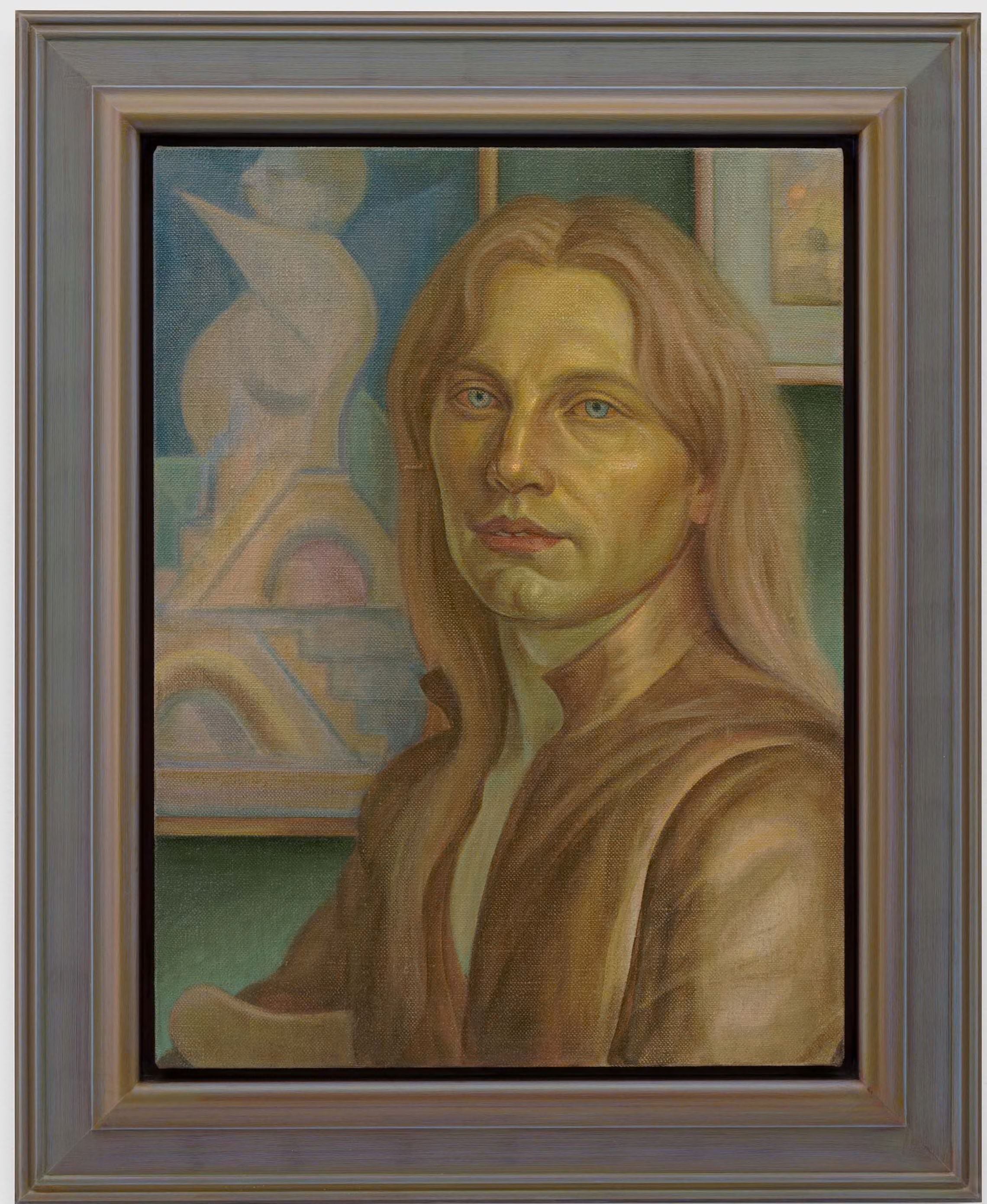
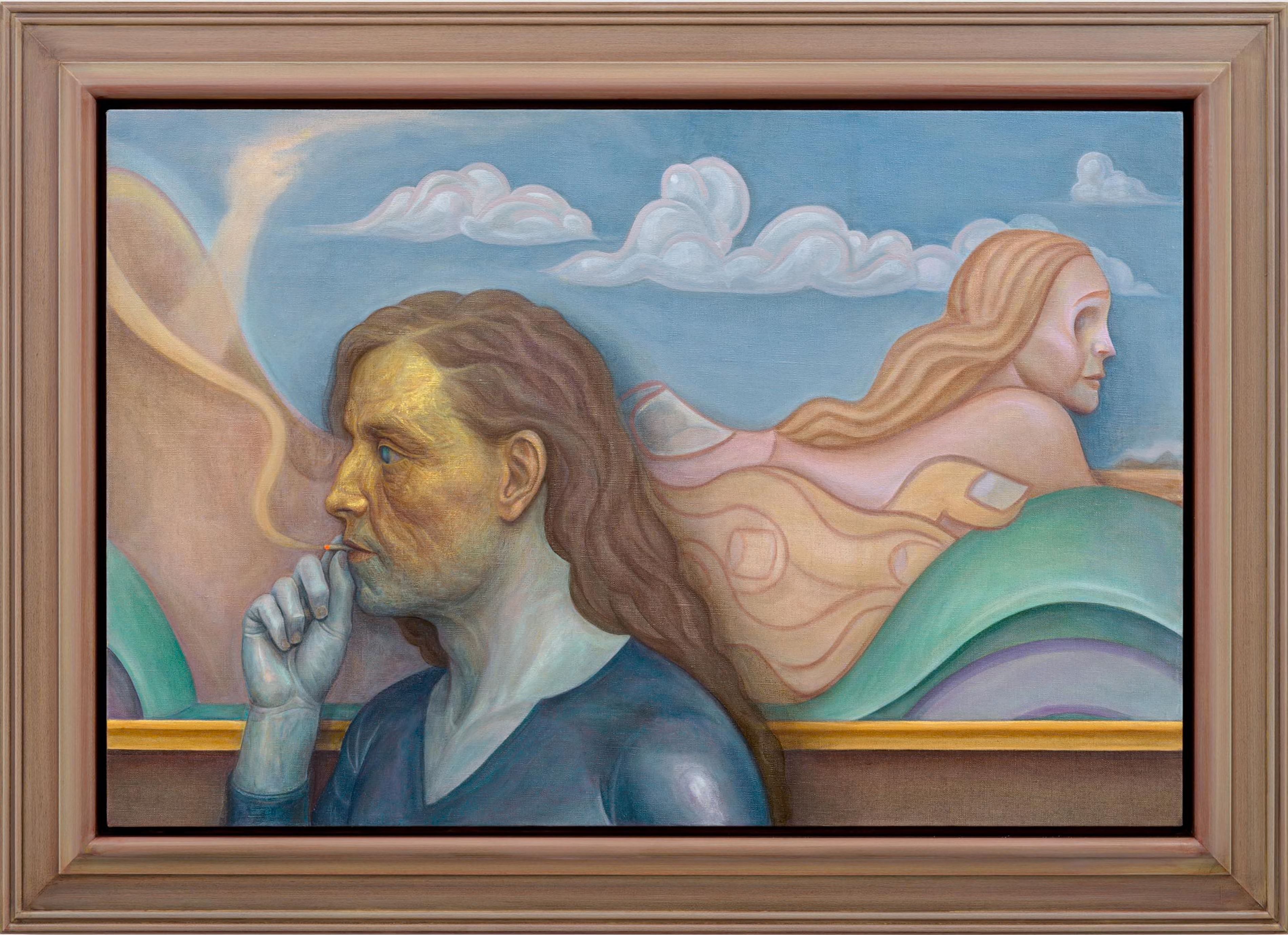
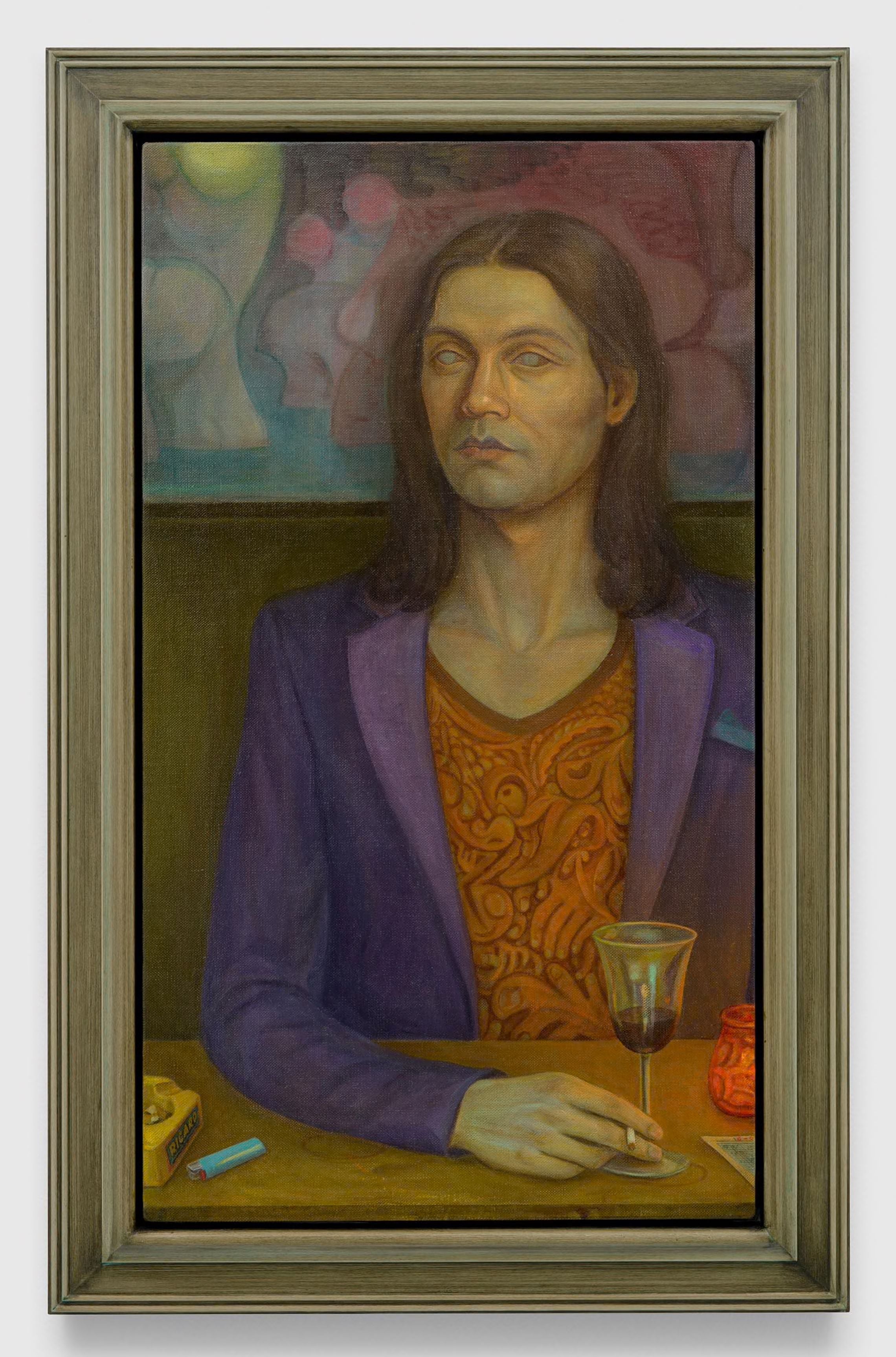
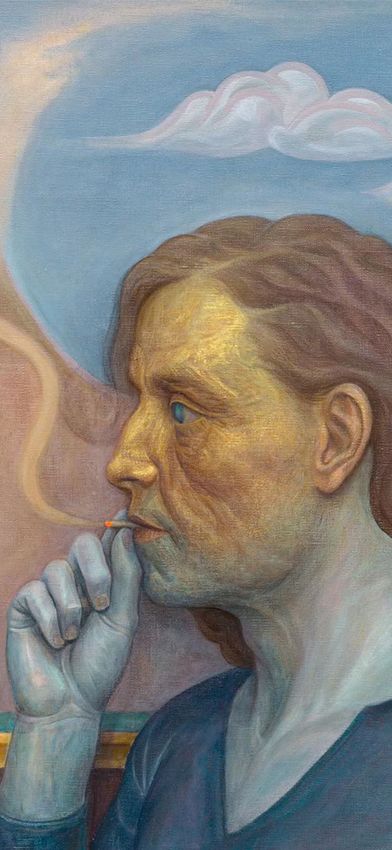
Steven Shearer, My Moody Muse (until 31 July) at David Zwirner), selected by Zadie Xa
I grew up on hip-hop, where you can trace a sample. I’ve always loved referential touch points in artists’ work that attach to moments in history, like spotting elements of Velázquez in a Goya painting. You can attribute the high-level draughtsmanship and colour usage to Steven Shearer’s art-historical references, but I love how the figures are also true to the subcultures he grew up with, heavy rocker guys portrayed with beautiful attention to detail. Shearer represented Canada at the first Venice Biennale I ever went to, and it felt special to see these works in real life at a time when I was on my own trajectory towards being an artist. There is a rebellion and a nostalgia to his work. I was never part of the rock and grunge world, but I love how he makes me care about these long-haired white guys; the way they’re painted makes them evocative and interesting to me. There’s some enigma to it.
Zadie Xa is a Korean Canadian multidisciplinary artist who was nominated for the 2025 Turner Prize. in situ: Zadie Xawill open at Guggenheim Bilbao on 19 November
London Gallery Weekend takes place between 5–7 June 2026.
Main image: Steven Shearer, Tokerman (2026). Photograph: © Steven Shearer Courtesy the artist, Galerie Eva Presenhuber, and David Zwirner.




A respected voice in contemporary art discourse.
Focusing on ambitious storytelling and insightful art-world commentary. Ocula Magazine publishes in-depth interviews, critical essays and timely analysis on the artists, exhibitions and ideas driving the global art world.
Learn more about Ocula Magazine
Showcasing the best of the art world.
Ocula partners with galleries from around the world to highlight their artists, artworks and exhibitions. Gallery membership is by application and invitation, with each member vetted by an independent panel.
Learn more about Ocula Membership
Specialises in the sale of major artworks.
Led by a team with deep ties to the world’s leading auction houses, galleries and collectors. Ocula’s advisory team offers bespoke services to high-net-worth clients from around the world who are looking to acquire the best of contemporary and modern art.
Learn more about our team and services