





‘It’s a Web of Friends’: Taipei’s Art Community Welcomes the World
At Taipei Art Week and Art Taipei, a sense of restraint is more than counterbalanced by new galleries and young artists pursuing experimental practices. Save to My Ocula
I arrive in Taipei amidst days of steady rain. Locals warned me that the city’s charms—the night markets, city walks, skyline views—are best when the sky clears. For someone here for art rather than sightseeing, though, the rain feels timely: a reason to wander indoors, to move between gallery halls rather than chase vistas.
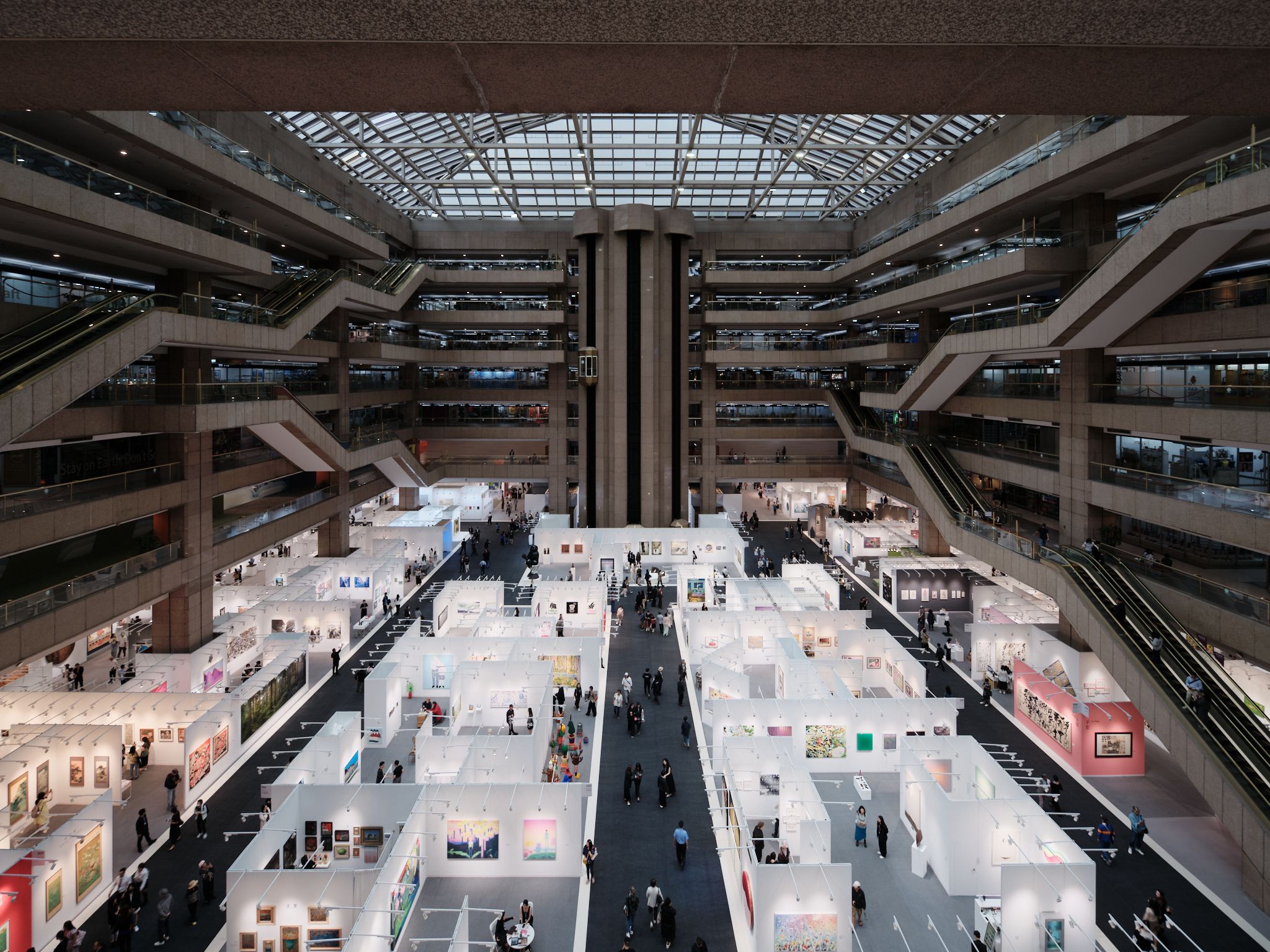
The second annual edition of Taipei Art Week—for which galleries across the city throw open their doors and welcome visitors to their latest exhibitions in a succession of buzzy evening events—opened on 18 October, alongside one of Asia’s oldest art fairs, Art Taipei (24–27 October), now in its 32nd edition.
An overarching theme of Art Taipei this year, Intersect: Diversity Equals Togetherness, gestures at multiculturalism. The fair seeks to translate that into its programming: Indigenous voices, Hakka identity, female artists, and LGBTQ+ perspectives all have visible places. Yet the curatorial intent sometimes feels more symbolic than deeply integrated.
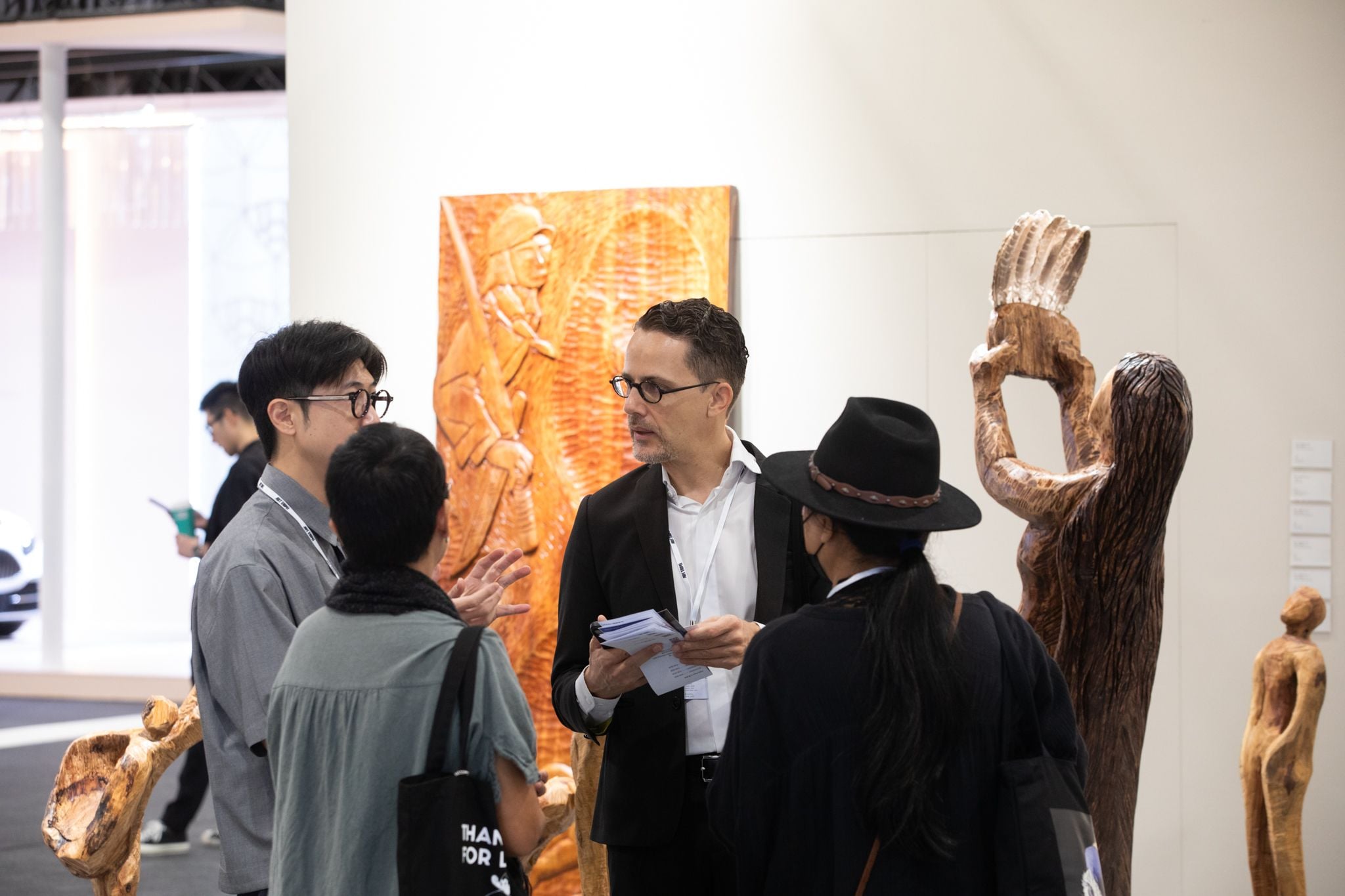
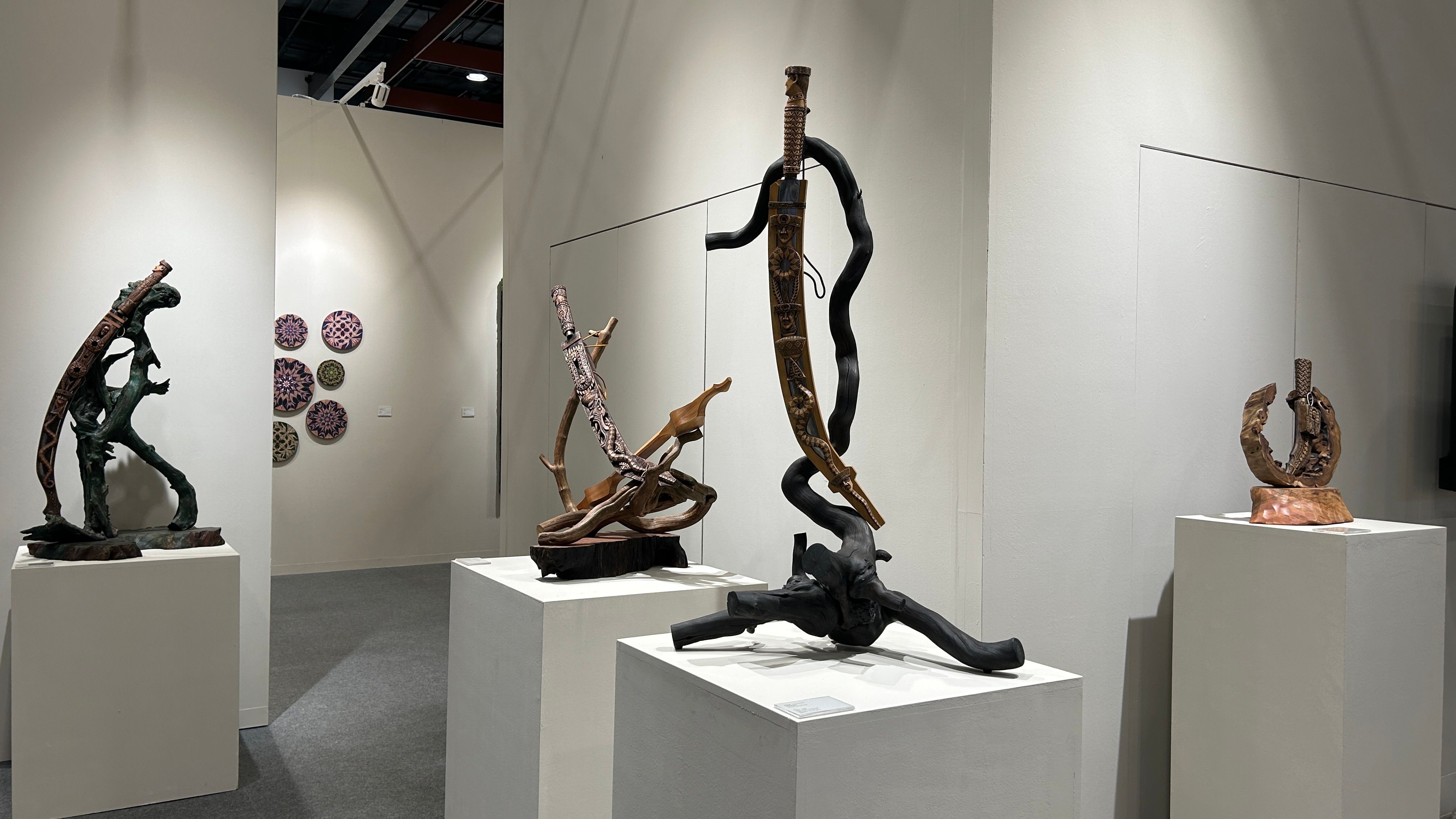
Under the theme ‘Survivance Art’, a booth dedicated to five indigenous artists centres on Amis artist Siki Sufin, from Atolan, Taitung, whose wooden figures recall the overlooked wartime history of Indigenous Taiwanese recruited by the Japanese army during WWII. ‘Indigenous artists in Taiwan are still shaping their identity,’ Ronda Wei, project manager of Beijing’s Asia Art Center tells me, ‘and in the process they sometimes borrow from other cultural lineages to find their own footing.’
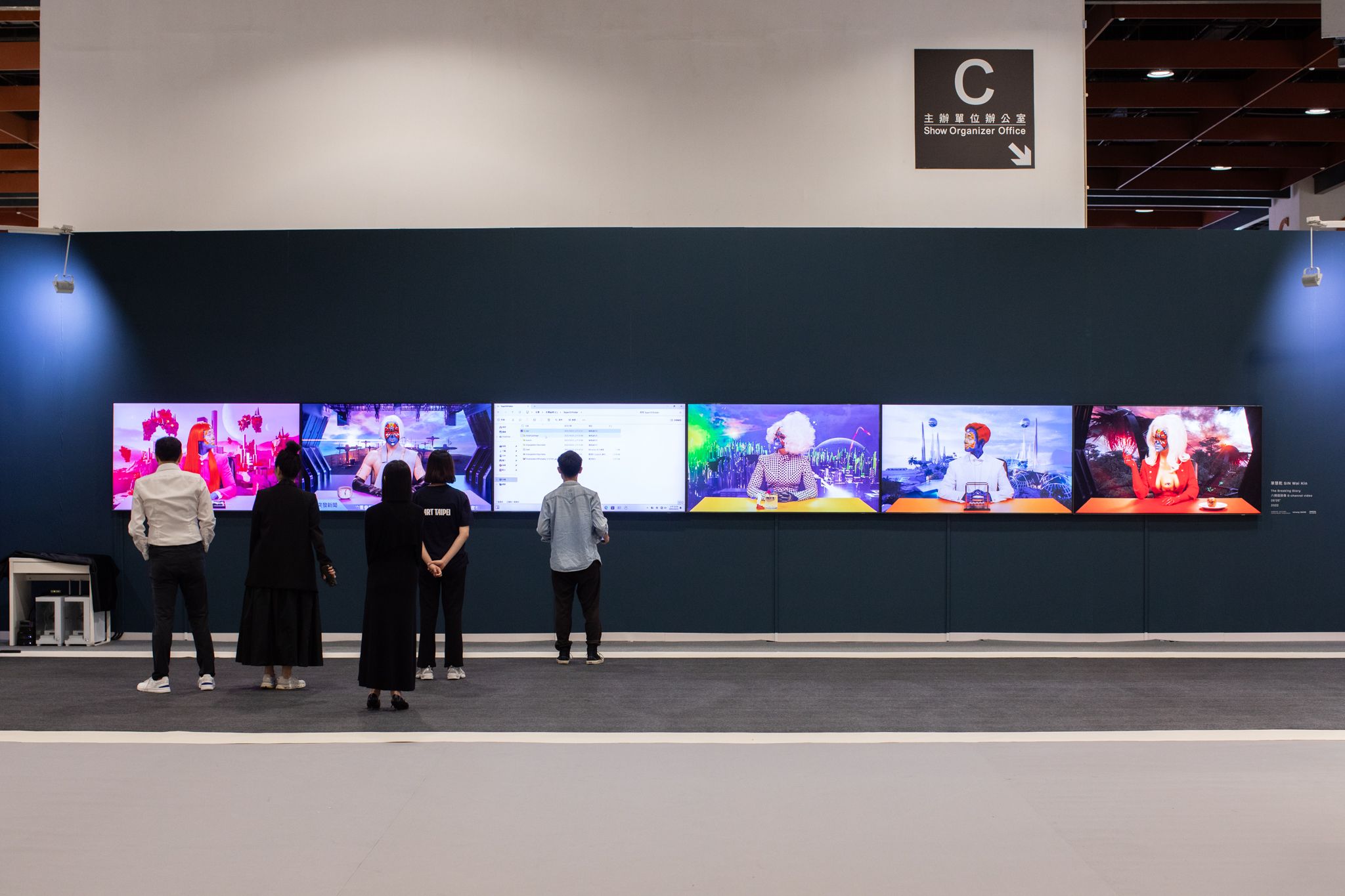
Works addressing LGBTQ+ issues are also present, although seemingly more of an embellishment than a thematic exploration. In the fair’s film section, former Turner Prize nominee Sin Wai Kin’s The Breaking Story (2022) dominates one wall with six glowing screens. The artist’s performance, switching between hyper-feminine and hyper-masculine personas, forms a visually magnetic inquiry into gender fluidity.
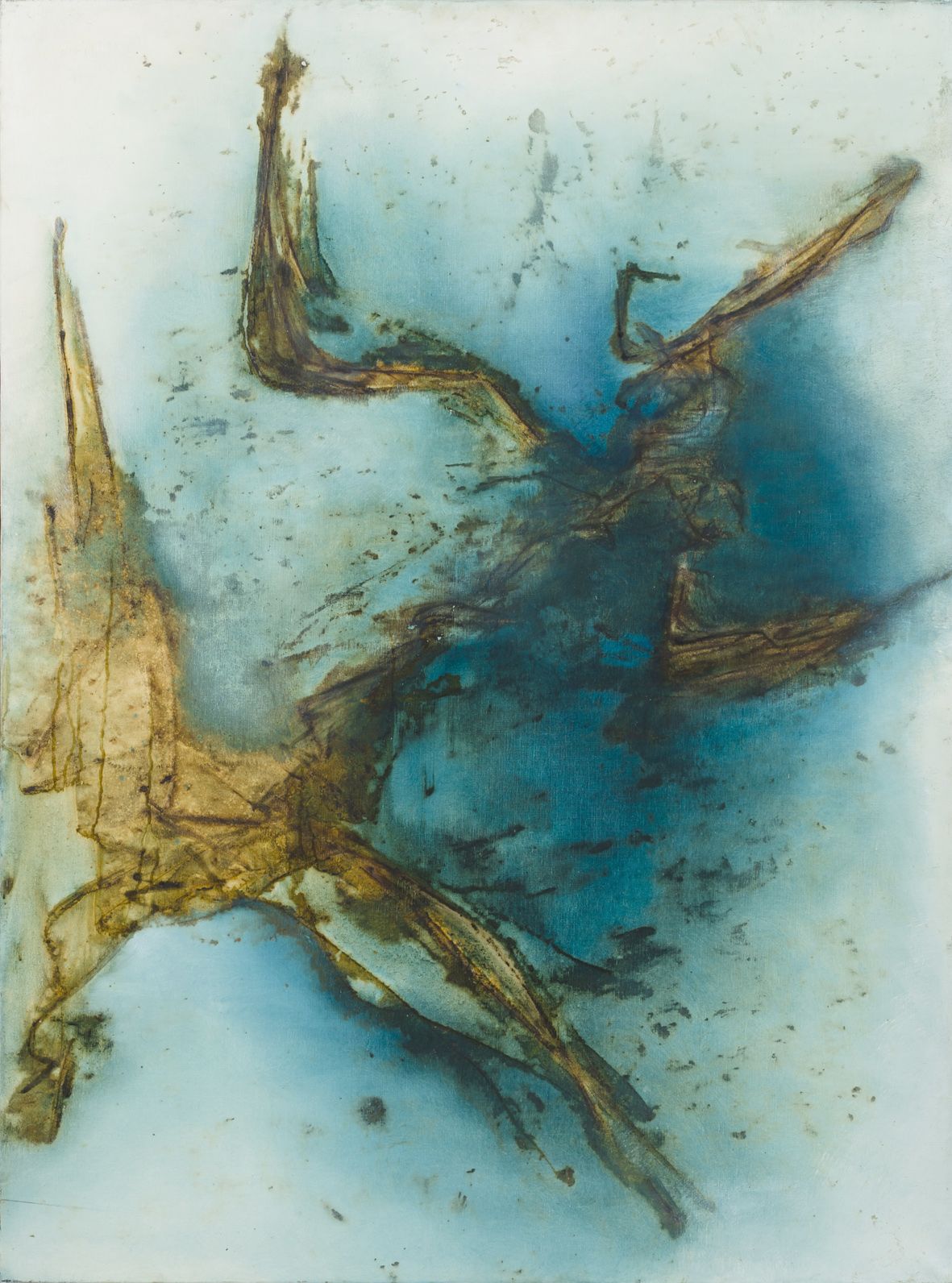
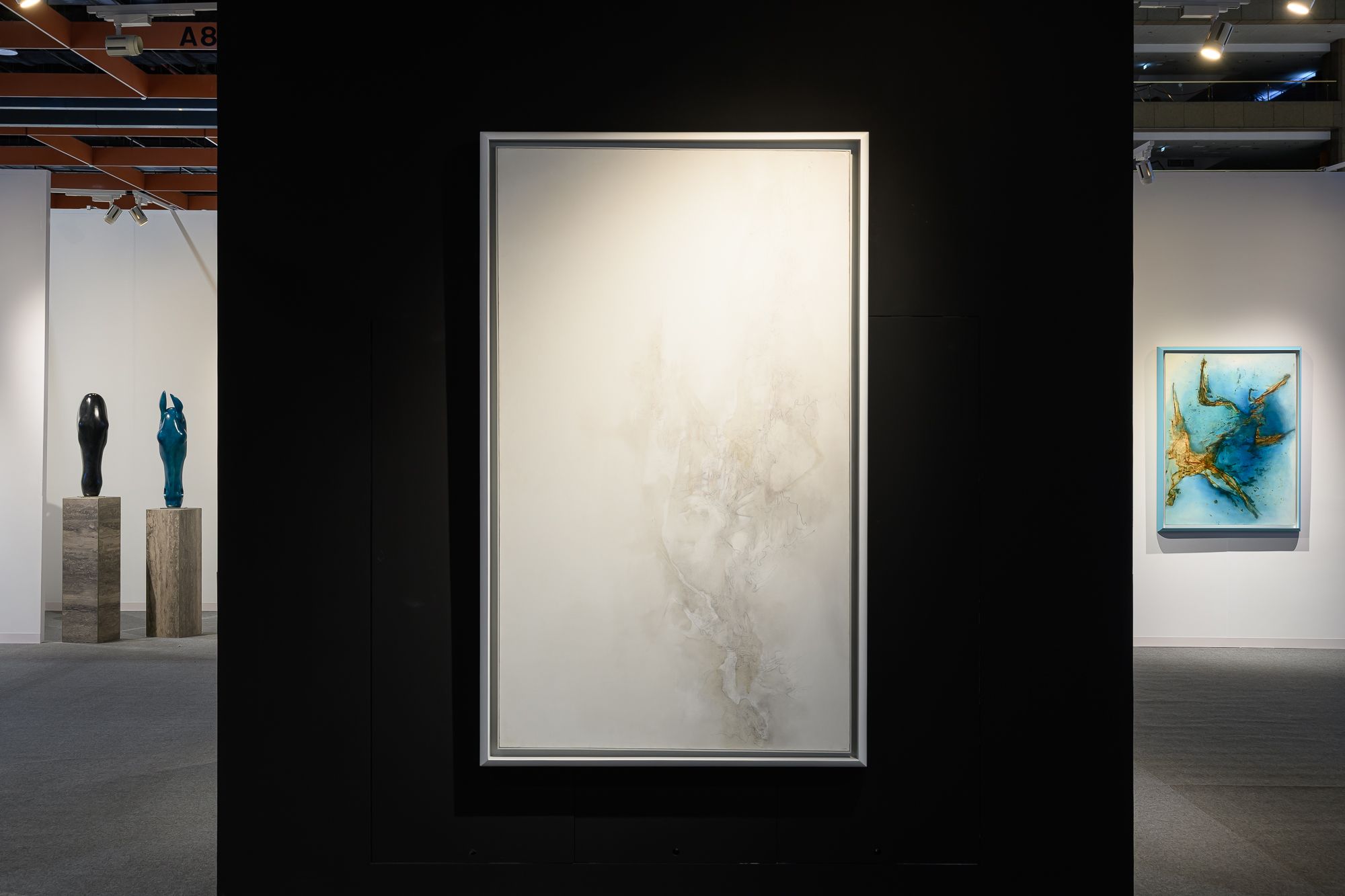
What stands out just as much is what isn’t here. The usual monumental trophy works that anchor market confidence are largely missing—I can’t see a single work by Zao Wou-Ki. Instead, Lalan, Zao’s ex-wife, quietly steals my attention at Kwai Fung Hin Gallery. A painter, composer, and dancer, Lalan translates rhythm into brushstroke, creating a meditative balance between movement and stillness.
The absence of key works for the secondary market suggests a possible downturn in that area. ‘The secondary market is looking bleak these days,’ says Bogu Chen of Pont D’Art Publishing, pointing to the fact that few galleries are choosing to represent artists who will quickly gain major sales at auction as emerging stars. ‘It’s probably not the moment to chase a monumental masterpiece.’
That sense of restraint frames much of the fair. Taiwan’s market remains grounded in postwar modern masters, supported by collectors who have been active for decades and by galleries such as Tina Keng, Liang Gallery, and Asia Art Center—many founded by collectors themselves during the economic boom of the 1980s and 90s. Around them, though, a younger generation is carving new paths: Yiri Arts, Mind Set Art Center, and Project Fulfill Art Space, joined by (the newer) The Moolah and AKI Gallery (the first Taiwanese gallery to join the Armory Show this year). Collectively they suggest an ecosystem that is diversifying slowly but decisively.
‘I think one special thing about Taipei is that galleries here actually help one another,’ says Claudia Chen, founder of Liang Gallery and president of the Taiwan Art Gallery Association. ‘We’ve built a network where more established galleries share experience with younger ones. It’s a web of friends.’
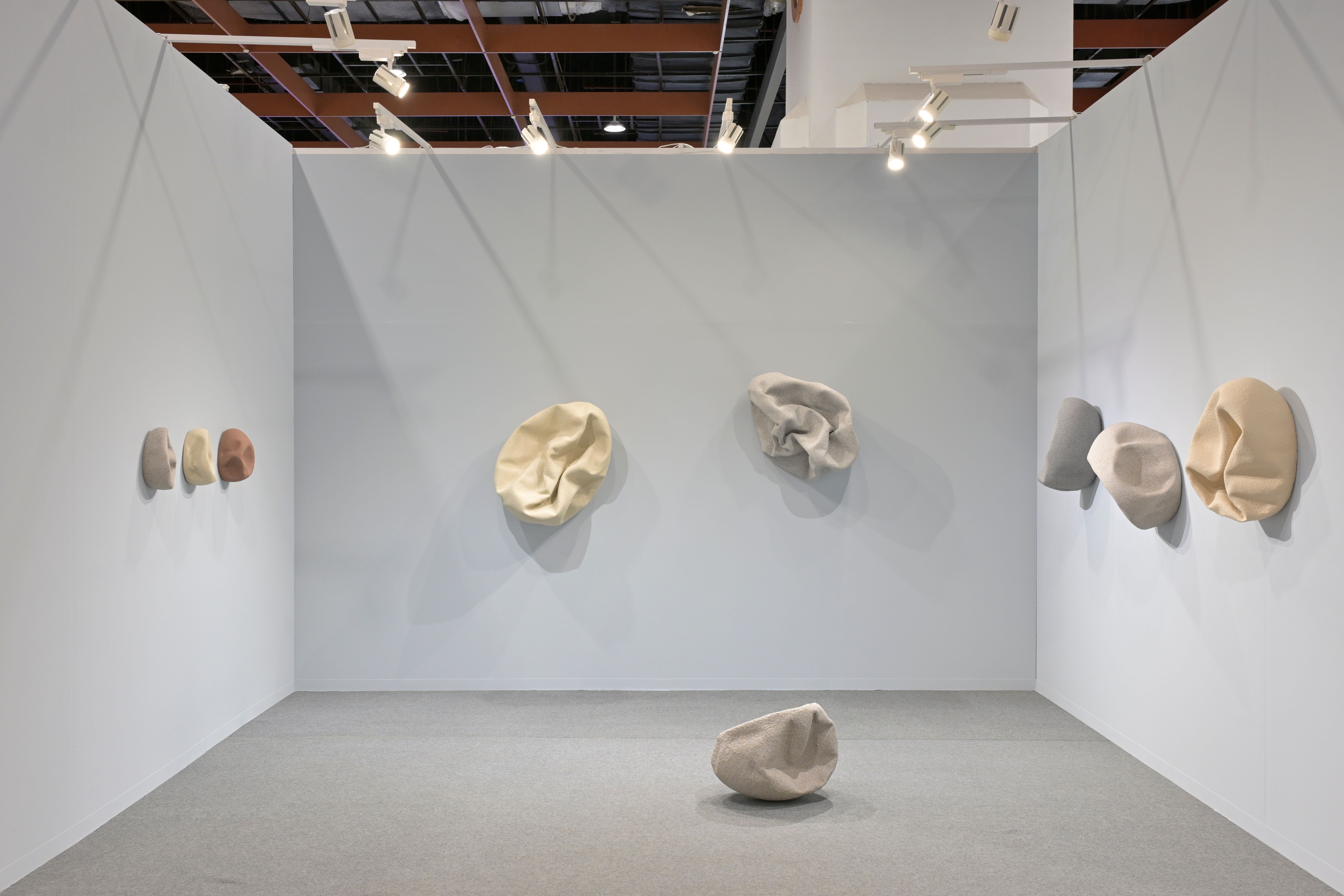
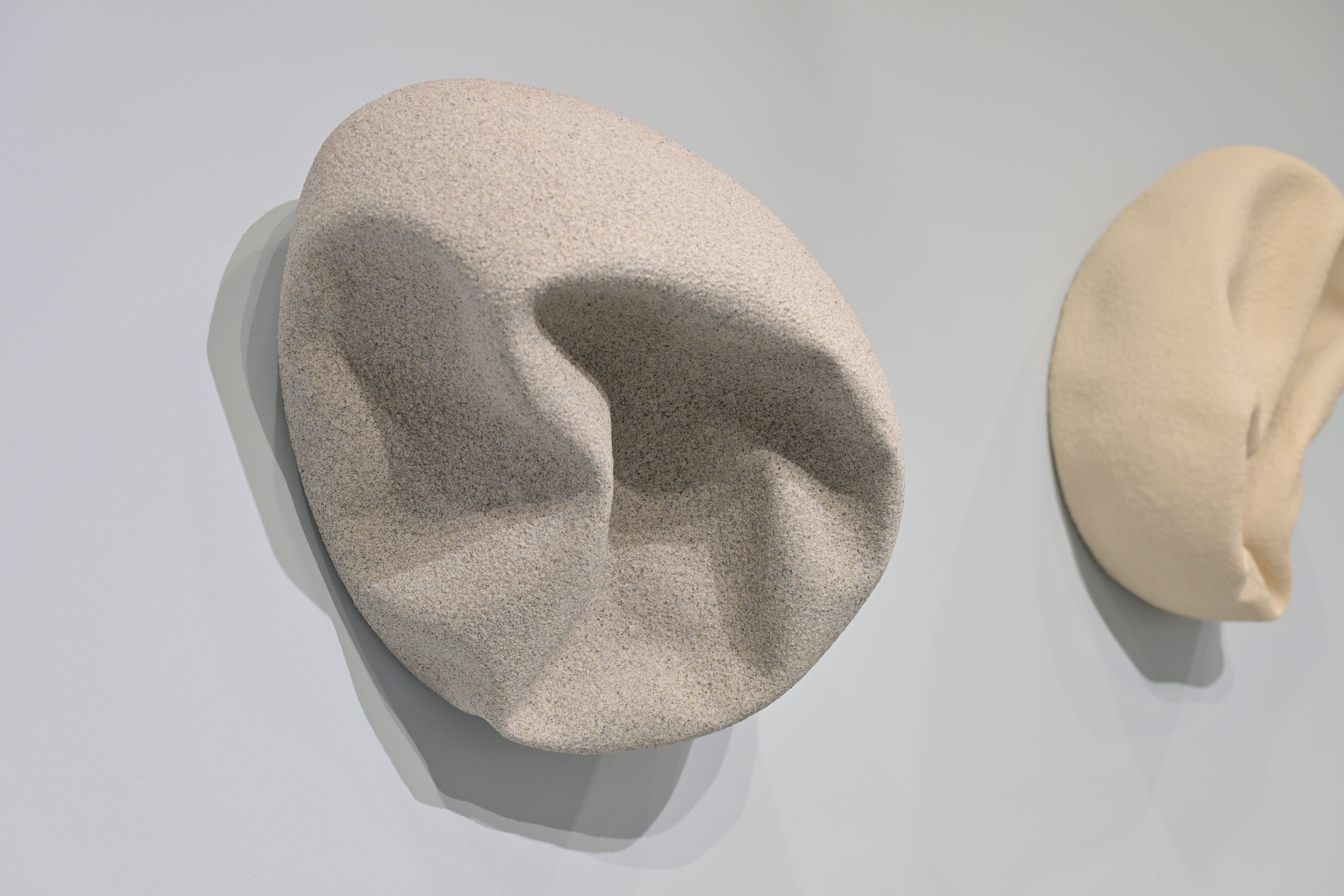
That sense of interdependence extends into the MIT—Made in Taiwan section, which features eight emerging local artists supported by government grants. Among them, Sheng-Hsiung Hung’s Stacking Shells (2025) at Mind Set Art Space—fibreglass forms coated in Jikitone paint—play with material perception, evoking weight and fragility at once.

Six works in this section sold on preview day, priced between $800–1,600, according to Chen, who describes the response as ‘encouraging’. While the fair is nurturing newcomers among its reported 100-plus international collectors, those from mainland China are notably absent, owing to visa restrictions linked to cross-strait tensions.
For some artists, the market isn’t everything. Shang-Yang Wu, born in 1992 and represented by BOSS Art Gallery, is presenting a series of distorted still-life images shot on mobile phones, turning ordinary objects into streaked, hallucinatory compositions. ‘Collectors in Taiwan are still rather conservative,’ he told me on the opening day, reflecting on how artists like himself often rely on open calls and institutional support to pursue more experimental practices. Fortunately, artists and art events in Taiwan enjoy a level of state support that few other regions can claim—the impressive parade of one government officer after another giving speeches was a sign.
At the Taipei Fine Arts Museum, I meet up with Musquiqui Chihying, who is installing a new sound work commissioned for the Taipei Biennale 2025, which opens on 1 November. In the entrance hall, Zih-Yan Ciou and his team are assembling a massive multi-screen video installation, while Li Yi-Fan, who will represent Taiwan at next year’s Venice Biennale, is preparing for a press event previewing his project at Palazzo delle Prigioni. One can expect that beyond the art week, the city’s art spaces will continue to vibrate with activity.
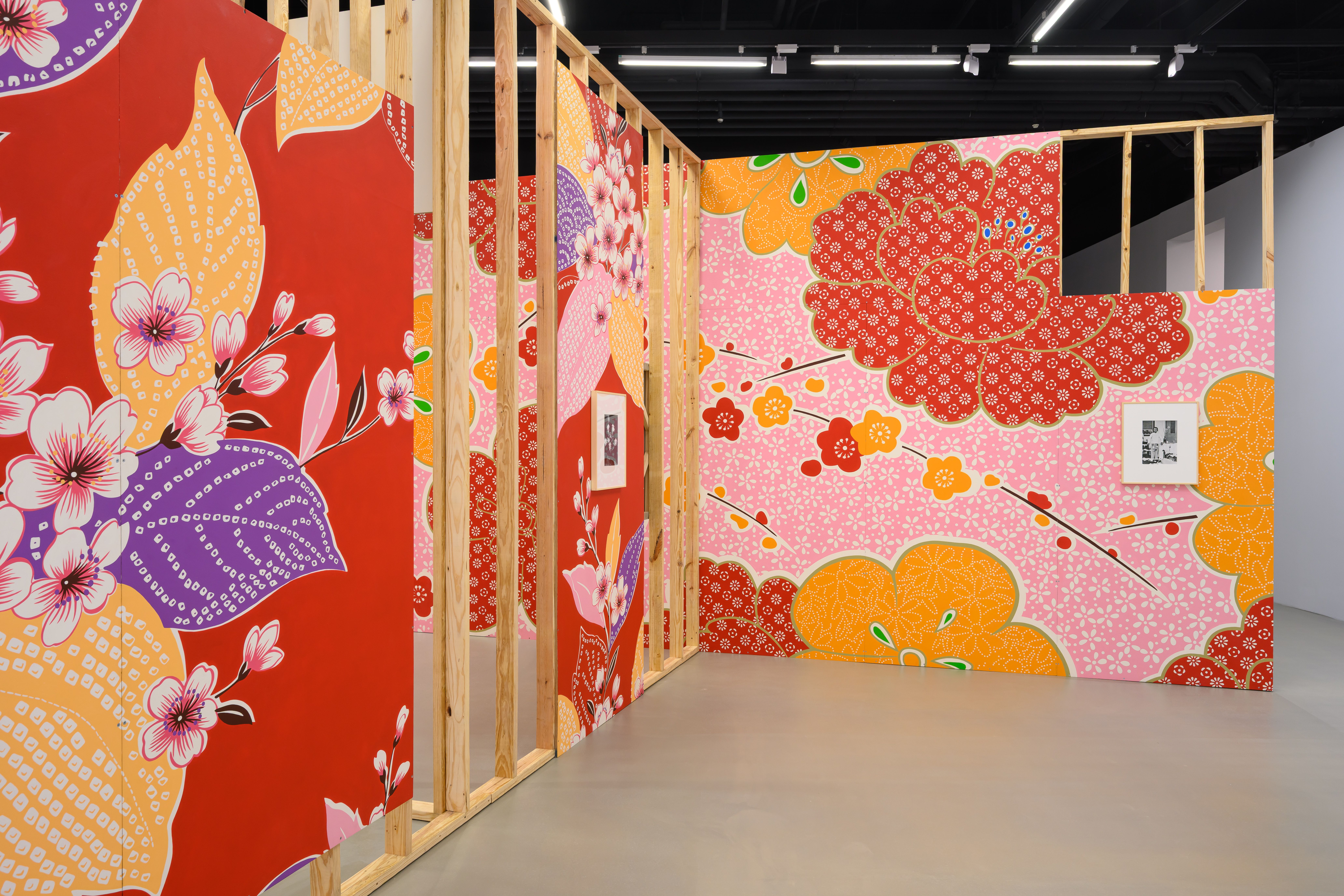
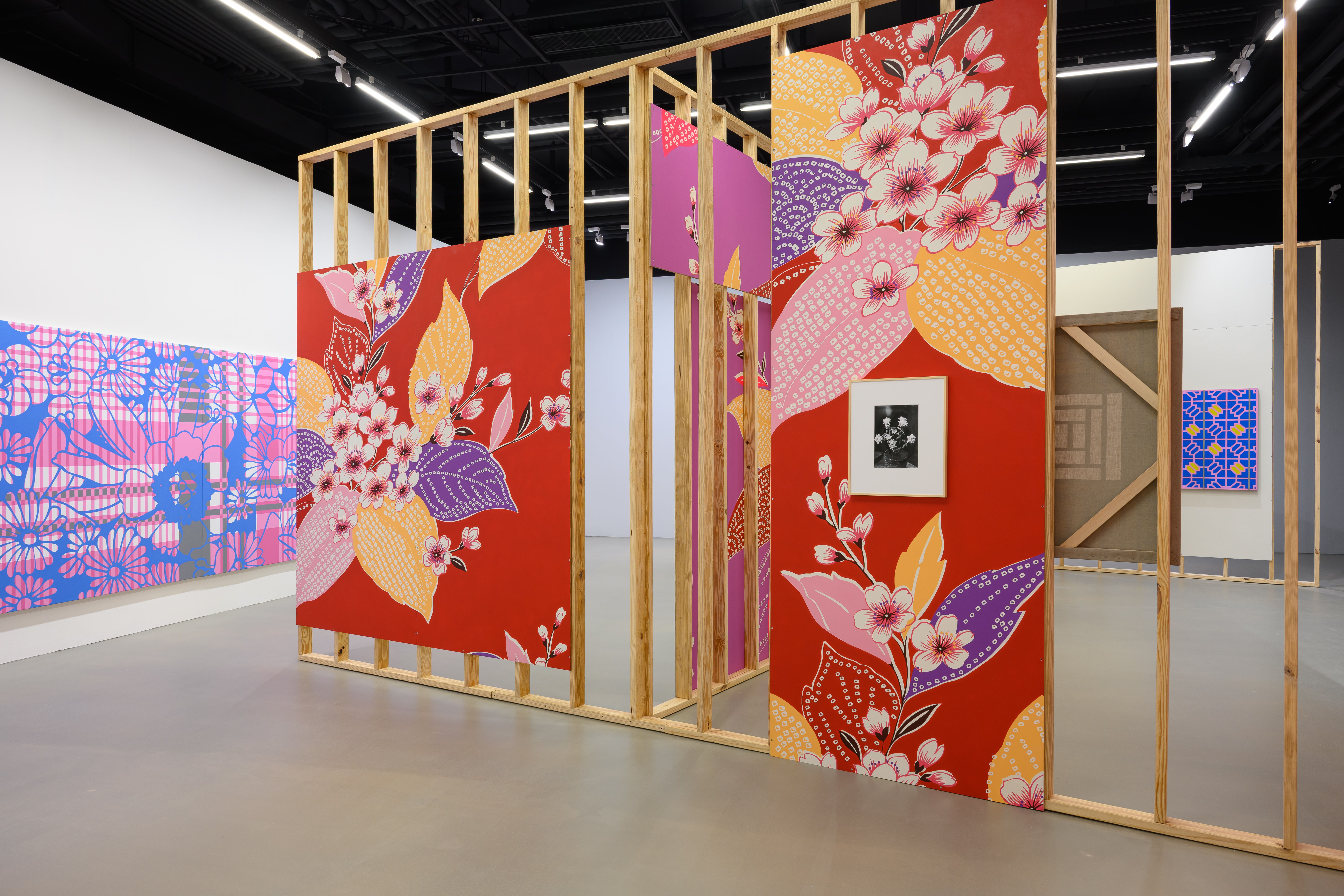
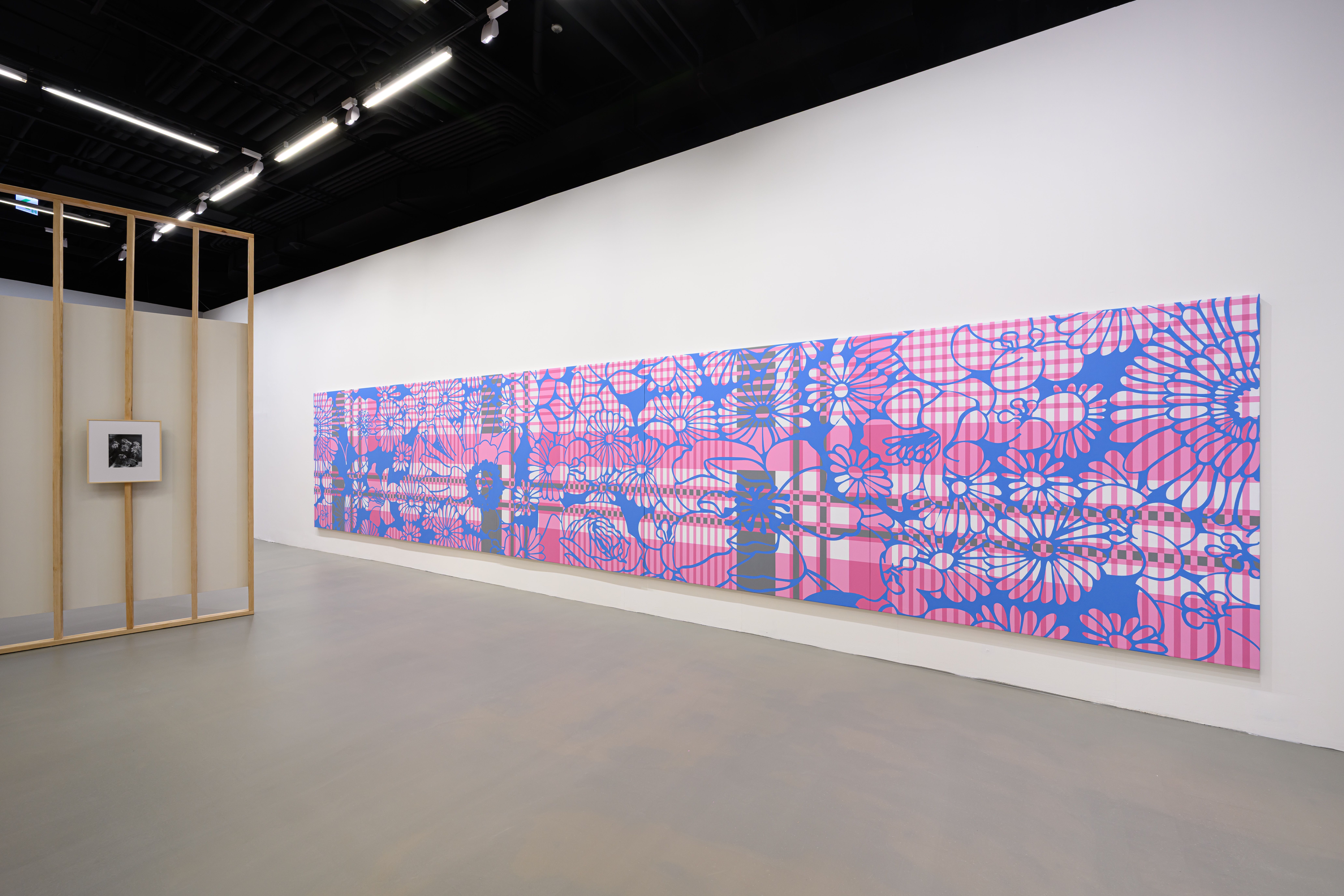
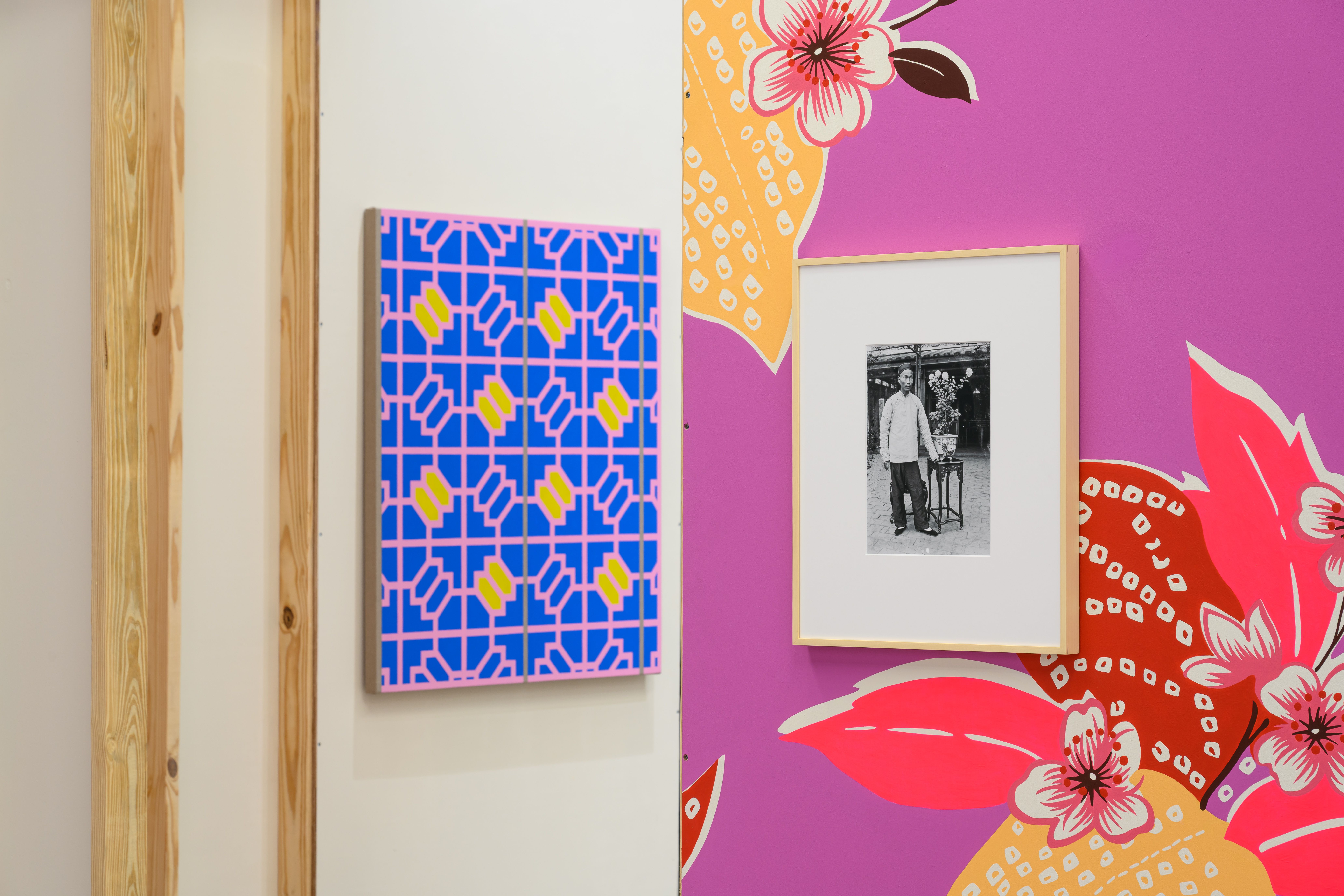
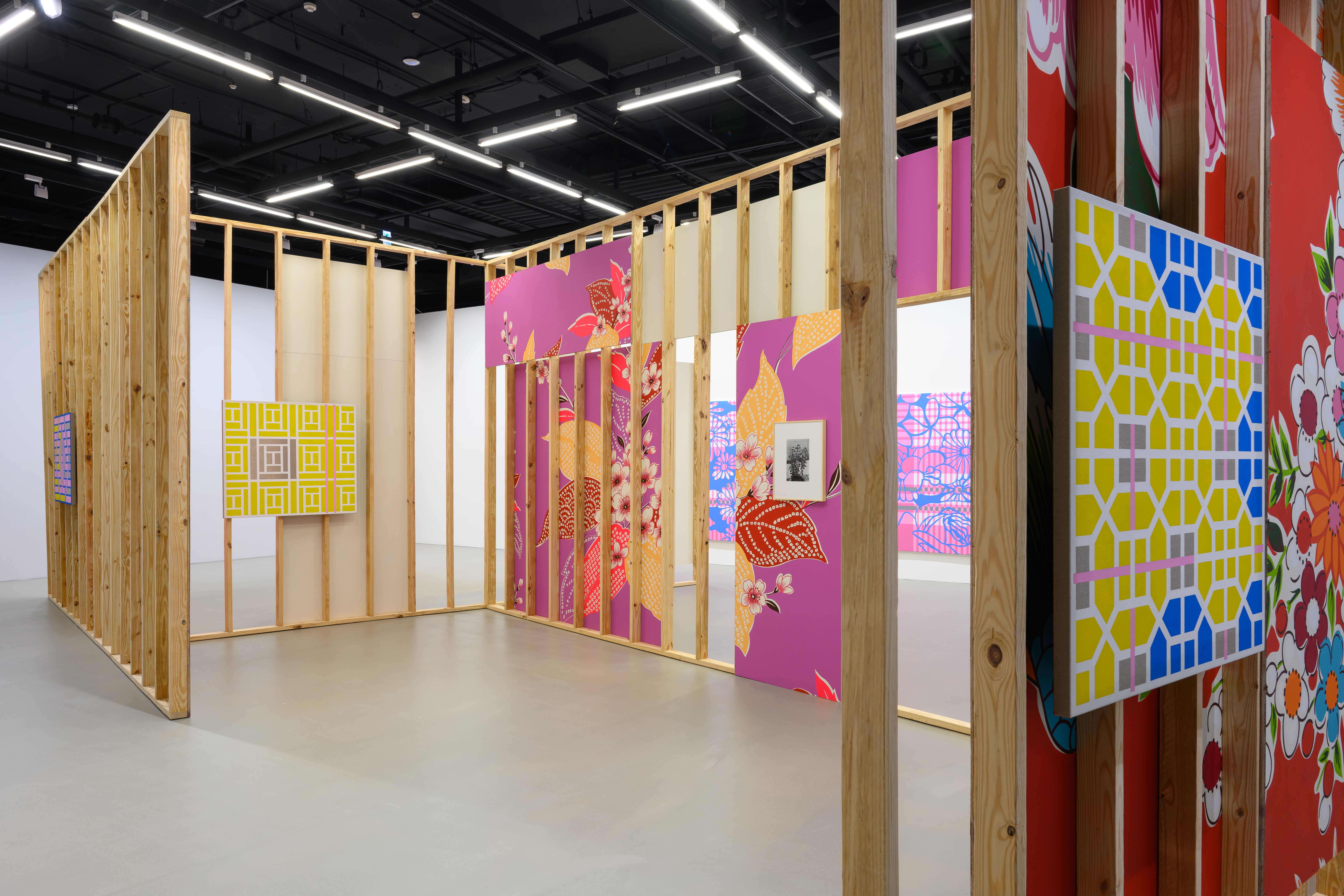
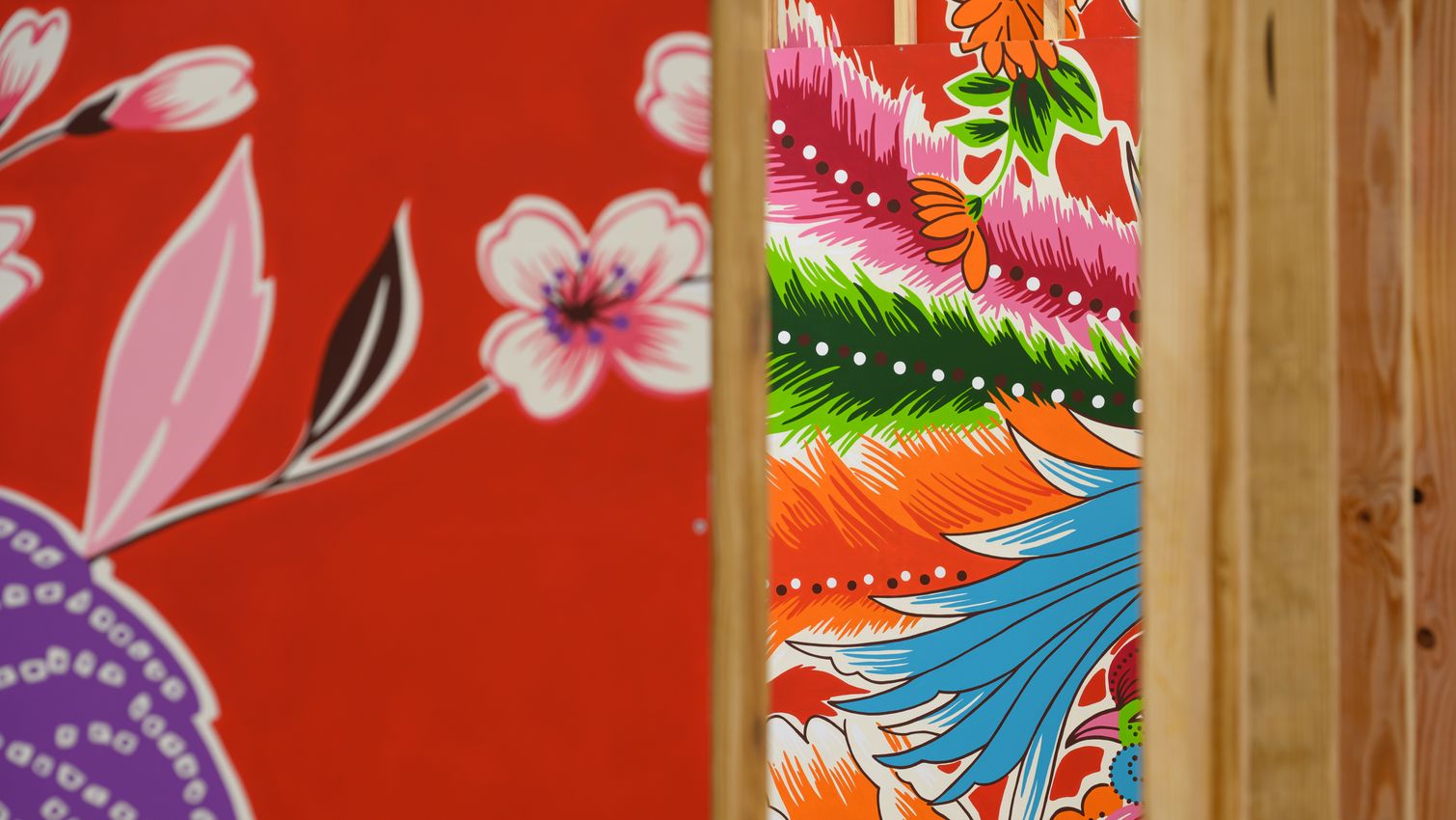
On Friday, I catch the last day of Michael Lin’s exhibition Raem at TKG+. Lin reimagined lattice-window patterns from traditional Taiwanese architecture, turning them into luminous structural forms that explore the relationship between ornament, craft, and vision. While at gdm gallery’s new Taipei outpost (opened last December to mark the Hong Kong gallery’s 50th anniversary), I encounter Lam Tung Pang’s monumental plywood installations. Gestural, charcoal-like marks trace the artist’s reflections on displacement and the shifting political landscape of Hong Kong. ‘No matter how heavy the rain,’ Lam writes in an accompanying text, ‘I will still see Hong Kong through the gaps in the downpour.’
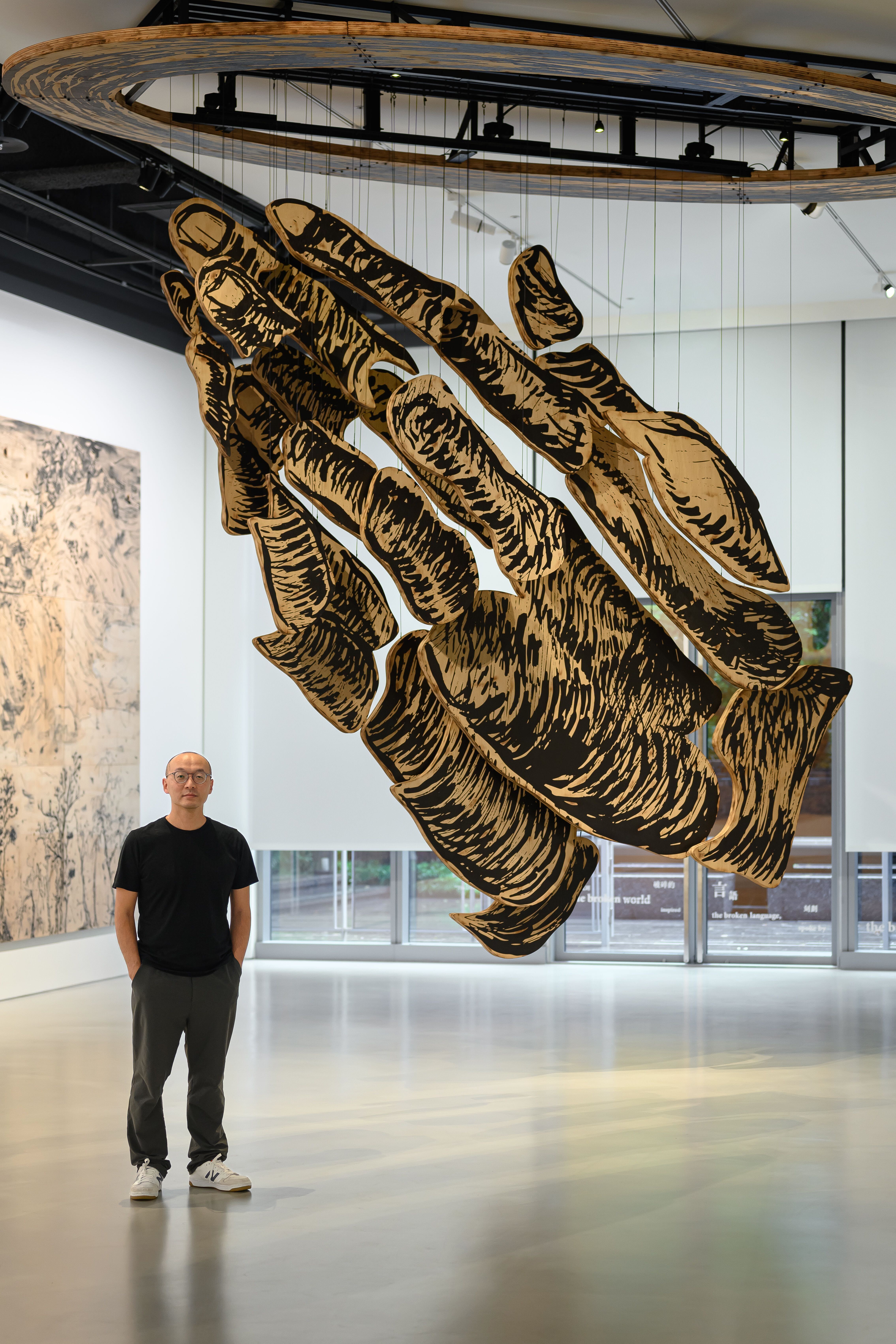
By the time I leave Taipei, the rain still hasn’t stopped. Lam’s words stayed with me—fitting for a week that, despite uncertainty and restraint, reveals an art scene learning to move, grow, and see clearly through its own downpour. —[O]
Main image: Exhibition view: Michael Lin, Raem, TKG+, Taipei (26 August–24 October 2025). Courtesy TKG+. Photo: ANPIS FOTO.



A respected voice in contemporary art discourse.
Focusing on ambitious storytelling and insightful art-world commentary. Ocula Magazine publishes in-depth interviews, critical essays and timely analysis on the artists, exhibitions and ideas driving the global art world.
Learn more about Ocula Magazine
Showcasing the best of the art world.
Ocula partners with galleries from around the world to highlight their artists, artworks and exhibitions. Gallery membership is by application and invitation, with each member vetted by an independent panel.
Learn more about Ocula Membership
Specialises in the sale of major artworks.
Led by a team with deep ties to the world’s leading auction houses, galleries and collectors. Ocula’s advisory team offers bespoke services to high-net-worth clients from around the world who are looking to acquire the best of contemporary and modern art.
Learn more about our team and services