The art world in focus
Subscribe to our newsletter for news and insights on artists, galleries and exhibitions.
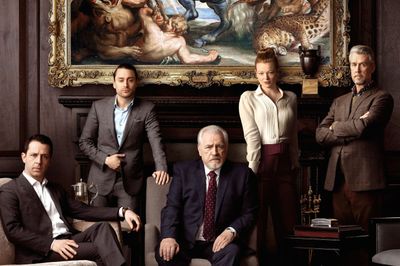
A promotional poster for Succession's first season featuring Peter Paul Rubens' The Tiger Hunt (1615–17). Courtesy Warner Media.
Much has been made of the fashion on HBO’s Succession, whose fourth and final season concluded on Sunday.
TikTokers offer tips for imitating ‘quiet luxury’ or ‘stealth wealth’ items, which cost more than showier luxury brands without the conspicuous logos. Others argue the Roys are essentially new money and among those wealthy enough to afford it, their attire isn’t stealthy at all. Nor is it particularly bold.
When it comes to their art collection, the Roys are just as unimaginative. Nevertheless, art media have rushed to cover it. Artsy, Hyperallergic, The Art Newspaper, Artnet and ARTnews have all written about the art in Succession.
The main reason for doing so is obvious—to hijack popular interest in the show for clicks. But different strategies are used to justify squeezing ‘Succession’ into an art news headline.
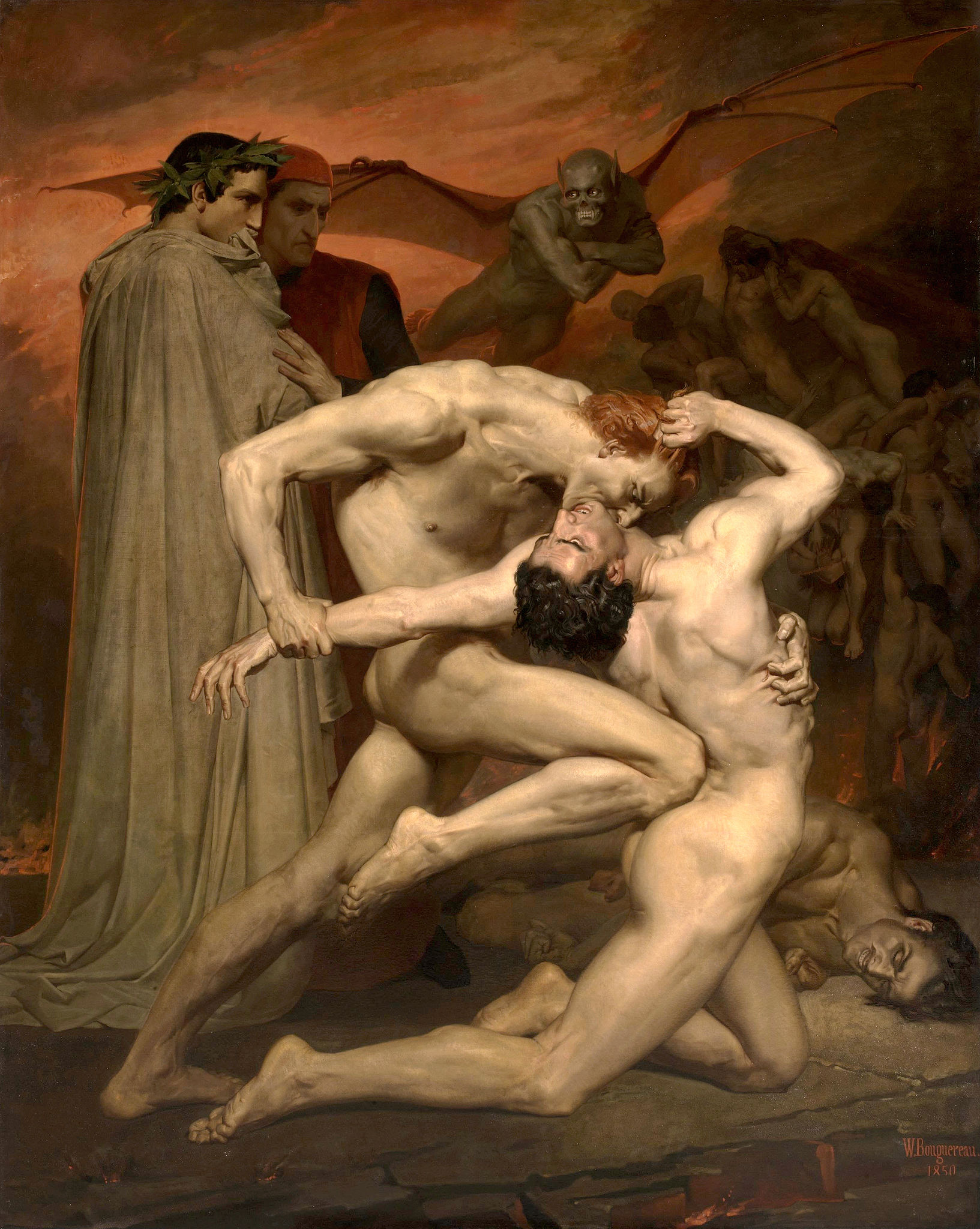
One is geeking out on art history, identifying works such as Peter Paul Rubens’ vicious The Tiger Hunt (1615–17), which appeared in the poster for the show’s first season, and William-Adolphe Bouguereau’s Dante and Virgil (1850), which was used in publicity for the second season.
These works are too raw—too overt, too guileless—for the Roys to own, and neither actually appears in the show. But they’re useful for promoting the show’s mix of money and emotional violence.
In a fantastic interview with Mary Elizabeth Andriotis, the show’s production designer, Stephen Carter, said in such instances ‘you need things to read easily; to make their point from the side of a passing bus.’
Another art historical approach to Succession is to compare the way characters are positioned and framed in certain shots to paintings. Claims of ‘accidental Renaissance’ compositions have been corrected as in fact accidental Baroque, however, or dismissed altogether by art writers.
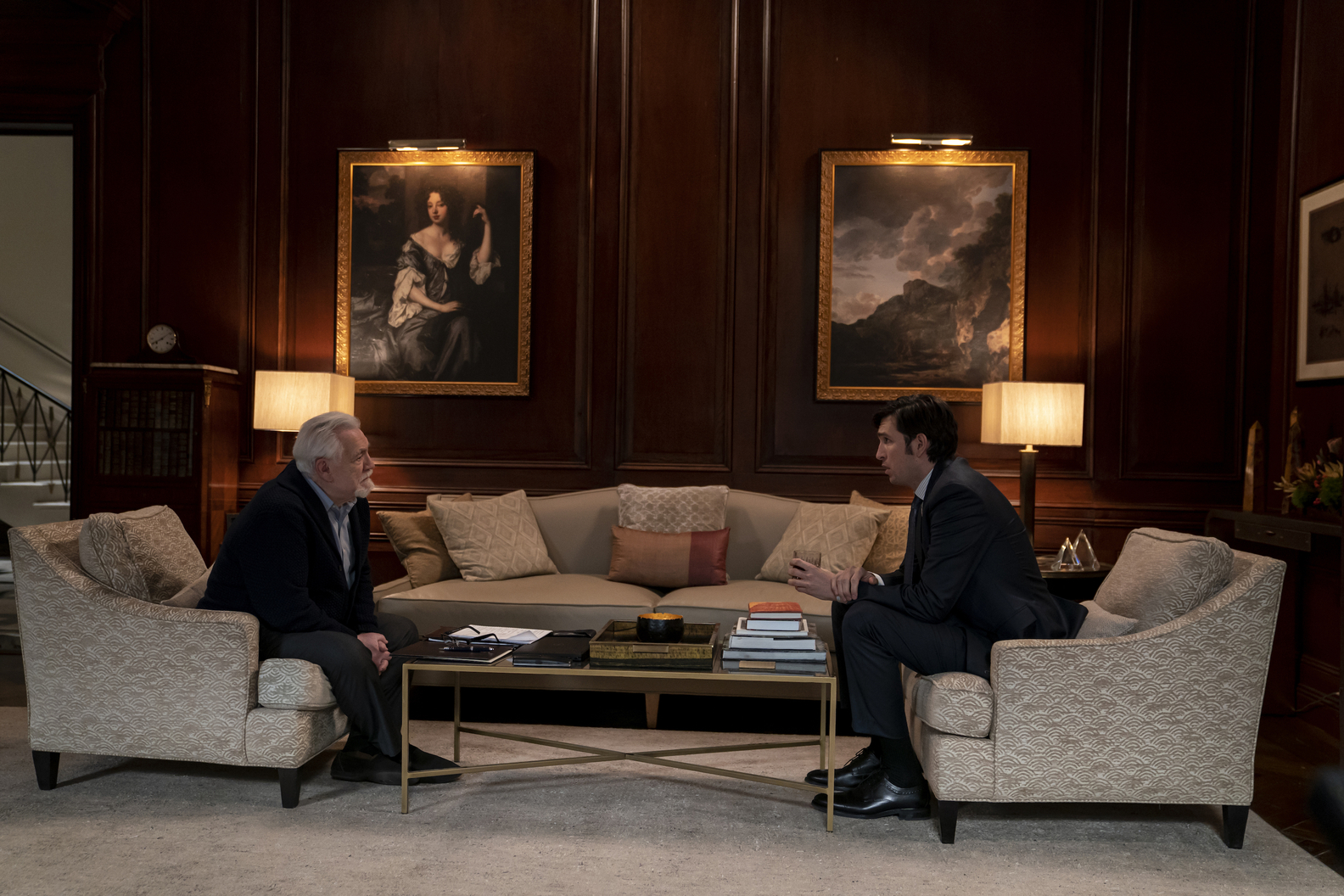
More interestingly, the show sometimes uses works to subtly communicate themes and foreshadow plot points.
Peter Lely’s Portrait of Louise de Keroualle, Duchess of Portsmouth (ca. 1671–1674), for instance, depicts the favourite mistress of King Charles II of England, who received lavish gifts from Louis XIV to promote French interests, a figure who suggests greed and betrayal.
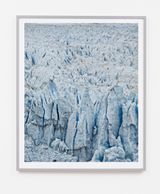
Frank Thiel‘s Spegazzini #01 (2012/2013) is a photograph of a glacier in Patagonia that’s symbolic of collapse, predicting not just the failure of numerous business deals but the end of the Roys’ corporate dynasty.
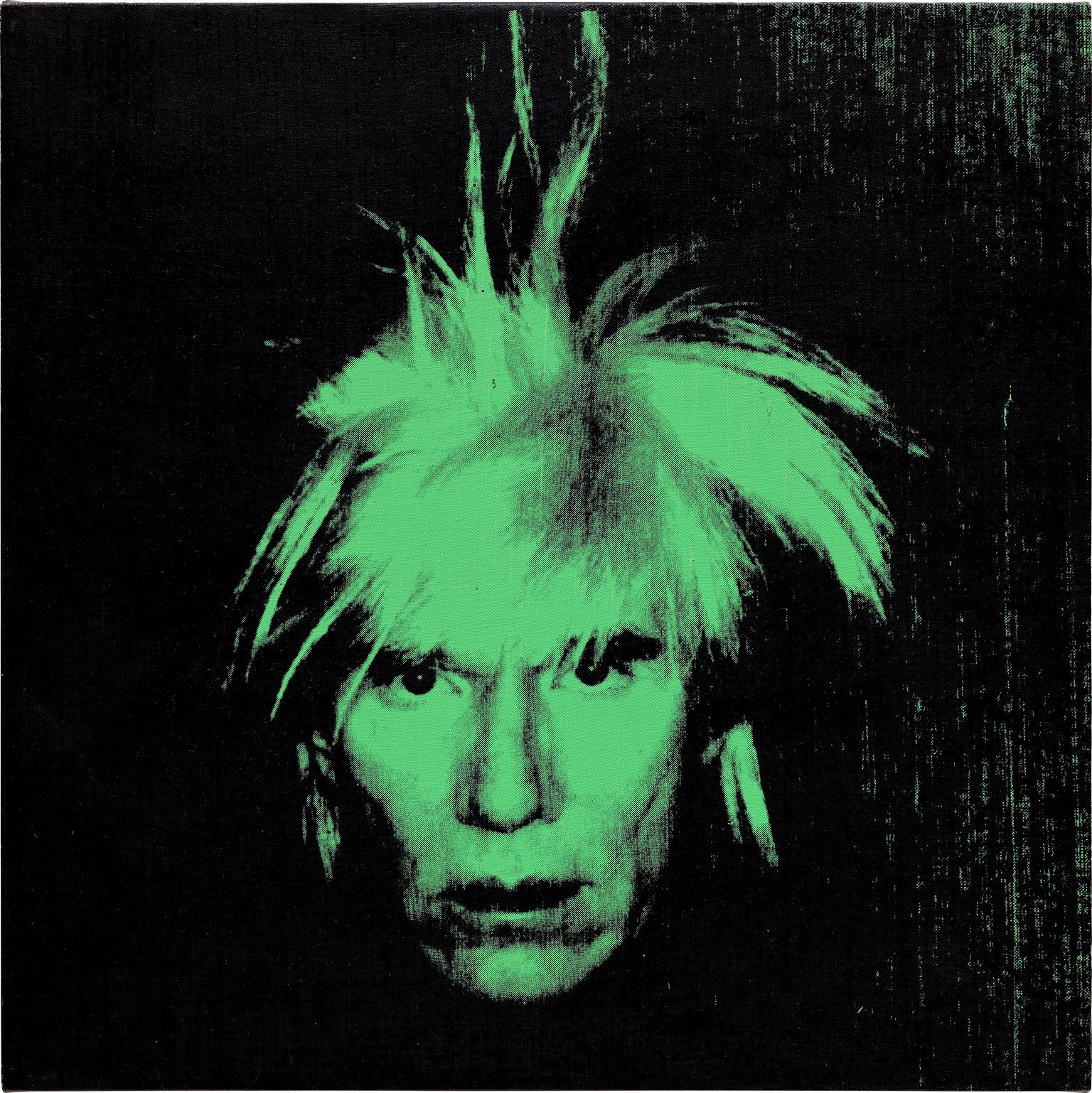
Two versions of Andy Warhol‘s Self-Portrait (1986) can be seen at The Grill during Connor’s rehearsal dinner, the episode before (spoilers) Logan Roy dies. The depiction of the artist’s expressionless, seemingly disembodied head, was created just a year before Warhol’s own death.
For the most part, though, art on Succession functions just like its fashion, as a way to communicate the characters’ obsession with status and power.
Carter, the production designer, describes Logan Roy as ‘a black hole of aesthetics’.
‘His art is doubtlessly chosen for him by a string of nervous curators and buyers, and if they get it wrong, they get sacked. Or chosen by wives, same fate applicable,’ he said.
He described the siblings’ tastes as ‘very art-directed and safe and magazine spread-ready. No unique personal investment in the art choices. I think that approach quietly contributes to the spiritually hollow nature of the show.’
There’s a harsh truth in the show’s treatment of art that art writers might acknowledge: as an industry, money trumps taste in the art world.
Instead of supporting emerging artists and buying work that speaks to them, collectors have disproportionately helped the biggest dealers, and bought works in the most expensive section of the auction market.
Following the money, people tend to invest in works around which a consensus has already built, or speculate on trends to get a bigger, quicker return.
Logan has three Gauguins in a vault in Geneva, and countless great artworks really are trapped in storage at free ports and tax havens where no one can see them.
Kendall in his eulogy for Logan applauds his father for making so much money, ‘the lifeblood, the oxygen of this wonderful civilisation that we have built from the mud.’
For better or worse, you could say something similar about the major players in today’s contemporary art market. —[O]







A respected voice in contemporary art discourse.
Focusing on ambitious storytelling and insightful art-world commentary. Ocula Magazine publishes in-depth interviews, critical essays and timely analysis on the artists, exhibitions and ideas driving the global art world.
Learn more about Ocula Magazine
Showcasing the best of the art world.
Ocula partners with galleries from around the world to highlight their artists, artworks and exhibitions. Gallery membership is by application and invitation, with each member vetted by an independent panel.
Learn more about Ocula Membership
Specialises in the sale of major artworks.
Led by a team with deep ties to the world’s leading auction houses, galleries and collectors. Ocula’s advisory team offers bespoke services to high-net-worth clients from around the world who are looking to acquire the best of contemporary and modern art.
Learn more about our team and services