The art world in focus
Subscribe to our newsletter for news and insights on artists, galleries and exhibitions.

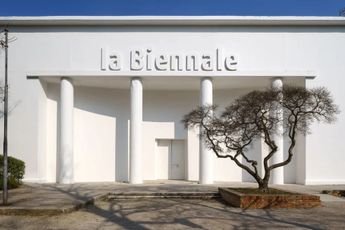
In April 2024, seven months after the beginning of Israel’s campaign in Gaza, a sense of sombreness dominated at the Venice Biennale. Artist Ruth Patir, representing Israel, closed the country’s national pavilion: a sign on the door declared that it would open when a ceasefire was announced and all the hostages returned. The Golden Lion-winning pavilion was Australia’s, for Archie Moore’s kith and kin—a powerful installation that used chalk on black walls to describe the vastness of the artist’s Aboriginal heritage and its violent disruption by settler imperialism.
This year, by contrast, Israel and Russia have both returned to the biennale; Israel has been provided with a new home in the Arsenale while its usual pavilion is being refurbished and Russia has been allowed to open its pavilion again. For the US pavilion, too, it was business as usual. The presence of Russia and Israel produced a febrile mood of dissent. The Golden Lion jury resigned; pavilions were shuttered in protest. The prevailing question seemed to be: are we supposed to take this seriously? And so, even though this was an event held in the shadow of the death of its curator, Koyo Kouoh—and organised according to a theme, In Minor Keys, which asked visitors to slow down and reflect—it was zany, irreverent and pointedly “unserious” art that captured the energy and drew the queues.
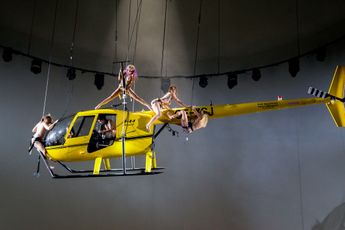
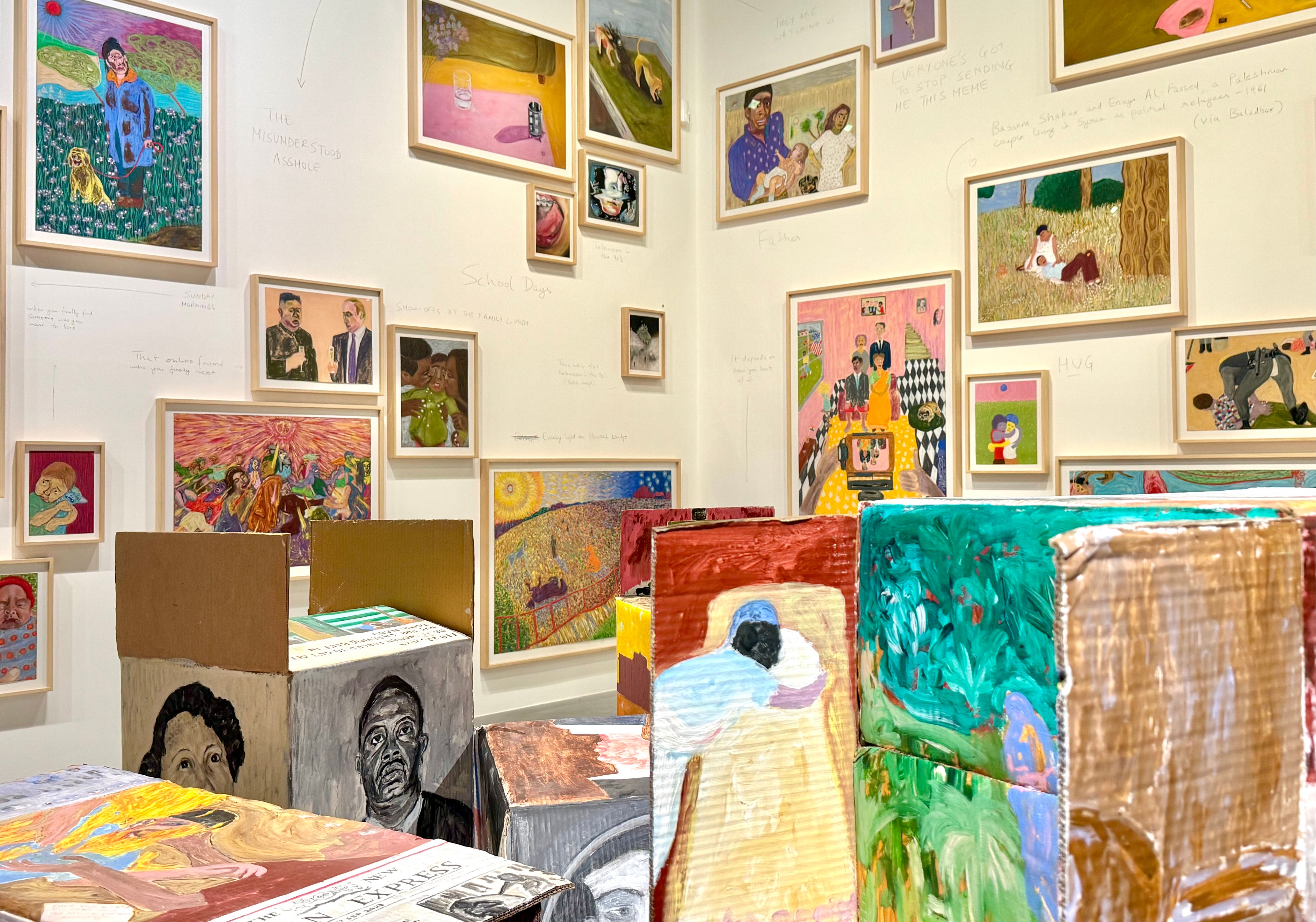
Austria’s pavilion featured the artist Florentina Holzinger ringing in the hour, every hour, naked and dangling upside down in a big bell; a naked woman riding a personal watercraft in circles; a hose spraying shit up the wall, and visitors peeing into a purification tank in which another woman floated (a statement on the threat of rising sea levels). The Greek pavilion became a kind of abattoir/sex dungeon with light-up flooring and chains printed on beanbags. The Belgians had people crawling all over a kind of sloping platform made of words, shouting and banging on drums. One of the best exhibits in the Giardini section of In Minor Keys was also light-hearted: Sohrab Hura’s painted version of an iPhone camera roll, made up of memes and family snaps, for which the artist wrote cheerful captions directly on to the wall. (On a painting of two koi carp: “That asshole who is always at the right place at the right time.”)
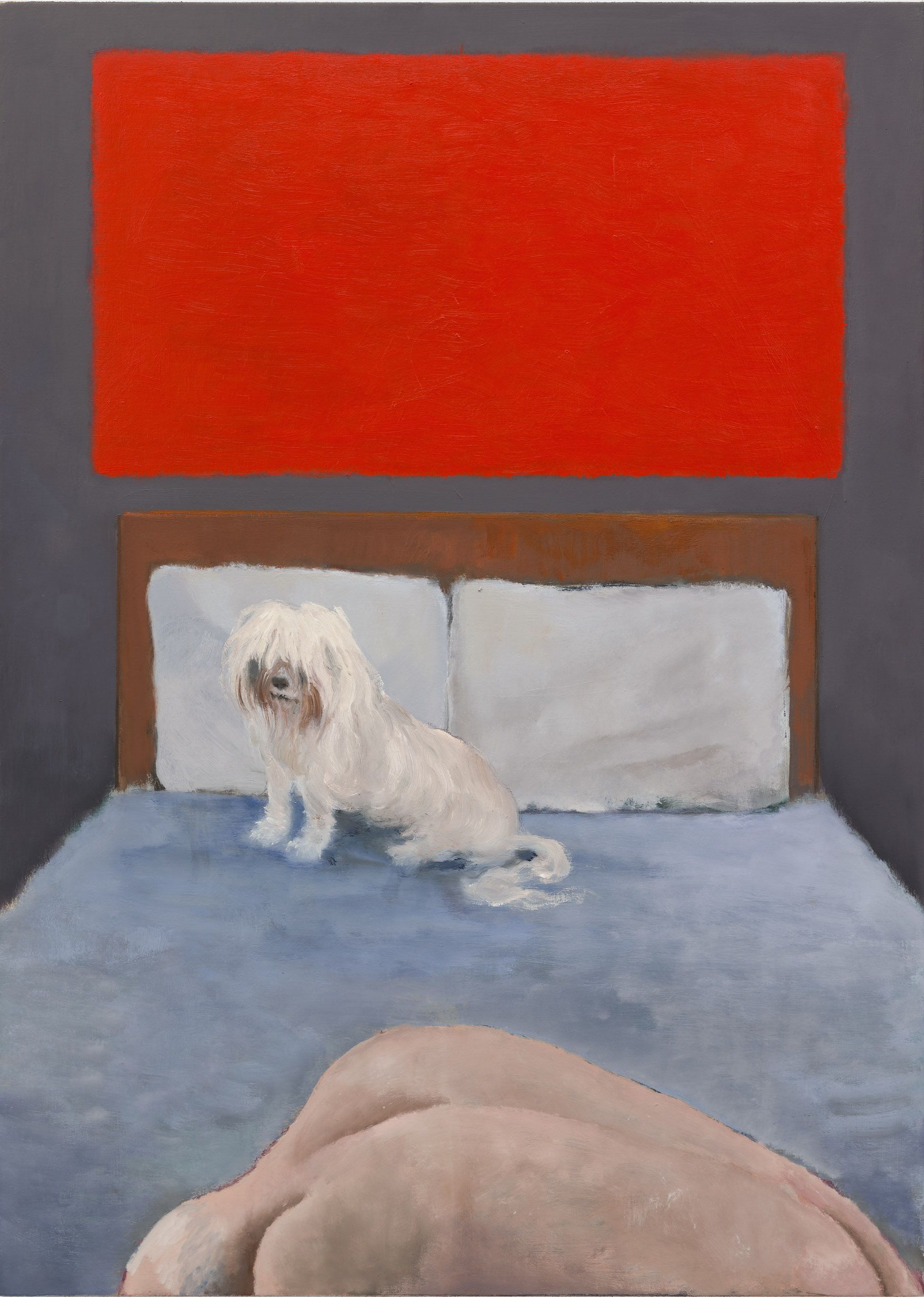
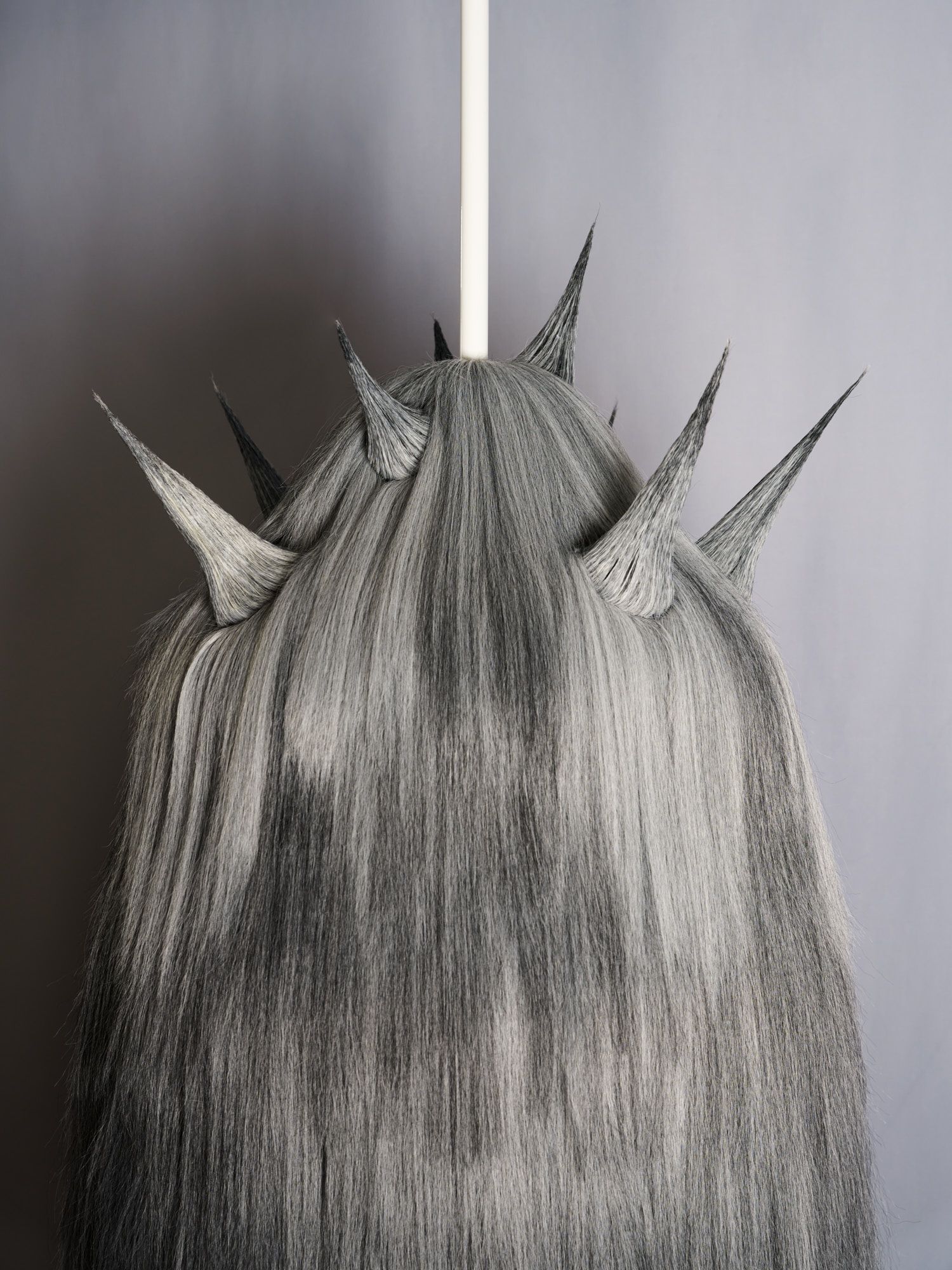
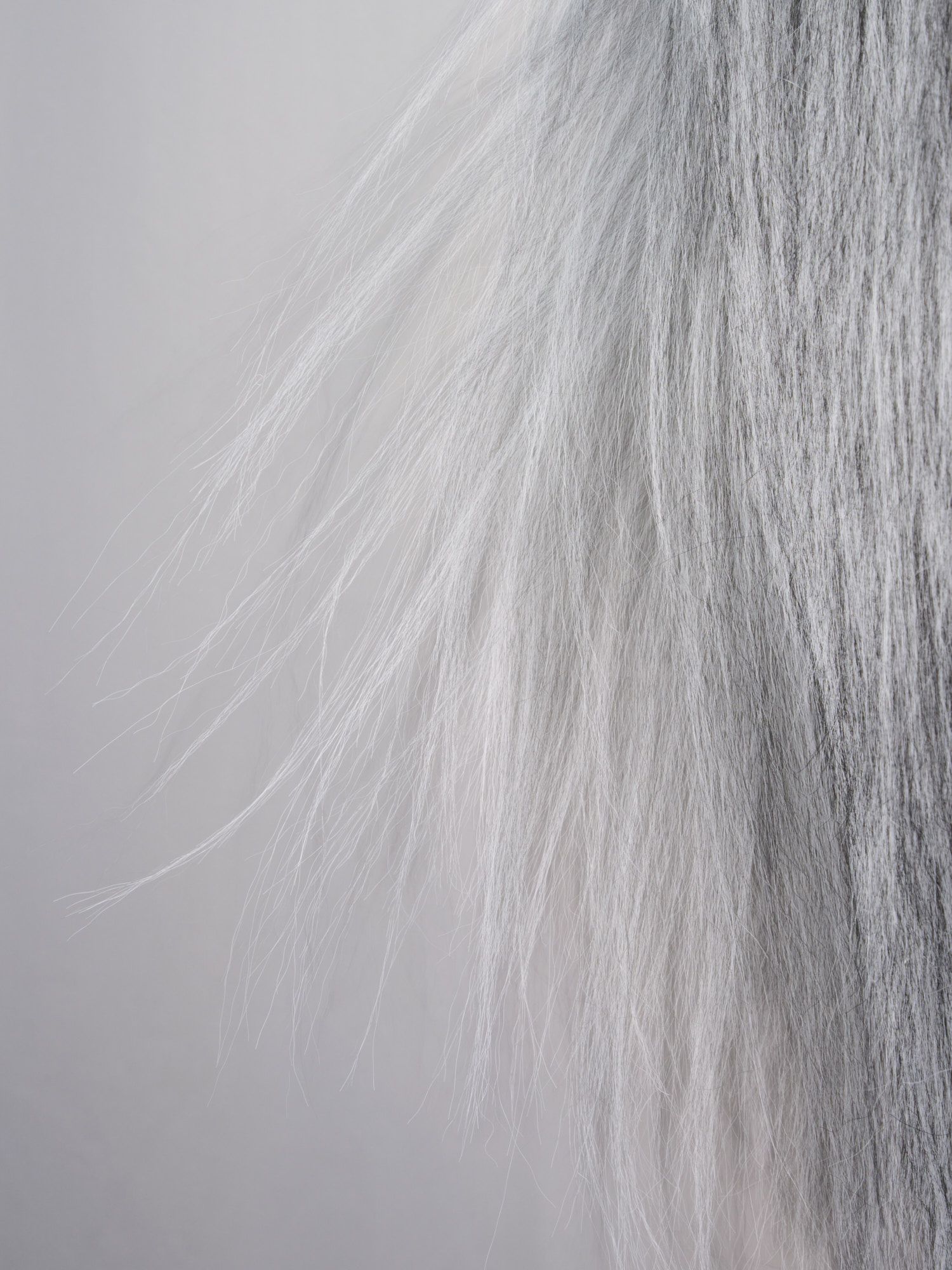
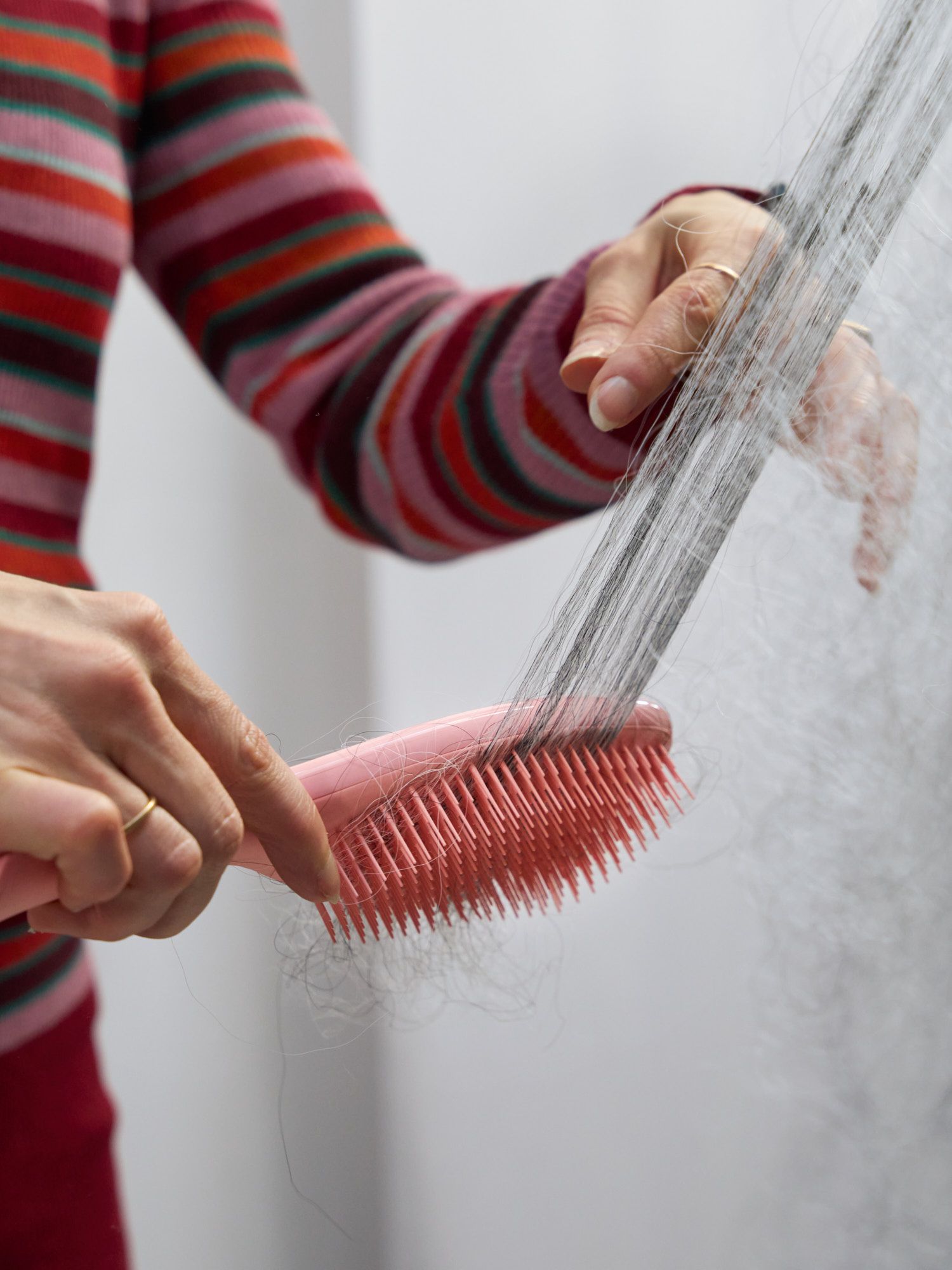
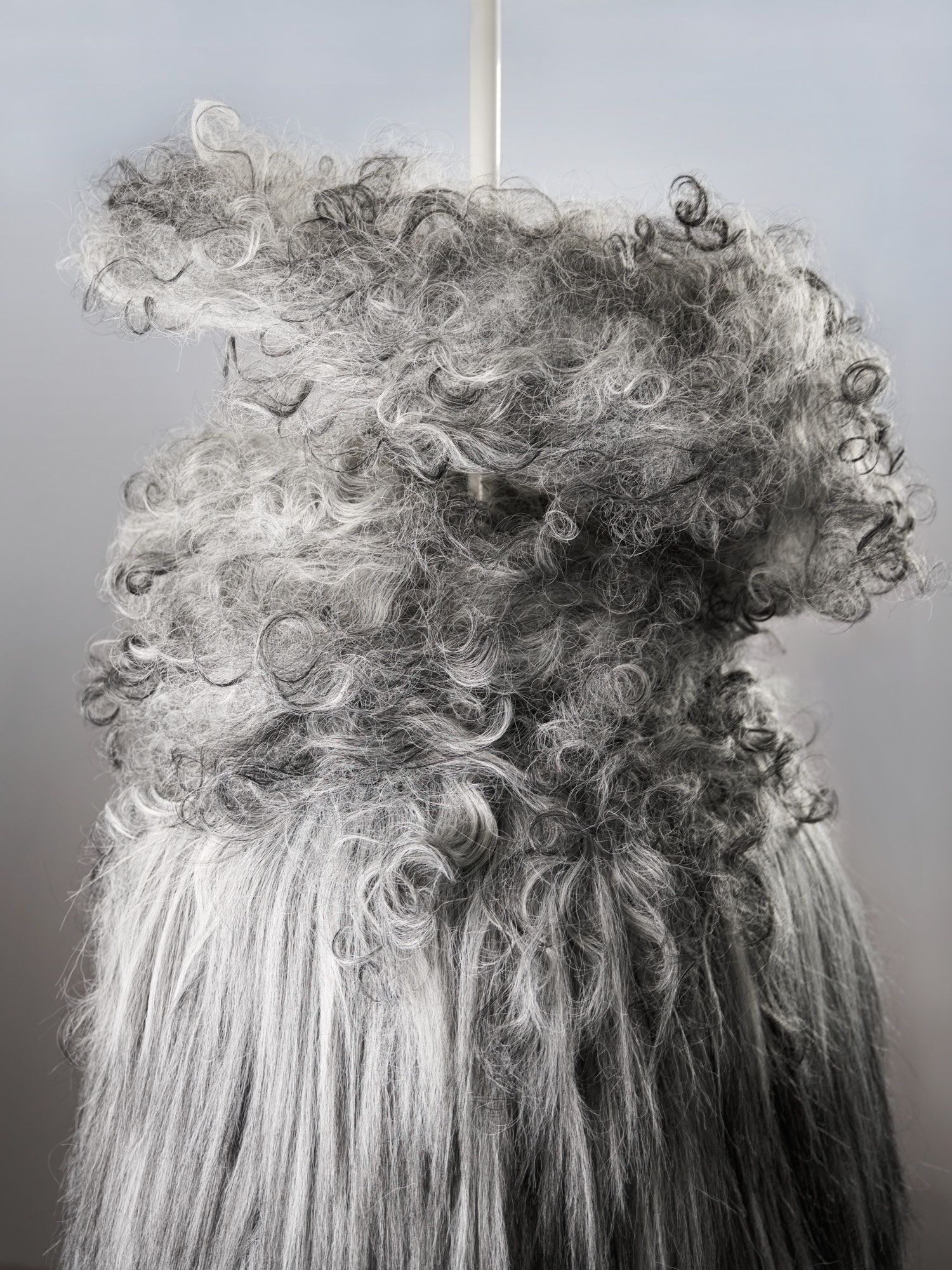
I started to see lurking symbols of the carnivalesque around every corner. There were dogs everywhere—looking uncertainly at a bare back in Sanya Kantarovsky’s Sub (Goya) (2026); Sohrab Hura’s swimming selection in Things Felt But Not Quite Expressed (2022–); three beagles gulping at a lump of meat in Janis Rafa’s Baby I’m Yours, Forever (2026) at Fondazione In Between Art Film. Then, multiple surprising appearances of hair—Saodat Ismailova’s horsehair veil (like those worn in parts of Central Asia) in What Was My Name? (2021), a Danish pornstar’s tufted goatee (Maja Malou Lyse’s Things to Come), and the hairy grey clouds placed in the Finnish pavilion by Jenna Sutela. The animalistic and the irreverent haunted the city, perhaps best captured by Eva and Franco Mattes’ Rage Bait, which featured a series of cat deities in strongman poses.
“I started to see lurking symbols of the carnivalesque around every corner”
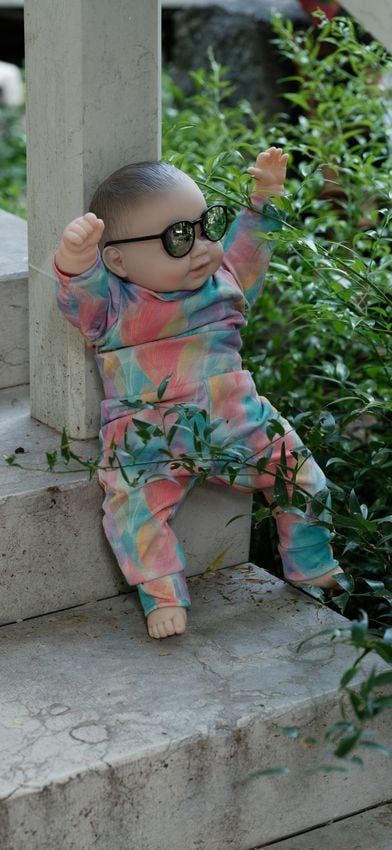
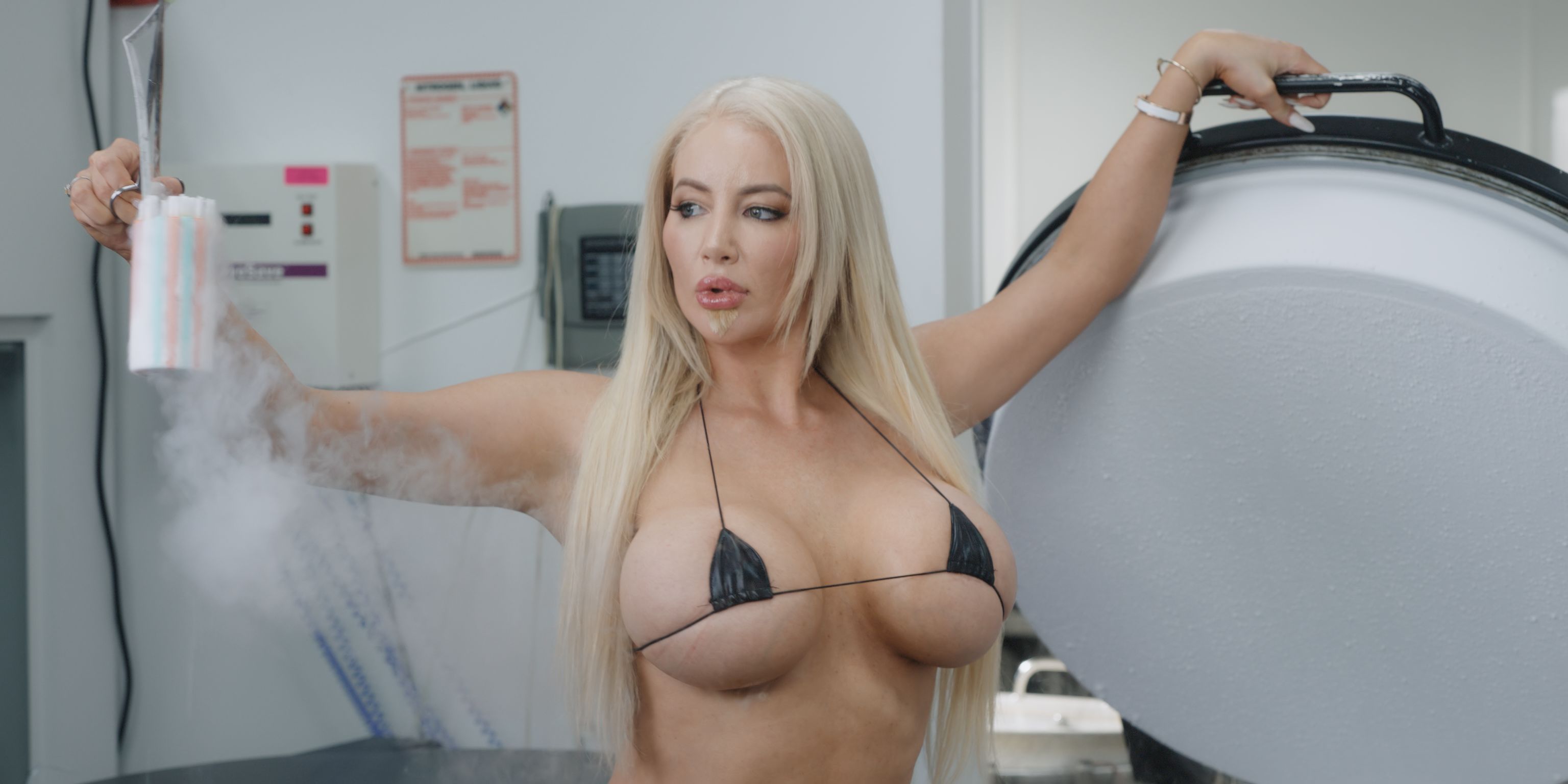
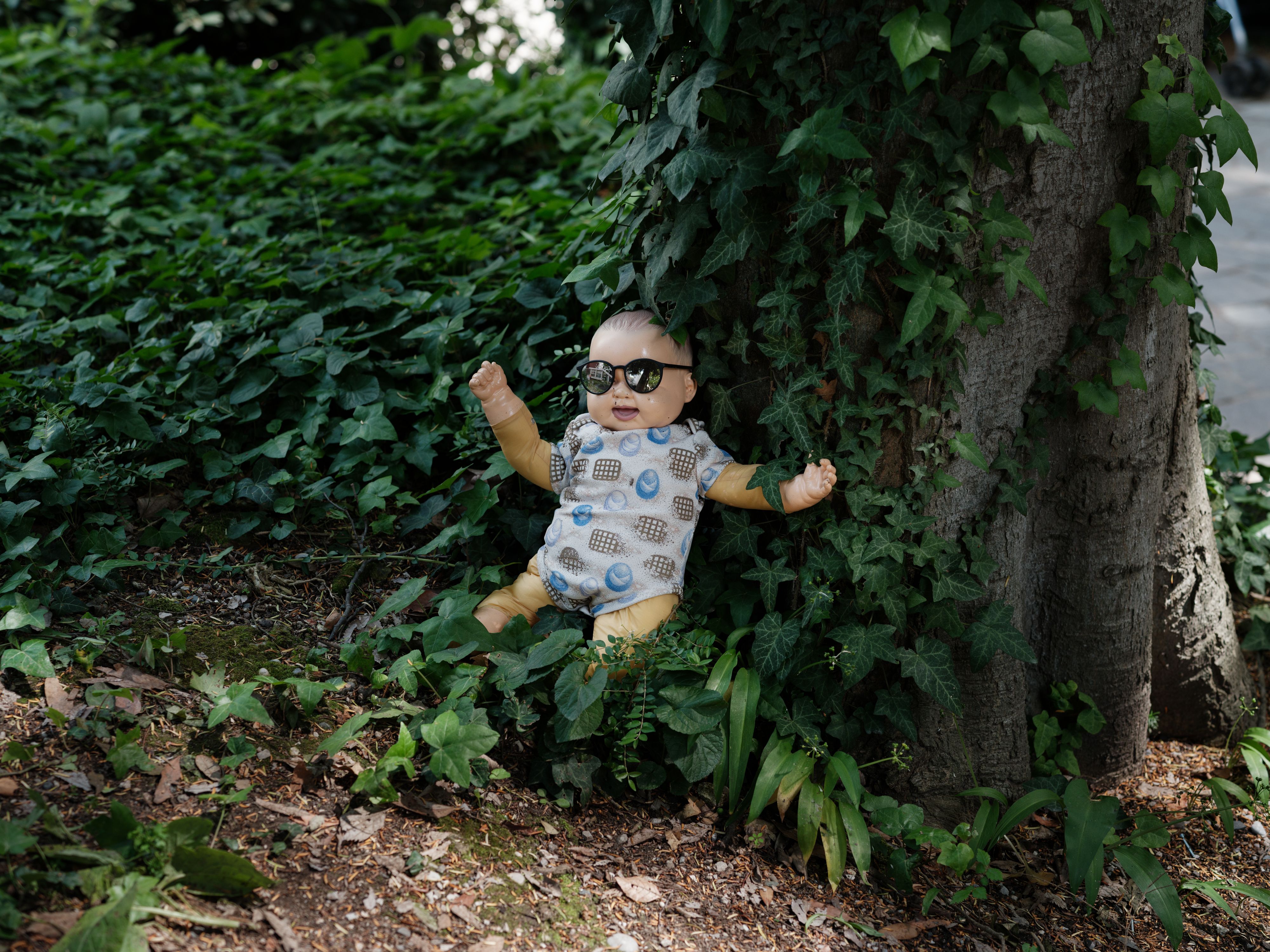
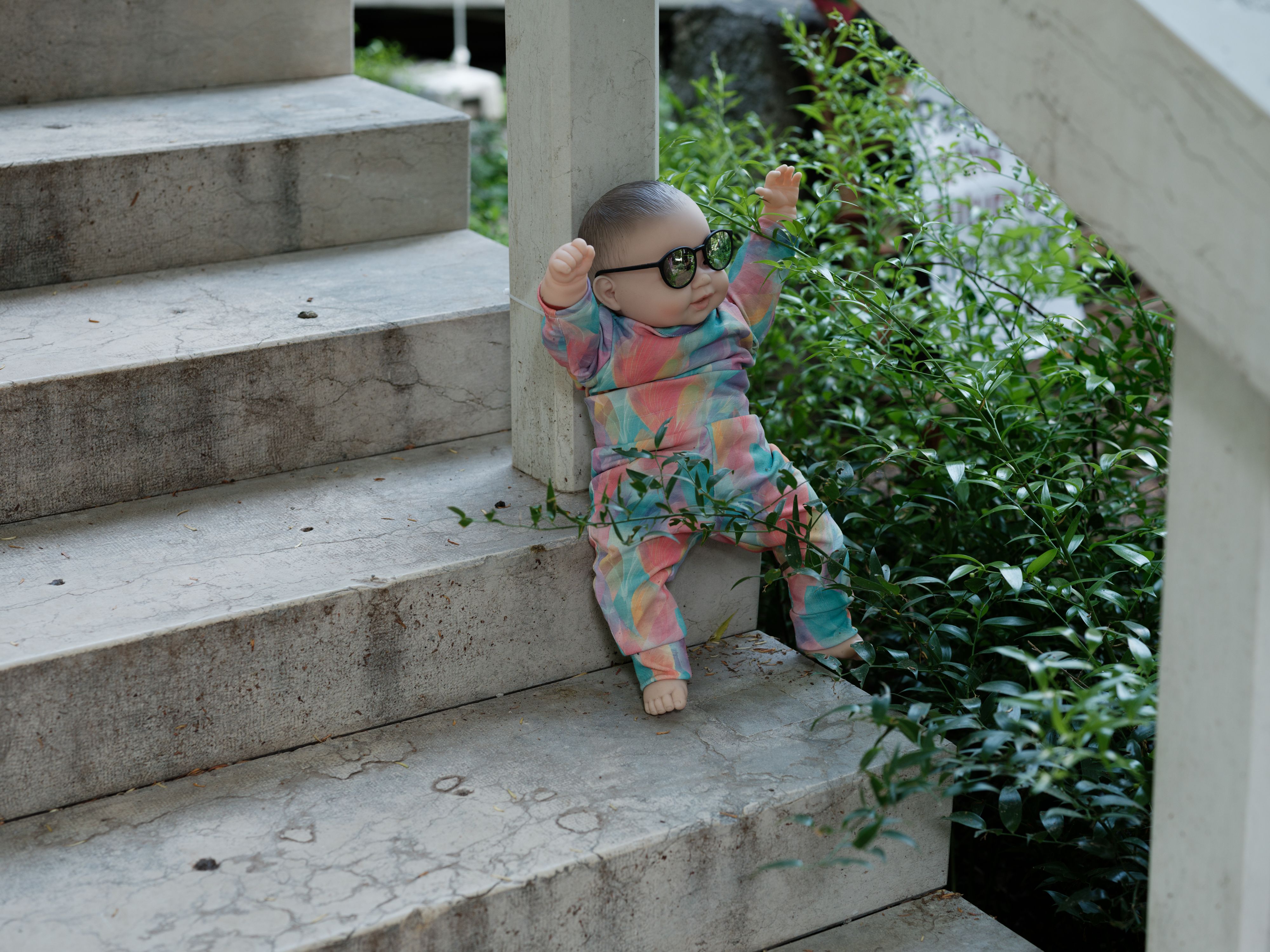
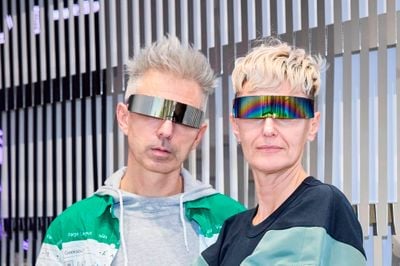
Another theme that seemed omnipresent was fertility and reproduction, from the now-famous seagull sitting on three speckled eggs next to the Polish pavilion to the art in two of the Giardini’s most popular pavilions, Japan and Denmark. Again, this was presented in the most playful of registers. Maja Malou Lyse created a sperm bank in one half of the Danish pavilion and used the other to show a film in which porn stars pretended to work in a fertility clinic. Ei Arakawa-Nash asked visitors to adopt a hefty sunglasses-wearing baby doll for their trip around the Japanese pavilion. The space was suddenly seemingly crammed with parents; a sense of tense excitement prevailed. For everyone relishing the experience of lugging around a “baby”, there was someone, like the new friend I went with, holding it literally at arm’s length—three minutes in, he asked: “Where do we put these down?”
“Both the quieter moments and the noisy ones felt like elements of a large complex image”
The sunglasses are a playful lure, but they have a serious undertone. The significance of the brief experience of parenthood we were given in the Japanese pavilion was the caring relation it implied for everyone, (wannabe) parents or not. The grotesque reality, as the wall text reminded us close to the exhibition’s end, is that many of the real-world counterparts to these babies are born in refugee camps and war zones and bombed to death shortly afterwards. The next day, the pavilion was on strike, in sympathy with the Art Not Genocide Alliance’s site-wide protest—a handwritten sign at the entrance read: “STOP KILLING! The future of the babies being born this very second.” Like Holzinger’s naked woman suspended in processed urine, it draws us in, only to present us with a grim vision of a foreclosed futurity.
All of this was presented in the context of a biennale that was grappling with anxious questions about its own parentage. Curator Koyo Kouoh’s early and unexpected death last year left the more granular decision-making to a committee. Her appointed Golden Lion judging panel announced they would not consider pavilions from countries with active International Criminal Court warrants out against them. Soon after, they resigned (reportedly after being threatened with a lawsuit from the Israeli artist). Kouoh’s theme, In Minor Keys, had sought to platform sombre, softer, perhaps more subtle and surprising work. As it was, there was something of a tonal clash between the zaniness of the art in the Giardini, the sensitive work in the exhibition, and the tangible grief that many felt about Kouoh’s death. But, to me, both the quieter moments and the noisy ones felt like elements of a large complex image, still all thrashing out the idea framed by Kouoh and her team of curators, as presented in the final line of their curatorial statement: to platform artists “hospitable to life”.
“As limited as they may be, there were real things at stake in the rarefied, insane bubble of Venice this year”
In remarks made on 9 May, biennale president Pietro Buttafuoco condemned the “ego and narcissism” of those attempting to exclude Russia, Israel and the US. Protest, as he presents it, is the same as censorship. But, as feminist writer Sara Ahmed reminds us, refusal is not a shutting-down but an opening-up, despite those who’d like to imply that acquiescence is the purer, nobler option. “No” is always implicitly a “yes” to something else—in this case, a different institutional arrangement and a different moral configuration.
As a result of the protests and the withdrawal of the jury, the audience’s power has grown. The prizes will now be “Visitor Lions”, decided by public vote at the end of the biennale in November. Presumably, this will lead to a Eurovision-style shakedown heavily weighted in favour of which countries’ tourists are most likely to come to Venice. But during the opening week, it felt like a recognition of the energy the crowd was already demonstrating. The shutdown on Thursday meant not just marching, but cancelling long-planned events, turning away audiences, risking bad press. As limited as they may be, there were real things at stake in the rarefied, insane bubble of Venice this year. In their curatorial remarks on the Japanese pavilion, co-curators Horikawa Lisa and Takahashi Mizuki call changing a baby’s nappy “the ultimate act of caring”. Caring, too, was closing the doors. What Buttafuoco calls narcissism, others might call a willingness to deal with the mess. —[O]





A respected voice in contemporary art discourse.
Focusing on ambitious storytelling and insightful art-world commentary. Ocula Magazine publishes in-depth interviews, critical essays and timely analysis on the artists, exhibitions and ideas driving the global art world.
Learn more about Ocula Magazine
Showcasing the best of the art world.
Ocula partners with galleries from around the world to highlight their artists, artworks and exhibitions. Gallery membership is by application and invitation, with each member vetted by an independent panel.
Learn more about Ocula Membership
Specialises in the sale of major artworks.
Led by a team with deep ties to the world’s leading auction houses, galleries and collectors. Ocula’s advisory team offers bespoke services to high-net-worth clients from around the world who are looking to acquire the best of contemporary and modern art.
Learn more about our team and services