





How Political Crisis Shapes Romania’s Art Scene
Following the collapse of Romania’s government, the country may be heading politically to the right, but the artists at Bucharest’s RAD Art Fair demonstrate a more nuanced view of the past and future. Save to My Ocula
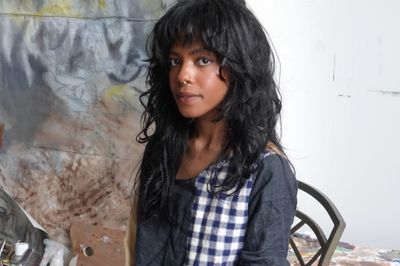
Conventional art world power nodes are shifting, if not spinning out altogether. As artist and podcaster Joshua Citarella proposes in his 2025 Carrier Bag essay A Multipolar Artworld?, the once-hegemonic institutional structures of the West and the resulting homogeneity of the contemporary artworld are breaking down, owing to a lack of funding, import tariffs and cultural boycotts (or what Citarella cites as “the end of globalisation”). This breakdown, however, is giving way to new collector bases and alternative spheres of influence: fabrication centres, new museums, and the wealthiest art collectors are increasingly more likely to be found in China than in the US. As I landed in Bucharest for the RAD (Romanian Art Dealers) Art Fair this April, I was looking to immerse myself in the art scene of a city positioned politically and geographically between the conflicting poles of the world’s two superpowers, and to get a temperature check at an art event gaining significance in this new, multipolar world.
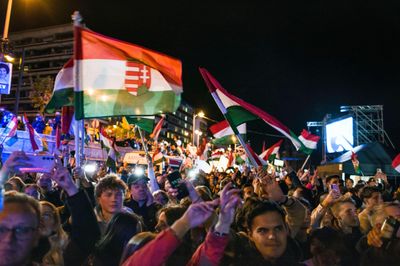
A week later, Romania’s nationalist Alliance for the Unity of Romanians (AUD) party and Social Democratic (PSD) party formed an alliance to pass a vote of no confidence in the centrist EU-supporting prime minister Ilie Bolojan, thus dissolving the reformist government. Political instability is all too familiar for Romanians, who have seen 11 elected PMs since the constitutional crisis in 2012 (involving a critical political standoff between centre-right president Traian Băsescu and centre-left prime minister Victor Ponta). For the artists I spoke to on the ground, the political developments of 5 May represent a less-than-hopeful future. “The PSD has nothing to do with social democrat politics,” argued young painter Andrei Nițu, who was born in Bucharest in 2000. “It’s the party that all the leaders of the corrupt Communist government joined after the fall of Communism… All the people that have roles in this party are only there for the position of power so that they can tie connections with other Mafia families. It is the essence of the failure of Romanian politics.” The no confidence vote, described to me by locals as “a tragedy no one wants”, also marks the first major win for the country’s growing far-right movement.
“Romanians are already so accustomed to each political generation ultimately committing treason on them”
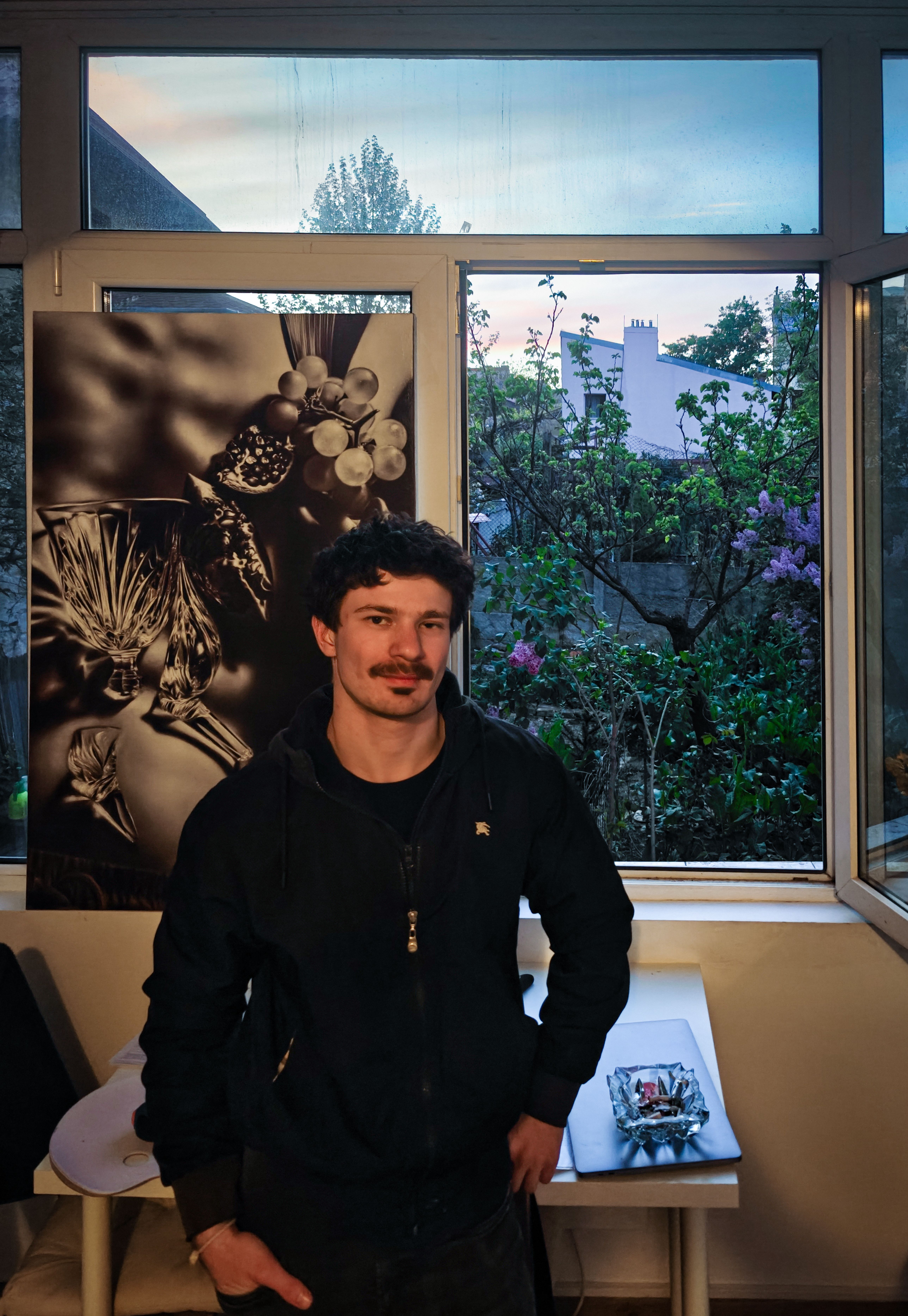
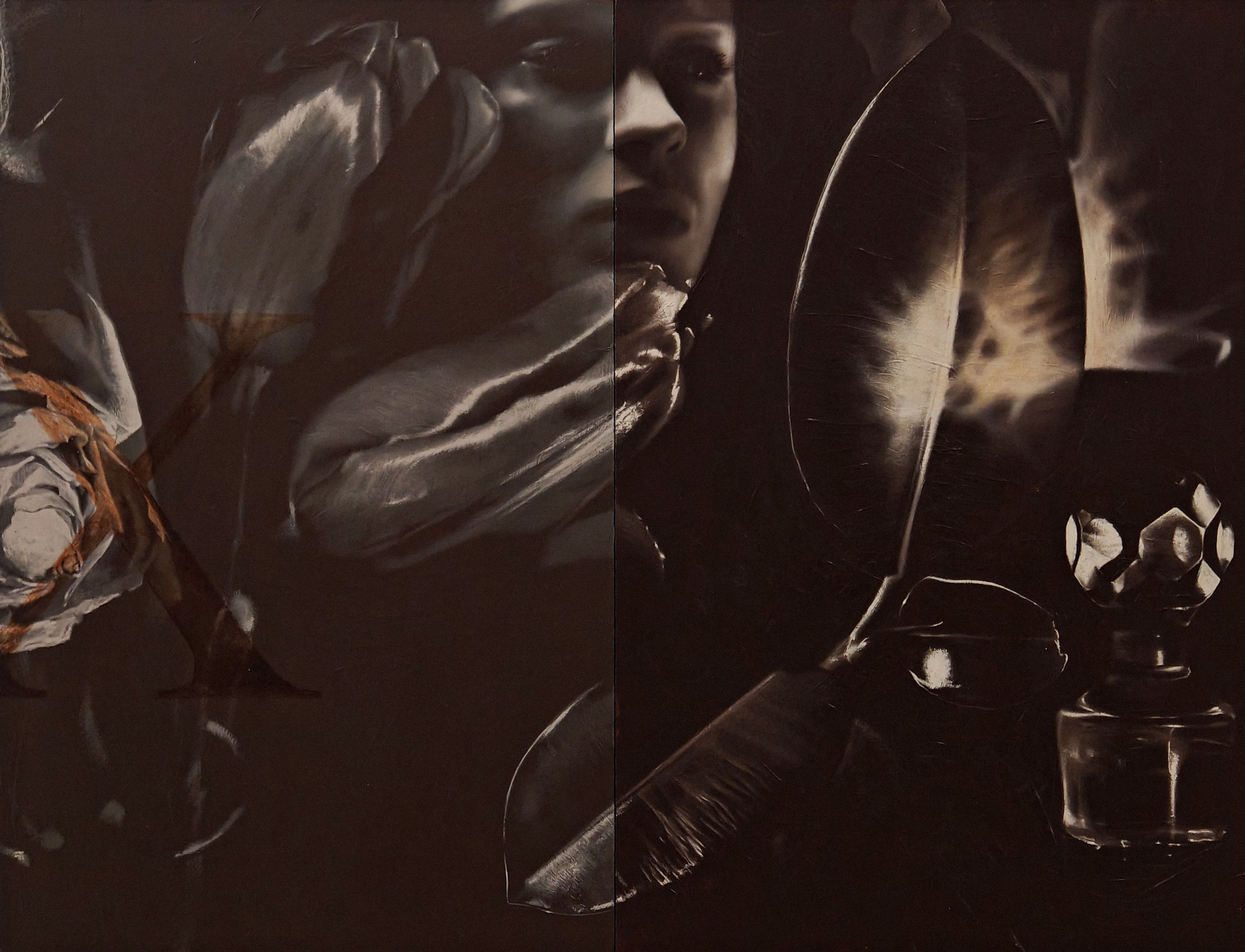
The progressive young artists I met in Bucharest remain frustrated with widespread dysfunction within the country. The developments of early May are further evidence of this. “You have to understand, Romanians are already so accustomed to each political generation ultimately committing treason on them,” Nițu said. When asked about how the rightward shift will affect the art scene, he responded, “We have already become very independent from the support of the state, so you might see local initiatives keep growing, despite how fucked up things get.”
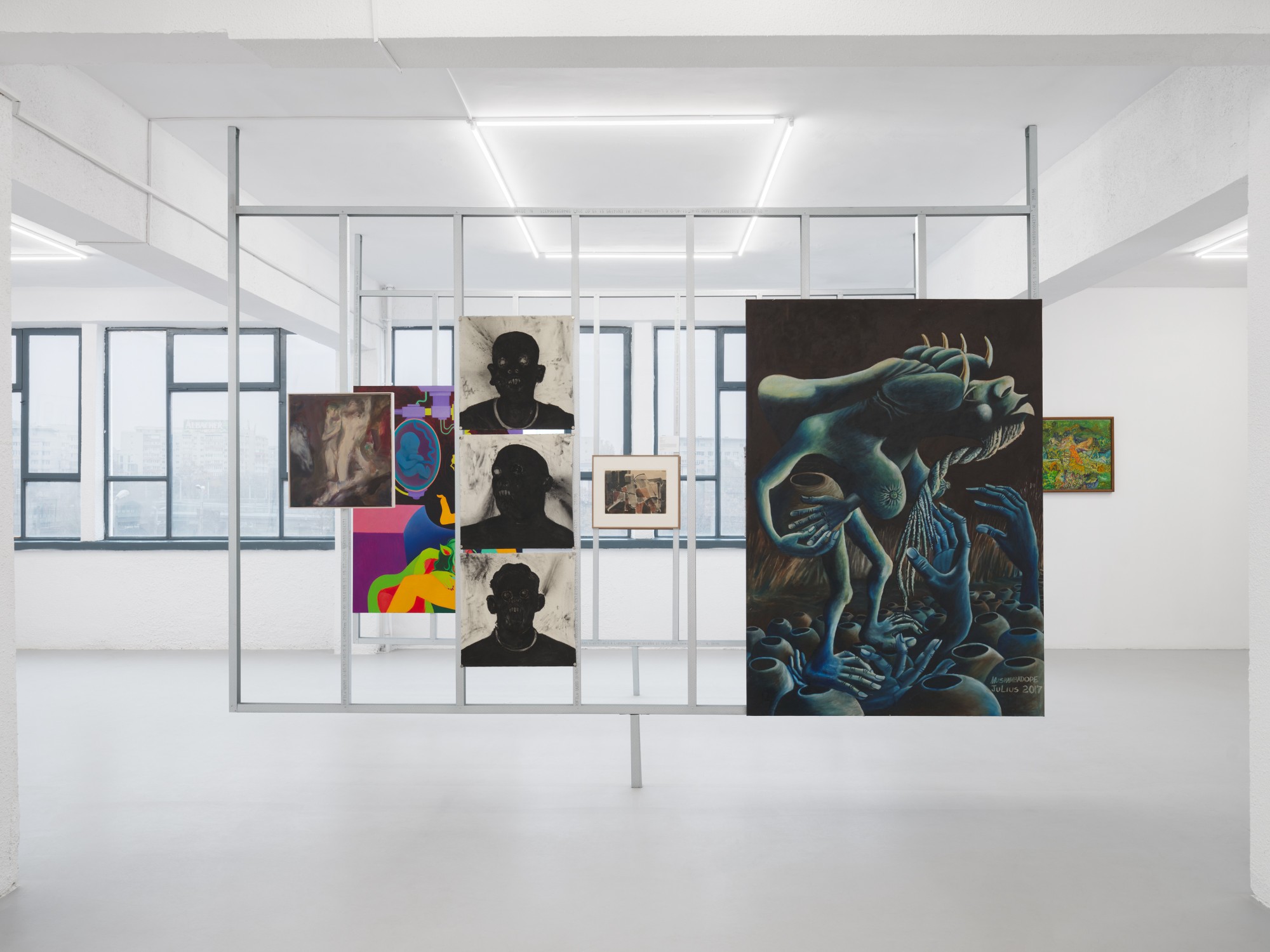
It costs comparatively less to run a gallery in Romania than, say, London or Paris, which undoubtedly allows for more ambitious programming. Powerhouse Bucharest gallerist Catinca Tabacaru ran a New York City gallery for 12 years before moving the operation to Romania during Covid-19. “When your rent is lower, you can put more time into shows. We are now able to work for almost two years on a show,” she says. The gallery’s 2025–2026 exhibition, Have No Doubt of the Omnipotence of a Free People, told the little-known story of Romania’s involvement in the dissolution of apartheid Rhodesia and the establishment of Zimbabwe. The show brought together 68 artists from both countries with historical and contemporary works. The exhibition drew criticism from some for presenting a positive story from the Communist era, but Tabacaru asserts that the show did not take political sides, instead using art as a way to access a lost moment in time. A corpus of newspaper clippings on display showed how the liberation movement in Zimbabwe was presented through a vast array of propaganda in Romania, alongside historic documents pertaining to the relationship between the countries. (The exhibition will travel to The National Gallery of Art Zimbabwe in Harare in 2028.)
“The young artists I met in Bucharest remain frustrated with widespread dysfunction within the country”
Gallerist Stefany Lazar has followed a similar path to Tabacaru, if on a smaller scale. Burned out with the grind of New York life, she moved to Romania in 2024 and rented an apartment next to the one in which her grandmother lived when Lazar was a child. She has opened a project space called Salonul Lucrărilor Selecte Ale Rețelei Lumii (SLSRL), which translates as “Salon of Selected Works of the World Network”. The gallery is currently showing two Japanese artists, Fuyumi Murata and Fumiaki Nagao. The works probe the boundaries of the art object and make a display of the past lives contained within even the most innocuous of possessions. Lazar—who is able to present a roster of international artists and show work in a large booth at RAD, a national art fair—tells me that she would never be able to afford anything similar back in New York. It is a sentiment echoed by artist Josh Kline in his recent viral essay New York Real Estate and the Ruin of American Art, in which he writes: “I can only describe living and working as an artist in New York City as completely unsustainable.”
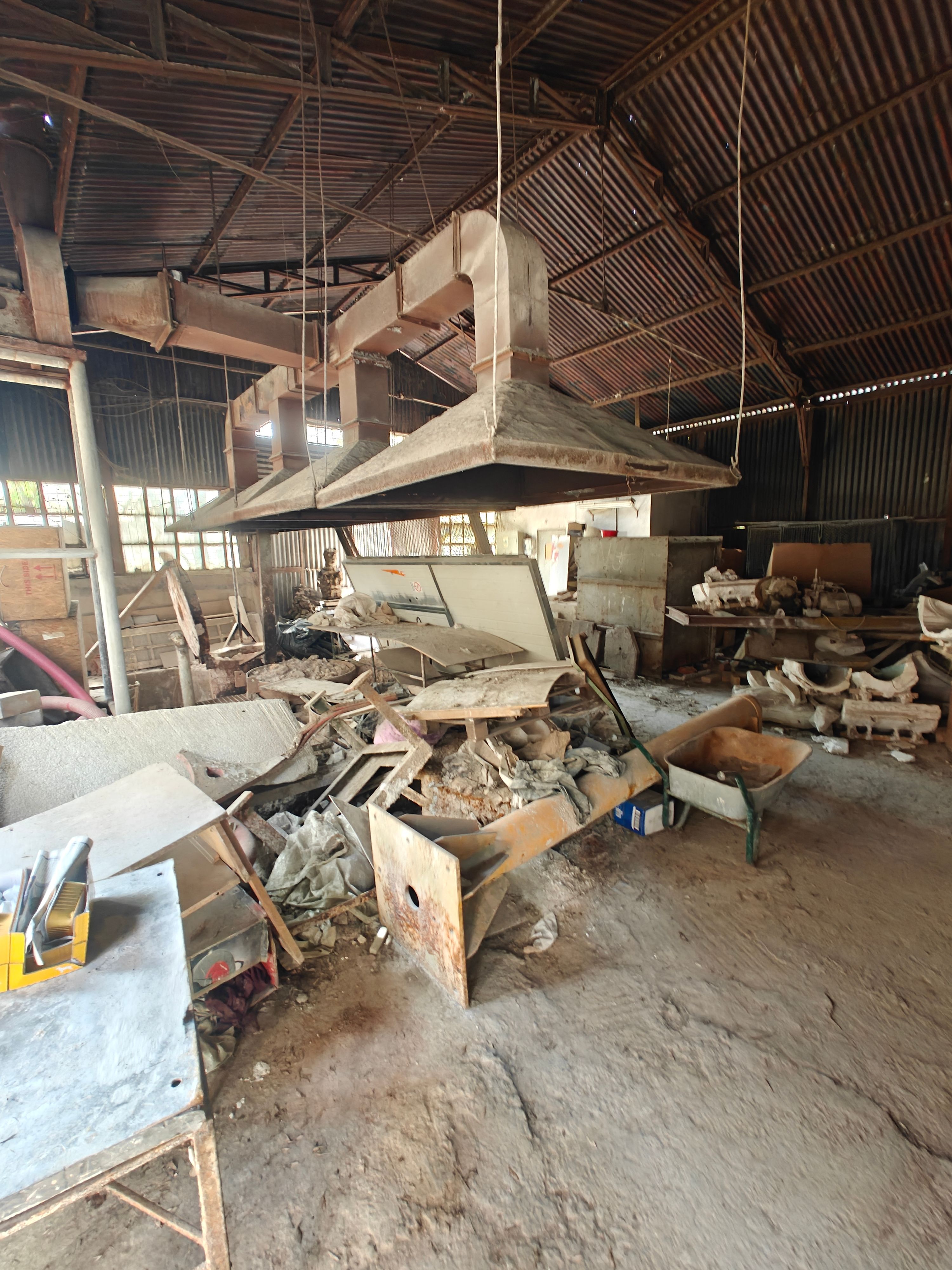
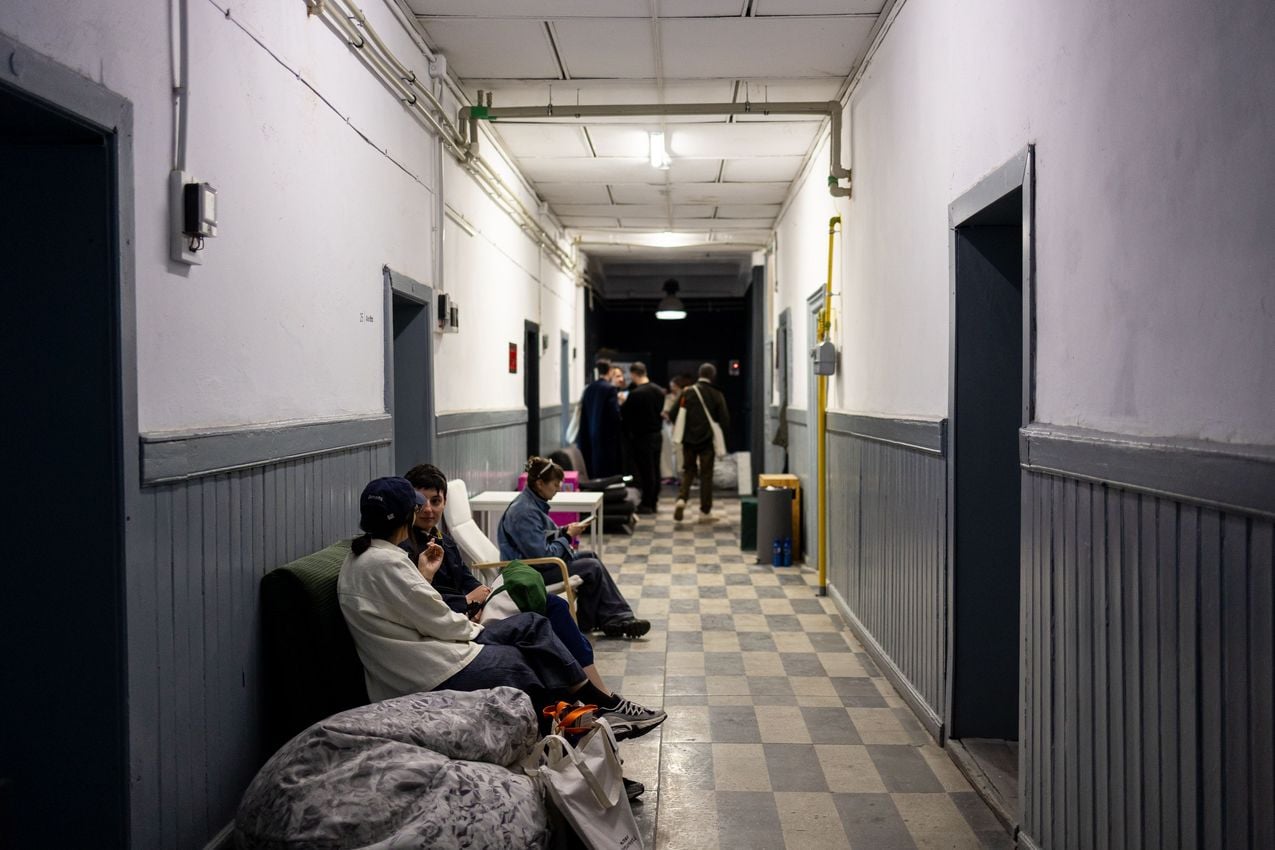
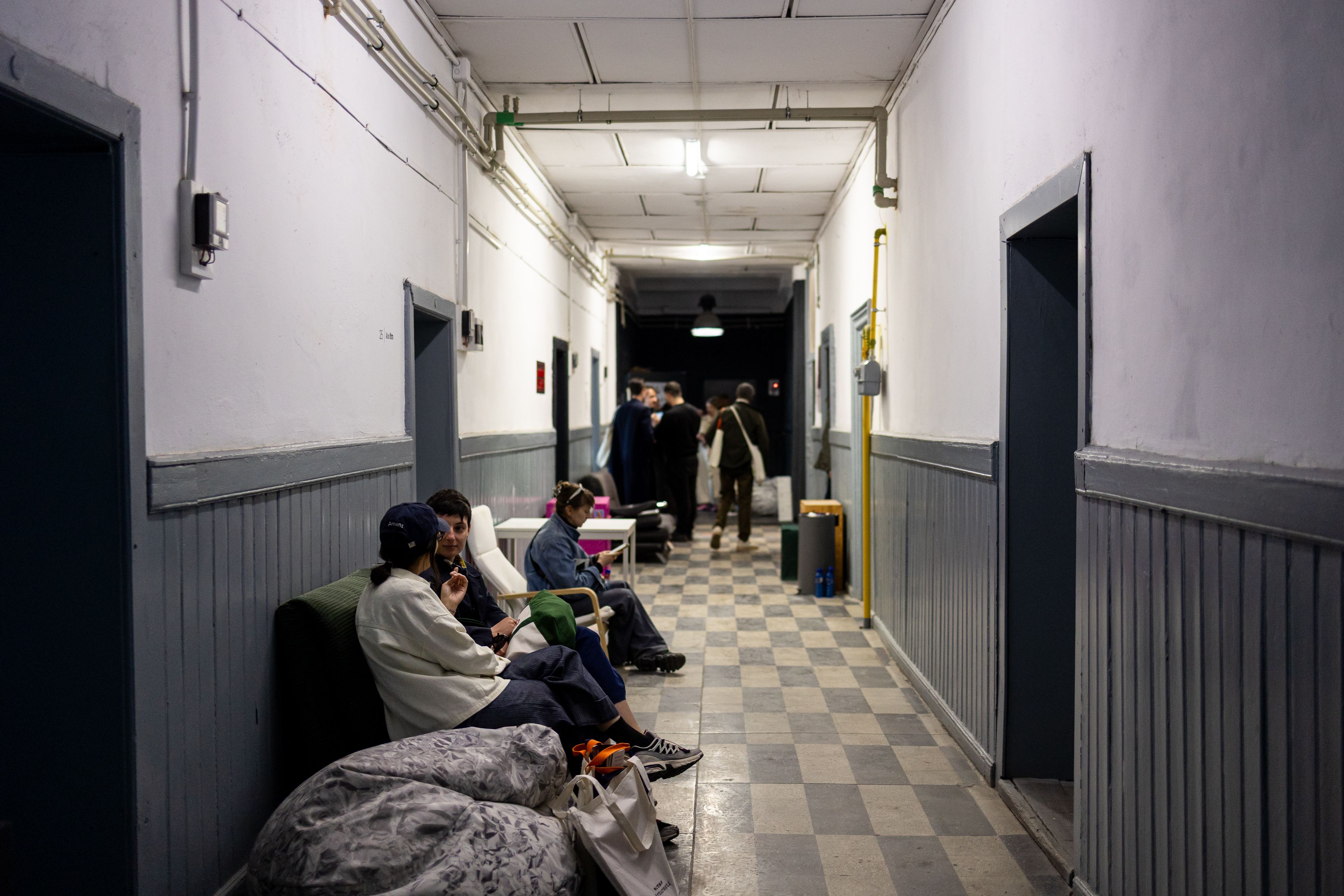
A host of Bucharest art spaces, including Suprainfinit, Nicodim, Sector 1, and Sandwich galleries, alongside a cluster of artist studios, can be found at Combinatul Fondului Plastic, a collection of former industrial buildings. The Palace of the Parliament now houses Muzeul Național de Artă Contemporană, one of Bucharest’s most significant cultural institutions. Atelierele Malmaison on Calea Plevne is an arts collider and studio space hub carved out of what was formerly a notorious 20th-century political detention centre. When I visit, I see that one of the heavy metal prison doors remains in use. It is perhaps no wonder that Romanian art is steeped in the politics of memory when many of the spaces where art is made and shown carry the traces of past cultural traumas.
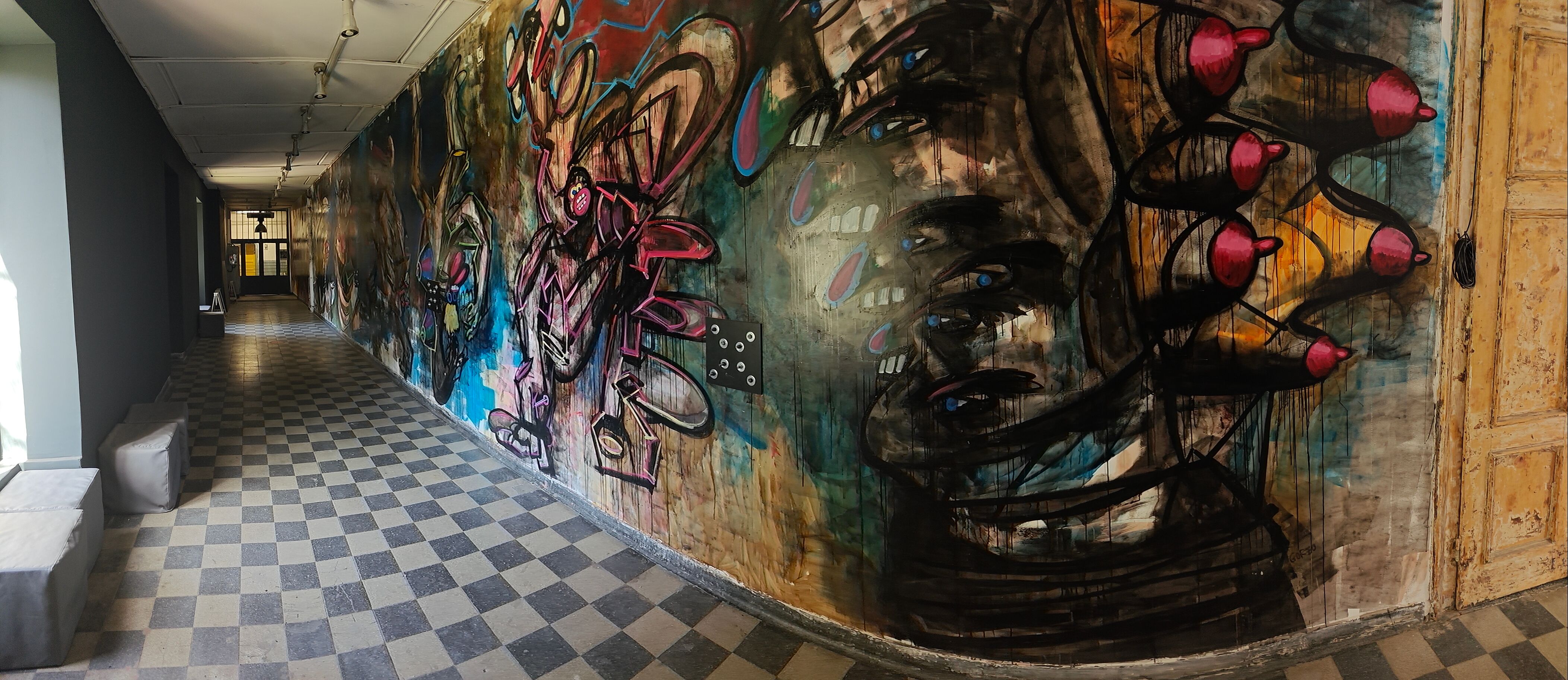
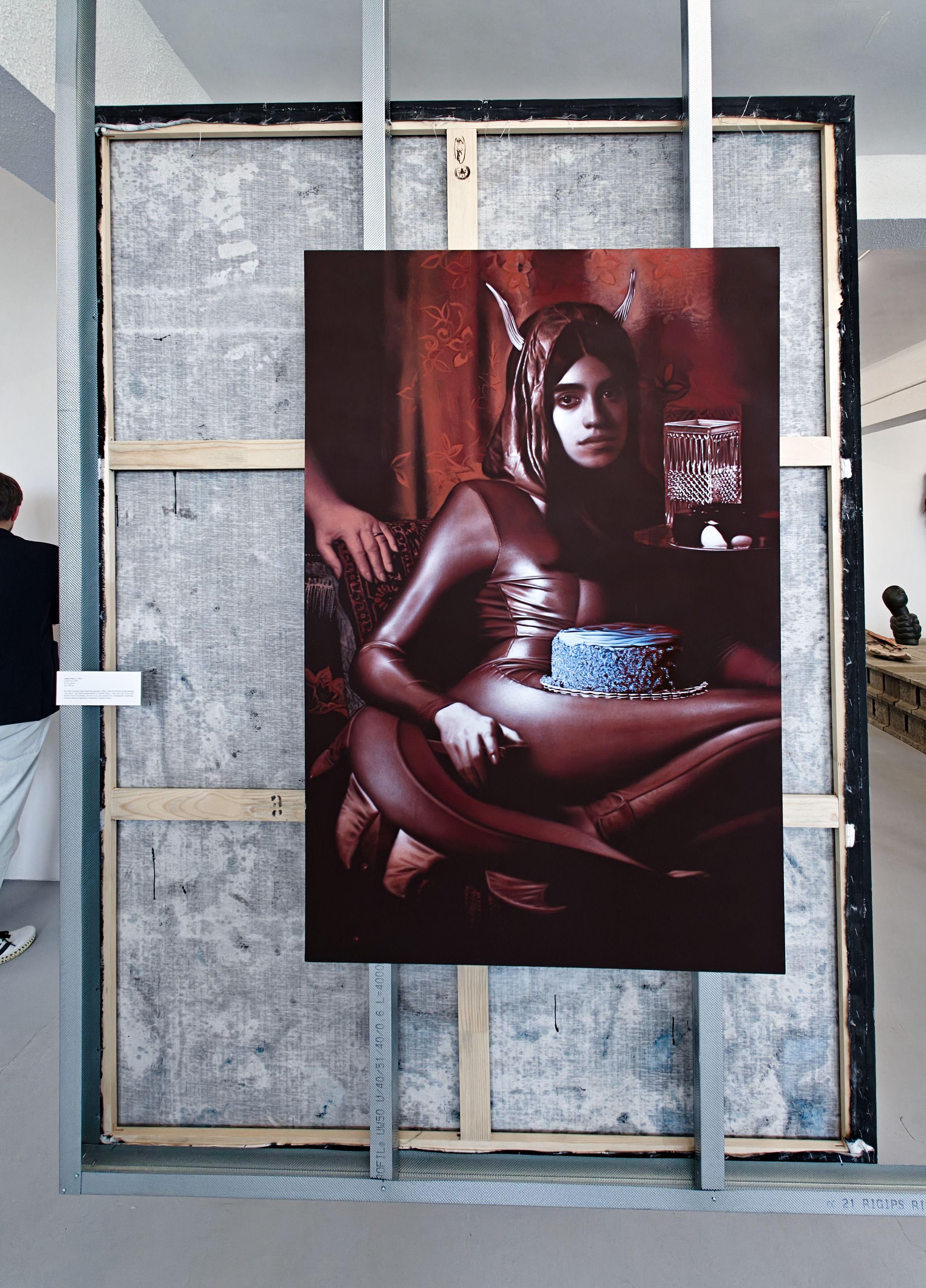
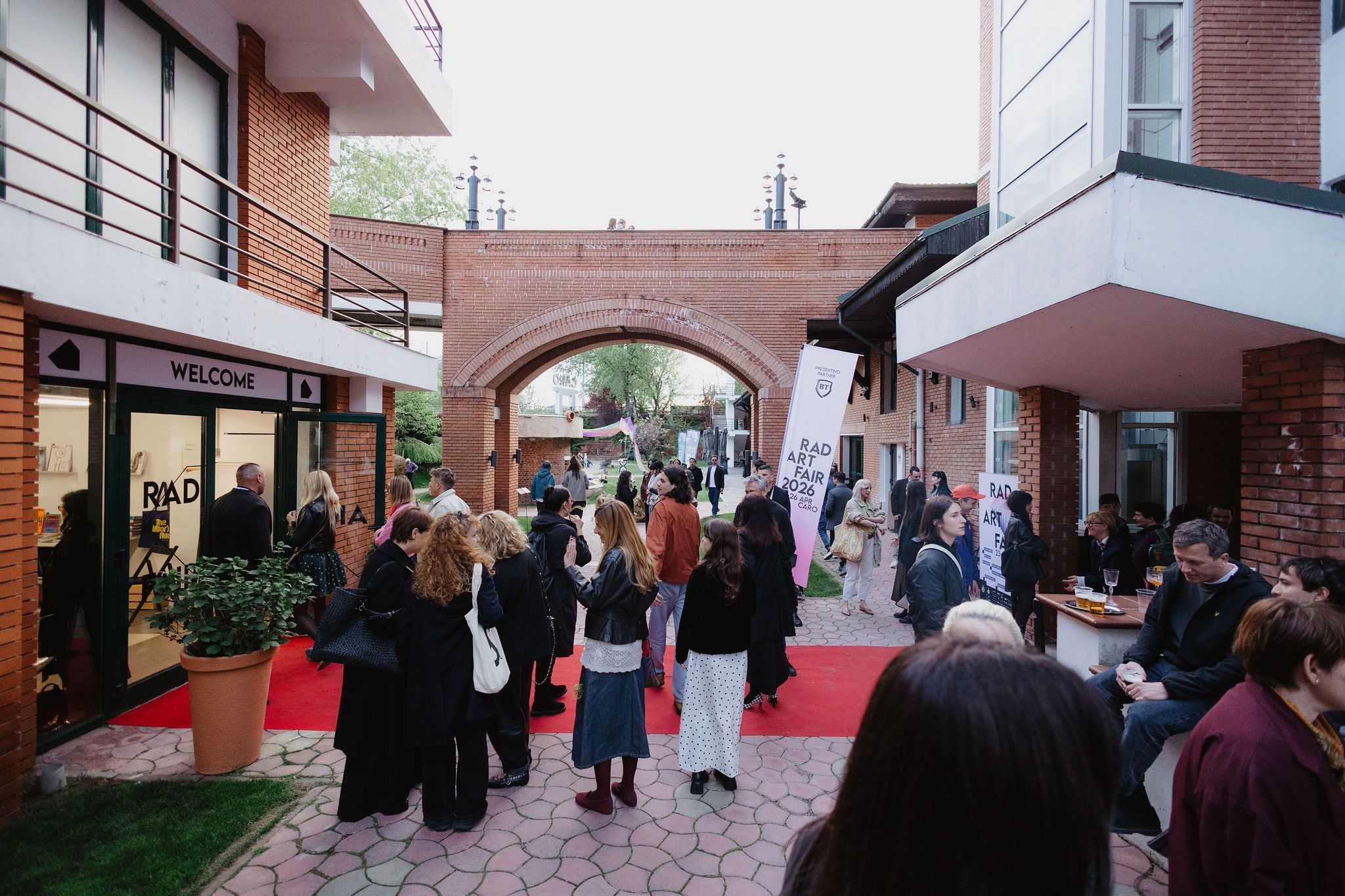
This is evident in the work on display at RAD Art Fair, this year co-artistic-directed by Catinca Tabacaru and Daniela Pǎlimariu of Sandwich. Only in its fourth year, RAD’s 30 participating galleries (primarily Romanian spaces that have chosen to exhibit Romanian artists) don’t shy away from overtly political works, which manage to cohere even within the otherwise jarring context of a big-money art expo. Romanian political discourse plays out across works that critique Communist kitsch and reference traditional folk, both of which have strong associations with a revivalist and reactionary notion of national identity. As Tabacaru, who has a background in international law, told me: “My interests are civil rights, human rights, women’s rights. The programme was always political, from the very beginning.”
A large hanging fabric sculpture forms a canopy beneath the fair’s skylight. In the work of Romanian artist Victoria Zidaru, presented by Suprainfinit gallery, strands snake down like papery icicles, making it feel more organically grown than fabricated. Zidaru is part of a generation of artists who formed a creative scene as the economy liberalised after the fall of Nicolae Ceauşescu (the Communist who led Romania as president from 1974 until his execution in 1989). The directors of Suprainfinit gallery argue that, during this key period, artists including Zidaru were excluded by the Western-influenced curatorial interests of art centres newly established in the region. These centres were run by figures including George Soros with the mission of promoting free expression and instilling democratic values across formerly Communist countries in Eastern Europe.
“Many of the spaces where art is made and shown carry the traces of past cultural traumas”
Zidaru practised traditional weaving techniques and engaged in Christian mysticism, working for years in the remote town of Pucioasa, where the New Jerusalem religious movement was located. As the Western newcomers were more interested in promoting the largely secular, art theory-informed practices that at the time determined the character of contemporary art, the Suprafinit directors feel that Zidaru was ignored. By placing Zidaru’s installation as the centrepiece of the fair, RAD champions a new era of Romanian art: yes, we are open for business, but it is we—not those who are merely trying to emulate the codified art systems of the West—who are selecting what represents top-level contemporary Romanian art.
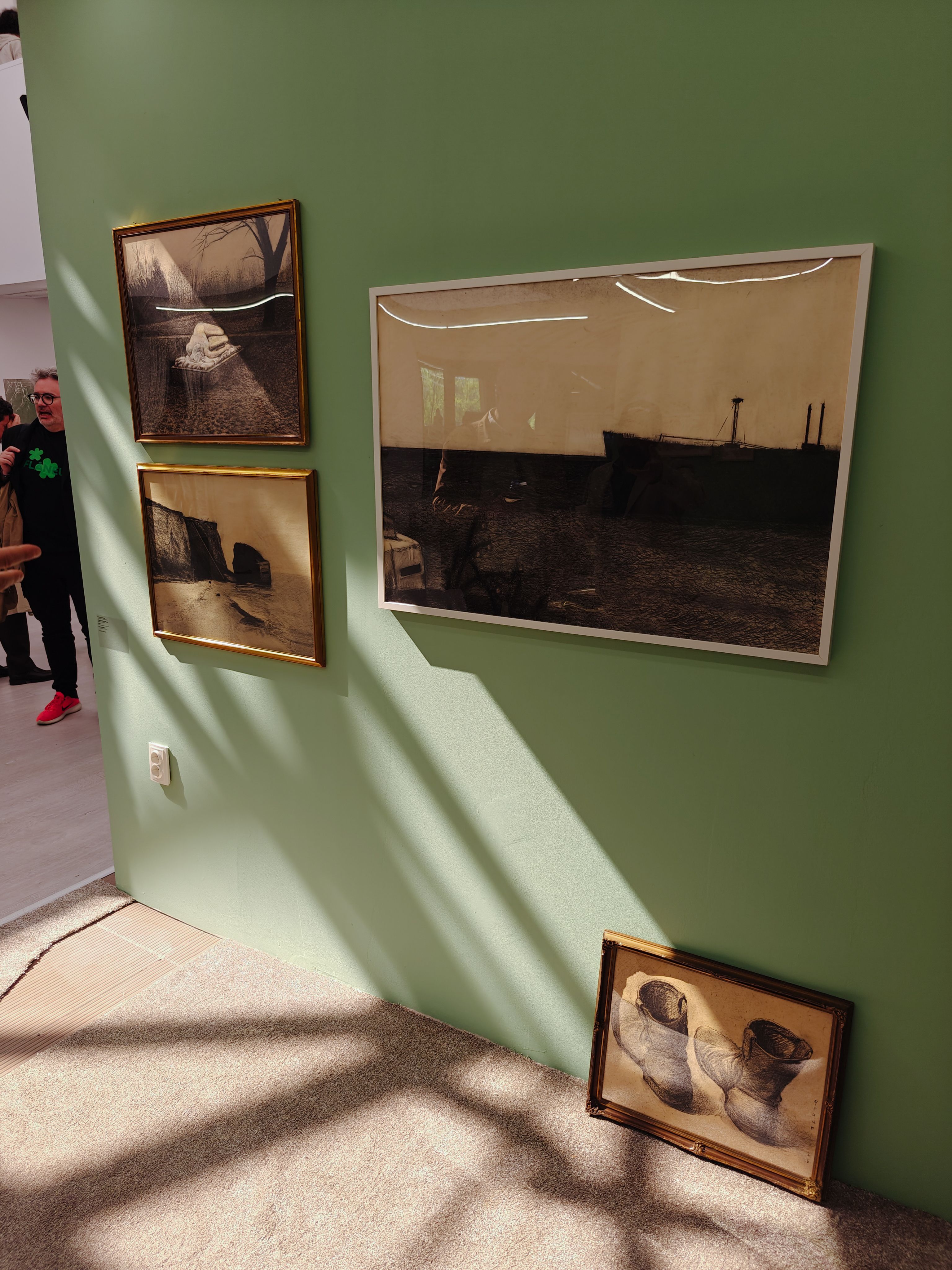
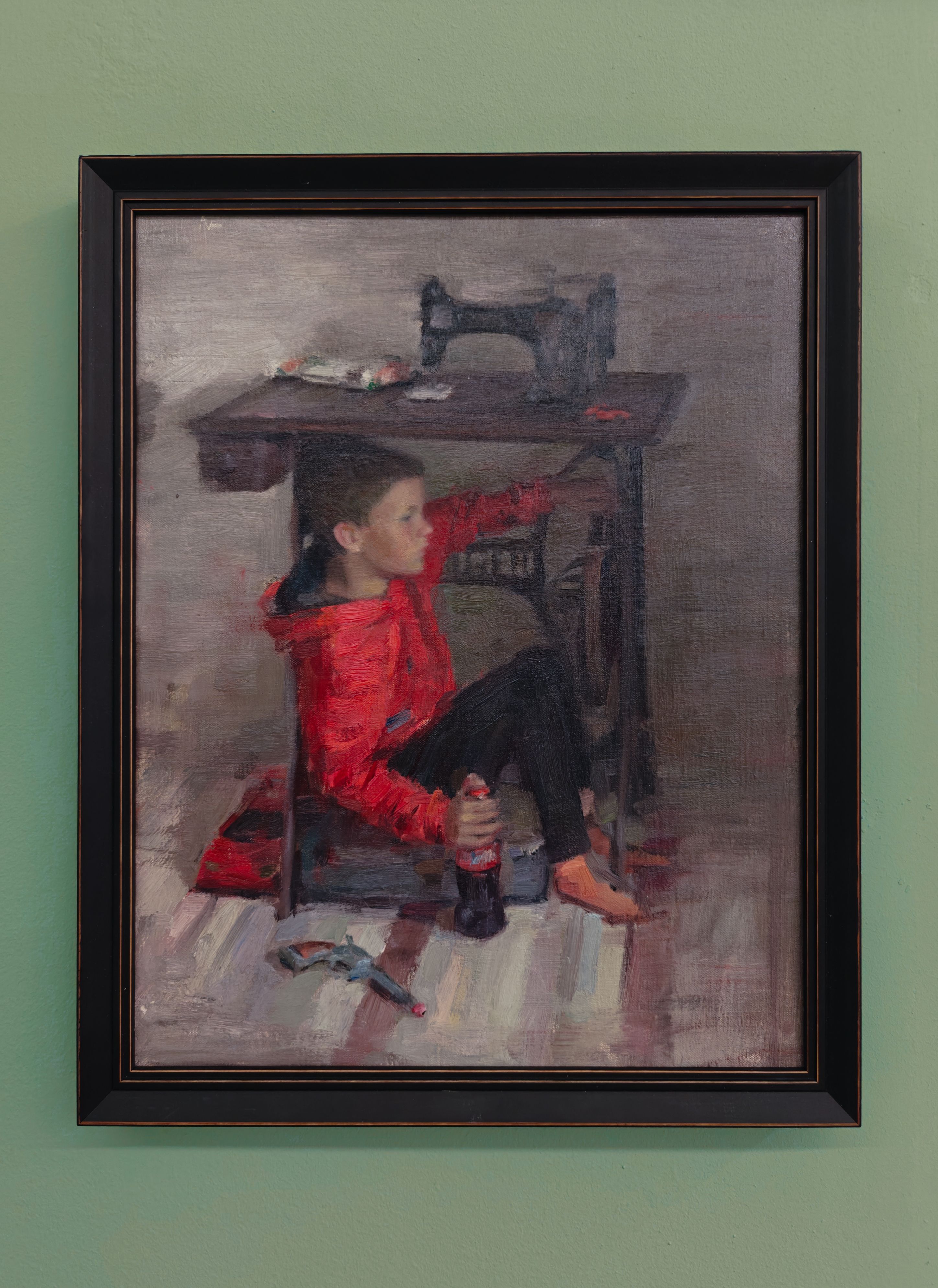
A central booth at the fair belonged to Sandwich Gallery, which presented a space with a cosy carpet and pastel green walls. The theme was “nostalgia”, to which the booth owed that green wall covering: as Sandwich co-founder Alexandru Niculescu describes, his mother would decorate the house with white paint mixed with the bright green meant for farm equipment. In the booth hung graphite and gouache landscapes depicting derelict military wreckage by Teodor Graur, who has been active in the Romanian art scene since the early 1980s. Contrary to the isolationist traditionalist politics of the AUR party, the nuanced interrogations of nostalgia on view at RAD encouraged open-ended engagement with the historical record, not the vibes-based performative populism of reactionary movements.
For a different taste of nostalgia, I headed to Lacrimi și Sfinți (“Tears and Saints”). A restaurant in Bucharest’s old town, it was founded by Mircea Dinescu, the poet who had a pre-eminent role in the Romanian revolution of 1989 and can be seen, front and centre, taking over the National Television station in German artist Harun Faroki’s documentary film Videograms of a Revolution (1992). As I ate traditional fish soup and cured mutton, I reflected on the ability of art scenes past and present to navigate political repression and instability. Romania’s artists are clear on the fact that the state is not here for their help or protection, and it is this understanding and self-preservation that will see it weather the next wave of polarisation to come. —[O]
Main image: Ariana Kalliga and Guilia Coletti converse at Curators tour at Atelierele Malmaison on Calea Plevne. Courtesy Rad Art Fair. Photo Rares Toma.





A respected voice in contemporary art discourse.
Focusing on ambitious storytelling and insightful art-world commentary. Ocula Magazine publishes in-depth interviews, critical essays and timely analysis on the artists, exhibitions and ideas driving the global art world.
Learn more about Ocula Magazine
Showcasing the best of the art world.
Ocula partners with galleries from around the world to highlight their artists, artworks and exhibitions. Gallery membership is by application and invitation, with each member vetted by an independent panel.
Learn more about Ocula Membership
Specialises in the sale of major artworks.
Led by a team with deep ties to the world’s leading auction houses, galleries and collectors. Ocula’s advisory team offers bespoke services to high-net-worth clients from around the world who are looking to acquire the best of contemporary and modern art.
Learn more about our team and services