






Galerie Urs Meile Headquarters Makes a Move to Zurich
The notable gallery with locations in China and Switzerland is spreading across its European homeland with a new base in Zurich. Save to My Ocula
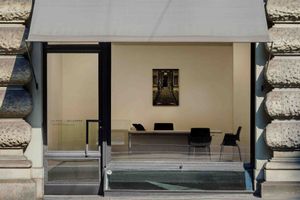
After more than three decades in Lucerne, Galerie Urs Meile is launching a new permanent flagship location in Zurich, kicking things off with an exhibition reflecting the gallery’s ‘ongoing commitment to artistic curiosity and exchange’.
The gallery’s new former car showroom home on Ankerstrasse 3 boasts an open space with mobile walls, which will allow for ‘an ever-changing landscape for curatorial possibilities.’
The inaugural exhibition, titled Anker Protocol – 1.0, is the first in the recurring exhibition series conceived to delve into the gallery’s programme and curatorial vision. From 13 June, ten participating artists, including the three latest additions to the gallery roster, will show their work encompassing painting, sculpture, video, and installation.
In anticipation of the opening, Karin Seiz-Meile, Partner Galerie Urs Meile, spoke to Ocula about the gallery’s evolution since its inception in 1992. This includes the gallery’s decision to enter China in 1995, becoming one of the first Western galleries to do so. The early dedication led to the establishment of a permanent space in Beijing in 2005, today directed by Urs’ son, René Meile, while the gallery continues to represent its artists on a broader international stage from outposts in Ardez in the Engadin region and Rämistrasse in Zurich.
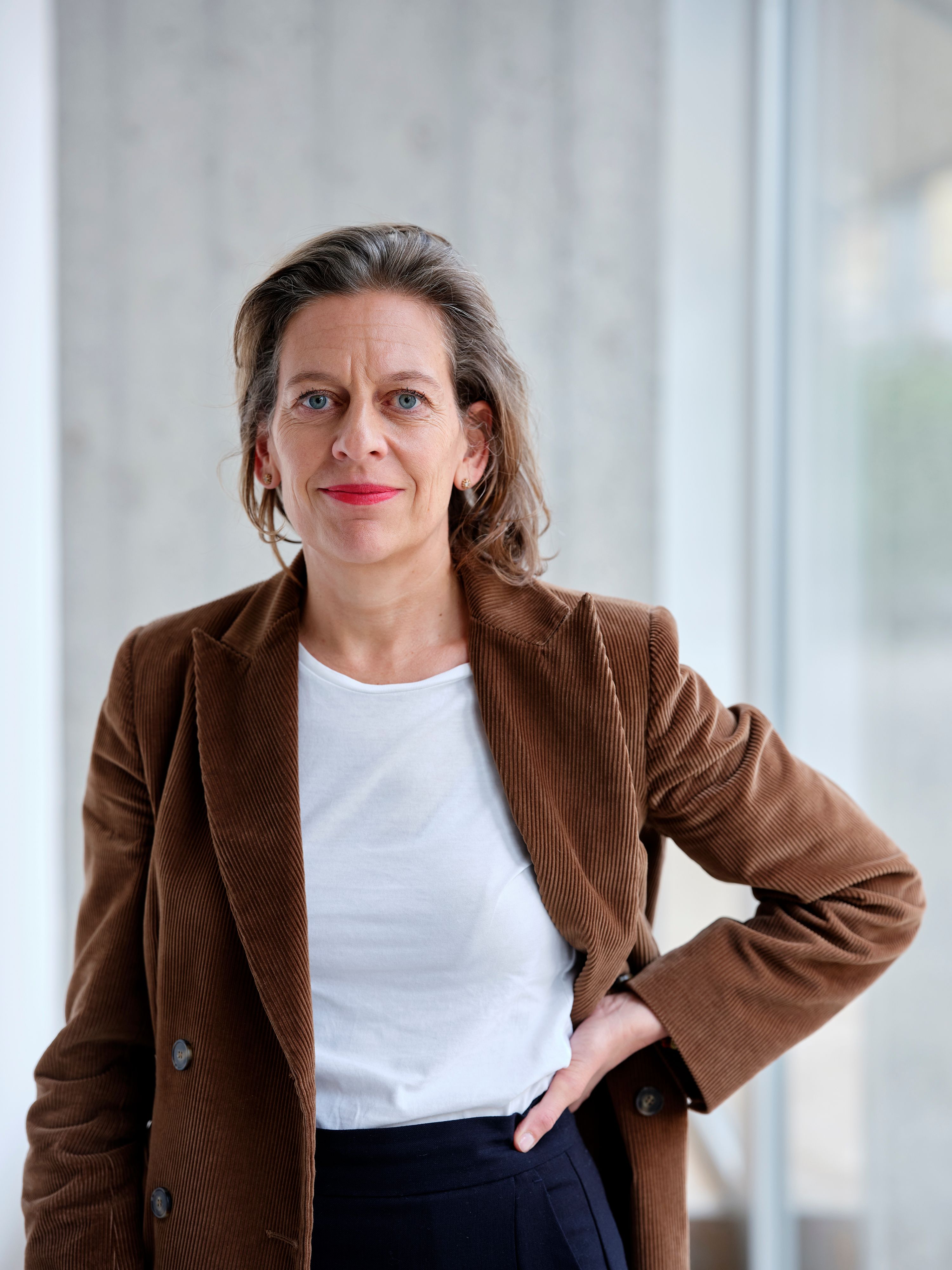
Please introduce us to the new flagship gallery on Ankerstrasse 3. What is special about the area?
We’re very happy to have found our new space in Zurich Wiedikon. Both the neighbourhood and the space itself offer an exciting counterpoint and complement to our Rämistrasse location.
Wiedikon is one of Zurich’s most dynamic districts. Once a working-class area shaped by industry, railways, and modest residential blocks, it has transformed into a vibrant, cosmopolitan quarter. Today, it is home to a diverse mix of long-term residents, artists, young professionals, and international communities. Its relaxed, authentic atmosphere and creative energy make it a fertile ground for cultural activity. In recent years, a growing number of galleries and independent art spaces, architectural studios, concept stores, and small theatres have moved in. Notably, several of Zurich’s exciting young galleries—Blue Velvet, flatmarkus, and Damien & the Love Guru—have opened here very recently, joining established presences like Karma International and off spaces like jevouspropose or Plymouth Rock.
The gallery space was formerly a car showroom, lending it a distinctive architectural character. It was designed in 1956 by Otto Glaus, a Swiss architect renowned for his sculptural residential and cultural buildings in exposed concrete. The building, known as the Ankerhof, was conceived as a reinforced concrete skeleton cube. One of its most striking features is its direct connection to the street, opening up new possibilities for interaction with the urban environment. In collaboration with the architectural firm Holzer Kobler Architekturen Zürich/Berlin, we chose to honour this architectural legacy by maintaining a flexible, adaptive layout. The space becomes a dynamic stage—transforming with each exhibition and continually redefined through its architecture. Mobile walls, reminiscent of large white panels, sculpt an ever-changing landscape of curatorial possibilities.
This spatial openness reflects our curatorial vision to establish Ankerstrasse as a site of artistic inquiry, collaborative exchange, and critical conversation. We see it as an evolving platform where experimental, interdisciplinary, and cross-cultural practices can unfold and take shape.
What kind of conversations and relationships are you looking to bring to the city?
Since opening our Rämistrasse space two years ago, we’ve felt incredibly welcomed by Zurich’s vibrant and international art scene. The city has provided a dynamic platform—not only for deepening relationships with our existing network but also for reaching new audiences and forging new connections.
While the gallery was founded in Lucerne in 1992 and built its legacy there for over three decades, Zurich has increasingly become the central hub of our activities in Switzerland. Alongside our long-standing presence in Beijing, these two locations now form the foundation of our future vision.
The new space offers us greater freedom to experiment—both with exhibition formats and community engagement. It also enhances our capacity to contribute meaningfully to Zurich’s cultural landscape. Drawing on our long-standing legacy of fostering dialogue between China and Europe, we are excited to bring this perspective and network to Zurich. We look forward to continuing to build bridges and cultivate meaningful exchanges across geographies, disciplines, and generations.
In what ways will the new space be different from the gallery’s other locations in Beijing, Rämistrasse, and Ardez?
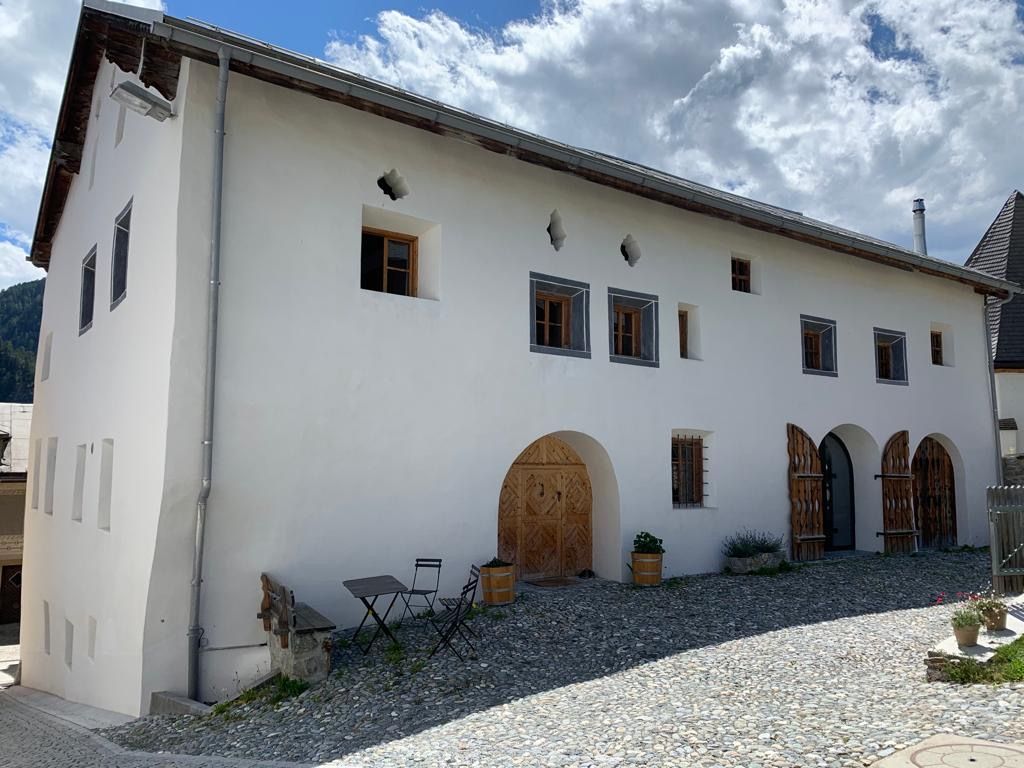
Each of our gallery locations has a distinct and unique character. In the Chinese metropolis of Beijing, the gallery is housed in a converted warehouse in the 798 Art District; in Ardez, a mountain village in the Engadin, we exhibit in a traditional 16th-century farmhouse. And in Zurich—one of Europe’s most cosmopolitan cities—our space again reflects a completely different urban context.
Art never exists in a vacuum; it always reflects and interacts with its specific environment and the people who inhabit it. This is precisely what makes working across such diverse locations and cultures so compelling: observing how meaning shifts, evolves, and resonates differently, while building bridges and fostering connections across different contexts.
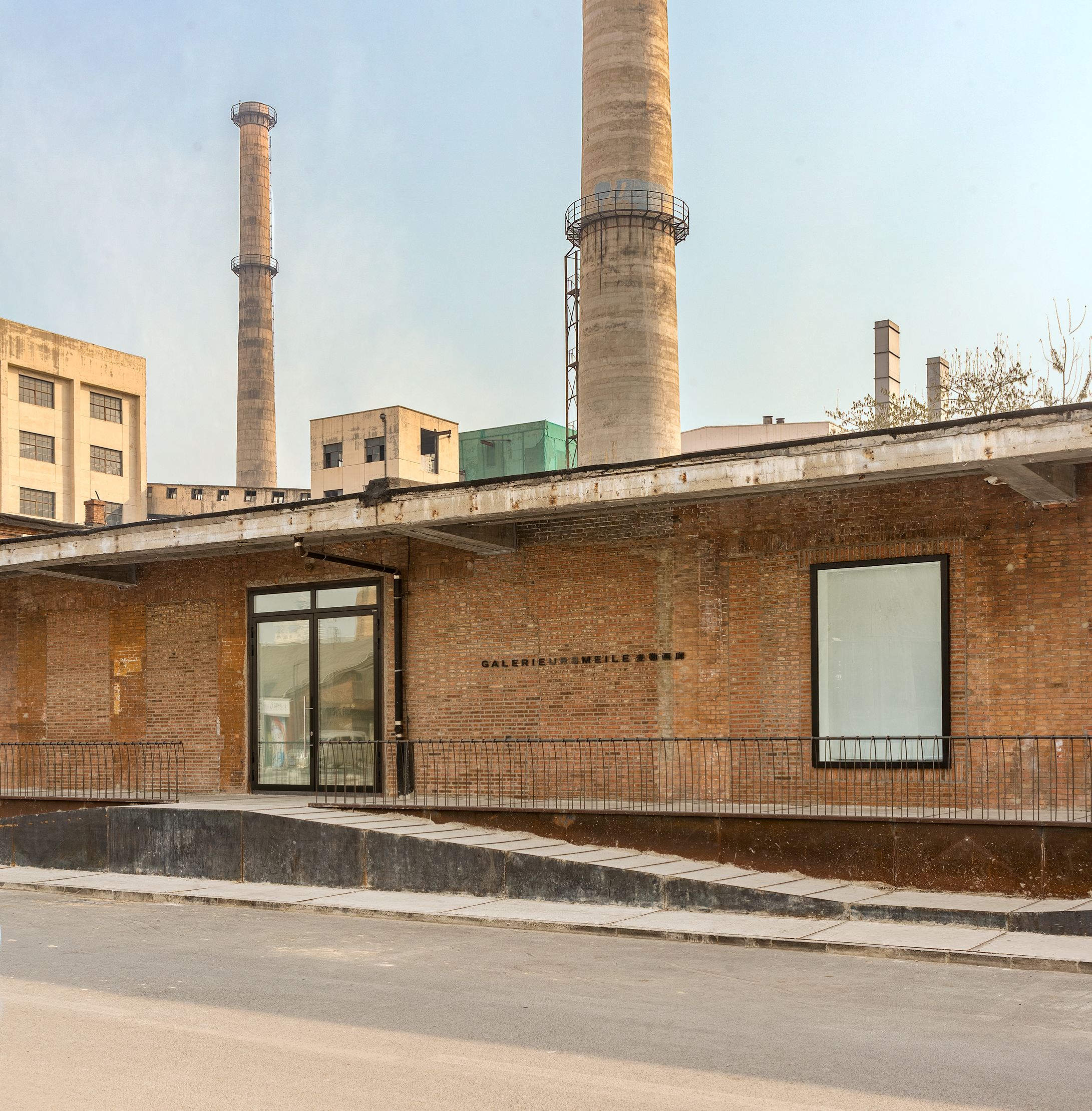
The gallery was among the first Western galleries to begin their activities in China in 1995. What prompted this decision?
The first trip to China came at the invitation of Uli Sigg, who had just been appointed Swiss ambassador to China in 1995. During his tenure in Beijing, he and Urs spent several weeks travelling across the country, visiting countless artist studios. These journeys sparked a lasting fascination.
At the time, there was virtually no infrastructure for contemporary art in China—no museums, galleries, or established art spaces. The scene was completely different—not better or worse, just unfamiliar and full of untapped potential. It was precisely this sense of the unknown and the spirit of discovery that captivated Urs.
Their extensive visits to studios and art academies laid the foundation for the gallery’s programme as it stands today. In fact, several of the artists Urs met during these early formative trips are still represented by the gallery to this day.
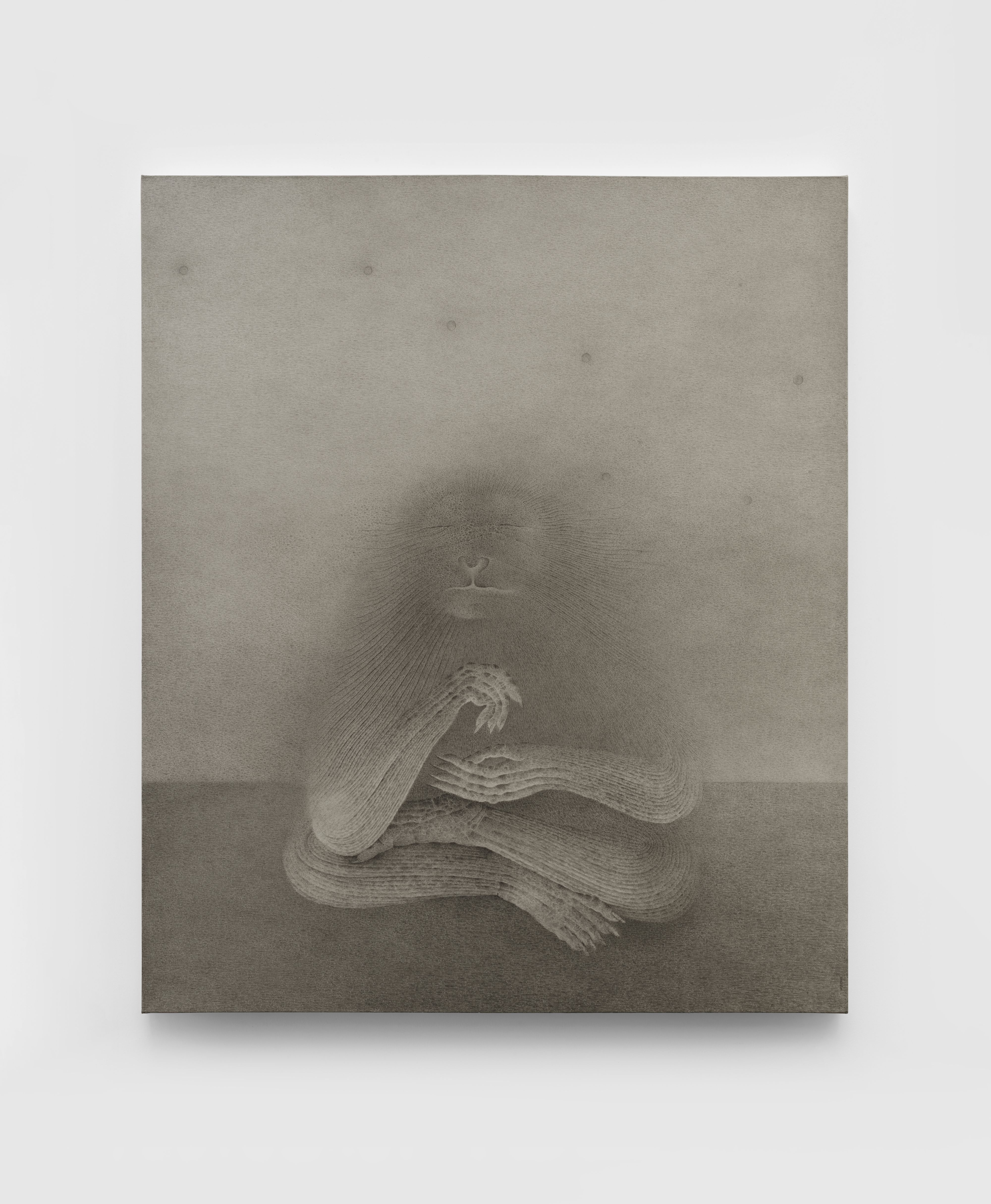
What significant changes have you observed over the years in Chinese collectors towards art by contemporary European artists and vice versa?
We’ve seen remarkable shifts in how collectors engage with contemporary art across these two regions. Chinese collectors have grown increasingly interested in contemporary art—both Chinese and Western —not only in terms of aesthetics, but also in the conceptual and cultural frameworks that shape their practices. Notably, a new generation of young collectors in their 20s and 30s has emerged in the past decade, marked by an impressive level of engagement and discernment. At the same time, European collectors have developed a more nuanced understanding of contemporary art from China, moving beyond surface-level fascination toward genuine curiosity and sustained dialogue.
We’re encouraged by these new generations of collectors on both sides—curious, open-minded, and eager to connect with artists who challenge conventions and reflect the complexities of our time.
Especially today, in a time when nationalism is on the rise across the globe, we believe art plays a crucial role in countering these divisive trends. It fosters empathy, intercultural understanding, and shared imagination—reminding us of our interconnectedness beyond borders.
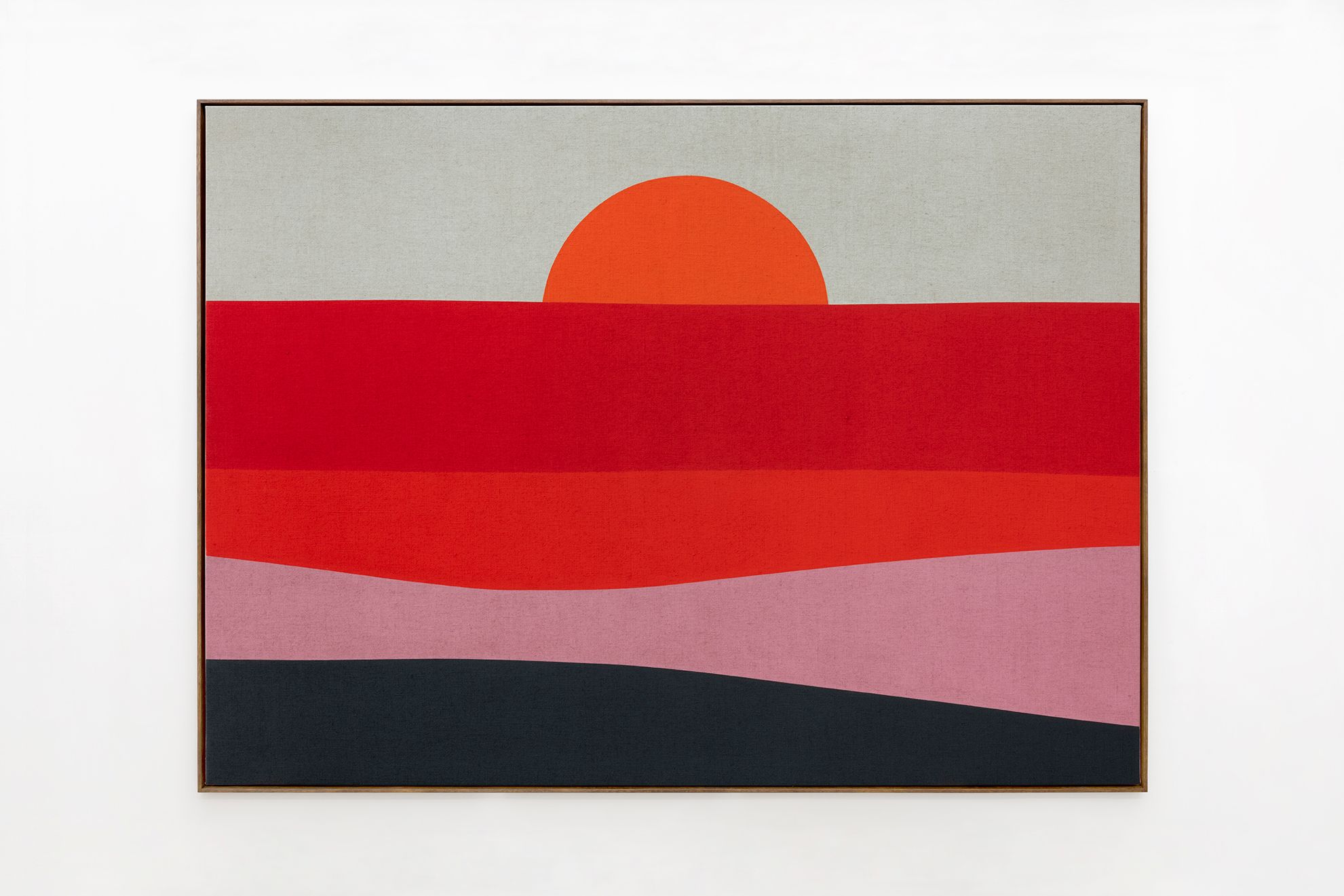
The inaugural exhibition of the new space, Anker Protocol – 1.0 is the first of a recurring exhibition series. Could you discuss its key mission and format?
The series is envisioned as a platform for experimentation and exchange—an ongoing conversation that mirrors the gallery’s core ethos of curiosity, collaboration, and cultural connectivity. With each edition, we aim to present a constellation of voices that challenge, complement, and expand each other.
The inaugural exhibition brings together works by Antonio Ballester Moreno, Cao Yu, Hu Qingyan, Klodin Erb, Urs Lüthi, Miao Miao, Rosalind Nashashibi, Shao Fan, Rebekka Steiger, and Alice Wang. Together, these artists reflect a broad range of media, cultural contexts, and conceptual concerns, setting the tone for the space as one of openness, multiplicity, and critical engagement.
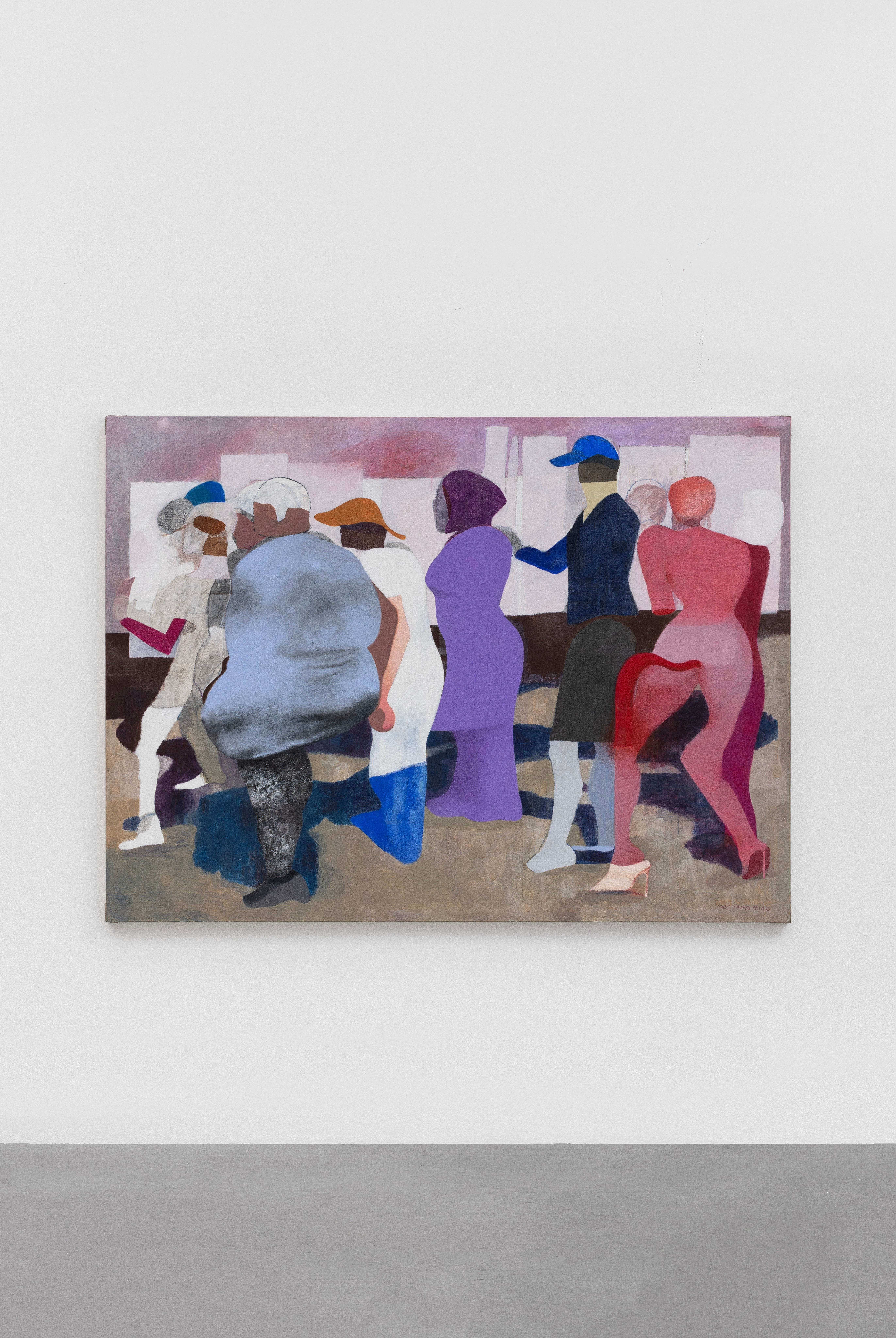
What can we expect to see at the new Ankerstrasse space in the near future?
On one hand, we will continue the Anker Protocol exhibition series—each edition bringing together a curated selection of gallery artists to explore cross-generational, cross-cultural, and cross-disciplinary dialogue.
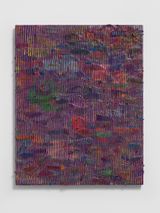
For the first time in Zurich, we will showcase a comprehensive monographic exhibition by Ju Ting, one of the most exciting Chinese painters of her generation. Her work pushes the boundaries between painting and sculpture, creating richly layered, tactile surfaces. 
Miao Miao, also making her Zurich debut, transforms everyday fragments into vibrant visual compositions. Working with materials such as wax, pigment, acrylic, and oil, she constructs imaginative pictorial worlds that oscillate between sensuality and experimentation.
The programme will further feature solo exhibitions by two of Switzerland’s most distinctive contemporary painters: our first solo presentation of Klodin Erb, based in Zurich and celebrated for her dynamic, multilayered compositions, and Rebekka Steiger, who has been with the gallery since the early days of her career and whose remarkable trajectory has attracted growing attention in recent years. —[O]
Main image: Galerie Urs Meile's new flagship gallery at Ankerstrasse 3, Zurich. Courtesy Galerie Urs Meile. Photo: Bruno Augsburger.







A respected voice in contemporary art discourse.
Focusing on ambitious storytelling and insightful art-world commentary. Ocula Magazine publishes in-depth interviews, critical essays and timely analysis on the artists, exhibitions and ideas driving the global art world.
Learn more about Ocula Magazine
Showcasing the best of the art world.
Ocula partners with galleries from around the world to highlight their artists, artworks and exhibitions. Gallery membership is by application and invitation, with each member vetted by an independent panel.
Learn more about Ocula Membership
Specialises in the sale of major artworks.
Led by a team with deep ties to the world’s leading auction houses, galleries and collectors. Ocula’s advisory team offers bespoke services to high-net-worth clients from around the world who are looking to acquire the best of contemporary and modern art.
Learn more about our team and services