The art world in focus
Subscribe to our newsletter for news and insights on artists, galleries and exhibitions.
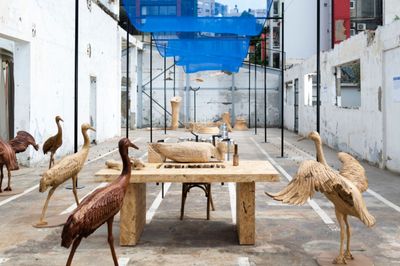
Exhibition view: We Empower, PSLAB, Beirut (23–26 May 2024). Photo: Walid Rashid.
After several years abroad, I was lured back to my home city to attend ‘We Design Beirut’ (WDB), a four-day happening in May. Held at various locations across the Lebanese capital and founded by creative events executive Mariana Wehbe, the initiative is a partnership with Milan-based industrial designer Samer Alameen and London-based visual communication studio Bananamonkey.
At Cinema Royal—a 1960s adult movie theatre converted into a cultural centre—the singer and performer Khansa challenged Arab hyper-masculinity by enacting a luscious, traditionally feminised belly dance to elegiac pop songs. His spellbinding performance spoke to the rise of folkloric dance in an art context.
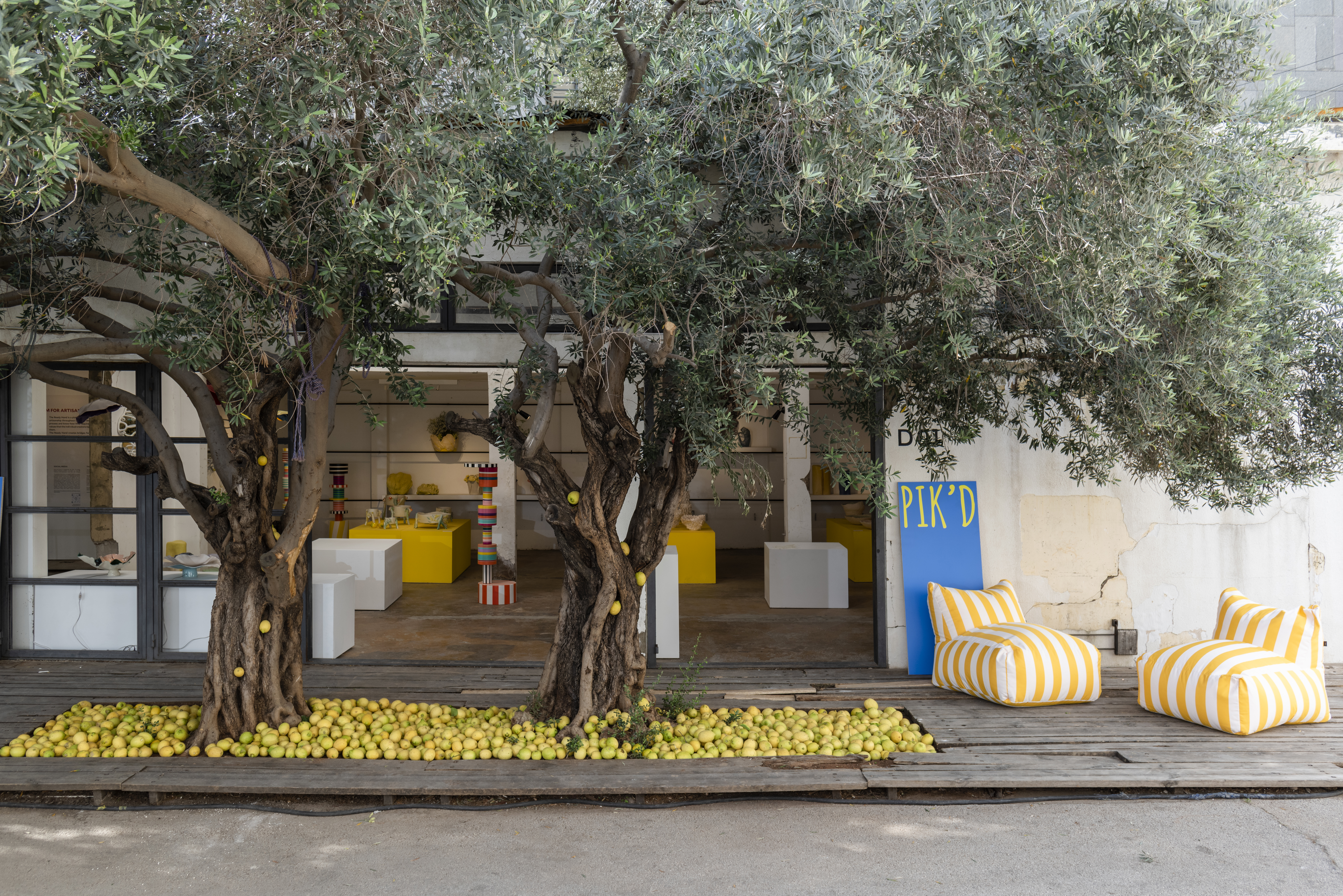
Meanwhile, in the derelict former headquarters of lighting designers PSLab, the group exhibition We Empower offered a nostalgic take on artisanal crafts presented outdoors or inside the building’s carcasses. PSLab, like most of the surrounding area, was destroyed in August 2020, when 2,750 tonnes of ammonium nitrate unsafely stored in a nearby warehouse exploded, killing over 200 people and injuring thousands.

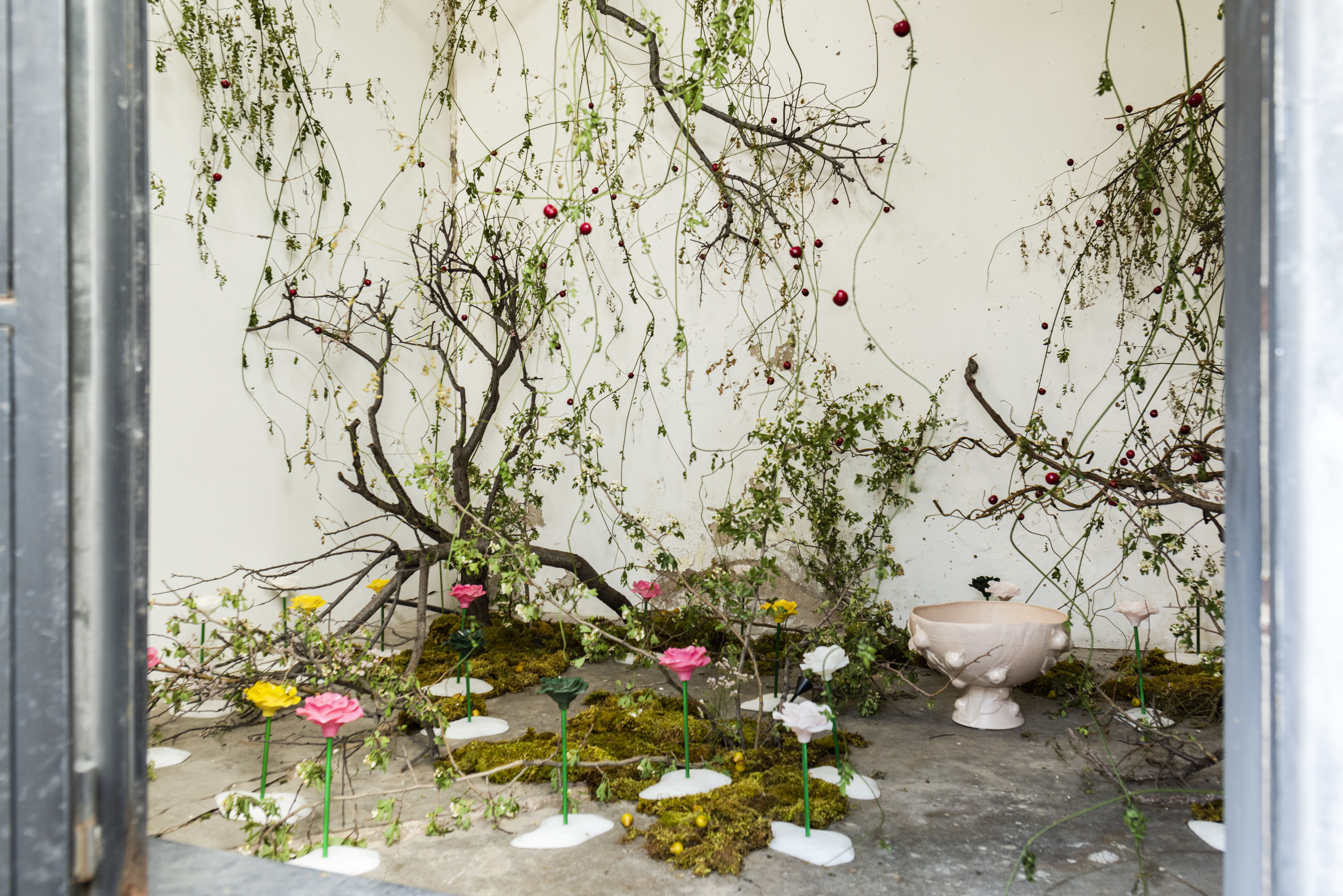
The harshness of the gutted edifice, a landmark for many Beirutis, was softened by the romantic sensibility of what was on display: a tree rising from an earth bed of lemons; a courtyard installation of handblown Levantine-style carafes the colour of the Mediterranean Sea by Ghady Azar and Galal Mahmoud; hand-carved, Roman-style columns by Elie Ayrouth. In a nearby nook, peeling walls showcased minimal, pastel-coloured artisanal tiles by the 19th-century, family-owned tile maker BlattChaya.

Following a 2019 people’s revolution against a defunct state that has failed and caused crippling inflation, WDB felt like the first regenerative approach to culture in Beirut for a long time.
As Wehbe, whose eponymous agency has long focused on design-as-installation, told me: ‘It’s not just a design week, it’s more of a feeling we are creating—especially for those of us who want to keep coming back. I always ask myself why I need to take my daughter to Milan and London to educate her on the worlds of art and design when they’re part of our heritage, too?’
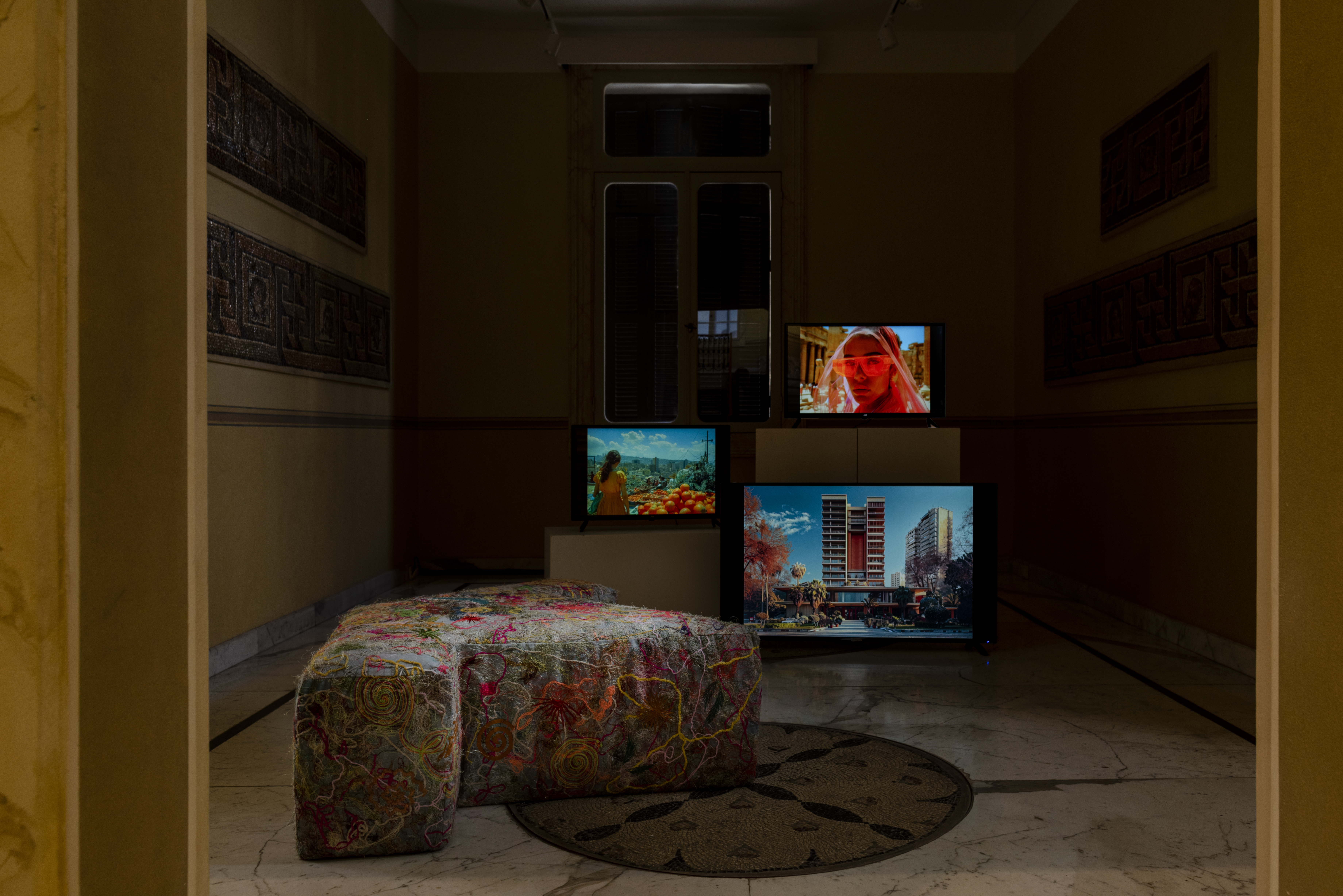
At Villa Audi, the exhibition Past Echoes featured works by 33 contemporary designers, thoughtfully installed against the backdrop of the former Ottoman palace’s 19th-century mosaics. A highlight was Thomas Trad’s video Through the Lens of Amalia: A Glimpse of Lebanon’s Golden Era (2024)—a psychedelically hued, AI-generated, retro-futuristic take on the high life of 1950s Beirut, based on the experiences of his Italian grandmother.

To finance WDB, the organisers contacted 35 patrons and sponsors. This approach to cultural fundraising in Lebanon is not new. The only way institutions like Nicolas Sursock Museum and Beirut Art Center survive is through donations, since no public funding is available. ‘We’ve always had to make do without public infrastructure’, Wehbe admitted.
Survival mode as realpolitik seems to be dissipating. This cultural resurgence brings with it more focus on craft over concept, and sustainability and scenography over the critical leanings that the 1990s generation of Lebanese artists became known for, notably Walid Raad and Akram Zaatari.
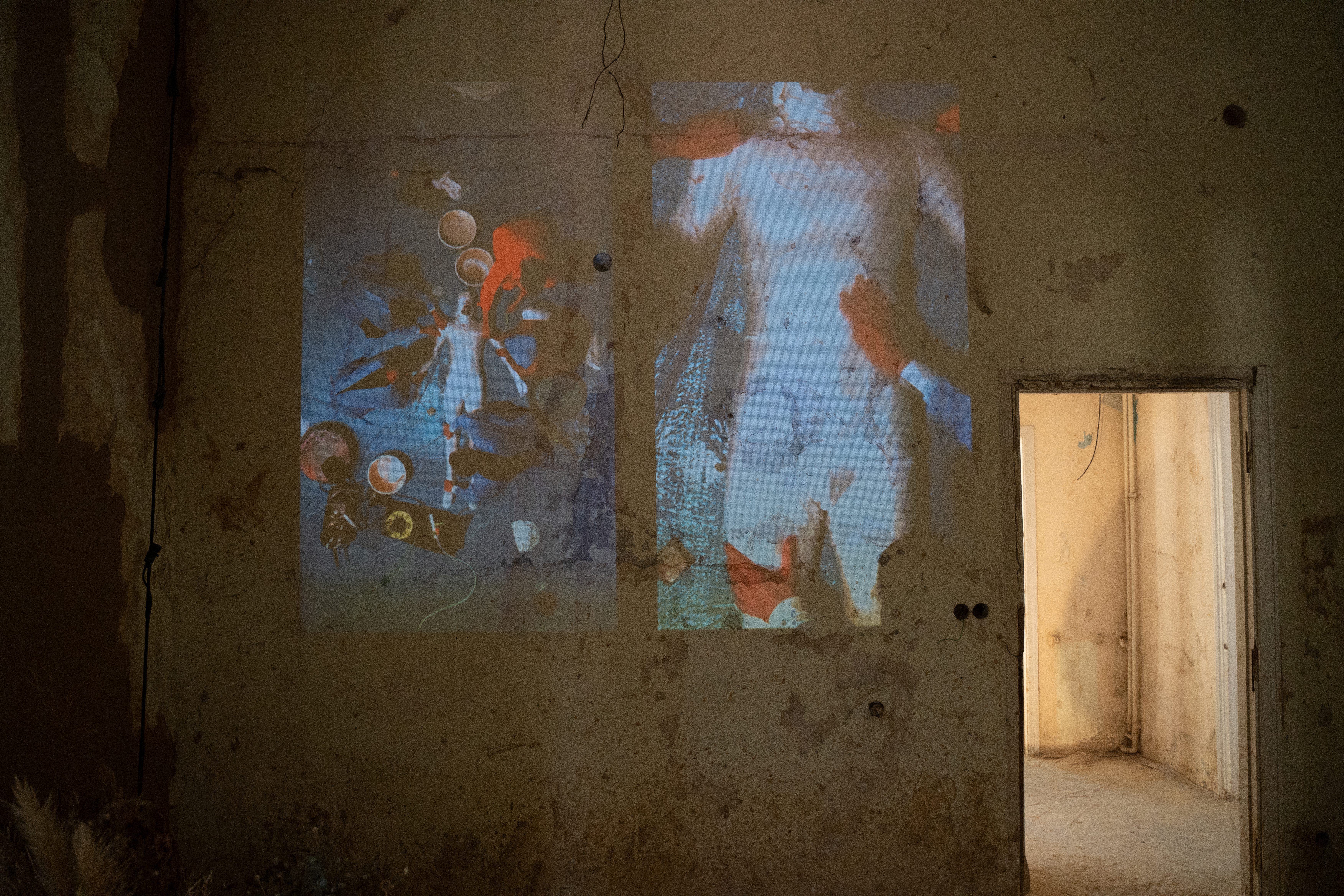
One site-specific intervention taking place alongside WDB stood out. In Entangled Matters 2.0 by Beirut-based Honduran artist Adrian Pepe, in collaboration with creative producer Lamia Choucair. The artist wrapped the crumbling façade of the 1860s Villa des Palmes in locally sourced, hand-felted wool remnants from Awassi sheep—a regional breed. Inside the building were viscerally staged, intestine-like pathways and hanging sculptures. A performance-video featured the artist being cocooned by the material, offering a reflection on shelter, rebirthing, and our relationship to non-human bodies.
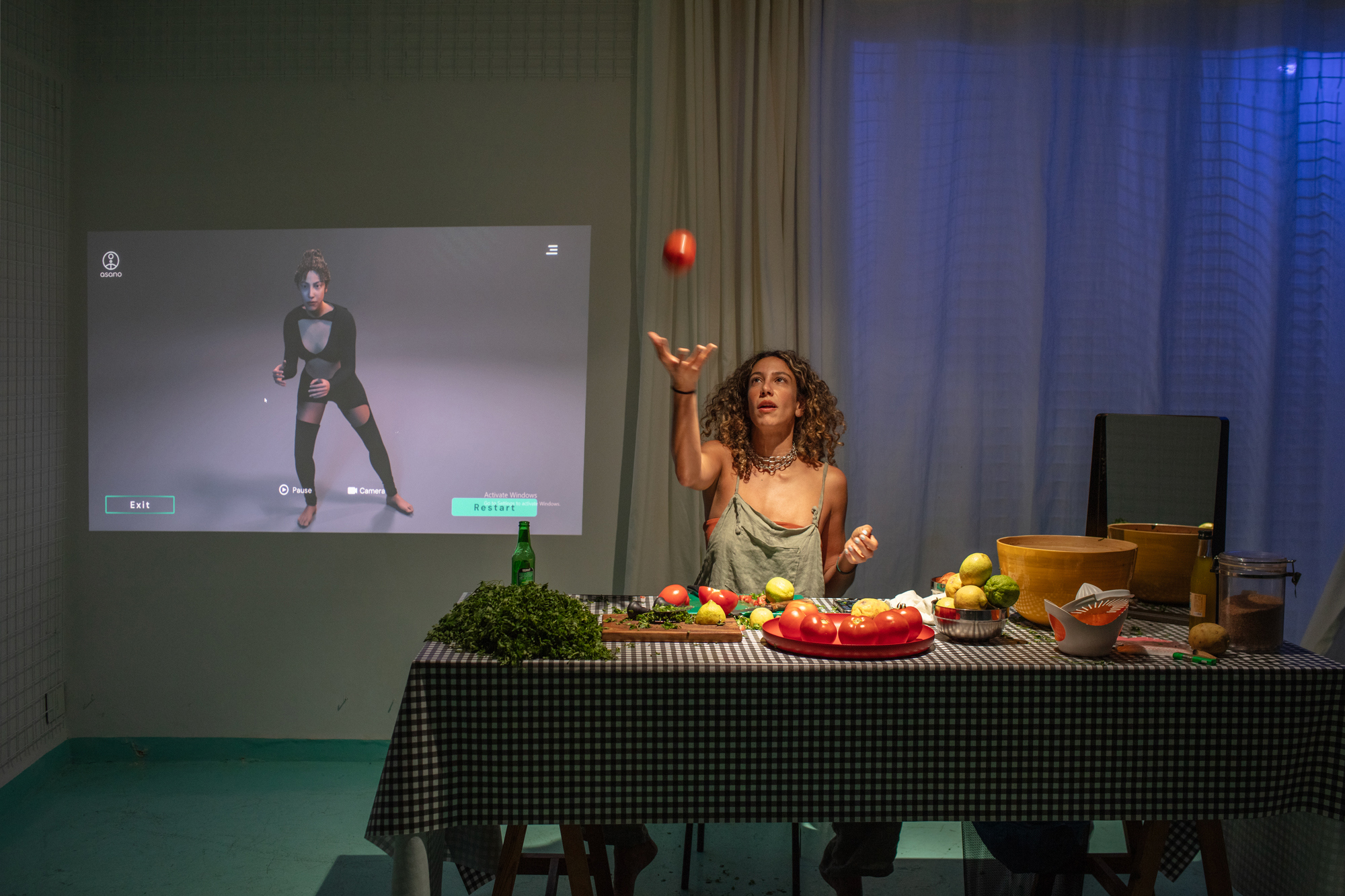
Takeover Space, an artist-run initiative housed in a former shopfront, is also site-responsive. Artists respond to an open call around specific themes and have done food performances, theatre, writing workshops, or mini-exhibitions, in the accessible, sidewalk space. Ieva Saudargaitė, who opened the space in late 2022, said it was initially supported by UNESCO’s BERYT funds designed for local communities post-2020 blast. ‘It felt like the only way to recover when you are still in the place where you got beaten up,’ Saudargaitė told me.
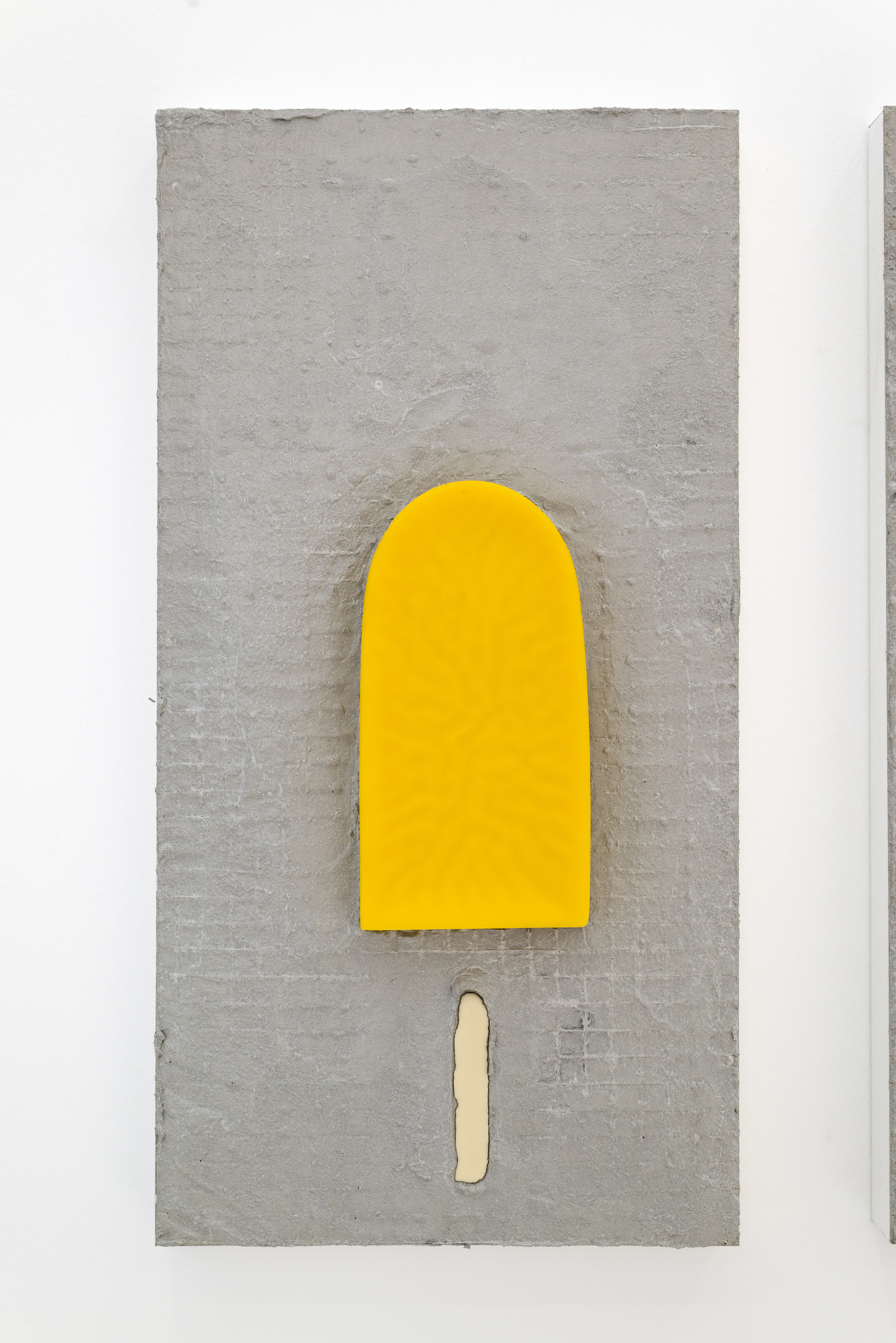
This is also why Beirut’s most established gallery, Sfeir-Semler, opened a new downtown branch after rebuilding its space in Karantina—an area affected by the explosion.
‘It was the moment to come back,’ Andrée Sfeir told me. ‘Lebanese people are like puppets. You push us to the ground, and we stand up again. We want to survive.’ The gallerist has just closed their downtown exhibition by Marwan Rechmaoui, who used beeswax on concrete to render wall-mounted depictions of clouds and pastel-coloured ice-pops. On the floor, sculptural sandboxes recalled childhood games. The show epitomises the mood of Beirut. Within the city’s tough exterior and grit are these sensorial art experiences projecting a dose of joy and beauty. —[O]
A respected voice in contemporary art discourse.
Focusing on ambitious storytelling and insightful art-world commentary. Ocula Magazine publishes in-depth interviews, critical essays and timely analysis on the artists, exhibitions and ideas driving the global art world.
Learn more about Ocula Magazine
Showcasing the best of the art world.
Ocula partners with galleries from around the world to highlight their artists, artworks and exhibitions. Gallery membership is by application and invitation, with each member vetted by an independent panel.
Learn more about Ocula Membership
Specialises in the sale of major artworks.
Led by a team with deep ties to the world’s leading auction houses, galleries and collectors. Ocula’s advisory team offers bespoke services to high-net-worth clients from around the world who are looking to acquire the best of contemporary and modern art.
Learn more about our team and services