





In the Studio With Mahesh Baliga
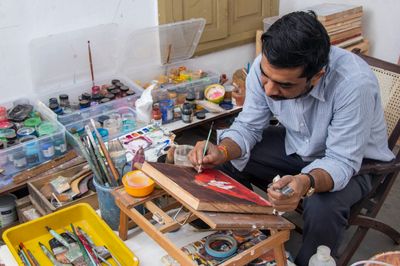
Mahesh Baliga at work in his studio, 2022. © Mahesh Baliga. Courtesy the artist, Project 88, and David Zwirner. Photo: Suguresh Sultanpur.

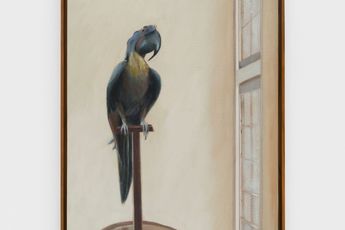
Mahesh Baliga‘s small-scale paintings in casein tempera are like pages from a story book. In vivid colour, Baliga renders scenes from his surroundings in Vadodara, India, transforming otherwise overlooked details into visual poetry. On the occasion of his first solo exhibition outside of India, Drawn to remember at David Zwirner in London, the artist—whose work was also recently presented by Project 88 at India Art Fair—shares how he arrived at his unique style.
I saw your work first at India Art Fair and was intrigued by the intimacy and power achieved on such a small scale. In your show at David Zwirner, you’ve created a long stretch of similar images that you call ‘lap-sized’. What entices you about these proportions?
All this small-sized work started because I was teaching at Veer Narmad South Gujarat University art school for five or six years.
Initially, I didn’t think of doing any work because I had to go there teach and spend time with the students. And I was also getting old—old in the sense there is an age when art teachers retire around 35 because all the scholarships are cut after that.
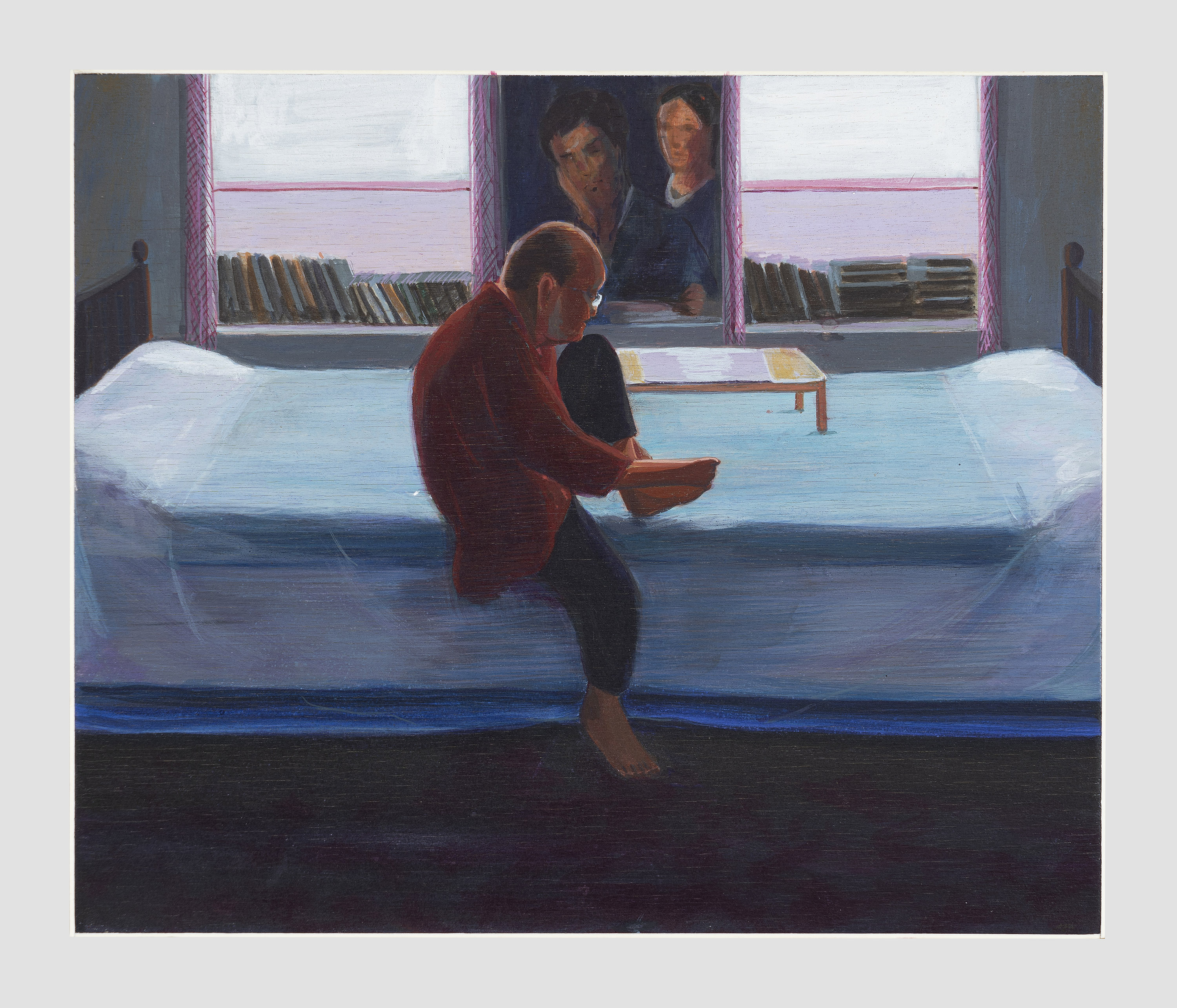
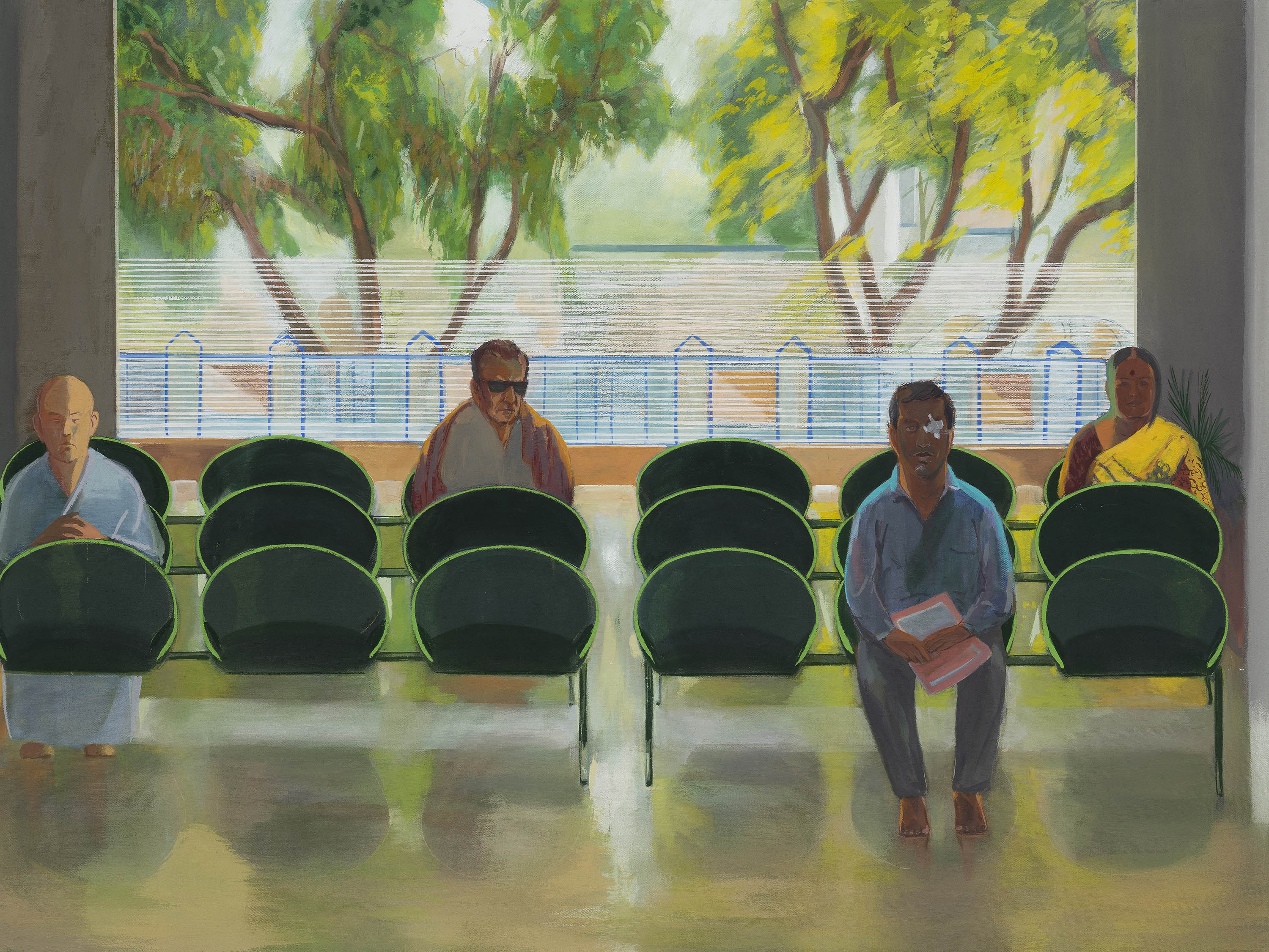
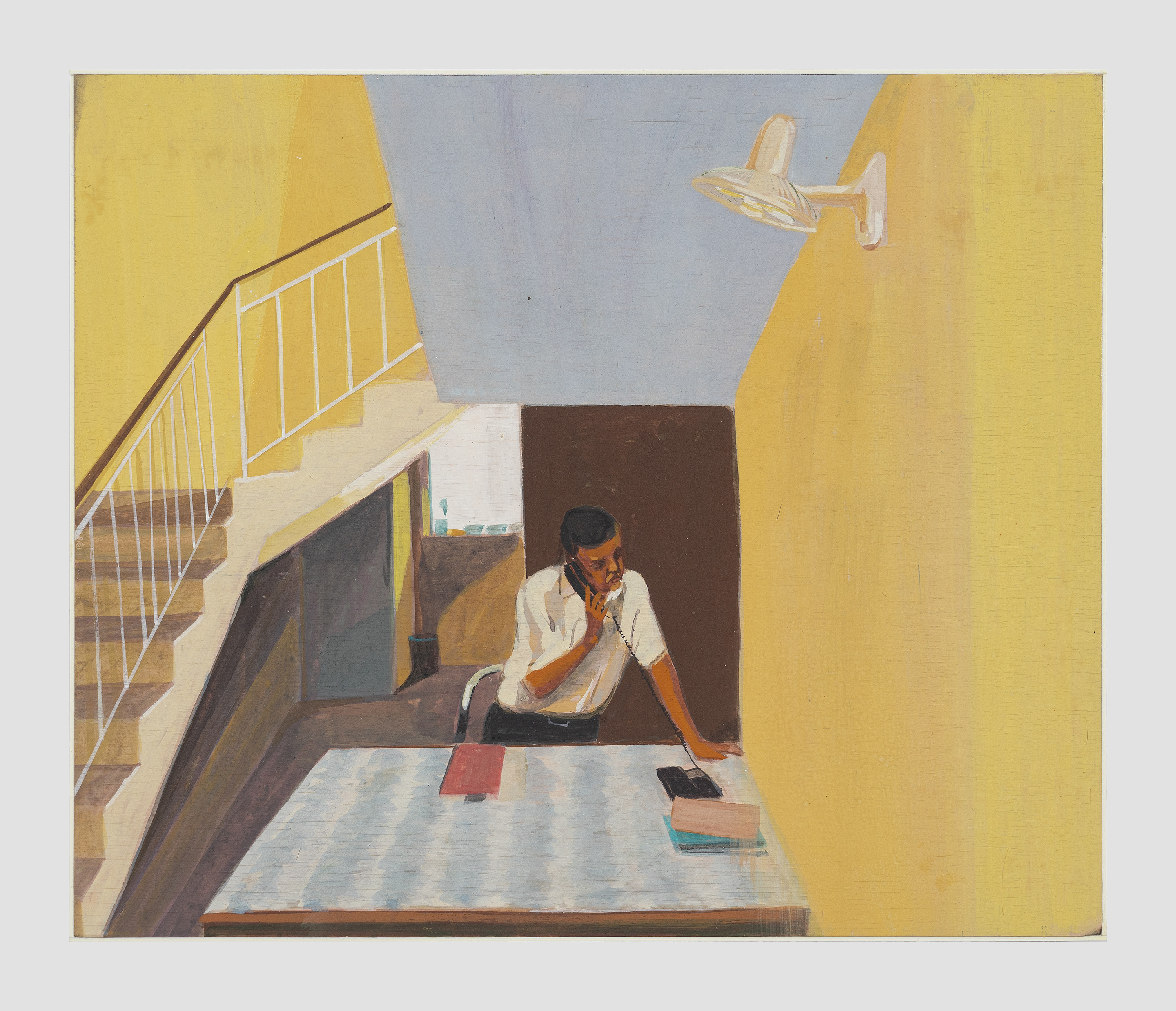
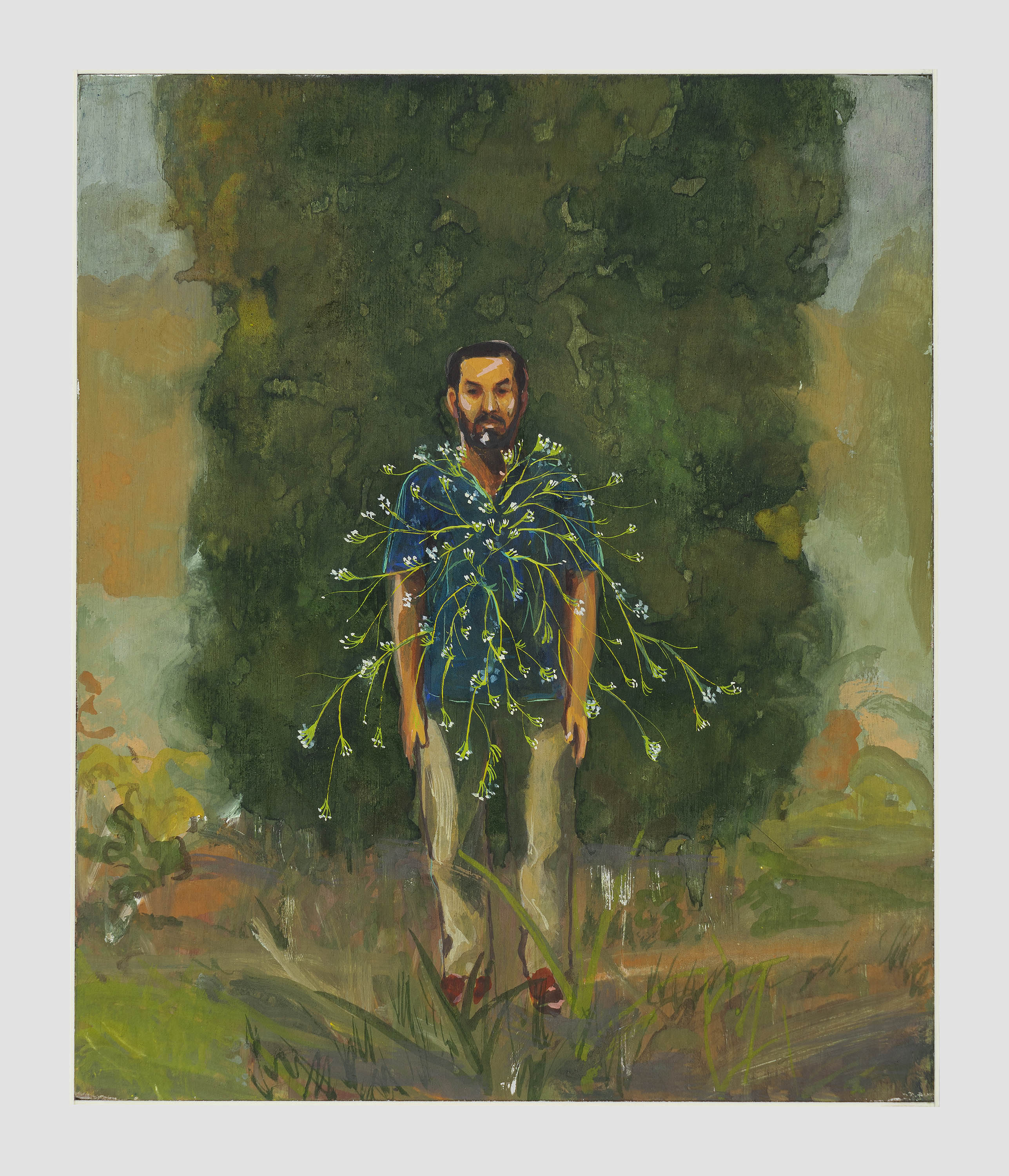
There was a point when I was working with a batch of unfocused students. I got angry and frustrated. I thought, I am giving you time, you’re getting all the infrastructure to do everything, but you don’t have any interest. So I started working.
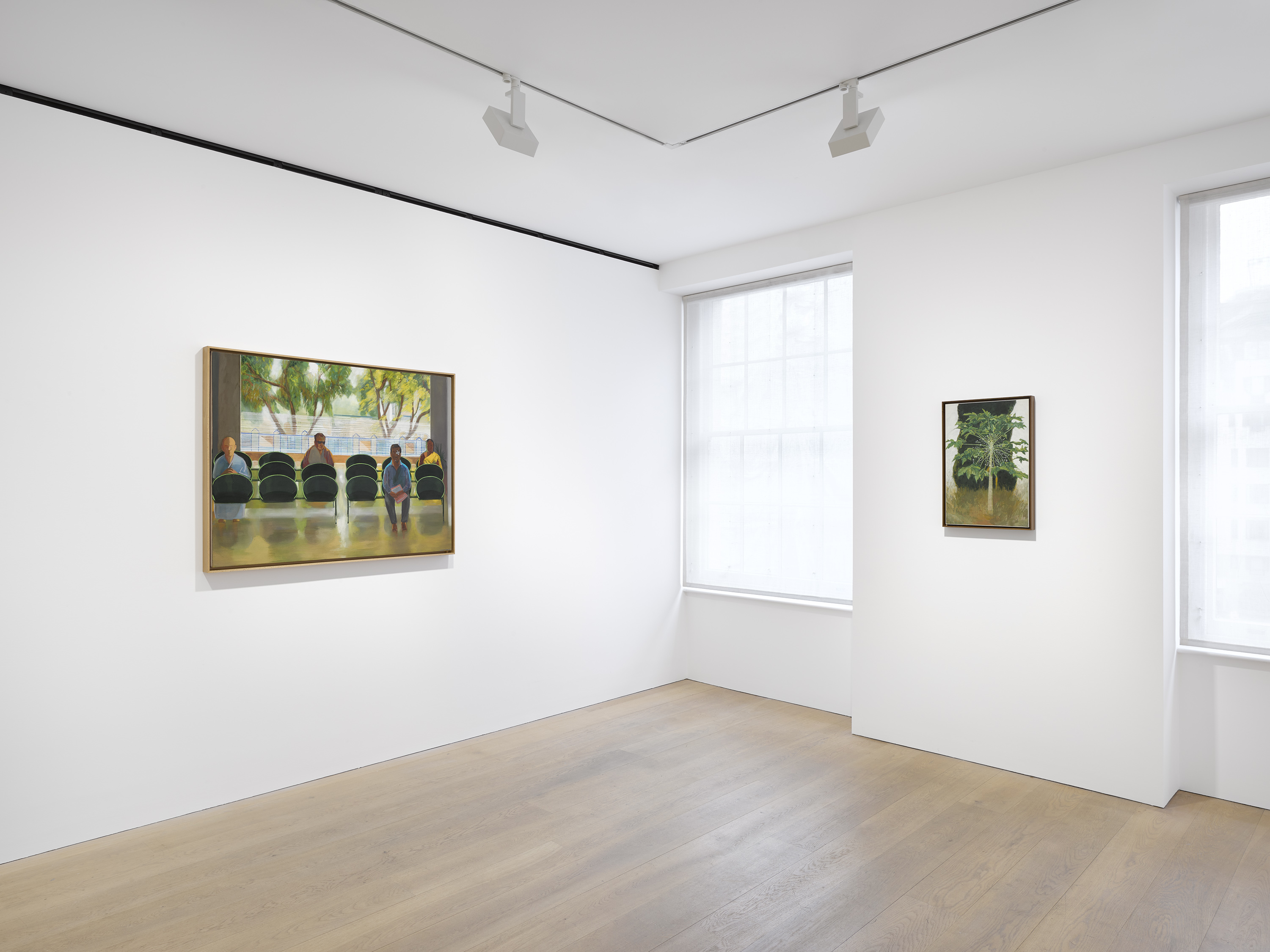
Initially the boards didn’t have any support on the back so I could carry them very easily. And I had very small bottles made to hold small quantities of pigments. It was a limited setup.
I had a bed in a local guesthouse. So I would unfold the bed and sit there and do the work.
There is a diaristic quality to the images. The day-to-day seems energised by your imagination.
Initially I thought of making one painting a day. And it would be something about some conversation, or from what I see in my surroundings or read in newspapers.
I also made a lot of work like impressionist painters. I’d find myself walking into the surrounding area with the bag of equipment after my teaching.
The scale gave me the opportunity to put so many things and influences into the image at once. I felt that without that scale, it would not have been like that. For instance, I would take something from miniature painting but not anything directly. It’s a translation.
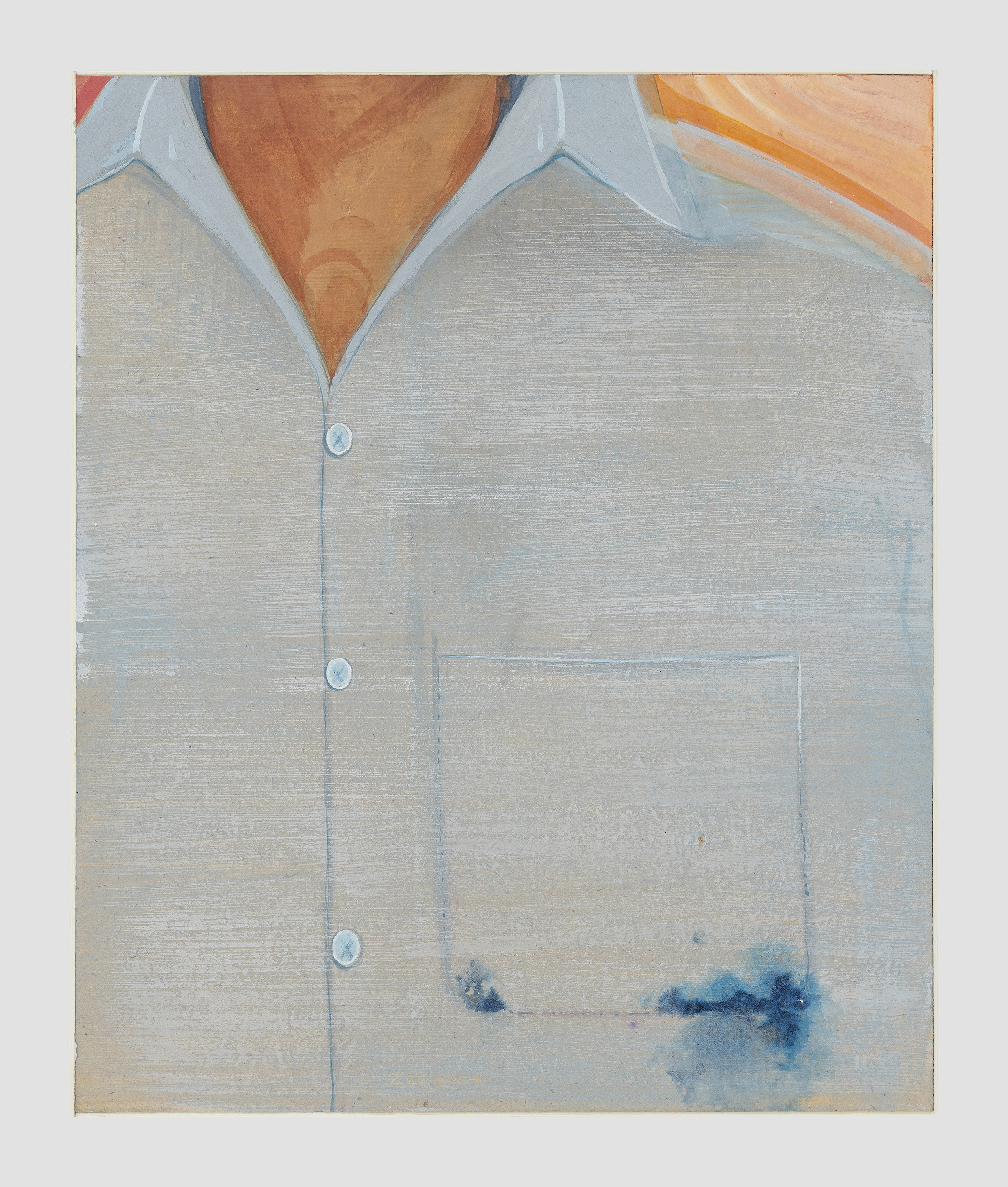
And to me these translations are charming. In particular, there’s an image that’s honed in on a shirt pocket that’s marked by a cloud of ink stain. It’s such a familiarly frustrating scenario.
There is a very small line that makes something a painting and something just an image. I’m interested in how that can be done.
The ink on the shirt is actually one of my teachers, Gulam Mohammed Sheikh. He invited me for a meal and wore that shirt deliberately so I would notice and paint the stain. That was his intention. He’s a poet.
And he’s a very revered artist. There are, I feel, references to other artists in your work. The most obvious would be Bhupen Khakhar. Are there others who have perhaps more subtle affected your style?
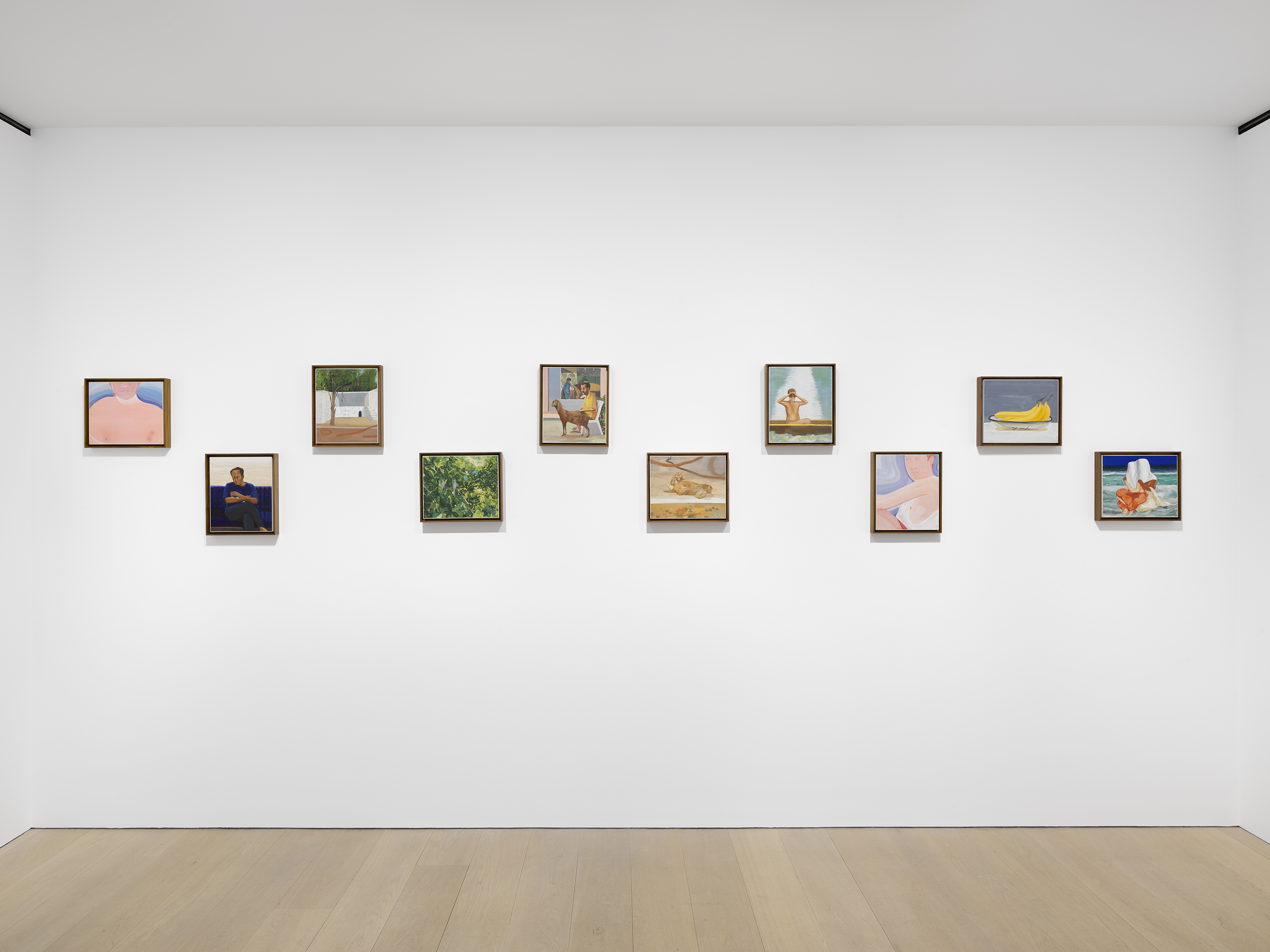
I fell in love with the Kitchen Sink painters, who were active in London in the 1950s, when I was first introduced to them. And when seeing work by painters such as Pierre Bonnard or Giorgio Morandi, I always asked, how did they do that? It is just a brush and a bottle.
You’ve said before that the work is often infused with your pain and sadness. In a painting like Diwali light (2022), with its strings of small bulbs that almost twinkle at you and delicately sway, it’s hard to fathom.
The initial starting point of any work is the pain. It starts with the self and what I’ve seen. Looking at those lights, I know that that building is incomplete. I know that so many people around it have lost their jobs. There’s an undercurrent.
It’s like Satyajit Ray’s films, there is so much sadness but they’re entertaining... I’m working in a similar way. —[O]
Main image: Mahesh Baliga at work in his studio, 2022. © Mahesh Baliga. Courtesy the artist, Project 88, and David Zwirner. Photo: Suguresh Sultanpur.





A respected voice in contemporary art discourse.
Focusing on ambitious storytelling and insightful art-world commentary. Ocula Magazine publishes in-depth interviews, critical essays and timely analysis on the artists, exhibitions and ideas driving the global art world.
Learn more about Ocula Magazine
Showcasing the best of the art world.
Ocula partners with galleries from around the world to highlight their artists, artworks and exhibitions. Gallery membership is by application and invitation, with each member vetted by an independent panel.
Learn more about Ocula Membership
Specialises in the sale of major artworks.
Led by a team with deep ties to the world’s leading auction houses, galleries and collectors. Ocula’s advisory team offers bespoke services to high-net-worth clients from around the world who are looking to acquire the best of contemporary and modern art.
Learn more about our team and services