





Slow Motion
Access to photography in Manila and Kathmandu was traditionally restricted by colonial and authoritarian rule, but a new generation is discovering its qualities and challenging today’s digital norms. Save to My OculaWhile Manila and Kathmandu can be set apart by their distinct cultures, religions and climates, within the realm of photography each city is experiencing a persistent and enthralling turn toward analogue techniques. Citizens are deep in the process of reclaiming art on their own terms, and a younger generation is at the height of experimentation, crafting art and conversations that explore new ways of seeing and doing. But both colonial history and present-day socioeconomic conditions affect how emerging practitioners archive, discuss, learn about and create photo-based work.
As a Philippines native, with family roots in the capital, Manila, I find myself returning to the country again and again. I started Worlds Through Minds, my nomadic photography and gallery space, in California in 2022; as part of its global travels, it has visited Kathmandu and Manila, where I have witnessed a significant rise in interest in analogue photography. Analogue techniques demand a slower approach than modern, mass-culture digital photography: artists are challenged to ask more questions and evolve their work and output. In Manila, Worlds Through Minds holds darkroom and film developing classes in collaboration with Foto Baryo, a local photography centre founded by Fernando Afable and built behind his brother’s dental office. Formerly the darkroom manager of the International Center for Photography in NYC, Afable collected all the equipment, books and gear the centre was retiring. He gradually shipped it all to the Philippines before returning home himself.

“Analogue techniques demand a slower approach than modern, mass-culture digital photography”
Throughout the 19th and 20th centuries, both Nepal and the Philippines experienced a delay in the adoption of photography as an art form, which gives an insight into the power structures that have long controlled not just photography, but art writ large in those regions. Photography was introduced to the Philippines during the 1840s (only a decade or so after its invention), mainly by Spanish missionaries and other European travellers. However, colonial rule blocked the population’s access to art education, and tools and knowledge about photography remained in the hands of a select few. Photography was mainly used for colonial administration, such as portraits made in the Catholic Church and limited ethnographic documentation. In Nepal, photography arrived later (around 1860), introduced by British diplomacy. Nepal was never colonised, but the Rana regime (which came into power in 1846 following the Kot Massacre and was known as the ‘Dark Age’, defined by a suppression of freedom, public sovereignty and public literacy) tightly controlled who was able to learn and practise photography. Confined to royals and the elite, much of Nepalese photography can only be traced back to the 20th century.
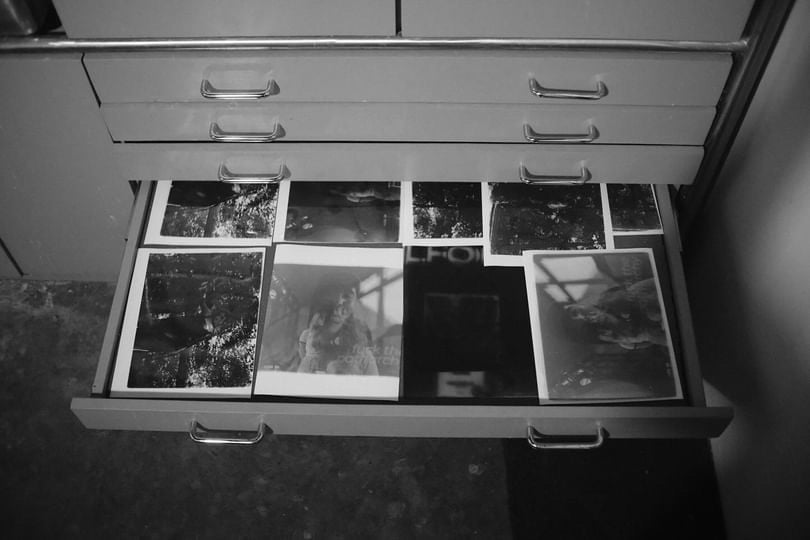
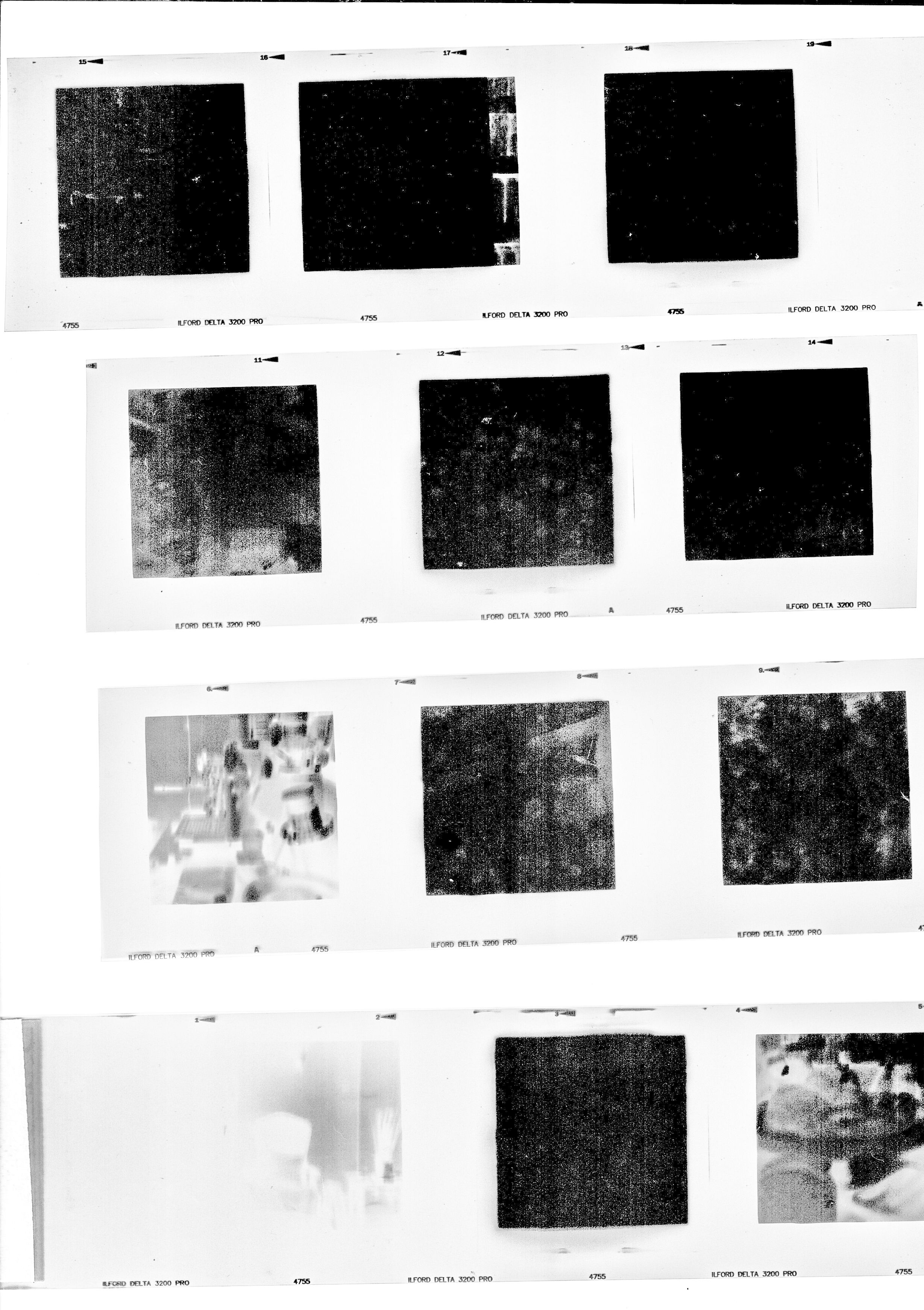
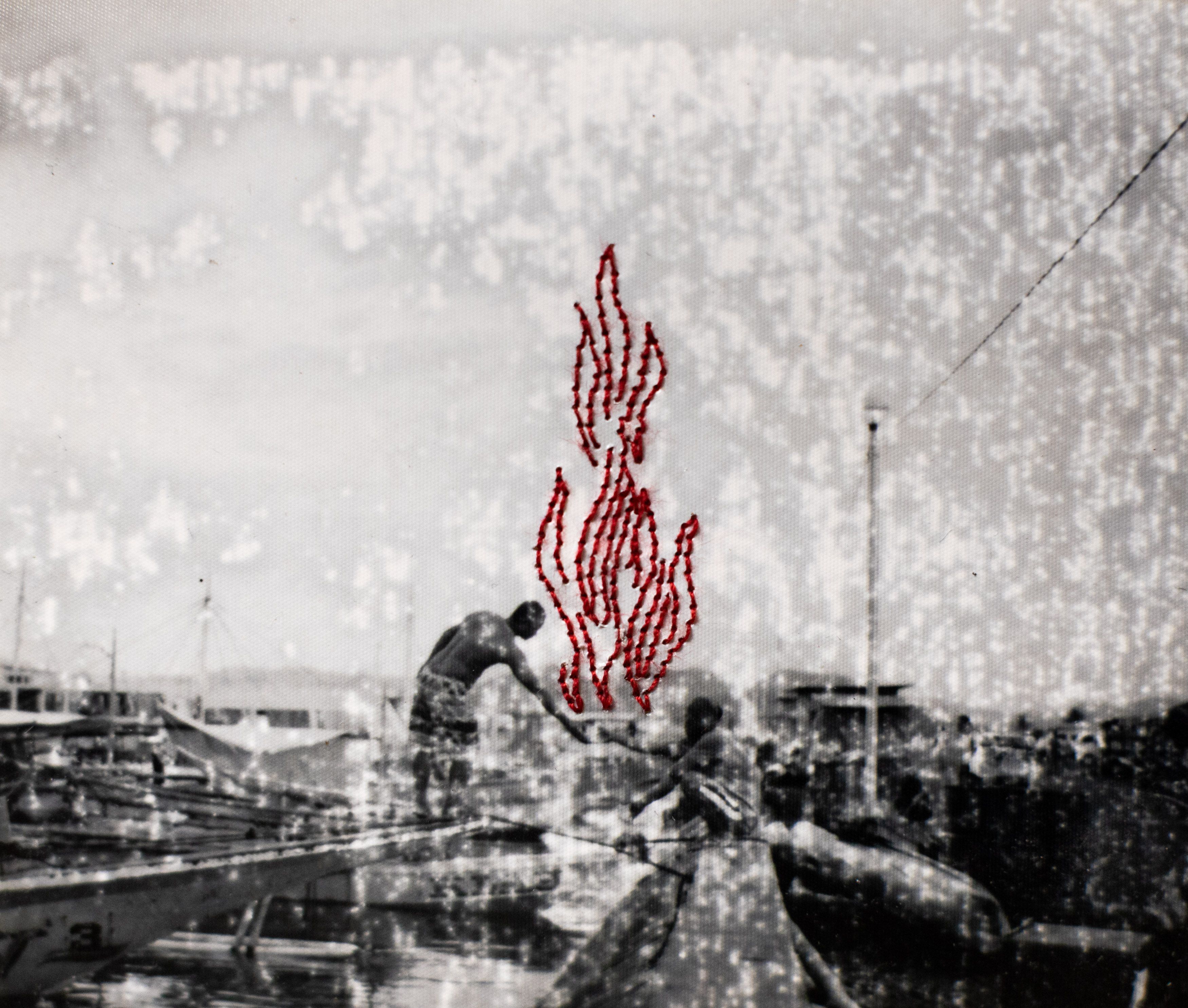
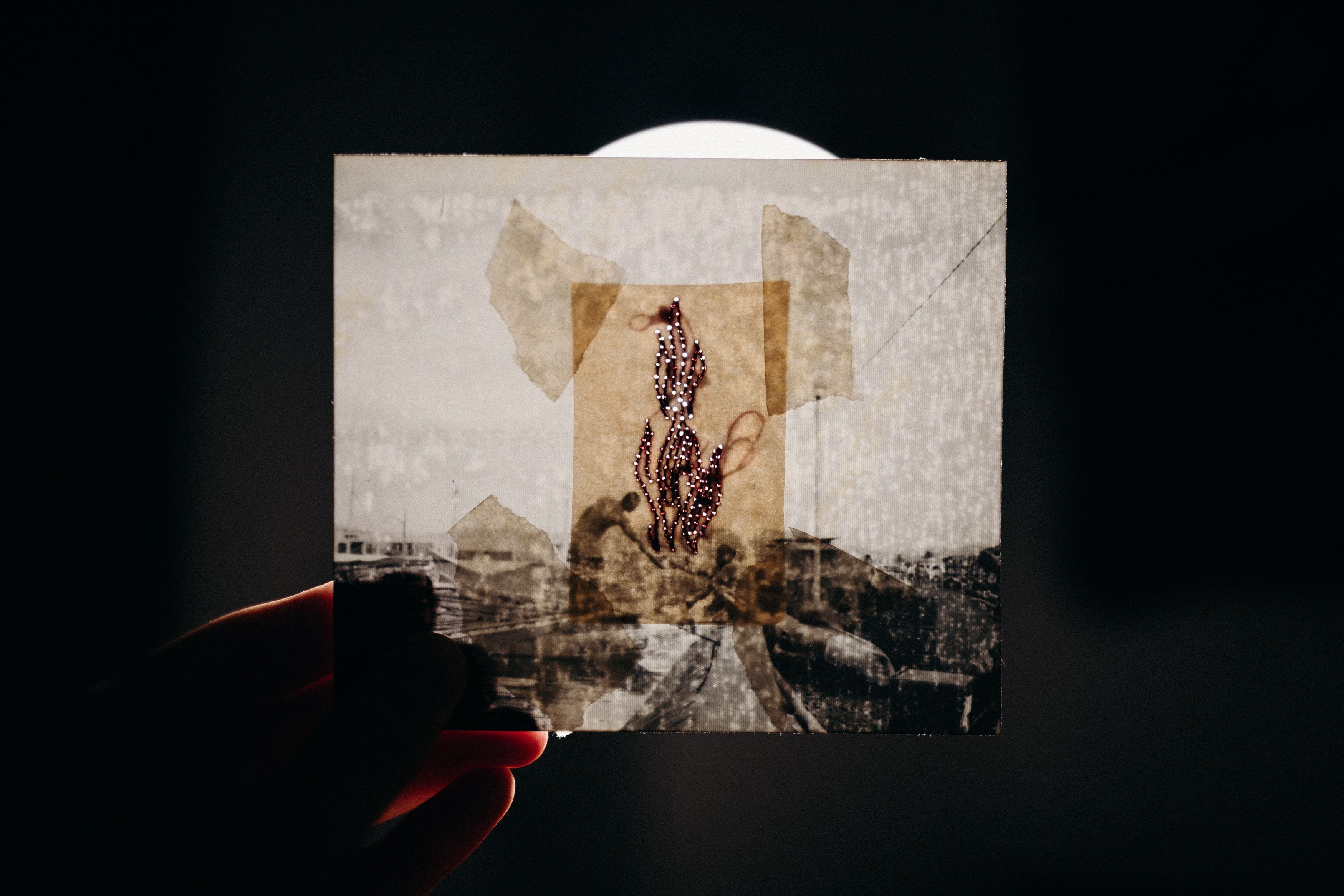
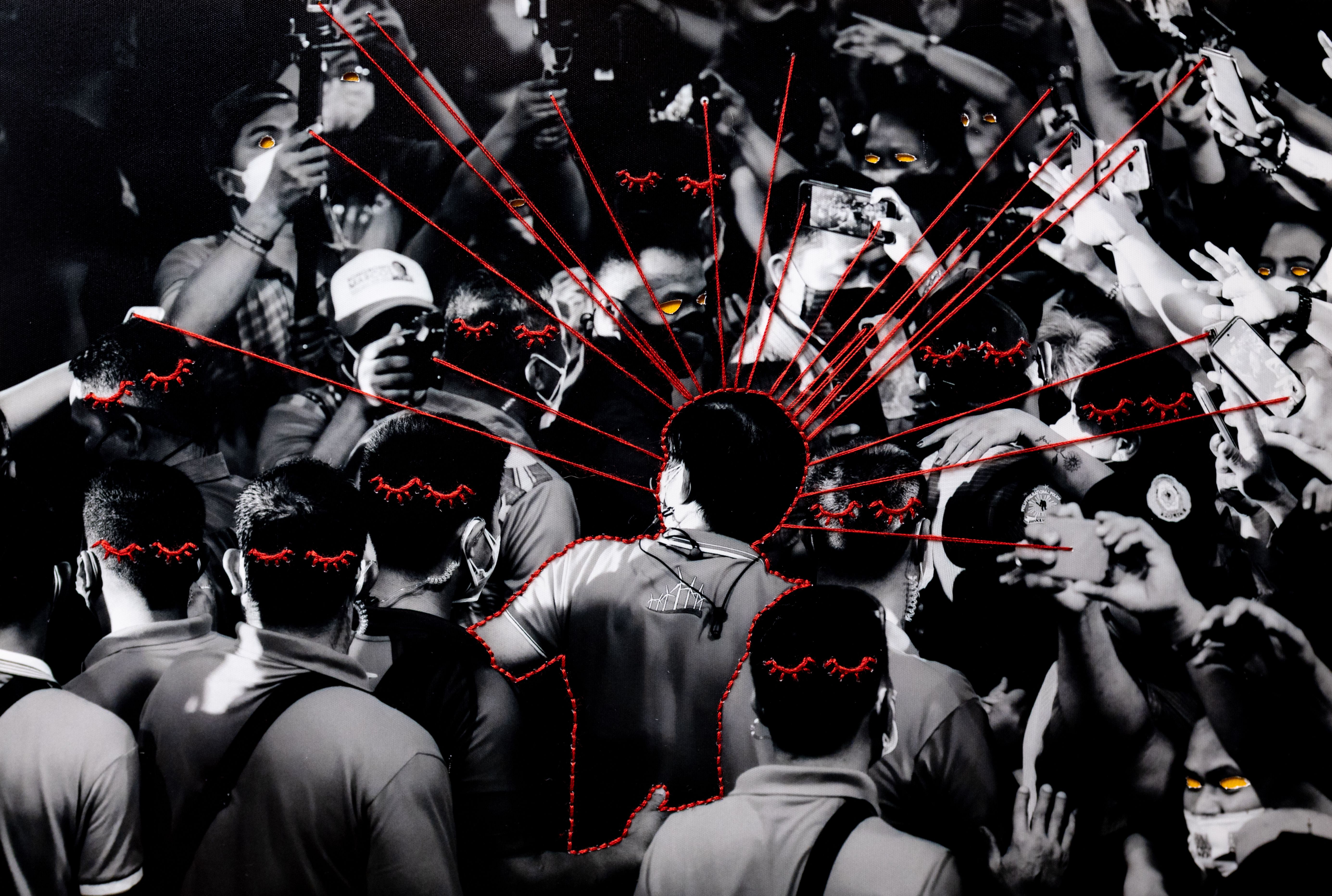
Aia Solis, a Filipino photographer and fine artist, was one of the first members of World Through Minds to experiment with analogue film processes while making work for our first group show, Creating Worlds Through the Minds of Others, at the University of California in 2022. Solis is currently based in Australia, with a creative practice that touches personal and professional transitions. In her art, she observes the fragmented, lingering and unresolved and in recent works has added stitches to photographic prints. She attributes this intervention to a desire to slow down and become physically involved in the work. ‘Sewing into photographs forces an interruption,’ she says. ‘It’s a physical act that leaves evidence. Every stitch, every puncture, is a decision you have to commit to, and you feel the resistance of the material.’ Analogue processes are known for their tangible and unpredictable qualities, and the scope ‘for mistakes and failures’ is key to their appeal. ‘I find that honesty important. These processes push back against the speed of digital culture and force me to sit with the image longer than I want to, the way you sit with a difficult thought instead of scrolling past it.’In an early project developed in a 2022 workshop, Solis used her practice to reflect on the political climate in the Philippines as the nation prepared for a general election. Vivid red and blue stitches were applied to black-and-white photographs of voters holding up smartphones trying to photograph a politician moving through the crowd. The stitched lines create laser beams that emit from each phone’s camera in a jagged, disorientating array. ‘On one level, it’s about disinformation and how social media was used during the pandemic and the elections,’ she says. ‘I was looking at how repetition, emotional language and online noise can slowly distort memory and truth. But underneath that, it’s also about the confusion and disillusionment. Watching reality bend in real time and not knowing where to stand any more.’
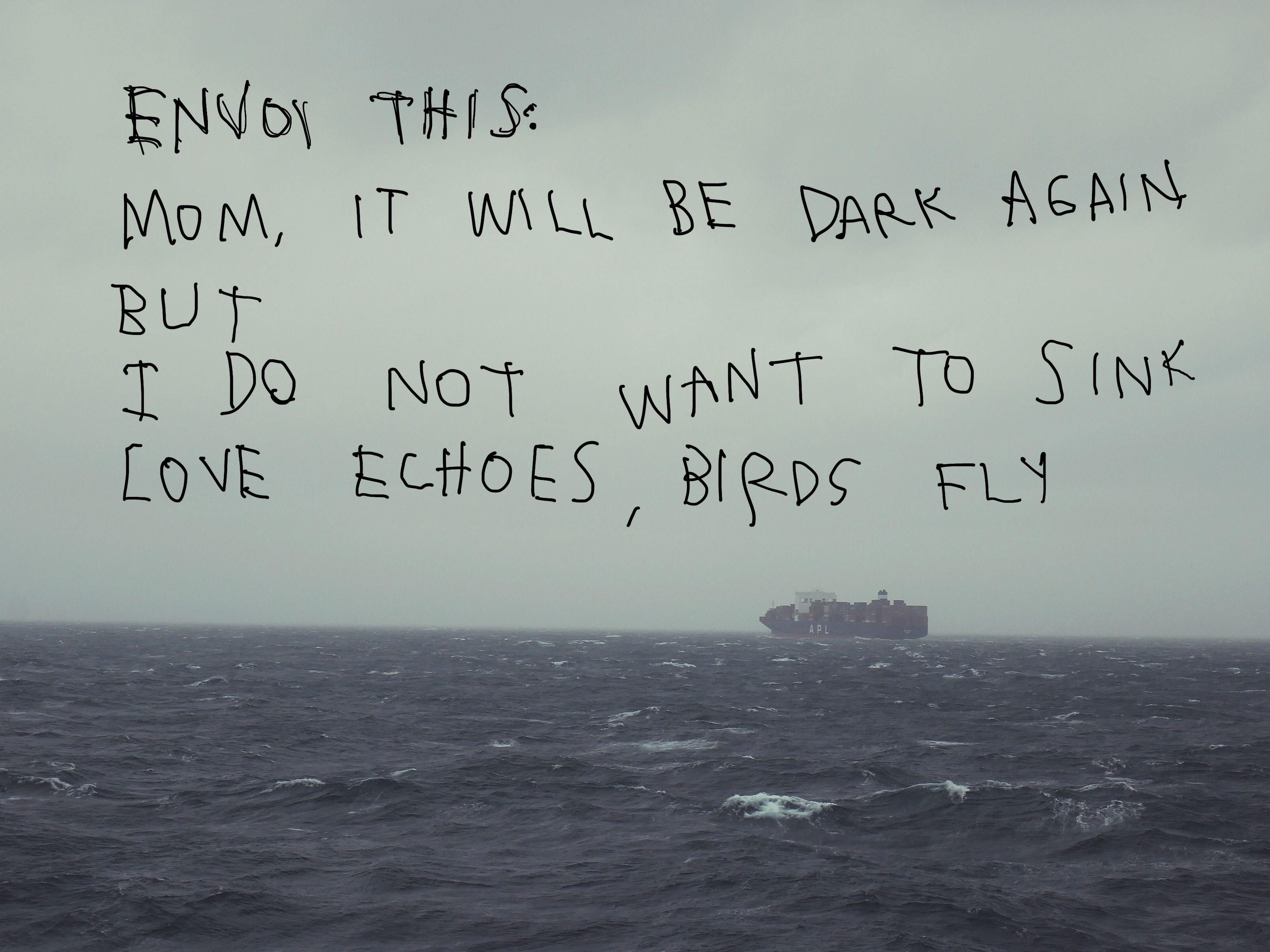

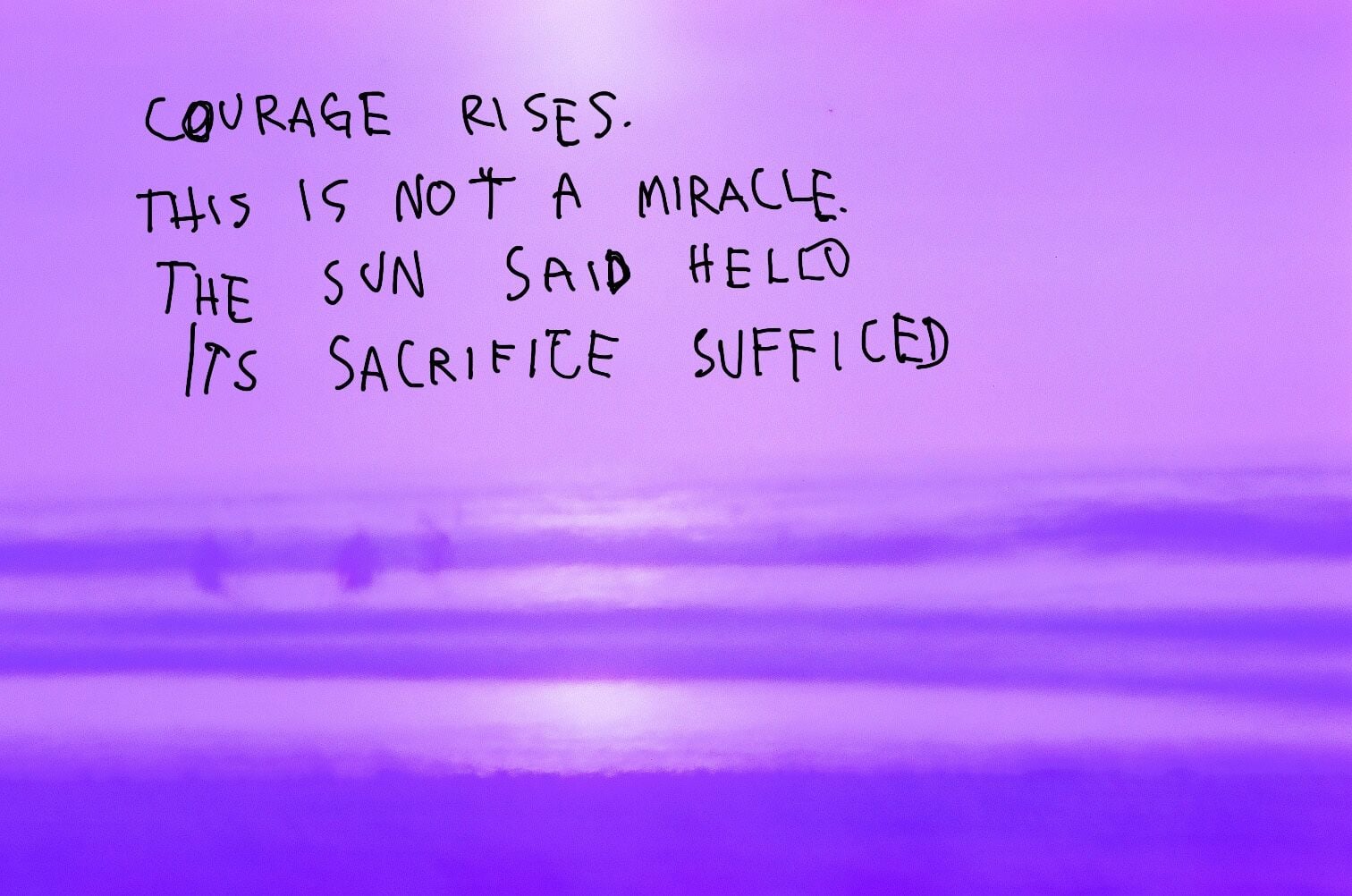
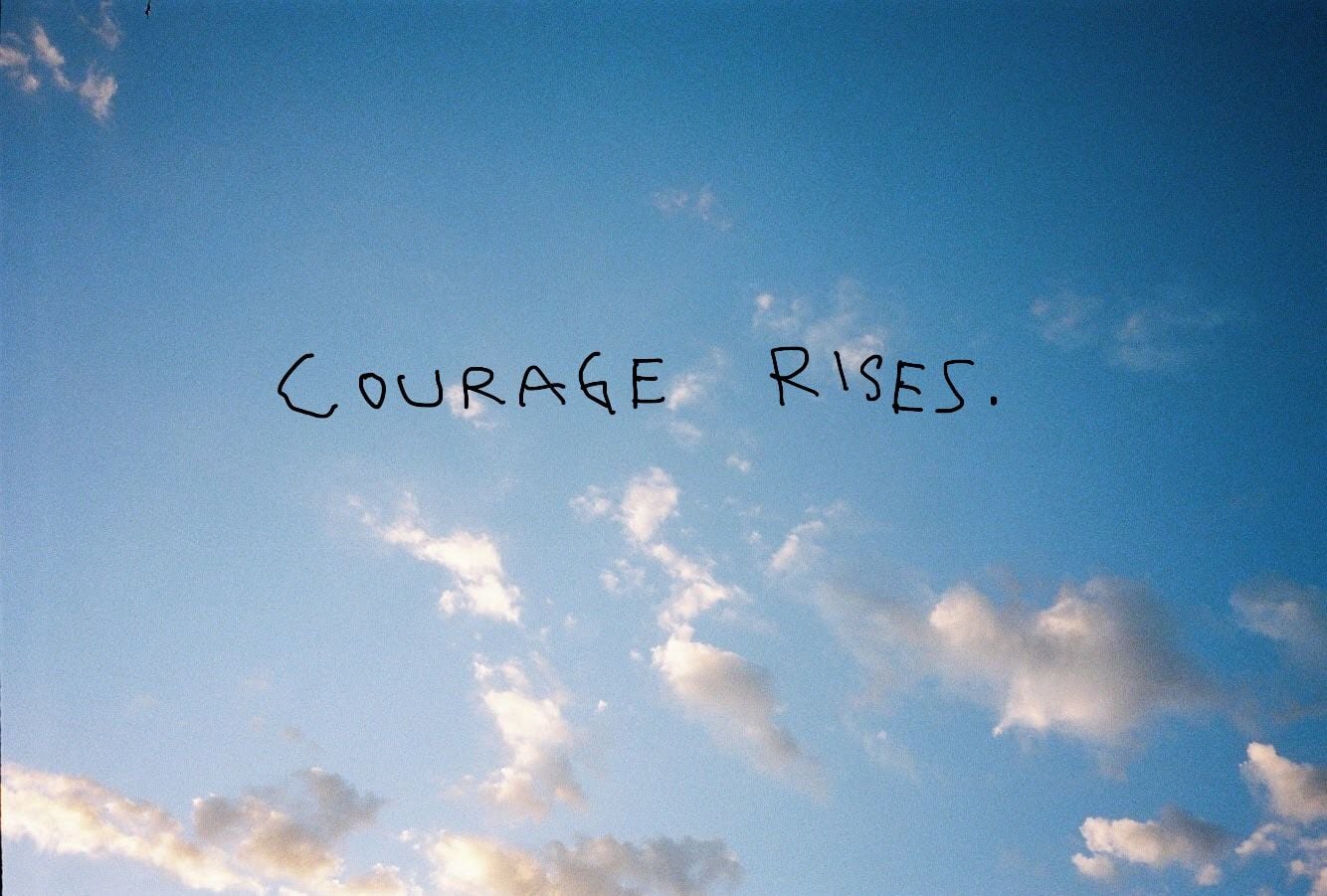
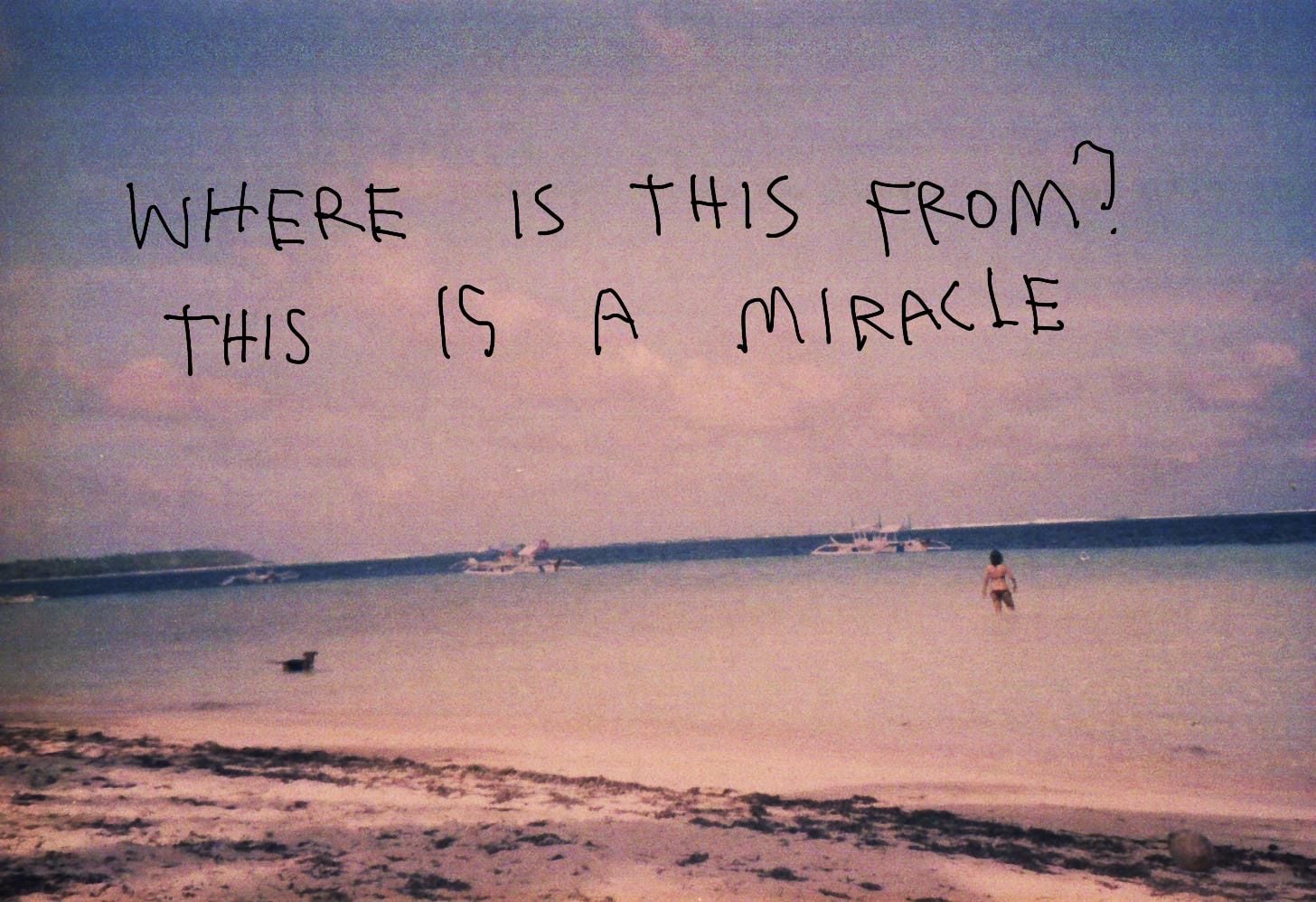
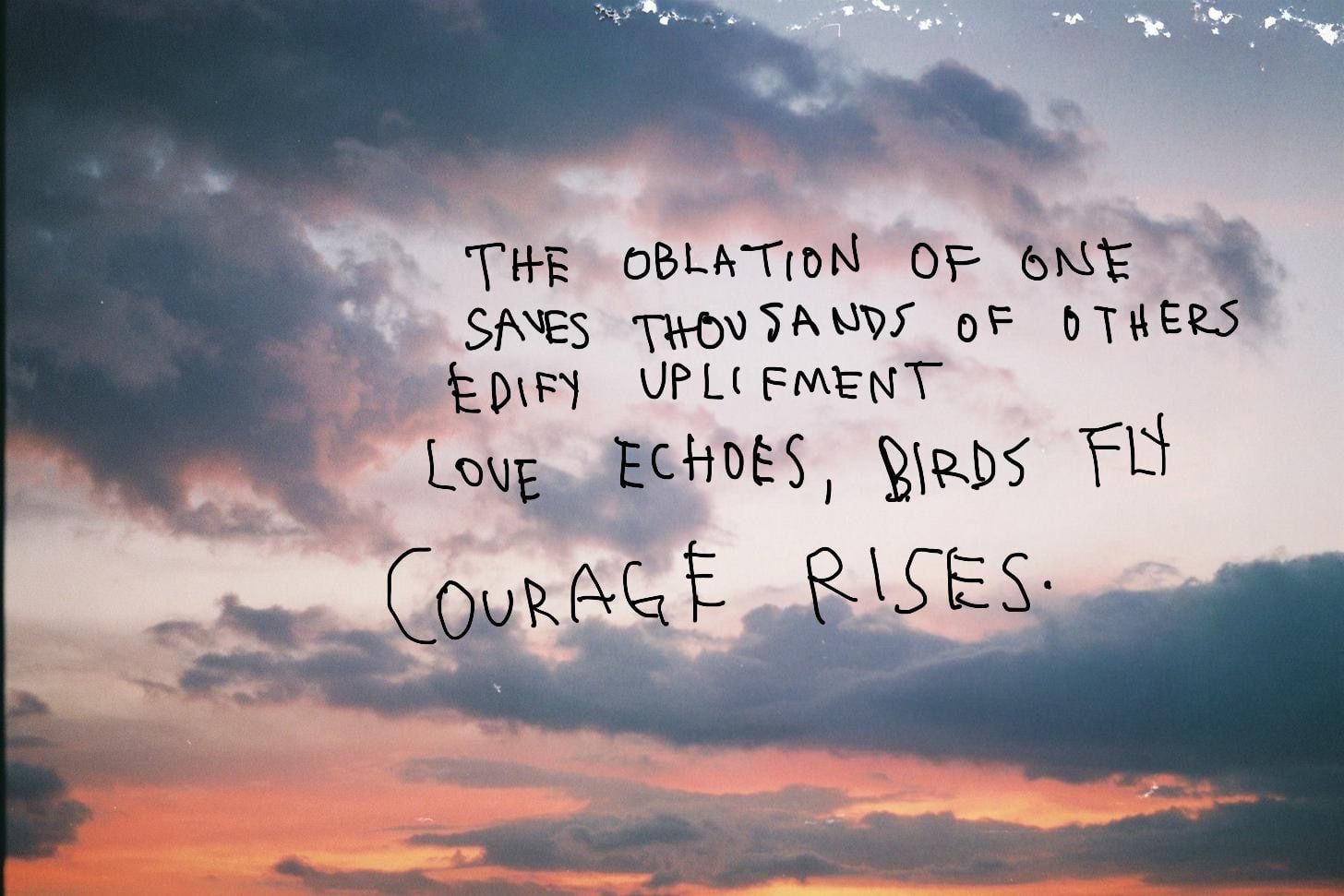
Analogue processes can also increasingly be found in the work of more established Filipino artists. Geloy Concepcion, who moved to the U.S. from Manila in 2017, is best known for his series Things You Wanted To Say But Never Did, begun in 2019. The artist posed that question to his Instagram followers, which led to an outpouring of responses from all over the world, and he scrawled the anonymous confessional texts on repurposed film prints. It is not uncommon for practitioners working with analogue film to straddle both the history of this form of image-making and its future, engaging directly with social media and image-sharing platforms not only in the dissemination of their work but also in its active and ongoing production. Of course, the decision to work with analogue processes presents material challenges. ‘Shooting film is a privilege,’ Concepcion said in an interview in 2023, ‘because if you’re shooting on film it means you can afford to buy film, and also to have it processed and scanned.’
“Shooting film is a privilege”
Film developing and basic photo services can be prohibitively expensive. Statistics from 2023 highlight 15.5 percent of the population of the Philippines being in poverty, primarily in rural areas. Yet Nikki Bonuel, a Filipino photographer and artist (another participant in our 2025 Manila workshops), sees a strong future for analogue photography in the daily life of local artists, in spite of these costs. While some will work with complex cameras, lenses and darkroom setups, Bonuel highlights that it is entirely possible to create images with a pinhole camera built from almost nothing. ‘At the core of all of this is light and an image,’ she says. ‘You can create so many different outcomes out of just those elements.’
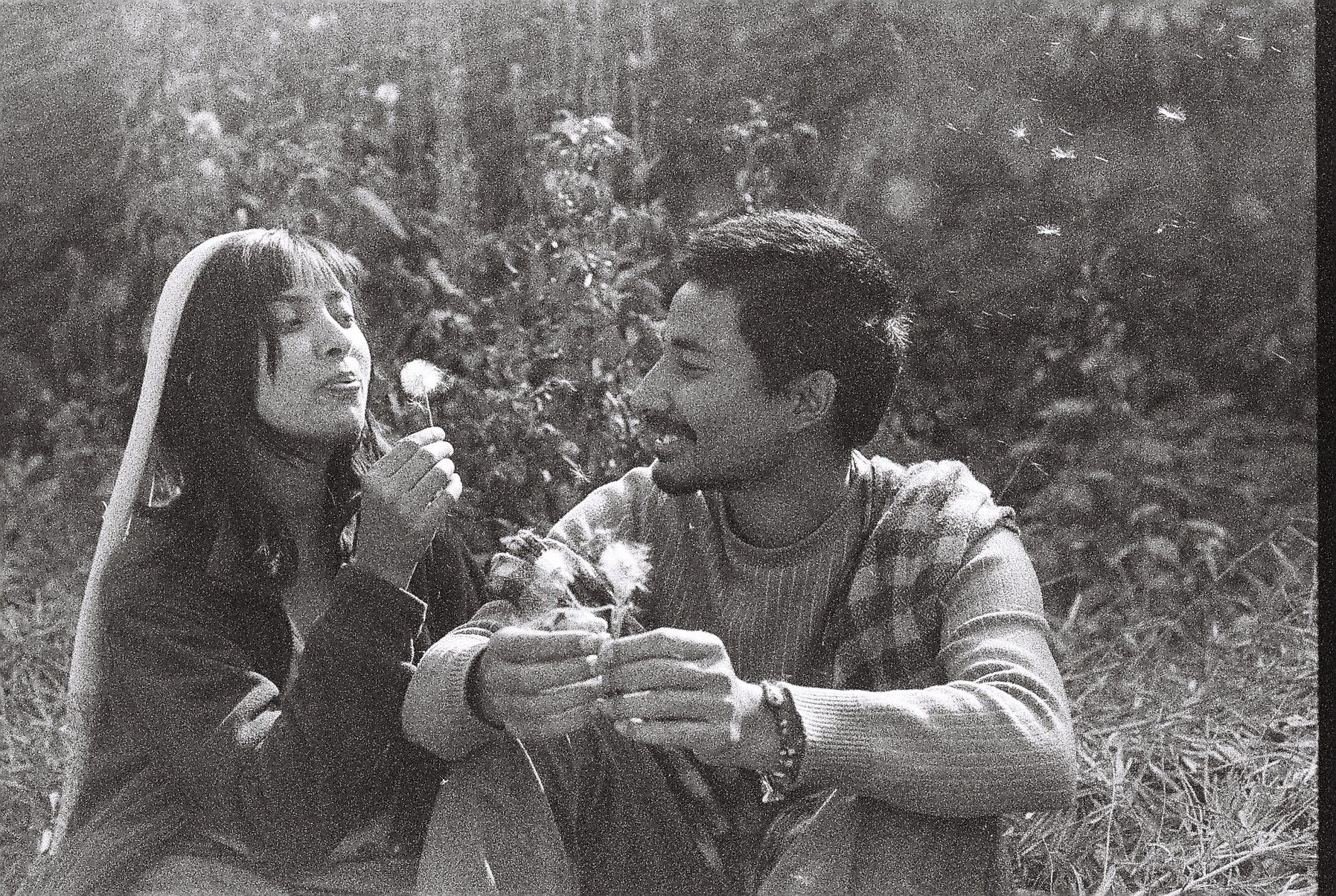
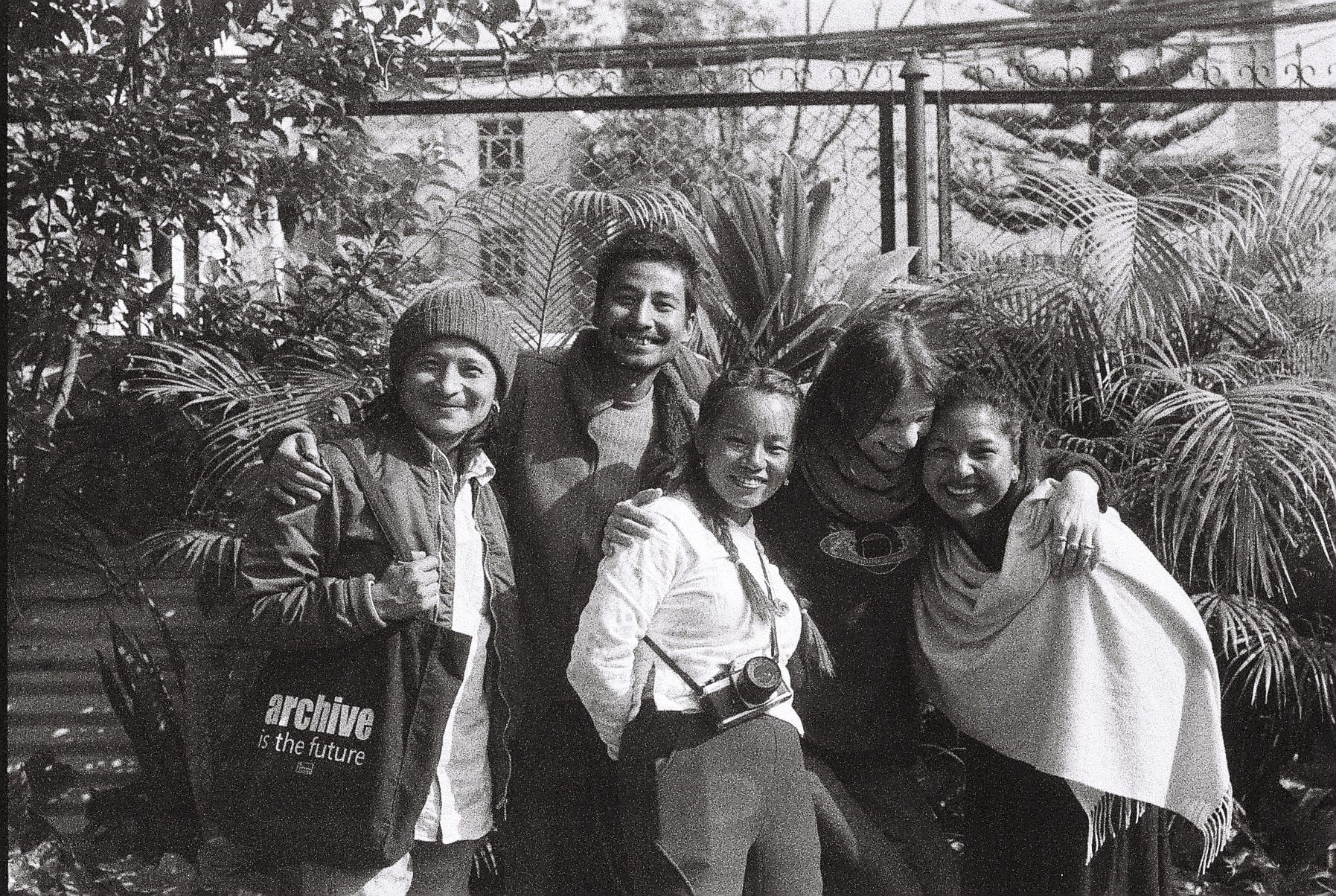
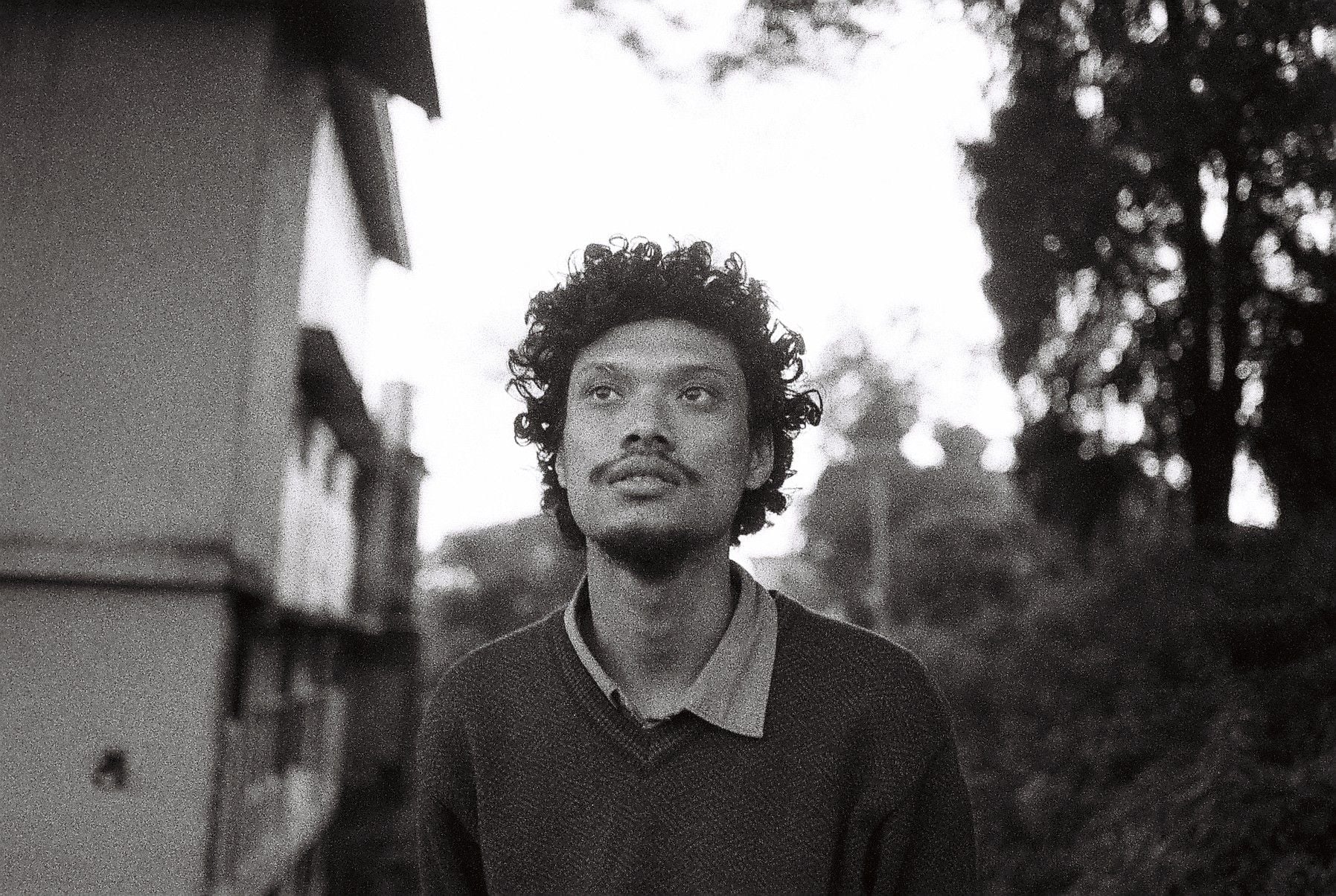


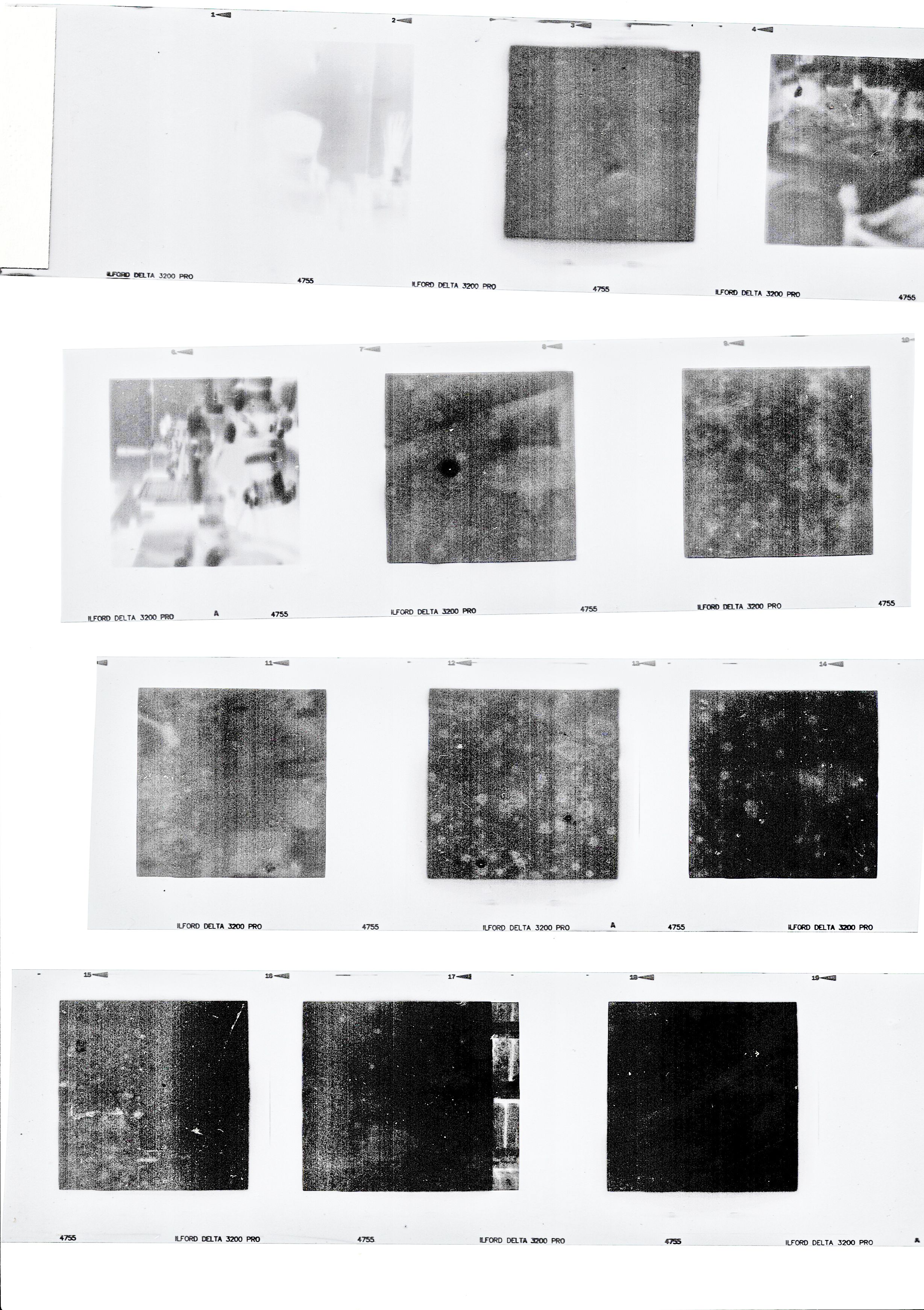
In Kathmandu, Worlds Through Minds has staged group black-and-white film portraiture workshops since 2024. Writer, archivist and artist Biraj Maharjan used an analogue camera for the first time at our December 2025 event. ‘I found its technical aspects surprisingly intuitive,’ he remembers. ‘Combining digital tools like the light meter app with the film camera made the experience even more interesting. During the exercises, the inability to instantly preview our photos encouraged participants to relax and connect more naturally while photographing one another. This mindfulness is what draws many artists back to analogue techniques.’ Kathmandu is often called the ‘city of temples’, a spiritual and popular pilgrimage site for Buddhists and Hindus, where mindfulness coincides with people. Likewise, slow processes in the world of analogue draw artists such as Maharjan back to being present in his daily life in Nepal.
“Tactile processes resonate in South and Southeast Asia because they align with histories of reuse and repair”
Maharjan primarily works as a writer, analysing the history of niche Nepali films. During his time at Worlds Through Minds, he also worked at the Nepal Picture Library (NPL), a digital photo archive run by Photo Circle that strives to create a broad and inclusive visual archive of Nepali social and cultural history. Since its inception in 2011, NPL has collected more than 120,000 photographs from private and organisational sources. According to Maharjan, ‘[That was] where I regularly encountered older photo formats. The use of archives to re-evaluate common narratives and serve as visual evidence is something I intend to continue exploring in my curatorial practice... The act of preservation in art is best passed on to later generations through daily analogue processes of printing, publishing and creating physically bound media in a space.’
Jagadish Upadhya (photographer, darkroom developer, printer and founder of the collective Film Foundry) is one local practitioner bringing the practice of ‘cooking in the darkroom’ into the present day. Speaking to The Kathmandu Post in 2019 about the ‘renaissance’ of film photography, Upadhya said: ‘I think there are more than 50 photographers in Kathmandu currently involved in film photography. They are mostly pursuing it in an ad-hoc manner, but their involvement is still very crucial. Some photographers, who had left the field due to the absence of a darkroom, are also now coming back’.
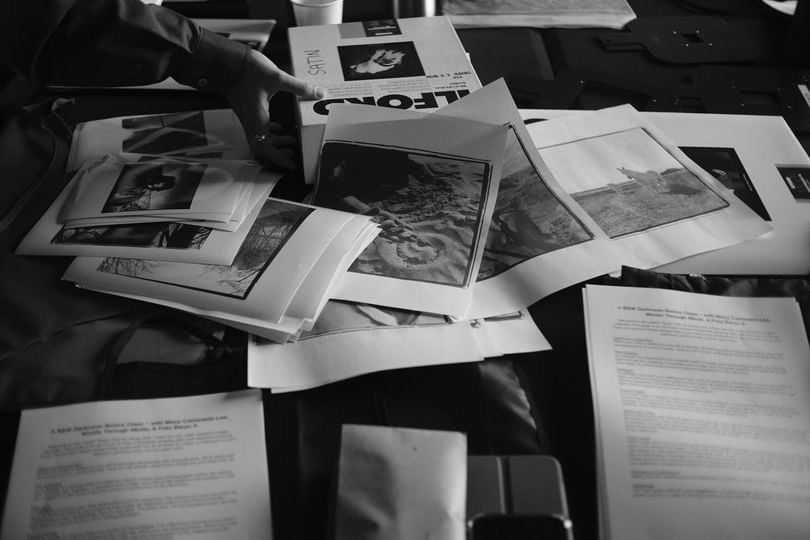
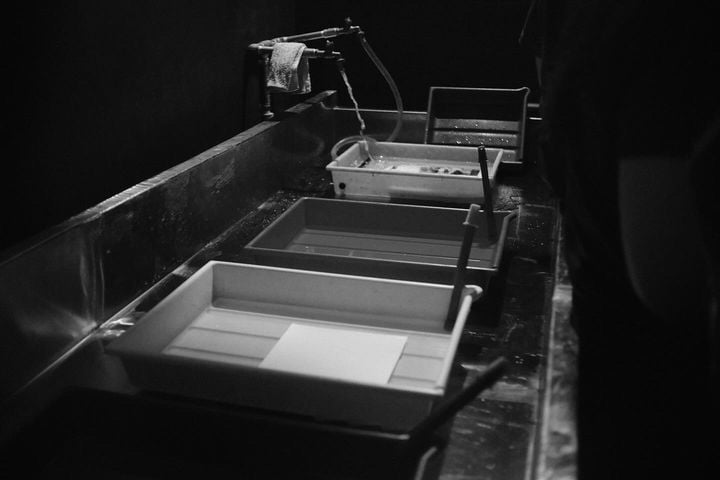
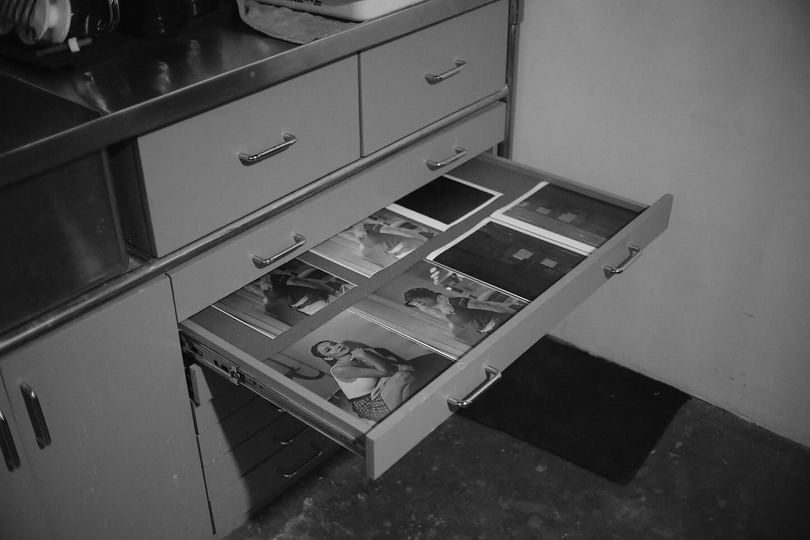
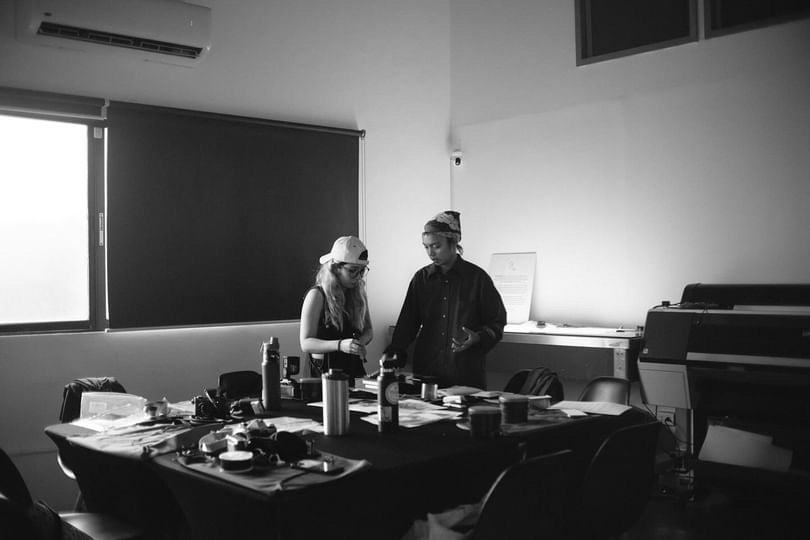
Yawan Rai, an artist, photographer and darkroom printer based in Sikkim, India, runs a fine art printing studio called Studio Tetteluna, which translates to ‘doing something patiently’ in the Rai (Dumi) language. Most of Rai’s work encompasses his environment. ‘I enjoy film photography because it has its limitations,’ he says, pointing to both the discipline and patience that it engenders. ‘We can apply these teachings in our real life, too.’
In today’s culture of convenience and instant gratification—where photography may have been democratised, but image-sharing platforms render the documentation of life and culture mainstream and saturated—the emphasis on speed and immediacy has become a hindrance to the quieter, often meandering progression inherent in art-making. Output is often prioritised over meaning. Analogue processes resist this tendency by encouraging reflection, challenging dominant modes of production, and restoring joy in the act of making itself. These tactile processes resonate in South and Southeast Asia because they align with histories of reuse, repair and working with natural materials, which offer artists a way to resist fast and extractive ways of creating.
Analogue methods go against the pace of digital economies, and their grounding labour rooted in memory and place. This deliberate resistance represents a quiet act of cultural assertion, which reclaims narrative controls, honours domestic knowledge, and makes visible social histories that are all too often flattened or erased. It is exciting to see how artists will continue to reclaim analogue practices in photography amid our ever-evolving digital world. —[O]
Main image: Aia Solis, Disinformation (2022). Multimedia collage and stitching. Courtesy of the Artist.






A respected voice in contemporary art discourse.
Focusing on ambitious storytelling and insightful art-world commentary. Ocula Magazine publishes in-depth interviews, critical essays and timely analysis on the artists, exhibitions and ideas driving the global art world.
Learn more about Ocula Magazine
Showcasing the best of the art world.
Ocula partners with galleries from around the world to highlight their artists, artworks and exhibitions. Gallery membership is by application and invitation, with each member vetted by an independent panel.
Learn more about Ocula Membership
Specialises in the sale of major artworks.
Led by a team with deep ties to the world’s leading auction houses, galleries and collectors. Ocula’s advisory team offers bespoke services to high-net-worth clients from around the world who are looking to acquire the best of contemporary and modern art.
Learn more about our team and services