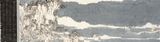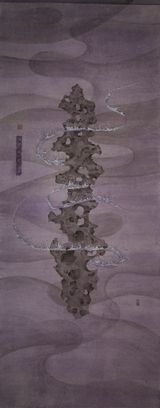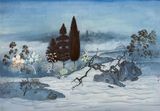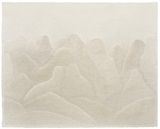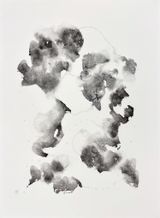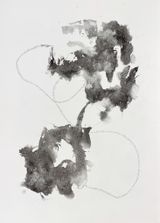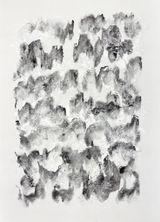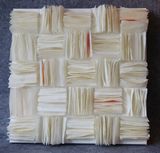




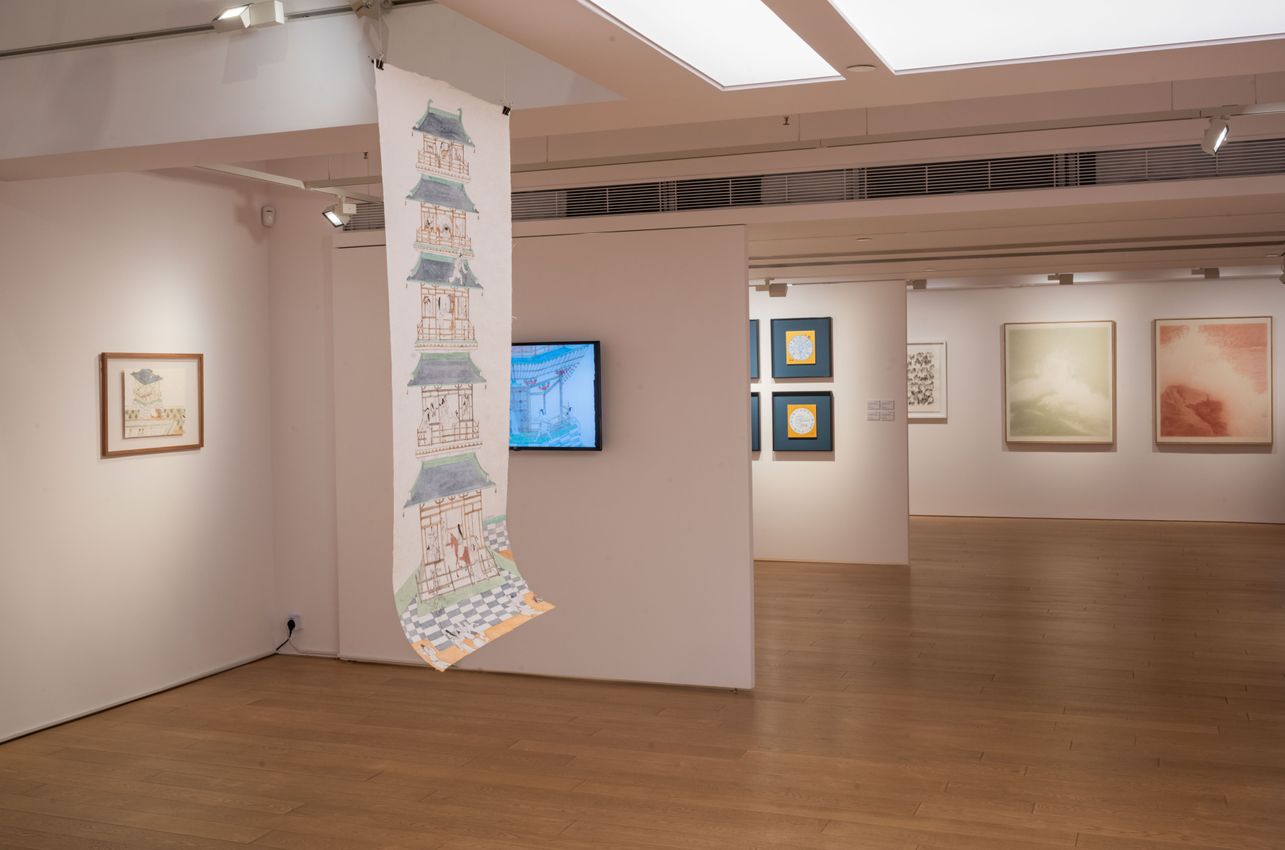
Alisan Fine Arts is delighted to present Tradition Transformed, examining how three generations of artists have negotiated the boundaries between traditional Chinese ink painting and contemporary artistic practice. Through the works of 18 artists, this exhibition traces the evolution of ink art from mid-20th century modernist experiments to present-day innovations. The selected works, organised along the themes of Form, Narrative, and Materiality, demonstrate how artists have both challenged and sustained the philosophical and aesthetic foundations of the ink medium.
Form
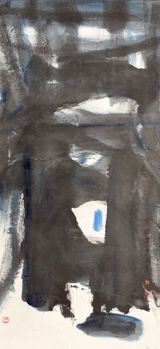
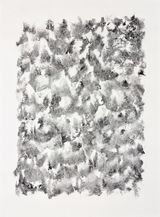
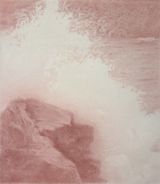
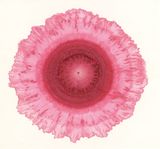
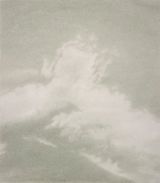
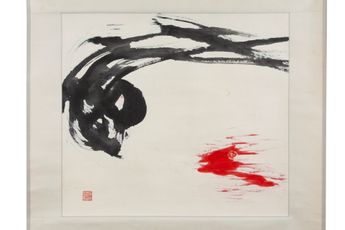
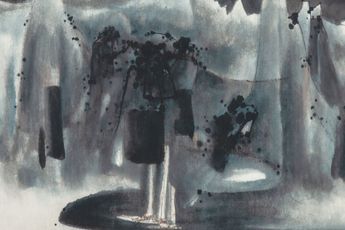
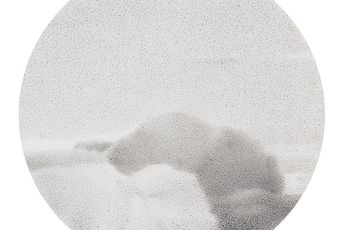
****The evolution towards abstract forms in Chinese ink art began in the 1950s with pioneering movements like Taiwan’s Fifth Moon Group and Lui Shou-kwan’s New Ink Movement in Hong Kong. A student of Lui, Irene Chou developed her signature abstract style from blending Abstract Expressionism methods with Chinese philosophical principles. In New York, Chao Chung-hsiang merged American Abstractionist influences with traditional subjects - flowers, fish, birds, and cosmic elements—through his gestural abstraction in ink and acrylic, weaving together a unique synthesis of Eastern and Western artistic vocabularies. Chiang Yomei’s abstract forms emerge from the void like natural phenomena. Her work explores the impermanent nature of reality and the infinite possibilities within transformation. As she notes, “All phenomena exist in a state of continuous flux, without fixed identity—from our physical selves to our thoughts and sensory experiences.” In contrast, French-trained Shan Weijun takes a more subtle approach to reimagining traditional landscape, deconstructing countryside scenes through monochrome ink dots inspired by Pointillism and Impressionism. Similarly exploring the potential of dots, Nan Qi transposes Pop Art strategies onto traditional Chinese subjects, establishing the “ink dot” as his foundational visual language.
Narrative
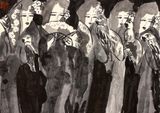
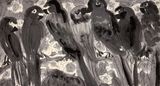
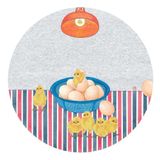
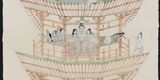
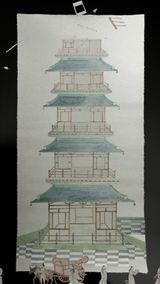
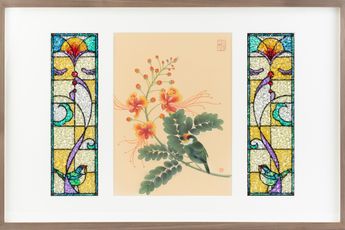
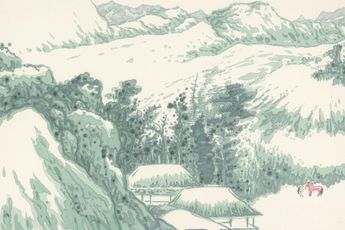
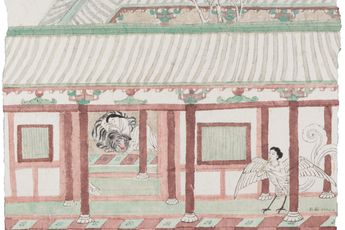
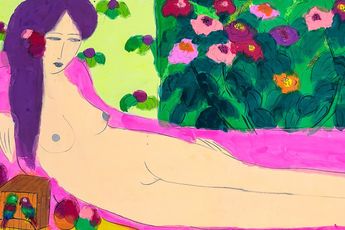
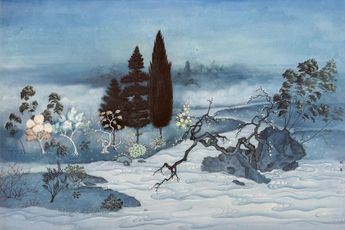
****For centuries, Chinese artists have told stories in paintings that promote political and cultural agendas or communicate personal thoughts. Walasse Ting continues the narrative tradition through his vibrant depictions of women, animals, and nature, synthesising Western influences including Abstract Expressionism and Pop Art with his Chinese artistic roots. Masters of gongbi painting Xu Lei and Peng Wei each bring distinct perspectives to storytelling—Xu through his engagement with Renaissance principles, while Peng reinterprets traditional narratives through a contemporary feminine lens. Zhang Ying draws from the spiritual essence of landscape painting tradition, creating meditative spaces that bridge the present and the metaphysical. Also working in meticulous gongbi style, Zhang Xiaoli creates scenes that blur the boundaries between primordial and futuristic, informed by both mysticism and scientific concepts. Similarly bridging traditional and contemporary, Angel Hui and Cherie Cheuk invigorate classical techniques through their incorporation of modern life and popular culture.
Materiality
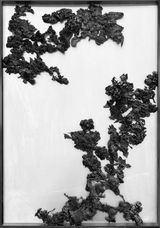
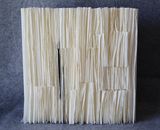
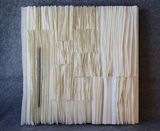
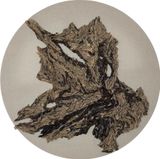
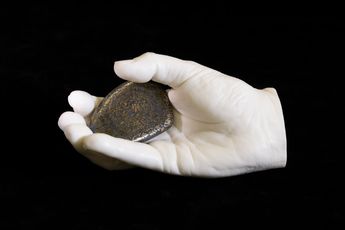
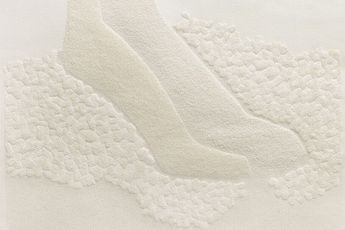
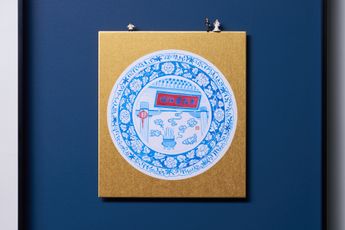
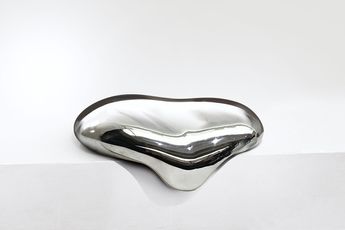
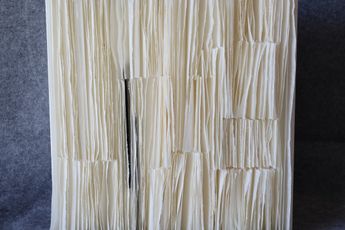
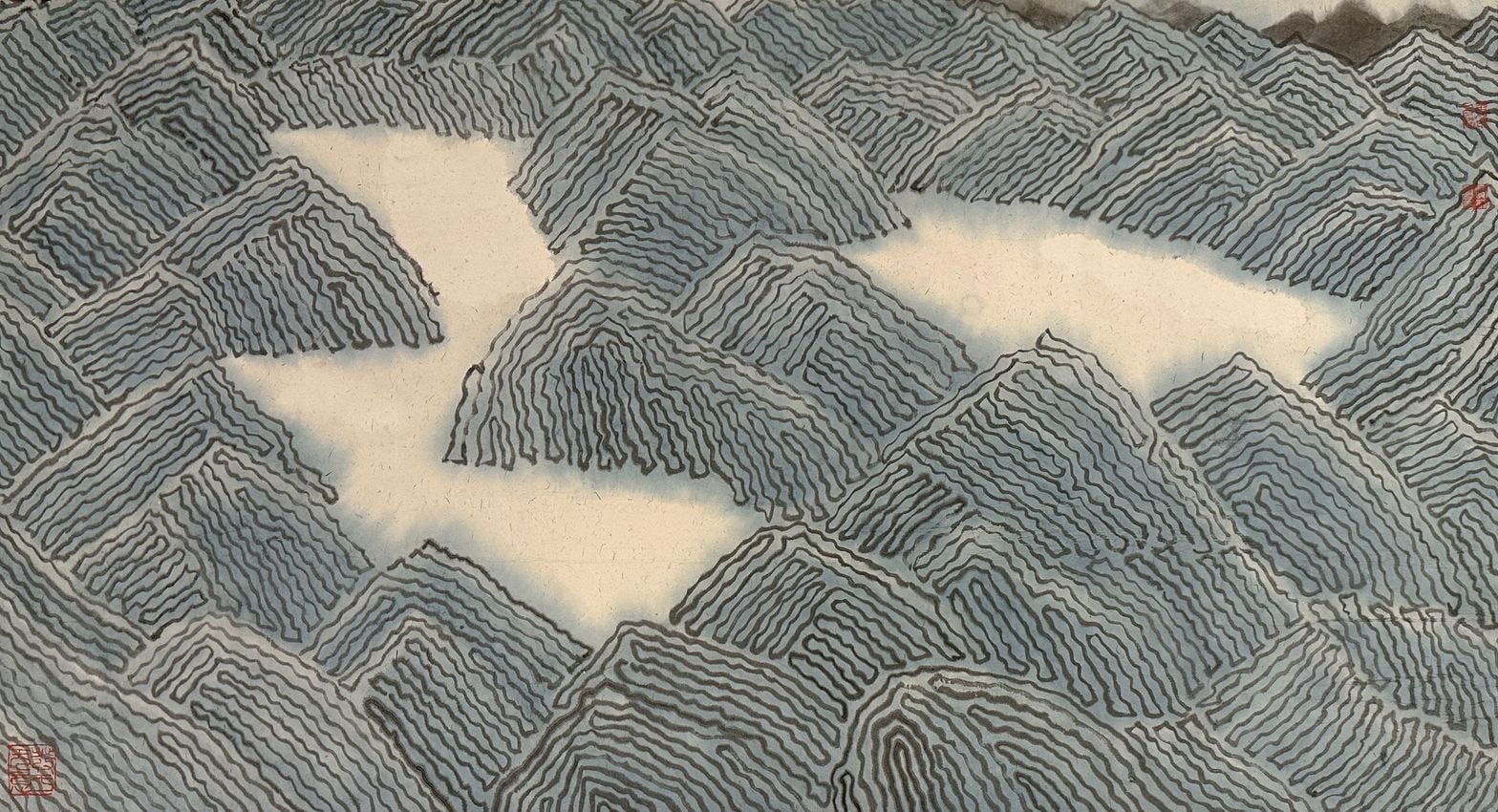
****Wang Tiande takes a radical approach to his landscape works, using incense to burn outlines into paper. When mounted with painted ink and mineral colour landscapes, the multilayered effect creates a fascinating melding of traditional and new techniques. Fu Xiaotong’s mastery of Xuan paper reveals the material’s inherent strength and versatility. Using only a needle, she creates undulating, semi-abstract landscapes through countless perforations, each work transforming as viewers shift their perspective. Kelly Wang also uses paper—both traditional Xuan paper as well as contemporary newsprint. She soaks them in liquid acrylic and rolls them into a malleable thread; for the work in our exhibition her subject matter is a piece of driftwood—a contemporary take on the literati tradition of contemplating nature. Shi Qi creates dimensional paintings by building layers of painted rice paper on canvas, developing a unique vocabulary that bridges painting and sculpture. Similarly, Danny Lee’s three-dimensional works translate ink aesthetics into contemporary sculptural forms, exploring the intersection of traditional philosophy and modern materiality through his careful manipulation of space and form.


Co-founded in the 1980s by Alice King, Alisan Fine Arts is Hong Kong’s longest-standing contemporary gallery, celebrated for its trailblazing promotion of Chinese contemporary art and New Ink art. The gallery has consistently championed artists from the Greater China region and Chinese diaspora, making an impact on cross-cultural dialogues and global appreciation of diverse artistic expressions.
A respected voice in contemporary art discourse.
Focusing on ambitious storytelling and insightful art-world commentary. Ocula Magazine publishes in-depth interviews, critical essays and timely analysis on the artists, exhibitions and ideas driving the global art world.
Learn more about Ocula Magazine
Showcasing the best of the art world.
Ocula partners with galleries from around the world to highlight their artists, artworks and exhibitions. Gallery membership is by application and invitation, with each member vetted by an independent panel.
Learn more about Ocula Membership

Specialises in the sale of major artworks.
Led by a team with deep ties to the world’s leading auction houses, galleries and collectors. Ocula’s advisory team offers bespoke services to high-net-worth clients from around the world who are looking to acquire the best of contemporary and modern art.
Learn more about our team and services