


ROBERT MAPPLETHORPE
1946-1989, United StatesRobert Mapplethorpe (1946–1989) was an American photographer known for meticulously composed black-and-white images charted new territory in the depiction of the body, desire, and identity. Working with medium- and large-format cameras, Mapplethorpe applied a cool, classical rigour to subjects ranging from floral still lifes and sculptural torsos to explicit scenes drawn from New York‘s gay leather and S&M subculture. His work, poised between formal refinement and transgression, became central to the late-20th-century debates around censorship, public funding, and queer visibility.
Early Life and Practice
Born in Queens, New York, Mapplethorpe studied at Pratt Institute in Brooklyn, initially experimenting with drawing, collage, and mixed media. In the early 1970s he turned to photography, first using a Polaroid camera before adopting medium-format systems that allowed for the square, highly controlled compositions that came to define his style. From the outset, Mapplethorpe’s practice moved between art, music, and underground nightlife: he photographed close friends and collaborators, including Patti Smith, whose image he shot for the cover of her 1975 album Horses, alongside artists, musicians, and figures from the New York club scene.
Subjects, Style, and Themes
Mapplethorpe’s photographs are marked by precise lighting, tightly staged compositions, and a sculptural attention to form. His work encompasses:
- Portraits of friends, lovers, and cultural figures, framed with the same measured clarity as his still lifes and nudes.
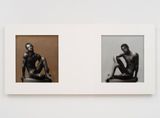
- Nude studies and S&M imagery that document and aestheticise the New York gay leather scene, pushing against prevailing norms of decency and representation.
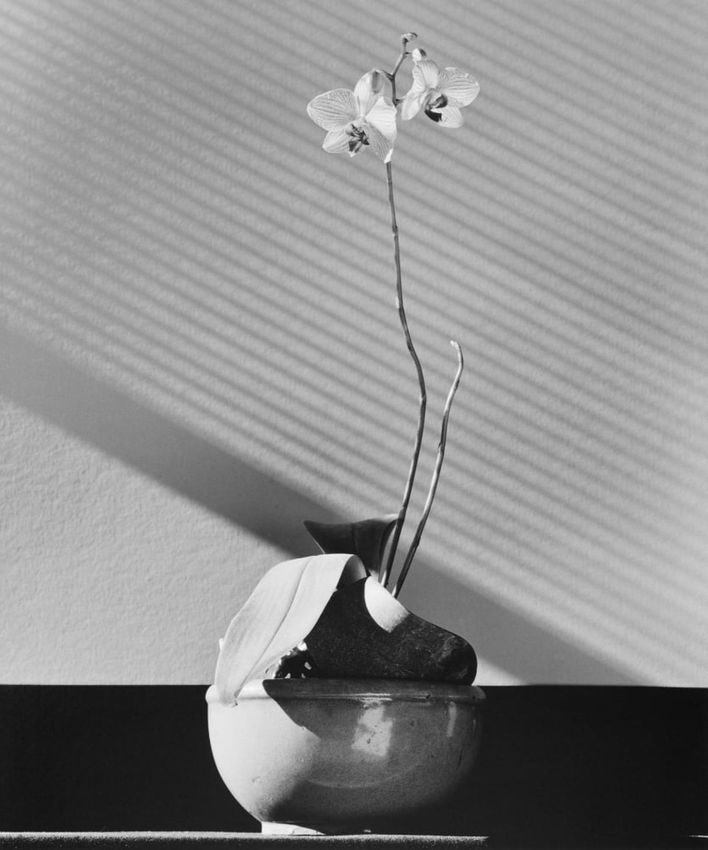
- Floral still lifes in which flowers are isolated against dark grounds, their stems and petals treated as sensuous, almost architectural forms.
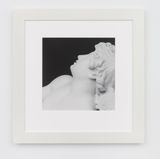
- Images of classical statuary and sculptural fragments, which establish an explicit dialogue between the idealised bodies of antiquity and his contemporaneous portraits and nudes.
Across these bodies of work, Mapplethorpe tested how beauty, power, and taboo circulate in images, aligning photographic practice with questions of identity, desire, and control.
Controversy and Reception
In the late 1980s Mapplethorpe became an emblematic figure in US culture wars. The touring exhibition Robert Mapplethorpe: The Perfect Moment, organised shortly before his death, triggered intense debate around obscenity, public funding, and the role of museums when it was shown at institutions receiving support from the National Endowment for the Arts. Legal challenges and political backlash placed his work at the centre of arguments about freedom of expression, the representation of queer sexuality, and the responsibilities of public cultural institutions.
Foundation and Legacy
Following his death in 1989, the Robert Mapplethorpe Foundation was established to manage the artist’s estate and support photography and HIV/AIDS-related causes. The Foundation continues to work with museums and galleries worldwide, lending works and co-organising exhibitions that reassess Mapplethorpe’s legacy in relation to contemporary debates on gender, race, sexuality, and the history of photography. His photographs are now held in major collections, including the Whitney Museum of American Art, the Solomon R. Guggenheim Museum, the Los Angeles County Museum of Art, and numerous European institutions, and remain a touchstone for artists and photographers exploring the politics of the body and desire.
Selected Recent and Major Exhibitions
Mapplethorpe’s work continues to be the subject of retrospectives, focused studies, and curated projects worldwide. Recent highlights include:
- Robert Mapplethorpe: Le forme del classico, Venice, Italy (10 April 2025–6 January 2026), a large exhibition examining his engagement with classical sculpture and ideals of beauty.
- Robert Mapplethorpe. The Forms of Desire, Palazzo Reale, Milan, Italy (29 January–17 May 2026), a major retrospective featuring more than 200 works spanning his career.
Collections and Influence
Through his synthesis of classical form and contemporary subject matter, Mapplethorpe helped redefine the possibilities of photographic portraiture and the nude. His images continue to inform discussions of queer aesthetics, fashion and editorial photography, and the ethics of looking, and remain a critical reference point for artists working at the intersection of desire, power, and representation.
Robert Mapplethorpe FAQs
What is Robert Mapplethorpe best known for?
Robert Mapplethorpe is best known for his highly staged black-and-white photographs that combine classical composition with provocative subject matter. His work ranges from portraits of artists and cultural figures to explicit images from New York’s gay S&M scene, as well as formal floral still lifes and studies of classical sculpture.
Why was Robert Mapplethorpe’s work so controversial?
Robert Mapplethorpe’s photographs became a flashpoint in late-1980s US culture wars because of their explicit sexual content and depictions of queer desire. The touring exhibition “Robert Mapplethorpe: The Perfect Moment” sparked intense debate about obscenity, public arts funding, and the role of museums, and is often cited as a key moment in discussions about censorship and freedom of expression in contemporary art.
Who did Robert Mapplethorpe photograph?
Robert Mapplethorpe photographed a wide circle of friends, lovers, and prominent cultural figures. These include musician Patti Smith (whose portrait appears on the cover of her album “Horses”), artists, writers, curators, and members of the New York underground. He is equally known for anonymous or partly anonymised models in his nude and S&M work, where the body is treated as a sculptural object.
What are the main themes in Robert Mapplethorpe’s photography?
Recurring themes in Robert Mapplethorpe’s work include the relationship between beauty and taboo, the idealised body, eroticism and power, and the dialogue between contemporary life and classical ideals. His consistent use of studio lighting, tight framing, and balanced compositions gives even his most explicit images a sense of order and formality, prompting questions about how photography aestheticises and controls desire.
Where can I see Robert Mapplethorpe’s work today?
Robert Mapplethorpe’s photographs are held in major museum collections worldwide, including leading American and European institutions, and continue to appear in retrospectives, focused thematic shows, and gallery exhibitions. The Robert Mapplethorpe Foundation also works with museums and galleries internationally to organise exhibitions and loans, so his work is regularly on view in different cities.
Ocula | 2026



View Robert Mapplethorpe's Artworks




























Explore and Follow Artists Shaping Contemporary Art
A respected voice in contemporary art discourse.
Focusing on ambitious storytelling and insightful art-world commentary. Ocula Magazine publishes in-depth interviews, critical essays and timely analysis on the artists, exhibitions and ideas driving the global art world.
Learn more about Ocula Magazine
Showcasing the best of the art world.
Ocula partners with galleries from around the world to highlight their artists, artworks and exhibitions. Gallery membership is by application and invitation, with each member vetted by an independent panel.
Learn more about Ocula Membership
Specialises in the sale of major artworks.
Led by a team with deep ties to the world’s leading auction houses, galleries and collectors. Ocula’s advisory team offers bespoke services to high-net-worth clients from around the world who are looking to acquire the best of contemporary and modern art.
Learn more about our team and services