




CAROL BOVE
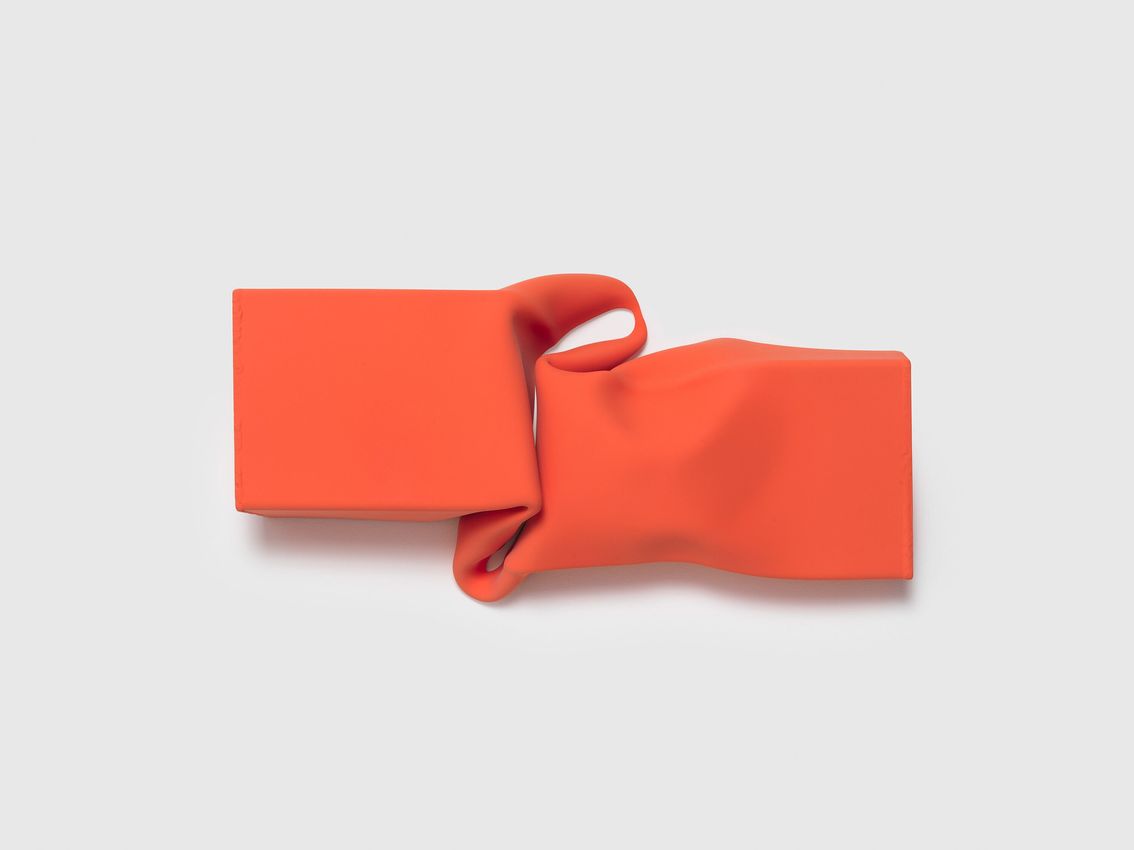
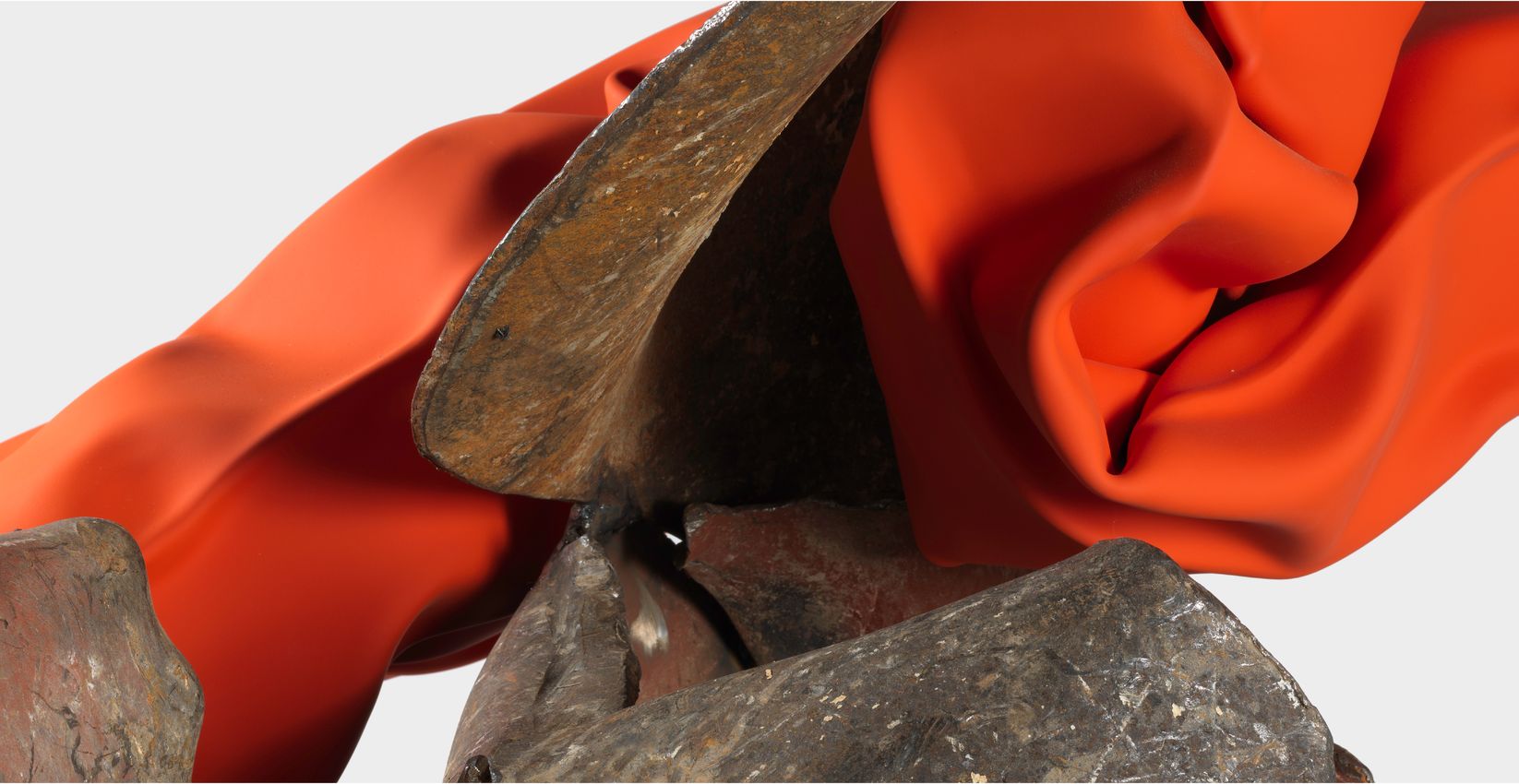
b. 1971, SwitzerlandCarol Bove (b. 1971, Geneva) is an American artist known for sculptures that transform heavy industrial materials into forms of surprising lightness and poise. Working primarily with twisted and crushed steel tubing combined with materials such as concrete, wood, and scrap metal—often finished in vivid automotive paints—she creates works that oscillate between formal abstraction and an improvisational, gestural language.
In 2026, Solomon R. Guggenheim Museum in New York dedicated its space to a significant museum survey of Bove’s work, occupying the museum’s iconic rotunda and tracing 25 years of her practice.
Early life and career
Born in Geneva and raised in California, Carol Bove later settled in New York, where she has lived and worked for much of her career. She studied at New York University in the early 1990s and emerged in the late 1990s and early 2000s with installations that combined sculptural objects, display structures, and carefully chosen books and images, establishing an early interest in how context shapes the meanings of objects. Examples include The Golden Age (2002) and The Homonym (2007), both of which examined legacies of modernism and 1960s counterculture through the lens of domestic space and exhibition design.
From intimate assemblages to monumental sculpture
As her practice developed, Bove expanded from intimate assemblages and shelving-based works to larger sculptural formats, gradually moving toward outdoor and institutional presentations that highlighted the relationship between sculpture, architecture, and landscape.
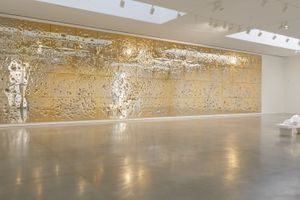
By the early 2010s, Bove had shifted toward large-scale abstract sculpture, advancing her use of industrial materials. Fabricating from steel I-beams, tubular sections, and plates, she cuts, crushes, folds, and welds these elements into compositions that appear simultaneously monumental and supple. Often painted in vivid automotive colours—orange, turquoise, deep black—the works blur distinctions between structure and gesture. Her Caterpillar series (High Line, 2013) and Lingam (City Hall Park, 2015) exemplify her attention to architectural and urban context, while outdoor installations at The Contemporary Austin (2016–17) and the façade of the Metropolitan Museum of Art (The Séances Aren’t Helping, 2021) demonstrate her ability to activate public and institutional spaces.
Materials and Method
Bove refers to many of her recent pieces as “collage sculptures,” a term that encapsulates her working process. She assembles found industrial fragments—pipes, plates, scraps—without preparatory sketches, allowing forms to evolve through improvisation. This hands-on method contrasts with the precision often associated with modernist steel sculpture, introducing flexibility and accident into the language of fabrication. While her work recalls figures such as David Smith or Anthony Caro, she departs from their legacy through her emphasis on colour, surface detail, and compositional rhythm rather than pure structural logic.
Bove also pays close attention to display: plinths, armatures, and architectural settings are treated as active components rather than neutral supports. Whether working on a museum façade, in a sculpture park, or within a tightly choreographed gallery environment, she uses these contexts to test how perception shifts as viewers move through space.
Themes and Context
Throughout her career, Bove has investigated how meaning accrues in materials and how histories—personal and cultural—can be reactivated through form. Her early installations referenced 1970s spiritualism and feminism; her later abstractions translate those ideas into a purely visual vocabulary, sustaining an undercurrent of introspection and transformation. The tension between heaviness and apparent fragility runs through her practice, encouraging viewers to reconsider the emotional charge of industrial material.
Exhibition highlights
Bove’s international profile has been shaped by key presentations, including Documenta 13 (Kassel, 2012), the 57th Venice Biennale (2017), and her landmark outdoor commissions in New York. In March 2026, the Solomon R. Guggenheim Museum will open Carol Bove, her first full museum survey, curated by Katherine Brinson. Installed throughout Frank Lloyd Wright’s rotunda, the show traces a 25-year evolution—from intimate, text-inflected installations to monumental steel abstractions—and includes new spatial interventions that underscore her ongoing engagement with exhibition architecture.
Recognition and Collections
Bove’s sculptures are held in major collections such as Glenstone, the Museum of Modern Art (New York), Tate (London), and the Centre Pompidou (Paris). She has exhibited with Gagosian and David Zwirner and is regarded as a key voice in reimagining modernist sculpture for the contemporary moment. Her work has prompted renewed discussion of materiality, intuition, and the expressive possibilities of form in public space.
Carol Bove FAQs
What is Carol Bove best known for?
Carol Bove is best known for her large-scale abstract sculptures made from crushed and folded steel tubing, plates, and found metal, often finished in bright automotive paint. These works create a striking contrast between industrial materials and a sense of elegance or fragility, and are frequently installed outdoors or in architecturally distinctive spaces.
What themes does Carol Bove explore in her work?
Bove’s work explores themes of materiality, historical memory, and the ways display and context shape meaning. She draws on the legacies of modernism, minimalism, and 1960s counterculture while using improvisational methods to keep her sculptures open to multiple interpretations.
What is notable about Carol Bove’s Guggenheim exhibition?
Opening in March 2026, Bove’s Guggenheim exhibition is her first museum survey and the largest presentation of her work so far, occupying the museum’s entire rotunda. The show spans 25 years of her practice, from early drawings and installations to recent monumental ‘collage sculptures’ and will include architectural interventions that respond to the building’s spiraling space.
How does Carol Bove make her ‘collage sculptures’?
Carol Bove constructs her ‘collage sculptures’ by assembling, crushing, and welding steel elements—often using scrap or prefabricated components—into complex compositions. Working largely without preparatory drawings, she adjusts and reworks each piece in the studio until a precise yet unexpected balance of form, colour, and negative space emerges.
Ocula | 2026










Explore and Follow Artists Shaping Contemporary Art
A respected voice in contemporary art discourse.
Focusing on ambitious storytelling and insightful art-world commentary. Ocula Magazine publishes in-depth interviews, critical essays and timely analysis on the artists, exhibitions and ideas driving the global art world.
Learn more about Ocula Magazine
Showcasing the best of the art world.
Ocula partners with galleries from around the world to highlight their artists, artworks and exhibitions. Gallery membership is by application and invitation, with each member vetted by an independent panel.
Learn more about Ocula Membership
Specialises in the sale of major artworks.
Led by a team with deep ties to the world’s leading auction houses, galleries and collectors. Ocula’s advisory team offers bespoke services to high-net-worth clients from around the world who are looking to acquire the best of contemporary and modern art.
Learn more about our team and services