Press Release

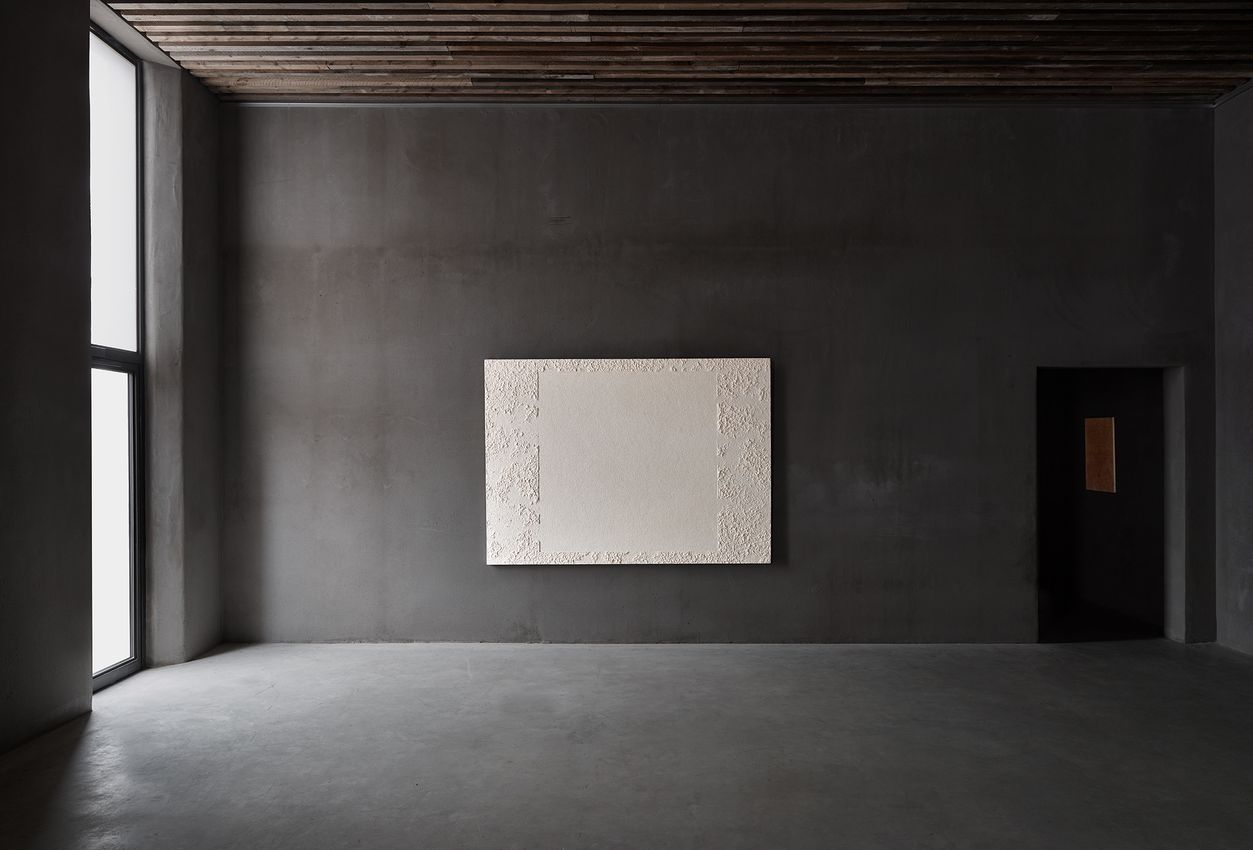
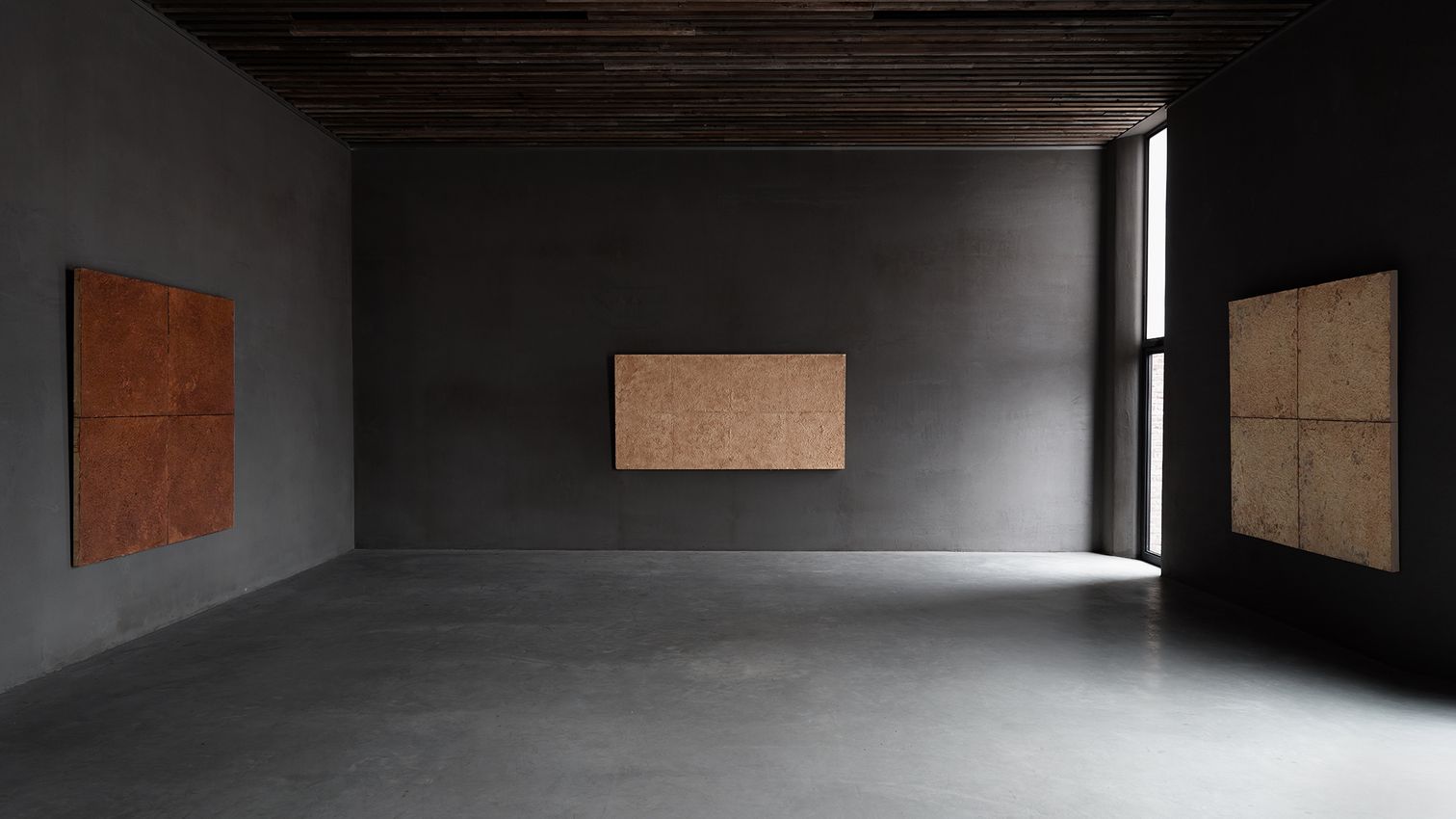
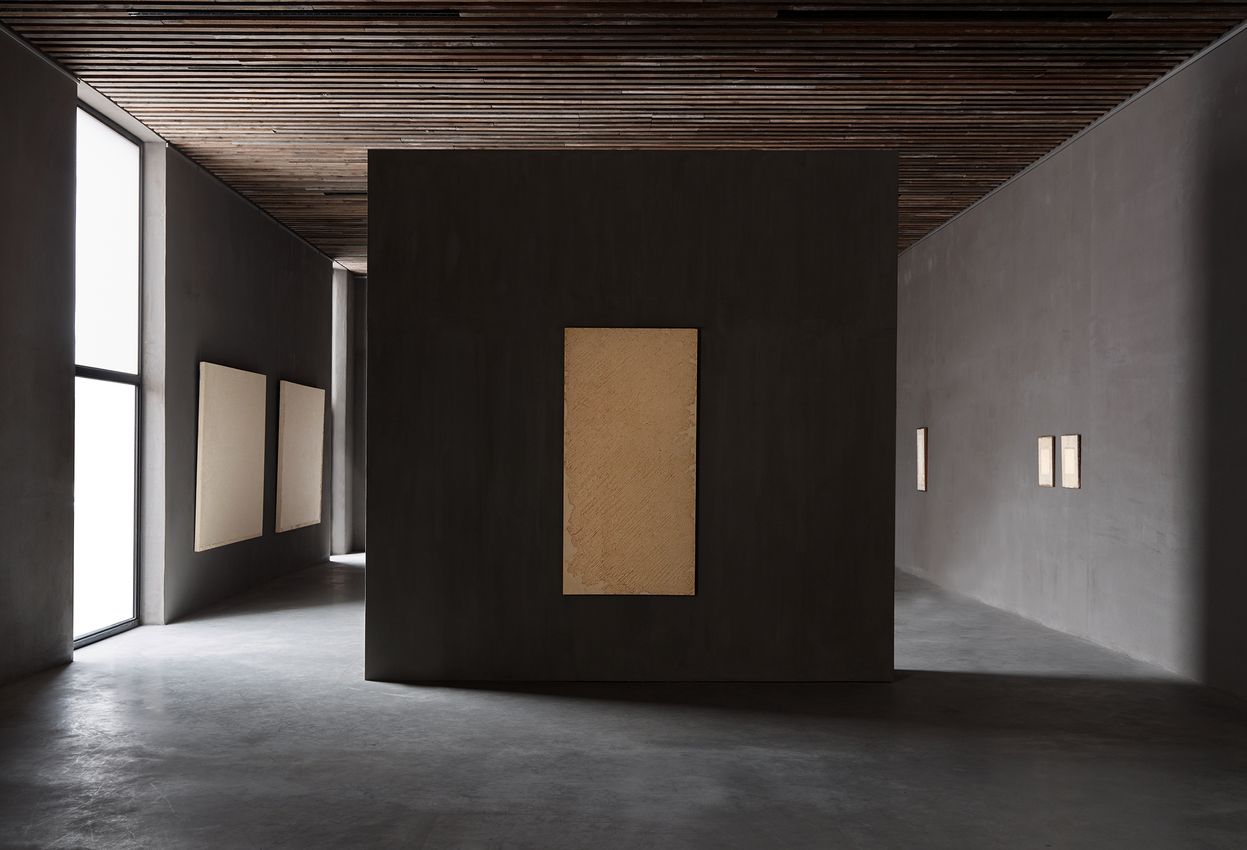
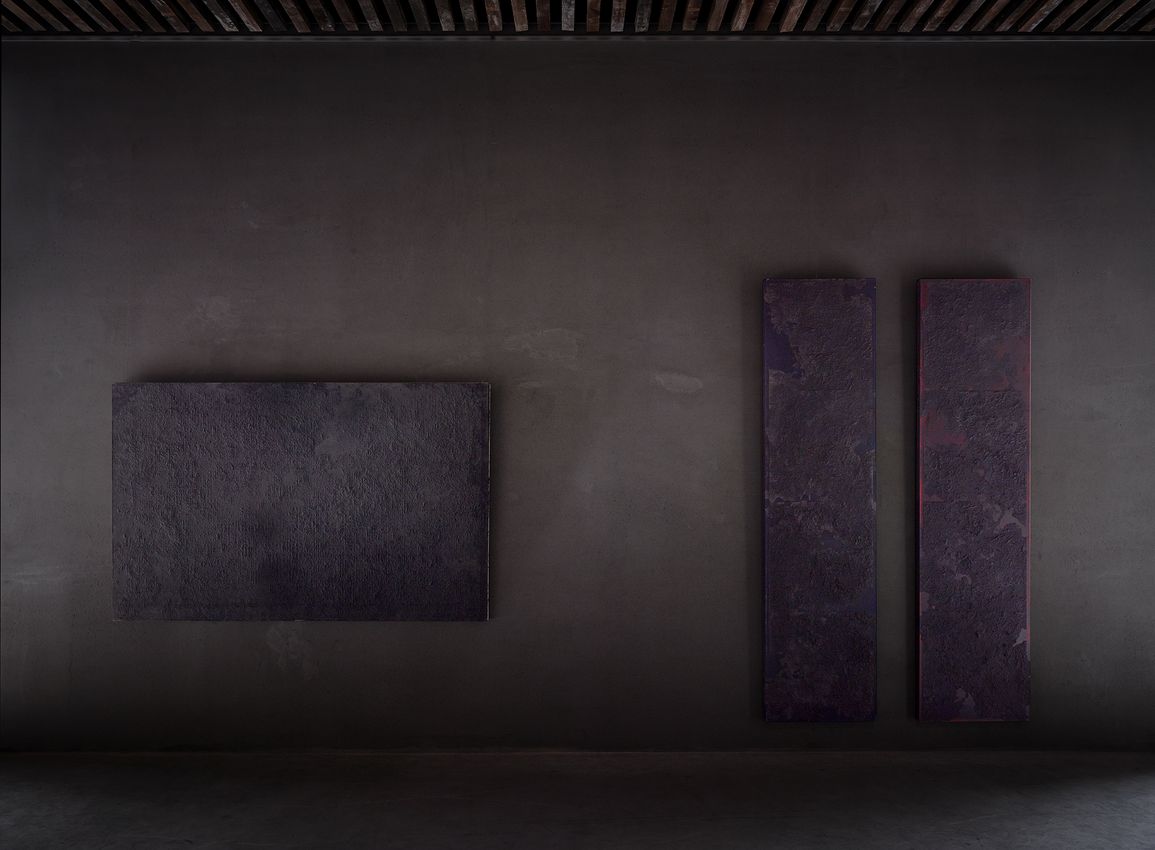
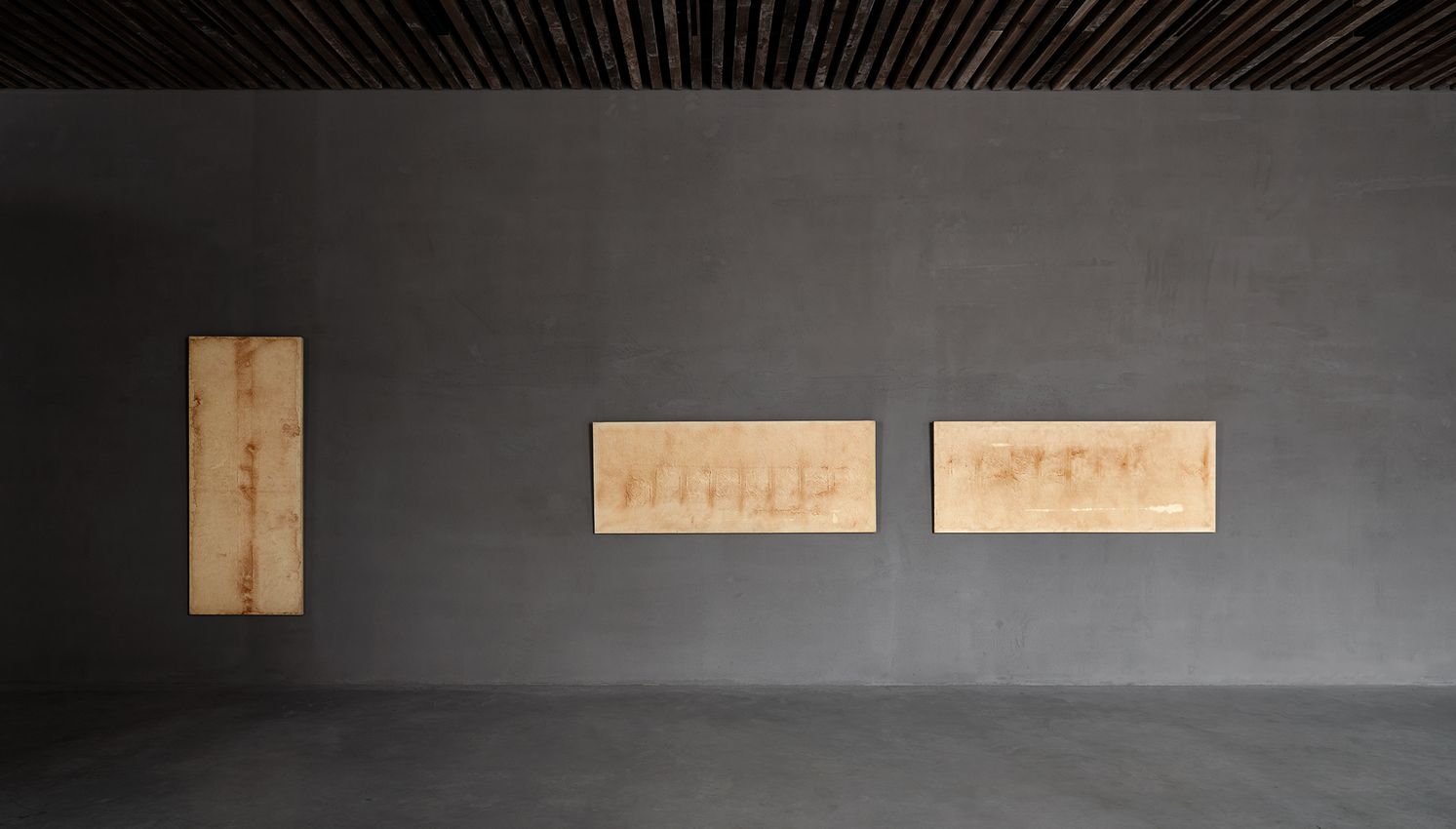
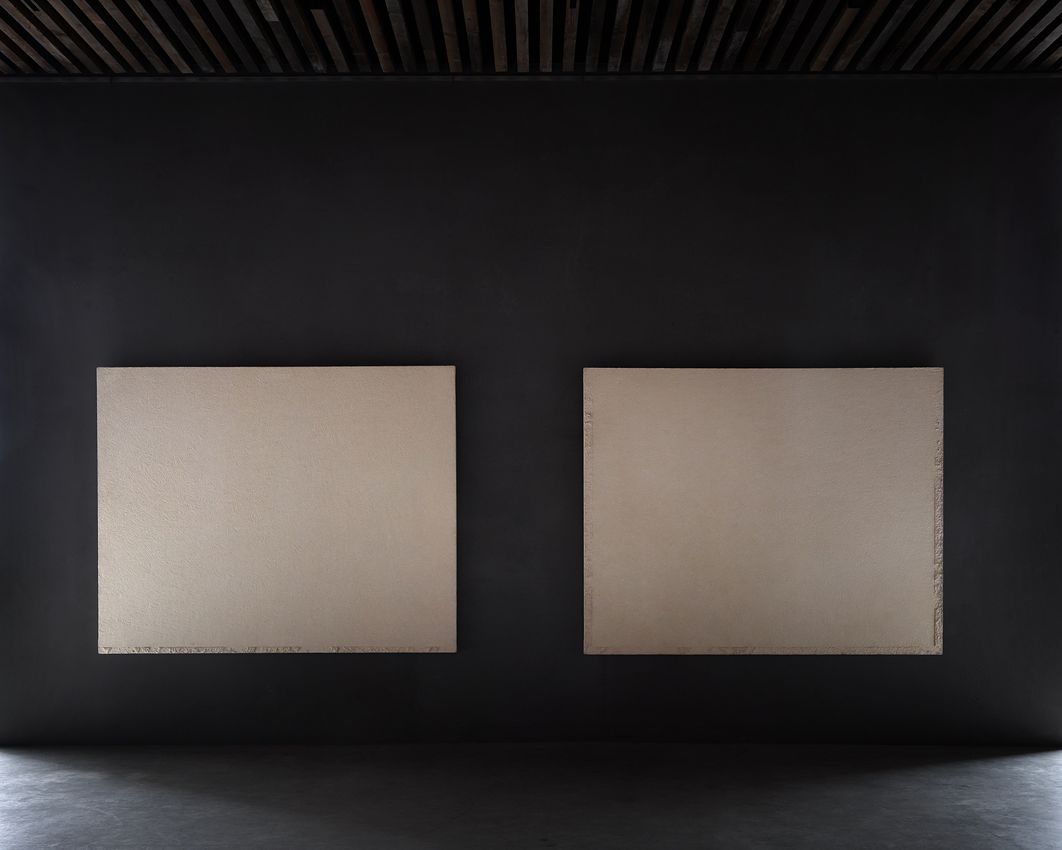
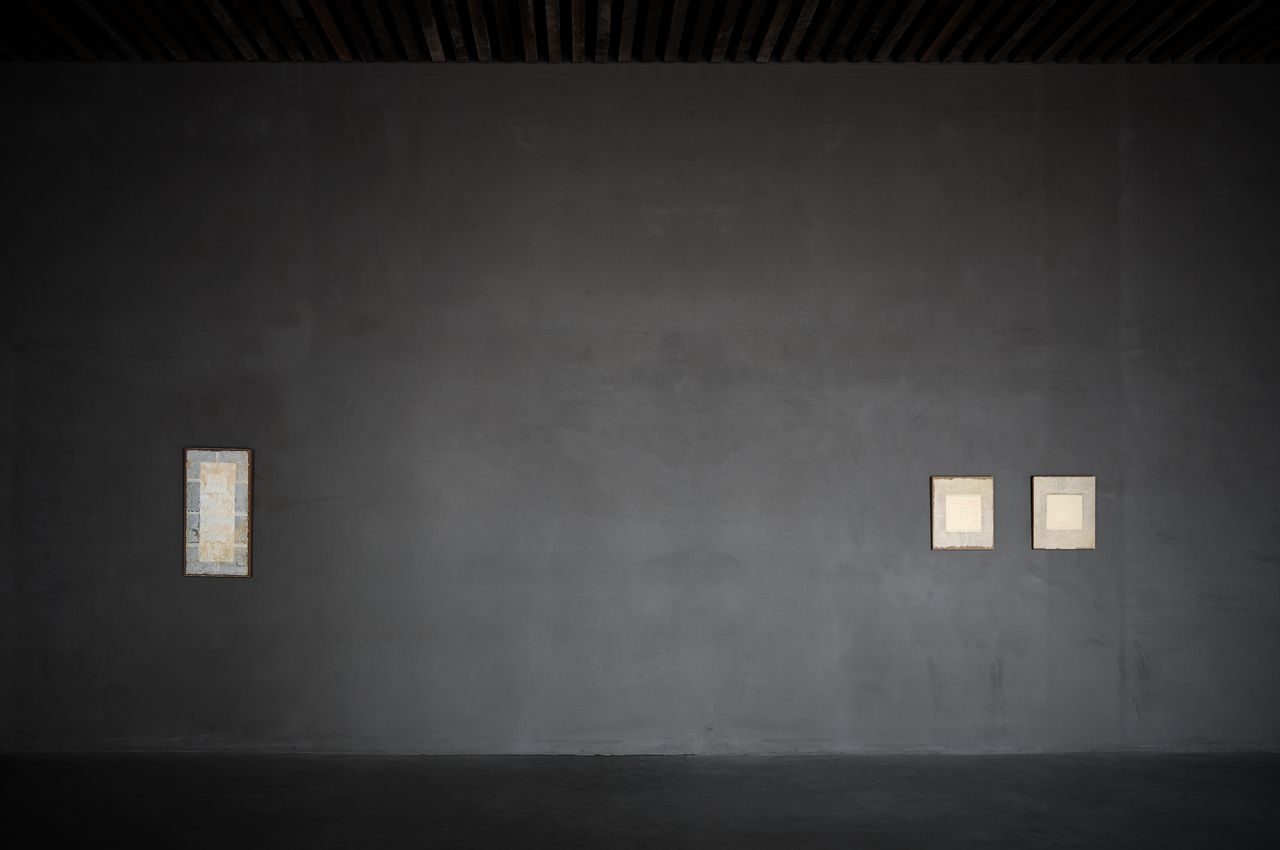
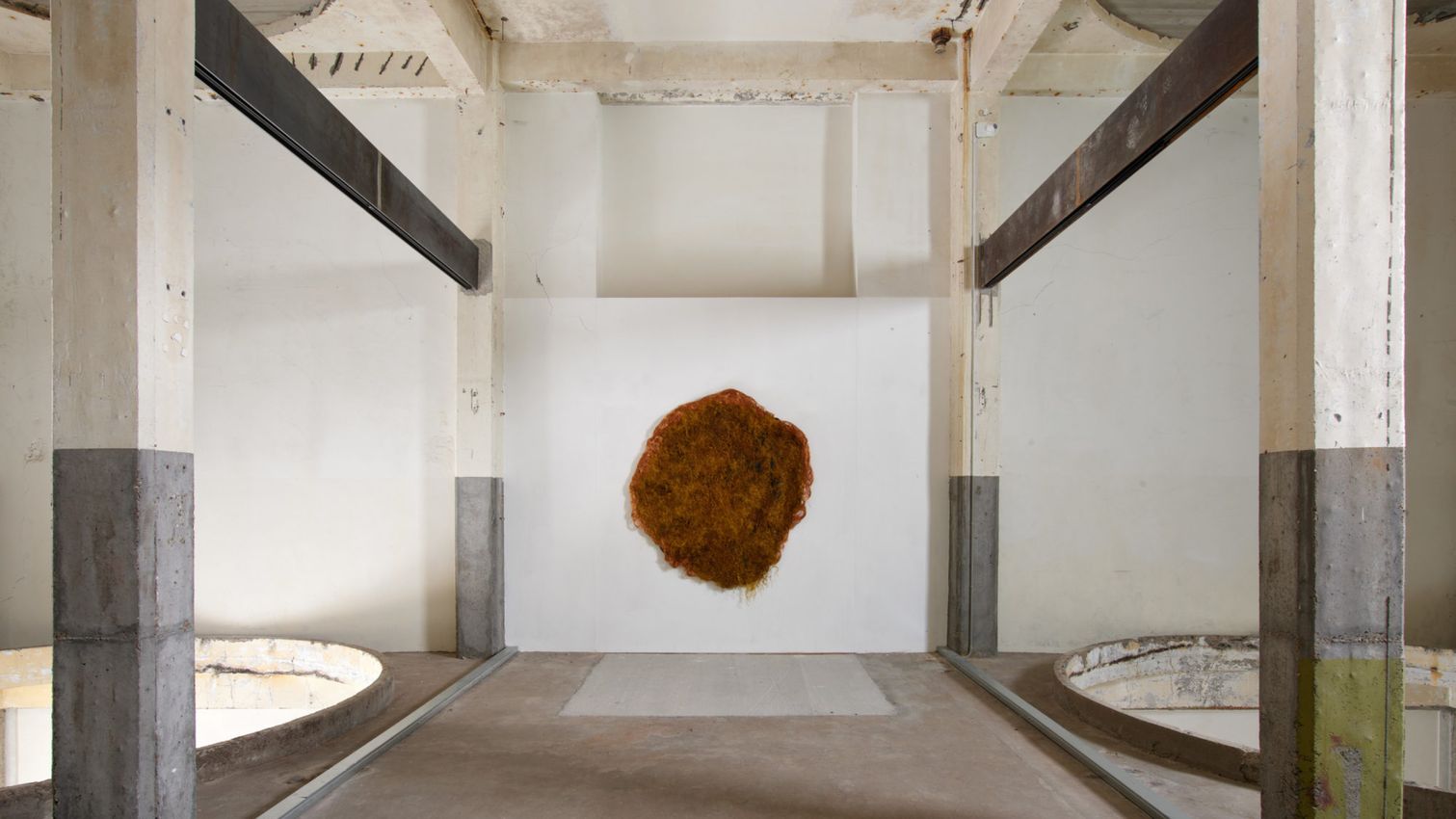
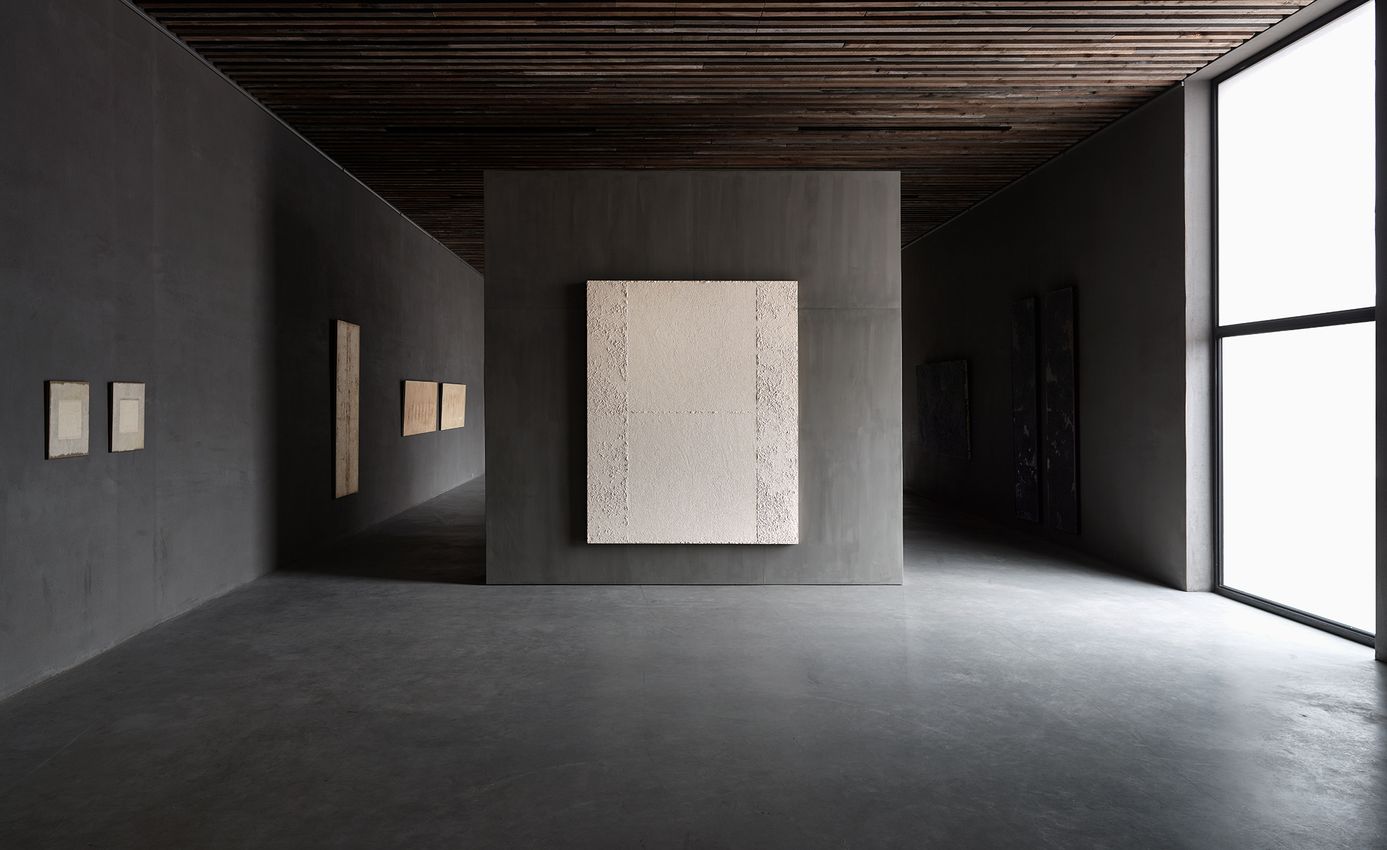
Axel Vervoordt Gallery is pleased to present the second exhibition in Kanaal’s Terrace Gallery of one of the leading Korean Dansaekhwa artists Chung Chang-Sup (1927-2011). The exhibition presents a selection of works made between 1978 and 2000, offering a journey through his most peculiar production from his early works, which still keep geometrical shapes, to the first tak oeuvres and his Meditation series.

In his early works, Chung Chang-Sup persists on using circular shapes as research into the geometrically pure form. For Chung, this research also has its roots in the Korean traditional symbols as the Taegeuk, the ying and yang and the halo of a Buddha sculptures.

After two decades of studying and practicing Western abstract art, most particularly Art Informel, Chung Chang-Sup turned away from the Occidental technique of oil painting and started a series he referred to as Return — a return to his roots, to the affinities and histories of his native Korea. From this point onwards, he experimented with hanji, a handcrafted fabric that’s also called ‘hundred paper.’ The name refers to the complex manufacturing process involving ninety-nine steps in order to fabricate one sheet. It’s extremely strong and primarily made of tak, the inner bark of paper mulberry. His tak works were produced by applying wet fibres extracted from tree bark directly onto the canvas.

‘I remember the first thing I saw in the morning was a ray of sunlight penetrating through the tak paper window. It was a memory of myself breathing together with my surrounding,’ Chung stated in an interview from 1986, the same moment when this specific material became almost the most prominent medium to express his sensibility.

Dansaekhwa is a Korean title that means ‘single-colour’ painting. It emerged in the late 1960s and began to take root in the early 1970s, although it was never an official movement. What they all had in common was a commitment to thinking more intensively about mark, line, frame, surface, and space and to the process of a physical action that occupied a period of time and took place in a set space.

Different from Western monochrome painting, Dansaekhwa looks to a dimension beyond visual abstraction, reinterpreting nature as a reflection of the human mind and returning to nature through creating monochrome planes as the closest feature to nature. Dansaekhwa can be interpreted as a modernised style of the traditional practice in East Asian art that pursues a meditative harmony by blurring the distinction between oneself and nature-the inner and the outer.

Nature is a key element in Chung’s artistic methodology. In fact, as the art critic Yongwoo Lee writes: ‘Chung’s work reflects his Taoist belief that the creative artist balances material and nature in a unified act of making.’

Read More

Installation Views

About the Artist

Chung Chang-Sup was a pioneering figure of the Korean art movement Dansaekhwa, renowned for his monochromatic, tactile paintings that merge nature and materiality through his unique use of Korean mulberry (tak/hanji) fibre.

View Artist Profile

Also Exhibiting at Axel Vervoordt Gallery

About the Gallery

The Axel Vervoordt Company and Axel Vervoordt Gallery are located at a site known as Kanaal–a converted industrial distillery that has become a cultural and residential community.

View Gallery Profile
Address
Kanaal
Stokerijstraat 19
Wijnegem
Antwerp
Belgium
Opening Hours
Saturday
11am – 6pm
(1)
Antwerp Kanaal, Stokerijstraat 19
Axel Vervoordt Gallery
Kanaal, Stokerijstraat 19, Wijnegem, Antwerp, Belgium

Opening hours
Saturday
11am – 6pm
The art world in focus