Press Release

Rediscovered Vintage Prints from a South African in Exile

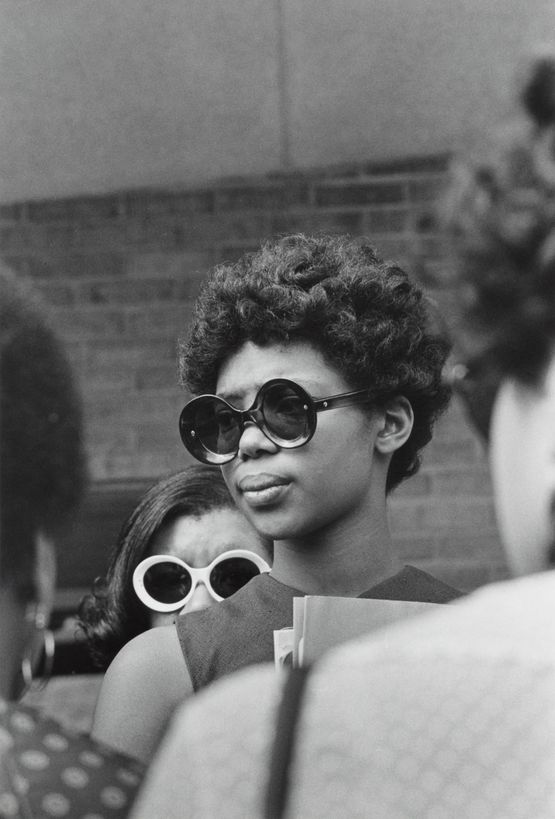
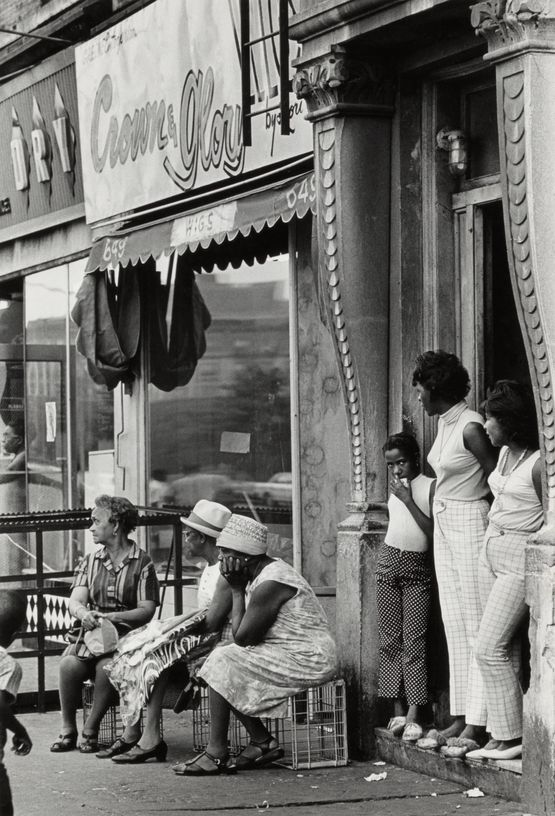
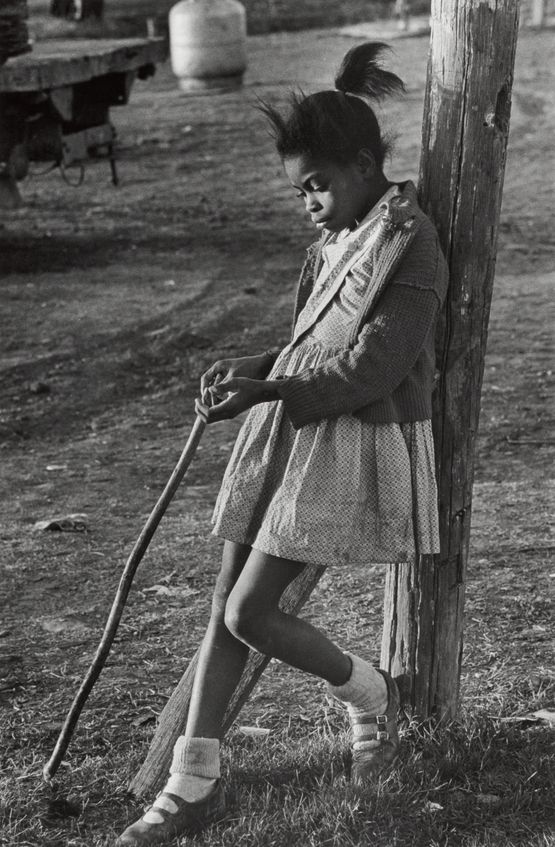
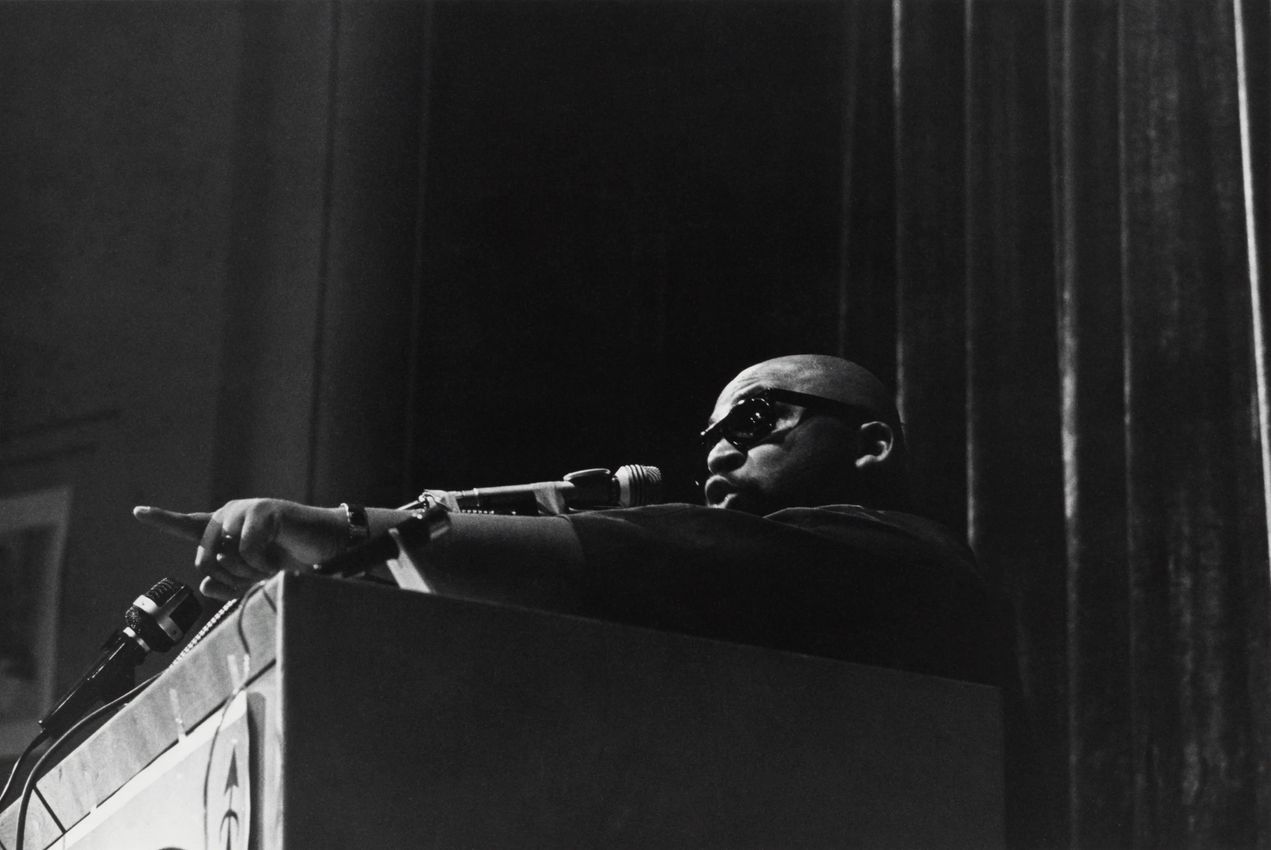
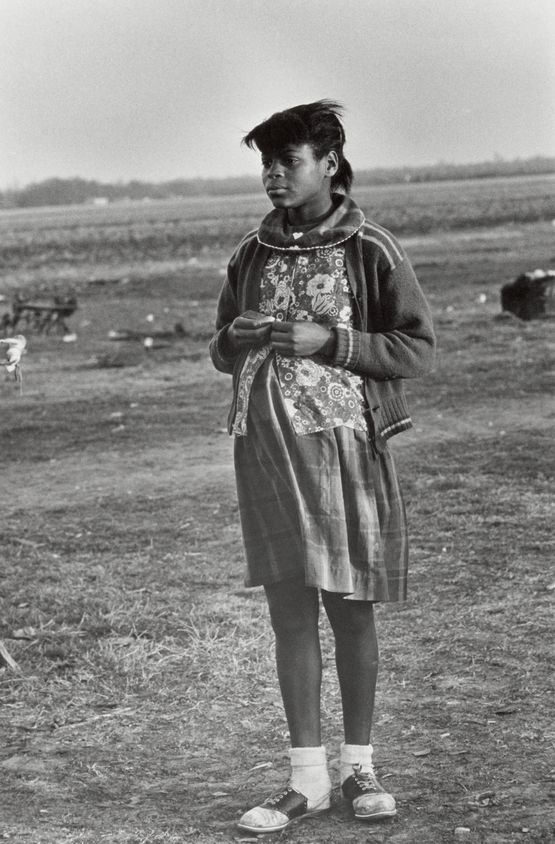
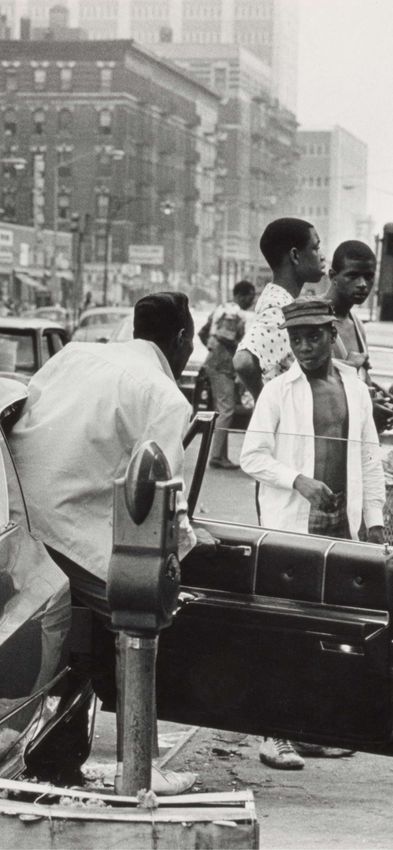
Goodman Gallery New York is pleased to present a remarkable group of rare vintage prints by the late South African photographer Ernest Cole, which resurfaced after more than four decades. Together, these works offer an extraordinary new perspective on Cole’s years documenting Black life in the United States during the late 1960s and early 1970s. The prints, preserved within the Hasselblad collection for over 40 years, were recently returned to the Ernest Cole Family Trust. While a number of vintage prints from Cole’s American body of work are held in institutional collections, including the Museum of Modern Art, this group offers a new opportunity to encounter works that have remained largely inaccessible for decades. Following the publication of several of these photographs in The True America – the first book dedicated to Cole’s photographs of Black life in the United States – the exhibition reunites a significant body of vintage prints, many of which have been scarcely exhibited, offering an exceptionally unusual insight into a pivotal yet underexamined period of his career.Goodman Gallery New York is pleased to present a remarkable group of rare vintage prints by the late South African photographer Ernest Cole, which resurfaced after more than four decades. Together, these works offer an extraordinary new perspective on Cole’s years documenting Black life in the United States during the late 1960s and early 1970s.

The prints, preserved within the Hasselblad collection for over 40 years, were recently returned to the Ernest Cole Family Trust. While a number of vintage prints from Cole’s American body of work are held in institutional collections, including the Museum of Modern Art, this group offers a new opportunity to encounter works that have remained largely inaccessible for decades. Following the publication of several of these photographs in The True America – the first book dedicated to Cole’s photographs of Black life in the United States – the exhibition reunites a significant body of vintage prints, many of which have been scarcely exhibited, offering an exceptionally unusual insight into a pivotal yet underexamined period of his career.

Best known for House of Bondage (1967), his landmark indictment of apartheid, Cole fled South Africa in exile shortly after the book’s publication; he would never return to his homeland. In exile, Cole settled between New York, Sweden, and other locations, attempting to rebuild his life and artistic practice while confronting profound displacement and personal loss. The newly rediscovered photographs originate from projects Cole undertook in America, including work commissioned through a Ford Foundation scholarship and assignments connected to The New York Times.

Unlike House of Bondage, which achieved international recognition during his lifetime, Cole’s American photographs remained largely unpublished and unseen for decades.

“He was a Black South African photojournalist living in exile closely observing Black life in America and looking for ways to faithfully share what he was seeing,” writes Leslie M. Wilson, scholar and contributer to The True America. Wilson further notes that while House of Bondage emerged from Cole’s direct experience under apartheid, his American work reflected a more unsettled perspective. “Where Cole’s experience of daily life as a Black man from South Africa in South Africa anchored House of Bondage,” explains Wilson, “Cole documented America as a man profoundly unmoored in a country also ‘obsessed’ with race.” Cole arrived in the United States believing he might finally escape the brutal racial hierarchies that had shaped his life in South Africa. Instead, he encountered another society fractured by racial violence, inequality, and unrest during the Civil Rights era.

In a 1968 letter, Cole wrote: “When I left home I thought I would focus my talents on the other aspects of life which I assumed would be more hopeful and some joys to do. However, what I have seen in this country over the past two years has proved me wrong. Recording the truth at whatever cost is one thing but finding one having to live a lifetime of being the chronicler of misery and injustice and callousness is another.”

Following this observation, Cole embarked on an extensive photographic study of Black American life. His proposed subjects included “The Negro Family in the Rural South” and “The Negro Family in the Urban Ghetto,” examining the realities of poverty, labour, youth culture, addiction, religion, and systemic inequality. Travelling widely across the United States between 1968 and 1971, Cole photographed key sites of Black political activism and resistance. His photographs from this period reveal a deep interest in the intersection of politics, protest, community, intimacy, and everyday life. In Harlem, Cole found a fragile sense of belonging among the African diaspora, though exile remained an enduring wound throughout his life.

Cole’s own exile was shaped not only by geography, but by erasure. Born in South Africa in 1940, his family was forcibly relocated in 1960 under apartheid legislation, an experience that profoundly influenced his political consciousness. To leave South Africa, Cole was forced to reclassify his racial identity from Black to “coloured,” while members of his family also altered their surname from “Kole” to “Cole” in order to survive within the apartheid system. Before exile, he had become one of South Africa’s first Black freelance photographers, contributing to publications including Drum magazine, Rand Daily Mail, and the Sunday Express. His work attracted the scrutiny of the apartheid Security Police, particularly following his association with the leftist newspaper New Age in 1963.

Despite the significance of his work, Cole’s later years were marked by instability, declining mental health, financial hardship, and the disappearance of much of his archive. He died in exile from cancer in 1990 at the age of forty-nine, largely forgotten by the country whose realities he had so powerfully documented. That legacy dramatically shifted in 2017, when the Skandinaviska Enskilda Banken (SEB) transferred three safe-deposit boxes to the Ernest Cole Family Trust containing more than 60,000 negatives and press clippings believed lost for decades. More recently, Aperture Foundation has contributed to renewed international attention through the republication of House of Bondage (2022) and the publication of Cole’s American work The True America (2024). Works from this period were exhibited in Ernest Cole: A Lens in Exile at Autograph London (2024) and The True America: Photographs by Ernest Cole at Minneapolis Art Institute and Maryland Institute College of Art Galleries (2025).

The re-emergence of these vintage prints offers an important opportunity to reconsider Cole not only as one of the defining photographers of apartheid South Africa, but also as a singular observer of Black life, exile, and resistance across the African diaspora. While some of the images have appeared in recent publications and institutional presentations of his American work, many have remained largely unseen for decades and are presented here in their original vintage form.

Read More

Installation Views

Also Exhibiting at Goodman Gallery

Address
23 East 67th Street, Second Floor
New York
United States
Opening Hours
Monday - Thursday
10am - 6pm

Friday
10am - 4pm
(1)
New York 23 East 67th Street, Second Floor
Goodman Gallery
23 East 67th Street, Second Floor, New York, United States

Opening hours
Monday - Thursday
10am - 6pm

Friday
10am - 4pm
The art world in focus