





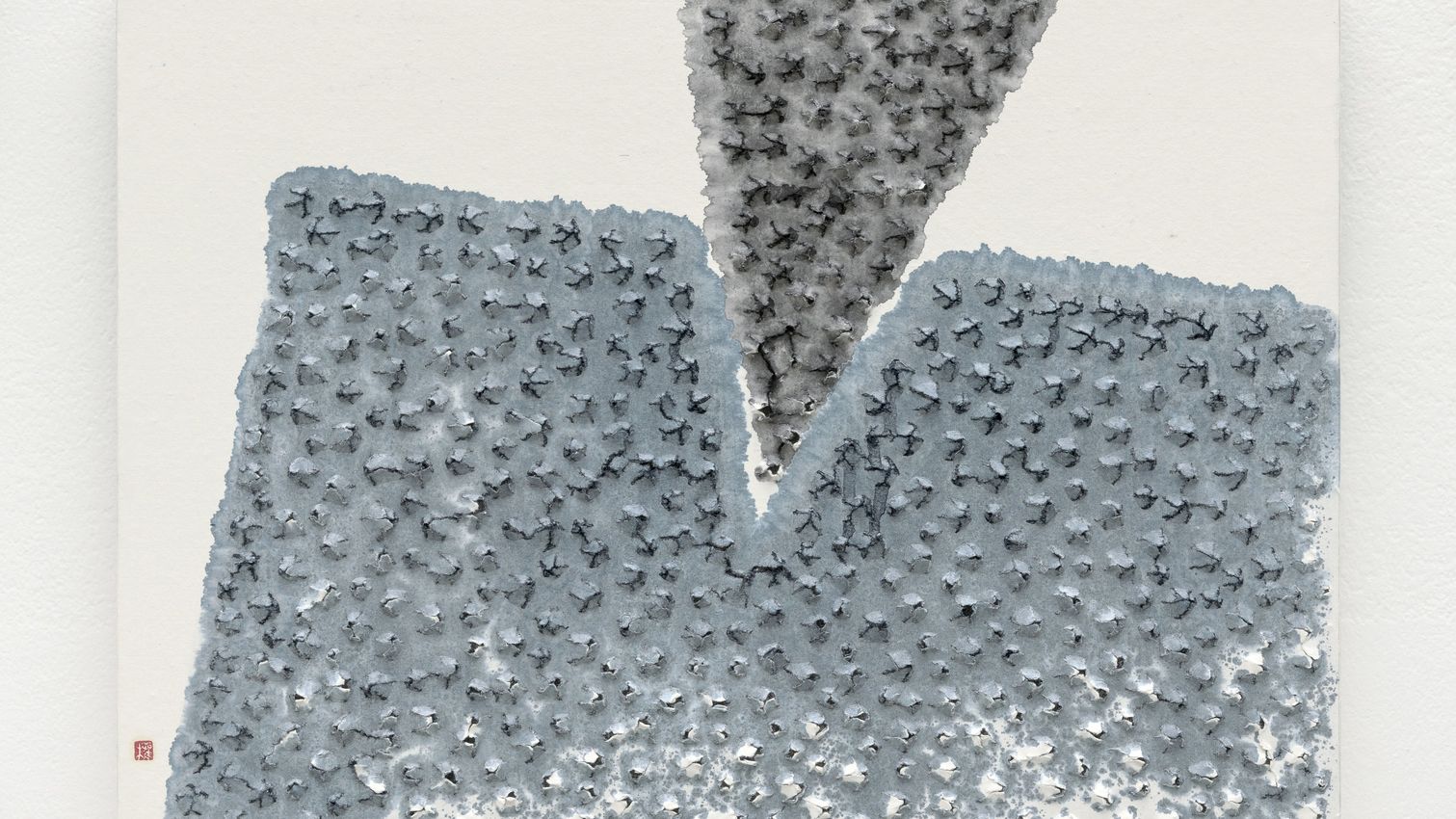
Kwon Young-Woo
1926-2013, South KoreaKwon Young-Woo (권영우) was considered a pioneering figure in the development of Dansaekhwa (or the modern monochrome movement), a Korean painting tradition where artists work predominantly with paper. Born in Korea in 1926, Kwon graduated from Seoul National University’s first art school class in 1951 alongside his contemporaries Park No-Soo, Suh Se Ok, Chang Un-Sang, and Park Sae-Won. He died in 2013.
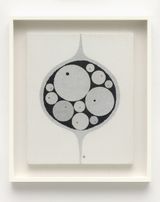
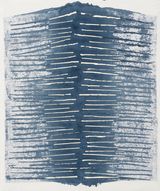
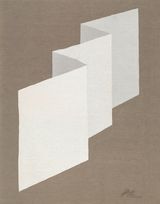
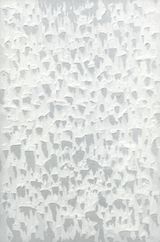
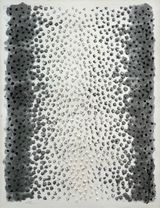
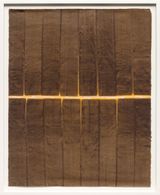
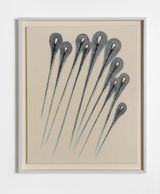
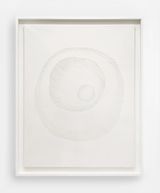
Throughout his career, Kwon explored the textural abilities of his chosen medium by scratching, tearing, and layering sheets of hanji (traditional Korean mulberry paper) onto canvas and manipulating the material into three-dimensional relief sculptures which were then decorated with ink painting. Later in his career, Kwon removed any trace of representation and worked solely with white paper.
Kwon’s skill in altering a traditional material to reflect themes of Abstract Expressionism has led to him being recognised as one of Korea’s most groundbreaking artists. Recently, the artist’s works have been exposed to new audiences due to a resurgence in interest of the Dansaekhwa movement.
Kwon Young-Woo has been included in recent exhibitions such as From All Sides: Tansaekhwa on Abstraction at Blum & Poe, Los Angeles (2014); Dansaekhwa at Kukje Gallery, Seoul (2015); When Process Becomes Form: Dansaekhwa and Korean Abstraction at the Boghossian Foundation, Brussels (2016); and Dansaekhwa and Minimalism at Blum & Poe, New York (2016).
In 2007, six years before his death in 2013, Kwon donated 70 of his most important works to the Seoul Museum of Art.













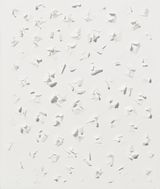

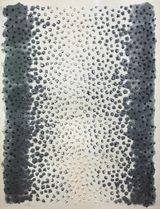
Explore Kwon Young-Woo's Exhibitions


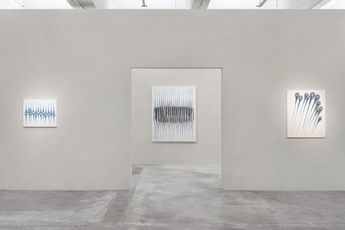







Explore and Follow Artists Shaping Contemporary Art
A respected voice in contemporary art discourse.
Focusing on ambitious storytelling and insightful art-world commentary. Ocula Magazine publishes in-depth interviews, critical essays and timely analysis on the artists, exhibitions and ideas driving the global art world.
Learn more about Ocula Magazine
Showcasing the best of the art world.
Ocula partners with galleries from around the world to highlight their artists, artworks and exhibitions. Gallery membership is by application and invitation, with each member vetted by an independent panel.
Learn more about Ocula Membership
Specialises in the sale of major artworks.
Led by a team with deep ties to the world’s leading auction houses, galleries and collectors. Ocula’s advisory team offers bespoke services to high-net-worth clients from around the world who are looking to acquire the best of contemporary and modern art.
Learn more about our team and services