




GABRIEL OROZCO
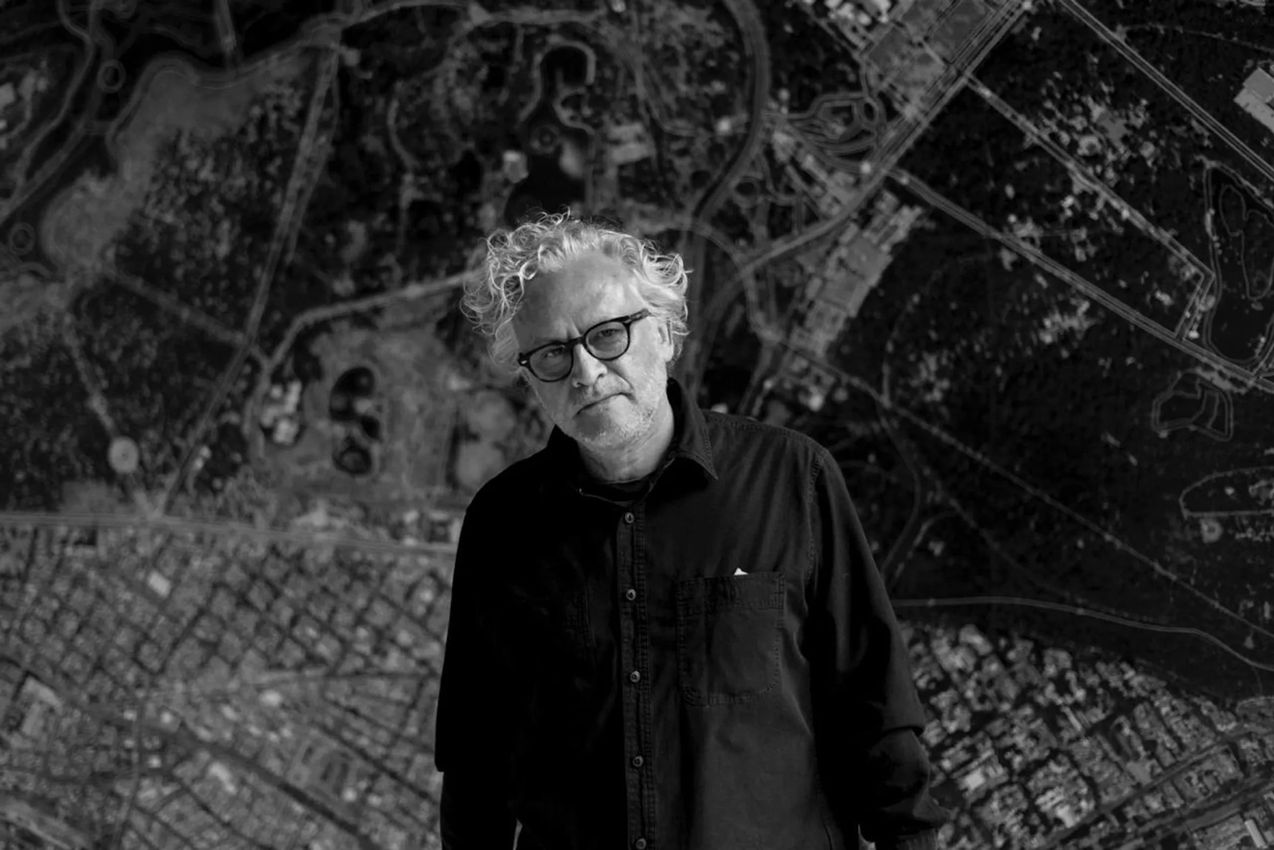
b. 1962, MexicoGabriel Orozco (born 1962, Jalapa, Veracruz) is a Mexican artist internationally recognised as a leading figure in contemporary conceptual art, whose practice moves fluidly between sculpture, photography, installation, painting, drawing, video, and, more recently, architecture, garden, and urban design.
Orozco is known for engaging found objects, games, chance, and geometry, consistently teasing the boundary between art and life. Rejecting the model of the closed studio, he treats the street, the landscape, and ordinary situations as his primary workspace, using modest materials and found objects to generate precise but open-ended propositions.
Education and Early Formation
Orozco studied at the Escuela Nacional de Artes Plásticas, Universidad Nacional Autónoma de México, Mexico City (1981–84), and at the Círculo de Bellas Artes, Madrid (1986–87). On returning to Mexico City in 1987 he hosted weekly meetings with peers such as Damián Ortega, Gabriel Kuri, Abraham Cruzvillegas, and Dr. Lakra, turning his apartment into an informal hub for experimental discussion and collaboration that helped shape a generation of Mexican artists and consolidated his interest in working outside conventional studio and institutional structures.
Everyday Life, Chance, and Photography
An avid traveller, Orozco uses the urban landscape and casual encounters with objects to “twist” conventional reality, often relying on minimal changes that heighten a viewer’s awareness of context. Early photographic works such as Pinched Ball (1993, photograph of a collapsed football filled with water) and his series of images of temporary street arrangements articulate his fascination with entropy, balance, and the poetry of chance, while refusing the spectacular in favour of small, almost invisible transformations.
A touchstone of his engagement with the ordinary is the work often titled Empty Shoe Box (1993, installation using an unmodified shoebox placed in a corridor), first presented at the 45th Venice Biennale, which used an almost invisible box to test viewers’ expectations of artistic value and has since repeatedly confounded audiences at institutions including The Museum of Modern Art, New York, and Tate Modern, London. Throughout this period, he deliberately worked alone or with minimal assistance, in conscious opposition to the large studios and high-production aesthetics that dominated the 1980s.
Games, Systems, and Geometry
Games, movement, and logic systems recur as structuring devices in Orozco’s work, which he understands as cultural models for organising experience. In Carambole with Pendulum (1996, modified billiard table with swinging red ball), an oval billiard table supports two white balls while a third, red ball swings above as a pendulum, suspending play between order and unpredictability. Ping-Pond Table (1998, installation combining two intersecting ping-pong tables and a central lotus pond) intersects two ping-pong tables as a cross with a lotus pond at the centre, opening a physical and conceptual “in-between” space that evades existing rules.
The photographic and painted series The Atomists (1996, series using press images of sports events overlaid with coloured ovals and circles) overlays press images of sporting events with coloured ovals and circles, combining diagrammatic abstraction and arrested motion to propose alternative rhythms of looking and to question how news images choreograph bodies and attention. Across such works, simple geometric operations become tools for thinking about political, philosophical, and perceptual systems—from the idea of infinity to the ways images encode power.
Sculpture, Mortality, and Material Experiment
Orozco’s sculptural works often hinge on the meeting of geometry, function, and mortality. In La DS (1993) a Citroën automobile is cut into three parts and reassembled without its central section, producing a streamlined, impossibly narrow car that is formally elegant yet no longer usable, a gesture he revisited in the deep-red La DS Cornaline (2013, red Citroën DS variation). Black Kites (1997, human skull covered with hand-drawn graphite checkerboard) is a human skull meticulously covered in a graphite checkerboard pattern that collapses distinctions between drawing and sculpture, the organic and the geometric, and embodies an intense concentration of time, which the artist has described as central to its meaning.
His interest in clay and craft traditions is evident in series of terra-cotta and ceramic works that explore gravity, modularity, and repetition, notably highlighted in major international exhibitions as a commentary on the status of Mexican craft within “high art” spaces. These materially varied projects consistently turn humble or “exhausted” objects into sites where new relations, tensions, and temporalities can be staged.
Painting and “Diario de Plantas”
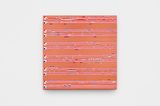
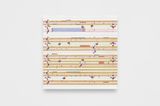
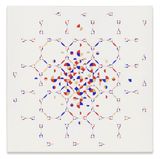
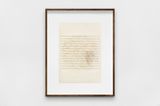
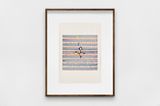
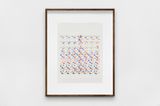
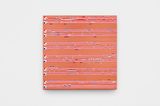
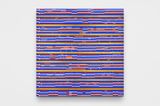
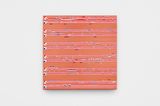
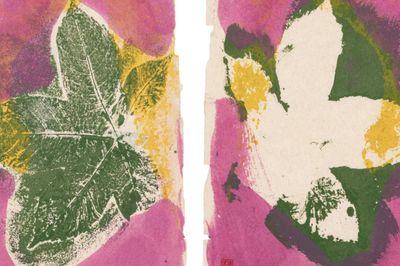
Painting has become a renewed focus in Orozco’s practice since the 2000s, particularly in works that set circular or grid-based structures against fields of colour derived from observation and memory. During the COVID-19 pandemic he began the ongoing series Diario de Plantas (Diary of Plants, ongoing series of tempera and watercolour plant paintings and drawings), depicting indigenous flora in the cities where he lives, especially Mexico City and Tokyo, in which geometric scaffolds and organic forms co-exist within finely calibrated chromatic harmonies. These works extend his long-standing interest in the everyday into a quiet, diaristic register, balancing systematic variation with close attention to the specificities of place.
Public Projects, Writing, and Influence
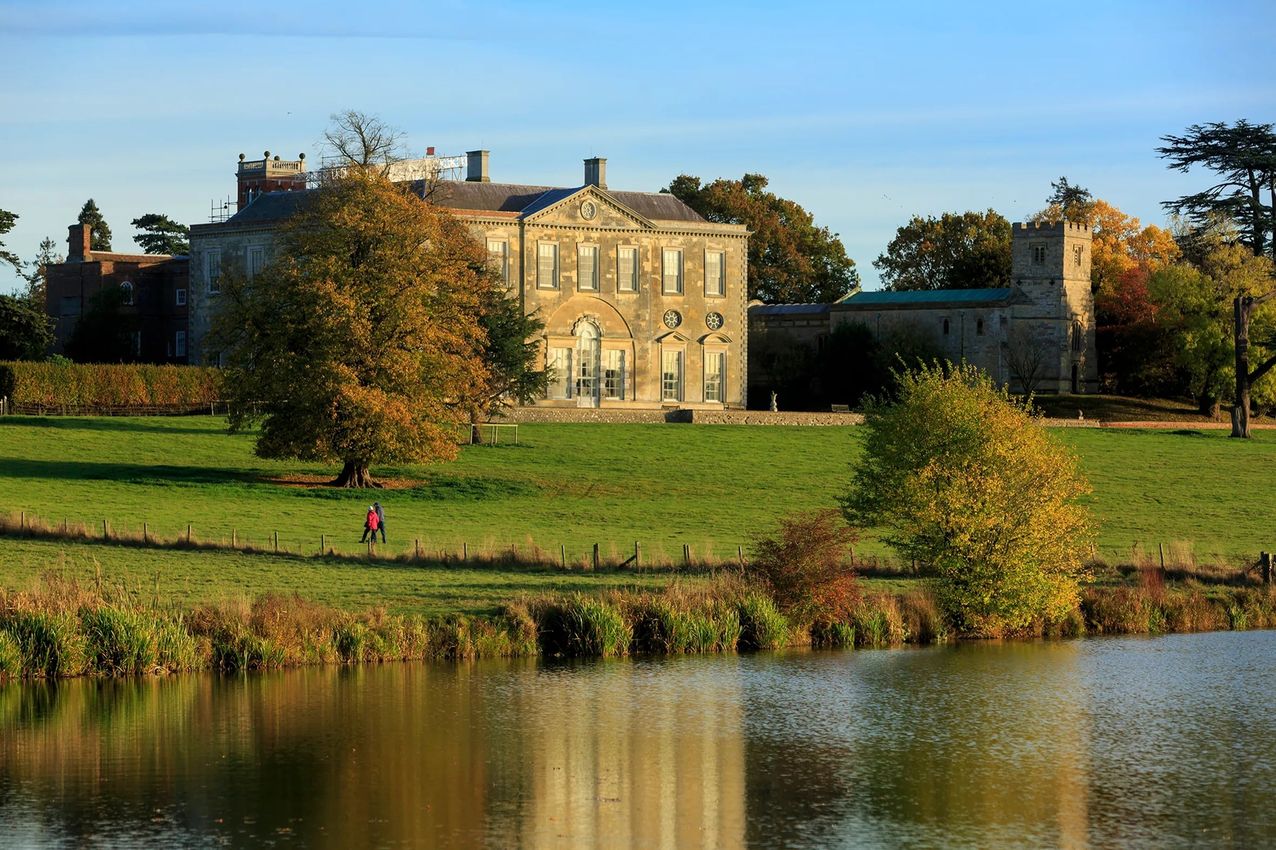
Orozco has increasingly worked in public and architectural contexts, most notably as artistic director of Mexico City’s long-term Chapultepec Park regeneration project, as designer of the South London Gallery‘s permanent Orozco Garden (2016), and with the Gabriel Orozco Garden (2026) at Leeum Museum of Art in Seoul, the museum’s first commission-based garden since its opening in 2004. At Leeum he drew on the Korean concept of “Sehansamwoo,” using pine, bamboo, and plum trees across approximately 1,650 square metres of deck to create a circular, sculptural landscape that extends his long-standing interest in geometry, perception, and movement into a living environment. Together with Chapultepec Park—an 800-acre initiative that included the restoration of cultural institutions and new pedestrian bridges—and his London garden, these site-specific projects treat gardens as a sculptural medium, translating his vocabulary of circles, systems, and chance encounters into large-scale public space.
His sketchbooks and writings, collected in volumes such as Materia Escrita, reveal a sustained engagement with language, philosophy, and diagrams, underscoring the role of thinking and notation within his visual practice. Widely cited by critics and curators as one of the most influential artists of his generation, Orozco has helped shape how subsequent artists use photography, installation, and found objects to address the everyday, and his influence has circulated as much through reproductions, books, and teaching as through direct encounters with the work.
Exhibitions, Awards, and Biography
Orozco has presented major solo exhibitions at institutions including the Museum of Modern Art, New York (retrospective, 2009–10), Museo Nacional Centro de Arte Reina Sofía, Madrid, Tate Modern, London, Solomon R. Guggenheim Museum, New York, Museum of Contemporary Art, Los Angeles, Centre Pompidou, Paris, Kunstmuseum Basel, Museum of Contemporary Art Tokyo, Aspen Art Museum, and Moderna Museet, Stockholm. He has participated in landmark group exhibitions including the Venice Biennale, Documenta, and the Whitney Biennial, among others.
- Major retrospectives and solo exhibitions: Museum of Modern Art, New York (retrospective, 2009–10); Museo Reina Sofía, Madrid; Tate Modern, London; Solomon R. Guggenheim Museum, New York; Centre Pompidou, Paris; Kunstmuseum Basel; Museum of Contemporary Art Tokyo; Aspen Art Museum; Moderna Museet, Stockholm.
- International group exhibitions and biennials: Venice Biennale (multiple editions); Documenta X and XI; Whitney Biennial; other significant biennials and triennials worldwide.
- Public commissions and projects: Chapultepec Park master plan, Mexico City (artistic director); Orozco Garden, South London Gallery; Gabriel Orozco Garden, Leeum Museum of Art, Seoul; additional public and architectural collaborations in Europe, the Americas, and Asia.
- Awards and honours: French Order of Arts and Letters (Officier); Americas Society Cultural Achievement Award; other recognitions reflecting his impact across Europe and the Americas.
Orozco lives and works between Mexico City, Tokyo, New York, and Paris, maintaining an itinerant practice that treats the world itself as his primary studio and material.
Gabriel Orozco FAQs
Who is Gabriel Orozco?
Gabriel Orozco is a Mexican contemporary artist, born in Jalapa, Veracruz in 1962, known for a conceptually driven practice that spans sculpture, photography, installation, painting, drawing, video, and garden and urban design. Gabriel Orozco is widely regarded as a leading figure in international conceptual art whose work engages the everyday, found objects, games, chance, and geometry.
What is Gabriel Orozco best known for?
Gabriel Orozco is best known for subtle interventions in everyday objects and situations that shift how viewers perceive reality. Gabriel Orozco’s signature works include La DS (1993, an altered Citroën car), Black Kites (1997, a skull covered in a graphite grid), Empty Shoe Box (1993), and the series The Atomists (1996) and Diario de Plantas (begun 2021).
What themes does Gabriel Orozco explore in his art?
Gabriel Orozco explores themes of the everyday and the ordinary, chance and play, systems and games, geometry, time, mortality, and the relationship between order and disorder. Gabriel Orozco often uses simple formal operations to investigate how we structure perception, social space, and meaning.
What materials and media does Gabriel Orozco use?
Gabriel Orozco works fluidly across sculpture, photography, installation, drawing, painting, ceramics, and large-scale garden and urban projects. Gabriel Orozco often uses modest or found materials—such as shoeboxes, cars, balls, bones, plants, and newspapers—combined with precise geometric drawing and subtle spatial interventions.
Where did Gabriel Orozco study art?
Gabriel Orozco studied at the Escuela Nacional de Artes Plásticas at the Universidad Nacional Autónoma de México in Mexico City, and later at the Círculo de Bellas Artes in Madrid. These experiences helped Gabriel Orozco develop an itinerant, context-responsive practice that operates largely outside a traditional studio.
Why is the everyday so important in Gabriel Orozco’s work?
For Gabriel Orozco, everyday objects and situations are accessible to everyone and can generate mystery precisely because they are commonplace. Gabriel Orozco uses minimal alterations and recontextualisations of familiar things to prompt viewers to reconsider what they take for granted as visible, valuable, and real.
How does Gabriel Orozco use games and systems?
Gabriel Orozco treats games—such as billiards, ping-pong, and sports—as cultural systems that model rules, order, and movement. By altering tables, courts, and images of play, Gabriel Orozco creates new spaces and rhythms that disrupt expectations and open alternative ways of thinking about rules, control, and chance.
What is Gabriel Orozco’s ‘Diario de Plantas’?
Diario de Plantas is Gabriel Orozco’s ongoing body of tempera, watercolour, and drawing works begun during the COVID-19 pandemic. In Diario de Plantas, Gabriel Orozco documents indigenous plants from the cities where he lives, especially Mexico City and Tokyo, combining geometric structures with organic forms in a diaristic exploration of time, place, and observation.
What public projects has Gabriel Orozco created?
Gabriel Orozco has extended his practice into large-scale public and landscape projects, including the Chapultepec Park master plan in Mexico City (as artistic director), the Orozco Garden at South London Gallery, and the Gabriel Orozco Garden at Leeum Museum of Art in Seoul. In these public works, Gabriel Orozco translates his interest in geometry, movement, and chance encounters into living, navigable environments.
Where has Gabriel Orozco exhibited?
Gabriel Orozco has held major solo exhibitions at institutions such as the Museum of Modern Art in New York, Museo Reina Sofía in Madrid, Tate Modern in London, the Solomon R. Guggenheim Museum in New York, Centre Pompidou in Paris, Kunstmuseum Basel, Museum of Contemporary Art Tokyo, Aspen Art Museum, and Moderna Museet in Stockholm. Gabriel Orozco has also participated in landmark international exhibitions including the Venice Biennale, Documenta, and the Whitney Biennial.
What awards and honours has Gabriel Orozco received?
Gabriel Orozco has received distinctions such as the French Order of Arts and Letters (Officier) and the Americas Society Cultural Achievement Award. These honours recognise Gabriel Orozco’s impact on contemporary art across Europe, the Americas, and beyond.
Where does Gabriel Orozco live and work?
Gabriel Orozco lives and works between Mexico City, Tokyo, New York, and Paris. This itinerant way of living allows Gabriel Orozco to treat the world itself as his primary studio and source of material.
How has Gabriel Orozco influenced other artists?
Gabriel Orozco has been highly influential in how subsequent generations use photography, installation, and found objects to address the everyday. Many artists cite Gabriel Orozco’s emphasis on modest materials, small gestures, and conceptual “portability” as a key alternative to large, production-heavy modes of practice.
What makes Gabriel Orozco different from other conceptual artists?
Gabriel Orozco differs from many other conceptual artists by grounding his work in the shared spaces and objects of daily life rather than in monumental production or closed studio systems. Gabriel Orozco’s combination of poetic minimal intervention, rigorous geometry, and engagement with public space defines a distinctive contribution to contemporary conceptual art.
Ocula | 2026

Explore Gabriel Orozco's Exhibitions On Now


View Gabriel Orozco's Artworks


























Gabriel Orozco in Ocula Magazine







Explore and Follow Artists Shaping Contemporary Art
A respected voice in contemporary art discourse.
Focusing on ambitious storytelling and insightful art-world commentary. Ocula Magazine publishes in-depth interviews, critical essays and timely analysis on the artists, exhibitions and ideas driving the global art world.
Learn more about Ocula Magazine
Showcasing the best of the art world.
Ocula partners with galleries from around the world to highlight their artists, artworks and exhibitions. Gallery membership is by application and invitation, with each member vetted by an independent panel.
Learn more about Ocula Membership
Specialises in the sale of major artworks.
Led by a team with deep ties to the world’s leading auction houses, galleries and collectors. Ocula’s advisory team offers bespoke services to high-net-worth clients from around the world who are looking to acquire the best of contemporary and modern art.
Learn more about our team and services