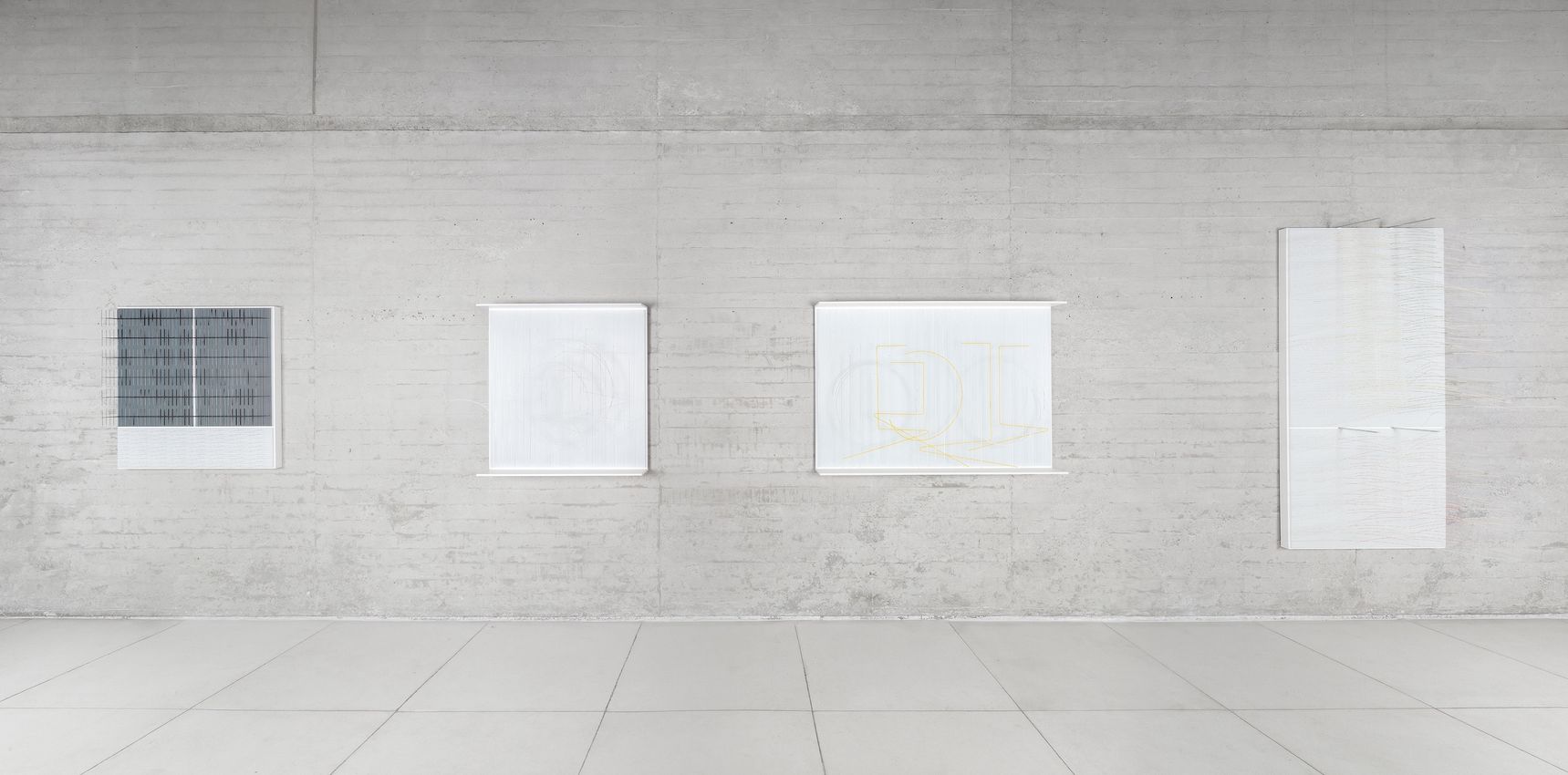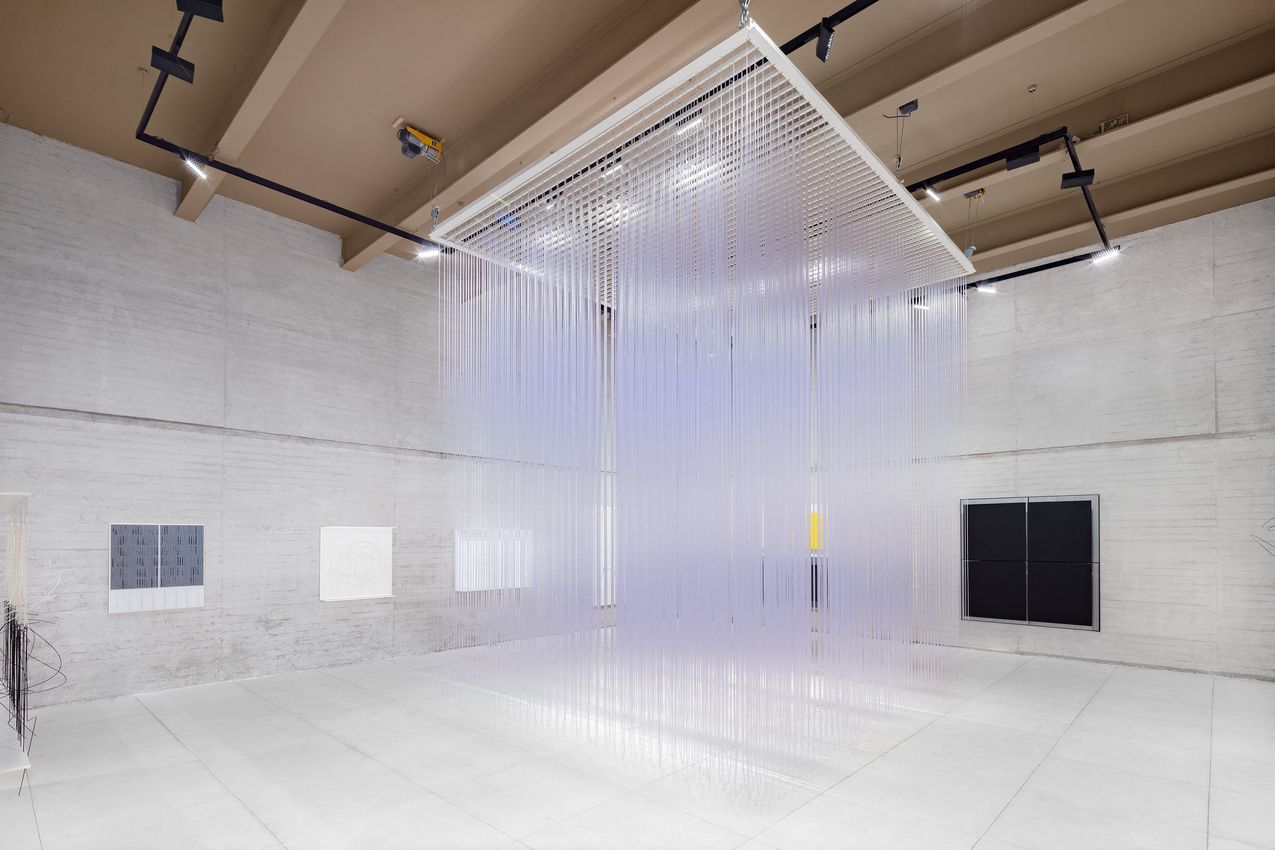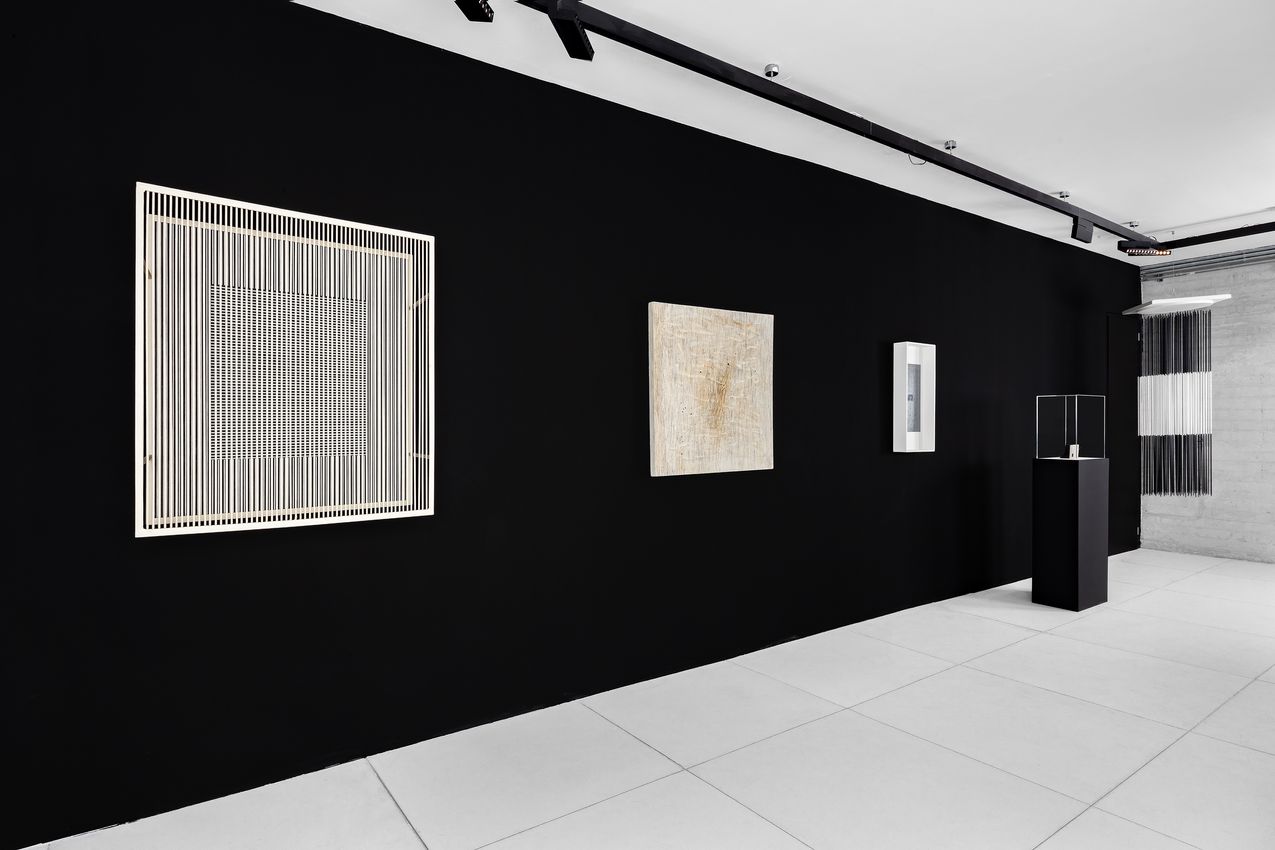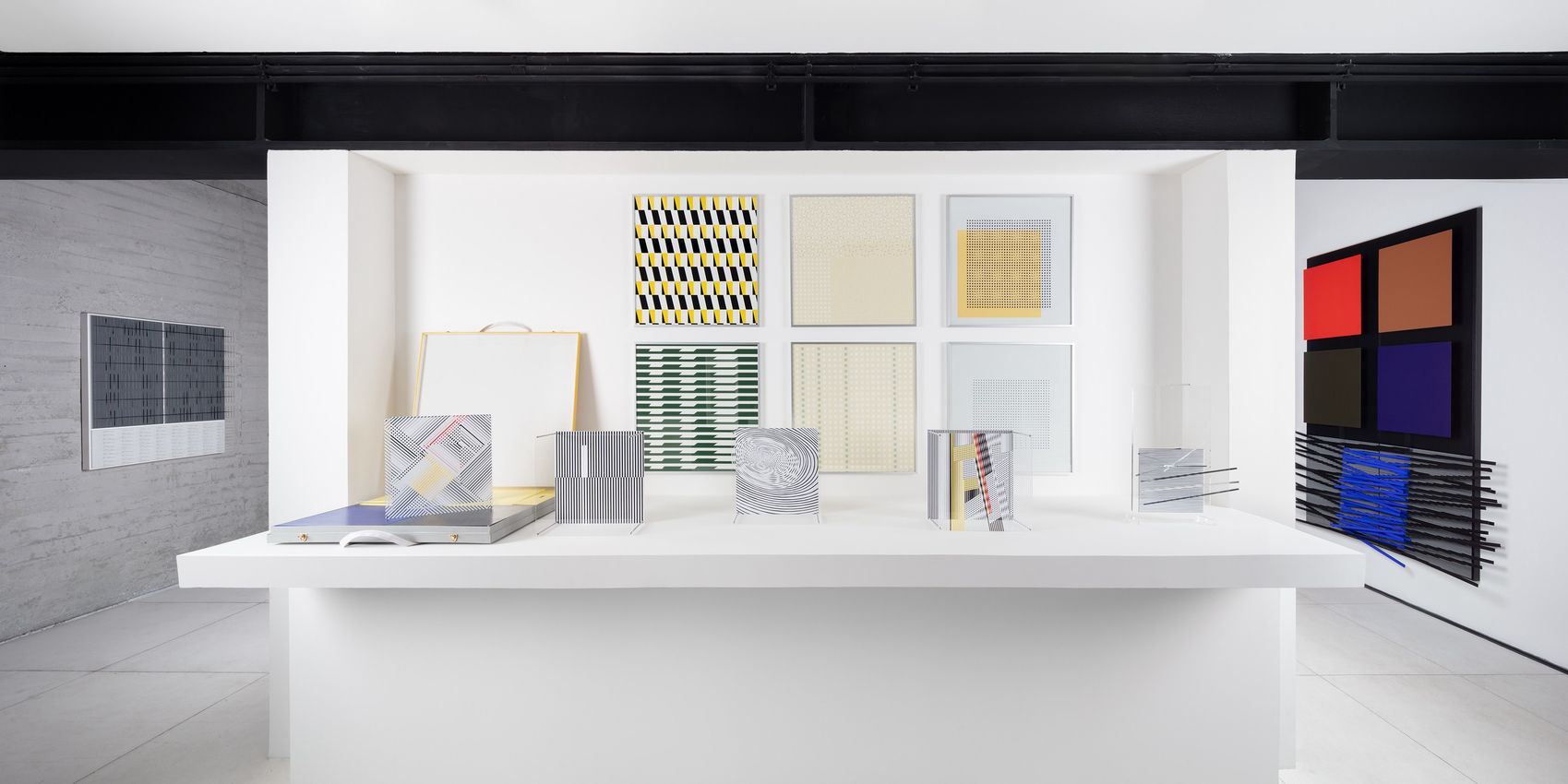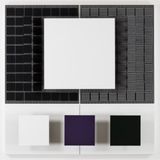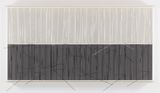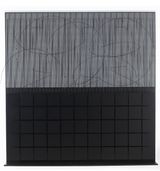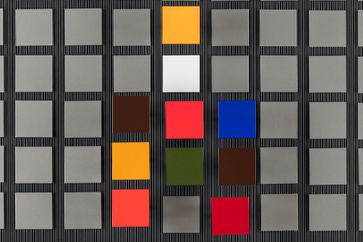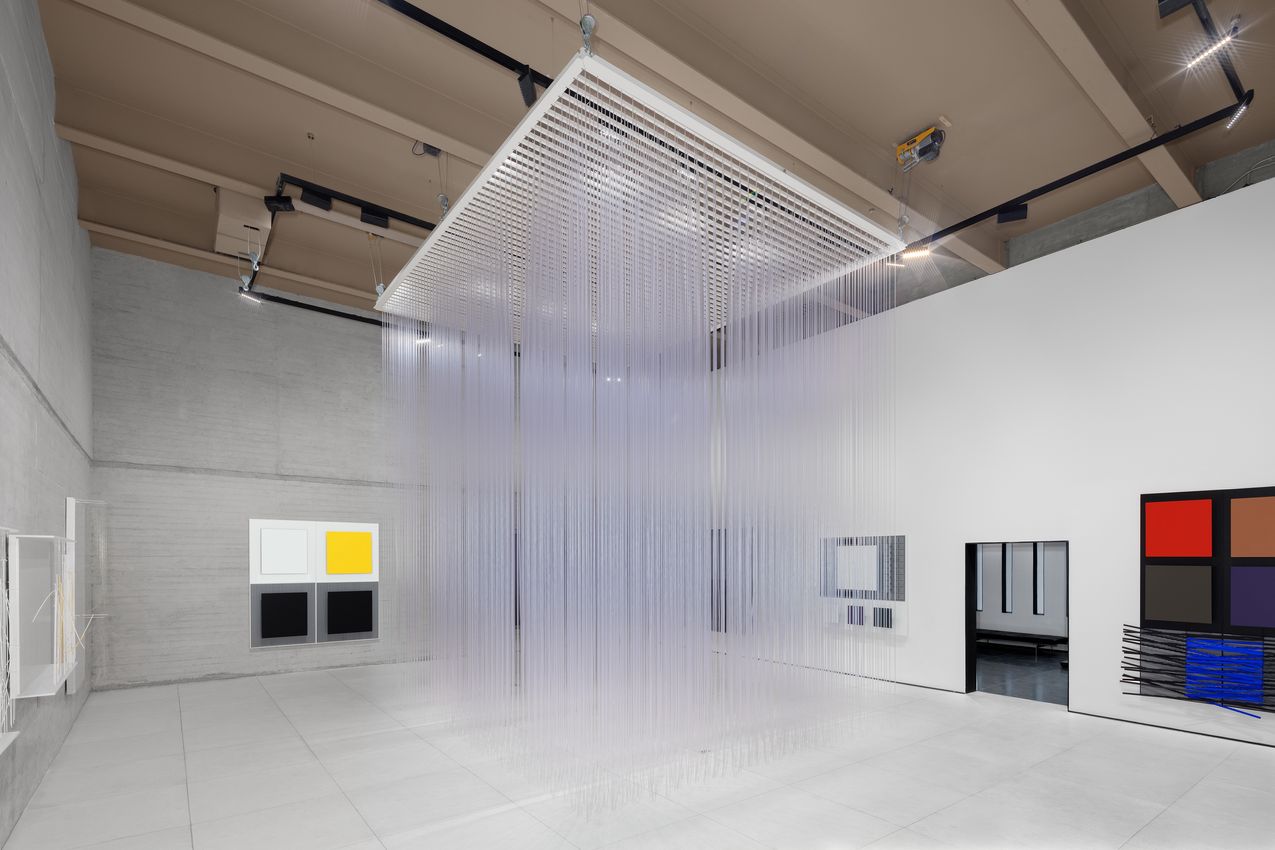
Galería RGR, Mexico City, is pleased to present a solo exhibition of Venezuelan artist Jesús Rafael Soto (1923-2005), a leading figure of the Kinetic art, commemorating the centenary of his birth. The Instability of the Real, co-curated by Tatiana Cuevas and Paola Santos Coy, brings together historical works from the artist ‘s Estate (Atelier Soto), spanning over five decades.
On view beginning February 7, 2023, the exhibition gathers historical works by one of last century’s most influential figures in Latin American and European art. Tatiana Cuevas and Paola Santos Coy summarised their curatorial point of departure:
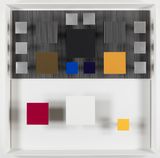
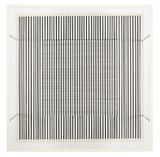
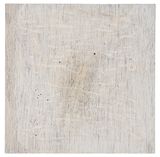
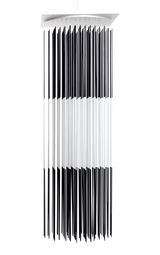
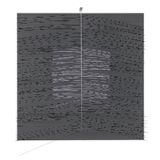
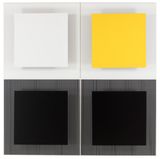
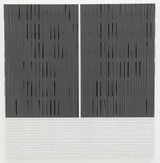
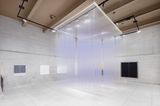
‘It has been a privilege to return to Soto’s work on the centenary of his birth. In collaboration with the Atelier Soto in Paris, we brought together a selection that synthesises the central ideas explored in the exhibition presented at the Museo Tamayo de Arte Contemporáneo almost twenty years ago. The Instability of the Real now displays a succinct exploration through Soto’s research towards expanding the experience of the bi-dimensional surface of painting into the three-dimensional space. It includes early works such as Untitled (1958), Vibration blanche (1959), L’aiguille (1961), in which he established the keys to activate the first optical relations between the elements and materials used in his works. The exhibition also includes a selection from his series Escrituras and Ambivalencias, through which he developed systems of interactions between form, space and time. Thanks to the intense work that the Atelier Soto has undertaken during the past decade to recuperate and restore vintage works, we were able to integrate Torre vibrante blanco y negro (1968), as well as Pénétrable (1992) presented at Soto’s retrospective exhibition organized by Serralves Foundation in Portugal, in 1993. The exhibition is an homage to Soto, presenting an integral experience of his practice in a perhaps more intimate space that looks to emulate the way his works cohabited in some of his early solo exhibitions during the sixties and seventies.”
Soto’s practice transcended the static concepts of form and volume by formulating serial relationships between the elements that made up his work. He gradually integrated instability, vibration, and dematerialisation processes in order to transfer the pictorial plane into the three-dimensional space. Soto’s pioneering perceptual experience of the artistic object, in which the spectator’s participation is essential, began in the fifties and traced a path towards the broader experimental turn. Faced with a world in constant movement, as the critic Jean Clay made clear, Kineticism is not about ‘things that move’; it is the awareness of the instability of the real. (‘La Peinture est finie’ Painting is finished, Robho, No.1, 1967). In our current nonstop-changing world, Soto’s postulates reclaim a conscious evaluation of the tremendous speed with which we inhabit and perceive time and space.
About the oncoming exhibition, Galería RGR founder Ricardo González comments: ‘We’re honoured to organise such an important project we’ve been working on for over a year along the Estate of Jesus Rafael Soto in Paris. It is a privilege to have his early seminal works, a Pénétrable installation, and a very representative set of works belonging to Soto’s different series and periods. Having Tatiana Cuevas and Paola Santos Coy as curators, whose expertise and experience with Soto’s work have been of crucial importance in the selection of the pieces, and the exhibition’s focus, allowed us to create a complete narrative on the outstanding achievements of Soto’s career with a fresh view.’
The exhibition brings together a selection of historical works, it will present a compendium of Soto’s key explorations towards a novel aesthetic terrain that incorporates the inherent ambiguity of time and space.
About Jesús Rafael Soto
Jesús Rafael Soto (Ciudad Bolivar, Venezuela 1923 – Paris 2005) was an influential and central figure of post-war global modernism. He studied at the Caracas School of Fine Arts and later relocated to Paris in 1950, where he became a part of the international group of artists that sought to renew the experimental art scene in the postwar. During his career, he developed a crucial role in redefining an artwork’s reach and social function, starting from investigating the space-time unit of an object. Soto is commonly associated with Op art and participatory art. His work is characterised by the continuous study of movement and the dematerialisation of form, producing Kinetic constructions in which the spectator’s active role is vital. Soto was recognised with several honours, among them the National Plastic Arts Award of Venezuela in 1984, and the National Prize of Sculpture awarded in France in 1995.
Selected solo shows include: Taller Libre de Arte, Caracas (1949); Galerie Denise René, Paris, (1956 and 1967); Kunsthalle of Bern and at the Stedelijk Museum of Amsterdam (1968); Musée de la Ville de Paris (1969); Museo de Bellas Artes de Caracas (MBA, 1957, 1971 and 1993); Signals Gallery, London (1965); Galería Estudio Actual, Caracas (1969); Musée d’Art Moderne de la Ville de Paris (1969); Museo de Arte Moderno de Bogotá (1972); Salomon Guggenheim Museum, New York (1974); Museo Nacional de Arte Moderno, Centre Georges Pompidou, Paris (1979); Palacio de Velázquez, Madrid (1982); Museo de Arte Contemporáneo de Caracas (MACC, 1983); Musée du Jeu de Paume, Paris (1997); Centro Cultural Conde Duque, in Madrid (1998) and Visión en Movimiento, a major traveling retrospective that was presented at the Museo Tamayo in Mexico, at the Fundación PROA in Argentina and at the Galleria d’Arte Moderna e Contemporanea in Bergamo, Italy (2005- 2007). In 2019 the Guggenheim Museum Bilbao held a retrospective of his work.
Galería RGR
Jesús Rafael Soto was an influential and central figure of post-war global modernism. He participated in the group exhibition Le mouvement (1955), at the Denise René Gallery in Paris, one of the foundational moments of the style. Throughout his career, he was prominent for the redefinition of the social role of art, rooted in wide research about the spatial-temporal quality of the artistic object.

RGR is a contemporary art gallery committed to fostering dialogue across generations, movements, and artistic practices. Founded in 2018 in Mexico City, the gallery presents a diverse program that brings together established artists, historical legacies, and emerging voices shaping the contemporary art landscape. With a strong focus on experimentation and critical discourse, Galería RGR represents both pioneering figures in modern and contemporary art and contemporary artists exploring new frontiers in painting, sculpture, installation, and digital media. Its exhibition program encompasses a wide range of artistic approaches, from geometric precision to conceptual and expansive narratives that reflect the cultural and social context of our time.

A respected voice in contemporary art discourse.
Focusing on ambitious storytelling and insightful art-world commentary. Ocula Magazine publishes in-depth interviews, critical essays and timely analysis on the artists, exhibitions and ideas driving the global art world.
Learn more about Ocula Magazine
Showcasing the best of the art world.
Ocula partners with galleries from around the world to highlight their artists, artworks and exhibitions. Gallery membership is by application and invitation, with each member vetted by an independent panel.
Learn more about Ocula Membership

Specialises in the sale of major artworks.
Led by a team with deep ties to the world’s leading auction houses, galleries and collectors. Ocula’s advisory team offers bespoke services to high-net-worth clients from around the world who are looking to acquire the best of contemporary and modern art.
Learn more about our team and services