Abraham Cruzvillegas
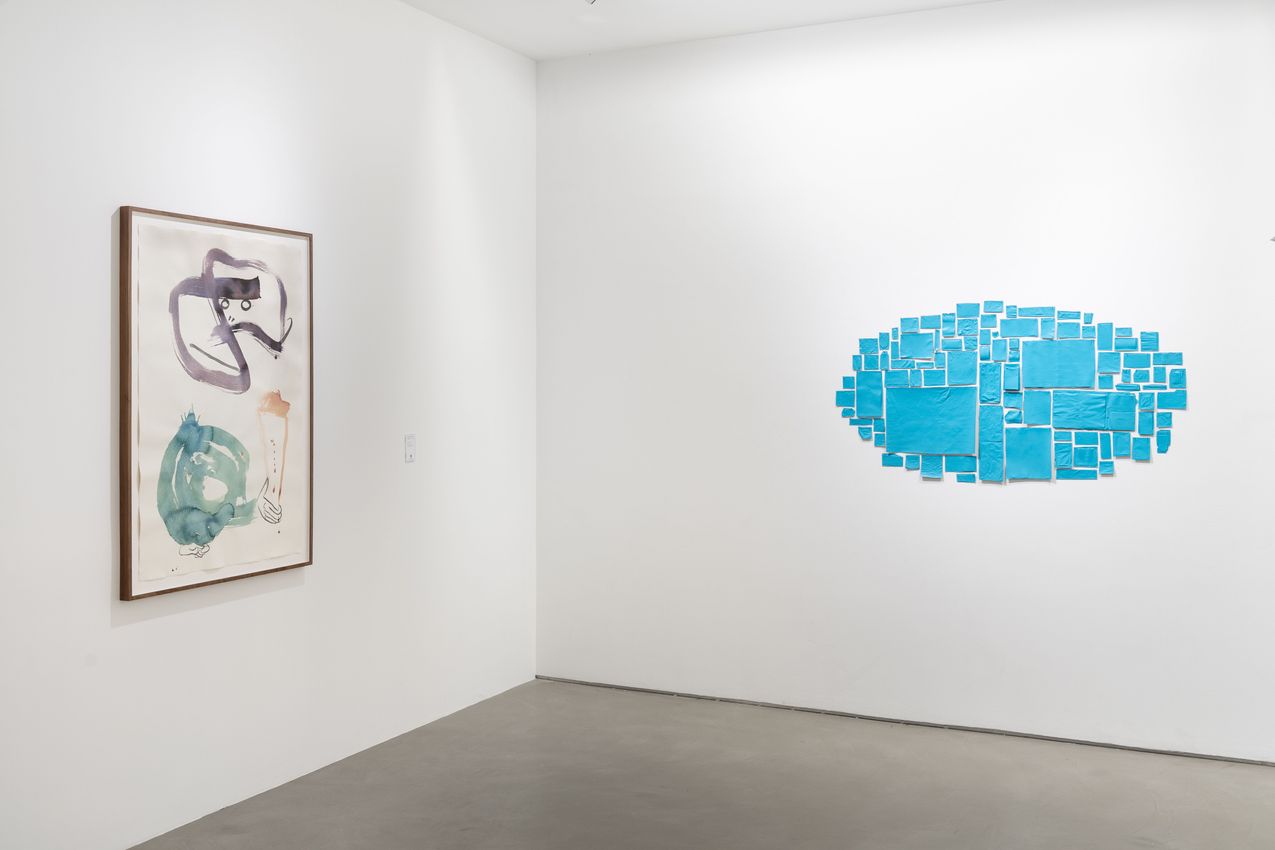
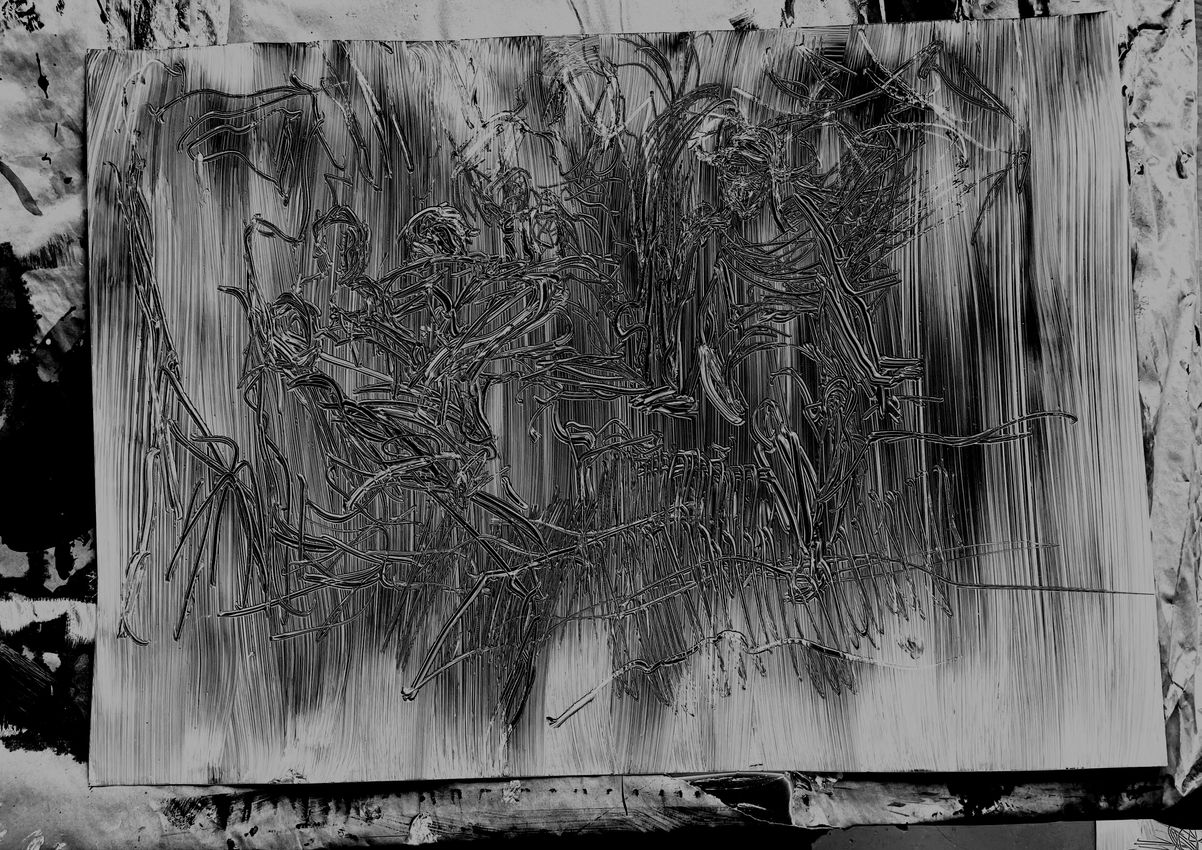
Since 1985, his drawings, paintings, and silkscreens of primates—inspired by his fascinationwith gorillas—have become metaphors for the human condition. In Autorretrato oponible actual,31 (2023) the artist observes the similarities between these animals and his loved ones, weavinga link between animality and humanity. Through these simian figures, he questions his ownreflection, blurring the boundaries of human and animal.
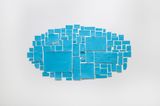
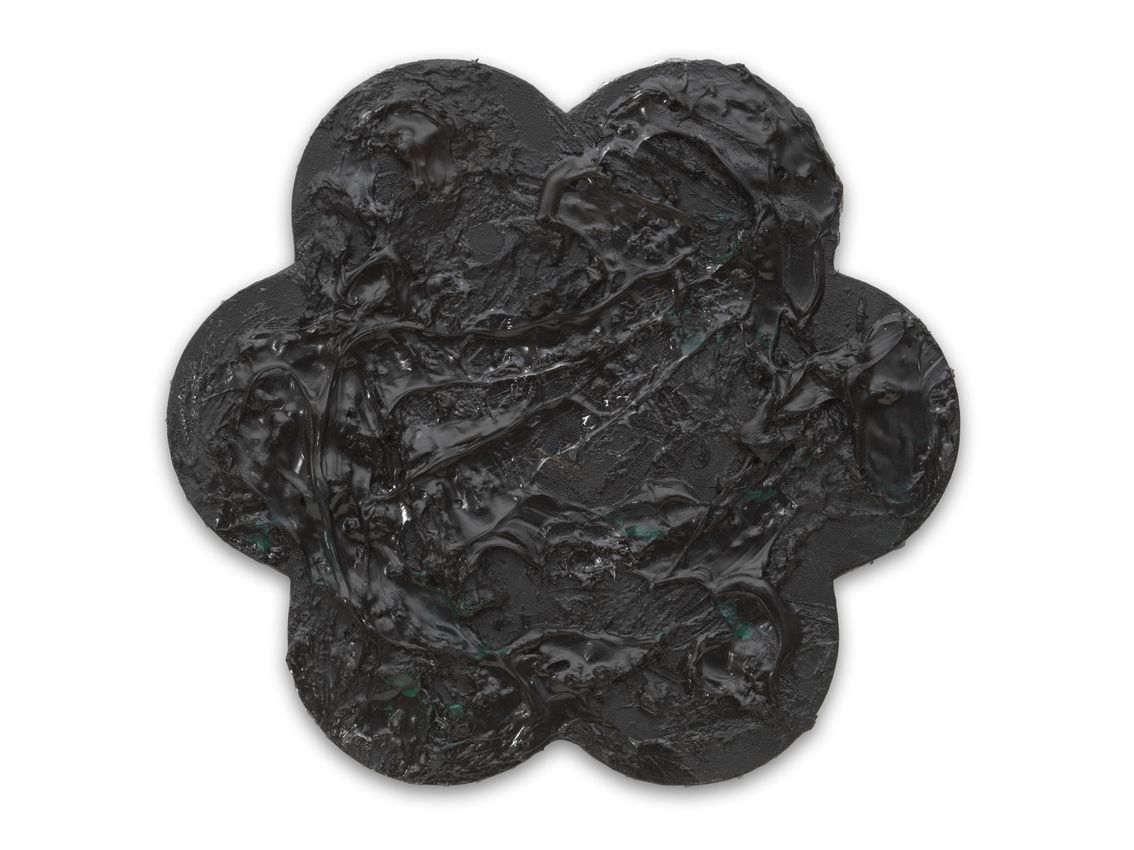
In the series Blind Self Portrait, he pursues an introspective exploration by covering elements ofdaily life with paint: personal documents, press clippings, flyers or found objects. These supportsare masked under a layer of acrylic, erasing their visible content. Arranged in a composition thatis both chaotic and rigorously structured, these fragments create a “blind self-portrait” in whichmeaning is deliberately blurred, allowing a form of abstract introspection.
With the installation Empty Lot, presented in 2015 at Tate Modern, Abraham Cruzvillegas directlyaddresses the tension between nature and urbanization. Through a geometric arrangement ofplanters filled with soil but initially empty, he invites nature to take root in the heart of the city.
The spontaneous growth of plants, made possible by a lighting and irrigation system, becomesa metaphor for constant transformation, latent potential, and the unpredictability of livingthings.
Abraham Cruzvillegas explores the complex relationships between human being, identityand nature. By articulating representations of primates, abstract self-portraits and sculpturalinstallations, he builds a body of work centered on identity in constant evolution. The artistexplores the shifting links between the individual and his or her their environment—whethernatural, urban, or social—and invites us to rethink the invisible connections that shape ouridentities, and to see the coexistence of nature, culture, and memory as a constantly evolvingprocess.
Rirkrit Tiravanija
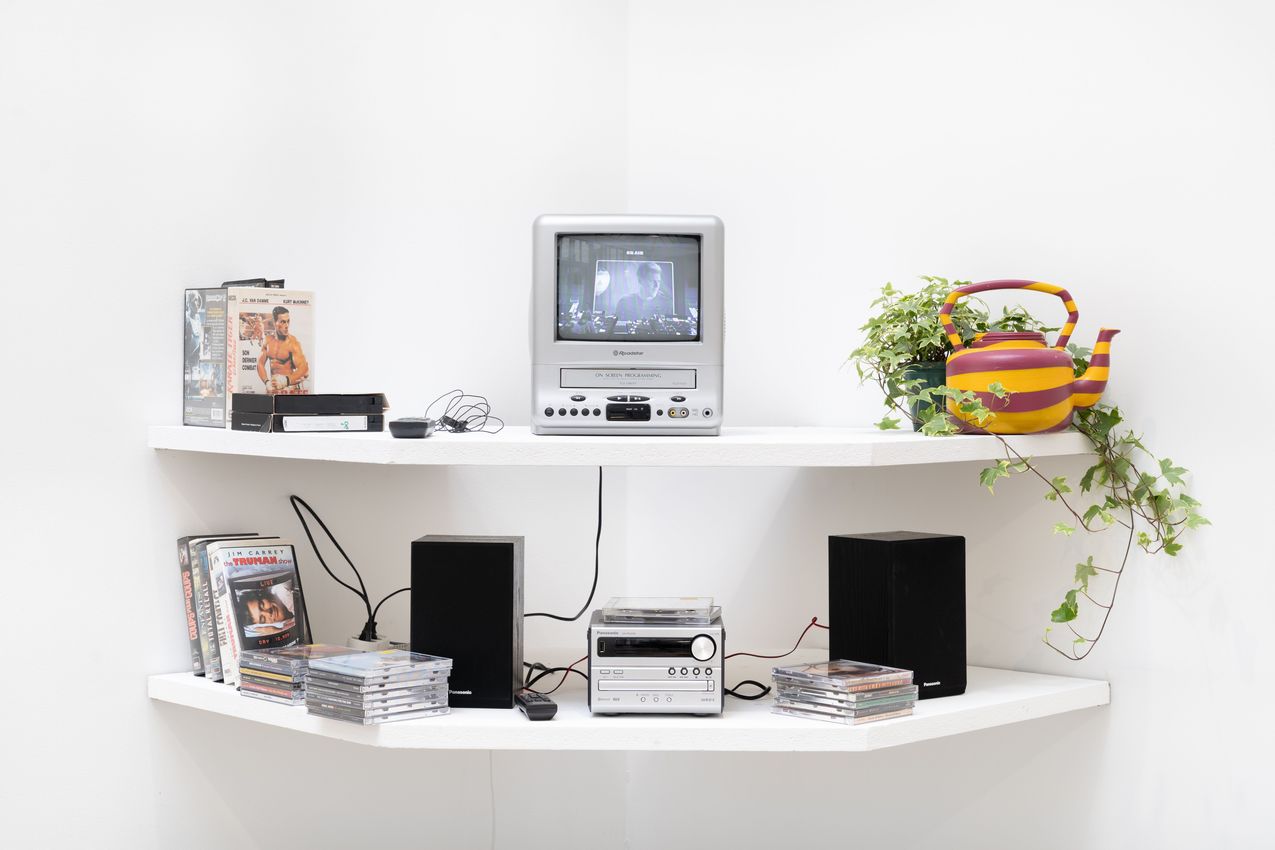
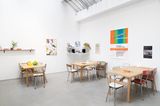
La salle de jeux (1998) by Rirkrit Tiravanija evokes a café or clubhouse—social settings wherepeople meet to drink tea, watch television, play cards or share memories. A selection of games,DVDs and CDs is made available, and visitors are invited to take over the exhibition space asthey wish. A corkboard, ready to receive any notes or drawings guests feel like posting, furtherencourages social exchange.
Since the late 1990s, Tiravanija has produced participatory installations that offer visitorsplatforms for expression within the exhibition itself, asserting the gallery as a place forencounter and sharing. Informed by artistic precedents such as the happenings of the 1960s,participatory art upends conventional understandings of the artwork and questions prevailingsocial conventions. The artist steps aside to allow visitors to take ownership of the space and, indoing so, bring the work to life.
Danh Vo
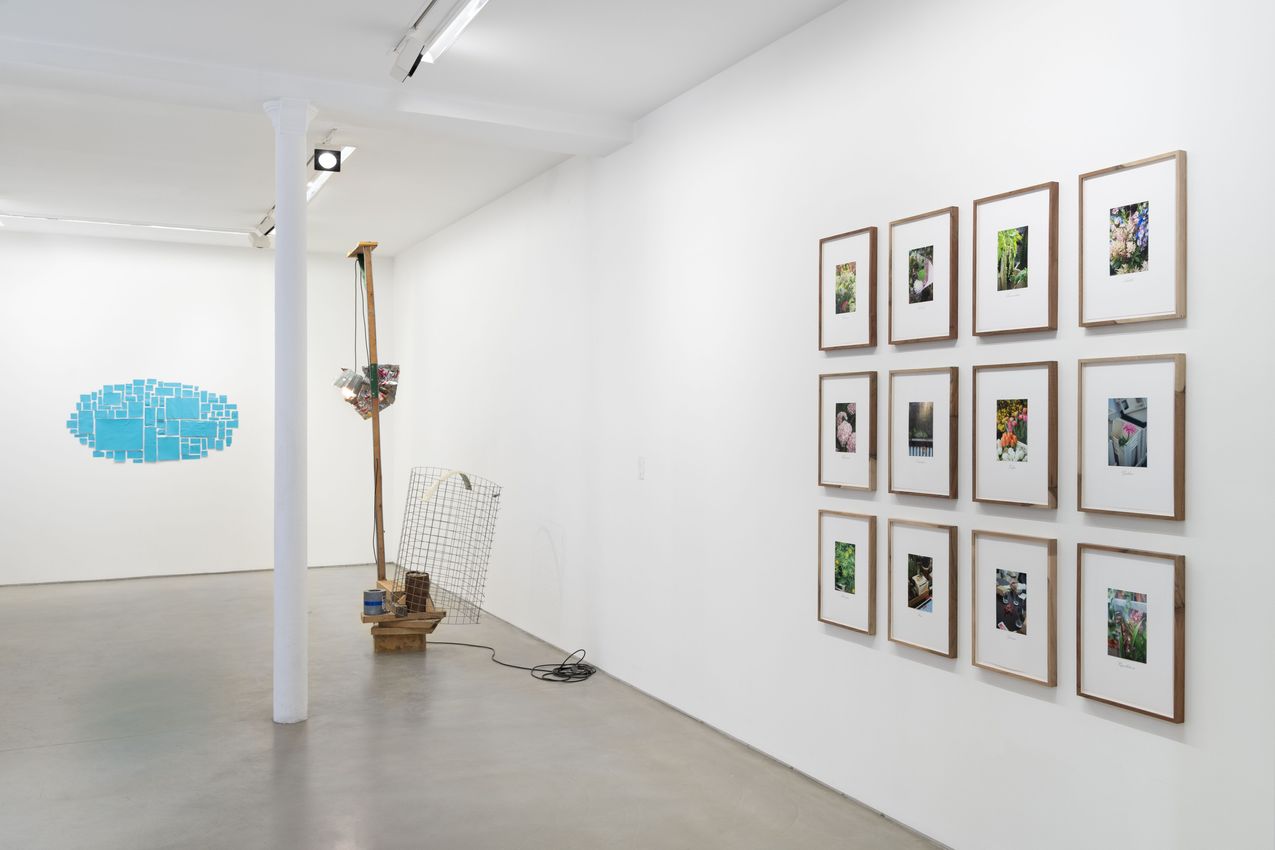
untitled (2023) brings together twelve photographs of flowers by Danh Vo. Beneath each imagethe artist’s father, Phung Vo, has handwritten the first part of the flower’s Latin name, thusextending the father-son collaboration best known through 2.2.1861 (2009-), in which Phungcopies the farewell letter French missionary Théophane Vénard sent to his own father beforebeing executed by Buddhist monks in Vietnam. A Catholic refugee now living in Denmark,Phung has made this transcription both a source of income and a form of prayer.
Danh Vo’s interest in flower photography began with the series untitled (2021), shot on hisiPhone in the gardens of Güldenhof (Germany) and Pantelleria (Italy). Around the same time hebecame close to a German-Vietnamese family of florists, offering them the use of the storefrontbeneath his Berlin apartment. At first he supplied them with flowers from Güldenhof, but thesenon-commercial varieties were considered too irregular for sale. This realisation deepenedVo’s curiosity about floral species and ultimately led to untitled (2023). The series portrays cutflowers from the shop, often photographed in sparse, isolated settings—a single rose on a scale,a carnation placed on bare wood. The Latin name written beneath each image raises questionsabout power and cultural hierarchies, a theme also reflected in the choice of frames. These weremade from black walnut wood given to the artist by Craig McNamara, son of Robert McNamara,the U.S. Secretary of Defense, who played a central role in the Vietnam War—the conflict thatled to Vo’s family’s exile. By using wood from the McNamara estate, the artist draws attention tothe historical events that shaped his family’s displacement.


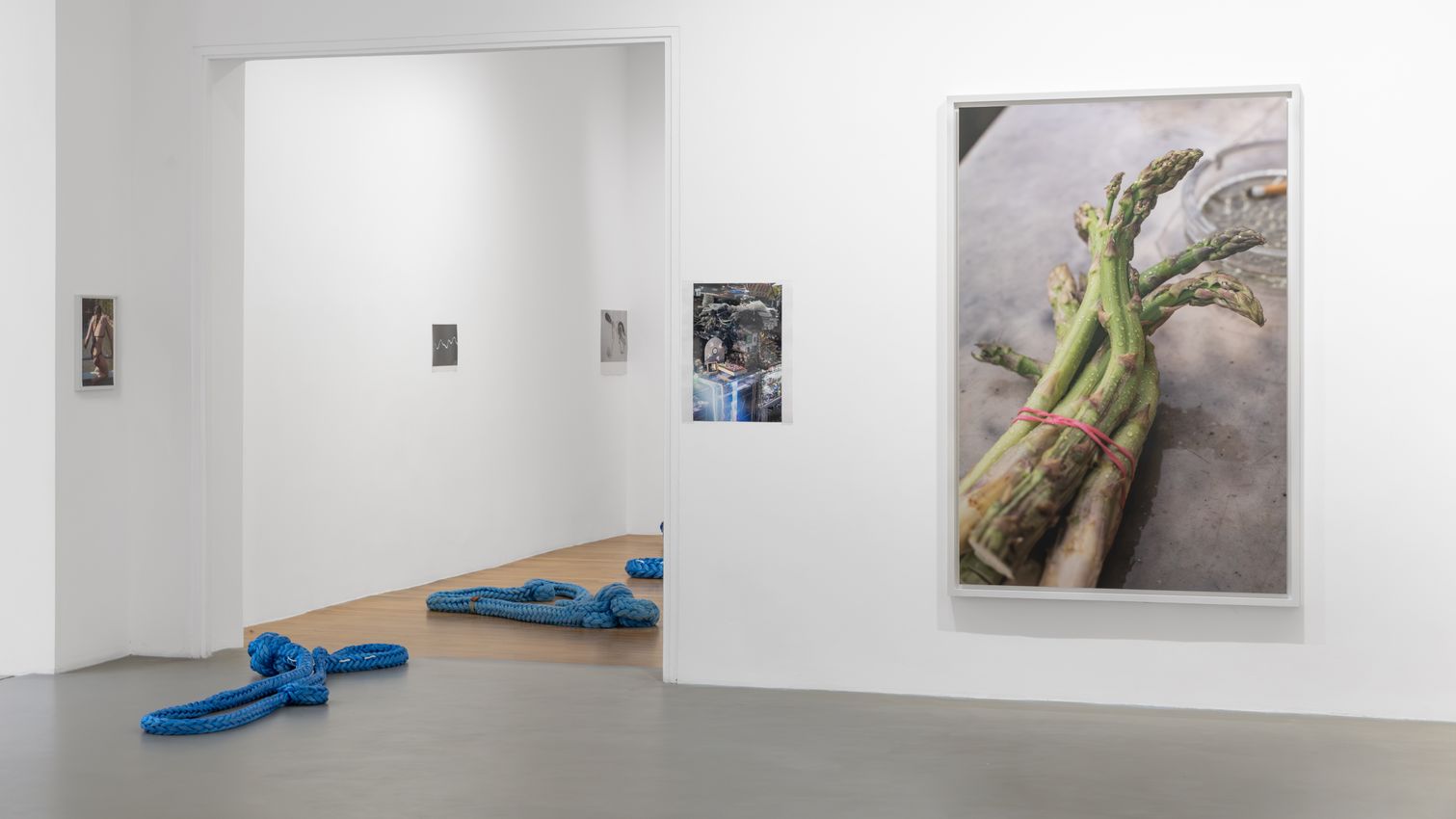
Located on rue Charlot in the 3rd arrondissement in Paris, Galerie Chantal Crousel presents a selection of artists highly diverse in their national and cultural origins and mediums who together contribute to a universal visual language.

A respected voice in contemporary art discourse.
Focusing on ambitious storytelling and insightful art-world commentary. Ocula Magazine publishes in-depth interviews, critical essays and timely analysis on the artists, exhibitions and ideas driving the global art world.
Learn more about Ocula Magazine
Showcasing the best of the art world.
Ocula partners with galleries from around the world to highlight their artists, artworks and exhibitions. Gallery membership is by application and invitation, with each member vetted by an independent panel.
Learn more about Ocula Membership

Specialises in the sale of major artworks.
Led by a team with deep ties to the world’s leading auction houses, galleries and collectors. Ocula’s advisory team offers bespoke services to high-net-worth clients from around the world who are looking to acquire the best of contemporary and modern art.
Learn more about our team and services