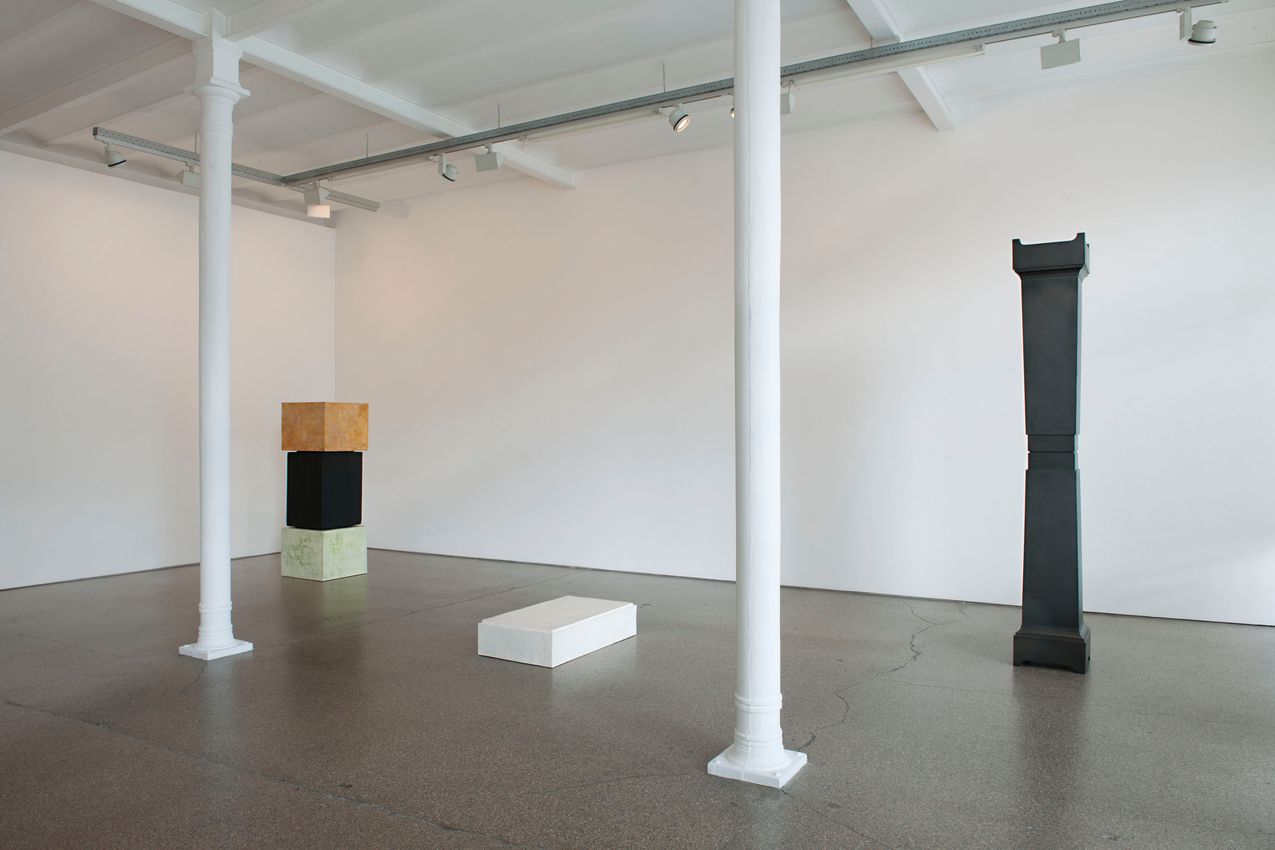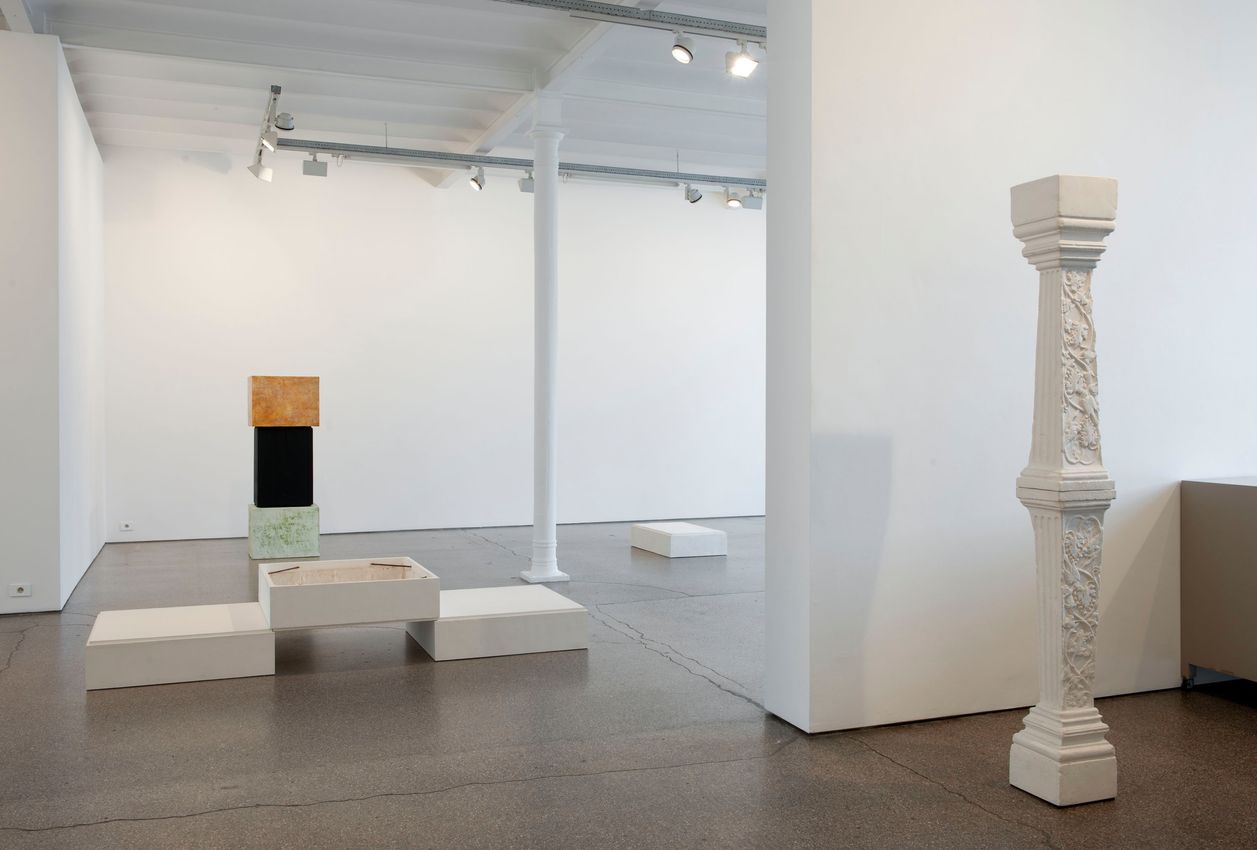
Greta Meert Gallery presents a selection of early works by Belgian artist Didier Vermeiren (Brussels, 1951), realised between 1973 and 1994.
Didier Vermeiren belongs to a generation of Belgian artists who were instrumental in determining the international art discourse in the 1980s, in particular by fundamentally questioning the visual language of Western art history. Starting from the sculptural tradition, Didier Vermeiren works towards an analysis of the fundamental aspects of the medium of sculpture. In doing so, a shift takes place from mimesis to self reflection, the sculpture acquires meaning by the way in which it employs its own autonomous language.
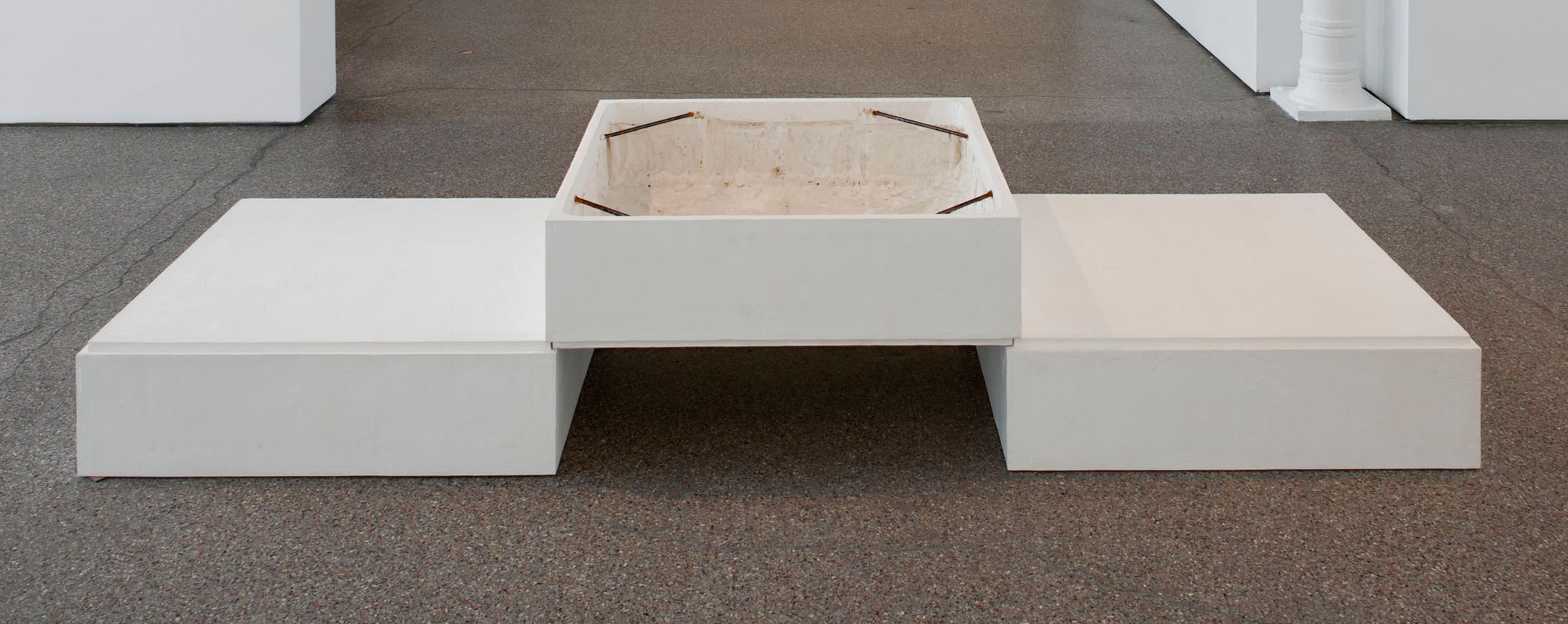
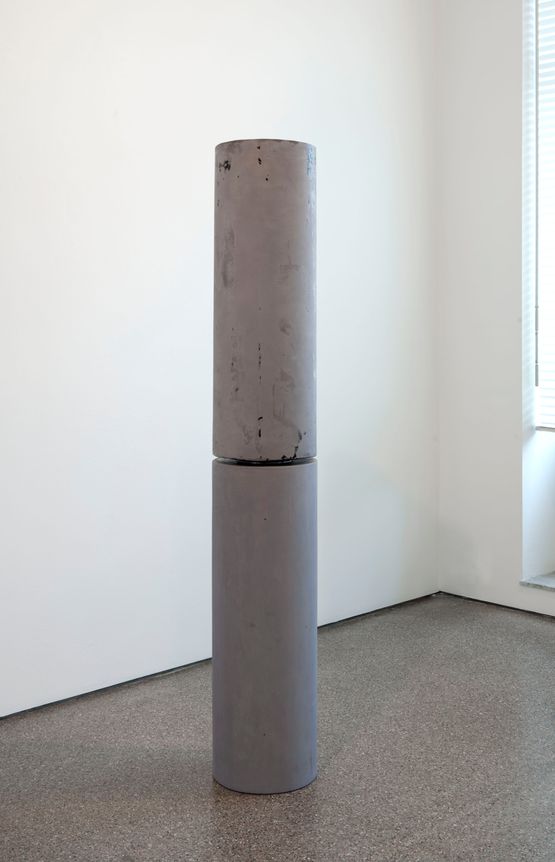
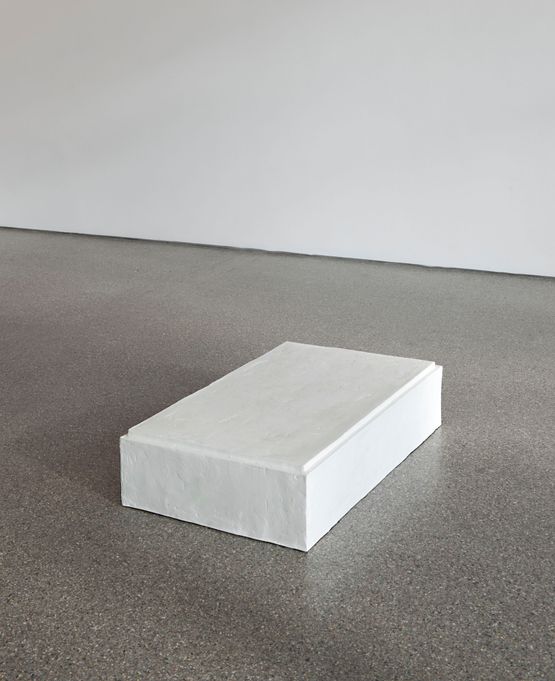
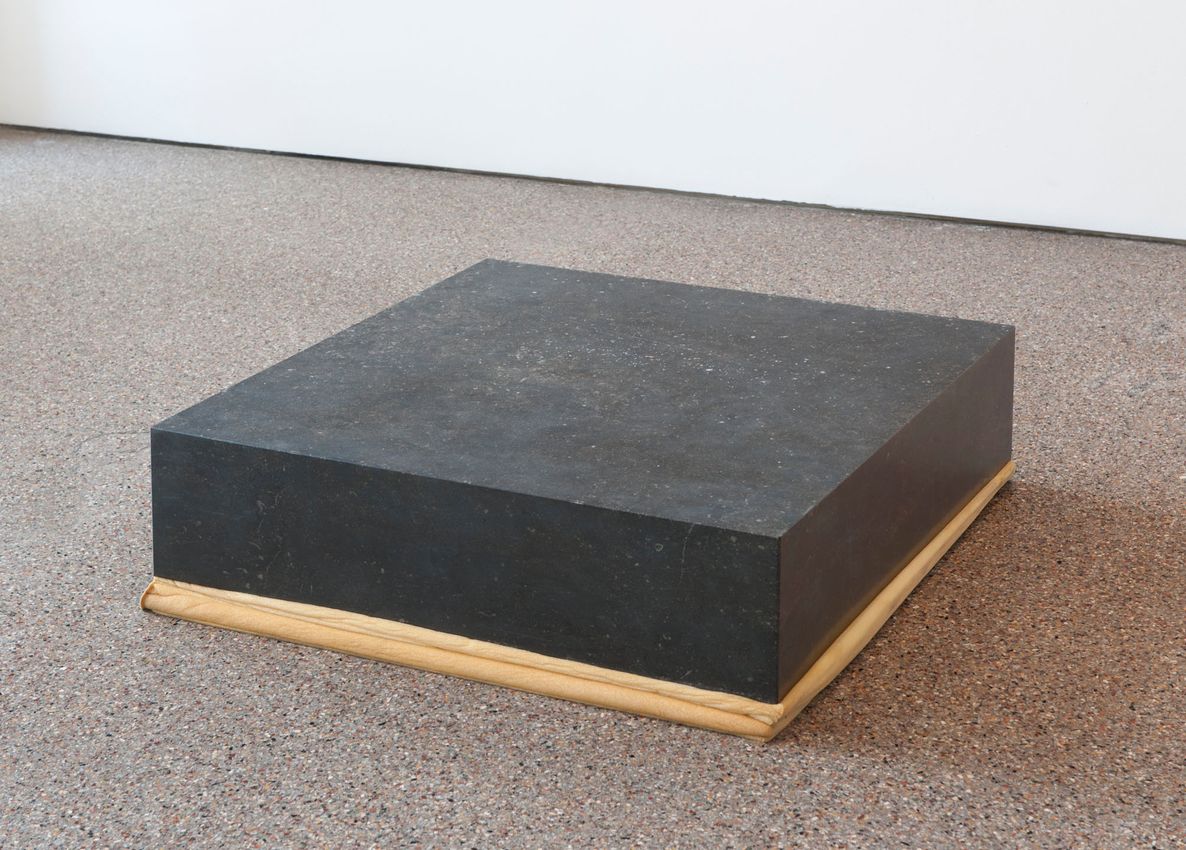
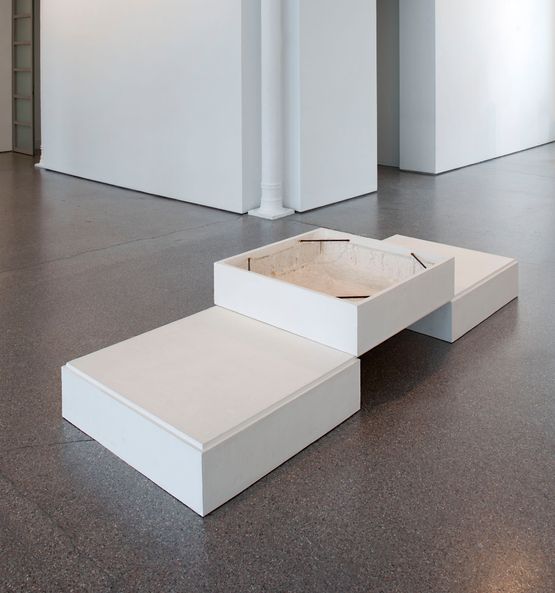
Initially, the plinth, as a perceptual and institutional element (cf Rodin, Brancusi), took up a primordial place in Vermeiren’s analysis. The ‘plinth sculptures’ from the 1980s are meticulous replicas of the plinths of works by Carpeaux, Canova, Rodin, Smith, made in the material of the piece that is supported by the original plinth. The present exhibition in Greta Meert Gallery includes Plâtre, 1984 and Grès, 1985 (subtitled, respectively, Socle du Musée Rodin Museum, Meudon, supportant le Saint-Baptiste, plâtre 1878 and Socle du Musée Rodin, Meudon, supportant Jean d’Aire, grès 1900).
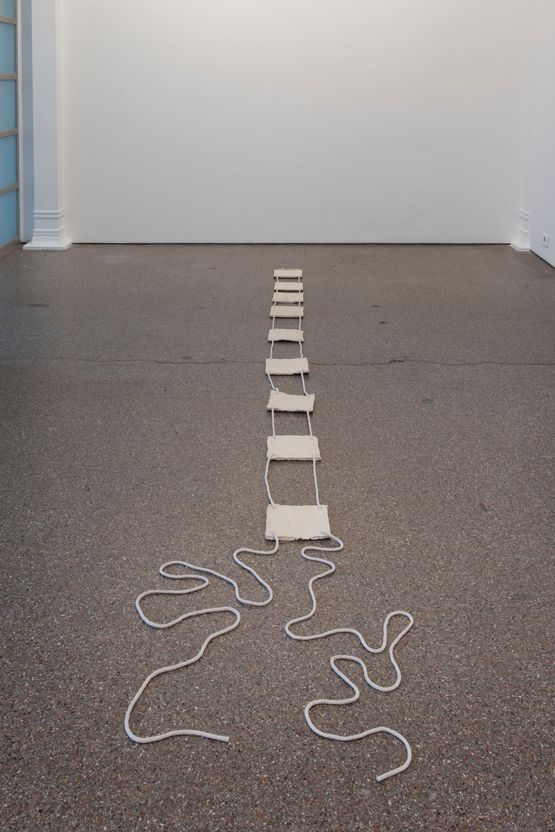
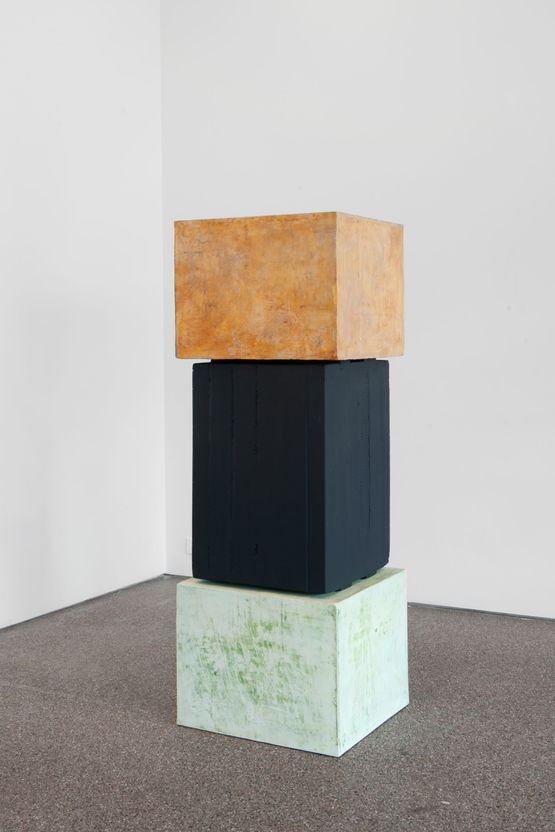
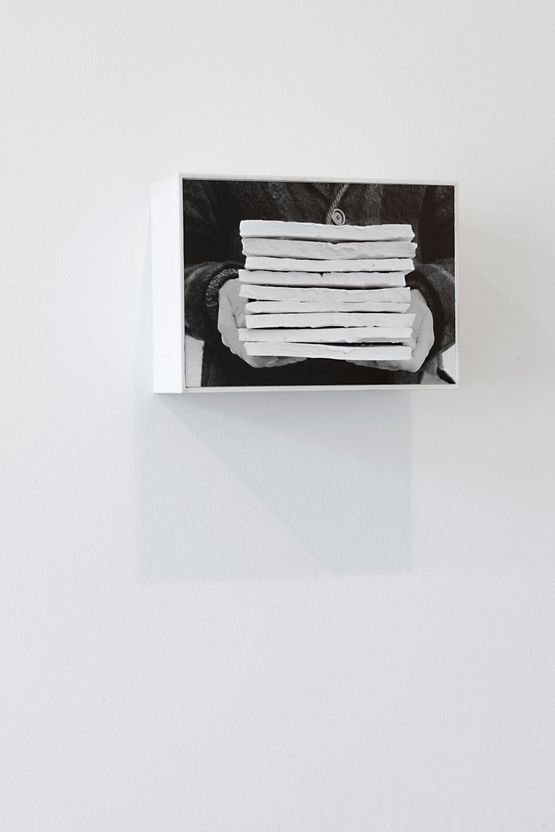
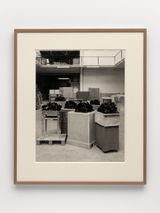
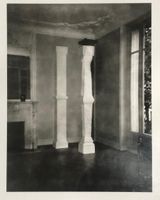
Through repetition, reversal, doubling and inversion, the plinth is incorporated and elevated to a sculptural level. These strategies are subsequently expanded to various means of production, transport and presentation: plinth on plinth, plinth becomes sculpture, mould becomes sculpture, packaging becomes sculptural material, packaging becomes sculpture, replica becomes original, negative becomes positive, etc.
This strong visual concept has been explained by Jean-Pierre Criqui with the term figura, meaning the exact reference that the sculptural work presents an image of: the plinth1. Figuration is undoubtedly a daring approach, but while it provides the correct nuance of meaning in the current interpretation of Vermeiren’s work within the conceptual and minimalist movement–in which the work of art belongs to the same space as the viewer and the plinth therefore loses its function–it remains nevertheless iconoclastic.
’The idea is the sculpture and the sculpture is the idea’: Vermeiren has always emphasized the equivalence of subject and object. The forceful physical presence of the sculpture derives from the attention to sculptural mass, density and volume, and from the experimental handling and combination of materials. It marks the significance of the studio in the thinking of the artist.
The Dhondt-Dhaenens Museum (MDD) shows the subsequent development of Vermeiren’s oeuvre. Next to a number of sculptures from the ‘Solides plastiques’ series from the late 990s and ‘Solides geométriques’, 2003-2004’. Together with some new works, it shows an ensemble of his most recent work.
Didier Vermeiren’s practice is based on repetition, reversal, doubling and inversion. The plinth is incorporated and elevated to a sculptural level: plinth on plinth, the plinth becomes sculpture, the mold becomes sculpture, the replica becomes the Original, the negative becomes the positive. These strategies are subsequently expanded to various means of production, transport and presentation.
Over the past 30 years, Galerie Greta Meert established itself as one of Brussels’ leading contemporary art galleries. Founded in 1988 as Galerie Meert Rihoux, it was subsequently renamed after its founding director Greta Meert in 2006. Located in the center of Brussels, the gallery occupies a five-story Art Nouveau building designed by Louis Bral and renovated for the gallery by renowned Belgian architects Hilde Daem and Paul Robbrecht. Since 2012 three floors of the building are dedicated to exhibitions, making it possible to maintain an expanded exhibition schedule.

A respected voice in contemporary art discourse.
Focusing on ambitious storytelling and insightful art-world commentary. Ocula Magazine publishes in-depth interviews, critical essays and timely analysis on the artists, exhibitions and ideas driving the global art world.
Learn more about Ocula Magazine
Showcasing the best of the art world.
Ocula partners with galleries from around the world to highlight their artists, artworks and exhibitions. Gallery membership is by application and invitation, with each member vetted by an independent panel.
Learn more about Ocula Membership

Specialises in the sale of major artworks.
Led by a team with deep ties to the world’s leading auction houses, galleries and collectors. Ocula’s advisory team offers bespoke services to high-net-worth clients from around the world who are looking to acquire the best of contemporary and modern art.
Learn more about our team and services