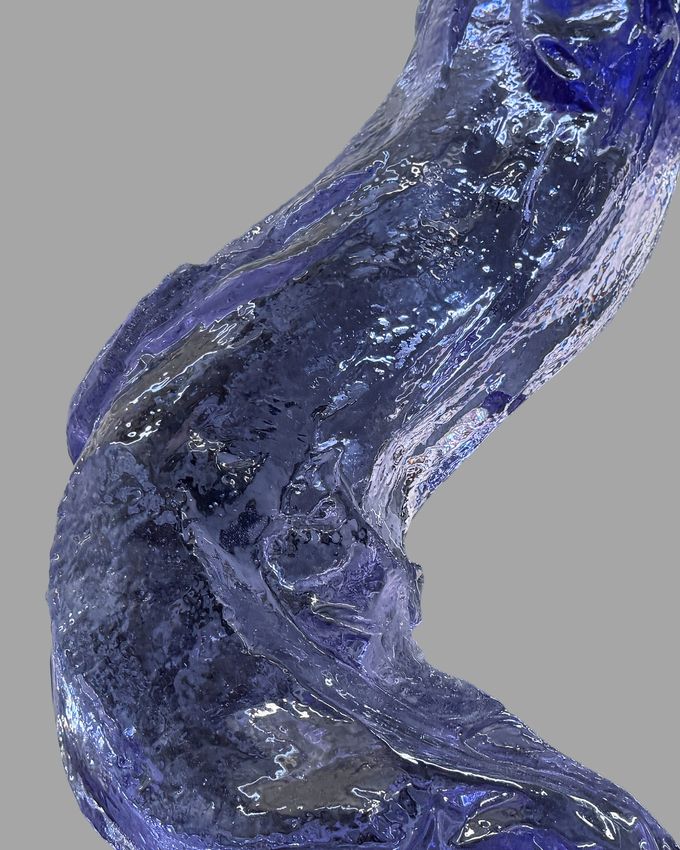
“Even as the sails inflated by the wind Involved together fall when snaps the mast, So fell the cruel monster to the earth.”— Dante Alighieri, Canto VII, Inferno
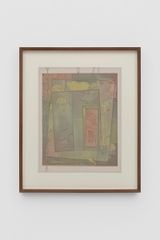
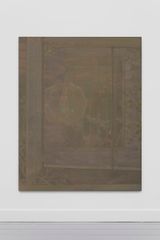
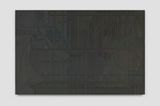
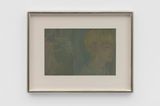
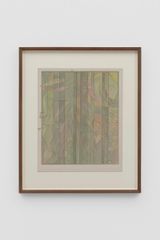
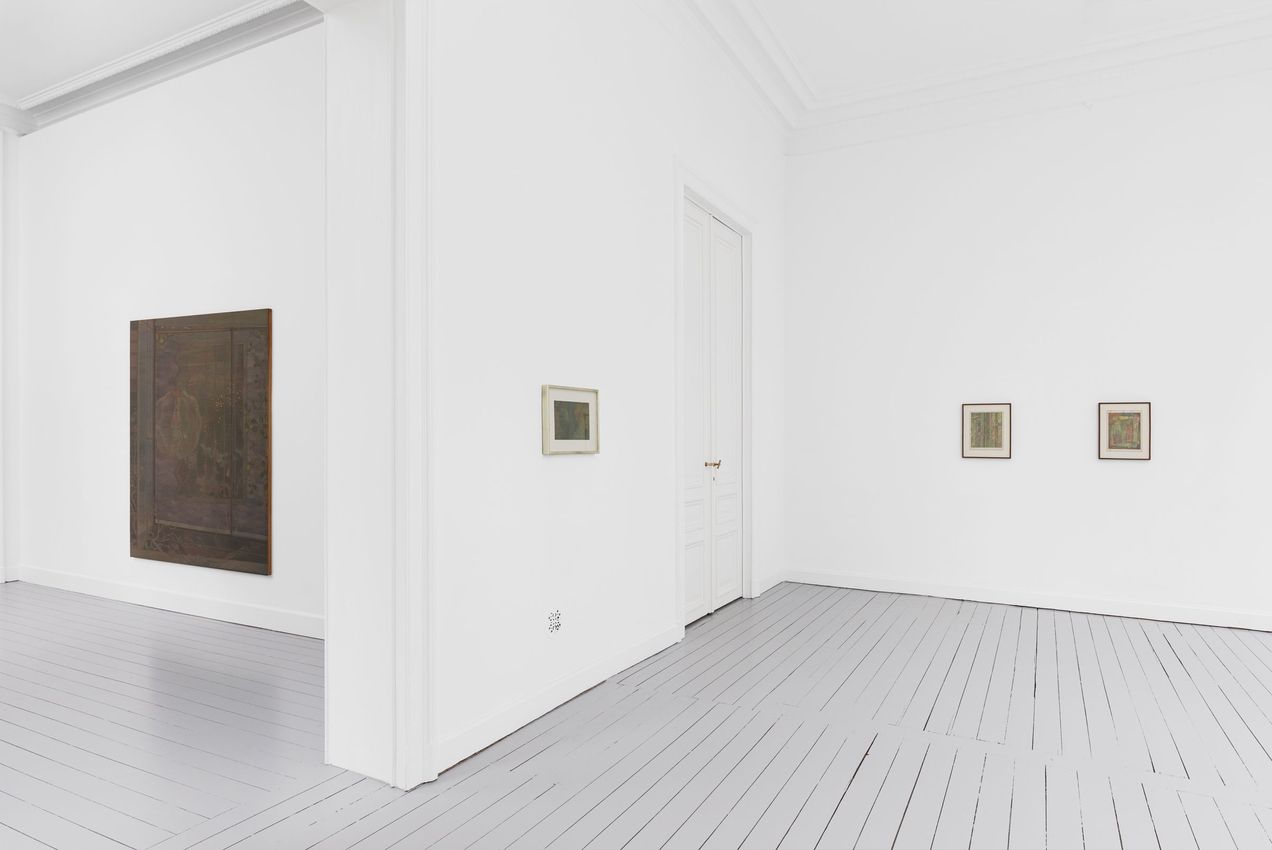
Gladstone is pleased to present an exhibition of new works by Hao Liang. This is the artist’s first solo exhibition with the gallery. The enigmatic phrase “Pape Satàn Aleppe,” uttered by Pluto in Dante’s _Inferno _and defying centuries of interpretation, sets the tone for Hao Liang’s thought-provoking exhibition. Drawing direct inspiration from Umberto Eco’s similarly titled work—which explores the erosion of individual-community bonds and the fragmentation of a shared historical narrative—this exhibition presents diverse cultures, histories, and philosophies. By adopting this cryptic title, the exhibition amplifies the calculated ambiguity inherent in Hao Liang’s works, inviting the viewer to grapple with layers of meaning at the intersection of visual history, literary allusion, and philosophical inquiry.
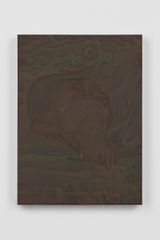
Hao Liang’s work is characterised by its contemplative nature and rich intertextuality, fostering dialogue with a historical material approach that engenders multiple interpretive possibilities through the interplay of analogies and contradictions. With a family background in filmmaking, Hao Liang’s work naturally exudes a captivating cinematic quality. Hao Liang drew inspiration from Brussel’s pivotal role in the evolution of European modernism, producing two seductive filmic works: _From a Drizzling Night in Brussels to Li Shangyin’s “Twisting River” _(2024) and _La casa de Asterión _(2024). In Twisting River, ninth- century poet Li Shangyin laments the passage of time and the downfall of an empire by evoking the spatial dimensions of his emotional landscape. Hao Liang’s visual technique, which flattens the foreground and background while positioning his characters—a sinuous monkey with a man’s face (an “intuitively expressed self-portrait”), entwined by a snake, Walter Benjamin’s “dwarf of theology,” and a young blond figure in a brassiere—within the same surface, perfectly aligns with Li Shangyin’s spatial structuring of emotions. In this staging, Brussels’ vibrant nightlife becomes the battleground for conflicting thoughts and interconnected timelines in history. Despite the inherent messiness of humanity within the context of globalisation, Hao Liang masterfully weaves through these complexities that are poetic, romantic, and self-reflective.
Drawing parallels with Dante’s _Inferno _and echoing Li Shangyin’s melancholic poetry, Hao Liang’s work navigates this powerful interplay with nuanced precision. His visual storytelling evokes the collapse of power structures—akin to Pluto’s defeat by Virgil and Dante’s divine protection—symbolising vulnerability in the twisting water of time. By synthesising diverse cultural and historical references, from classical literature to contemporary concerns, Hao Liang constructs a narrative deeply rooted in tradition yet strikingly modern. His artistic vision, exemplified in this exhibition, masterfully interweaves enigmatic narratives that bridge the turbulent past with the fragile present.
Hao Liang (b. 1983, Chengdu, China) lives and works in Beijing. Hao Liang received both his Masters of Fine Arts (2009) and Bachelors of Fine Art (2006) from the Chinese Painting Department of the Sichuan Fine Arts Institute in Chongqing, China. His work has been the subject of solo exhibitions at Aurora Museum, Shanghai (2019); UCCA Center of Contemporary Art, Beijing (2016); and Bonnefantenmuseum, Maastricht, The Netherlands (2016). Hao Liang has participated in recent group exhibitions at the Centre Pompidou, Paris (2024, 2017); ZHI Foundation, Beijing (2023); Red Brick Art Museum, Beijing (2023); He Art Museum, Shunde, China (2022); The British Museum, M WOODS Museum, Beijing (2021); M+ Museum of Contemporary Culture, Hong Kong (2021); Queensland Art Gallery & Gallery of Modern Art, Brisbane, Australia (2021); West Bund Museum, Shanghai (2020); 57th International Art Exhibition of La Biennale di Venezia, Venice (2017); The Metropolitan Museum of Art, New York (2017); and Foundation Louis Vuitton, Paris (2016). His work is held in major public collections including the Art Gallery of New South Wales, Sydney; Asia Society, Hong Kong; Bonnefantenmuseum, Maastricht, The Netherlands; The British Museum, London; Centre Georges Pompidou, Paris; Gallery of Modern Art, Brisbane, Australia; Kadist Art Foundation, San Francisco; M+ Museum, Hong Kong; and the Metropolitan Museum of Art, New York.
Beijing-based artist Hao Liang, 郝量, extends the conventions of Chinese ink and wash painting by revisiting legacies of Chinese history and art traditions. He is regarded as a leading figure of New Ink (新水墨, xinshuimo), a painting style prevalent in the early 2010s, which merges traditional Chinese ink painting motifs with modern techniques.


A respected voice in contemporary art discourse.
Focusing on ambitious storytelling and insightful art-world commentary. Ocula Magazine publishes in-depth interviews, critical essays and timely analysis on the artists, exhibitions and ideas driving the global art world.
Learn more about Ocula Magazine
Showcasing the best of the art world.
Ocula partners with galleries from around the world to highlight their artists, artworks and exhibitions. Gallery membership is by application and invitation, with each member vetted by an independent panel.
Learn more about Ocula Membership

Specialises in the sale of major artworks.
Led by a team with deep ties to the world’s leading auction houses, galleries and collectors. Ocula’s advisory team offers bespoke services to high-net-worth clients from around the world who are looking to acquire the best of contemporary and modern art.
Learn more about our team and services