



Press Release

”‘And if beauty is terror,’ said Julian, ‘then what is desire? We think we have many desires, but in fact we have only one. What is it?’ ‘To live,’ said Camilla.‘To live forever,’ said Bunny, chin cupped in his palm.The tea kettle began to whistle.”

  • Donna Tartt, The Secret History

I’ve been thinking about Pompeii a lot lately. It’s maybe a funny thing that the subject has only just now attracted my attention, but I was never interested in those gruesomely contorted bodies before, I never saw the poetry in the carbonized loaves of bread still embossed with the melancholic trace of a baker’s thumbprint. I don’t know what it is that changed in me, but I know for sure that nothing at all has changed about Pompeii. I suppose that’s exactly what we like about it; as the contemporary world convulses under an avalanche of self-renewing catastrophes, it’s a relief to know that there is at least one place that stays exactly the same. Last night I watched a documentary that follows a group of archeologists as they begin excavating a previously unexamined area of the ruins. I noticed that each one of these people appears visibly moved when their little sieves produce 2000-year-old shards of eggshell or a casually discarded fishbone, that they are breathless with anticipation when the flick of a brush reveals inscrutable graffiti scrawled across a limestone wall. I think it must be hard to maintain that level of enthusiasm, but I do find it kind of touching that even the most insignificant of discoveries is treated with reverence and dignity. I guess the truth is that it’s a cumulative effect, that every unearthed object brings us closer to understanding the mystery of what it means to be subsumed by the unspeakable violence of our world.

I recently learned that the etymological root of _mystery _can be traced back to the Greek musteria, which is a word that was used to describe a secret series of ancient Greco-Roman religious rites known only to initiates. Derived from muo, the Greek verb for “to close or shut,” the term itself implies the compulsory code of silence that protected the esoteric rituals, cultic practices, and sacral laws that flourished in the time of Pompeii. Sometimes comprised of a surprisingly diverse socio-economic cross section of devotees, these Mystery Cults not only aimed to momentarily collapse the distance between birth, death, and the afterlife, but promised epiphanic experiences in which participants could fill themselves with the material presence of a deity. These mergers were not interpreted as purely spiritual events, but rather as radically transformative physical interactions, divine encounters that dissolved persona, eradicated mortal rationality, and breached the barricades that quarantine man from the gods.

In 1909, archeologists on the outskirts of Pompeii uncovered a structure that has come to be known as Villa dei Misteri, a 1st century BC private home outfitted with a series of remarkably well-preserved frescos that depict a young woman receiving initiation rites into a Dionysian Mystery Cult. Devoted to the god of wine, fruit, pleasure, fertility, and madness, rituals oriented around Dionysus encouraged a frenzied abandonment of the self that aimed to briefly return believers to their primordial nature. Accessing altered states of consciousness through the consumption of ergot-laced wine, ecstatic dancing, omophagia, and orgiastic sex, these rituals satisfied a profound human fantasy for transcendence that time has not yet liberated us from. The ancient pursuit of the cultic trance state is just another version of the belief that maybe things are better somewhere else, in the past or in the future, in a different city or a different bed... Maybe, these fantasies whisper to our subconscious minds, there is some way to run away from ourselves and still manage to find our way back again.

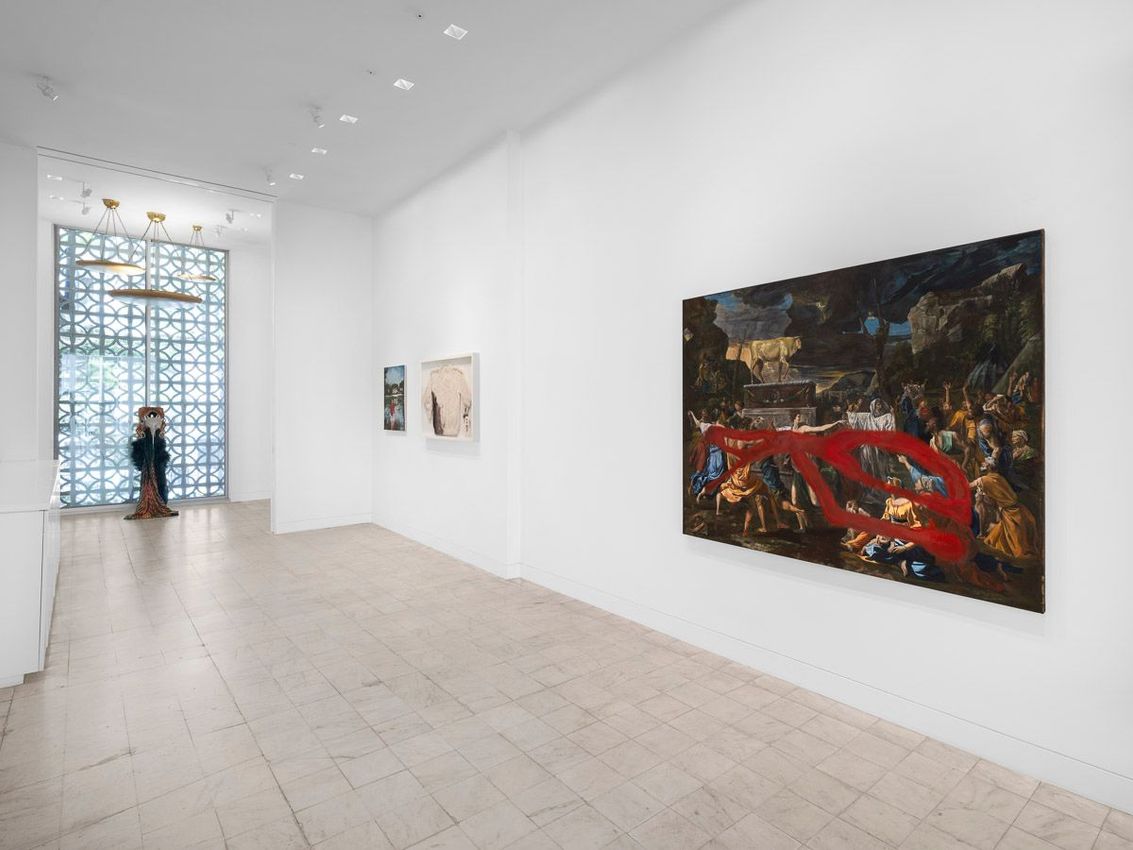
This exhibition is titled after The Secret History— Donna Tartt’s beloved mystery told in reverse— and though I have spent a lot of time thinking about the book and could certainly summarize its plot, I feel it would still be a difficult task to explain to someone who hasn’t read it what it’s actually about. On its surface, the novel tells the story of a group of young classical studies students who accidentally set off a series of disastrous events when their intellectual hubris, social alienation, and misplaced romanticism inspire a ritual invocation of Dionysus. Fixated on a dead language and its obsolete world, Tartt’s protagonists suffer a schizophrenic crisis; while their fantasies ricochet around a technicolor past filled to overflowing with gods and mysteries and the seismic tragedies of Homer, their bodies remain tethered to a Taco Bell present. I suppose in many ways, I think _The Secret History _is a book that ponders why we so often fail to calculate that the world doesn’t always change in the ways we think it does; it’s not just us who are dissatisfied, people have always looked for ways to escape. I think of Pompeii and the blanket of ash that filled its mystery rooms and covered its outdoor fast-food counters, its laundromats and its gardens. I think of the landscape, now depopulated to zero save for its famous plaster ghosts, those tortured figures caught frozen in shock as they crawl away toward a future that never comes.

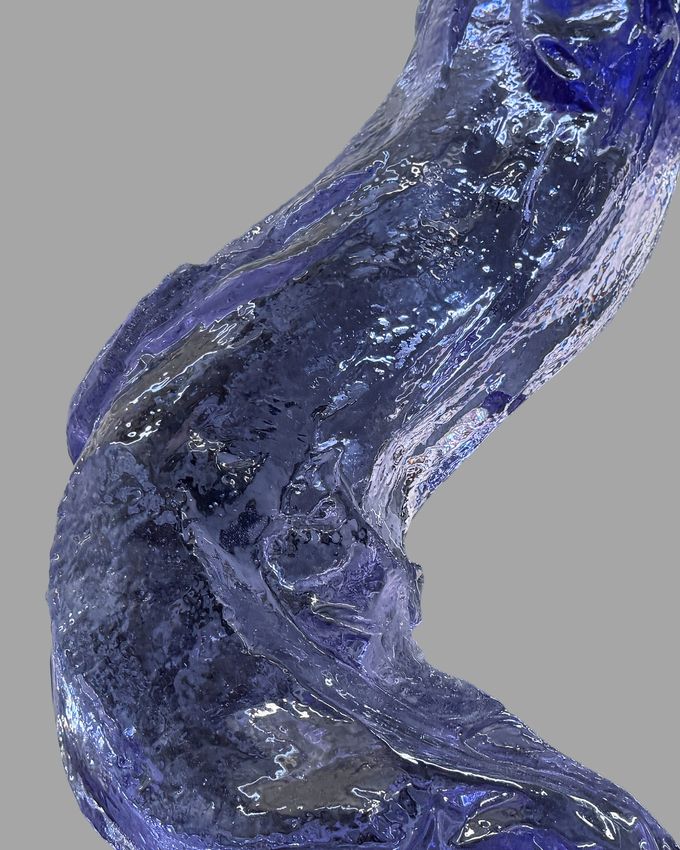
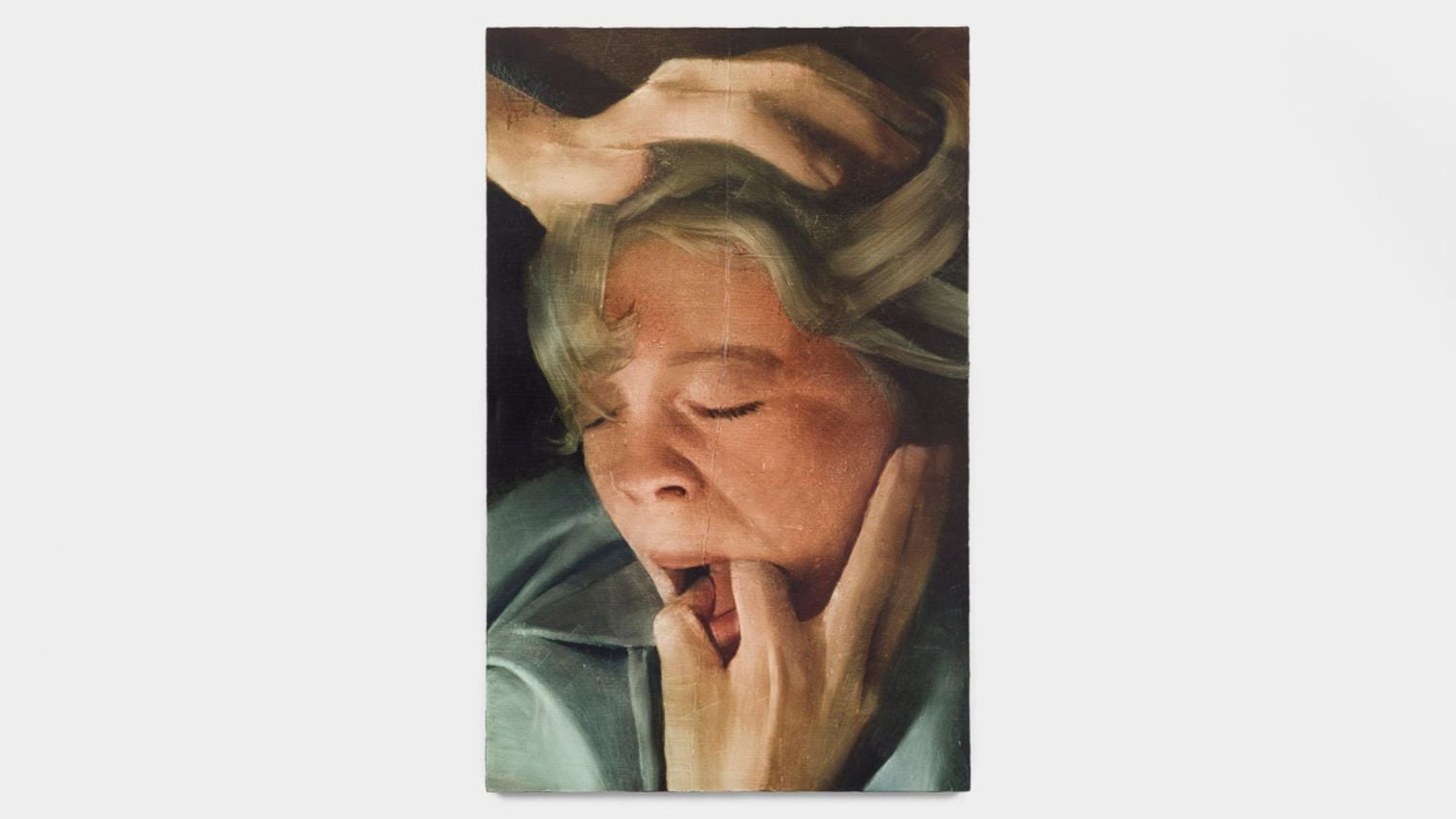
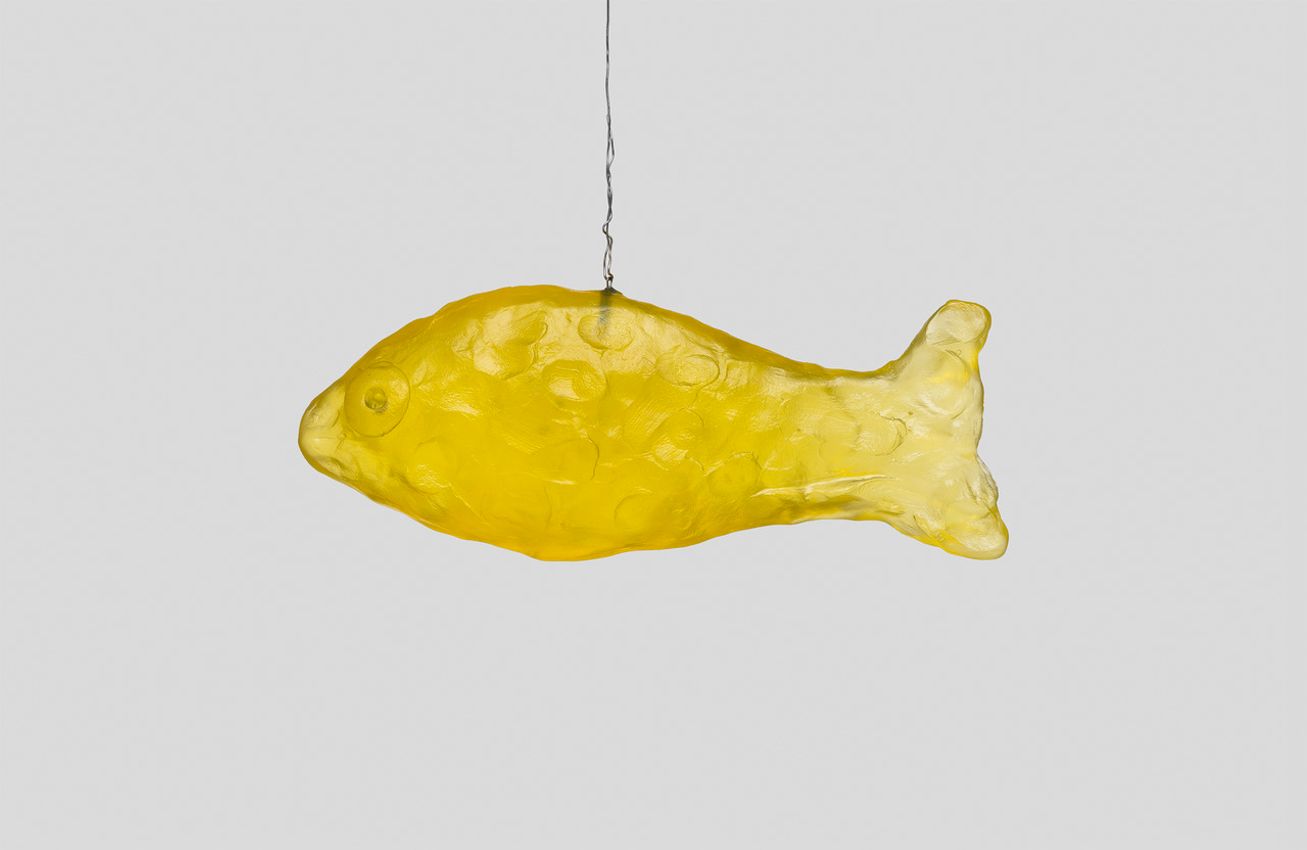
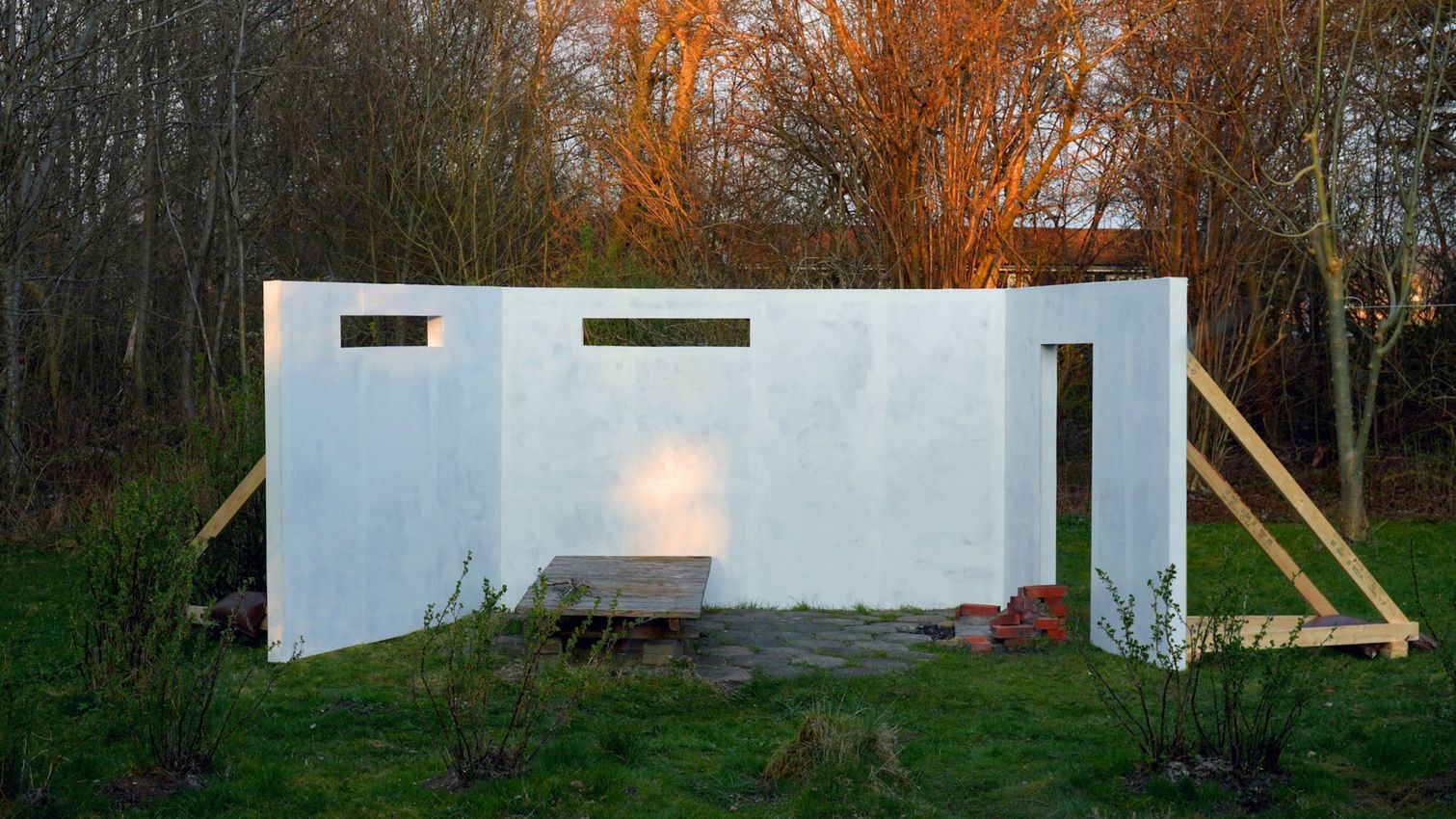
The artists participating in this exhibition include:Chino Amobi, Hope Atherton, Matthew Barney. Nicholas Bierk, Matt Hilvers, Karyn Lyons, Ruby McCollister, Michele O’Marah, Jonesy and Tim Jackson, Kayode Ojo, Shigeo Otake, Micki Pellerano, Adam Putnam, Rachel Rose, Arisa Yoshioka, Marissa Zappas

Read More

Also Exhibiting at Gladstone

About the Gallery
Gladstone is known for its commitment to artists whose prescient approaches and experimental practices have defined the contours of contemporary art. The gallery has long been an active partner in the cultivation of iconoclastic careers, fostering a roster of artists recognized for their ground-breaking contributions. Headquartered in New York and including outposts in both Brussels and Seoul, Gladstone’s impact extends globally, enabling both the presentation of new bodies of work, and an amplification of the international reach of its artists. Alongside its work with contemporary artists, the gallery is steward to the legacies of pivotal historical artists and serves as an advocate for the enduring power of art. Gladstone is led by a team of partners who spearhead its long-term vision and program, building on the values of its founder Barbara Gladstone.
View Gallery Profile
Address
130 East 64th Street
New York
United States
Opening Hours
Tuesday - Saturday
10am - 6pm
(1)
New York 130 East 64th Street
Gladstone
130 East 64th Street, New York, United States
+1 212 753 2200
http://gladstonegallery.com

Opening hours
Tuesday - Saturday
10am - 6pm
The art world in focus