Press Release

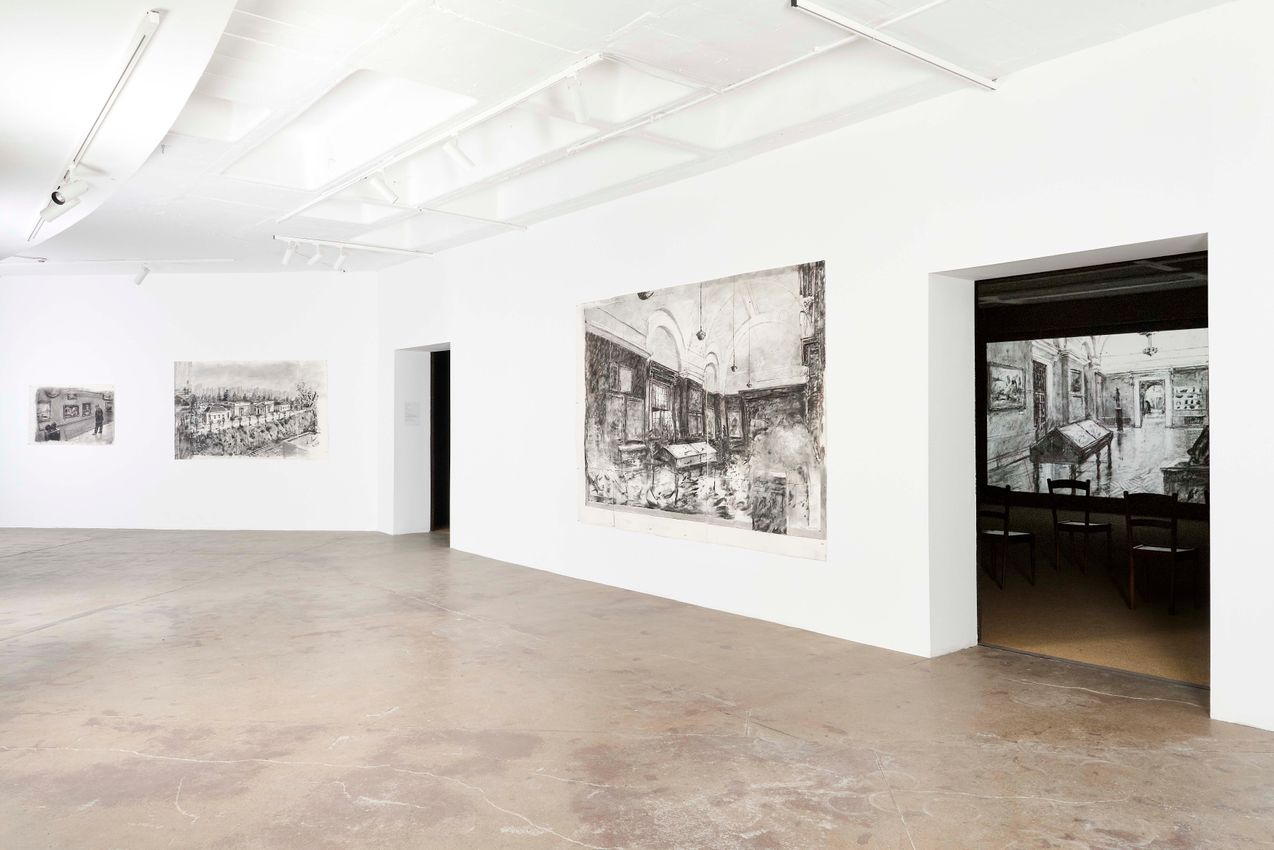
The making of each film was the discovery of what each film was. A first image, phrase, or idea would justify itself in the unfolding of images, phrases, and ideas spawned by the work as it progressed. The imperfect erasures of the successive stages of each drawing become a record of the progress of an idea and a record of the passage of time. The smudges of erasure thicken time in the film, but they also serve as a record of the days and months spent making the film—a record of thinking in slow motion.

— William Kentridge

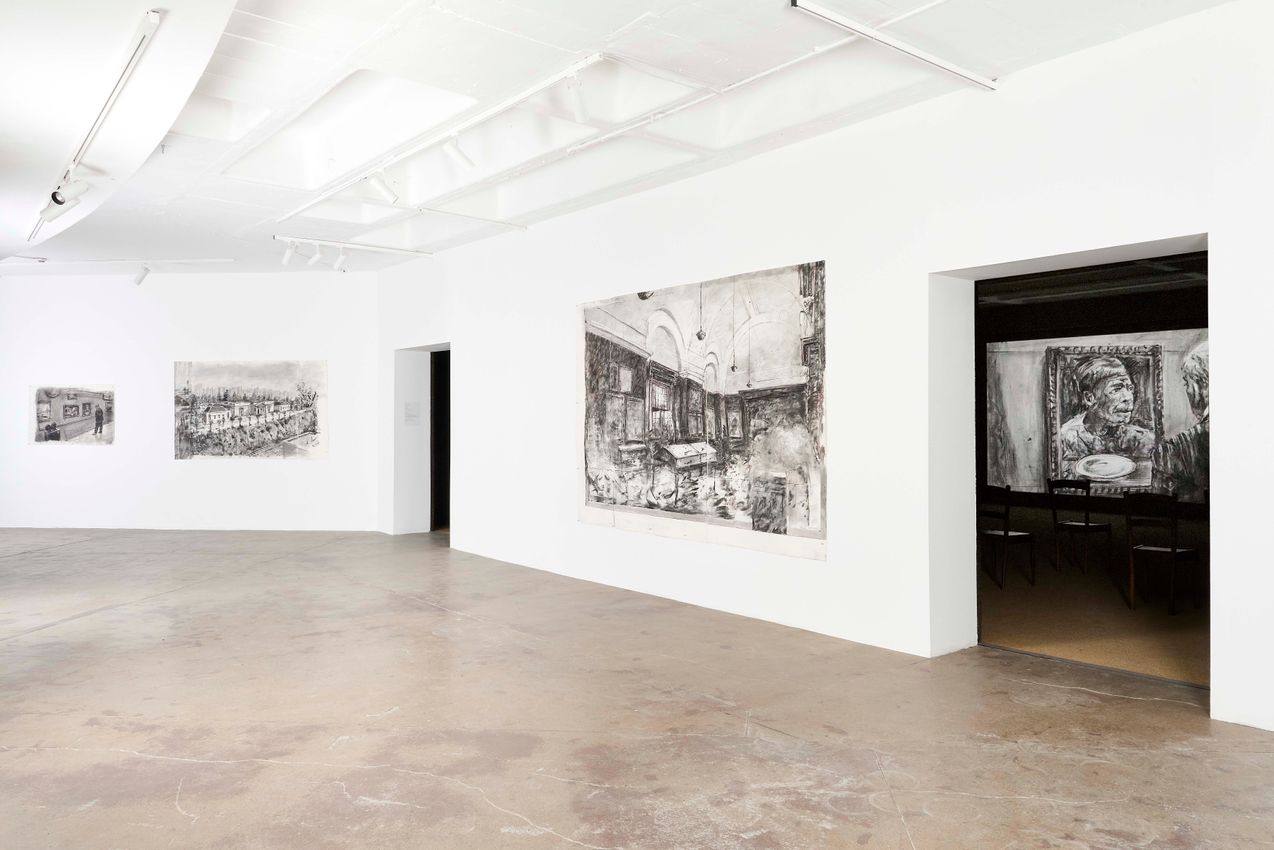
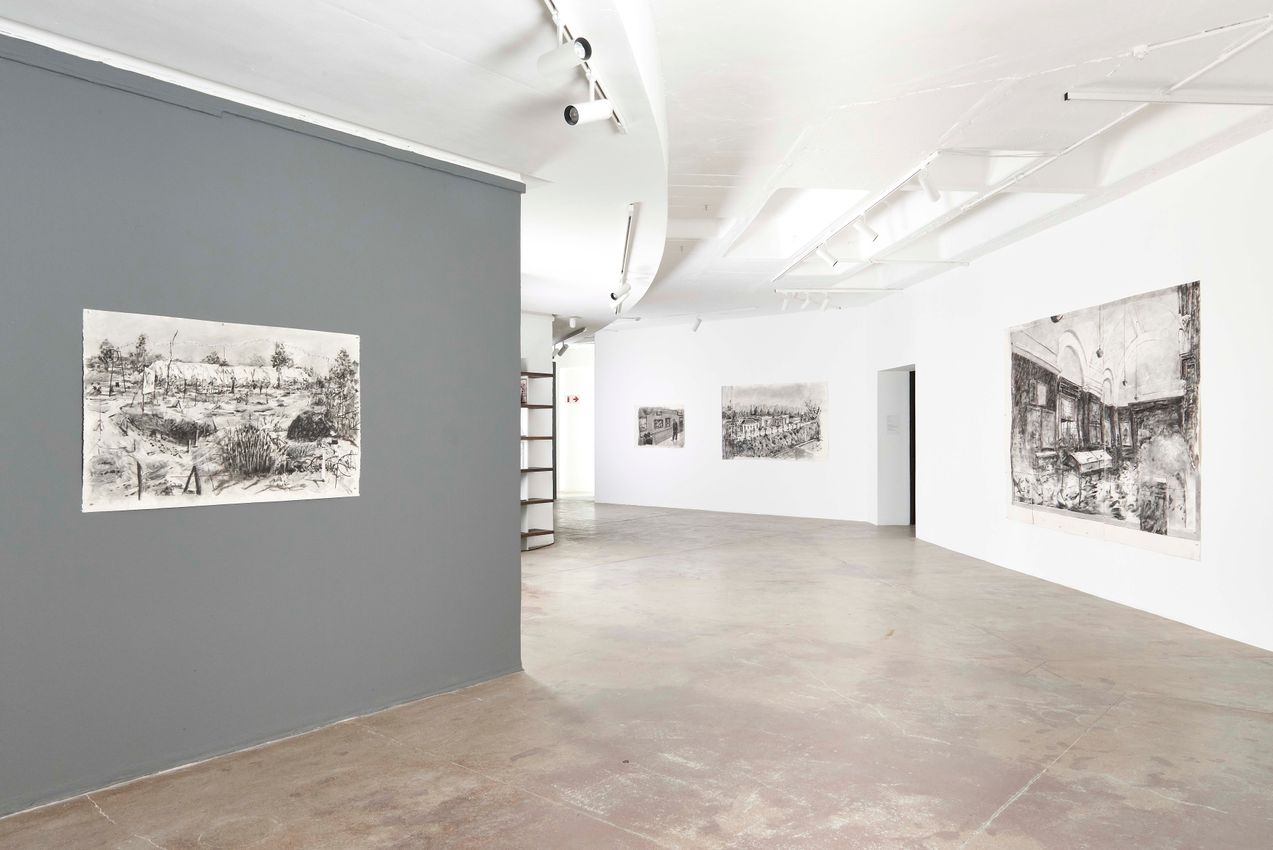
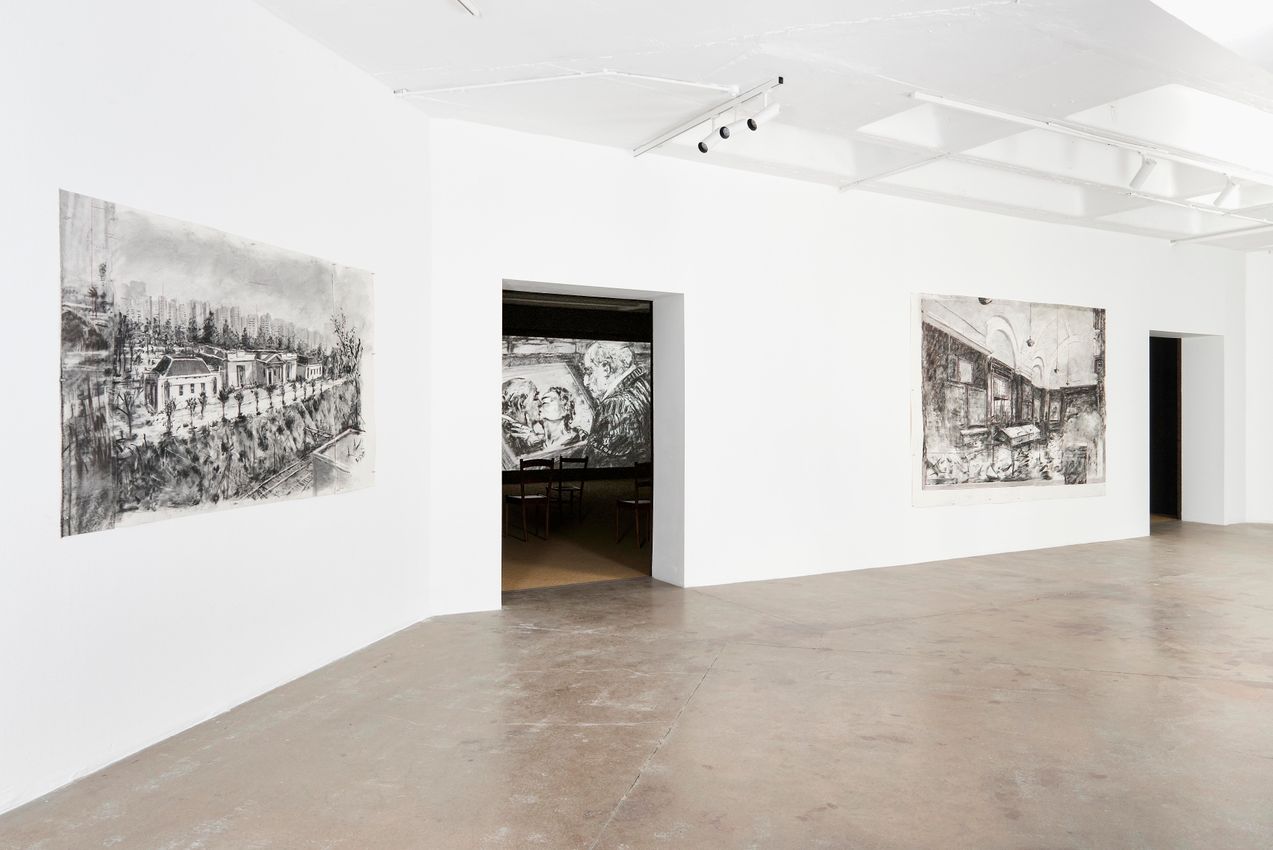
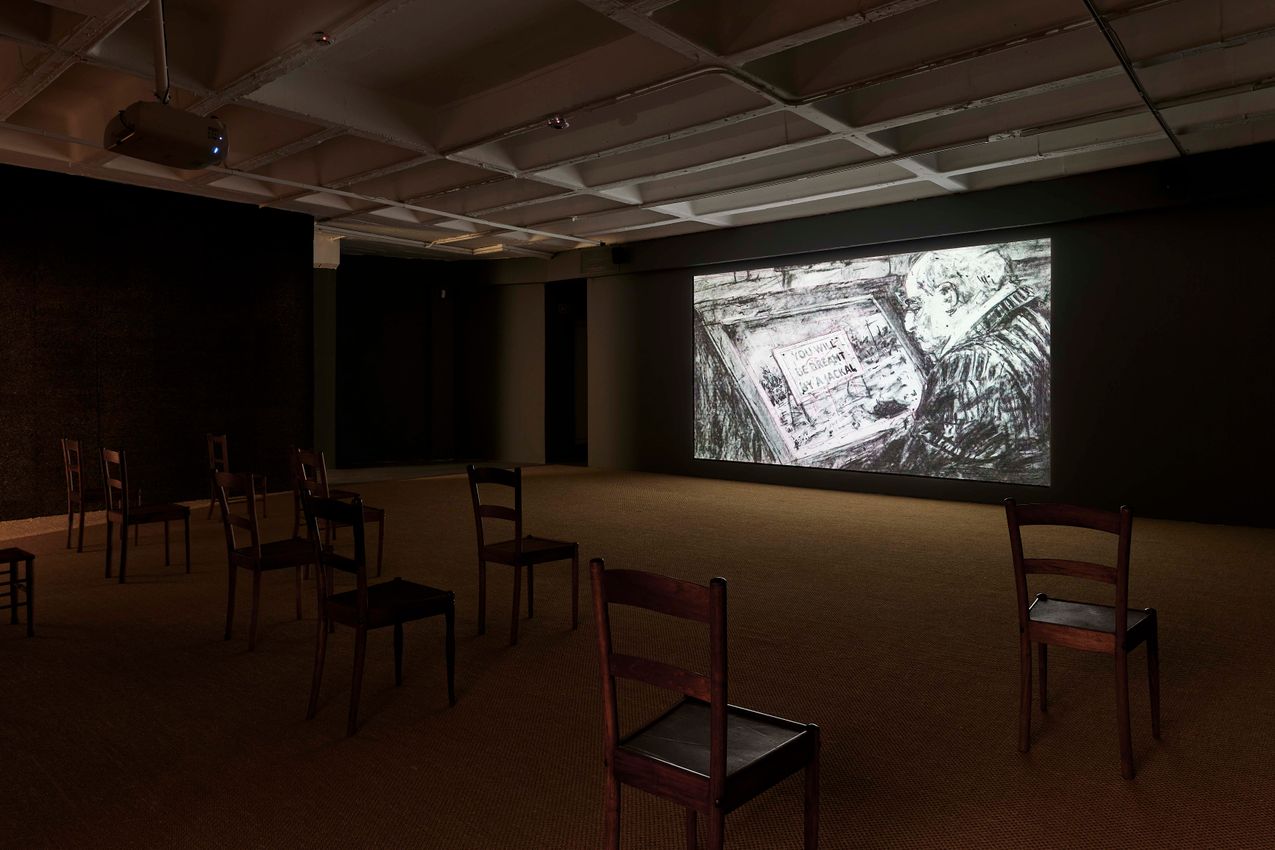
City Deep is the anticipated 11th film in Kentridge’s ‘Drawings for Projection’, a series of animated films drawn over 30 years, featuring the protagonist Soho Eckstein. South Africa’s political transition from the violent years of apartheid to democracy sets the scene for a saga of loss, love, anger, compassion, guilt and forgiveness. The films revolve around the power-hungry mining magnate Soho Eckstein, his wife Mrs. Eckstein and her lover, the solitary artist Felix Teitlebaum. As the story unfolds, Soho’s empire crumbles as he comes to terms with his own frailties and the first signs of mortality.

Like previous films in the series, City Deep is grounded within Kentridge’s home city of Johannesburg and can be viewed as a counterpoint to the 1990 film, Mine, which depicts images of the deep level mining industry. City Deep extends this depiction to the informal, surface-level ‘zama zama’ miners of current day Johannesburg. Translated from Zulu as ‘try your luck’ or ‘take a chance’, ‘zama zama’ is the name given to the miners who illegally work decommissioned mines on the edges of the formal mining economy. Manual labour replaces large machines, creating open scars in the Highveld landscape.

In City Deep, the ‘zama zama’ miners and the landscape merge into artworks hanging in the Johannesburg Art Gallery, itself built during the heyday of gold mining in Johannesburg. Wandering the exhibition spaces is a deeply contemplative Soho gazing at the artworks and into vitrines. Towards the end of the film the gallery collapses in on itself, an imagined demise of an institution in a state of increasing dereliction.

All of Kentridge’s films are ambiguous in their final meaning. There is an invitation for a viewer to meet the films half way. To complete the meanings with the associations and memories evoked by the film. In the present context, one of the associations City Deep pushes forward is contemporary iconoclasm, as scenes of colonial monuments and statues being toppled over are spread across the world.

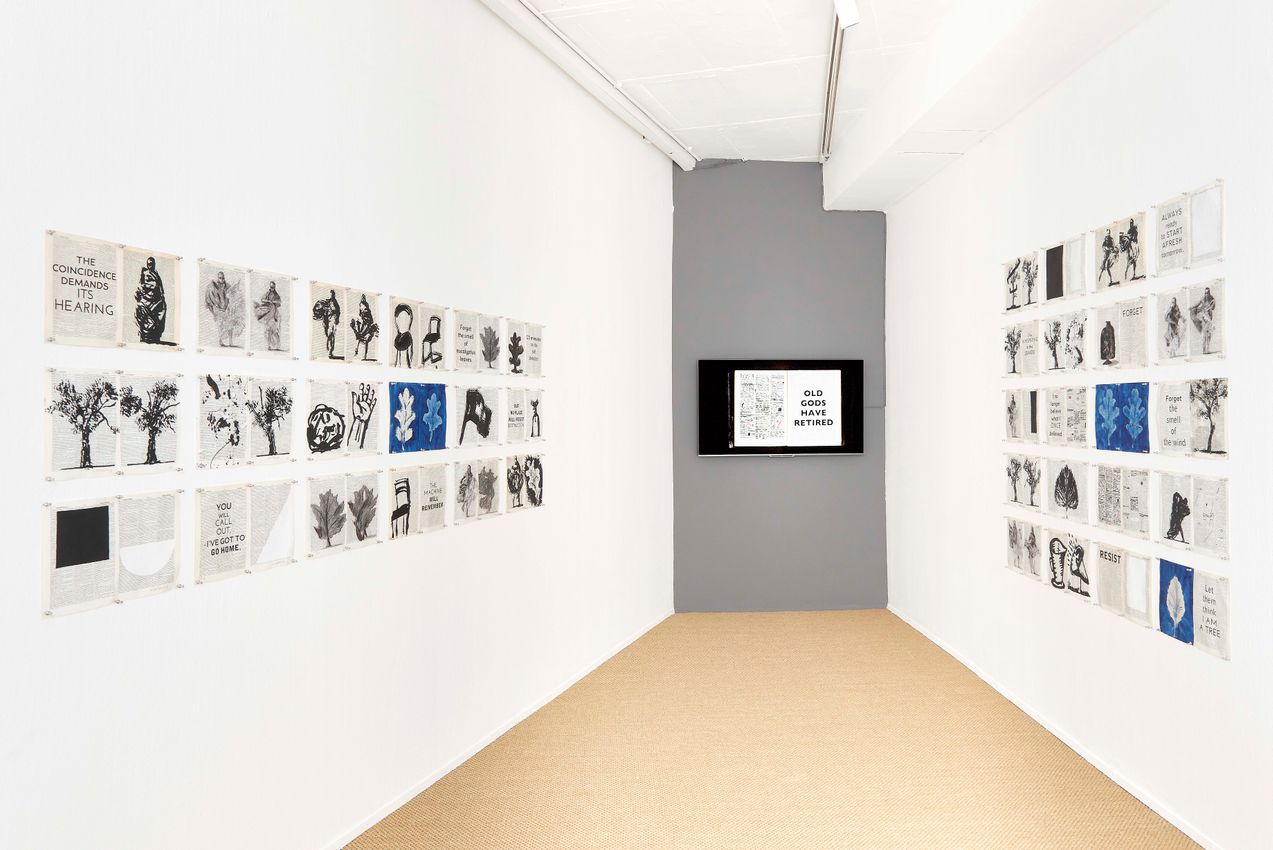
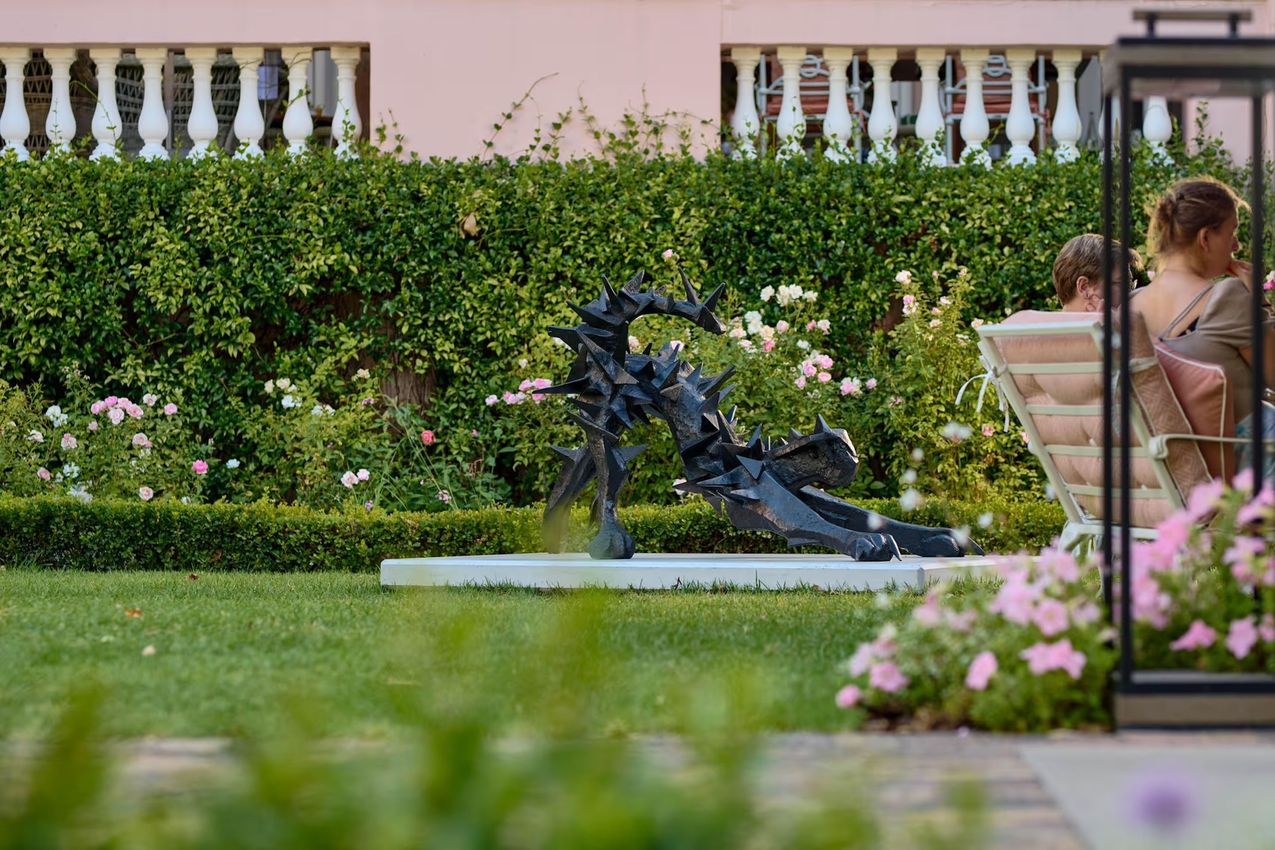
The exhibition will also include drawings from Kentridge’s new publication, Waiting for the Sibyl, as well as the third in a series of bronze sculptures, which take the form of a visual lexicon, aptly titled Cursive. The drawings for Waiting for the Sibyl were produced in preparation for the opera of the same name, which premiered at Teatro dell’Opera di Roma in September 2019.

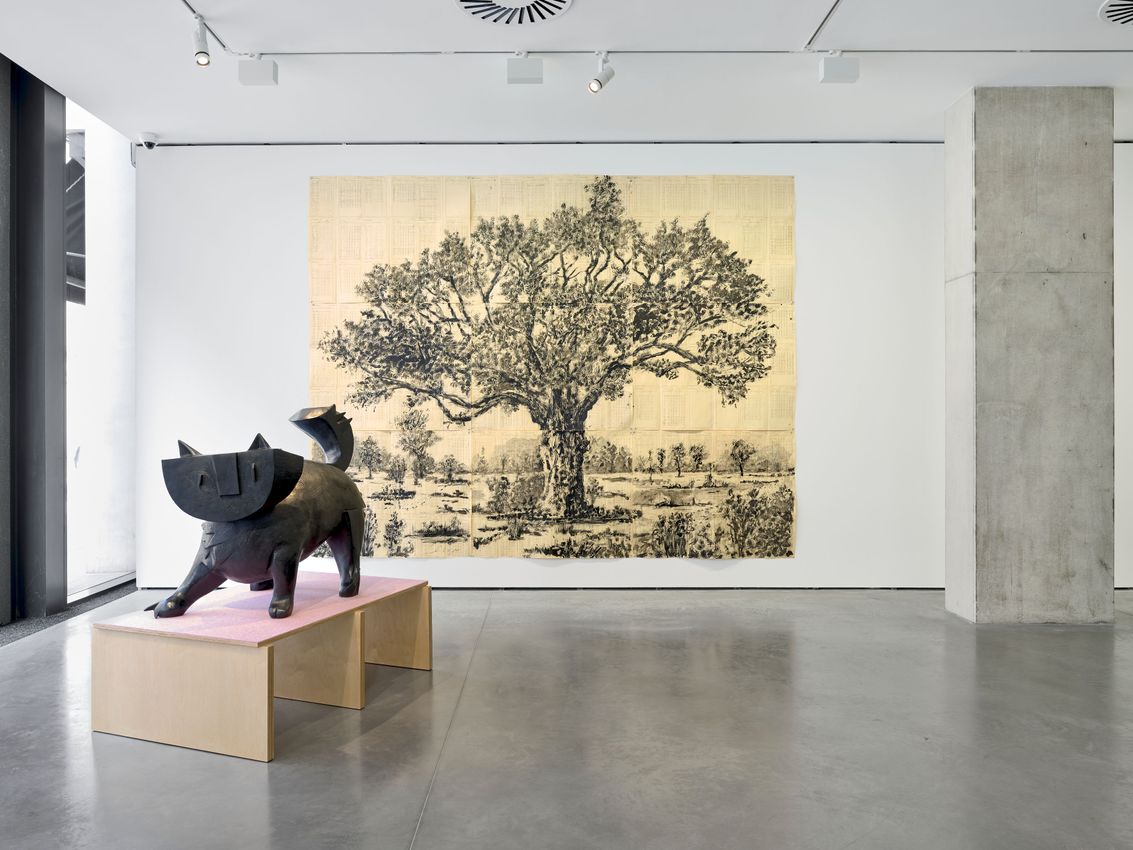
Cursive brings together an accumulation of elemental symbols or ‘glyphs’ within Kentridge’s broader practice. Functioning as a form of a visual dictionary, the glyphs can be arranged in order to construct sculptural sentences, and re-arranged to deny meaning. As Kentridge says, they are a way of weighing one’s words.

Read More

Installation Views

About the Artist

William Kentridge’s work has been seen in museums and galleries around the world since the 1990s, including Documenta in Kassel, Germany (1997, 2003, 2012), the Museum of Modern Art in New York (1998, 2010), the Albertina Museum in Vienna (2010), Jeu de Paume in Paris (2010), and the Musée du Louvre in Paris (2010), where he presented Carnets d’Egypte, a project conceived especially for the Egyptian Room. Kentridge’s production of Mozart’s The Magic Flute was presented at Theatre de la Monnaie in Brussels, Festival d’Aix, and in 2011 at La Scala in Milan, and his production of Shostakovich’s The Nose was seen at The New York Metropolitan Opera in 2010 and again in 2013, traveling to Festival d’Aix and to Lyon in 2011. The 5-channel video and sound installation The Refusal of Time was made for Documenta (13) in Kassel, Germany, in 2012; since then it has been seen at MAXXI in Rome, the Metropolitan Museum, New York, and other cities including Boston, Perth, Kyoto, Helsinki and Wellington. A substantial survey exhibition of Kentridge’s work opened in Rio de Janeiro in 2012, going on in following years to Porto Alegre, São Paulo, Bogota, Medellin, and Mexico City. In the summer of 2014 Kentridge’s production of Schubert’s Winterreise opened at the Vienna festival, Festival d’Aix, and Holland Festival. In the fall it opened at the Lincoln Center in New York. Paper Music, a concert of projections with live music by Philip Miller, opened in Florence in September 2014, and was presented at Carnegie Hall in New York in late October 2014, and will continue to be performed in different cities. Both the installation The Refusal of Time and its companion performance piece Refuse the Hour were presented in Cape Town in February 2015. More recently, Kentridge’s production of the Alban Berg opera Wozzeck premiered at the Salzburg Festival in 2017, and earlier this year his latest performance project The Head & The Load opened at Tate Modern in London, and will travel to Park Avenue Armory in December 2018.

View Artist Profile

Also Exhibiting

About the Gallery

Goodman Gallery is an international contemporary art gallery with locations in Johannesburg, Cape Town and London. The gallery represents artists whose work confronts entrenched power structures and inspires social change.

View Gallery Profile
Address
163 Jan Smuts Avenue
Parkwood
Johannesburg
South Africa
Opening Hours
Tuesday - Friday
9am - 5pm

Saturday
9am - 2pm
(1)
Johannesburg 163 Jan Smuts Avenue, Parkwood
Goodman Gallery
163 Jan Smuts Avenue, Parkwood, Johannesburg, South Africa

Opening hours
Tuesday - Friday
9am - 5pm

Saturday
9am - 2pm
The art world in focus