



Press Release

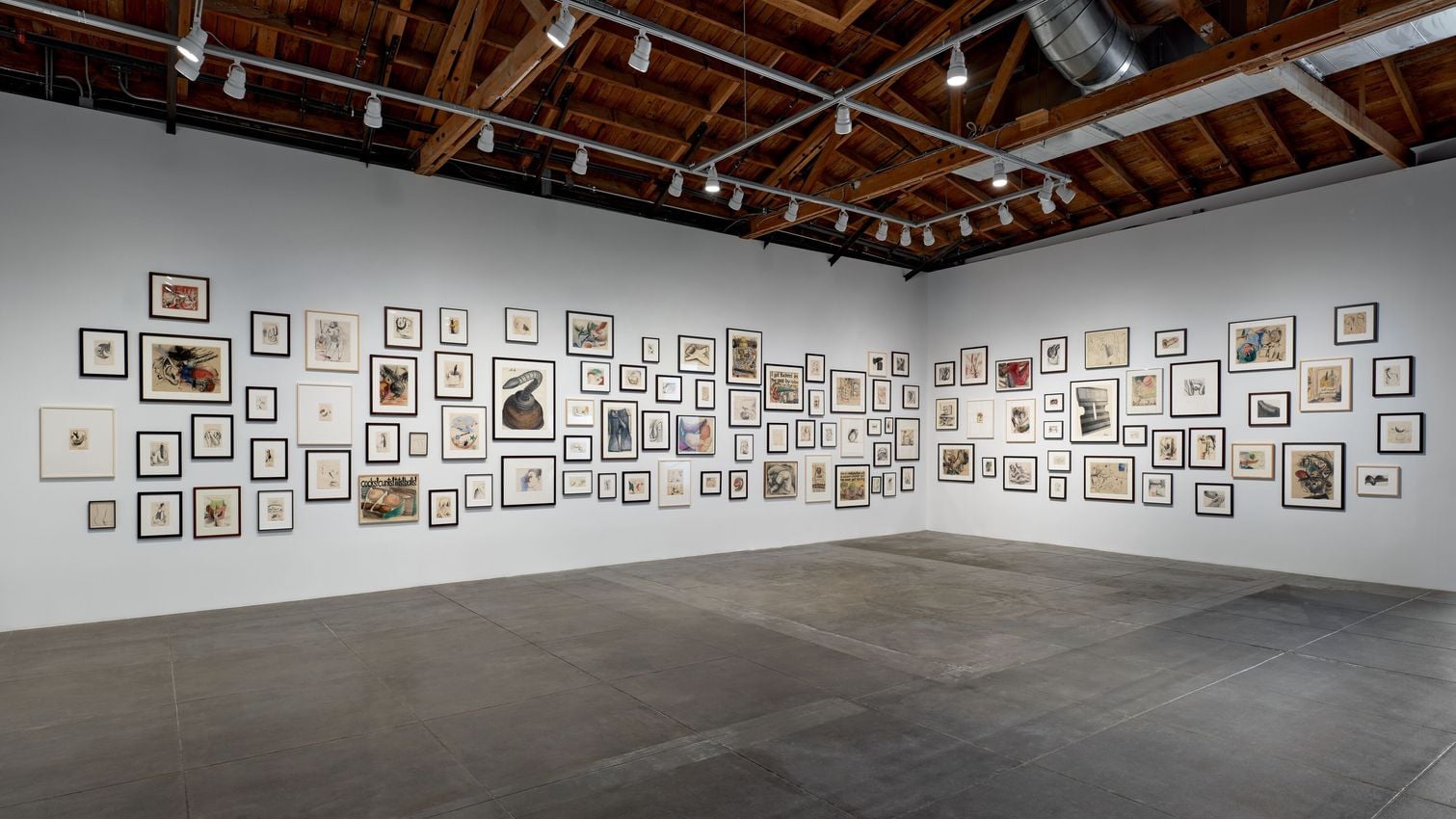
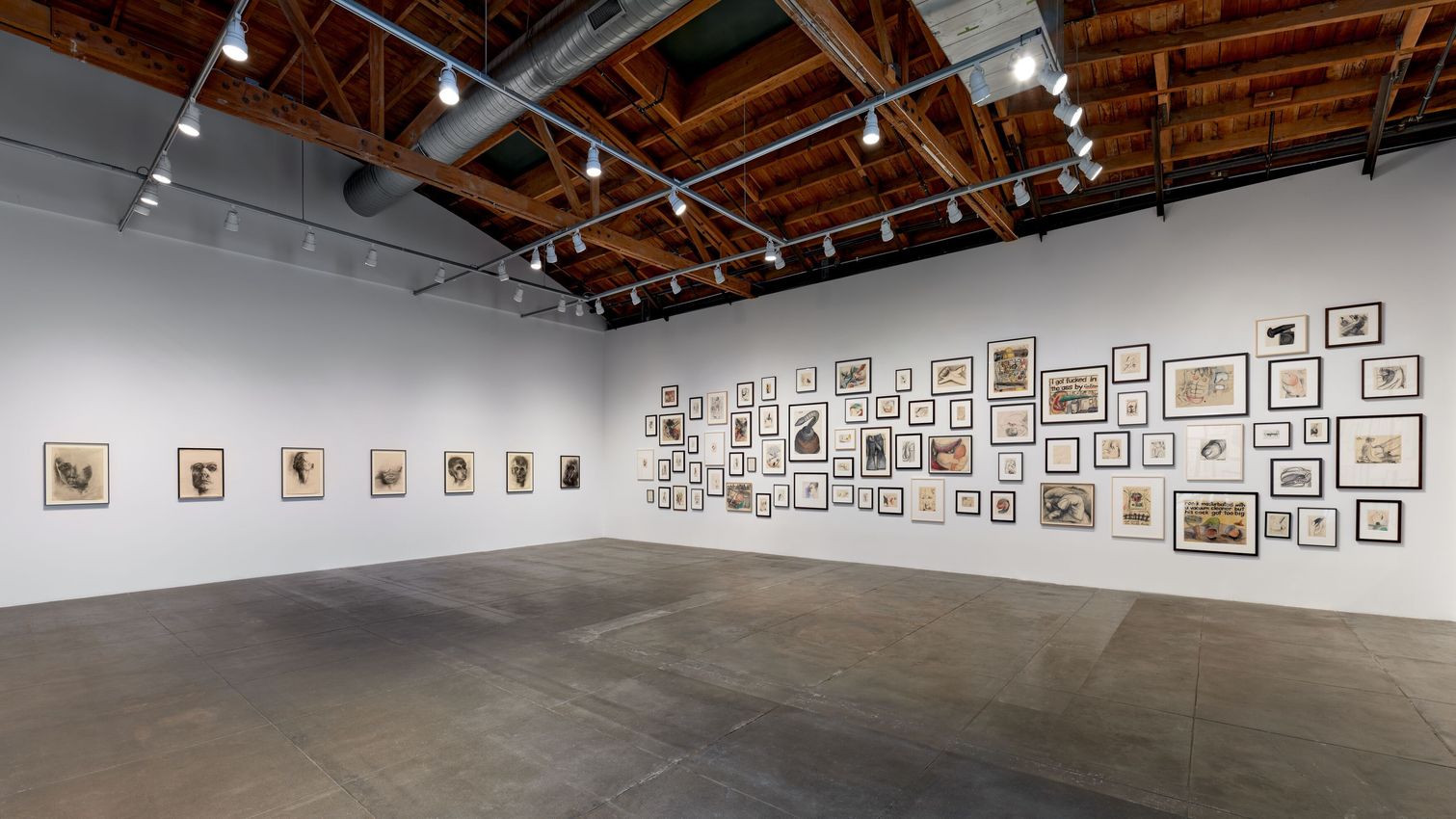
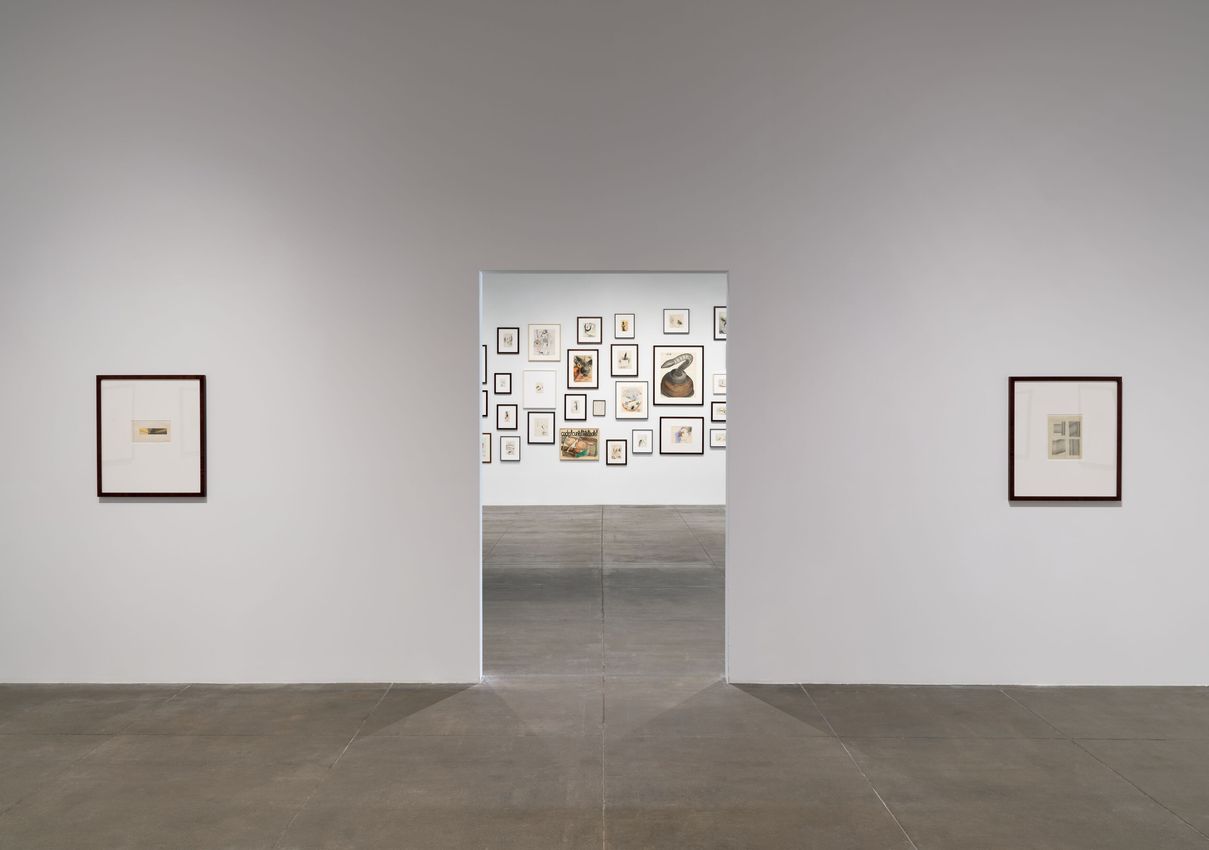
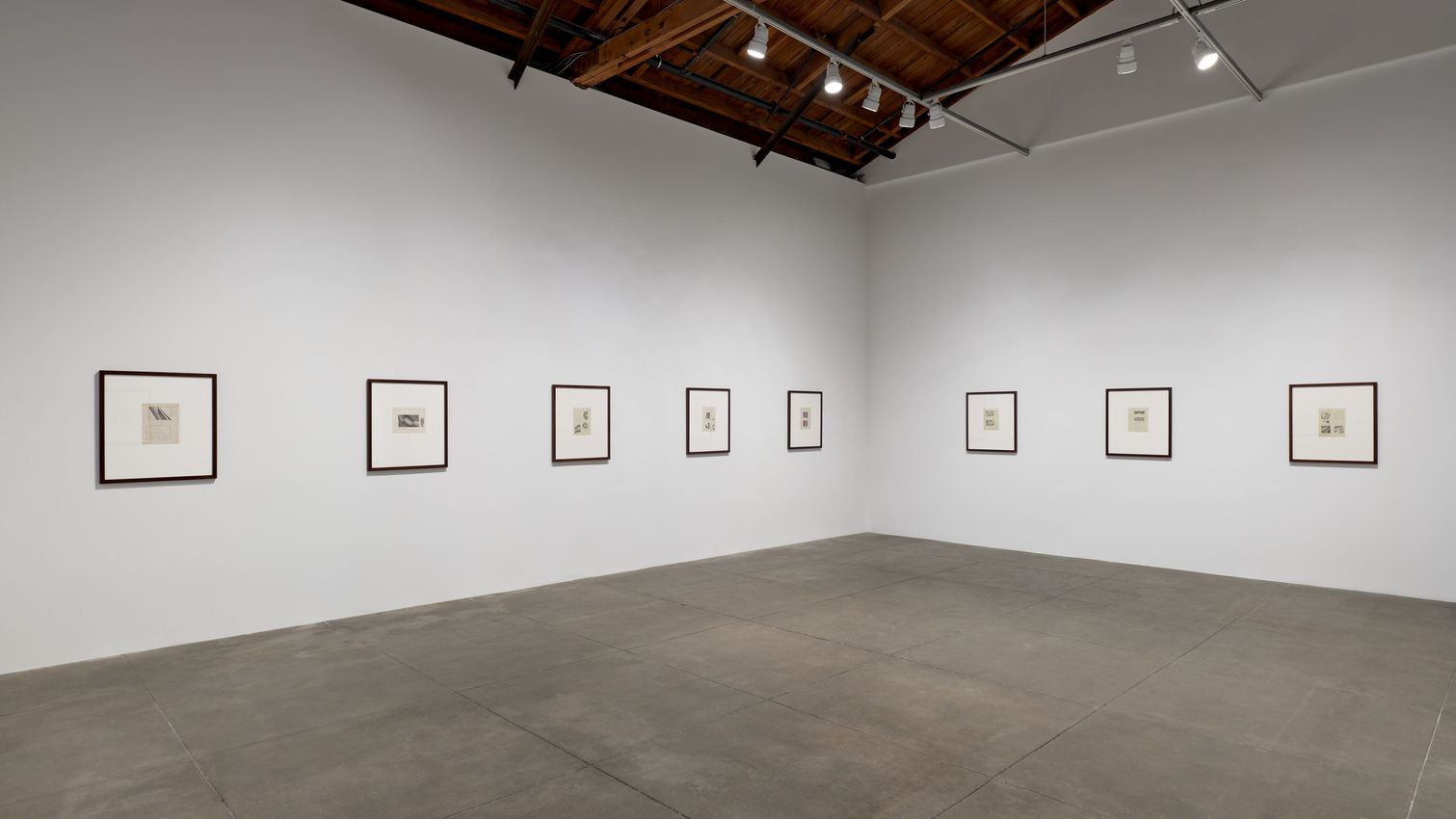
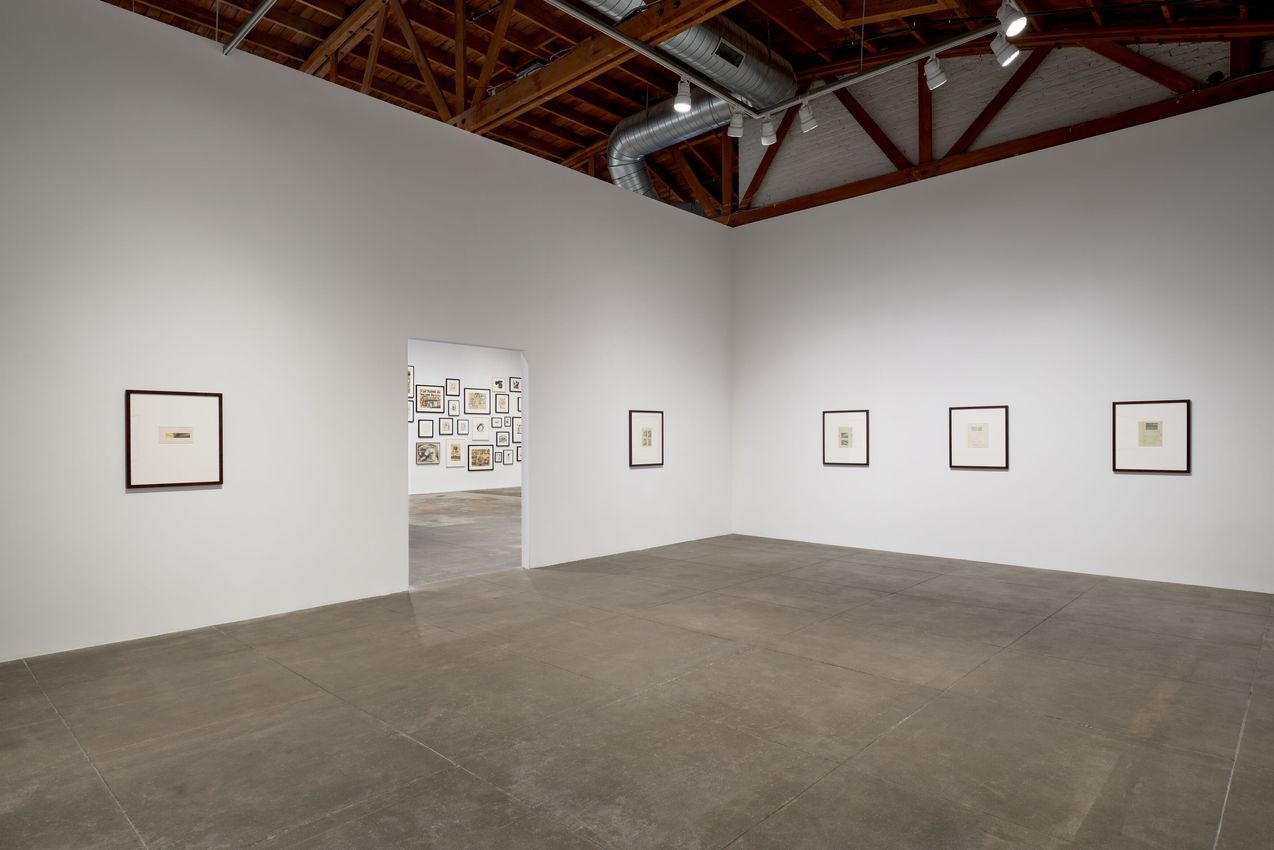
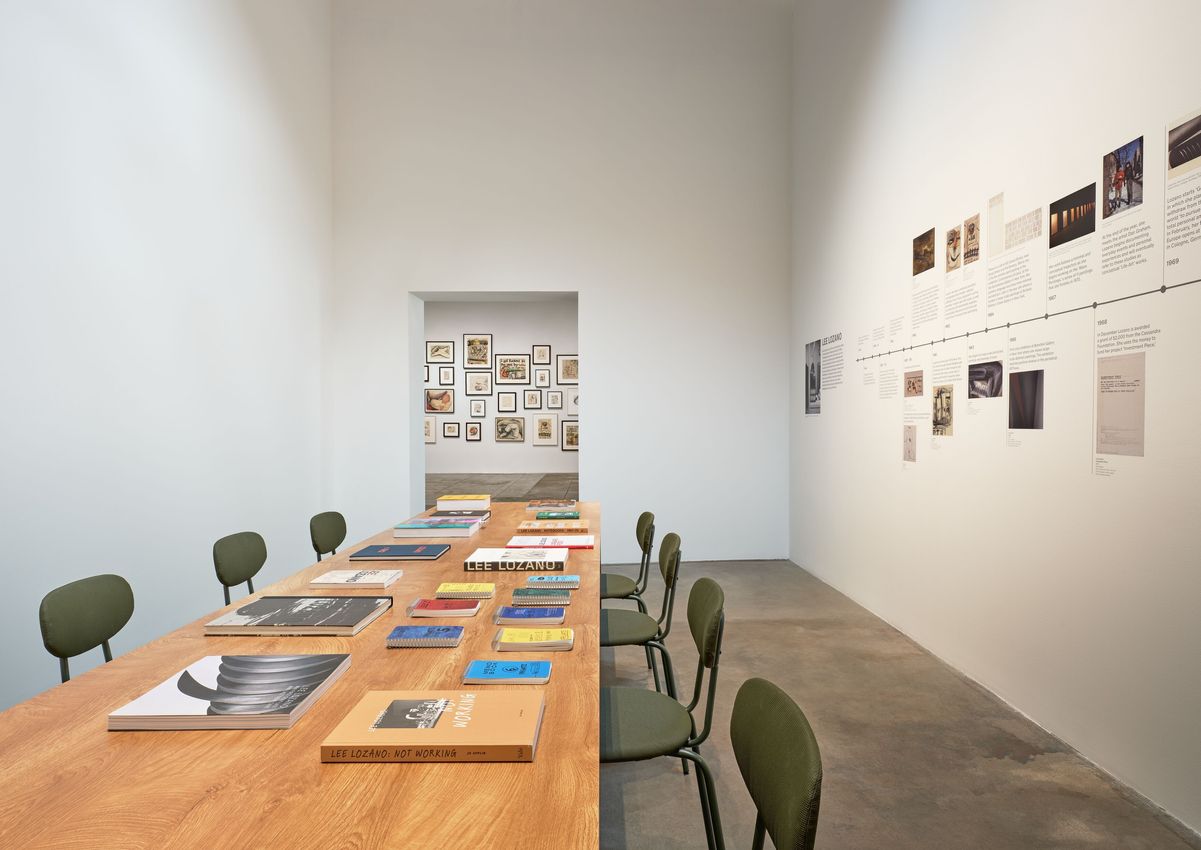
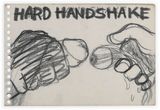
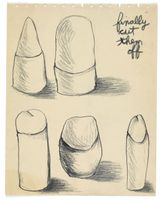
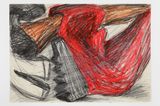
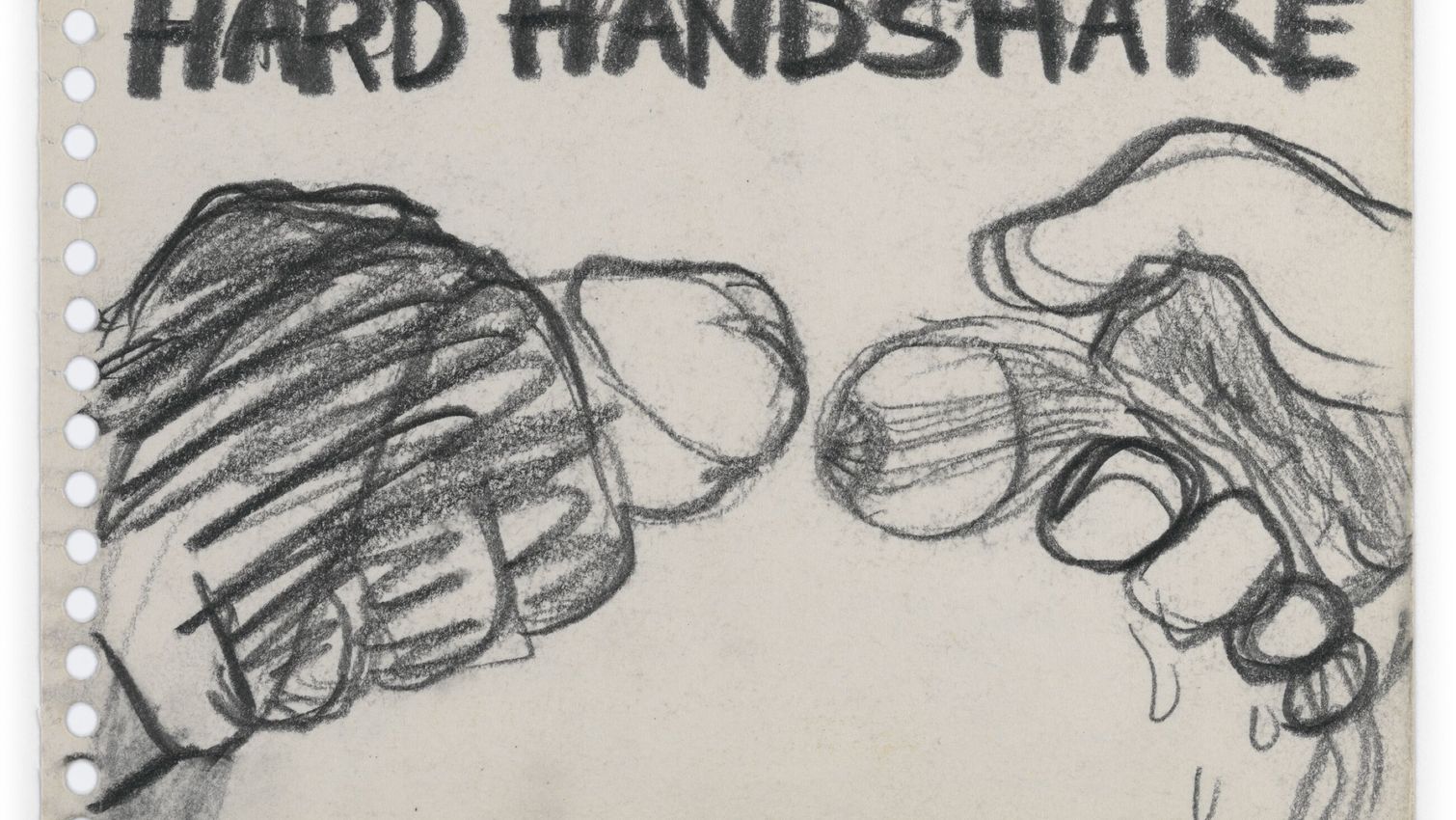
As the first major exhibition in Los Angeles dedicated to Lee Lozano, ‘Hard Handshake’ brings together over one hundred drawings by the artist, spanning the years 1959 to 1968. Lozano made these provocative drawings at a remarkably fast pace, using a variety of artistic styles. Informed by the artist’s unsparing eye and wry humor, they dissect such societal norms as gender roles and property ownership while challenging the commodification of art and, ultimately, all conventional aspects of life. Shown together, Lozano’s drawings embody her unbridled energy and social consciousness, radical for their time, and continue to provoke questions today. Although rarely exhibited during her lifetime, this body of work is instrumental to understanding the singular trajectory of Lozano’s practice.

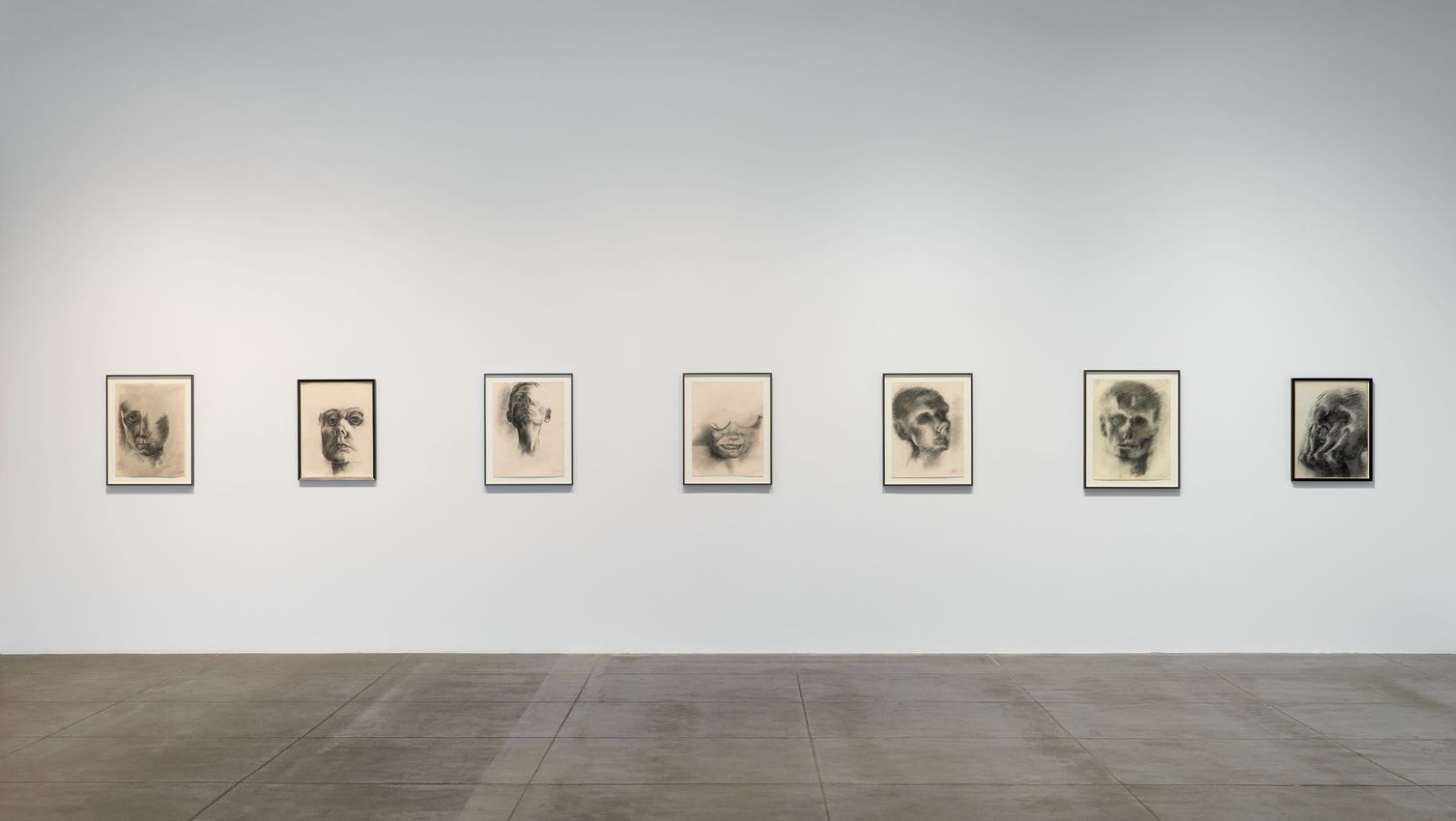
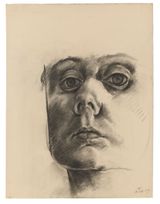
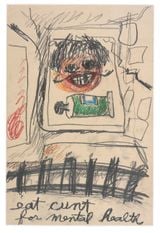
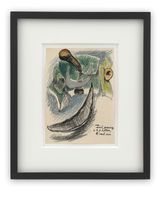
The selection on view begins with the artist’s 1959 fervent self-portraits and macabre anatomical studies of male torsos and grinning skulls. These early works, which coincided with her time as a student at the Art Institute of Chicago, exude an eeriness and irreverence that prefigure the work Lozano would make after arriving in New York at the end of 1960. Moving to a downtown Manhattan loft catalyzed a personal creative evolution that first materialized in a series of studio drawings, executed in rapid succession, centered around blunt, grotesque portrayals of the human body. Fragmented body parts—distorted heads, wide-open grins, phallic noses, genitalia—appear within claustrophobic compositions featuring anthropomorphized objects such as drains, traffic lights and fuse boxes. Combining elements of expressionism, surrealism and pop, Lozano quickly developed a striking personal iconography in a deep exploration and ultimate subversion of conventional notions of power and progress.

Lozano’s works during this time frequently incorporated text as well—tongue-in-cheek slogans drawn from advertising and popular culture, forcefully rendered in black letters across images of body parts, religious symbols, pipes and other libidinally charged objects. In these works, text and image form a complex network of associations that mine social, sexual, and political mores. In the years 1962 to 1963, Lozano’s lexicon expanded to include anthropomorphic airplanes and tools. Airplanes, in particular, began whizzing around her compositions with heightened symbolic force, serving both as representations of masculine intrusions into feminine space and as metaphors for the raw, uninhibited energy essential to creative activity.

Around 1964, Lozano abandoned humorous textual interplay and ribald imagery in favor of unadorned depictions of tools. Various hardware associated with male power and productivity—screwdrivers, bolts, wrenches, clamps, hammers—became grounds for both formal and symbolic exploration. Emphasizing the sexual undertones these objects possess, Lozano’s tool drawings highlight the inherent violence of desire and the erotic tension endemic to a union of the mechanical and the organic.

By 1965, Lozano’s work had become more minimalist and geometric, increasingly focused on how to represent energy as form. Her notebooks from this period document a strong interest in various energy phenomena and the fields of quantum mechanics and cosmology. In preliminary sketches for a series of large-scale canvases, cones and cylinders delineated within a singular rectangular frame act as agents of speed, suggesting accelerated movement. Although sleeker and absent of the caricature-like quality of many of her earlier drawings, these works are charged with a similar undercurrent of motion and creative force. Lozano’s exploration of energy marked the final chapter of her artistic pursuits, culminating in her iconic ‘Wave Paintings,’ a powerful testament to her rare vision, intellect and intensity.

Courtesy Hauser & Wirth

Read More

Installation Views

About the Artist

Lee Lozano’s paintings are admired for their energy, daring physicality and tirelessness in investigating the body and issues of gender. Although lauded by Lucy Lippard in 1995 as the foremost female conceptual artist of her time, Lozano had disengaged herself from the New York art world completely by the early 1970s. She left behind a body of work of striking formal breadth and complexity.

View Artist Profile

Also Exhibiting at Hauser & Wirth

About the Gallery

Hauser & Wirth was founded in 1992 in Zurich by Iwan Wirth, Manuela Wirth and Ursula Hauser, who were joined in 2000 by Partner and Vice President Marc Payot. A family business with a global outlook, Hauser & Wirth has expanded over the past 26 years to include outposts in Hong Kong, London, New York, Los Angeles, Somerset and Gstaad. The gallery represents over 70 artists and estates who have been instrumental in shaping its identity over the past quarter century, and who are the inspiration for Hauser & Wirth’s diverse range of activities that engage with art, education, conservation and sustainability.

View Gallery Profile
Address
901 East 3rd Street
Los Angeles
United States
Opening Hours
Tuesday – Sunday
11am – 6pm
(1)
Los Angeles 901 East 3rd Street
Hauser & Wirth
901 East 3rd Street, Los Angeles, United States
+1 213 943 1620
http://www.hauserwirth.com

Opening hours
Tuesday – Sunday
11am – 6pm
The art world in focus