




SOL LEWITT
1928-2007, United StatesOne of the fathers of Conceptual and Minimalist art, Sol LeWitt was born in 1928 to Eastern European immigrant parents in the United States. He studied at Syracuse University, New York, before being drafted to the Korean War, where he created posters for the Special Services. After the war, he moved to New York city in 1953 to pursue an interest in illustration.
Whilst working at The Museum of Modern Art, Le Witt became associated with a group of artists including Dan Flavin and Robert Ryman, and there, or thereabouts, Minimalism and Conceptualism was born. In particular LeWitt was influenced by Russian Constructivism and the photographer Eadweard Muybridge, as well as the art of Frank Stella and Jasper Johns.
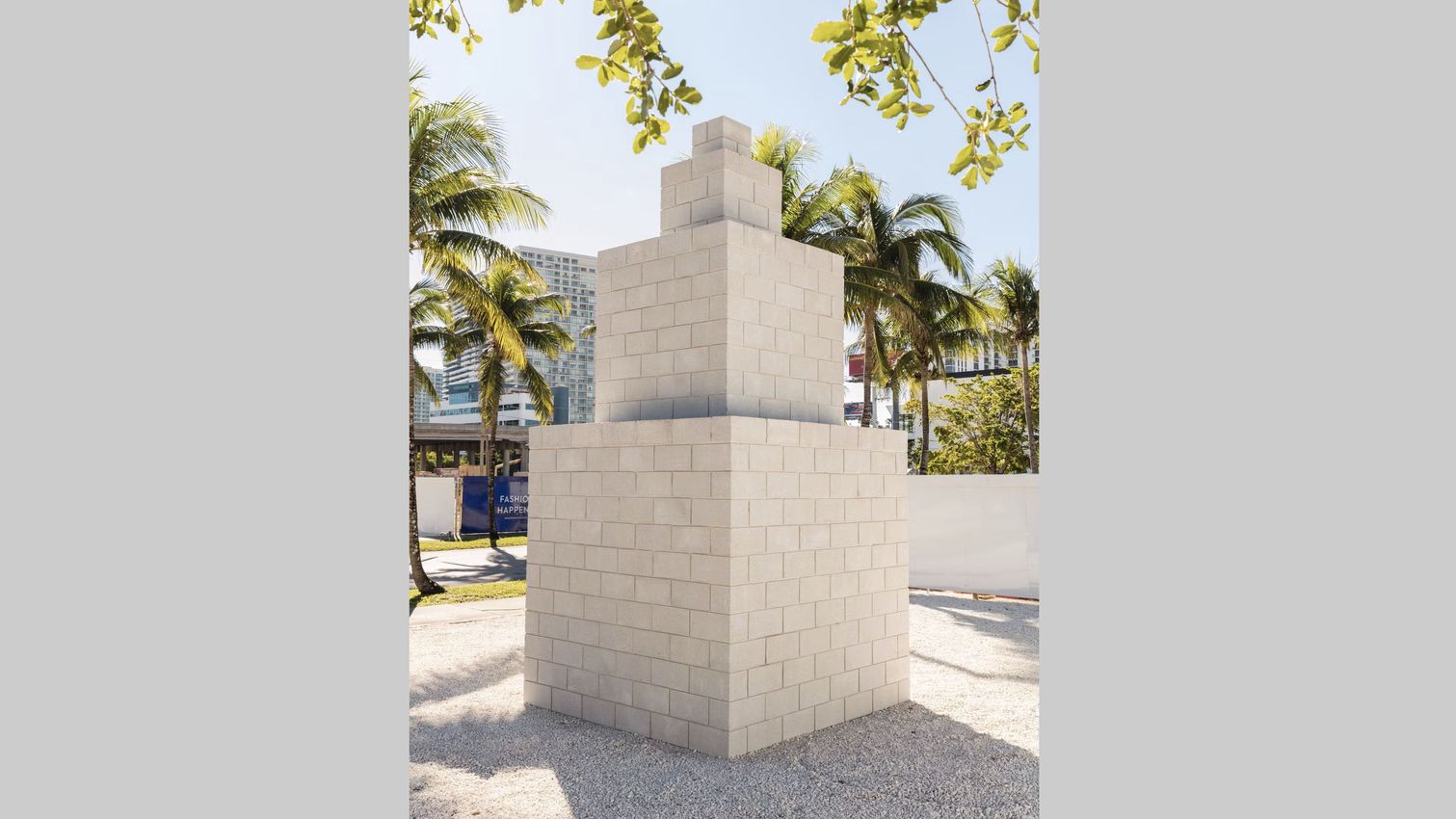
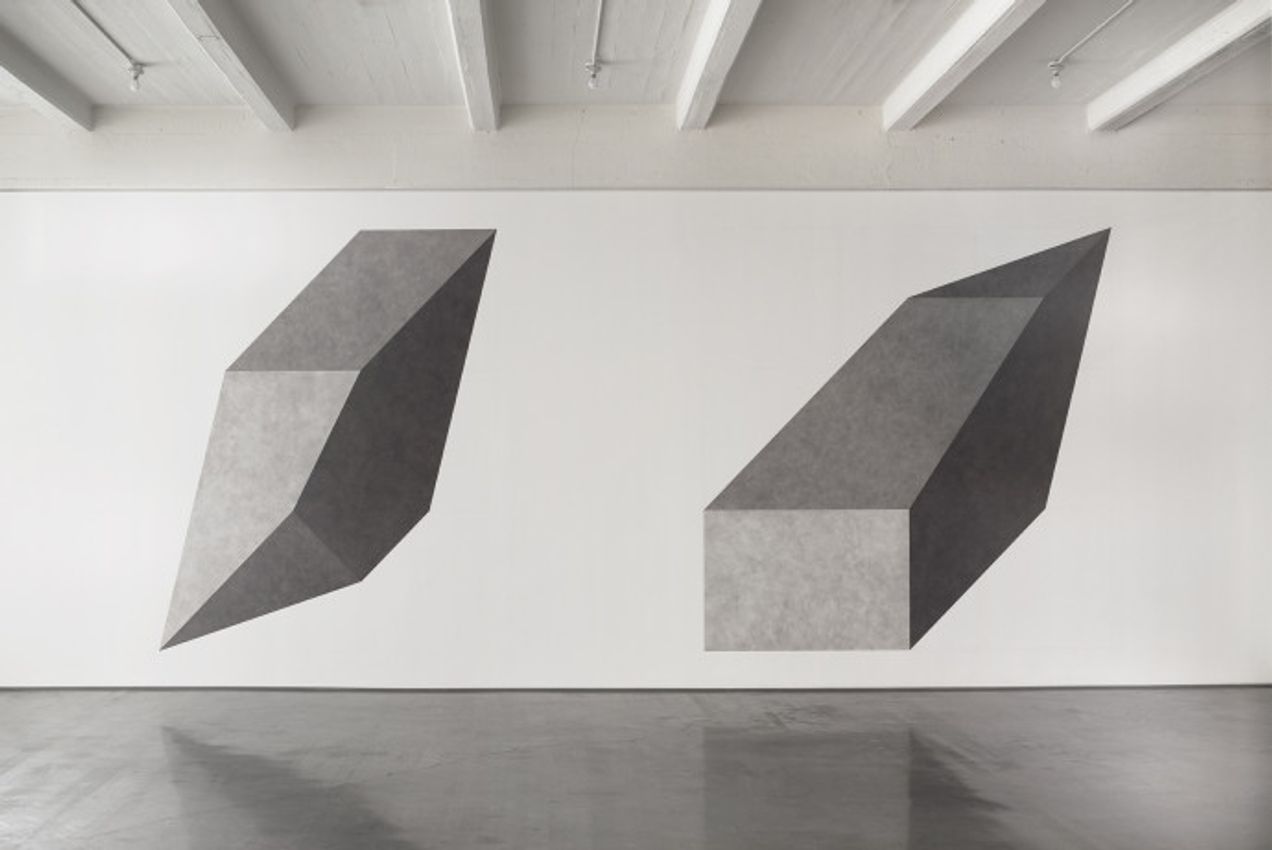
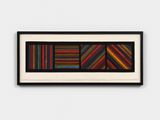
LeWitt initially made sculptures from cubes and cement blocks, but he later began to focus on drawing and painting. Throughout his career, LeWitt’s artworks continued to investigate the distillation process—be it of form to simple shapes and colours, or of artworks to plans or instructions to create the work. In ‘Paragraphs on Conceptual Art’ (1967), he stated ‘The idea becomes a machine that makes the art.’ Art was reaching a political turning-point in the 1960s, where idea started being favoured over finished product. LeWitt enjoyed the temporality behind Conceptual art—the notion that his wall drawings (the first of which he created in 1968 at Paula Cooper Gallery, New York) would be painted over after an exhibition. The objects were perishable but the idea could live on. He later turned from wall drawings to wall paintings, using bright washes of ink and acrylic.
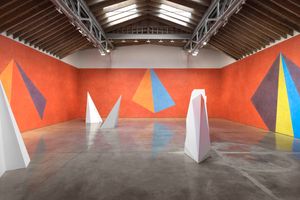
LeWitt is known for his interest in plan over product. He would write instructions detailing paintings or drawings of large geometric shapes that teams would then interpret and execute. The final artwork emphasises the difference between the language that opens the mind up to a physical manifestation, and the physical manifestation itself. In this vein of work, the trace of the artist is found in the plans that others could then interpret and complete. Sometimes these blueprints would be intentionally vague, to allow for a range of outcomes depending on interpretation. Others were more logical and direct.
LeWitt often rejected awards and was shy of limelight. In 1980 he created Autobiography—a set of photographs of every corner and aspect of his loft in Manhattan in detail. This act of simultaneous statement of self and removal of self exemplifies LeWitt’s practice of avoiding a direct fingerprint of the artist, letting it show through in the idea instead of the image or brushstroke. Though LeWitt was shy, he was also generous. The nature of collaboration in his work also flowed through his willingness to help younger artists along their way.
Not long after his retrospective at The Museum of Modern Art, New York, in 1978 LeWitt found himself growing tired of the New York art scene. He moved to Spoleto, Italy, and there found himself re-energised by the work of traditional artists such as Giotto. Keeping to the same structures of instruction with which he had become a household name, he began experimenting with colour reminiscent of the frescoes that so enthralled him after his move. LeWitt died in 2007 in New York at 78.
Biography by Casey Carsel | Ocula | 2017



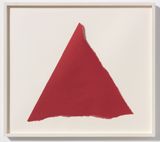
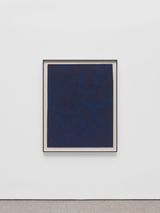
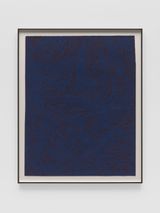
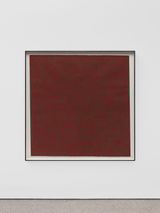
View Sol Lewitt's Artworks





























Sol Lewitt in Ocula Magazine






Explore and Follow Artists Shaping Contemporary Art
A respected voice in contemporary art discourse.
Focusing on ambitious storytelling and insightful art-world commentary. Ocula Magazine publishes in-depth interviews, critical essays and timely analysis on the artists, exhibitions and ideas driving the global art world.
Learn more about Ocula Magazine
Showcasing the best of the art world.
Ocula partners with galleries from around the world to highlight their artists, artworks and exhibitions. Gallery membership is by application and invitation, with each member vetted by an independent panel.
Learn more about Ocula Membership
Specialises in the sale of major artworks.
Led by a team with deep ties to the world’s leading auction houses, galleries and collectors. Ocula’s advisory team offers bespoke services to high-net-worth clients from around the world who are looking to acquire the best of contemporary and modern art.
Learn more about our team and services