





MARCEL DUCHAMP
1887-1968, FranceMarcel Duchamp was a French-born artist (1887–1968) whose radical approach to painting, readymades, and language transformed 20th-century art and laid the groundwork for conceptual practice. Best known for works such as Nude Descending a Staircase (No. 2) (1912), Fountain (1917), and The Bride Stripped Bare by Her Bachelors, Even (The Large Glass) (1915–1923), Duchamp shifted attention from visual pleasure to the idea behind the artwork.
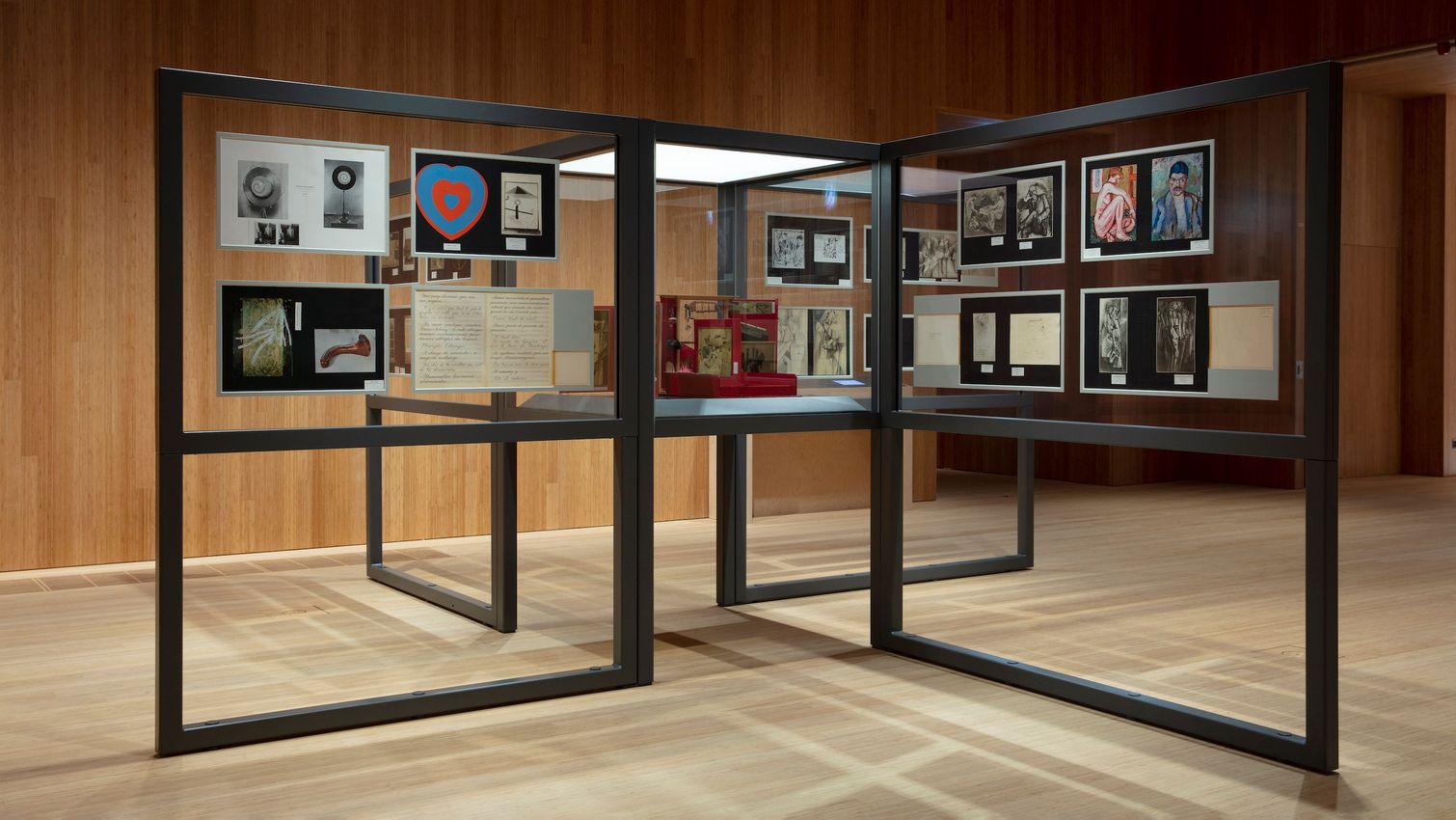
A central figure in Cubism, Dada, and Surrealism, Duchamp lived and worked between France and the United States, particularly Paris and New York, and continues to shape how museums, contemporary artists, and audiences think about what art can be. In April 2026, the Museum of Modern Art in New York will open a major Marcel Duchamp retrospective, organised with the Philadelphia Museum of Art, bringing together nearly 300 works in the artist’s first US survey of this scale in more than 50 years.
Early life and Education of Marcel Duchamp
Marcel Duchamp was born on 28 July 1887 in Blainville-Crevon, Normandy, into a cultivated middle-class family; his father was a notary, and his brothers Jacques Villon and Raymond Duchamp-Villon were already active as a painter and sculptor. Duchamp studied briefly at the Académie Julian in Paris from 1904 to 1905, where he absorbed academic training while also engaging with the avant-garde circles that shaped early modern art.
His earliest paintings were influenced by Post-Impressionism and Fauvism, drawing on Henri Matisse’s colour and brushwork before he developed a more personal, experimental approach. By 1909 he was exhibiting at the Salon des Indépendants and the Salon d’Automne in Paris, positioning himself within an emerging generation of artists who would soon redefine European painting.
Marcel Duchamp Artworks and Style
Marcel Duchamp’s artworks marked a decisive turn away from purely visual or “retinal” pleasure toward an emphasis on ideas, language, and chance, making him a key figure in the emergence of conceptual art. Over the course of his career, he moved from painting to objects, installations, and films, constantly questioning what counts as art and how it is framed in the contemporary art gallery and museum.
Early works, Cubism, and Movement, 1900s–1910s
Duchamp’s early work included Post-Impressionist and Fauvist figure paintings before he turned to a distinctive form of Cubism that incorporated mechanical motifs and a strong sense of movement. His breakthrough painting Nude Descending a Staircase (No. 2) (1912) combined Cubist fragmentation with Futurist interest in motion, provoking controversy when it was shown in Paris and at the 1913 Armory Show in New York.
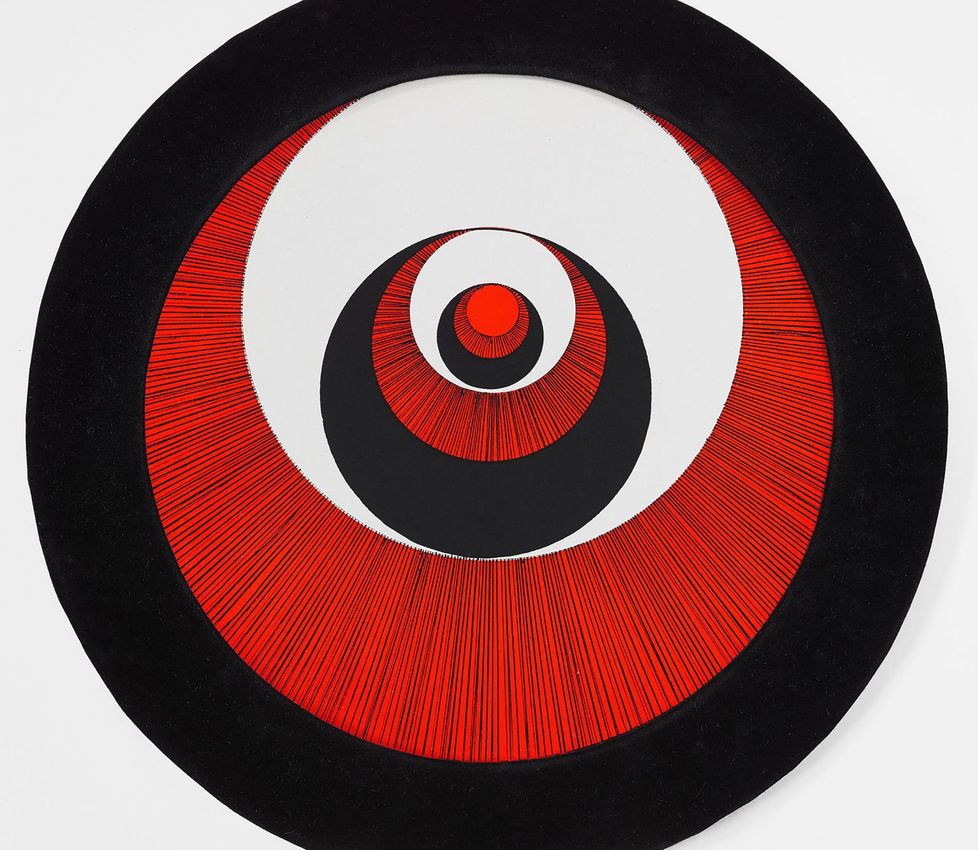
This period also saw Duchamp experimenting with chess imagery, optical effects, and wordplay, signalling his growing interest in systems of representation beyond traditional painting. These experiments laid the foundation for his later rejection of painting as a primarily visual medium and for his embrace of objects and ideas drawn from everyday life.
Readymades and Dada, 1910s–1920s
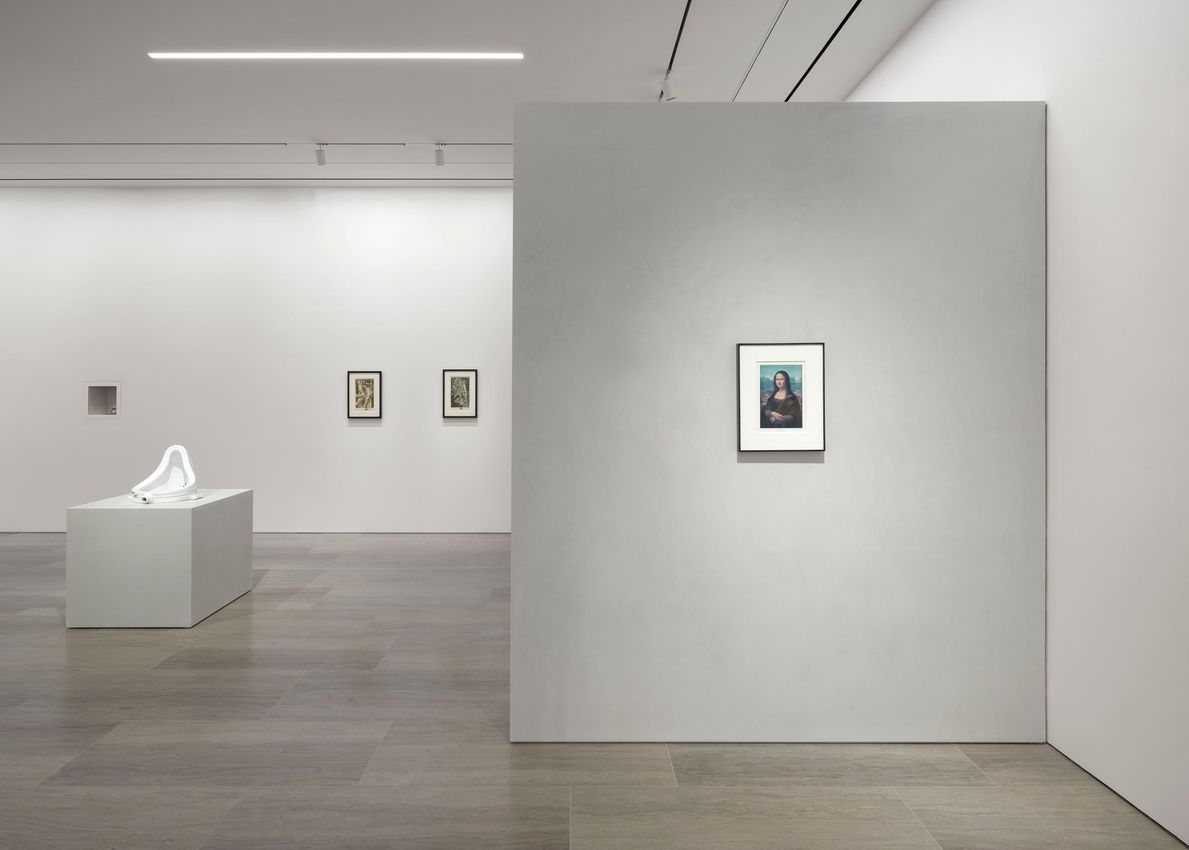
Around 1913–1915, Duchamp began creating his most influential works: the readymades, ordinary manufactured objects designated as art through selection, minimal intervention, and titling. Fountain (1917), a standard porcelain urinal signed “R. Mutt” and submitted to an exhibition in New York, became a landmark of Dada for its challenge to artistic authorship, aesthetic judgment, and the institutional definition of art.
Other iconic readymades, such as Bicycle Wheel (1913) and Bottle Rack (1914), explored similar questions while demonstrating Duchamp’s interest in irony, chance, and the role of context in transforming an object into an artwork. In parallel, he worked on The Bride Stripped Bare by Her Bachelors, Even (The Large Glass) between 1915 and 1923, a complex glass-and-metal construction that functions both as an allegory of erotic desire and as a rigorous experiment in mechanics, language, and transparency.
Later projects, alter egos, and legacy, 1930s–1960s
Although Duchamp famously claimed to have abandoned art to dedicate himself to chess in the 1920s, he continued to produce and revise works, often in secret, and remained deeply involved in avant-garde circles in Paris and New York. His female alter ego, Rrose Sélavy, appeared in photographs and artworks from the 1920s onward, highlighting his fascination with gender, identity, and linguistic puns.
Duchamp’s final major work, Étant donnés: 1° la chute d’eau / 2° le gaz d’éclairage (1946–1966), was constructed in secret and installed posthumously at the Philadelphia Museum of Art, where it offers a staged, voyeuristic tableau visible through peepholes in a wooden door. His influence extends across Pop, Minimalism, and Conceptual art, informing artists from Andy Warhol and Robert Rauschenberg to Sol LeWitt and contemporary practitioners who continue to explore readymades, institutional critique, and the art of the idea.
Marcel Duchamp FAQs
Who is Marcel Duchamp?
Marcel Duchamp (1887–1968) is a French-born, later French-American artist—naturalised as a US citizen in 1955—whose radical use of readymades, language, and chance transformed modern art and laid the foundations for conceptual practice. Best known for works such as Nude Descending a Staircase (No. 2) (1912), Fountain (1917), and The Large Glass (The Bride Stripped Bare by Her Bachelors, Even) (1915–1923), Marcel Duchamp challenged the very definition of art and continues to influence contemporary artists and institutions worldwide.
What type of art does Marcel Duchamp make?
Marcel Duchamp makes art that prioritises ideas over visual appearance, ranging from experimental painting and kinetic-inspired works to readymades, installations, and film. His practice spans Cubism, Dada, and Surrealism, and centres on conceptual strategies such as selecting everyday objects as artworks, employing wordplay and puns, and questioning the conventions of the contemporary art gallery and museum.
Why is Marcel Duchamp important in contemporary art history?
Marcel Duchamp is important because he redefined art as an intellectual and conceptual activity, directly influencing later movements such as Pop, Minimalism, and Conceptual art. Artists including Andy Warhol, Robert Rauschenberg, Sol LeWitt, and many others have acknowledged Marcel Duchamp’s impact on their work, particularly his use of readymades, appropriation, and institutional critique.
Where can I see work by Marcel Duchamp?
You can see work by Marcel Duchamp at major museums such as the Museum of Modern Art (MoMA) in New York, the Philadelphia Museum of Art, the Centre Pompidou in Paris, and Tate in London. In April 2026, MoMA and the Philadelphia Museum of Art will present a major Marcel Duchamp retrospective in New York and Philadelphia, while additional works and exhibitions can be explored through Ocula‘s listings of Marcel Duchamp artworks and exhibitions.
What is Marcel Duchamp’s most famous artwork?
Marcel Duchamp’s most famous artwork is often considered to be Fountain (1917), a standard urinal presented as art under the pseudonym “R. Mutt,” which became a touchstone for Dada and conceptual art. Other key works include Nude Descending a Staircase (No. 2) (1912), The Bride Stripped Bare by Her Bachelors, Even (The Large Glass) (1915–1923), and Étant donnés (1946–1966), each of which rethinks how images, objects, and ideas can operate within art.
Did Marcel Duchamp really stop making art to play chess?
Marcel Duchamp did devote much of his time from the 1920s onward to playing chess, even competing at a high level, but he never entirely stopped making art. Instead, Marcel Duchamp shifted to more discreet and long-term projects, such as Étant donnés, and to overseeing reproductions and editions of his works, all while continuing to influence artistic debates through his writing, conversations, and curatorial input.
What is the Marcel Duchamp retrospective opening in New York?
The Marcel Duchamp retrospective opening in New York is a major joint exhibition by the Museum of Modern Art (MoMA) and the Philadelphia Museum of Art, scheduled to debut on 16 April 2026 at MoMA. Bringing together nearly 300 works, the Marcel Duchamp exhibition will be the first US retrospective of this scale in over fifty years and will later travel to the Philadelphia Museum of Art in autumn 2026.
How did Marcel Duchamp influence conceptual and contemporary art?
Marcel Duchamp influenced conceptual and contemporary art by asserting that the artist’s choice and the context of display can transform everyday objects into artworks, a principle at the core of conceptual practice. His readymades, language-based works, and sceptical attitude toward traditional aesthetics inspired later generations to explore appropriation, performance, installation, and institutional critique, making Marcel Duchamp a key reference point for contemporary artists worldwide.
Ocula | 2026



Representative Artworks
View story
View story
View story
View story
View story

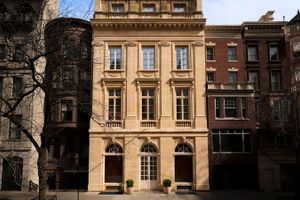
Marcel Duchamp in Ocula Magazine

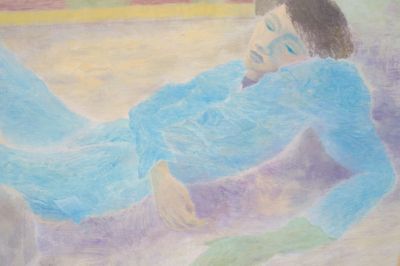

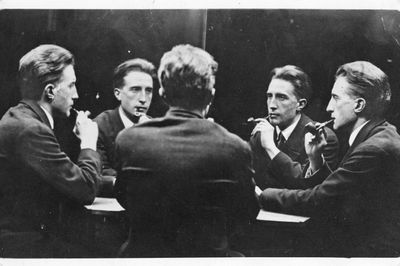




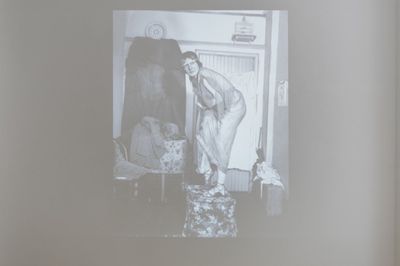



Explore and Follow Artists Shaping Contemporary Art
A respected voice in contemporary art discourse.
Focusing on ambitious storytelling and insightful art-world commentary. Ocula Magazine publishes in-depth interviews, critical essays and timely analysis on the artists, exhibitions and ideas driving the global art world.
Learn more about Ocula Magazine
Showcasing the best of the art world.
Ocula partners with galleries from around the world to highlight their artists, artworks and exhibitions. Gallery membership is by application and invitation, with each member vetted by an independent panel.
Learn more about Ocula Membership
Specialises in the sale of major artworks.
Led by a team with deep ties to the world’s leading auction houses, galleries and collectors. Ocula’s advisory team offers bespoke services to high-net-worth clients from around the world who are looking to acquire the best of contemporary and modern art.
Learn more about our team and services