‘Form follows energy’ is a maxim that conveys a reconnection with the logic of creation and consequently, through a chain reaction, traces the history of what we conceive as time, from the Big Bang (energy) to current life on Earth (form).
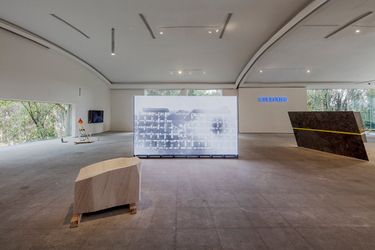
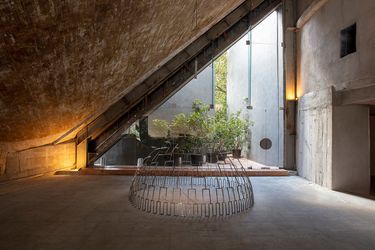
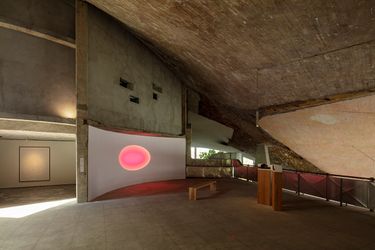
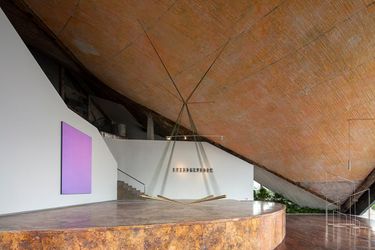
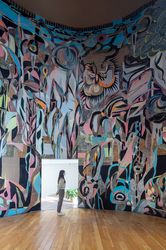
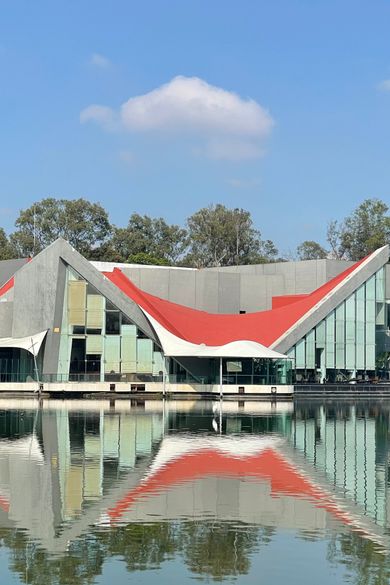
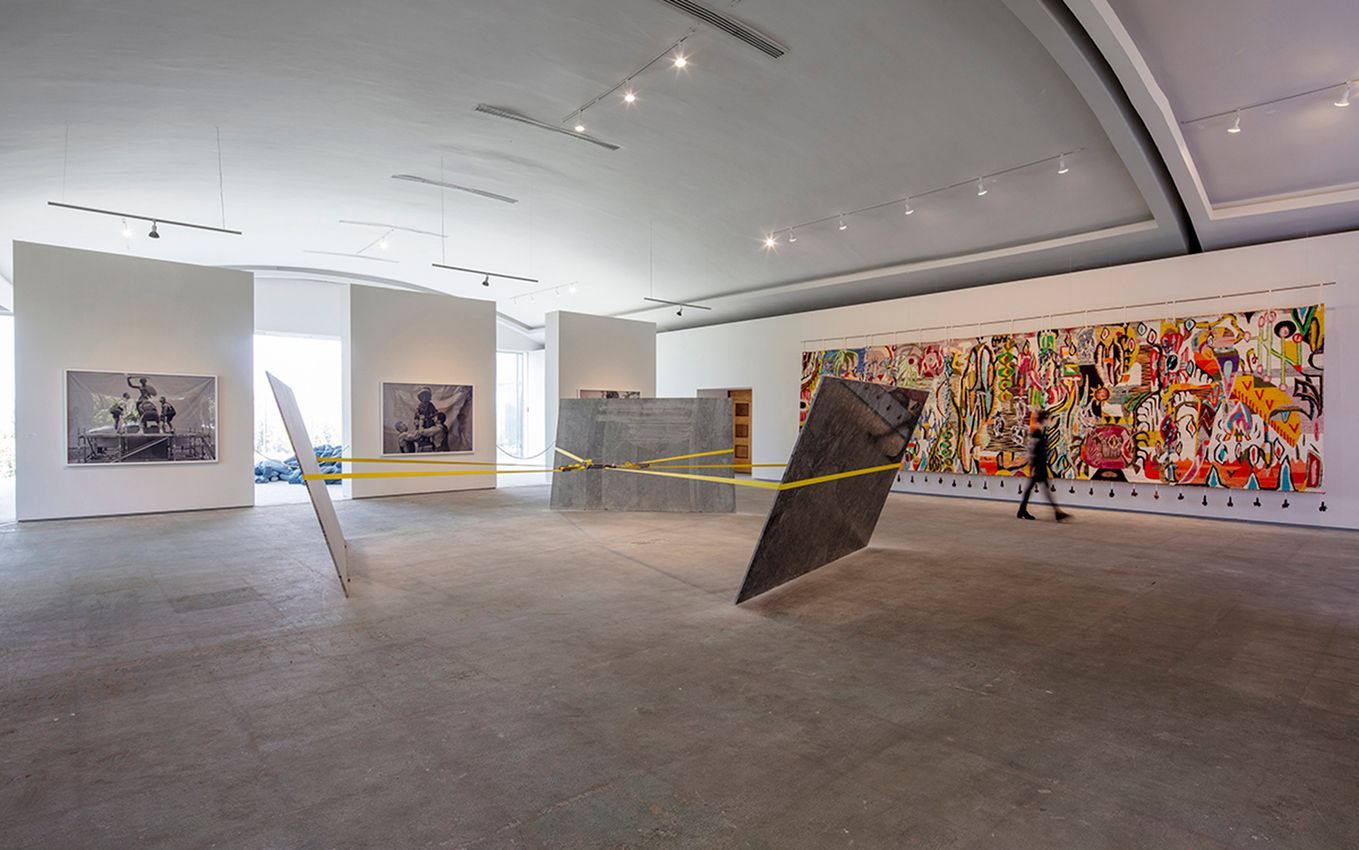
This implies that the shape of any reality is the result of the energy that has been set in motion. In architecture, for example, ‘form follows energy’ applies to the relationship between energy and form in our built environment. The ceiling in the form of a hyperbolic paraboloid of this modernist building –the central work of this exhibition– is a perfect example of the optimization of energy flows in its structure. Just as the distribution of energy on its roof is what gives shape to the building, the energy we invested in this project is testament to the form it takes today.
In that same logic, the energy that we manifest towards the Earth is the one that transforms it. This becomes more evident if we reflect on our past as a species and our current destiny, in which the imbalance shows its first truly serious consequences.
If we shorten the history of the planet to 24 hours, the modern human being appears at the last moment of the day, just before midnight. However, in that tiny period, it has fragmented what vital energy, in its balance, took 4.6 billion years to form.
Reality is the result of a program that has governed our operating system to date: form follows function. If we are aware beyond the utilitarian function of this syllogism (that is, as a tool in functionalist design), it describes the path that we were unconsciously taking as the dominant species on Earth.
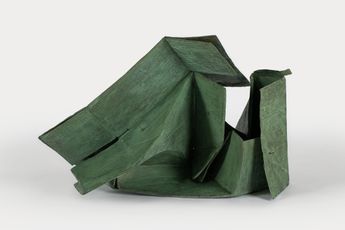
‘Form follows function’ is, to date, the premise of an individualistic species, which makes use of the planet as a controllable and extractable resource. ‘Form follows energy’, on the other hand, implies aligning oneself with the logic of creation and actively helping the next link in the chain of reactions to be in tune with vital energy.
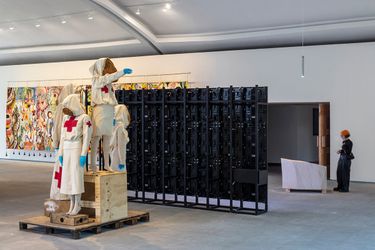
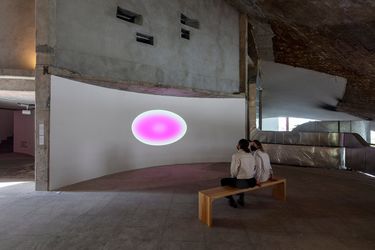
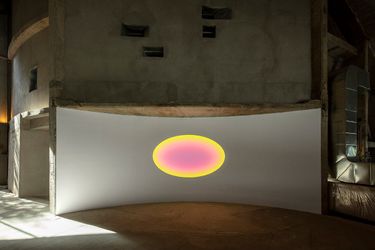
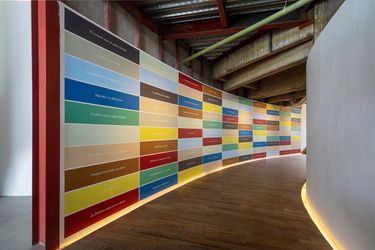
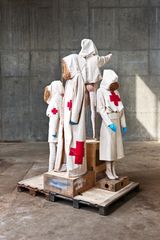
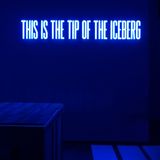
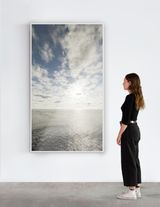
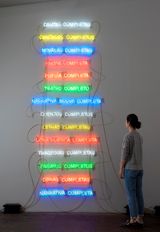
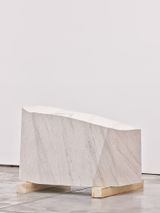
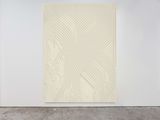
This exhibition follows the logic of both syllogisms. Through the work of 27 artists, the show presents a sequence of symbolic moments that illustrate the point in which we find ourselves now, where we came from, and hints at opportunities to update our operating system.
The layout of the exhibition is cumulative from one thematic hub to the next, until completing a narrative where the traveler returns to the origin, transformed.
The first of these paths explores what we already know –what has already happened, and invites us to delve into our memory.
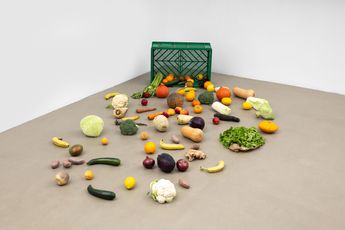
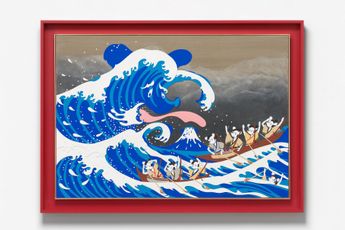
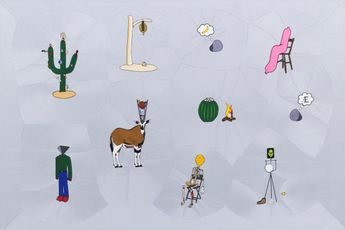
Form follows energy will present more than 45 works—many of which will be monumental in size—by some 30 artists. They include Ana Montiel, Atelier Van Lieshout, Nina Beier, Simon Fujiwara, Mario Garcia Torres, Alicja Kwade, and Gabriel Rico.
Press release courtesy OMR with joségarcía ,mx.


A respected voice in contemporary art discourse.
Focusing on ambitious storytelling and insightful art-world commentary. Ocula Magazine publishes in-depth interviews, critical essays and timely analysis on the artists, exhibitions and ideas driving the global art world.
Learn more about Ocula Magazine
Showcasing the best of the art world.
Ocula partners with galleries from around the world to highlight their artists, artworks and exhibitions. Gallery membership is by application and invitation, with each member vetted by an independent panel.
Learn more about Ocula Membership

Specialises in the sale of major artworks.
Led by a team with deep ties to the world’s leading auction houses, galleries and collectors. Ocula’s advisory team offers bespoke services to high-net-worth clients from around the world who are looking to acquire the best of contemporary and modern art.
Learn more about our team and services