Press Release

Founded in Paris in 1990, Perrotin operates galleries in major cities worldwide, showcasing a diverse range of contemporary art. Perrotin Seoul first opened in Samcheong-dong in April 2016 with a solo exhibition by French conceptual artist Laurent Grasso. Since then, the gallery has moved to its current location at Perrotin Dosan Park, enhancing its accessibility within the local art scene. Over the past decade, the gallery has hosted around 60 exhibitions, introducing both established and emerging international artists to Seoul and contributing to the city’s growth as an art hub in Asia.
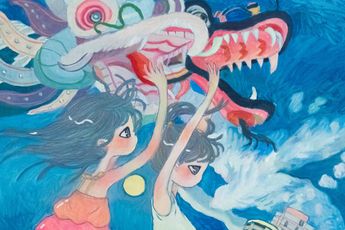
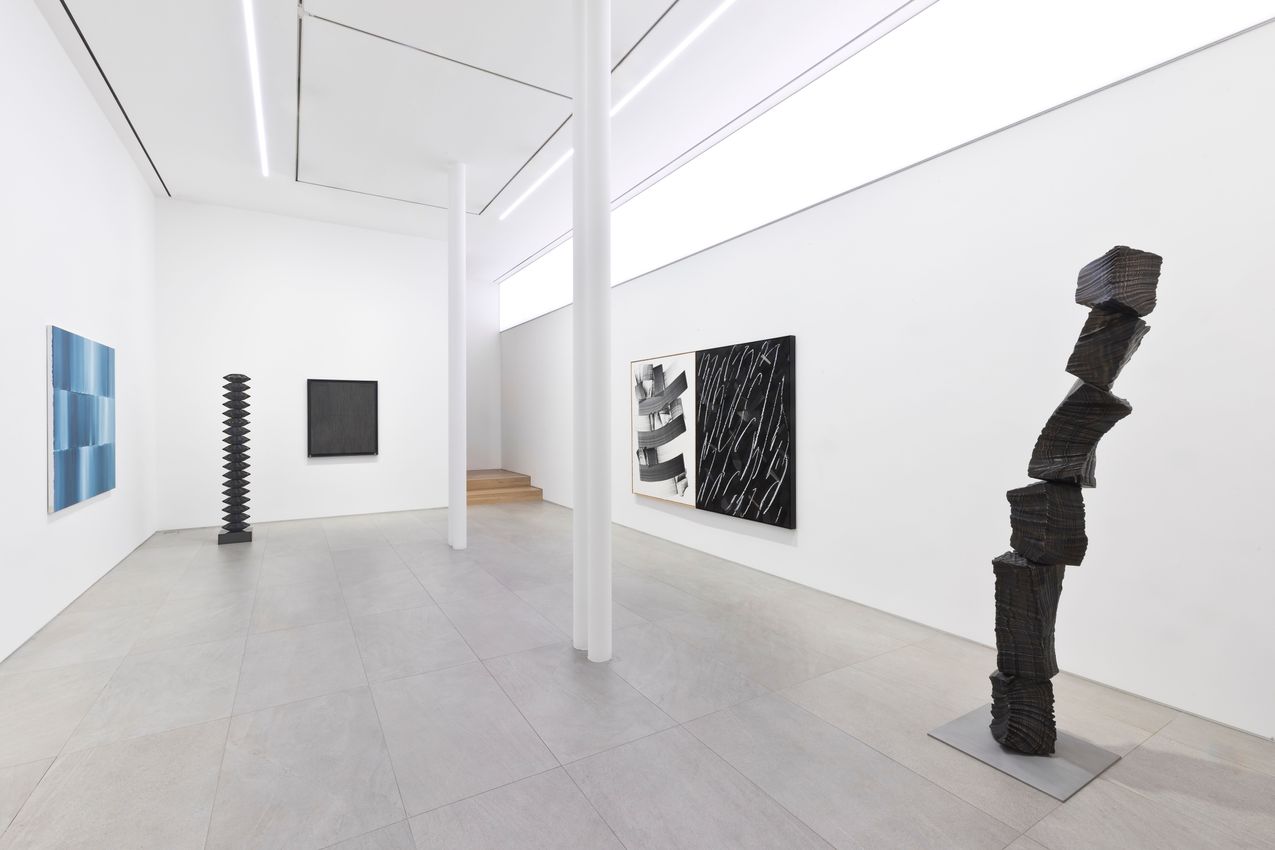
To mark its 10th anniversary, the group exhibition 10 YEARS reviews the gallery’s past decade while looking forward to its future. The exhibition features new works by the gallery’s long-standing artists, including Maurizio Cattelan and Takashi Murakami, alongside Korean masters such as Park Seo-Bo, Lee Bae, and Shim Moon-Seup. This presentation offers a comprehensive look at the wide-ranging artistic spectrum that Perrotin has cultivated, bringing together works by artists who have rarely been shown in Korea in a single setting.

Daniel Arsham

Daniel Arsham is a 1980 Cleveland-born who studied painting at the Cooper Union in New York and now works across various genres and mediums including painting, sculpture, drawing, film, fashion, and architecture.

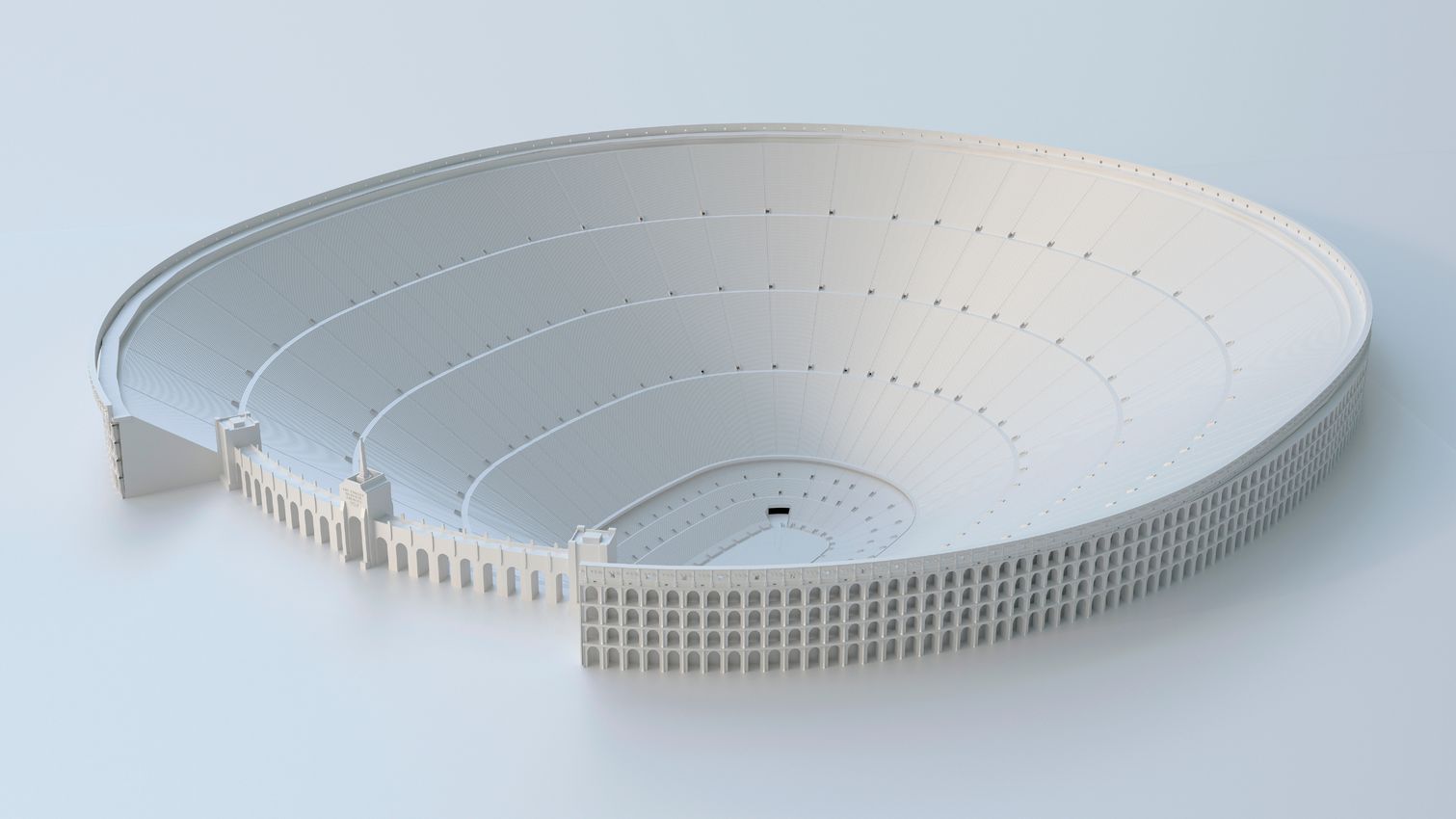
“The Fictional Archeology”, a key to understanding Arsham’s practice, stems from the recognition that our present will eventually be the past in the distant future. The artist creates plastered objects of everyday items such as cameras, microphones, cassette players, and payphones, and with geological mediums such as sand and volcanic ash, transforms them to appear as if they had just been excavated, thus making the present past. In this eerie yet playful works of Arsham which sits somewhere between Romanticism and Pop Art, present, future, and past metaphorically collide, as the artist experiments with the timelessness of symbols and representations throughout cultures.

Genesis Belanger

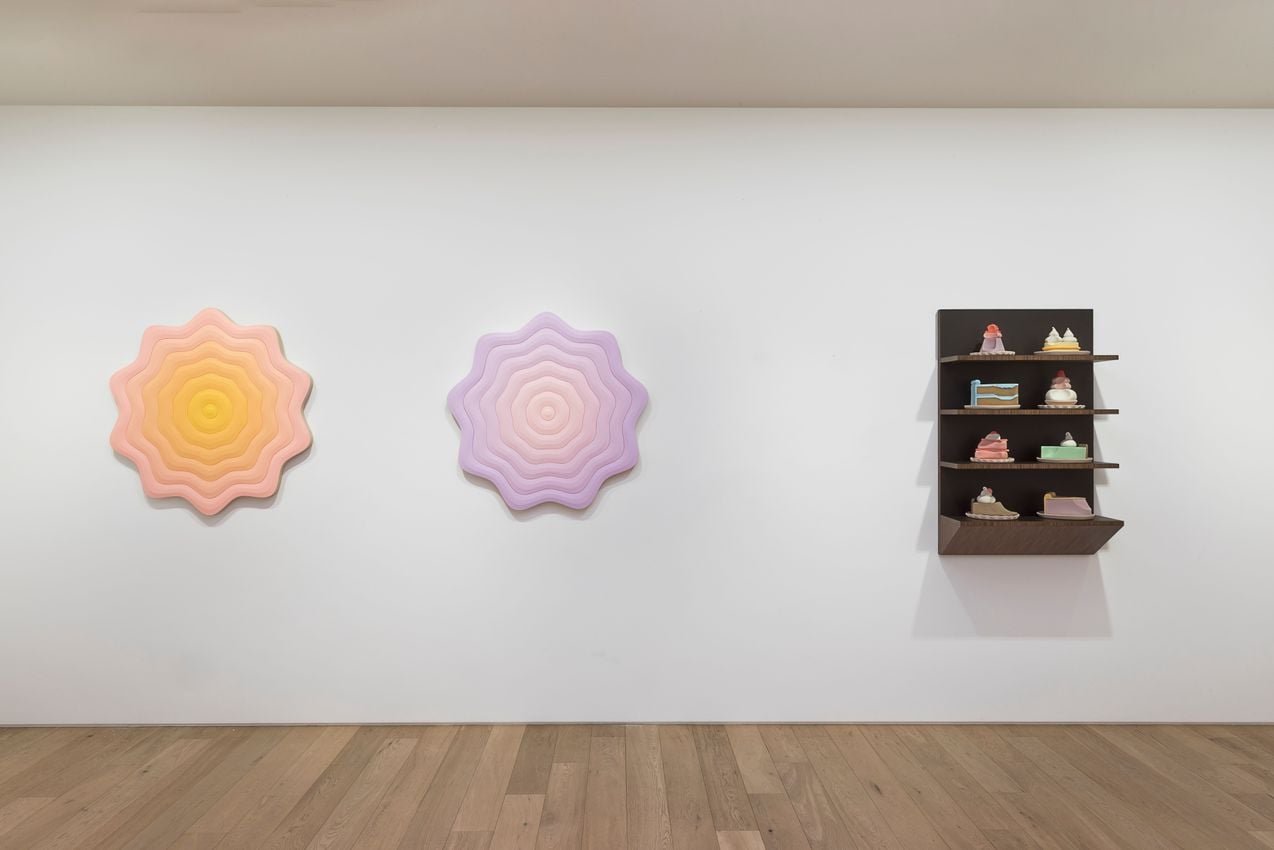
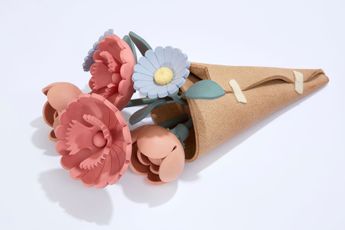
Born in 1978 in the United States and based in Brooklyn, New York, Genesis Belanger works across a wide range of materials and techniques, including porcelain, stoneware, metal, wood, upholstery, and painting, to create psychologically charged mise-en-scènes. Her objects function as surrogates for human feeling and experience, addressing how advertising manipulates our psychology, the dynamics of consumption, issues of privacy in an increasingly online world, and mechanisms for coping with overwhelm.

Belanger’s work reconfigures everyday objects into scenes that are at once familiar and unsettling, prompting emotional and psychological responses. Closely tied to the visual language of consumer culture and advertising, her compositions critically examine the ways in which contemporary imagery shapes desire, emotion, and perception.

Maurizio Cattelan

Born in 1960 in Padua, Italy, Maurizio Cattelan is one of the most popular and controversial figures in contemporary art. Drawing freely from the real world of people and objects, his practice operates as an irreverent intervention aimed at both art and its institutions. Through sculpture, installation, and performative gestures, Cattelan places familiar images into provocative contexts that elicit discomfort, humor, and critical engagement.

Cattelan’s work employs irony and playfulness to undermine authority, religion, politics, and the conventions of the art world itself. By distorting everyday objects and symbolic figures, he questions the nature of artistic value and the belief systems surrounding it. Beneath the apparent lightness of his gestures lies a sharp critique of institutional power and social consensus, positioning his work at the intersection of satire, provocation, and cultural reflection.

Jean-Philippe DELHOMME

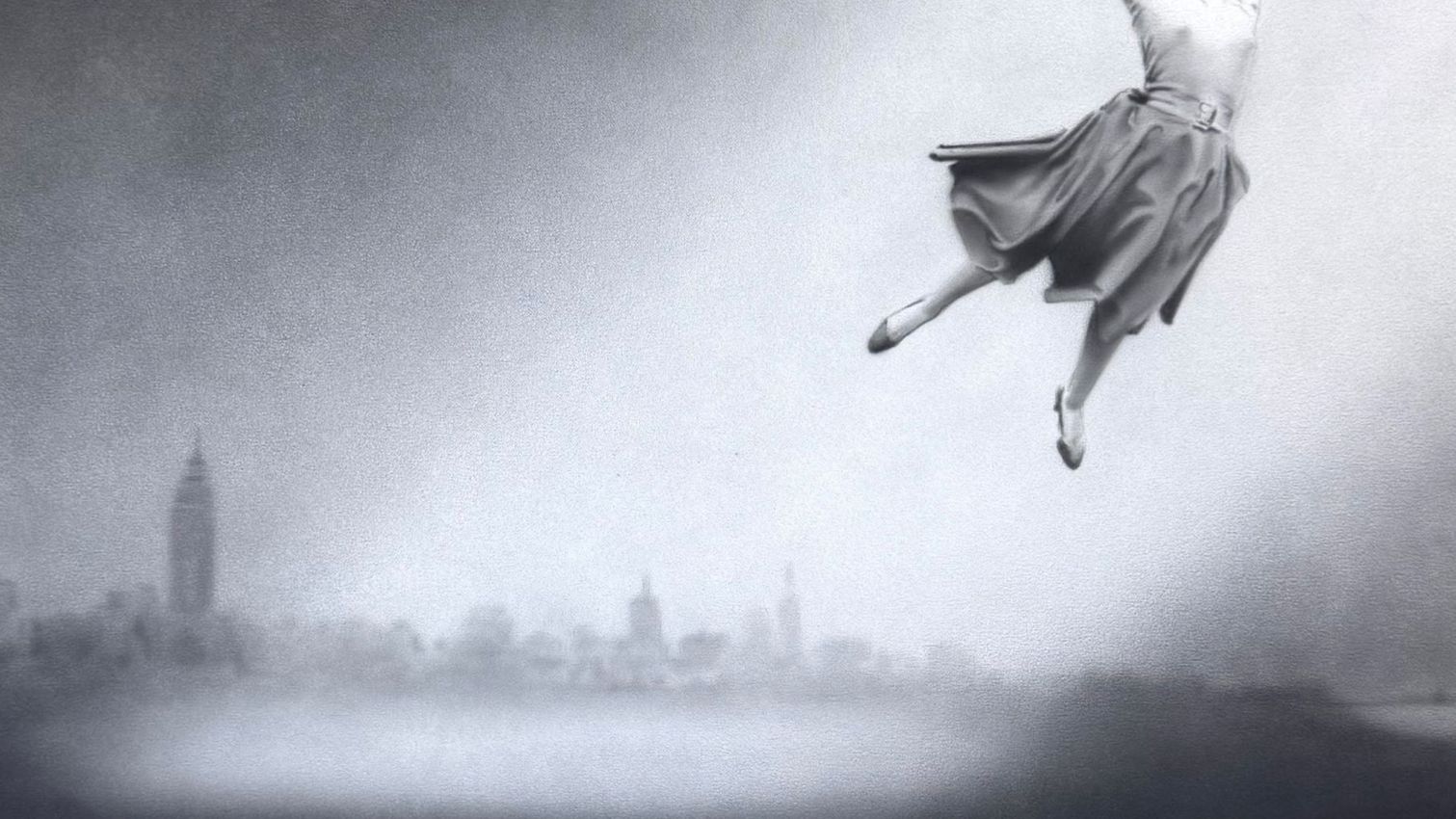
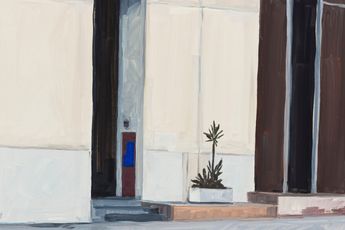
Born in 1959 in Paris, Jean-Philippe Delhomme paints scenes devoid of all human presence, based on direct observation of the urban landscapes of major cities such as New York, Paris, and Los Angeles.

His perspective bears witness to the coalescence of past, present, and future, as manifested through architectural environments in constant transformation. Industrial buildings threatened with demolition to make way for new apartment blocks are among the sites that capture his attention, revealing moments of transition embedded within the city.

Delhomme’s landscapes unfold as “vistas” charged with literary and artistic references, functioning as spaces of reflection rather than mere representation. His paintings operate at the intersection of drawing, writing, and painting, serving as a unifying thread across the different modes of expression he has developed throughout his practice.

Bernard Frize

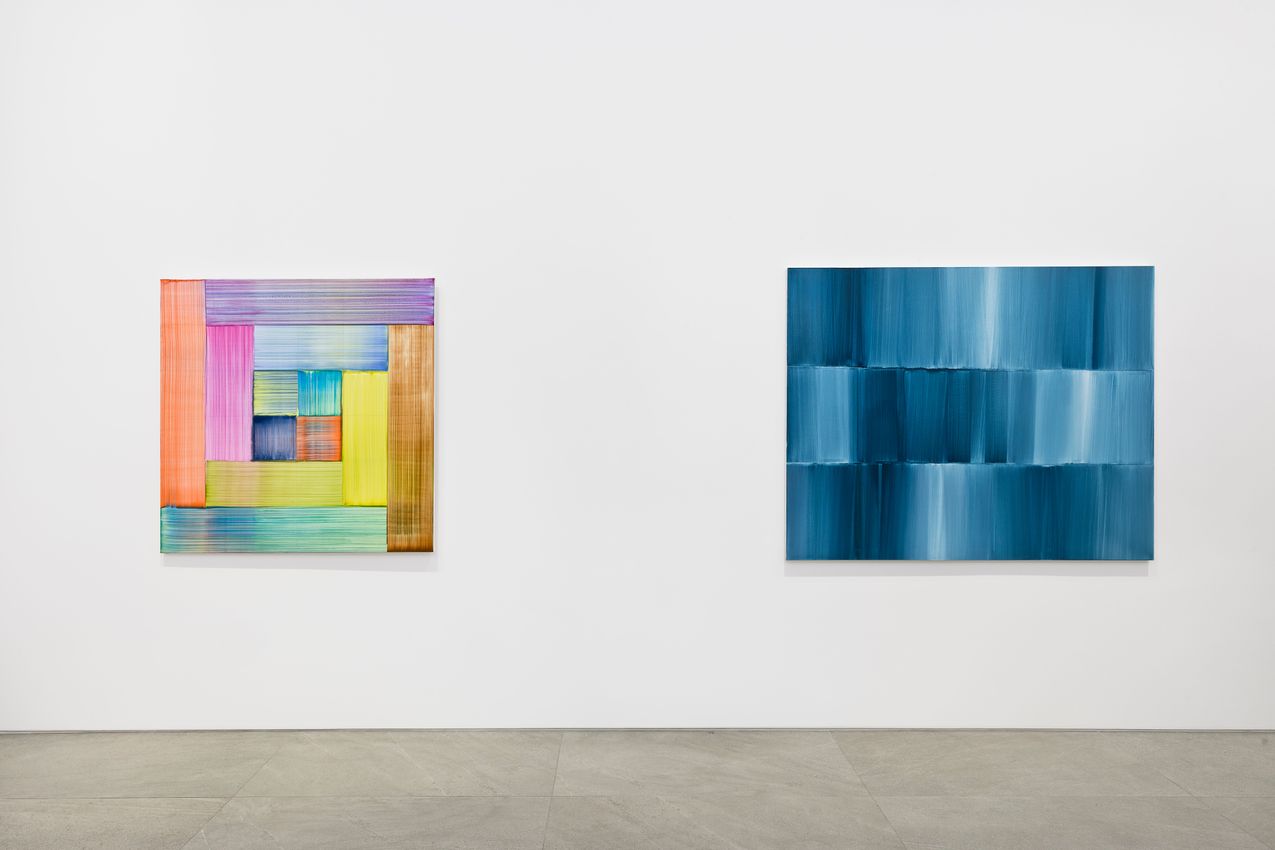
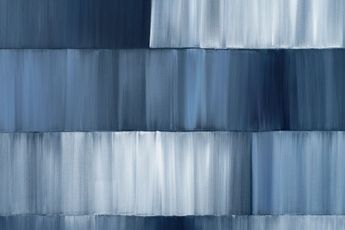
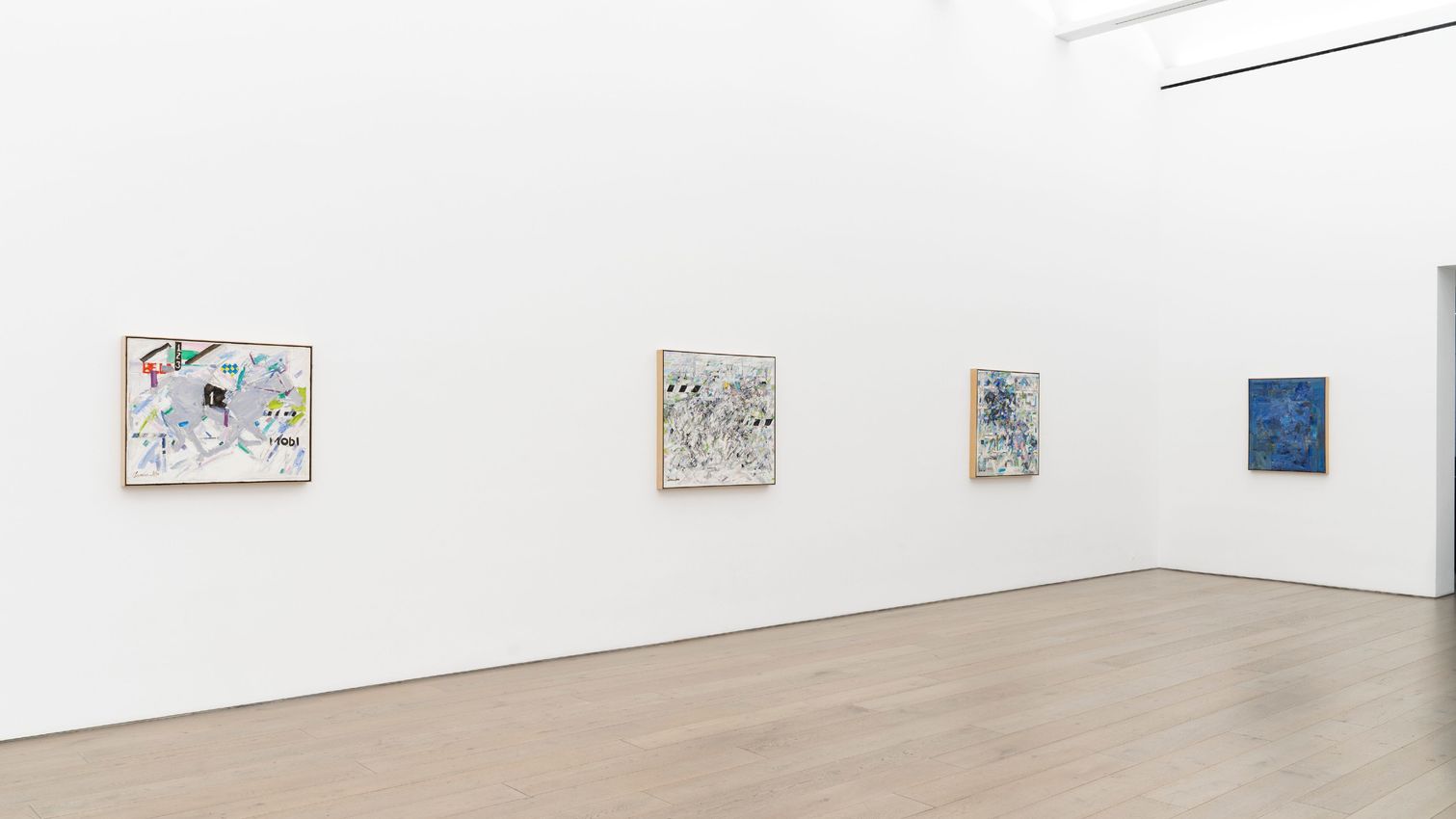
Bernard Frize, a leading figure in French contemporary painting, was born in Saint-Mandé, France in 1949 and now works based in Berlin, Germany. From the 1970s to the present, Frize expanded his practice of conceptual abstraction throughout half a century. In Frize’s paintings, ‘abstraction’ is not presented in a difficult or heavy language but as a frame filled with sensational colors and energetic brushstrokes. Above his brushstrokes, paint spreads out with a mind of its own, disrupting structured lines and the remains of ambiguous masses and traces of the paint suggest all our senses: sight, sound, and touch. Breaking free of the traditional stereotype of abstract painting as esoteric, Frize’s paintings draw a new interaction from the viewers through his original expressive touches and reflect his complex and ever-evolving relations between him as an artist and his life, the act and materiality of painting.

Izumi Kato

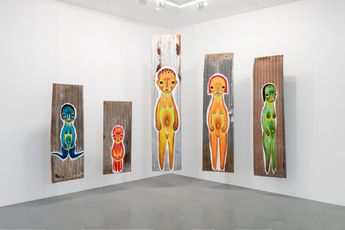
Born in 1969 in Shimane, Japan, Izumi Kato lives and works between Tokyo and Hong Kong. Children with disturbing faces, embryos with fully developed limbs, ancestor spirits locked up in bodies with imprecise forms—the creatures summoned by Kato are as fascinating as they are enigmatic. Their anonymous silhouettes and strange faces, largely absent of features, emphasize simple forms and strong colors; their elementary representation, an oval head with two big, fathomless eyes, depicts no more than a crudely figured nose and mouth. Bringing to mind primitive arts, their expressions evoke totems and the animist belief that a spiritual force runs through living and mineral worlds alike. Embodying a primal, universal form of humanity founded less on reason than on intuition, these magical beings invite viewers to recognize themselves.

Since the 2000s, he has garnered attention as an innovative artist through exhibitions held in Japan and across the world. In 2007, he was invited to take part in the 52nd Venice Biennale International Exhibition, curated by Robert Storr.

Lee Bae

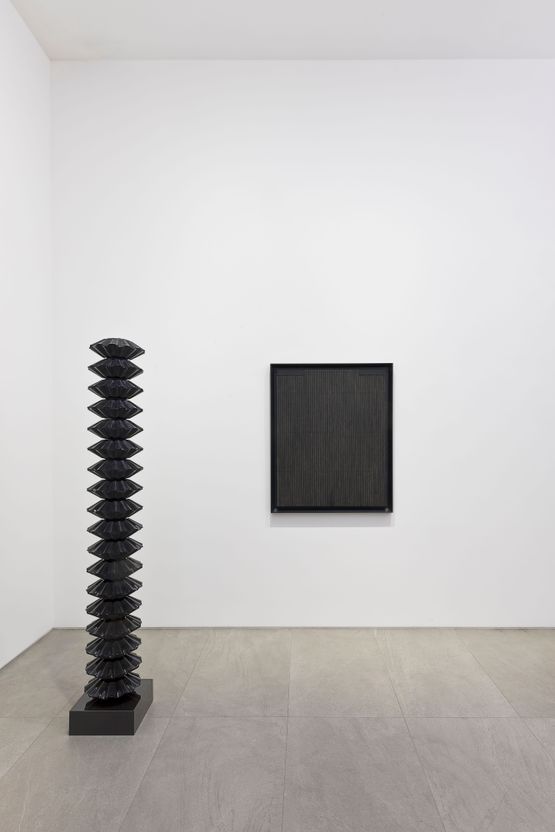
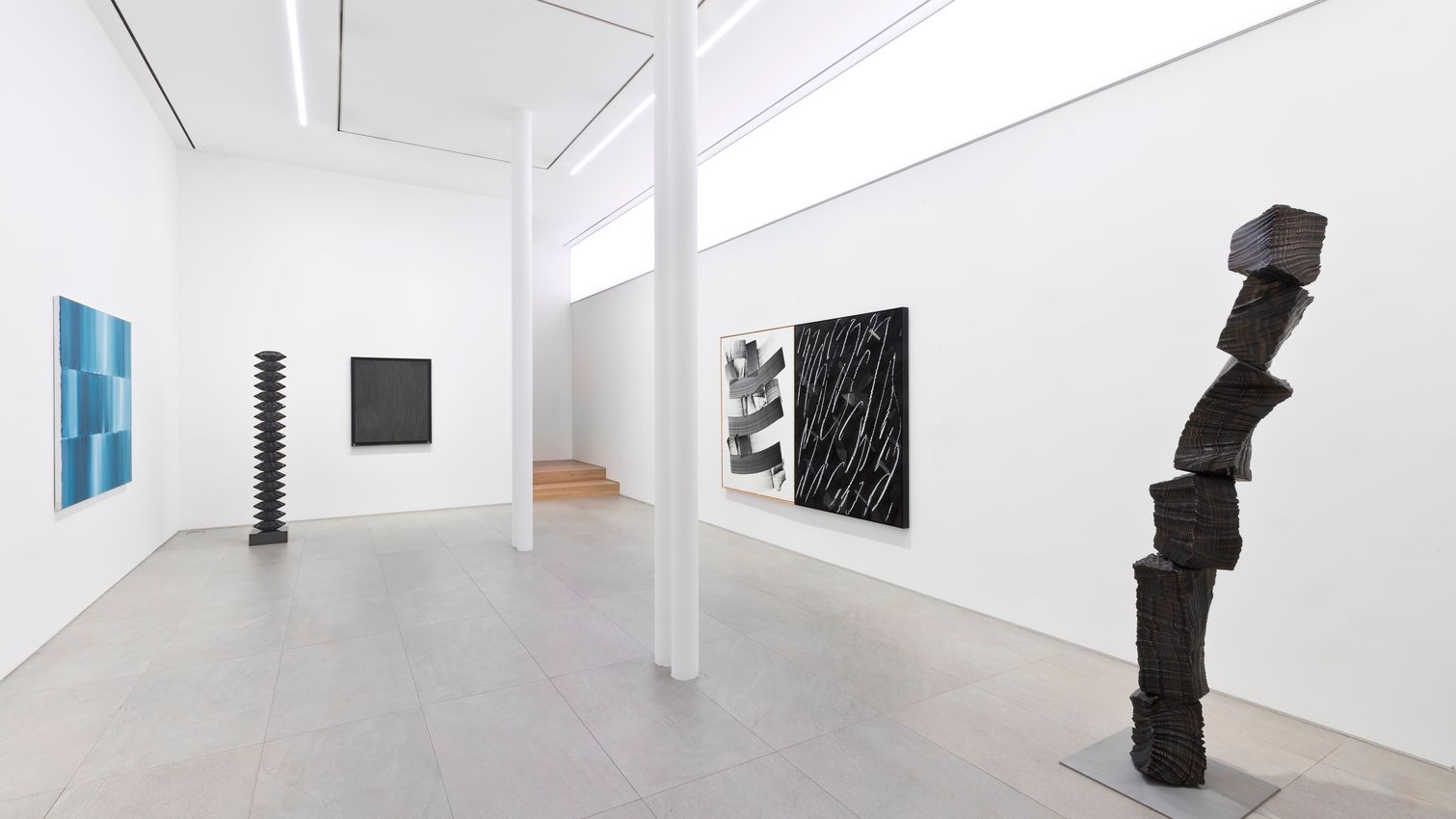
Born in Cheongdo, Gyeongsangbuk-do, Korea, in 1956, Lee Bae works in between Paris, Seoul and Cheongdo since 1989 after graduating from Hongik University’s Painting Department. Charcoal is a key element in Lee Bae’s monochromes which hold an image of the cycle of life through charcoals’ characteristic of being produced when firing wood then also used to revive fire. Up to the early 2000s, Lee Bae created minimal and exquisite works utilizing “charcoal” itself, such as assemblage on canvas with fragments or chunks of charcoal or presenting carbonized wooden sculptures as objects. Working primarily with carbon black, reminiscent of charcoal, Lee Bae develops his abstract aesthetic by crossing the boundaries between drawing, sculpture, installation, and paintings based on irregular yet fundamental gestures.

Mr.

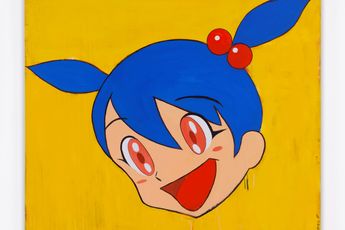
Mr.’s neo-pop aesthetics spans painting, sculpture, installation, and video. Associated with the superflat movement, he uses manga and anime to portray his personal fantasies. While he consistently draws his themes and motifs from the otaku subculture or fandom, he is more specifically a self-described otaku artist. His cartoonish visions are essentially inhabited by young characters, who are meant to evoke feelings of moe (a Japanese notion relating to the adoration of fictional figures). In typical kawaii style, he sometimes depicts childlike features (round faces, wide eyes, colorful hair) with innocent undertones. Contrasting with the bright cheerfulness of his all-powerful characters, a wider reflection on solitude, social anxiety, and fear underlies his work. Specifically, the chaotic environments within which Mr. stages some of his exhibitions echo both Japan’s traumatic loss during World War II and the Fukushima Daiichi nuclear disaster.

Takashi Murakami

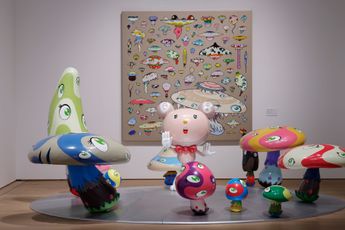
Takashi Murakami, who has a PhD in nihonga painting, combines the most cutting-edge techniques with the precision and virtuosity of traditional Japanese art. Inspired by anime and character culture, his irresistible world is peopled by monstrous and charming characters alike, facetiously portrayed as descendants of past myths. His theory of Superflat aesthetic, which he introduced in 2001 with the trilogy exhibition he curated (the third part was titled “Little Boy,” a reference to the code name for the atomic bomb dropped on Hiroshima in 1945), attempts to blur the boundaries between popular art and high art; Superflat movement has explored the evolution of Japan’s understanding of its post-Hiroshima social condition and the interrelationships between vanguard art, manga and anime, and their forerunner, Nihonga. The absence of perspective, the two-dimensionality of ancient Japanese art, filters into every medium.

Since his first monographic exhibition outside Japan in 1995 at Perrotin, Murakami has achieved recognition as one of the most prominent contemporary artists of his time, and his work has been featured in numerous solo exhibitions at museums and art institutions throughout the world.

Danielle Orchard

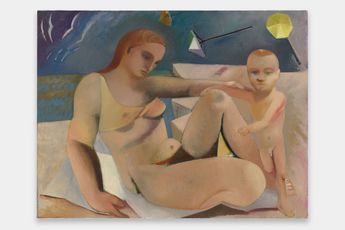
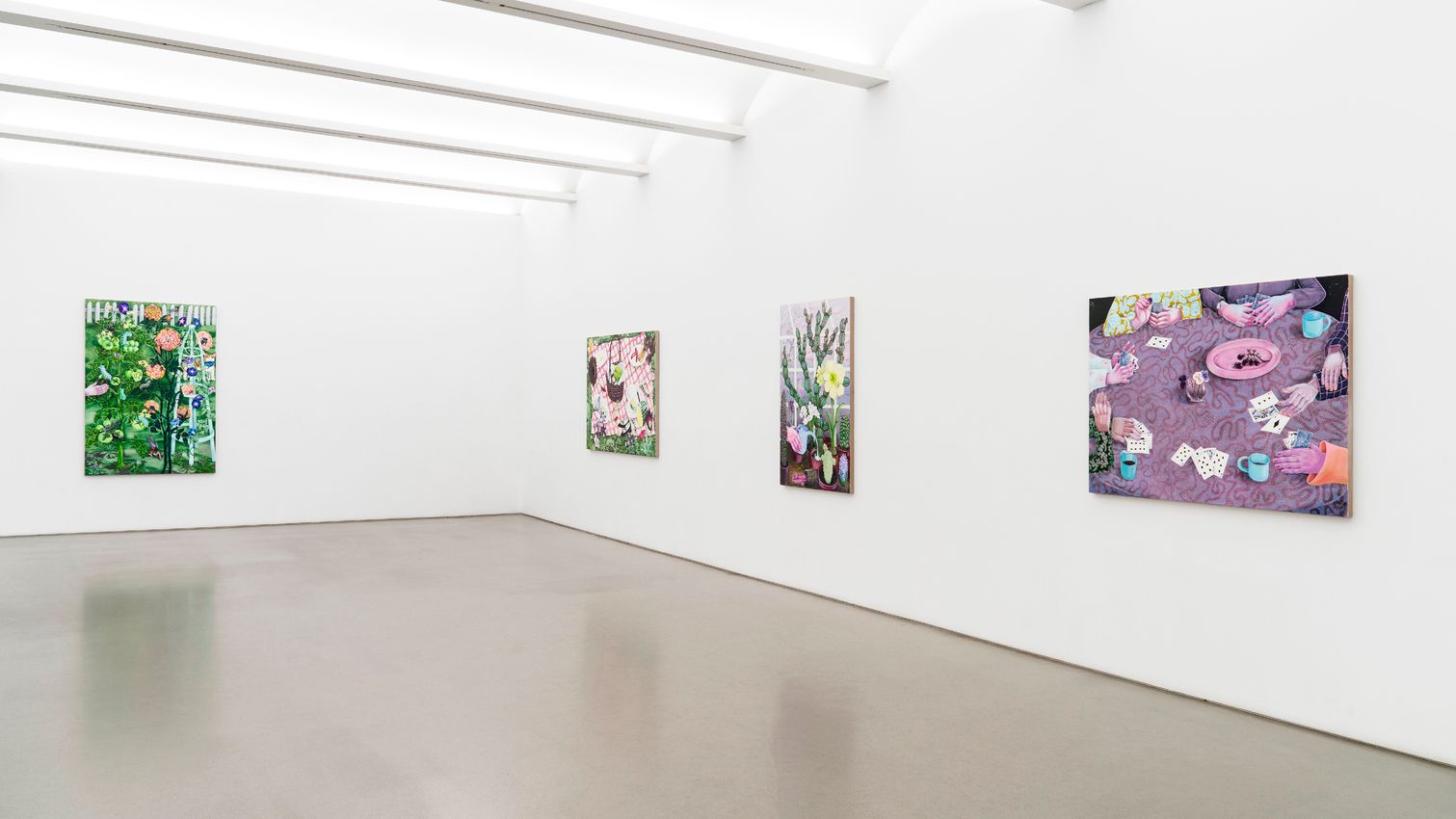
Danielle Orchard, born in 1985 in Michigan City, Indiana, and based in Pelham, Massachusetts, is an American artist renowned for her vibrant and evocative paintings that explore themes of femininity, identity, and human emotion. Orchard’s work is celebrated for its bold color palette, dynamic compositions, and its unique fusion of contemporary aesthetics with classical influences. Her artistic journey began at Indiana University and Hunter College, New York, where she honed her craft and developed a distinctive style that bridges the gap between traditional painting techniques and modern visual culture. Her work often features a blend of abstract and figurative elements, capturing the complexities of the human experience with both sensitivity and strength.

Danielle Orchard’s artistic practice is distinguished by her innovative use of color, form, and texture to explore complex themes of identity and emotional depth. Employing a vibrant palette and dynamic brushwork, she merges abstract and figurative elements to create evocative compositions that both captivate and challenge the viewer. The rich surfaces of her paintings ultimately reflect the intricacies of the human experience: in all her work, the figures present are simultaneously both Orchard and not her, symbolic of broader ideas and narratives. Through her paintings, she seeks to convey the multifaceted nature of femininity and the internal landscapes of her subjects, aiming to provoke introspection and dialogue. They are not only a celebration of visual beauty but also an invitation to engage with the nuanced and often unspoken aspects of personal and collective identity.

GaHee Park

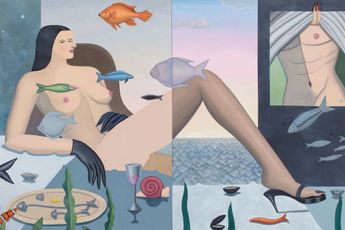
GaHee Park, born in 1985 in Seoul, South Korea, and now based in Montreal, Canada, is a contemporary artist renowned for her dramatic and abstract paintings brimming with eroticism and ambiguity. Having studied at the Tyler School of Arts in Philadelphia and Hunter College in New York City, Park’s depictions of domestic life constantly blur the line between the sensual and the sinister. Using abstract figures and objects to construct cryptic scenes, whether featuring elaborate dinners with peering cats or intimate bedroom moments with a three-mouthed figure, Park constantly removes her work from realism to imbue her paintings with a sense of liberation; to truly express herself as she pleases.

Starting with a preliminary sketch, Park applies flat planes of oil onto linen, creating vibrant and raw compositions. Combining the smooth expanse of color and the mysterious, obscure narratives taking place within, Park positions the audience as a spectator to the unfolding scenes. Employing recurring motifs, such as fishes and plants, Park’s work often reflects her own emotions and personal experiences of being a South Korean woman from a strict religious household, working to succeed within a contemporary art scene rooted in sexism and racism.

On one hand providing a platform for her fantasies, her gazes, and her histories, Park’s paintings also serve as a celebration of the human experience in all its complexity, aiming to dismantle stereotypes and embrace the messiness of individual existence.

Park Seo-Bo

Born in 1931 in Yecheon, Gyeongsangbuk-do, Park Seo-Bo is a leading figure in Korean contemporary art and a central artist of the Dansaekhwa (Korean monochrome) movement. Emerging in the early 1970s in postwar Korea, Dansaekhwa developed as a synthesis of traditional Korean sensibility and Western abstraction, later gaining international recognition. Although never defined by a manifesto, artists associated with the movement—including Chung Chang-Sup and Lee Ufan—are known for their restrained palettes of white, beige, and black, their emphasis on materiality, and their repetitive, systematic processes.

Born in 1931 in Yecheon, Gyeongsangbuk-do, Park Seo-Bo is a leading figure in Korean contemporary art and a central artist of the Dansaekhwa (Korean monochrome) movement. Emerging in the early 1970s in postwar Korea, Dansaekhwa developed as a synthesis of traditional Korean sensibility and Western abstraction, later gaining international recognition. Although never defined by a manifesto, artists associated with the movement—including Chung Chang-Sup and Lee Ufan—are known for their restrained palettes of white, beige, and black, their emphasis on materiality, and their repetitive, systematic processes.

Shim Moon-Seup

Born in 1943 in Tongyeong, Gyeongsangnam-do, Shim Moon-Seup is a pioneering figure in modern Korean sculpture whose practice explores nature and temporality beyond fixed genres and media. He gained international recognition with the Excellence Award at the 2nd Henry Moore Grand Prize Exhibition in 1981 and was named Chevalier of the Ordre des Arts et des Lettres by the French government in 2007. His use of elemental materials such as wood, stone, earth, and iron challenges conventional sculptural definitions through an experimental, anti-sculptural approach.

The Presentation painting series, initiated in the 2000s, extends this long-standing inquiry into a two-dimensional format. Inspired by the sea of Tongyeong, the repetitive brushstrokes evoke cycles of creation and destruction, reflecting the temporality of matter. Through this series, Shim blurs the boundary between sculpture and painting, foregrounding process, material, and time as core concerns of his practice.

Josh Sperling

Born in 1984 and based in Ithaca, New York, Josh Sperling has been creating original works on canvas that encompass multiple genres. Blurring the lines between 1960s-1970s minimalism, abstract painting, architecture and design, Sperling’s background in graphic design, cabinetry, woodwork and sculpture are naturally integrated into his work. The plywood panels of his canvases are intricately assembled like puzzles to form dynamic, geometric shapes, filled with intense primary or complementary colors that engage the viewer’s senses.

Sperling draws inspiration from a wide range of sources to create a unique visual vocabulary characterized by boundless energy and expression. He is particularly influenced by the Memphis Group, an Italian design collective that operated from the early to mid-1980s; Googie style of architecture popularized in California in the 1940s; and abstract painters such as Stuart Davis and Ellsworth Kelly. Breaking away from the conventional rectangular canvas, Sperling experiments with atypical shapes like circles, triangles, and curves, continually expanding the possibilities of visual art through his own pictorial language.

AYA TAKANO

Painter, illustrator, sci-fi writer and manga artist, AYA TAKANO is inspired by all art forms, from erotic stamps of the Edo Period to impressionism, from Osamu Tezuka to Gustav Klimt. The artist has built a universe all her own. A universe made of infinite worlds, all means of escaping reality, gravity and its restraints, to attain a certain form of transcendence.

AYA TAKANO’s inner journeys wind their way into delicate works that convey a disturbing impression, somewhere between eroticism and impertinence. In a bedroom or in the metro, in front of the skyscrapers of a megalopolis or on the moon, naïve and androgynous girls are sketched out in thin, sharp lines. The artist’s mythology has constructed itself little by little, through her creations and visions of the unknown. In March 2011, a violent tsunami struck the northeastern coasts of Japan and led to the nuclear accident of Fukushima. A real wake-up call for the artist, this catastrophe deeply influenced her work. Preferring oil paint, which is more natural, to acrylic paint, for example, AYA TAKANO seems to pursue a new artistic quest, both humble and spiritual, influenced by a unique interest in science and guided by an absolute respect for nature and human life.

Kelly Beeman

Born in 1983 in Oklahoma City, Oklahoma, USA, Kelly Beeman has gained recognition for a distinctive practice that blends visual storytelling with fashion aesthetics. Although she never received formal art training, Beeman began drawing and painting scenes from a young age as imaginative play with her siblings. Growing up in Oklahoma City instilled in her a deep longing for exploration, leading her to relocate to New York in 2004. After completing a sociology degree at Hunter College, her time living abroad in Bolivia and Argentina marked a shift in her creative approach toward figurative compositions that recount personal narratives.

Beeman’s work emphasizes character and mood through carefully crafted attire, often of her own conception or adapted from vintage styles, moving away from extravagant designer fashion. Her compositions explore the relationship between figures and their immediate surroundings, resulting in visually harmonious and engaging works that evoke a sense of narrative and introspection.

Courtesy Perrotin.

Read More

Installation Views

Artists Exhibiting

Also Exhibiting at Perrotin

Address
10, Dosan-daero 45-gil
Gangnam-Gu
Seoul
South Korea
Opening Hours
Monday – Saturday
10am – 6pm
(1)
Seoul 10, Dosan-daero 45-gil, Gangnam-Gu
Perrotin
10, Dosan-daero 45-gil, Gangnam-Gu, Seoul, South Korea

Opening hours
Monday – Saturday
10am – 6pm
The art world in focus