


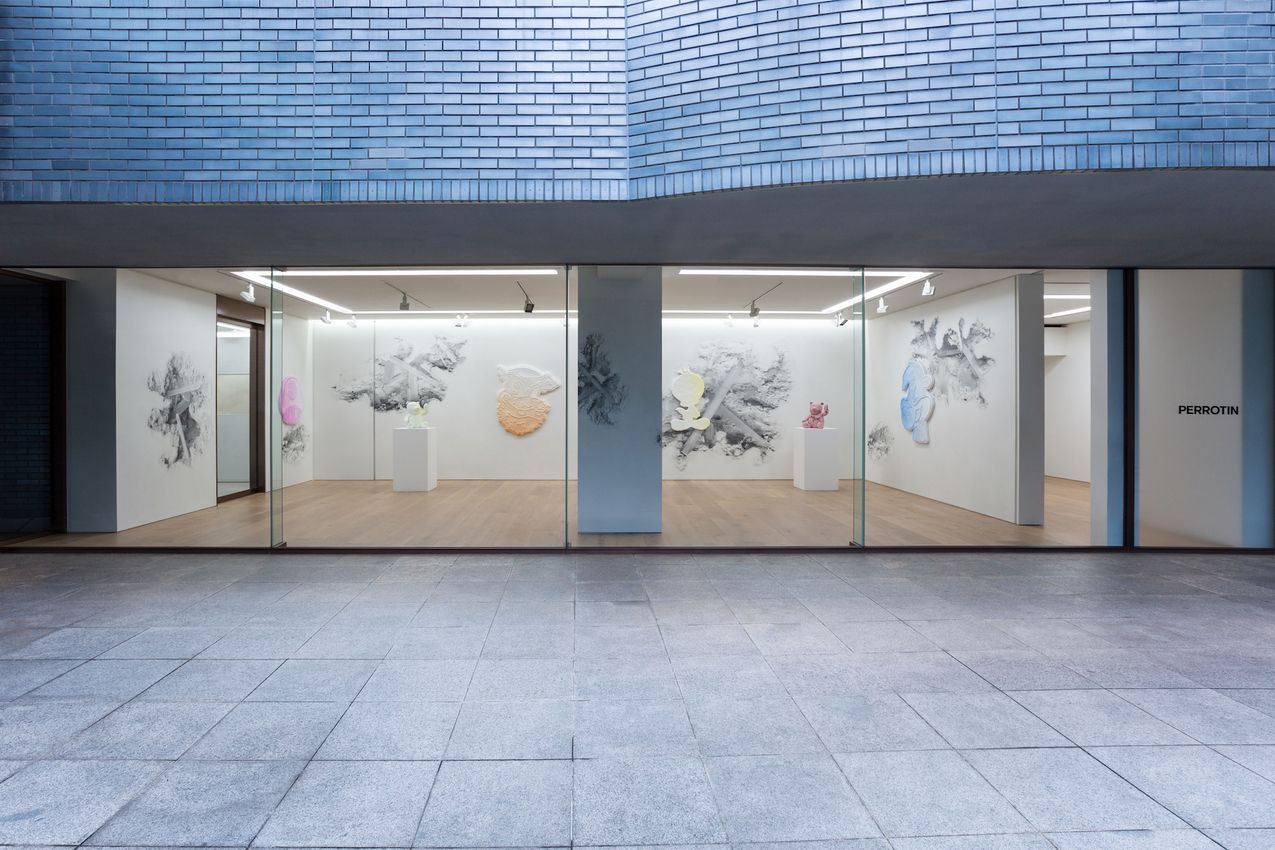
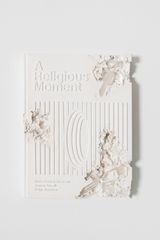
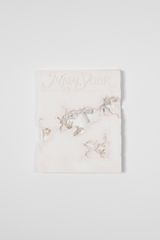

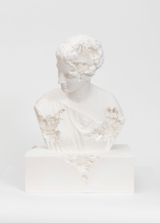
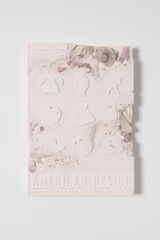
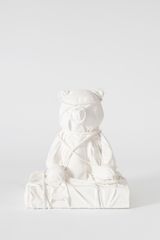
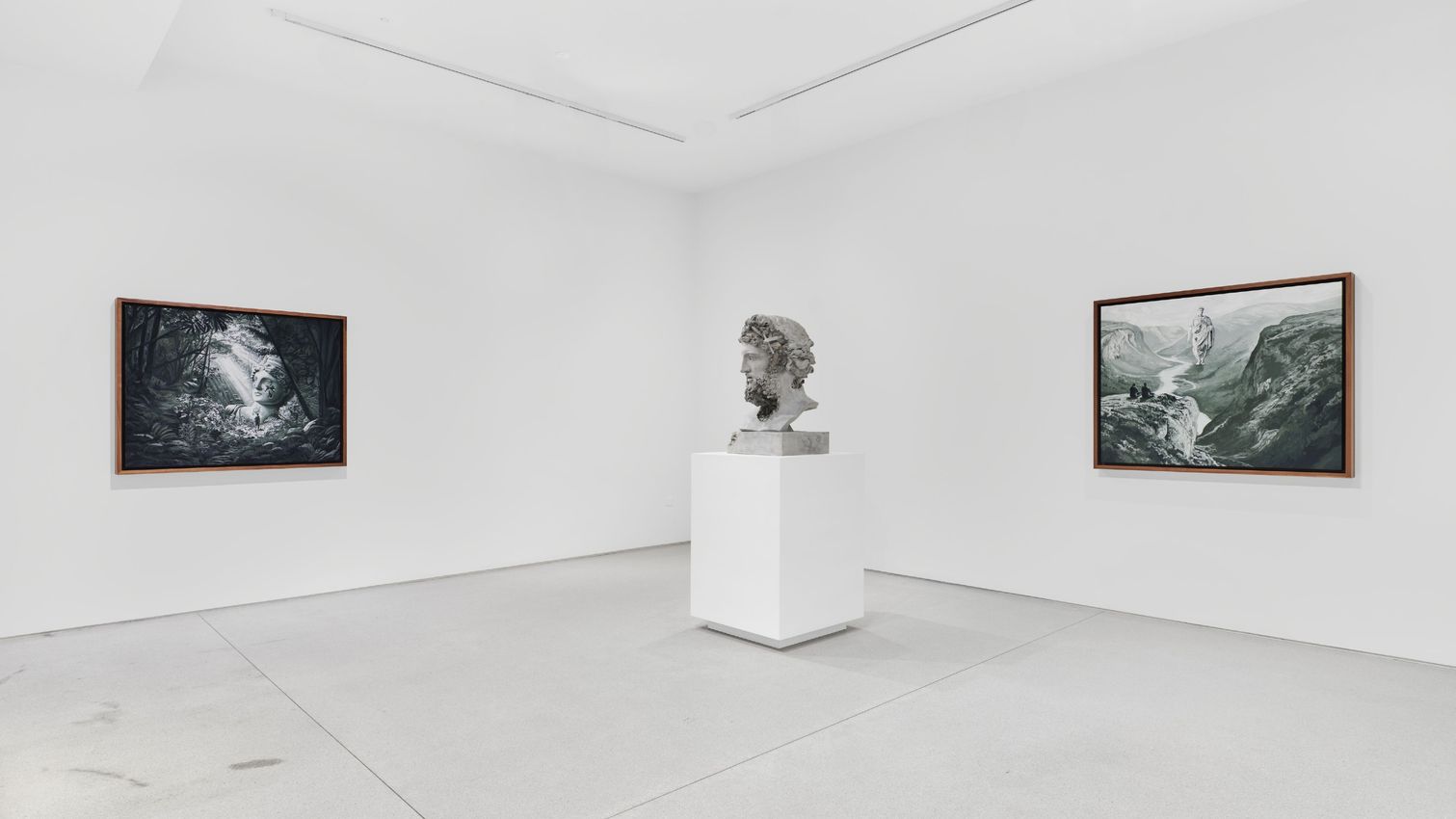
Perrotin Tokyo, in collaboration with Nanzuka, is pleased to present two concurrent solo exhibitions by New York-based artist Daniel Arsham. This show marks the artist’s first exhibition at Perrotin Tokyo and fourteenth solo show since joining Perrotin gallery in 2005. Daniel Arsham, since 2013, has transformed a variety of modern cultural objects—with obsolescence built into their DNA—into crumbling relics. Through the evolution of his Fictional Archeology series, Arsham established his signature sculptural style which employs a unique casting technique to produce objects made from earthly substances including volcanic ash, obsidian, carbon dust and rose quartz.
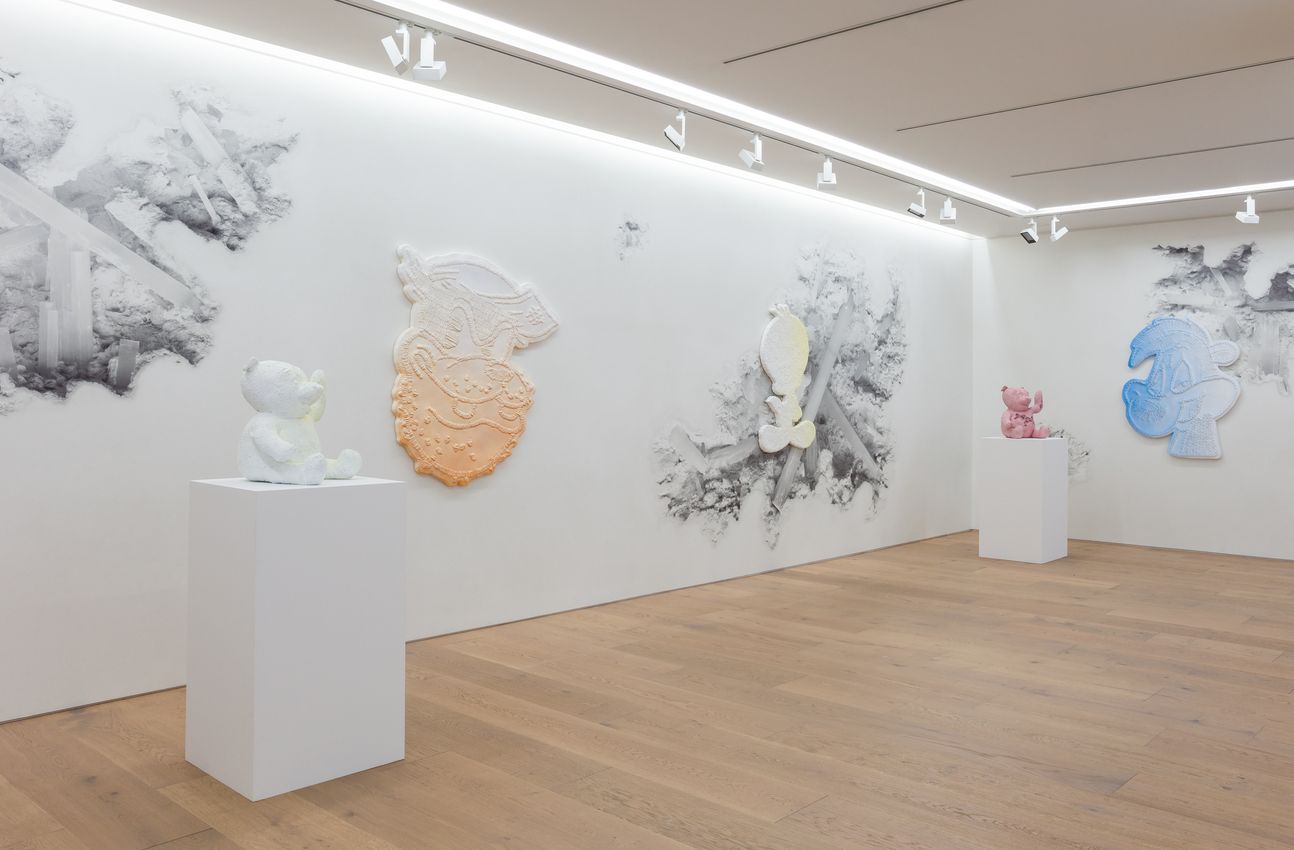
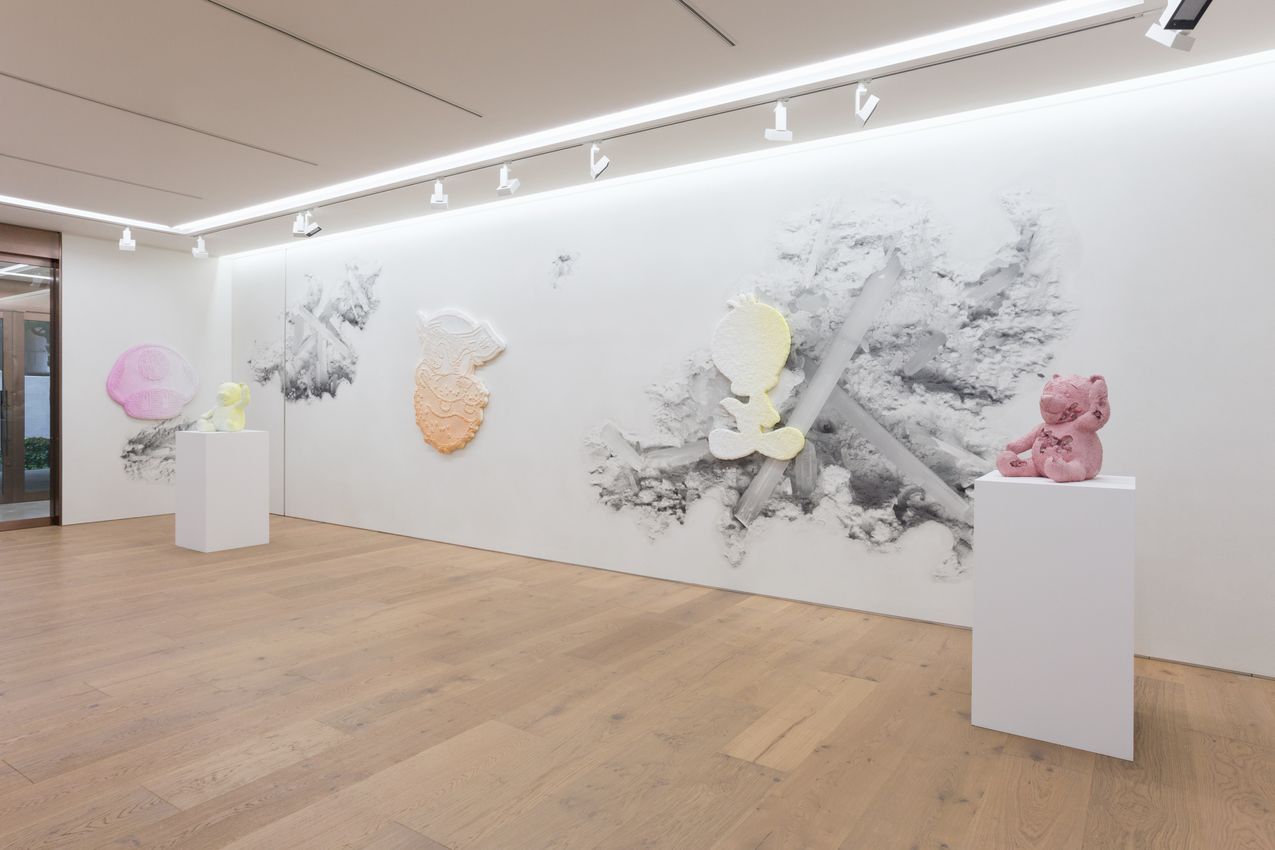
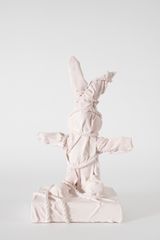
Color Shadow groups together a series of cast sculptures made from geological materials, plaster and metal, and, for the first time, bronze, a new format for the artist. Consistent with Arsham’s broader practice and his relationship to architecture, these cast works of childlike stuffed animals are placed strategically on the ground in careful relation to one another within the gallery’s exhibition space. Taking this a step further, the artist has covered the walls of the gallery from floor to the ceiling so that they appear eroded and degraded, creating an atmosphere in which the entire architectural space is being engaged.
Alongside these pieces, Arsham will exhibit a new body of work introducing a renewed focus for the artist. Using original fabric patches pulled from his past of Cookie Monster, Batman, and a smiley face, Arsham has scaled these objects up in size, creating shaped wall works that uncover new information in fascinating detail. In the artist’s words, ‘These works are all typical pop culture ideas, similar to the selection of Fictional Archeology pieces. They were always selected because they were cross-culturally iconic and recognizable. The works, for me, should exist in Japan in the same way they would in New York or Chicago.’ In this new series, Arsham explores the visceral material qualities seen in his earlier pieces while taking the process a step further.
The colour chiaroscuro found in Arsham’s patch pieces, and referenced by the show’s title, provide a new added dimension to the works. An earlier experience with a pair of EnChroma glasses used to correct the artist’s colourblindness led this a new articulation of colour. Removing all the original colours and replacing it with one pigment where the shadows naturally should fall, Arsham re-creates the illusion of a single light source but in an unfamiliar, hyper-realized way. This idea evolved from specific moments in which the artist encountered colours in either bright or very dim light that appeared indistinguishable and dif cult to identify on the colour spectrum.
Simultaneously, and in complement to the Perrotin show, Arsham presents Architecture Anomalies, a solo show at Nanzuka gallery in Tokyo, which features a separate body of work from his show at Perrotin, with the exception of Falling Clock. Created out of fibreglass, a simple clock tilts to one side, appearing dramatically caught within the soft folds of white fabric falling down the wall. Interacting directly with the architecture of the gallery, Arsham creates embedded forms which appear to reach out towards viewers, much like the pieces he made for his recent show at the VDNH Museum in Moscow, Russia in the Fall of 2017.
Daniel Arsham’s uchronic aesthetics revolve around his concept of fictional archaeology. Working in sculpture, architecture, drawing and film, he creates and crystallises ambiguous in-between spaces or situations, and further stages what he refers to as future relics of the present. They are eroded casts of modern artifacts and contemporary human figures, which he expertly makes out of some geological material such as sand, selenite or volcanic ash for them to appear as if they had just been unearthed after being buried for ages. Always iconic, most of the objects that he turns into stone refer to the late 20th century or millennial era, when technological obsolescence unprecedentedly accelerated along with the digital dematerialisation of our world. While the present, the future and the past poetically collide in his haunted yet playful visions between romanticism and pop art, Daniel Arsham also experiments with the timelessness of certain symbols and gestures across cultures.

A respected voice in contemporary art discourse.
Focusing on ambitious storytelling and insightful art-world commentary. Ocula Magazine publishes in-depth interviews, critical essays and timely analysis on the artists, exhibitions and ideas driving the global art world.
Learn more about Ocula Magazine
Showcasing the best of the art world.
Ocula partners with galleries from around the world to highlight their artists, artworks and exhibitions. Gallery membership is by application and invitation, with each member vetted by an independent panel.
Learn more about Ocula Membership

Specialises in the sale of major artworks.
Led by a team with deep ties to the world’s leading auction houses, galleries and collectors. Ocula’s advisory team offers bespoke services to high-net-worth clients from around the world who are looking to acquire the best of contemporary and modern art.
Learn more about our team and services