Press Release

Perrotin is pleased to present Park Seo-Bo‘s second exhibition at our Paris location.

‘Without Park Seo-Bo (b. 1931), there is no western painting in Korea.’ As such, Park was a pioneer of the avant-garde in the 50s, a leader in the development of Abstract Expressionism in the 60s and since the 70s has been hailed as the ‘Master of Dansaekwha,’ a Korean art movement which is gaining global attention.

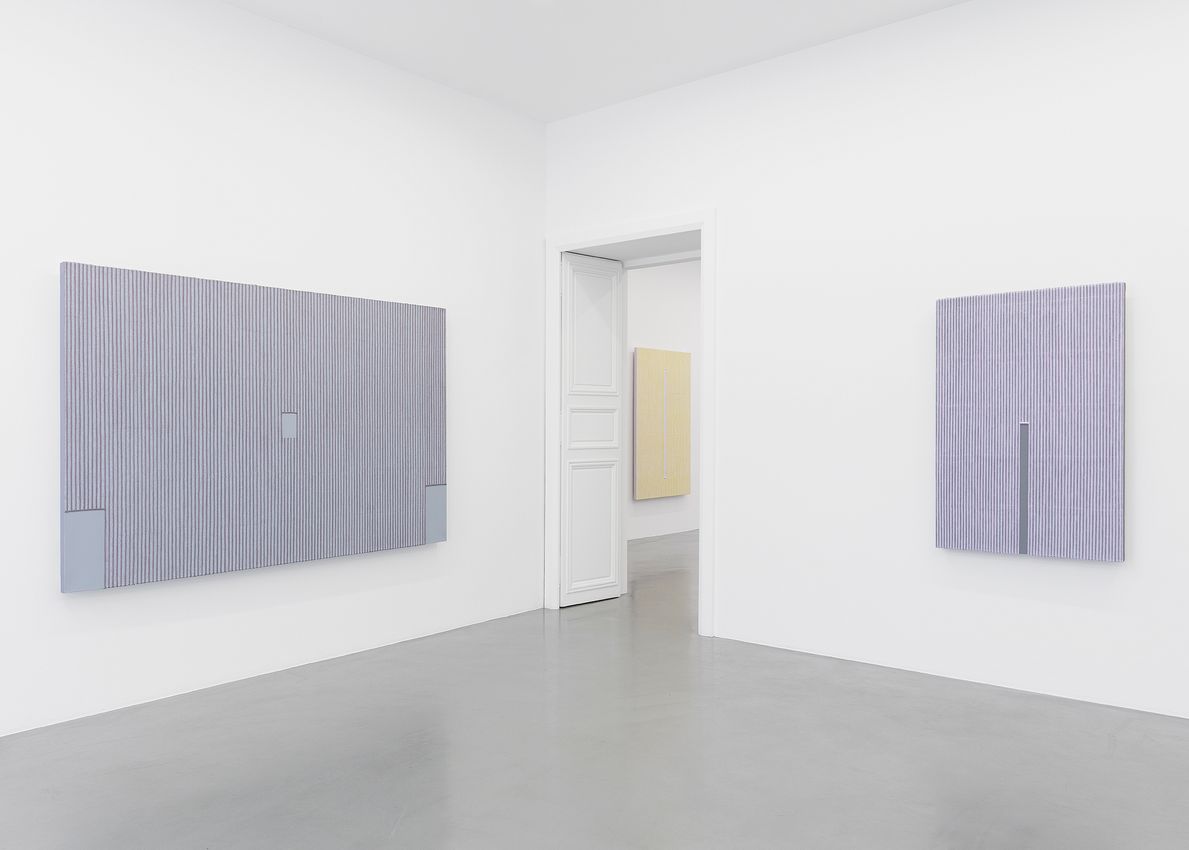
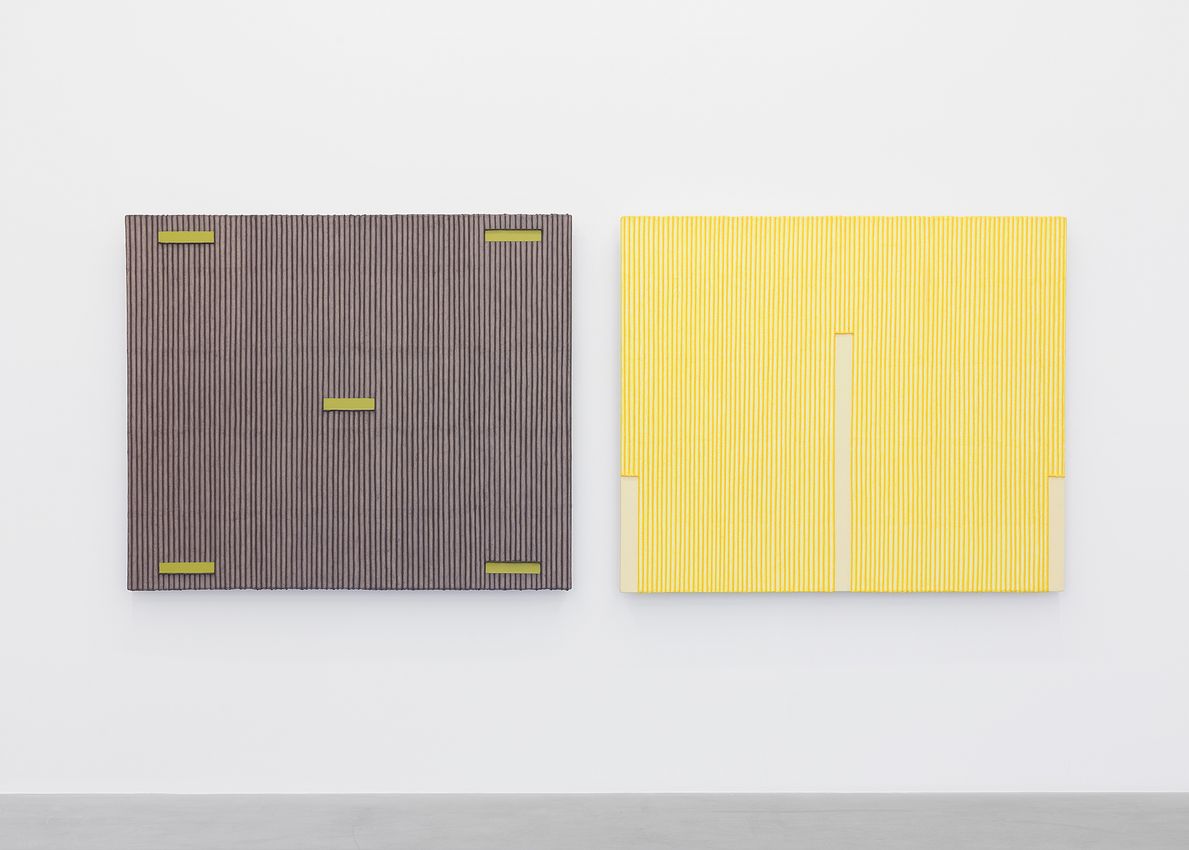
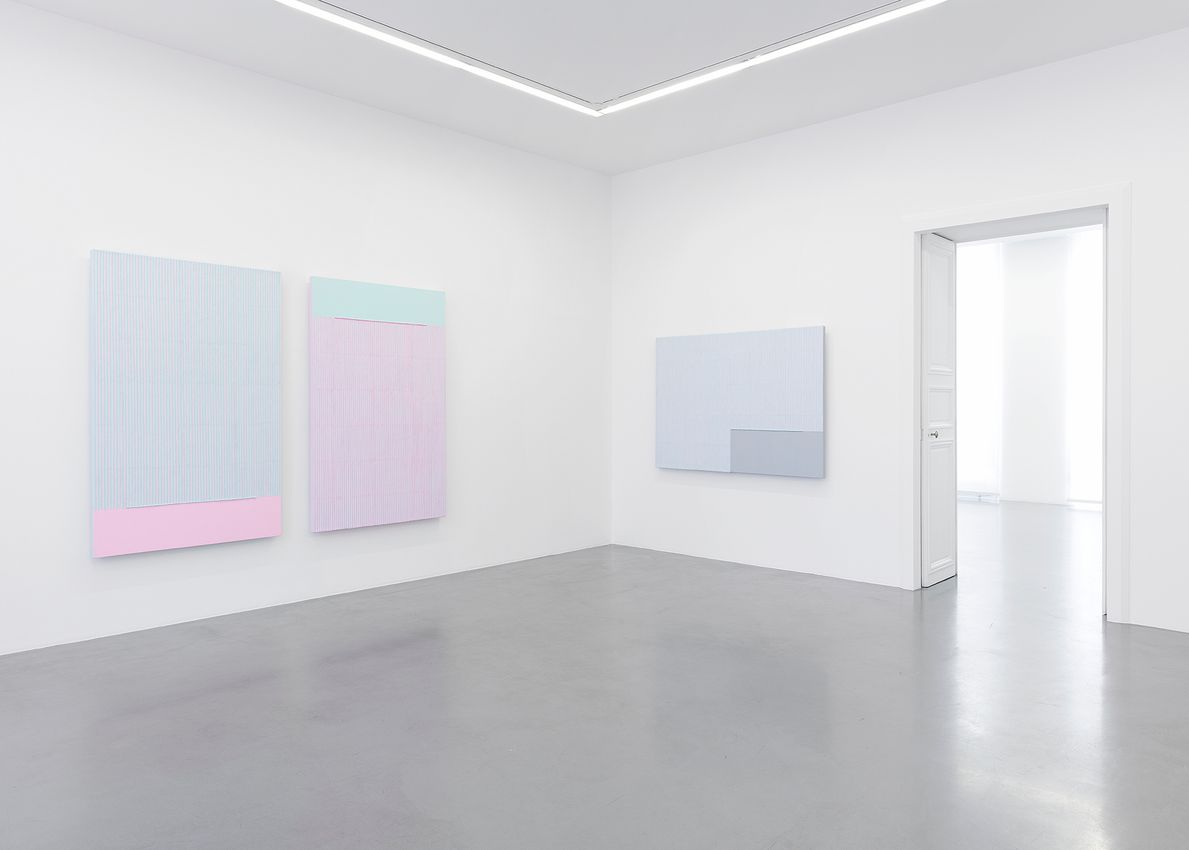
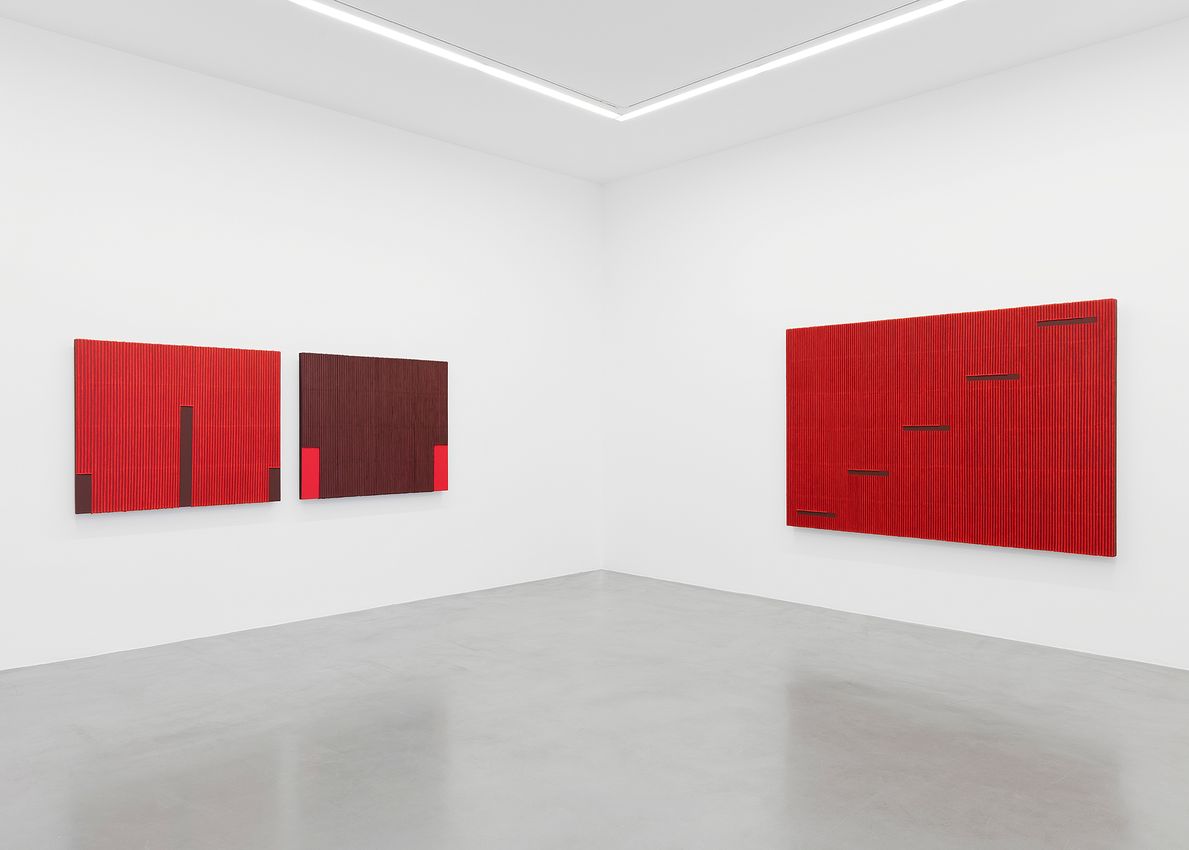
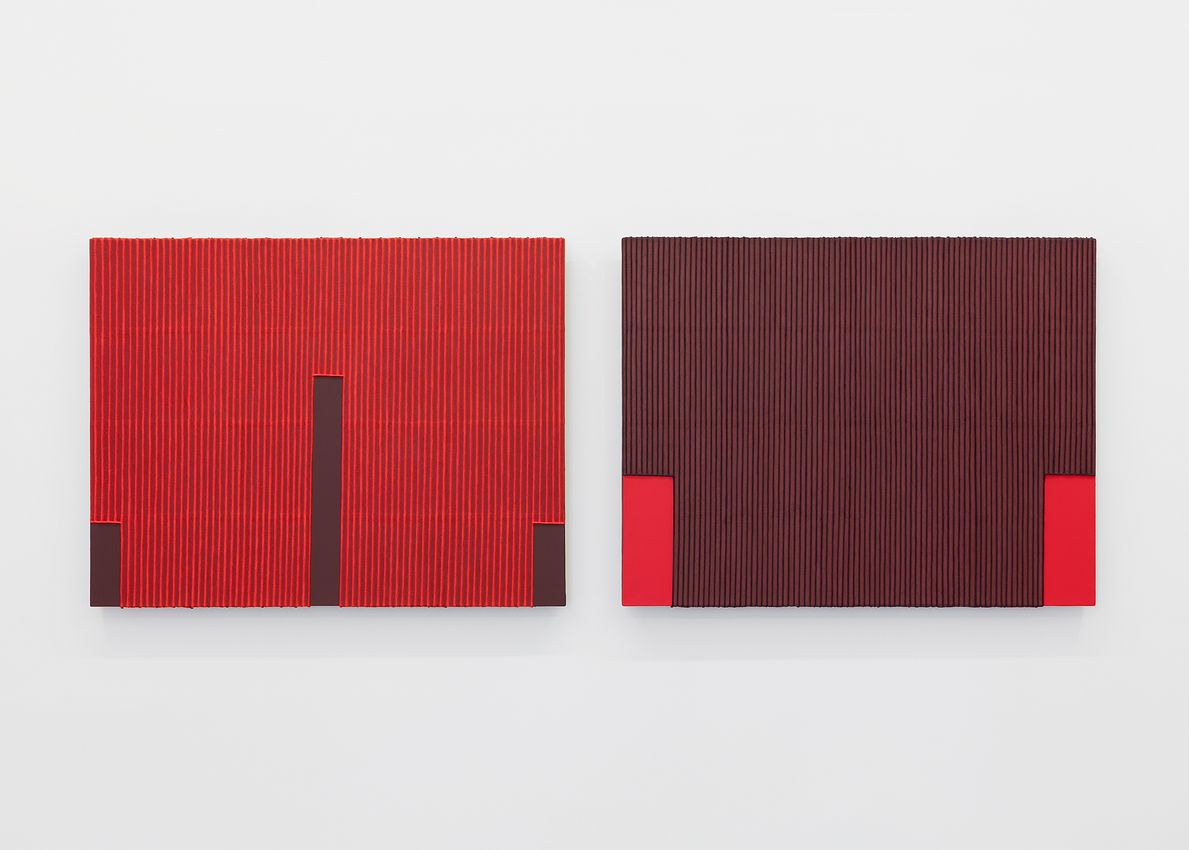
Colour(色). Park Seo-Bo held a solo-exhibition at the National Museum of Modern and Contemporary Art (Seoul) and is now expecting his second invitational exhibition at Perrotin Gallery, Paris. The exhibition will introduce ‘Late Ecriture(描法)’ also known as ‘Colour Ecriture(色彩描法)’ whose work begins with an encounter with autumn foliage. In 2000 when Park held an exhibition in Japan, the colourful maple leaves at their peak experienced by the artist in the Fukushima Mountain, covered and painted the artist’s creative soul with ‘colours.’ Unable to ascertain the colour as yellow—even when looking at an artwork with a yellow tone—during the first exhibition at Perrotin1, when asked what colour it was, Park replied, it is ‘yellowish forsythia colour’. When asked again, ‘are you saying it is yellow?’, he repeatedly said, ‘no, it is yellowish forsythia colour.’ ‘Forsythia colour’ may include yellow but also all other hues like the spring sunlight shining down on forsythia, shadows of birds flying over or rain drops falling pitter-patter on the petals. From reddish ‘ripe persimmon colour’ to blueish ‘air colour’ with a greyish background exuding a handful of fresh clean air... each and every work is based on the artist’s hands-on experience, capturing different colours that just cannot be defined as one.

Emptiness (空). Park pastes three layers of hanji or Korean traditional paper amply soaked in water onto the canvas, and when it is moist and damp enough, creates lines or surfaces using a thick pencil, just like farmer ploughing his land. Once the form is complete and the moisture is completely gone, Park adds colours (water colours) embodying the natural landscape and tastes he experienced. In the process, Park makes an unlimited repetition of scraping out, carving colours(色) with emptiness(空). The word emptiness in the oriental world is not exactly ‘nothing (無)’ that is given nor ‘void(虚)’ that surges up unexpectedly. The state of ‘pure emptying’ reached by ‘cultivating one’s mind and body’ by repeatedly scraping out thousands and tens and thousands of times is what we call emptiness. Attaining this ‘emptiness’ is also impossible. Park Seo-Bo says that ‘just like in a modernist painting, an artist filling up the screen with his or her thoughts and presenting them to the viewers is a form of violence. Painting is not about pouring oneself out but conversely emptying oneself.’ That is why he stressed that the ‘future role of art is to allow visitors to go inside that empty space and make them feel comfortable.’ In that emptied space, the audience can be either seized by a 42.4°C heated passion or -23.9°C uncontrollable shiver of abstract criticism depending on the inspirations delivered by art.

‘Myobeob or line drawing in oriental painting(描法)‘and ‘Ecriture’. The relationship between ‘colours’ and ‘emptiness’ facilitates our understanding as to how the title of the myobeob(描法) series in Korean came to be translated as ‘Ecriture(描法)’ in western language. In 1967, Park named a technique of repeatedly drawing the lines at regular lengths with a pencil before the paint on the oil pigments of the canvass coagulate as myobeob(描法). With time, the lines drawn or written in the ‘Early Ecriture’ developed into ‘Colours’ in ‘Late Ecriture’ and the ‘act of emptying oneself in the ‘Early Ecriture’ further develops into ‘letting oneself go’ or ‘healing’ in ‘Late Ecriture.’ When translating the word ‘myobeob’ with more than 2000 years of history in Korea alone2, the artist opted for ‘Ecriture’ of Roland Barthes, rather than going for ‘graphein’ with long history (which has the meaning of ‘ecrire’ and ‘peindre’ like ‘myobeob’ but not the meaning of ‘stroking with a brush’3), or archiecriture of Jacques Derrida or other similar words. To Barthes, ‘Ecriture’ is a non-authoritative, individual and creative writing, and in particular ‘Writing Degree Zero’ means ‘neutral writing’ or ‘white-coloured writing’, meaning a pure innocent writing without any bias or judgment on the writer. Despite such differences, the most striking similarity between Roland Barthes’ ‘Writing Degree Zero’ and Park Seo-Bo’s Ecriture is that both empty out knowledge rather than filling in knowledge while writing. Visitors/viewers while freely roaming around in this space emptied out by the artist will be able to reveal and unlock their unique colours.

SIM Eunlog, Park Seo-Bo, Writing Colours(色) Over Emptiness (空)

About the author :

SIM Eunlog(Art Critic and Curator at Gwangju Design Biennale 2019). SIM obtained a PhD from École des hautes études en sciences sociales (EHESS) (2008). She has authored more than20 art critic publications including Jean-Michel Othoniel, Lee Woo-Whan, Art of Yin and Yang and curated numerous exhibitions including the Exhibition Celebrating FINA Swimming Championship 2019, Exhibition Celebrating PyeongChang Winter Paralympics 2018, Exhibition Celebrating 70th Anniversary of UNESCO Paris, 5 Continent Exhibition of UNOG, Exhibition Celebrating the 130th anniversary of French-Korean Diplomatic Relations, and many other international exhibitions.

1 ‘Park Seo-bo, Ecriture’(2014.11.6-12.20), excerpt from interview on November 6, 2014, Perrotin Gallery (Paris)

2 The format of ‘Ecriture’ was already defined long ago in oriental painting and is generally divided into 18 categories.

3 For Korean aristocrats, ‘the act of writing [drawing]’ was equal to an act of cultivating one’s mind. In particular, ‘brush stroking an orchid in oriental painting’ meant cultivating one’s mind and character.

Read More

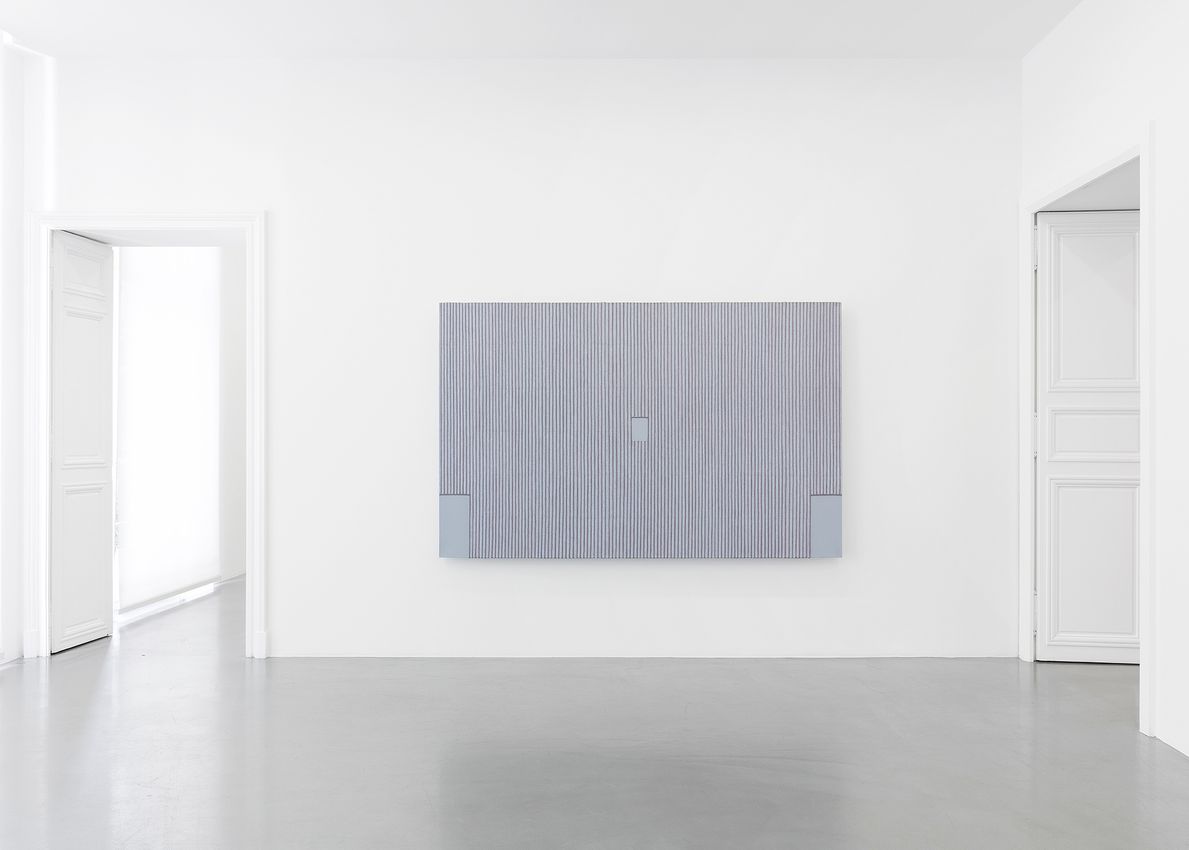
Installation Views

About the Artist

Park Seo-Bo is a seminal figure in Korean contemporary art and one of the founding members of the Dansaekhwa monochrome movement, a synthesis between traditional Korean spirit and Western abstraction, which emerged in the early 1970s in post-war Korea and has gained international recognition since. Although the Korean monochrome movement has never been defined with a manifesto, the artists affiliated with Dansaekhwa, including Chung Chang-Sup and Lee Ufan, are commonly known for their use of a neutral palette (namely white, beige and black), their material emphasis of the pictorial components and fabrics, and their gestural and systematical engagement within the artworks in the making. As a matter of fact, in Park Seo-Bo’s paintings, process and discipline prevail, whereas the French Art Informel scene originally inspired the artist’s early aesthetics. Indeed, back in 1961, Park Seo-Bo earned a UNESCO scholarship to study and ended up spending a whole year in Paris, where he furthered his knowledge of Art Informel, which arose in Europe parallel to the American Abstract Expressionism during World War II and became prevalent throughout the 1950s. As soon as 1957, Park Seo-Bo had already helped establish in Seoul the Hyun-Dae Artists Association around the principles of Art Informel, the gestural and abstract techniques of which, like those of Action Painting and Colour Field in the United States, would enable young Korean artists to express their anguish in the immediate aftermath of the Korean War. The influence of Art Informel in the early works of Park Seo-Bo can be seen in his series ‘Primordialis’ from the early 1960s, which is characterised by aggressive brushstrokes, dark hues and amorphous forms. Yet by the mid-1960s, the artist had already rejected the occidental manners that he had primarily adopted and started devoting his time to learning about oriental philosophy.

View Artist Profile

Also Exhibiting at Perrotin

About the Gallery

Emmanuel Perrotin founded his first gallery in 1989 at the age of 21. He has opened since then over 17 different spaces, with the aim of continuing to offer increasingly vibrant and creative environments to experience artists work. He has worked closely with his roster of artists, some since more than 25 years, to help fulfil their ambitious dreams and projects.

View Gallery Profile
Address
76 rue de Turenne
Paris
France
Opening Hours
Tuesday – Saturday
10am – 6pm
(1)
Paris 76 rue de Turenne
Perrotin
76 rue de Turenne, Paris, France
+33 1 42 16 79 79
http://www.perrotin.com

Opening hours
Tuesday – Saturday
10am – 6pm
The art world in focus