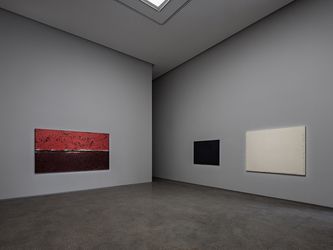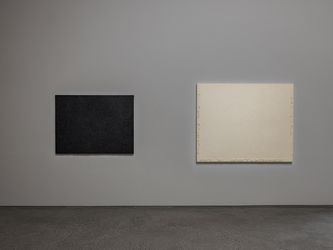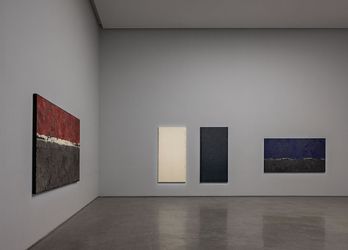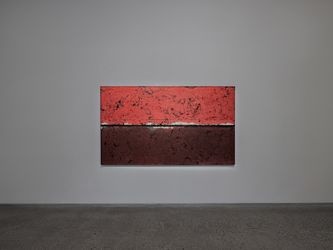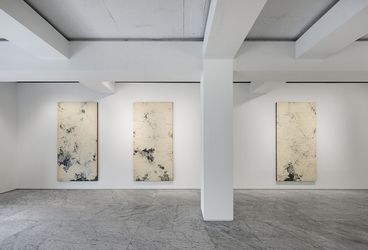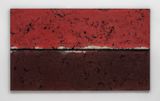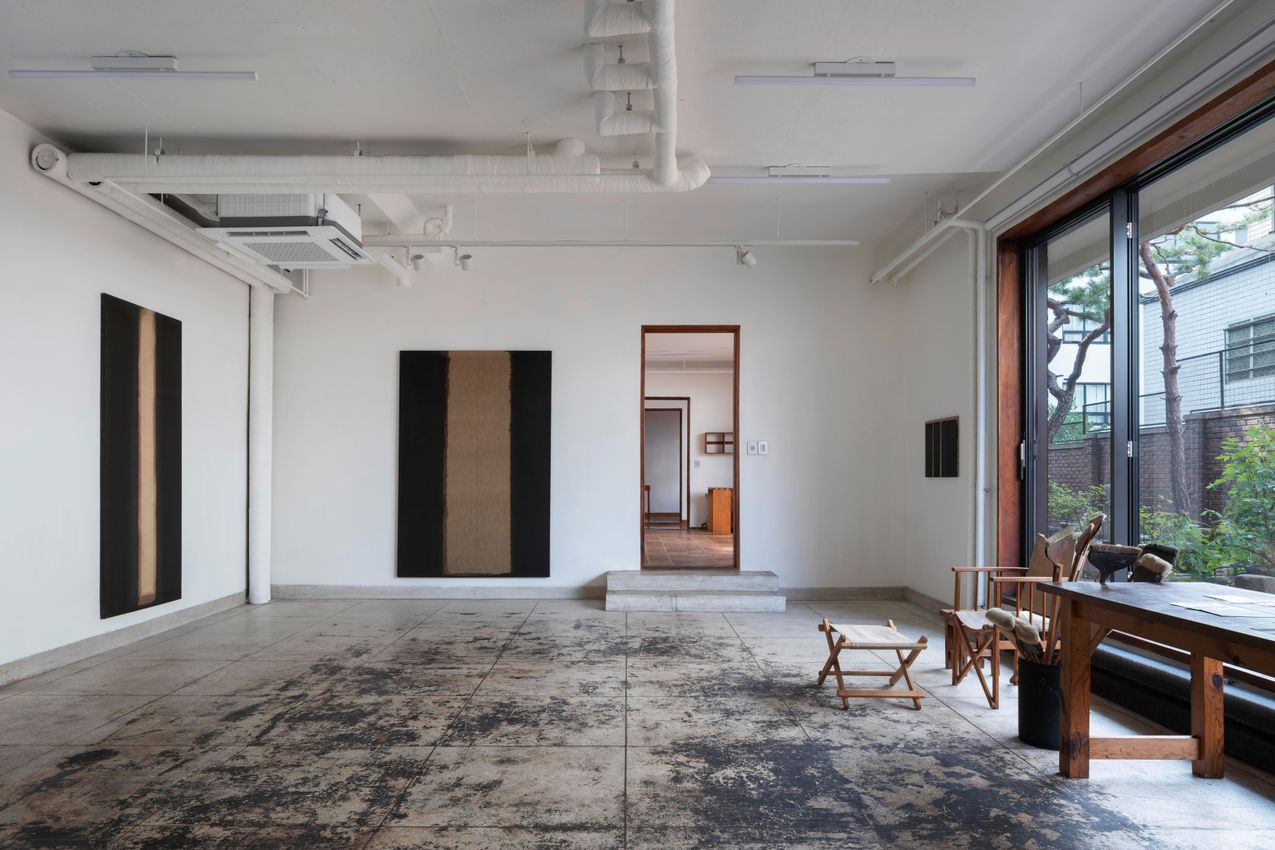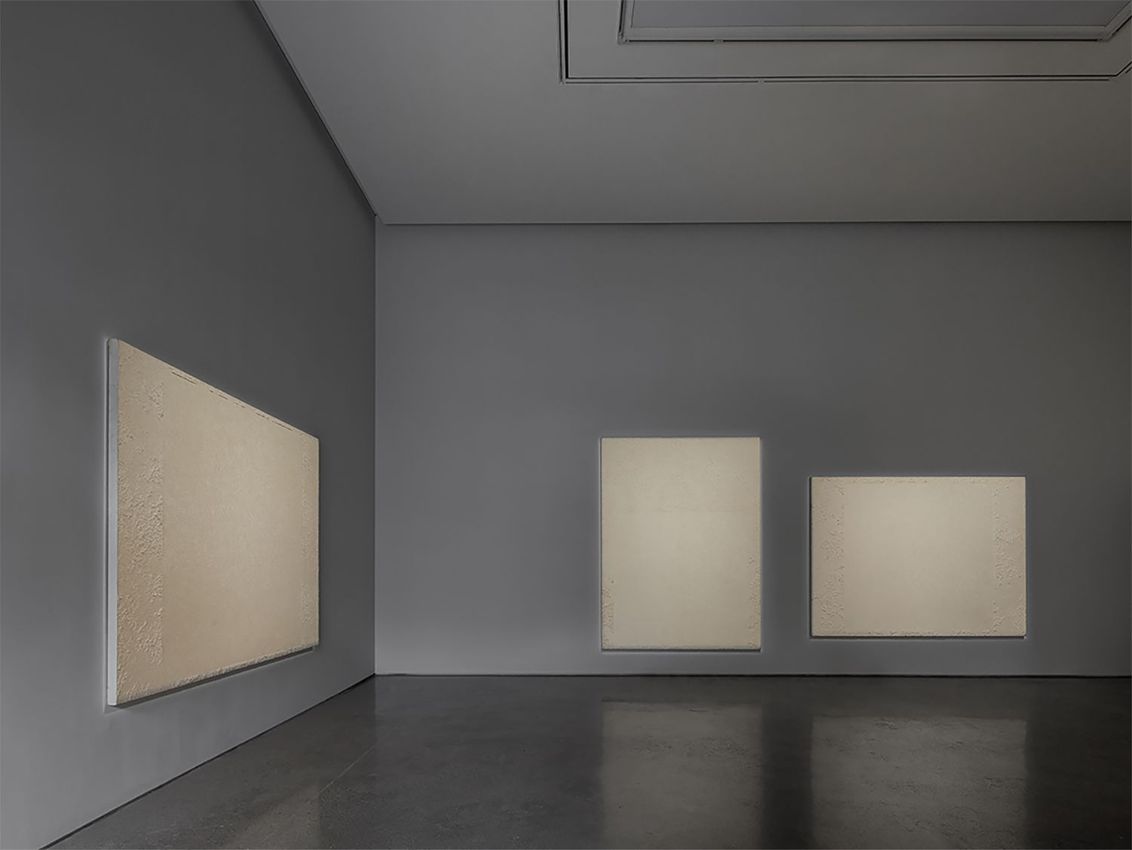
PKM Gallery proudly presents Mind in Matter, a solo exhibition of Chung Chang-Sup (1927–2011), who was a firstgeneration master, led the Korean contemporary art, and a representative artist of the Dansaekhwa movement, from 25 August through 15 October. In times where interest in Korean art in the international art scene is growing more than ever before, this exhibition aims to shed new light on the profound artistic world and aesthetic achievements of Chung Chang-Sup, who fiercely pursued an authentic Korean contemporary art.
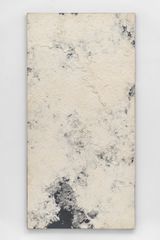
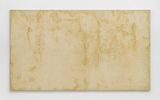
From the beginning of the 1980s, Chung Chang-Sup had moved on from the Informel oil paintings to concentrate on the ‘Tak’ series, where tak, the main material for a traditional Korean paper (Hanji) is taken. The ‘Tak’ series, created by mixing mulberry bark fiber (tak), the raw material of hanji, with water and spreading it onto the canvas surface, transparently reveal the work process and the natural passage of time. During this process, it is not the artist’s role to become the subject and treat the material as a means to produce the work, but to help reveal the imagination and characteristic/expression of the material itself. This particular attitude of Chung is different from the views of the Japanese Mono-ha artists who explored the aesthetic aspects through a phenomenological investigation into natural materials, such as wood, stone, clay, steel plate, and paper in mostly unaltered states.
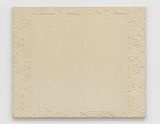
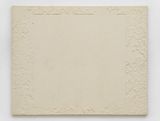
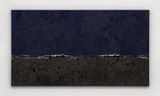
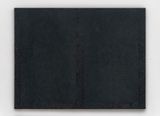
The ‘Meditation’ series, which Chung focused on developing until the last moment of his life, show how his artistic attitude evolved to become more sophisticated. These series of works are embodied sculptural surfaces that are sturdy and elegant as granite and combine the texture of tak with Korea’s own deep and restrained colours through the pressing technique. They can be evaluated as the culmination of the aesthetic achievement of Chung ChangSup’s art, in which the painting acts as a tactile object that transcends flatness and unites the object and the self. In other words, the artistic spirit of Chung, who dedicated his life to creating authentic Korean contemporary art that can move universal sensibility which transcends generation and region, is greatly ignited in the ‘Meditation’ series, which he developed until the very end. It can be said that he achieved an international universality while inheriting the Korean aesthetic consciousness, just as he wished.
The exhibition, Mind in Matter, features carefully selected works that capture the latter part of his art world, ranging from the 1980s ‘Tak’ series, where tak has become his work companion/partner, to the early 2000s Meditation series, which mark the peak of his creative artistic maturity.
Chung Chang-Sup exhibited his works in prominent international art events and exhibitions, such as the Paris Biennale in 1961, Bienal de São Paulo in 1965, India Triennale in 1974, and Working with Nature: Traditional Thought in Contemporary Art from Korea in 1992. The artist also participated in several major annual exhibitions of Korean art history, including Korean National Art Exhibition (Kukjeon), Contemporary Art Invitational Exhibit, and Seoul Art Competition, and in 2010 there was a major retrospective at the National Museum of Contemporary Art in Gwacheon. Chung received the Special Prize at Kukjeon in 1953 and 1955, the Grand Prize at the Joong Ang Cultural Grand Prize in 1987, and the Order of Korean National Art Merit in 1993. Currently, his works are included in the collections at reputable art institutions, such as the National Museum of Contemporary Art; Seoul Museum of Art; Leeum Museum of Art; Tokyo Metropolitan Art Museum; M+ in Hong Kong; and Guggenheim Abu Dhabi.


Chung Chang-Sup was a pioneering figure of the Korean art movement Dansaekhwa, renowned for his monochromatic, tactile paintings that merge nature and materiality through his unique use of Korean mulberry (tak/hanji) fibre.
PKM Gallery was established in 2001 in Seoul by Park Kyung-mee—an art historian and the commissioner of the Korean Pavilion at the 49th Venice Biennale—with a mission to promote Korean art abroad and to foster conversation between Korean and international contemporary art. With previous locations in Hwa-dong and Cheongdam-dong, the gallery moved to its current space in Samcheong-dong—an artistic and cultural hub in the heart of Seoul—in 2015.

A respected voice in contemporary art discourse.
Focusing on ambitious storytelling and insightful art-world commentary. Ocula Magazine publishes in-depth interviews, critical essays and timely analysis on the artists, exhibitions and ideas driving the global art world.
Learn more about Ocula Magazine
Showcasing the best of the art world.
Ocula partners with galleries from around the world to highlight their artists, artworks and exhibitions. Gallery membership is by application and invitation, with each member vetted by an independent panel.
Learn more about Ocula Membership

Specialises in the sale of major artworks.
Led by a team with deep ties to the world’s leading auction houses, galleries and collectors. Ocula’s advisory team offers bespoke services to high-net-worth clients from around the world who are looking to acquire the best of contemporary and modern art.
Learn more about our team and services