



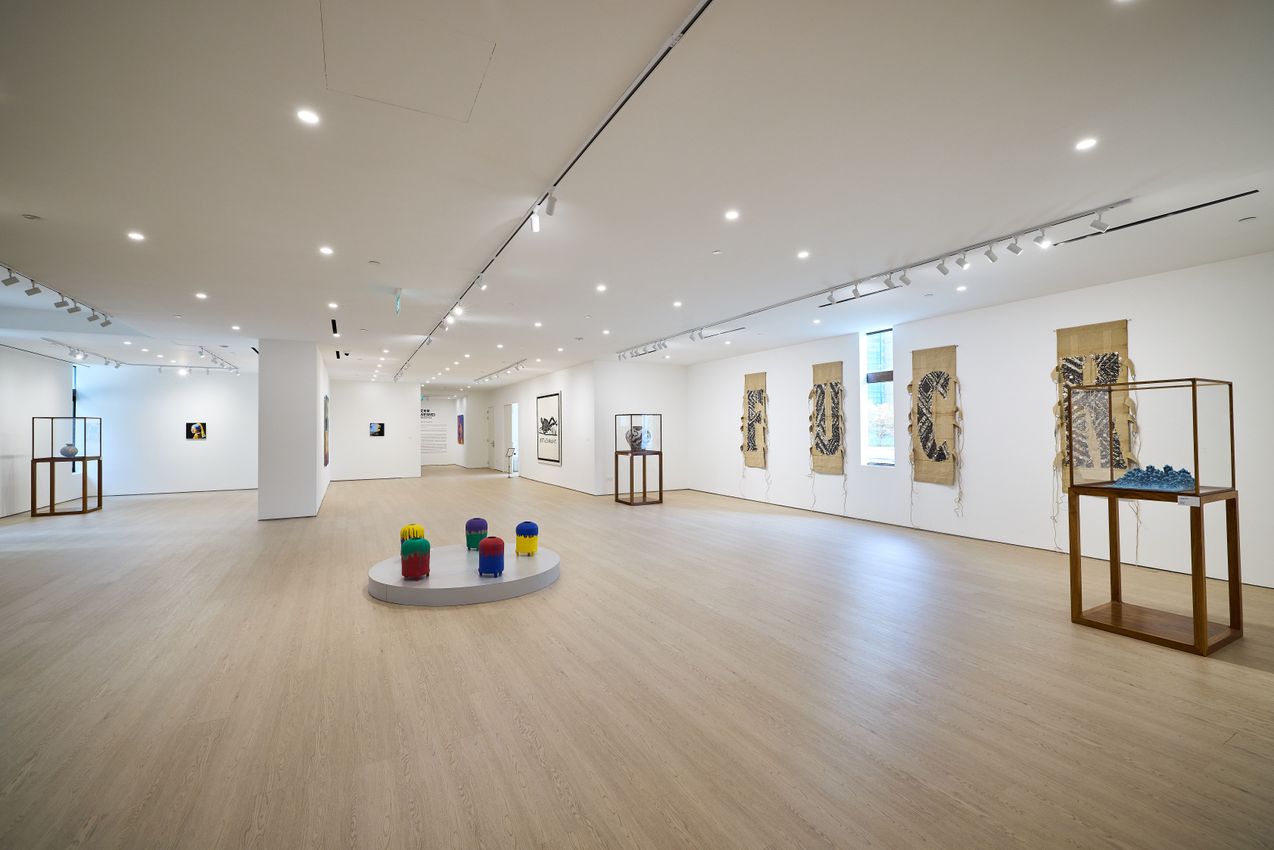
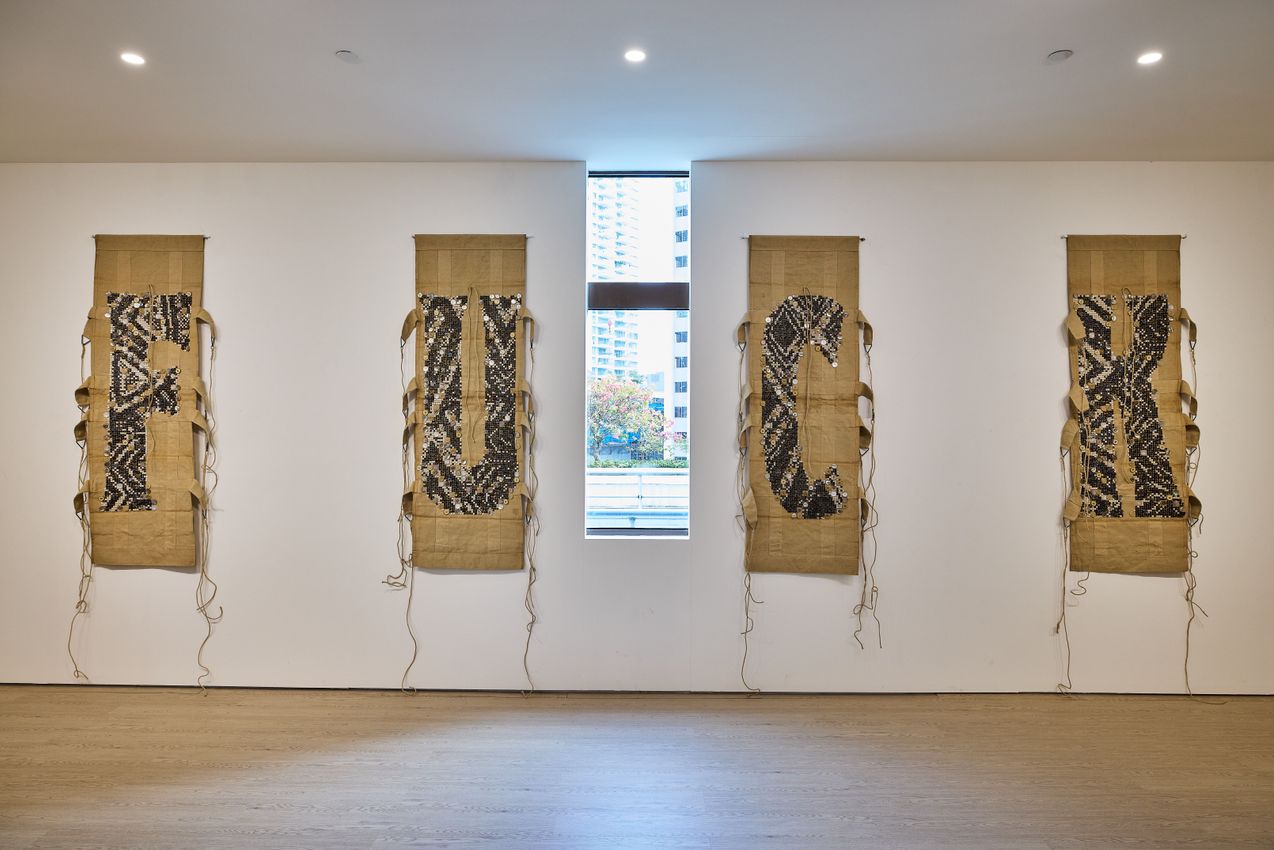
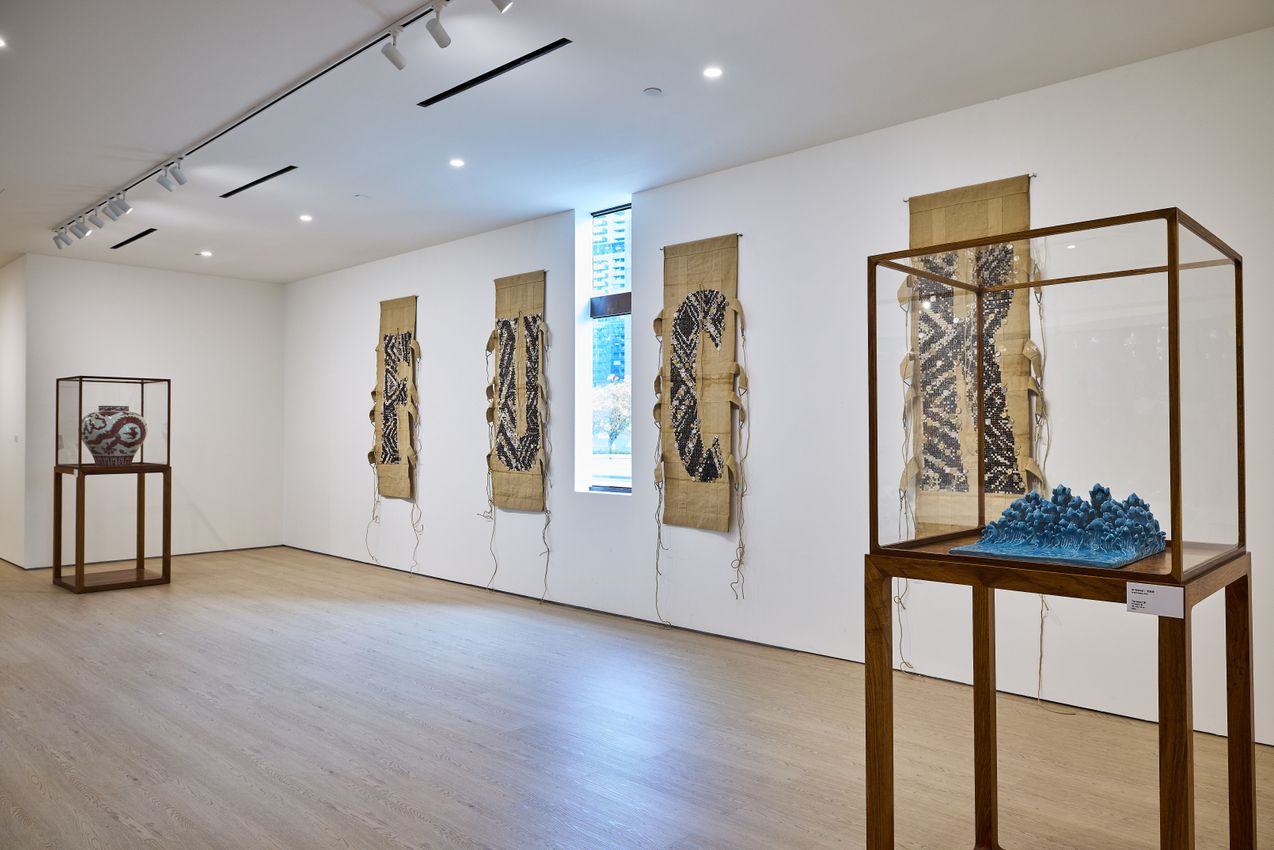
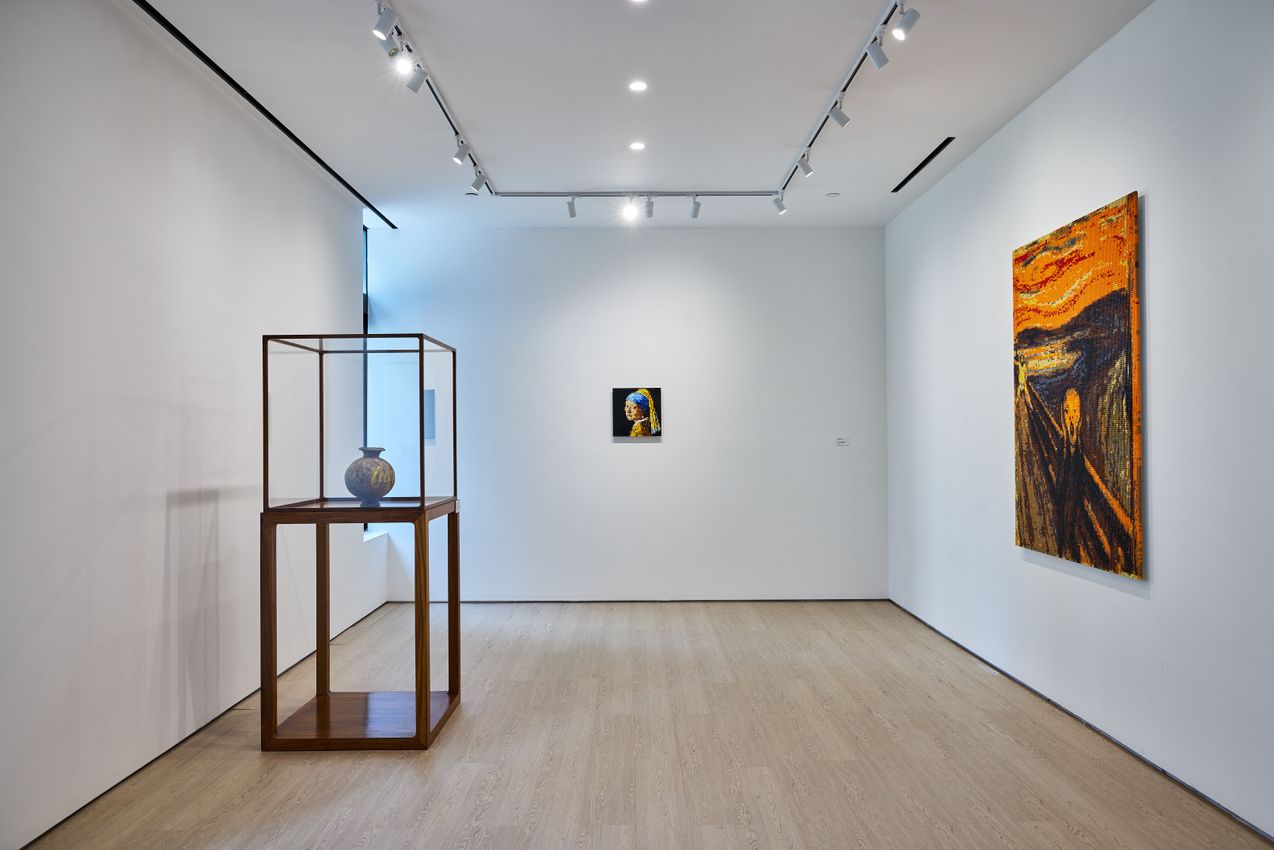
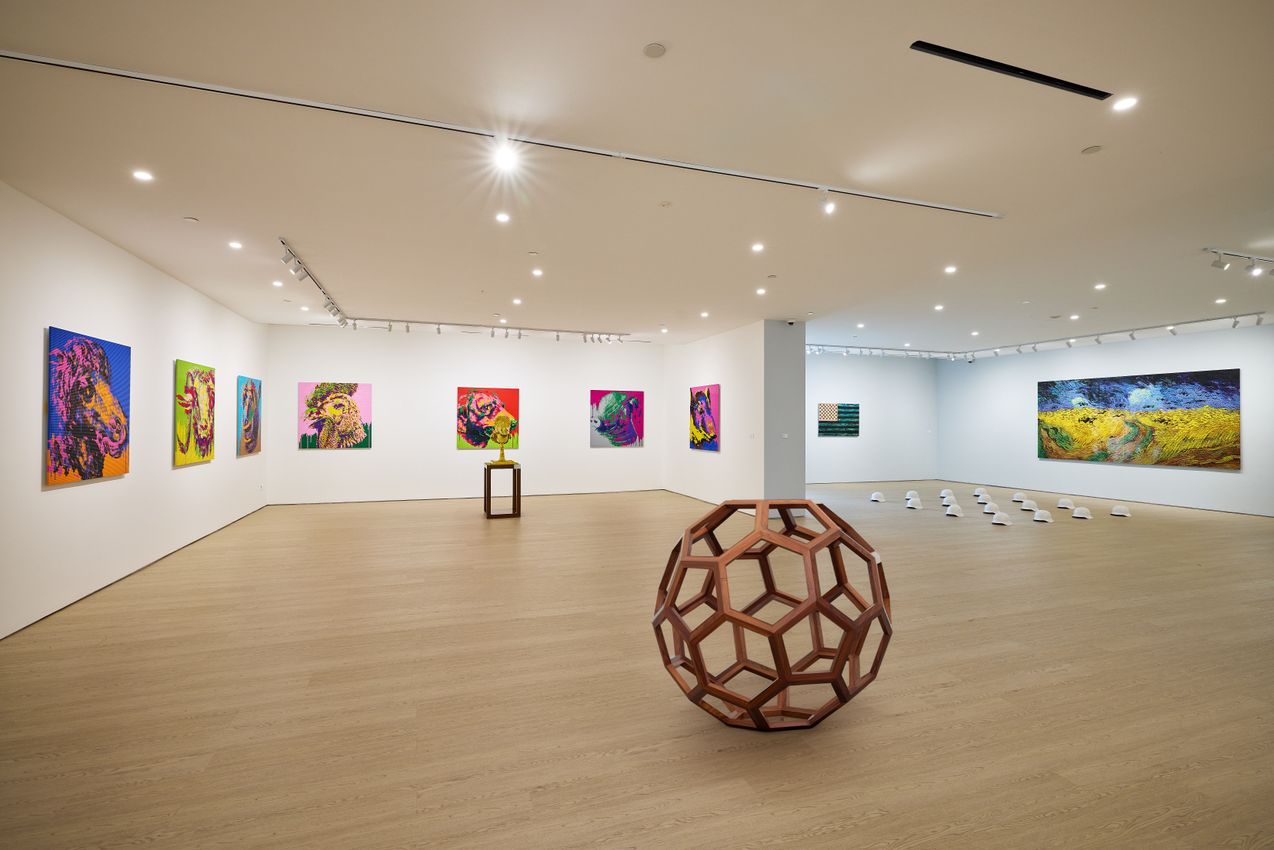
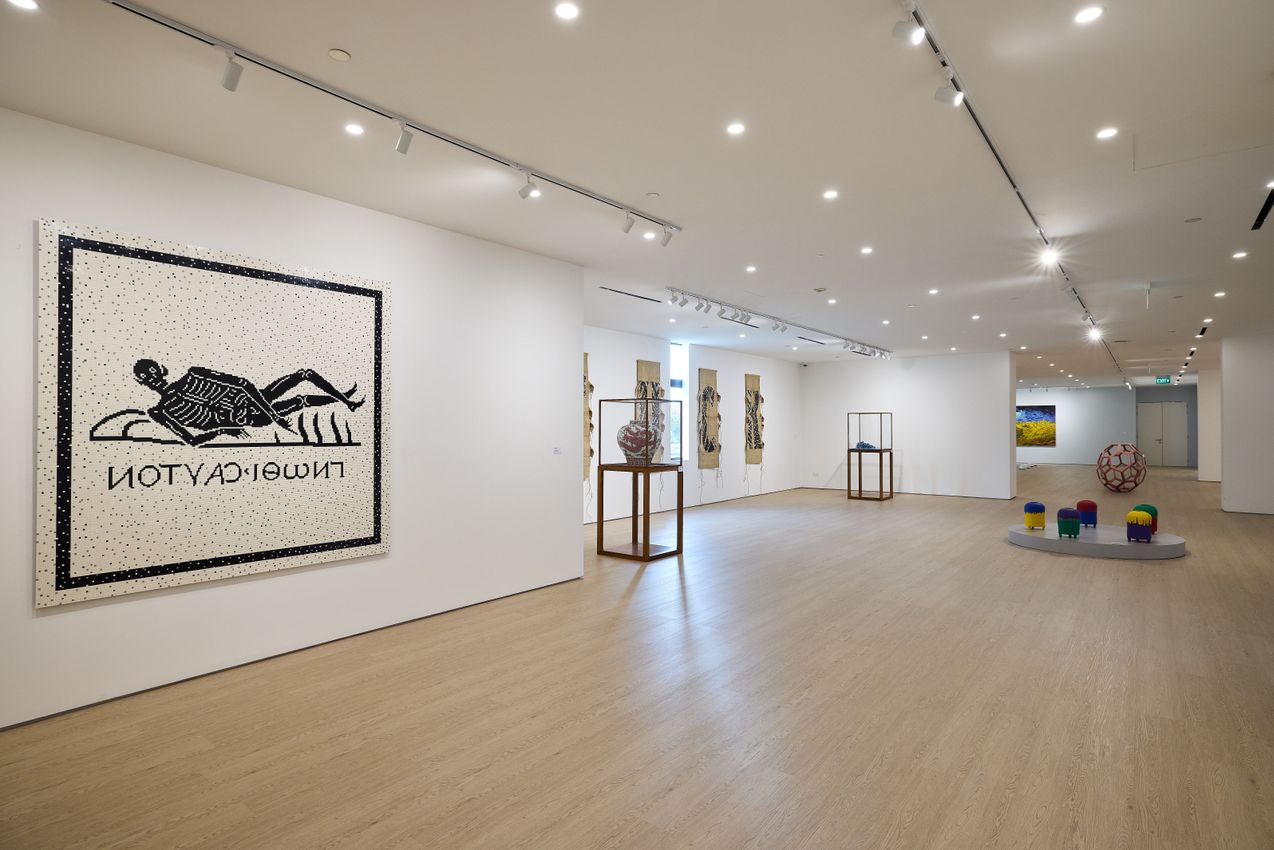
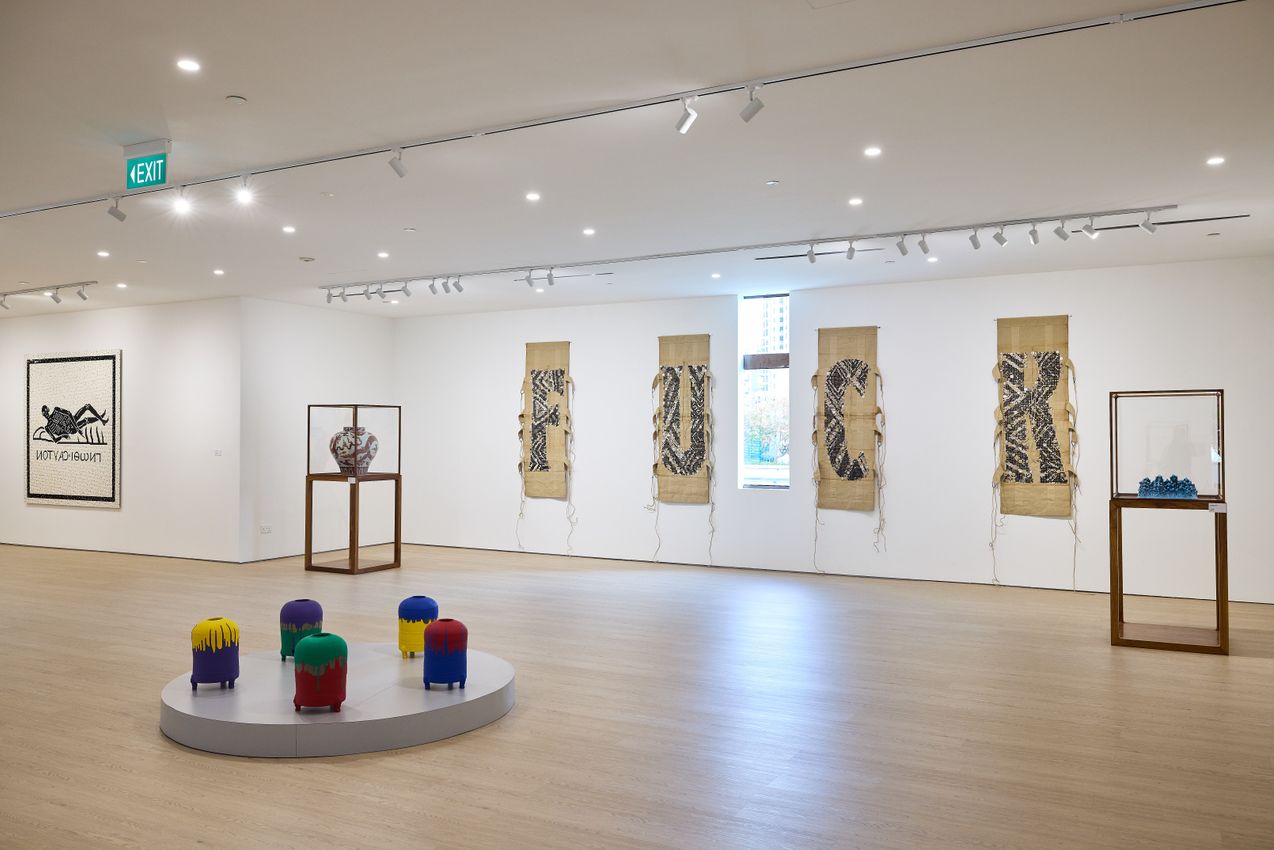
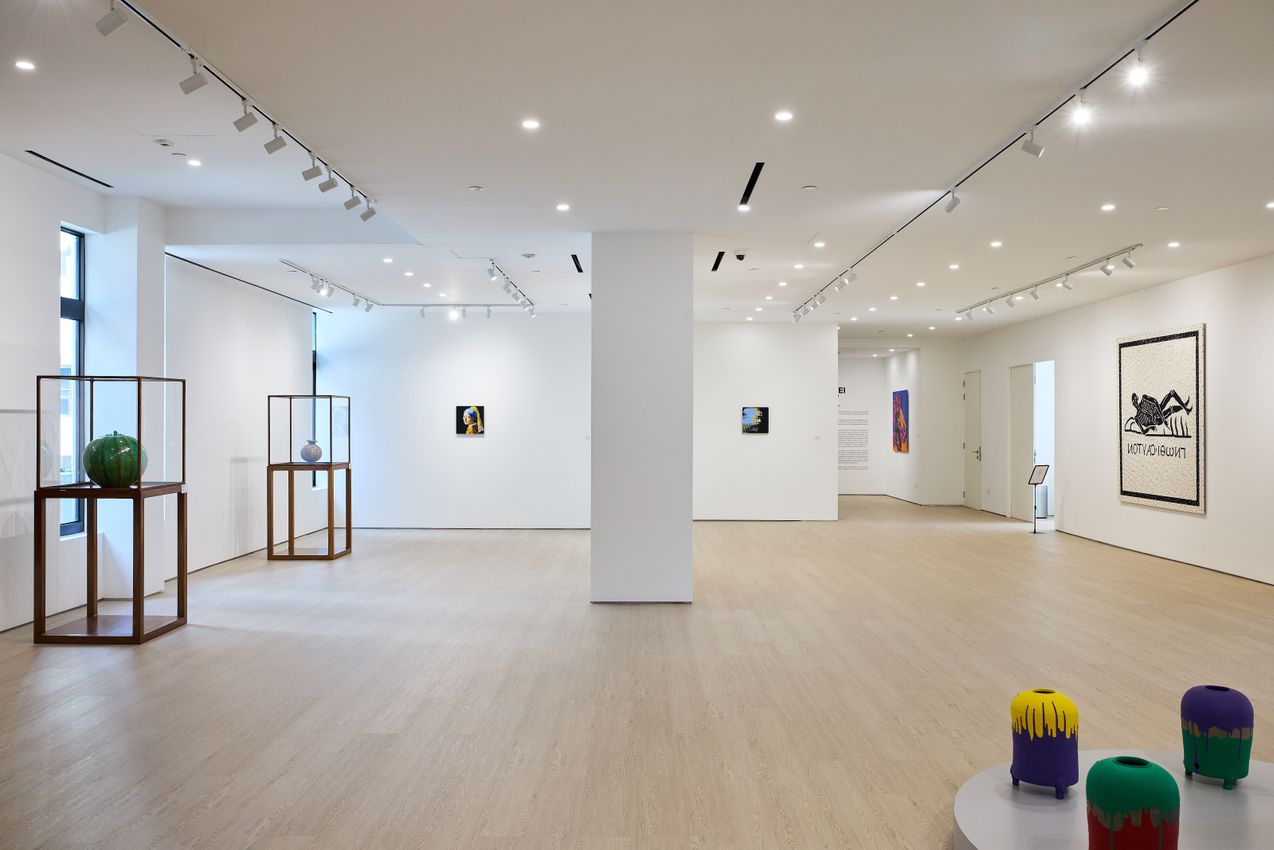
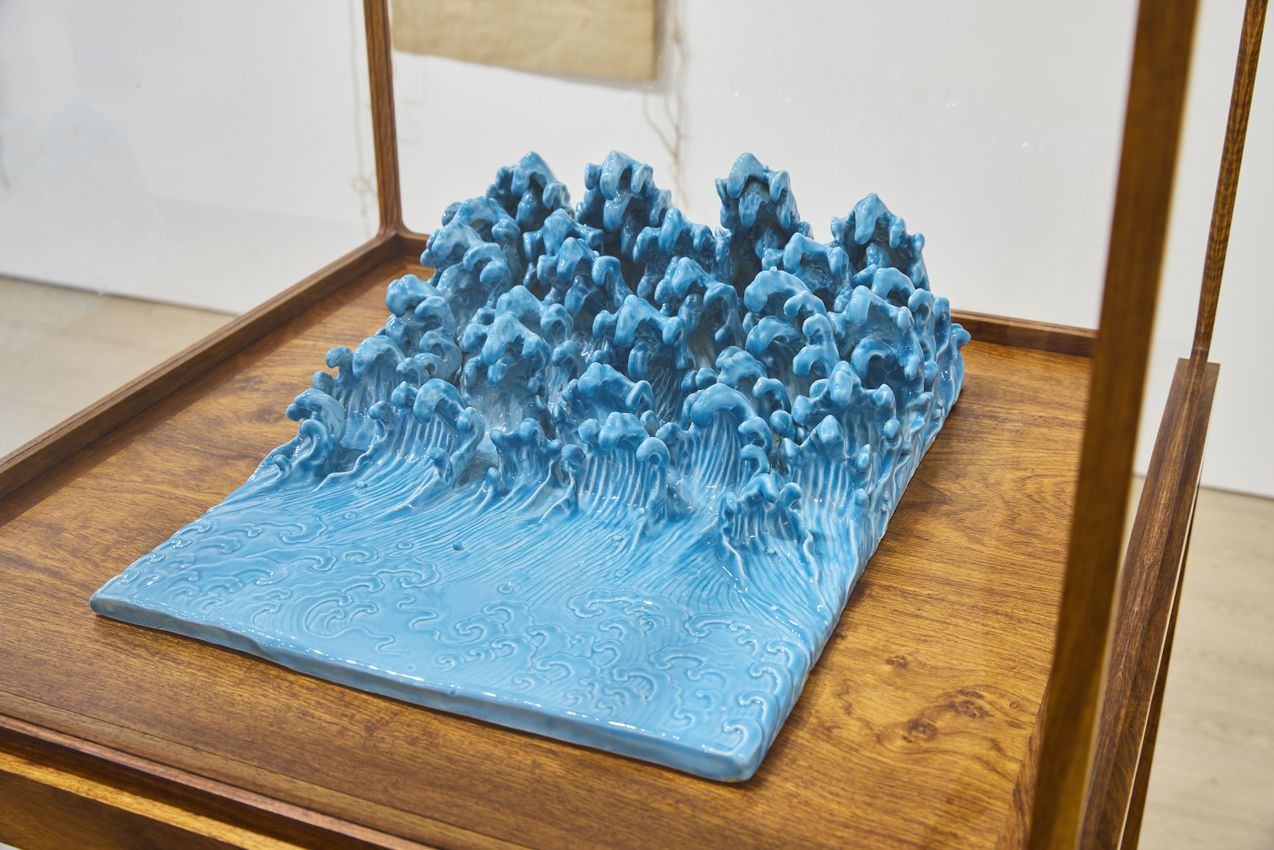
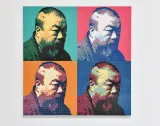
Ai Weiwei presents key works from over two decades, focusing on the themes of traditional cultural heritage, power structures, and the globalized landscape of consumerism. The exhibition starts with seemingly familiar everyday objects and historical imagery, and through material transformation and scale reconstruction, uses a variety of methods to engage with topics surrounding craftsmanship, history, and the artist’s personal circumstances and life experiences, which are intricately connected to human survival realities. Art is not merely about technique; its premise is the continuous reorganization of cultural narratives and global experiences, which permeates the present. The exhibition features works in multiple media, including ceramics, porcelain, wood, metal, and toy building bricks.
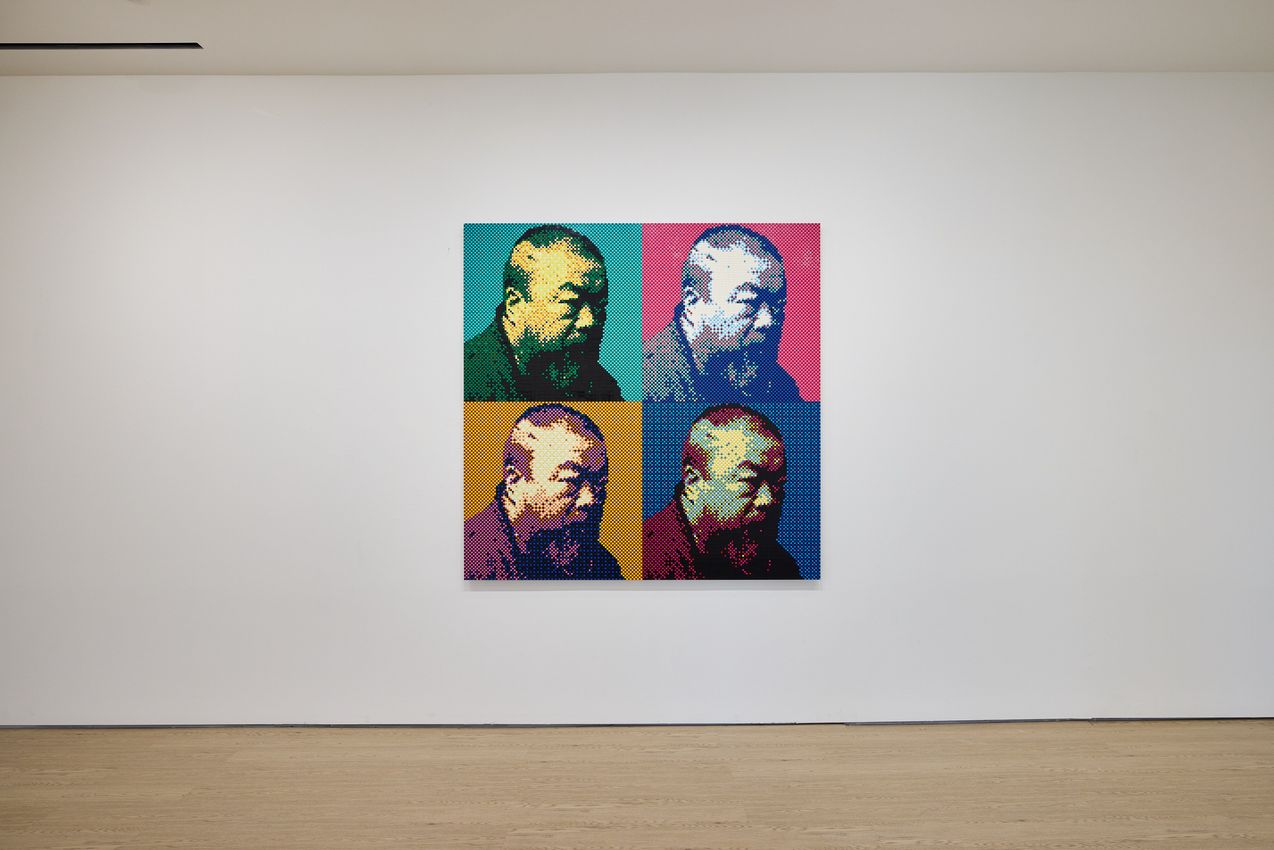
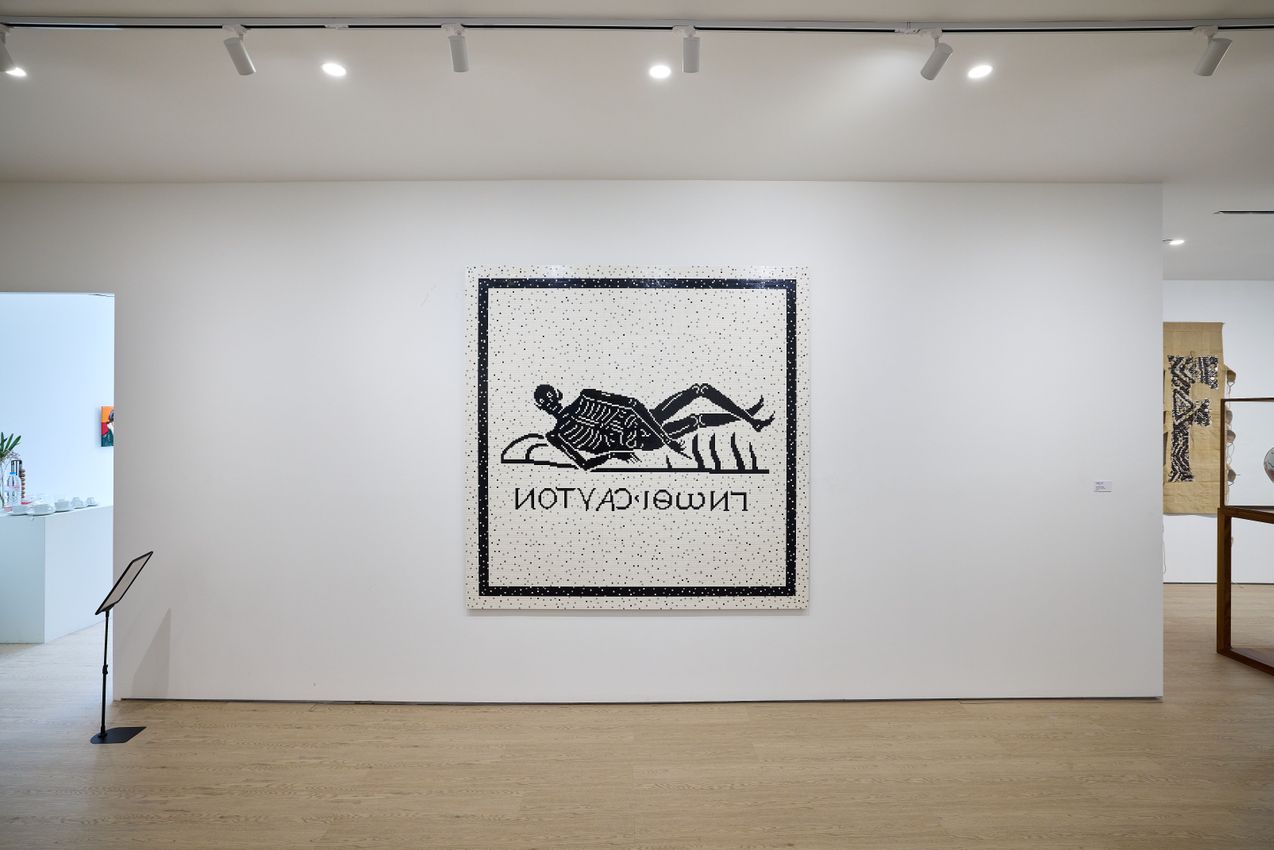
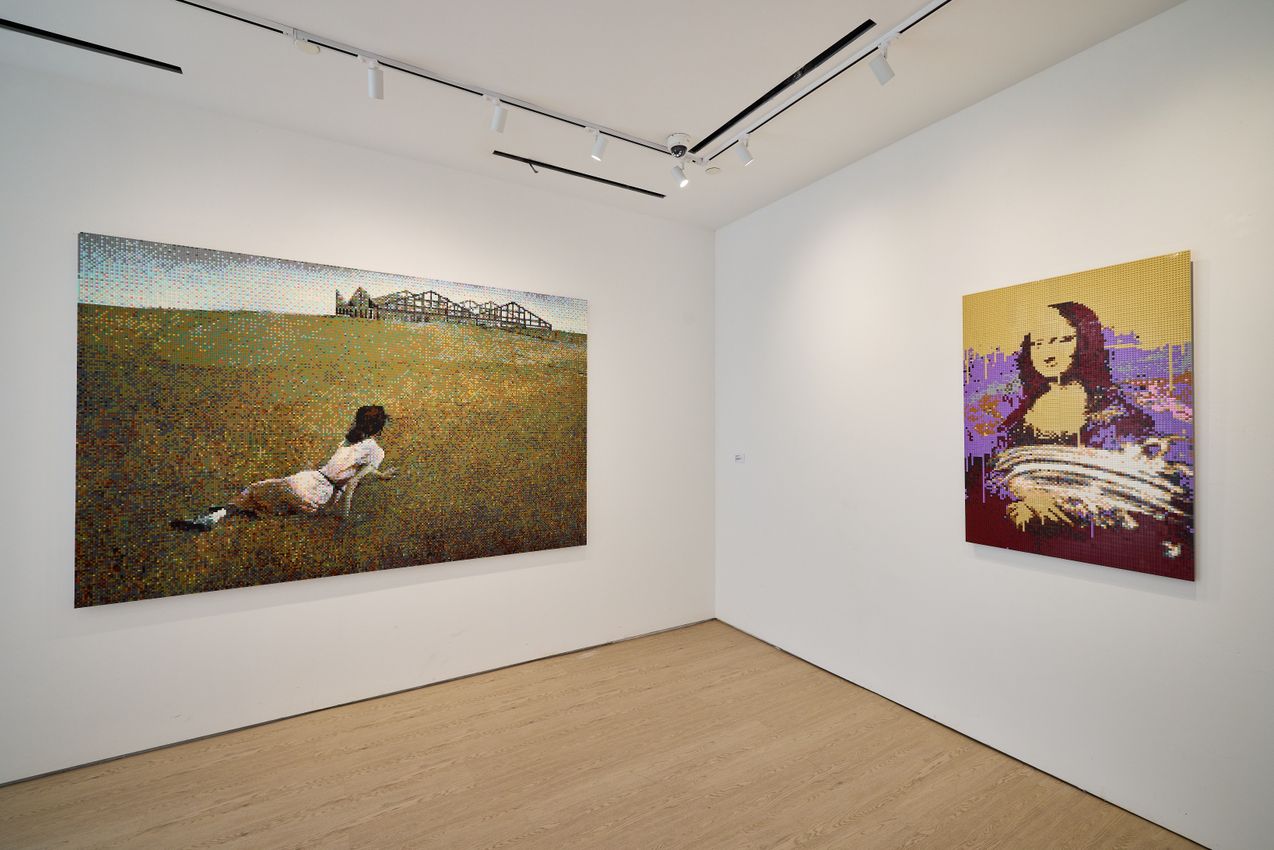
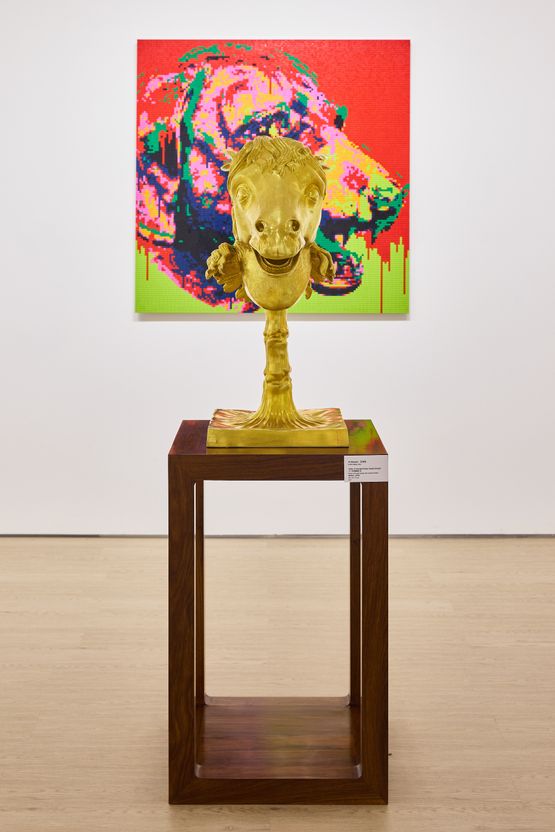
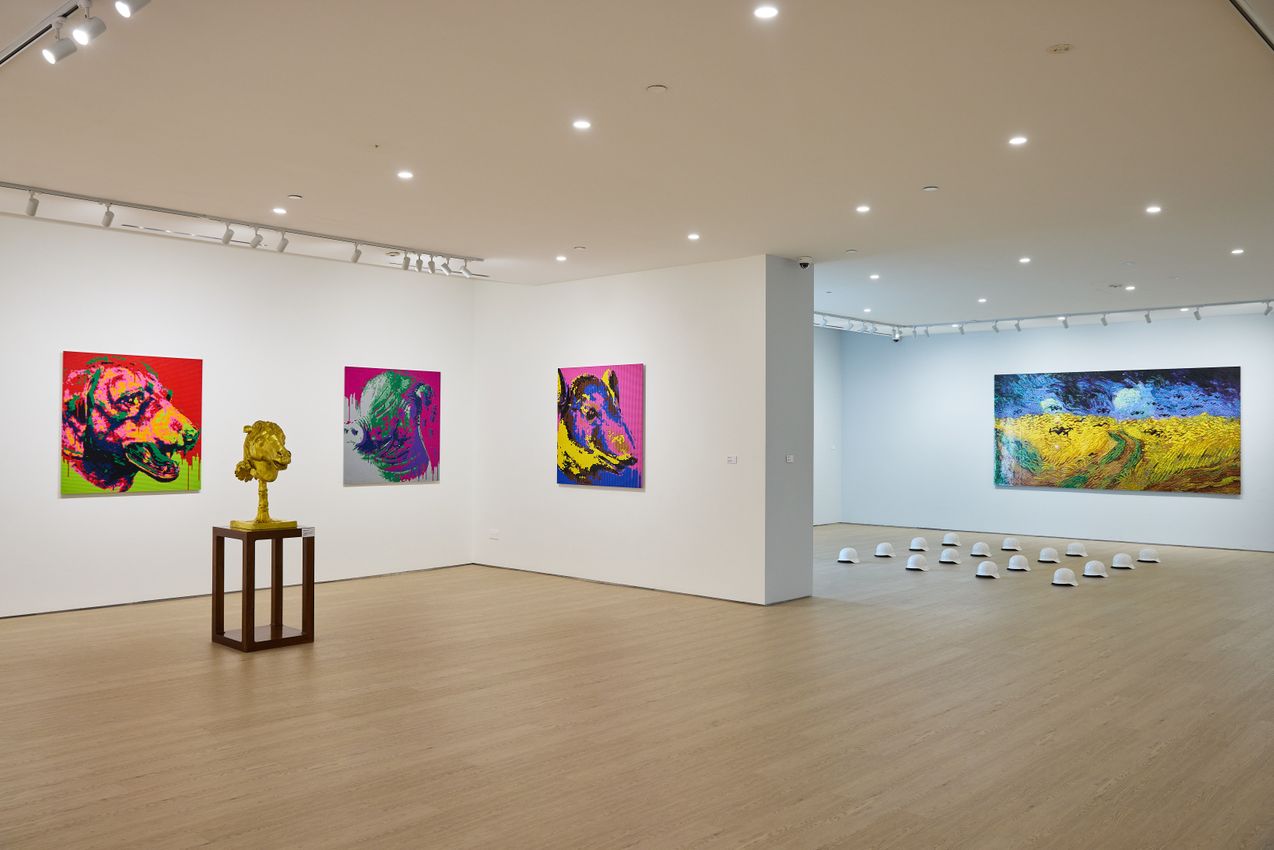
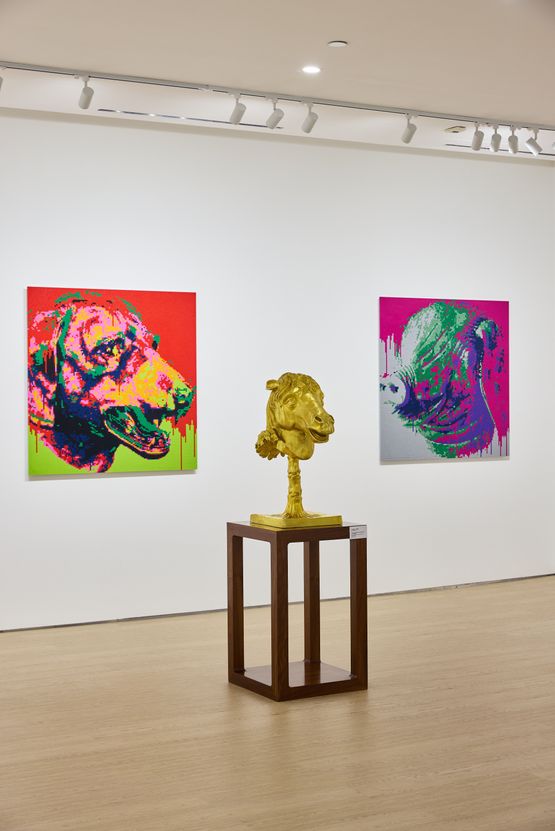
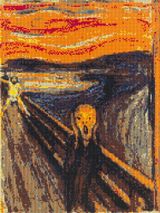
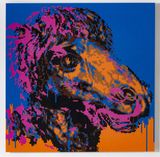
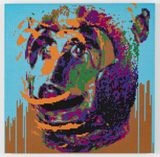
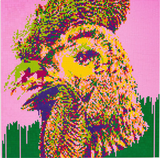
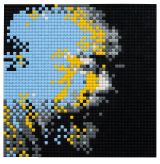
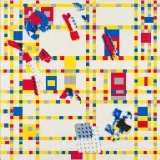
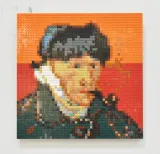
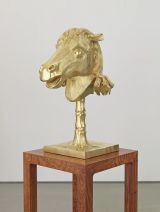
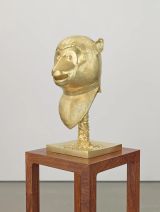
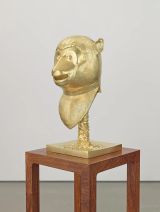
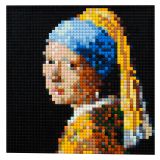
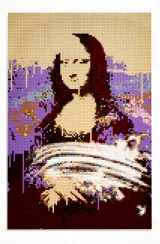
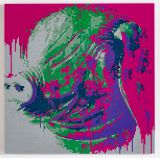
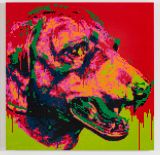
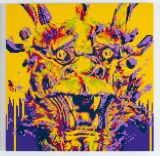
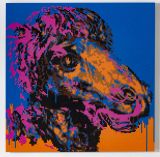
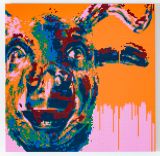
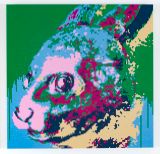
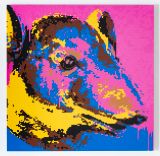
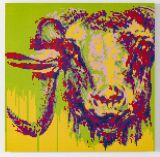
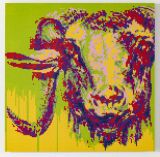
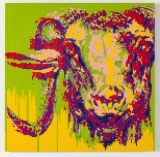
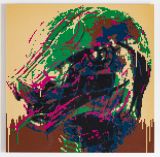
In this exhibition, familiar images are re-transformed, creating a direct visual language of dark humor and absurdity. A series of works constructed from toy bricks reinterprets classic art history, news scenes, and personal memories into homogenized pixel structures, granting the images a new public dimension within the logic of reproducible mass production. In 1860, the Old Summer Palace (Yuanmingyuan) was destroyed during the British and French invasion, and the twelve animal heads from the Zodiac were looted. Through an oversized recreation, Ai Weiwei places the focus on issues of looting and repatriation, while continuing his exploration of the relationship between “replicas” and original works. The artist’s work Zodiac, created using toy bricks, reflects the assembly logic of the information age and globalization through the infinite reproducibility of its materials. It also prompts reflection on the boundaries between high art and mass production, as well as between the creator and the audience. The pixelated effect of each toy brick presents a ‘democratized pixel image creation process,’ blurring the balance of power relations.
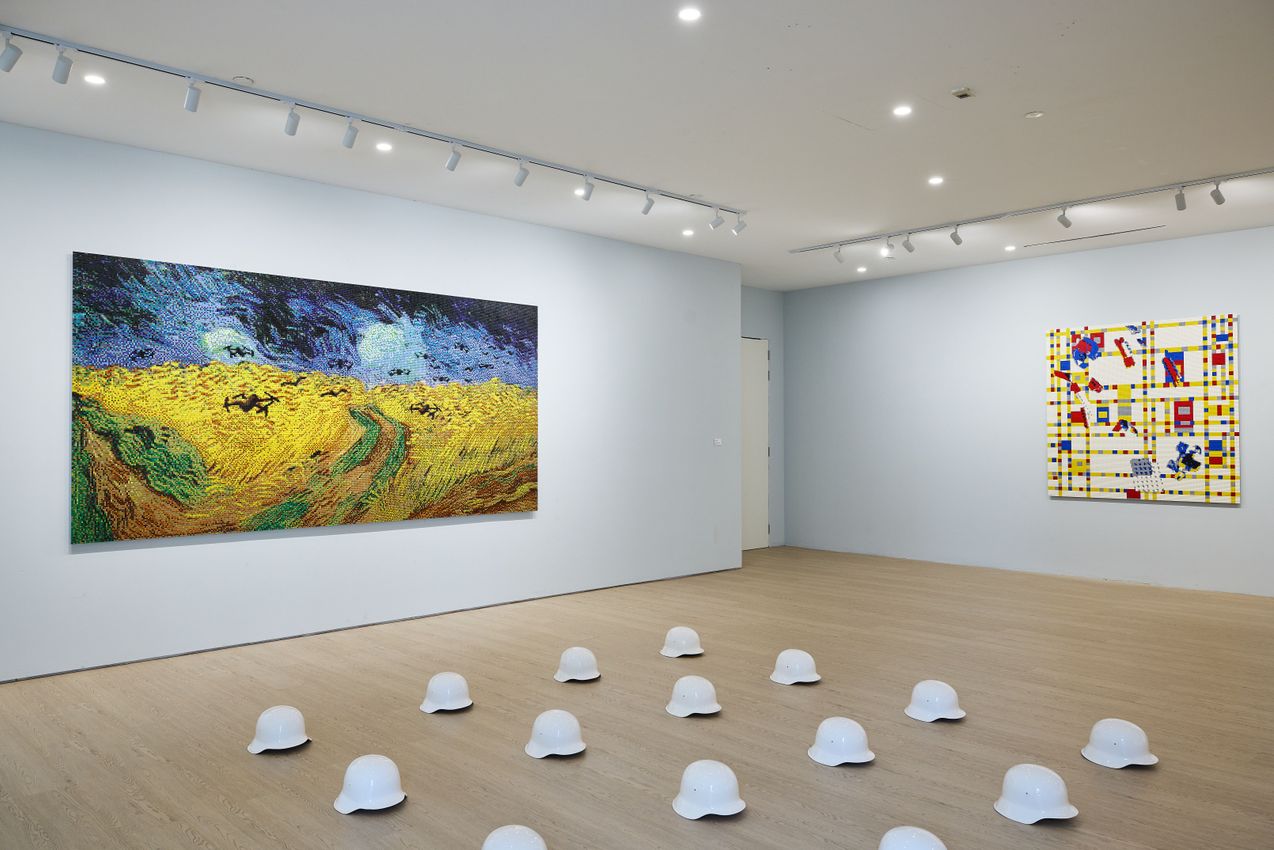
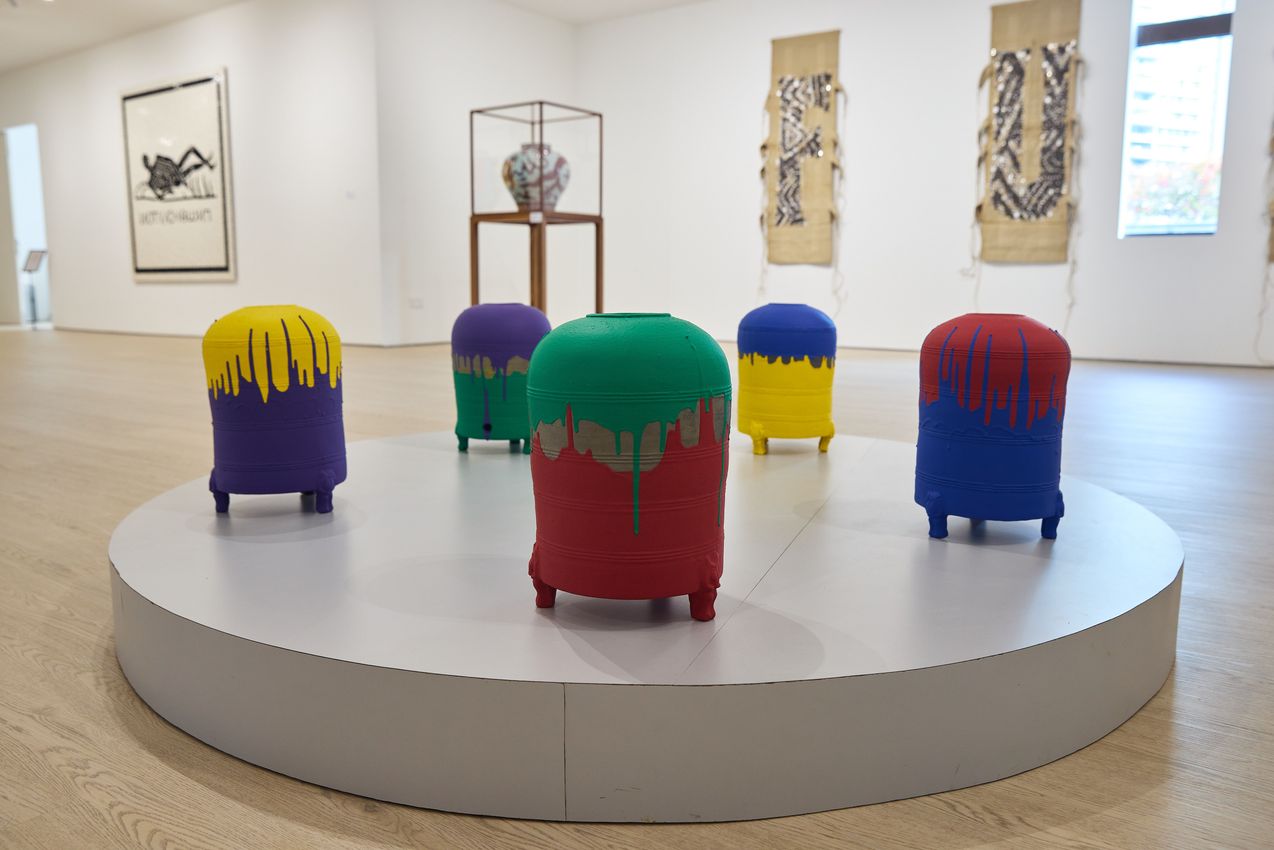
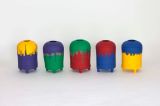
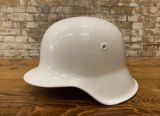
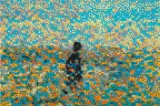
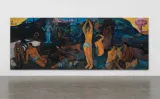
This puzzle-like visual logic is further expanded in Wheat Field with Crows, where drones replace flying birds, and historical paintings are placed within the context of contemporary technology. The work hints at how war, surveillance, and societal unrest seep into everyday life. These juxtapositions are not simple appropriations, but rather a deep rewriting of the mechanisms of viewing. Ai Weiwei reinterprets Gauguin’s famous question, Where do we come from? What are we? Where are we going? While Gauguin posed this ultimate life question on Tahiti, today’s world’s complex transformations, conflicts, and violence have surpassed the variables of any past era. A drone, scenes of the Hiroshima atomic bomb explosion, and the artist himself depicted as an indigenous figure exemplify this shift. The pixelation suddenly halts at certain moments and is then reset. From helmets donated by Germany for Ukraine’s war defense, re-cast into ceramic helmets, to 30 tons of buttons purchased from the soon-to-close Brown Company, From the ideological shifts of the First Industrial Revolution to today’s geopolitical struggles, Ai Weiwei seeks to pose critical questions through these clues.
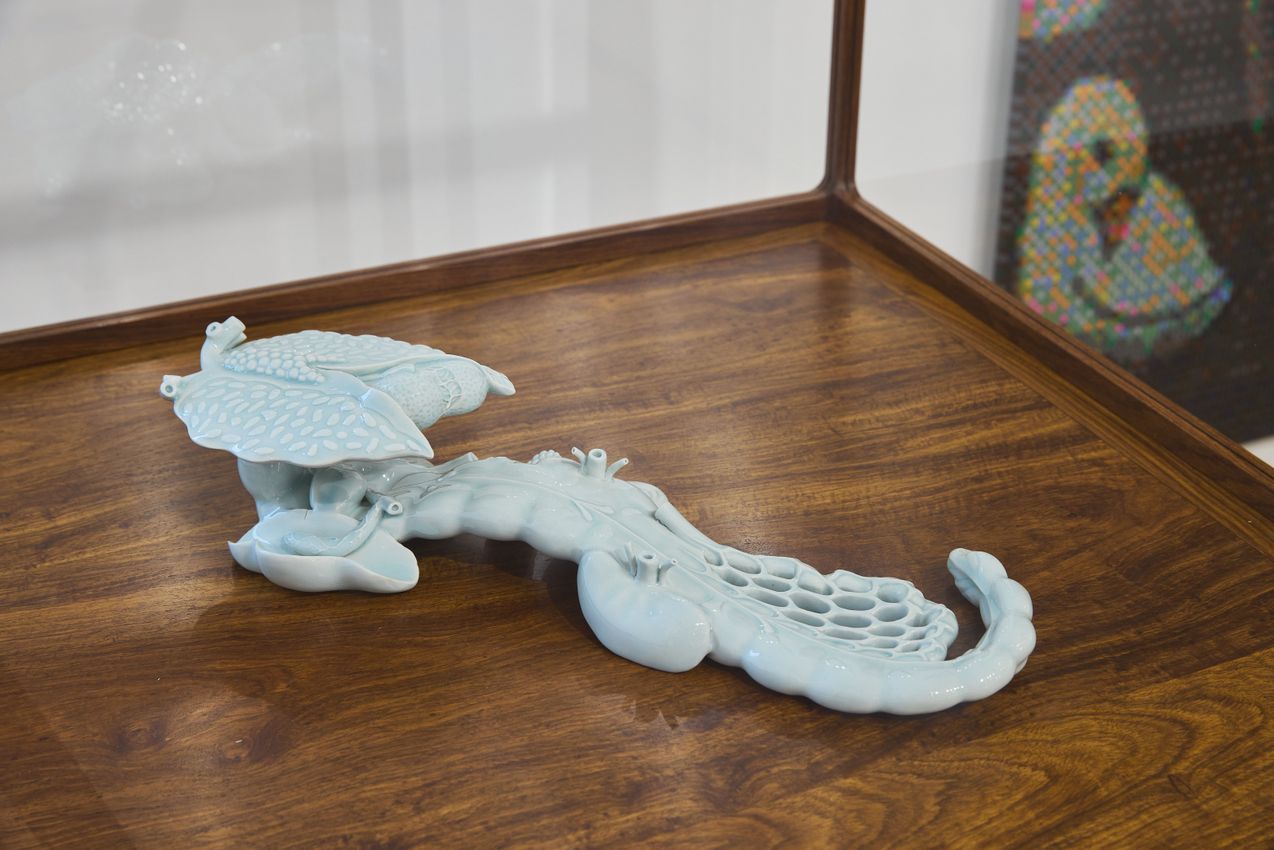
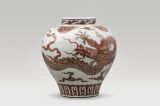
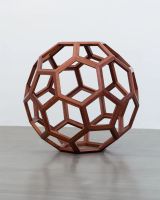
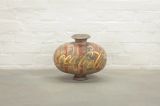
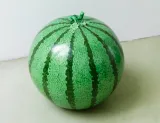
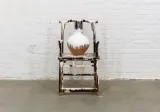
When violence enters our daily visual experiences in the form of images, the violence of media becomes an efficient implanting of information into the public. Just as ancient artifacts, traditional craftsmanship, and global consumer symbols converge in Ai Weiwei’s works, they reveal the flow and transformation of cultural values within contemporary power structures. In the artwork Whitewashed remnants of History of the State of Emerging Future Works the Qing Dynasty chair and Neolithic Majiayao pottery have both been coated with household white paint. The chair, originally featured at the 12th edition of Documenta in Kassel in 2007, is a key element of the piece. The installation Watermelon continues the discussion of replication, authenticity, and collective production explored in Sunflower Seeds. When bronze vessels meet Coca-Cola, global consumer symbols merge with Chinese cultural heritage. War, technology, and media images run throughout the exhibition, and after being deconstructed and reassembled, they confront the viewer with the fragility of shared experience in the contemporary context. In works like F—Size, small plastic balls that cats play with are magnified a hundred times, presented in a traditional mortise-and-tenon structure. The Ruyi scepter is reimagined as a porcelain figure made of human organs, reminding us of human fragility and mortality. Between greatness and smallness, the mundane and the sublime, Ai Weiwei recalibrates and “enriches” cultural models, turning critique into illusion. When illusions become unified, they become reality.
Throughout the exhibition, Ai Weiwei’s critique is not presented as a declaration, but unfolds as a gradual mockery and irony, flattening the divide between East and West. The exhibition thus raises a question that resonates continuously: In an era where images constantly overlay the world, information incessantly refreshes our current situation. When vulnerability goes unmonitored, system erosion inevitably occurs.


Ai Weiwei is a Chinese Contemporary artist and activist. Ai collaborated with Swiss architects Herzog & de Meuron as the artistic consultant on the Beijing National Stadium for the 2008 Olympics. As a political activist, he has been highly and openly critical of the Chinese Government’s stance on democracy and human rights. He has investigated government corruption and cover-ups, in particular the Sichuan schools corruption scandal following the collapse of so-called ‘tofu-dreg schools’ in the 2008 Sichuan earthquake. In 2011, following his arrest at Beijing Capital International Airport on 3 April, he was held for 81 days without any official charges being filed; officials alluded to their allegations of ‘economic crimes’.


A respected voice in contemporary art discourse.
Focusing on ambitious storytelling and insightful art-world commentary. Ocula Magazine publishes in-depth interviews, critical essays and timely analysis on the artists, exhibitions and ideas driving the global art world.
Learn more about Ocula Magazine
Showcasing the best of the art world.
Ocula partners with galleries from around the world to highlight their artists, artworks and exhibitions. Gallery membership is by application and invitation, with each member vetted by an independent panel.
Learn more about Ocula Membership

Specialises in the sale of major artworks.
Led by a team with deep ties to the world’s leading auction houses, galleries and collectors. Ocula’s advisory team offers bespoke services to high-net-worth clients from around the world who are looking to acquire the best of contemporary and modern art.
Learn more about our team and services