Press Release

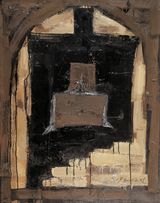
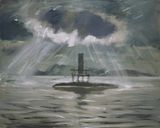
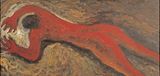
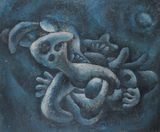
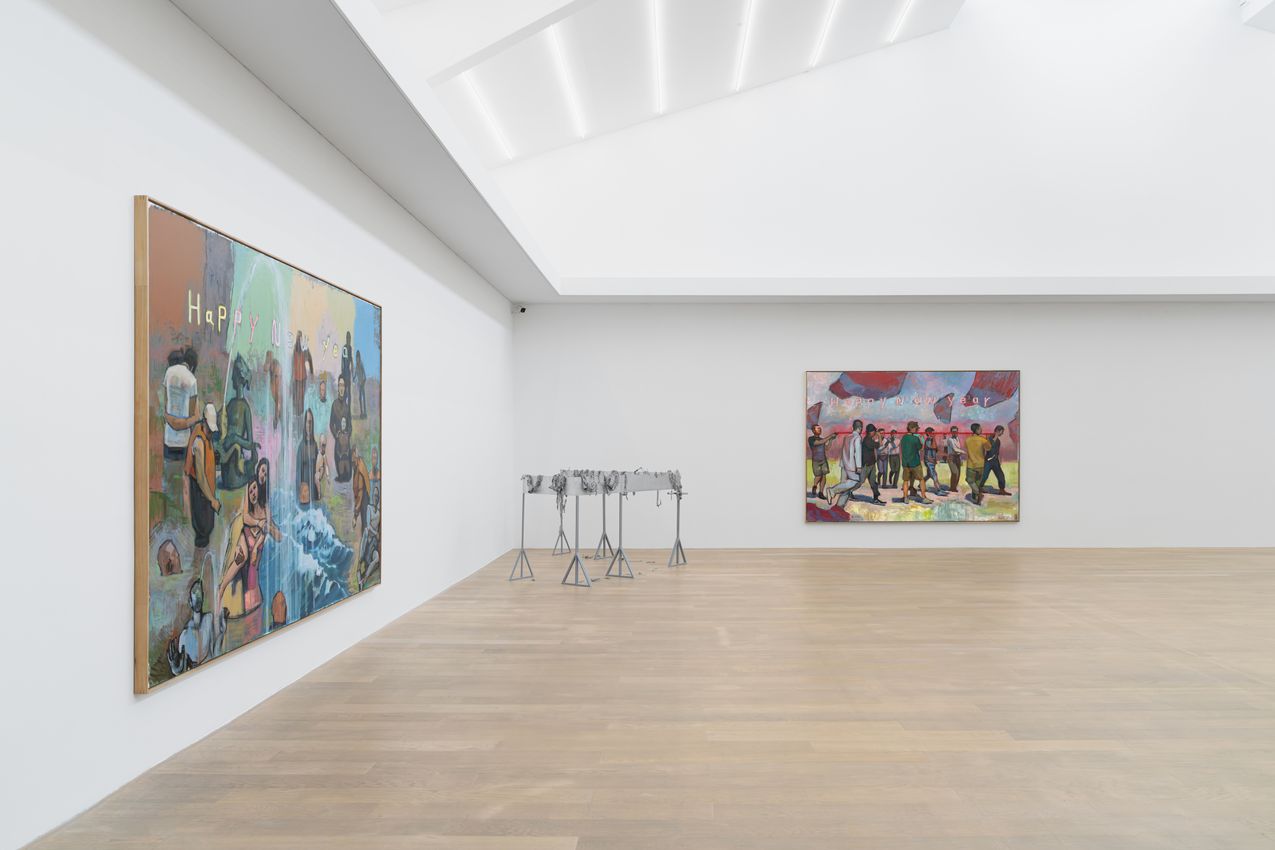
Tang Contemporary Art is pleased to announce the presentation of Mao Xuhui’s latest solo exhibition, “Clue”, on July 13, 2024 at 4pm at Beijing 1st Space. Curated by Dai Zhuoqun, this exhibition features more than twenty of Mao Xuhui’s most recent paintings, using everyday objects and feelings around him as clues.

Mao Xuhui’s Recent Works: Surroundings as Clues

Text by Dai Zhuoqun

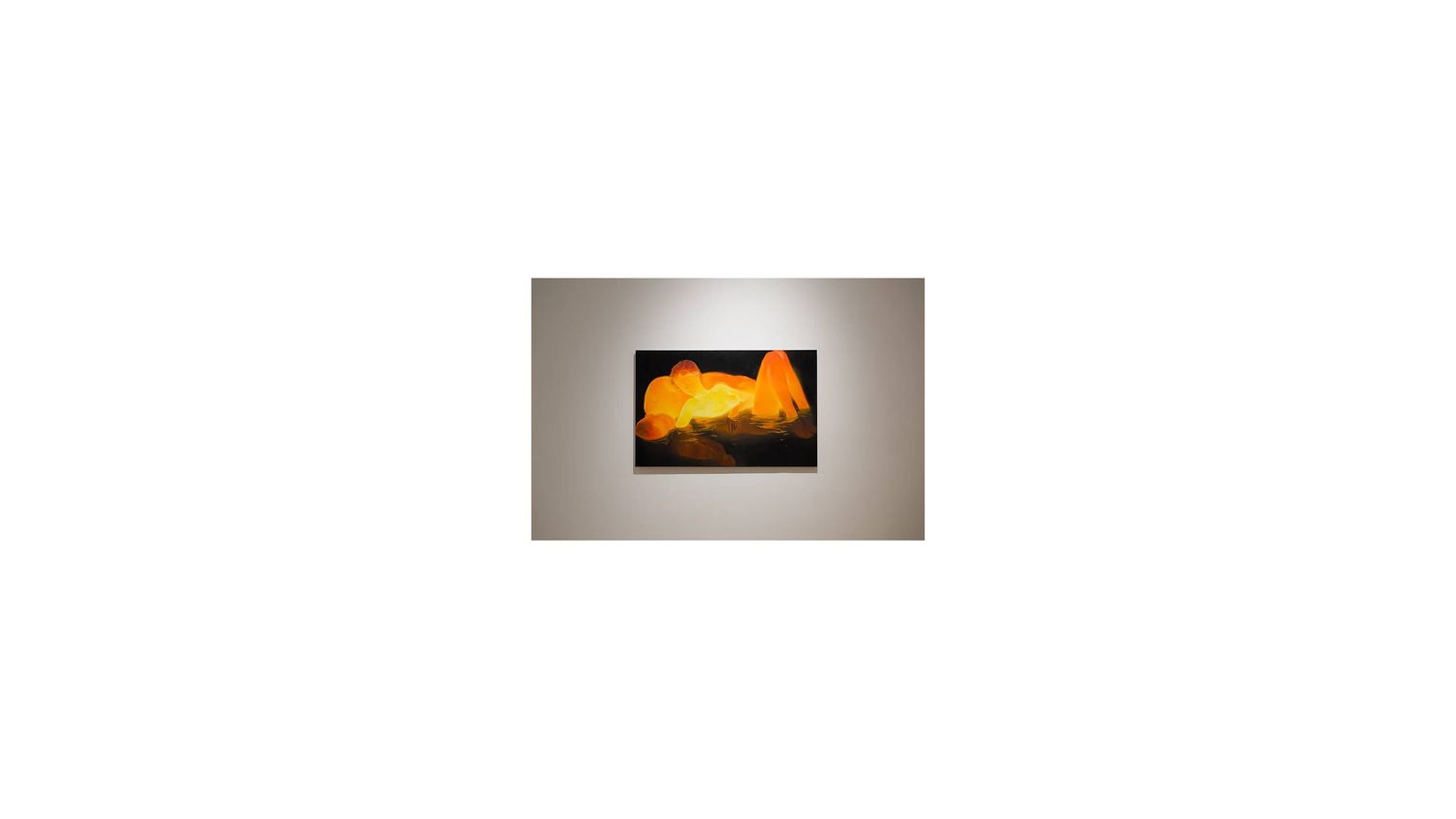
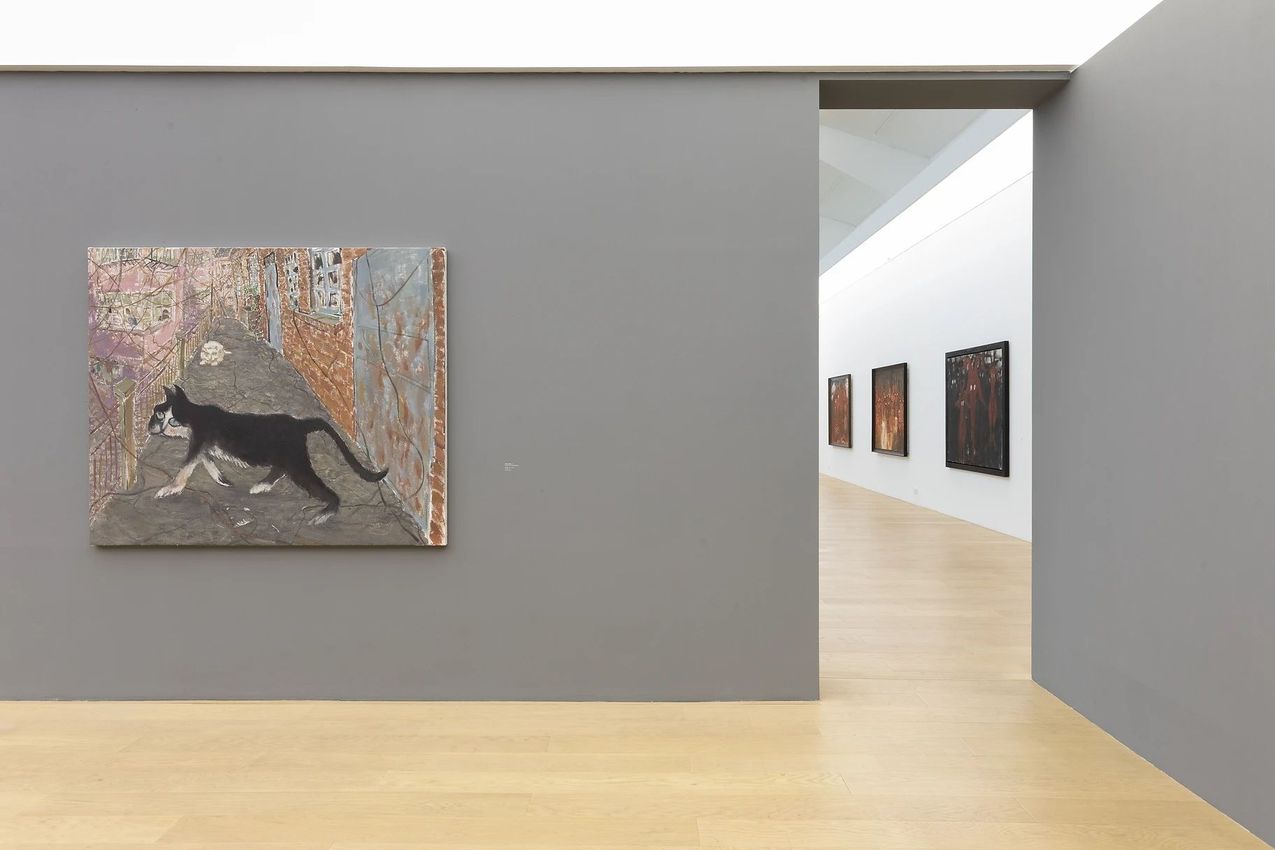
A glowing sheep and a night-roaming cat both embodies the artist’s spirit, traversing the dark void.

This void is as desolate as the universe, yet as cramped as the corridor outside the studio door.

In the past four, five years, the artist has rarely ventured out, except for a few distant trips—once to Guishan for sketching and twice to Beijing and Chengdu to attend the opening of his solo exhibitions.

Guarding one’s territory and losing their longing for the outside world. Ironically, the world suddenly becomes clearer with every detail, big or small, around them becoming familiar and tangible. Throughout, the painter’s world has slowly been shaped by their life and habits, primarily in two spaces: home and the studio. And for someone who paints, the studio is undoubtedly the real domain.

In Kunming’s old city, there is a factory complex called Chuangku on Xiba Road, preserving the appearance of the 1980s and 1990s. It used to be the production workshop of a precision machinery factory. The painter’s studio is located on the second floor of a narrow alley, accessible via a steep and high staircase. Over the years, it has fallen into disrepair, always feeling fragile and precarious, as if it might collapse at any moment. The decaying house, with rows of red brick walls, scattered iron railings, and an abundance of electrical wires, cables, and ropes crisscrossing, hanging diagonally and winding around everywhere, whether they are functional or not.

At present, these glances naturally return inward to the immediate, the nearby, to what is real and tangible. The existential thoughts of the painter’s youth, the passion for modernist painting, and the turbulence of expressionism have all quietly settled into a gradually calming new context.

The ups and downs of an artistic career, distant Guishan, spiritual home, utopia; the forces of enlightenment, critique, and reform; the vocabulary of power, patriarchy, the central seat of authority; scissors, the normalization of power in everyday life; the everyday objects, the compassion for the humble, the epic plots, will and eternity...

Nowadays, the artist has internalized his spirit. At this moment, the artist is reborn, everything existing within everything. Clues are all around, with all images and symbols merging with the self.

The artist seems to have returned to his original starting point, back to private space, to the self, to inward life painting. Yet, it is different. The artist has acquired a new kind of freedom—the freedom to view things without distinction. The new figuration thus radiates new life. The images appearing in all the pictures now are just carriers of current thoughts, no longer fixed images with corresponding references.

Images have gained freedom, and the artist has become a self-sufficient person. A self-sufficient person is a free person.

Seeing the present and the nearby brings unexpected joy. This joy, for now, seems to be enduring. The Melia tree outside the window has bloomed with yellow flowers, the glowing sheep burns fiercely in the darkness, and the bougainvillea on Xiba Road flourishes. Even in the cold night, the wild cats have their own territory.

Three years ago, the artist started to repaint two long-lost works—The Lost Mother of Red Earth and The Lost Four Goats. Compared to the original paintings, the artist has used larger canvases to address his long-held regrets. At this moment, we are here, and we too will eventually be lost, just like those lost paintings. To live means to fight against loss—the glowing sheep, the chair on the roof, the cat on the chair...

A narrow corridor, an old studio, filled with endless clues.

Read More

Also Exhibiting at Tang Contemporary Art

About the Gallery

Tang Contemporary Art was established in 1997 in Bangkok, later establishing galleries in Beijing and most recently Hong Kong. Tang Contemporary Art is fully committed to producing critical projects and exhibitions to promote Contemporary Chinese art regionally and worldwide and encourage a dynamic exchange between Chinese artists and those abroad.

View Gallery Profile
Address
D06, 798 Art District
No.2 Jiuxianqiao Road
Chaoyang District
Beijing
China
Opening Hours
November – April
Tuesday – Sunday
11am – 5:30pm

May – October
Tuesday – Sunday
11am – 6:30pm
(1)
Beijing D06, 798 Art District, No.2 Jiuxianqiao Road
Tang Contemporary Art
D06, 798 Art District, No.2 Jiuxianqiao Road, Chaoyang District, Beijing, China

Opening hours
November – April
Tuesday – Sunday
11am – 5:30pm

May – October
Tuesday – Sunday
11am – 6:30pm
The art world in focus