Press Release

You have an eye, it’s an image.- Sylvia Plath, The Applicant, 1962.

Anne Collier’s exhibition brings together a selection of her recent and historically significant photographs, spanning the last 20 years. The juxtaposition of self-portraiture and images of pop cultural artefacts, which often depict women, forms an oblique mediation on Collier’s artistic lineage, touching on elements of biography.

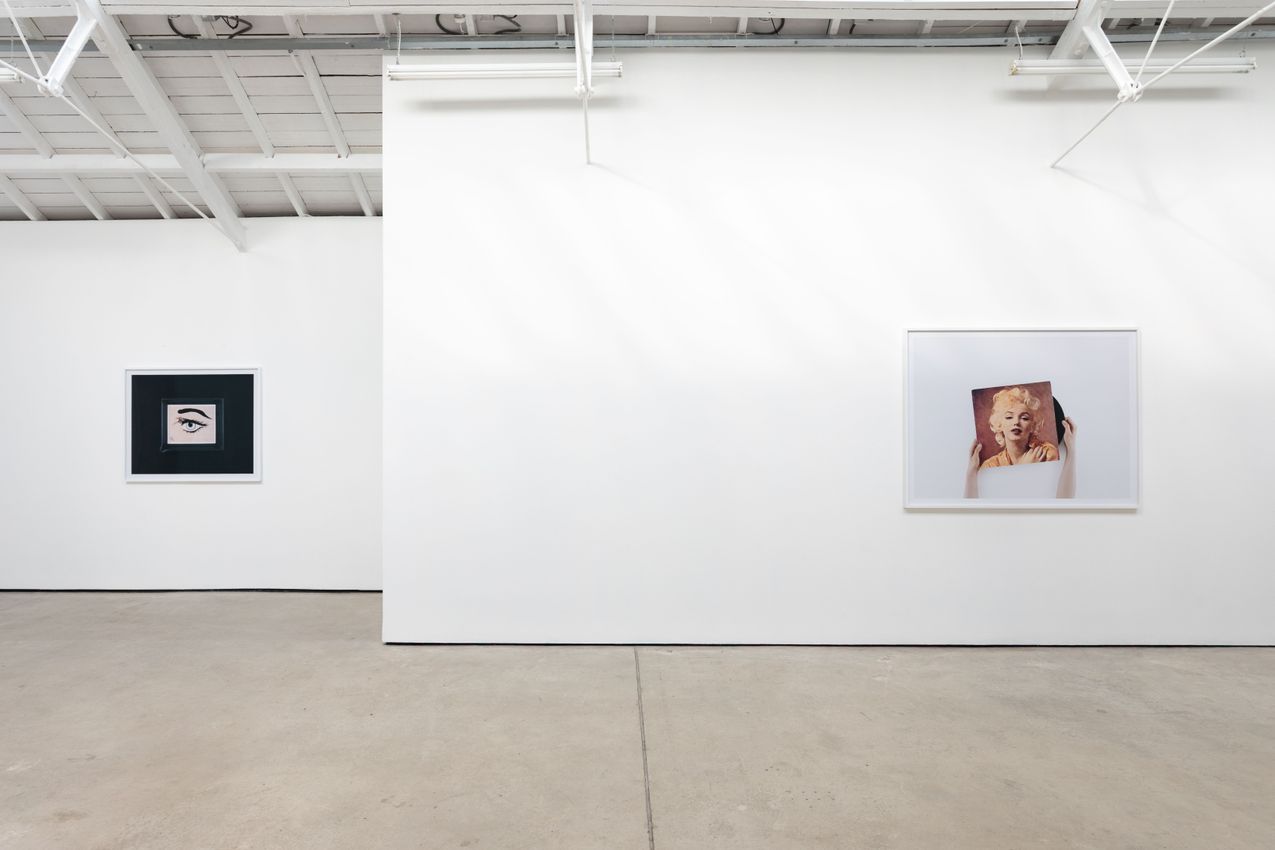
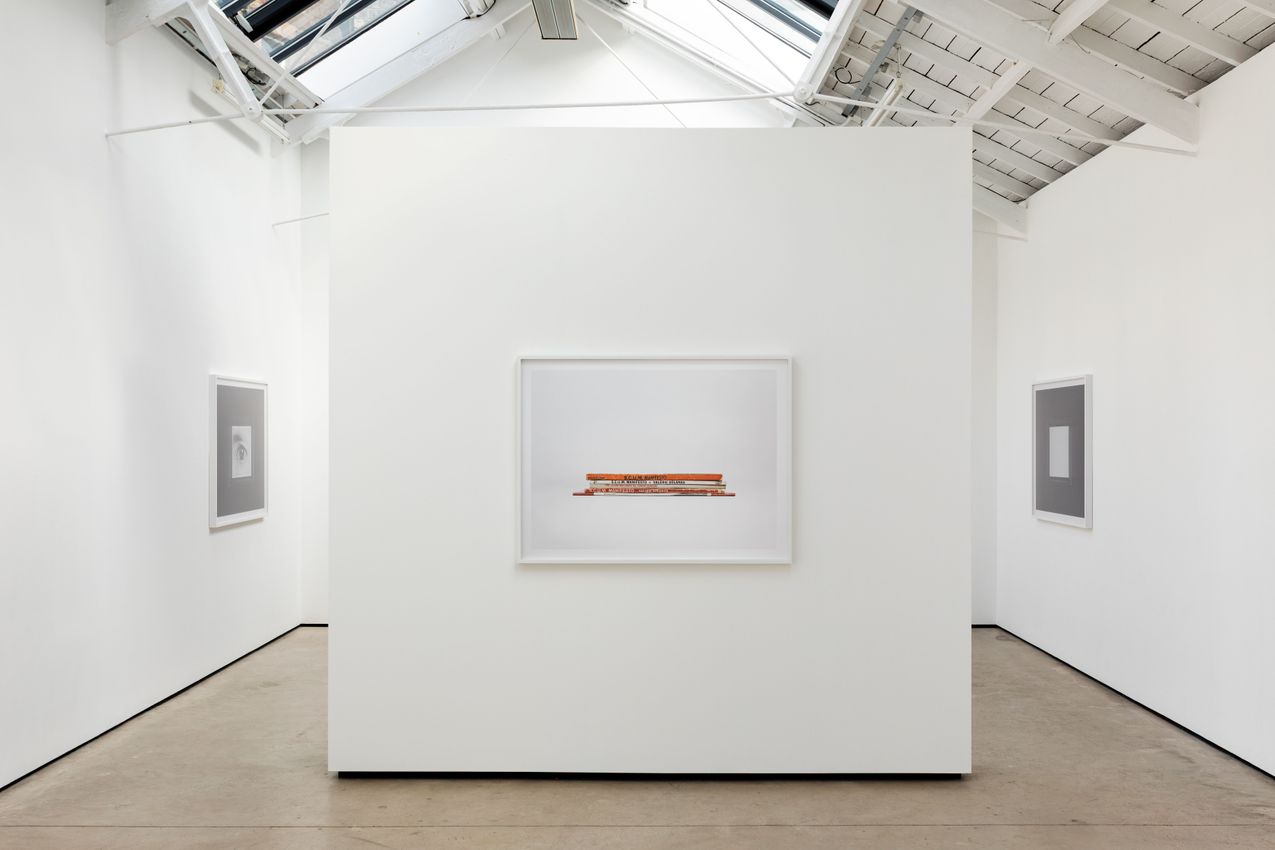
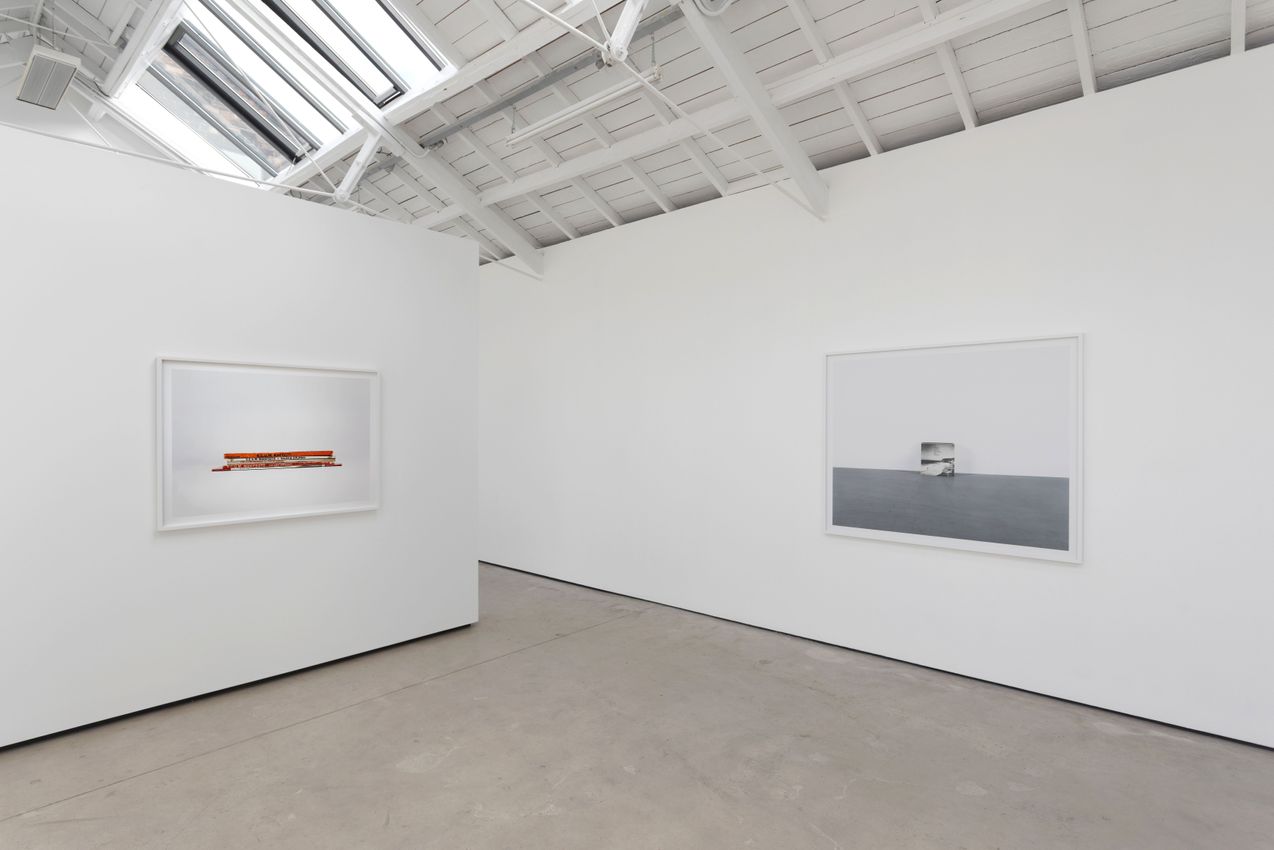
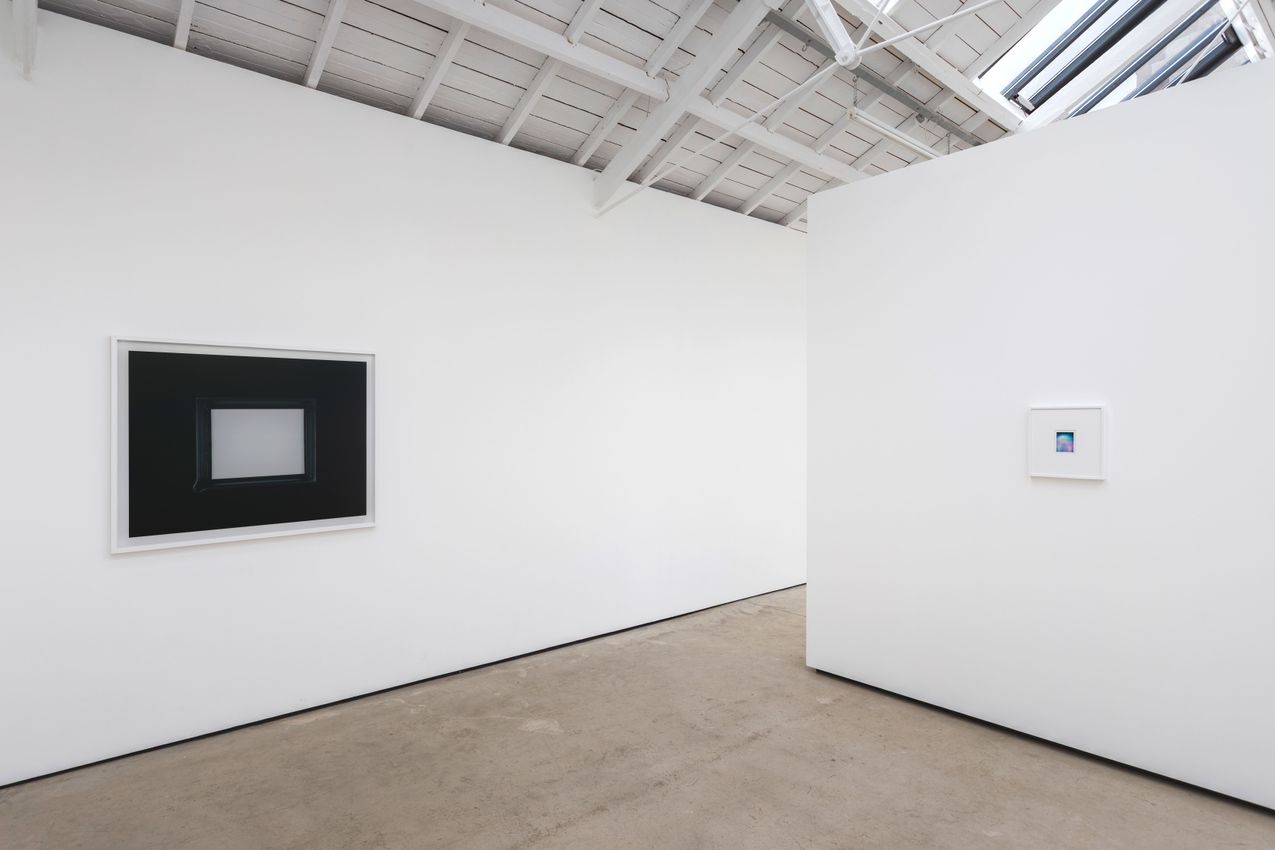
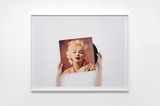
Marilyn Monroe, Sylvia Plath and Valerie Solanas have all had a substantial, if varied, impact on 20th century feminism. All were born in the 1920s and 30s, were connected to New York City, and suffered tragic ends to their lives, compacted by mistreatment and reported issues with mental health. In their absence, Collier leaves us with a series of items photographed precisely in the neutral environment of the studio: the Marilyn Monroe – Legends LP compilation, released in 1976 and featuring songs and scenes from films spanning 1954-1962; the Sylvia Plath reading her poetry LP, released in 1977, which includes readings from Harvard College Library and the BBC across 1958-62; and various editions of Solanas’ S.C.U.M Manifesto, originally published by Olympia Press in 1967, which argues for the extermination of men and the necessity for women to overthrow society.

Solanas famously shot Andy Warhol on 3 June 1968, almost killing the legendary artist. Collier’s presentation of the Marilyn Monroe – Legends LP in Album (Marilyn Monroe) evokes Warhol, specifically the silkscreens of the actress which he began just following her death. Collier’s piece points to the way Warhol sought to recontextualize tragedy, narrativizing it for his own artistic ends. In contrast, the pile of Solanas’ books speaks to a continued reckoning with her contentious legacy and the important place her writing eventually found. Plath’s writing was innovative in the burgeoning genre of Confessional Poetry, which contains intimate details of the author’s life. These included traumatic memories and reflections on living in a patriarchal society. Collier deftly layers these references and interconnected cultural histories. For all their apparent simplicity the works are compellingly dense, with dialectics of image and object, agency and passivity, past and present playing out in each.

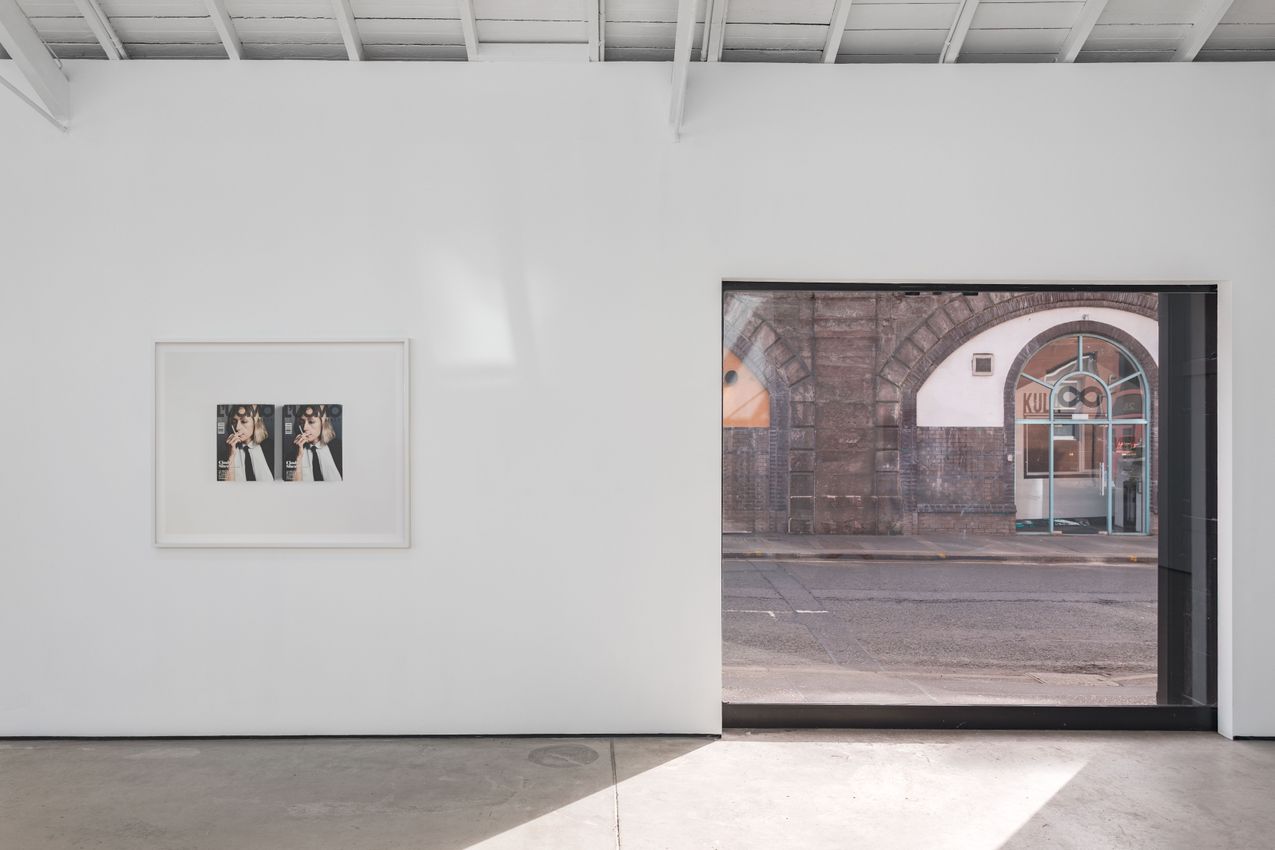
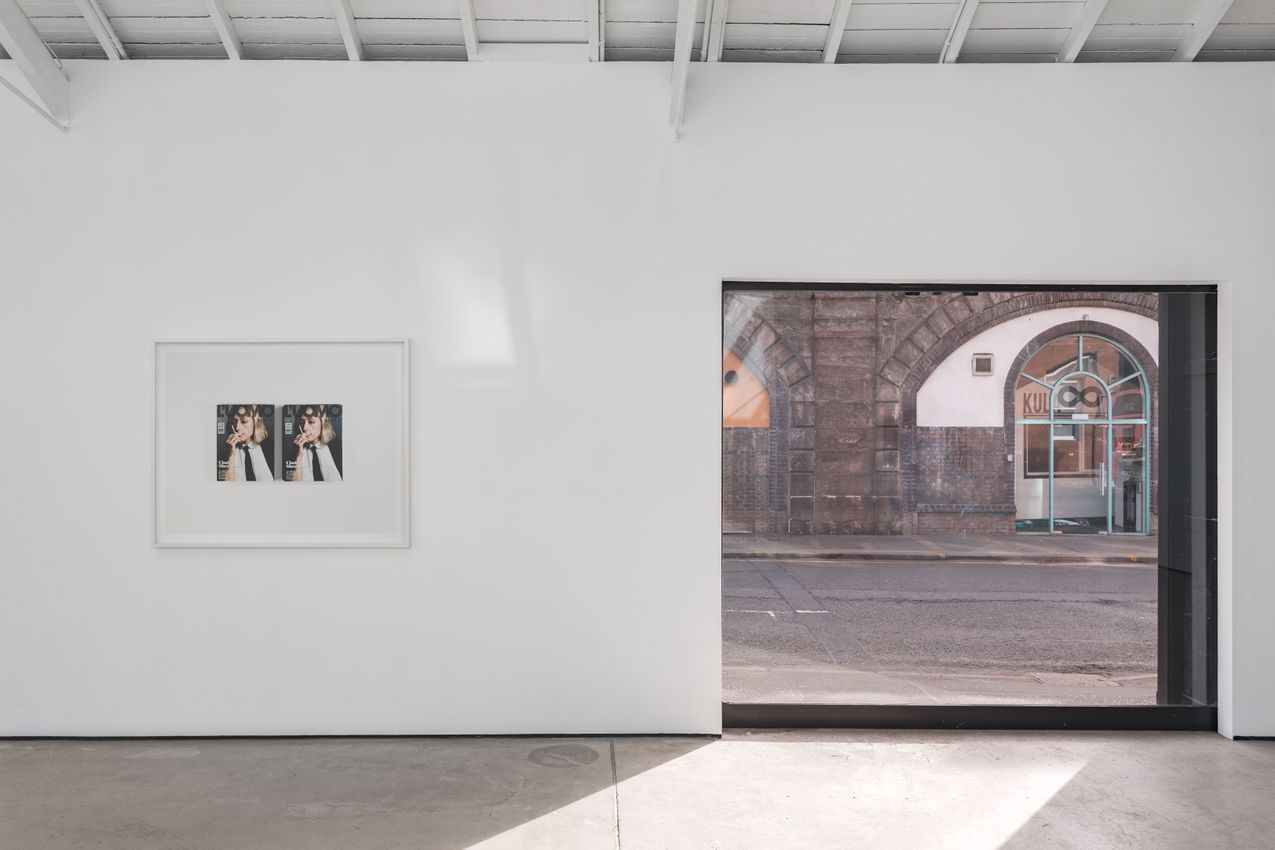
Collier’s selected artefacts in some way attempt to define the women behind them, and, in turn, her photographing of them speaks to their significance to her own life and thinking. They are linked by a repackaging of female identity and image. May/Jun 2009 (Cindy Sherman, Mark Seliger), 2009, plays with this process itself, centring the trappings of celebrity ‘cool’ and self-presentation – not looking at the camera, smoking, wearing black. Sherman has consistently interrogated and played with female archetypes in culture, ever since producing her Untitled Film Stills, 1977–80, a series of self-portraits which adopted the aesthetics of 20th-century film. This work elaborates on and complicates Sherman’s oeuvre to critique the cultivation of fame and gender stereotypes within the mass media. The piece underlines the dual strands at play in the exhibition, both the process of identifying with images and creating identities in images.

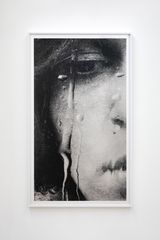
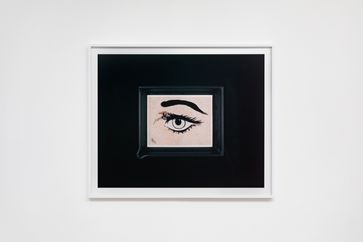
Collier’s works have often walked the line between the personal and universal, and that tension remains consistent here with her own image woven into the presentation; an Aura Portrait, taken in a psychic store in downtown Oakland in 2003 and the artist’s own eye in Developing (Anne Collier), 2024. By pairing the latter and Developing, 2024 – which depicts a sheet of undeveloped photographic paper suspended in a developing tray – Collier aligns the moment of inspiration with the idea of self-creation. In some respects, the pieces function as indirect self-portraits. Solanas’ writing, the rainbow of aura photography, and the empty, yet seductive packaging of pop culture artefacts (evidently handled, worn or folded) serve as subtle allusions to confession, melancholy, and feminist thought – or rather they serve as both a conduit and a barrier, oscillating between superficiality and depth. Collier allows the viewer a moment to consider their own identity before each image and in that way she disappears again.

Read More

Installation Views

About the Artist

Anne Collier is a contemporary American artist recognised for her photographs of found images of women. Engaging with source materials that date back to the 1970s and 80s, Collier explores the gendered tropes in photography’s history.

View Artist Profile

Also Exhibiting at The Modern Institute

About the Gallery

The Modern Institute was founded in Glasgow in 1997. The gallery works with internationally established and emerging artists including Martin Boyce, Jim Lambie, Richard Wright, Anne Collier, Cathy Wilkes, Simon Starling, Urs Fischer, Luke Fowler and Nicolas Party.

View Gallery Profile
Address
14–20 Osborne Street
Glasgow
United Kingdom
Opening Hours
Mon - Fri, 10am - 6pm
Sat, 12pm - 5pm
(1)
Glasgow 14–20 Osborne Street
The Modern Institute
14–20 Osborne Street, Glasgow, United Kingdom

Opening hours
Mon - Fri, 10am - 6pm
Sat, 12pm - 5pm
The art world in focus