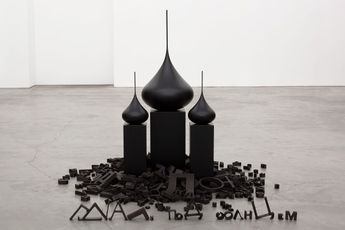




Ames Yavuz is pleased to return to Sydney Contemporary with a dynamic selection of works from across the gallery’s programme, reflecting the breadth of perspectives and practices that define its artists. Having participated in the fair since its inception in 2013, Ames Yavuz is excited to celebrate the 10th iteration of the fair with a strong presentation featuring artists that examine cultural inheritance, identity, memory and belonging alongside broader questions of power and authority. From objects carried across generations and reinterpreted through memory to historical images and symbols recontextualised through contemporary perspectives, the works reflect on how meaning is inherited and transformed, and how seemingly familiar objects can hold stories that extend far beyond their immediate material form.
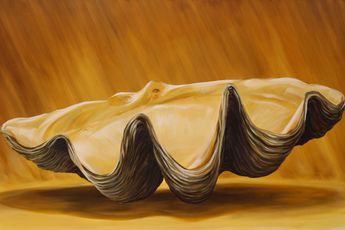
At the centre of the presentation is Abdul Abdullah’s new series Possession, which examines the complicated relationships between ownership, custodianship and cultural inheritance. Pairing images of museum objects with contested or questionable provenance alongside portraits of domesticated cats, Abdullah uses humour and unexpected visual associations to consider what it means to possess something that has its own history, agency or claim to belonging elsewhere. The works open broader questions around authorship, value and responsibility: who gets to possess, preserve and interpret an object, and for how long?
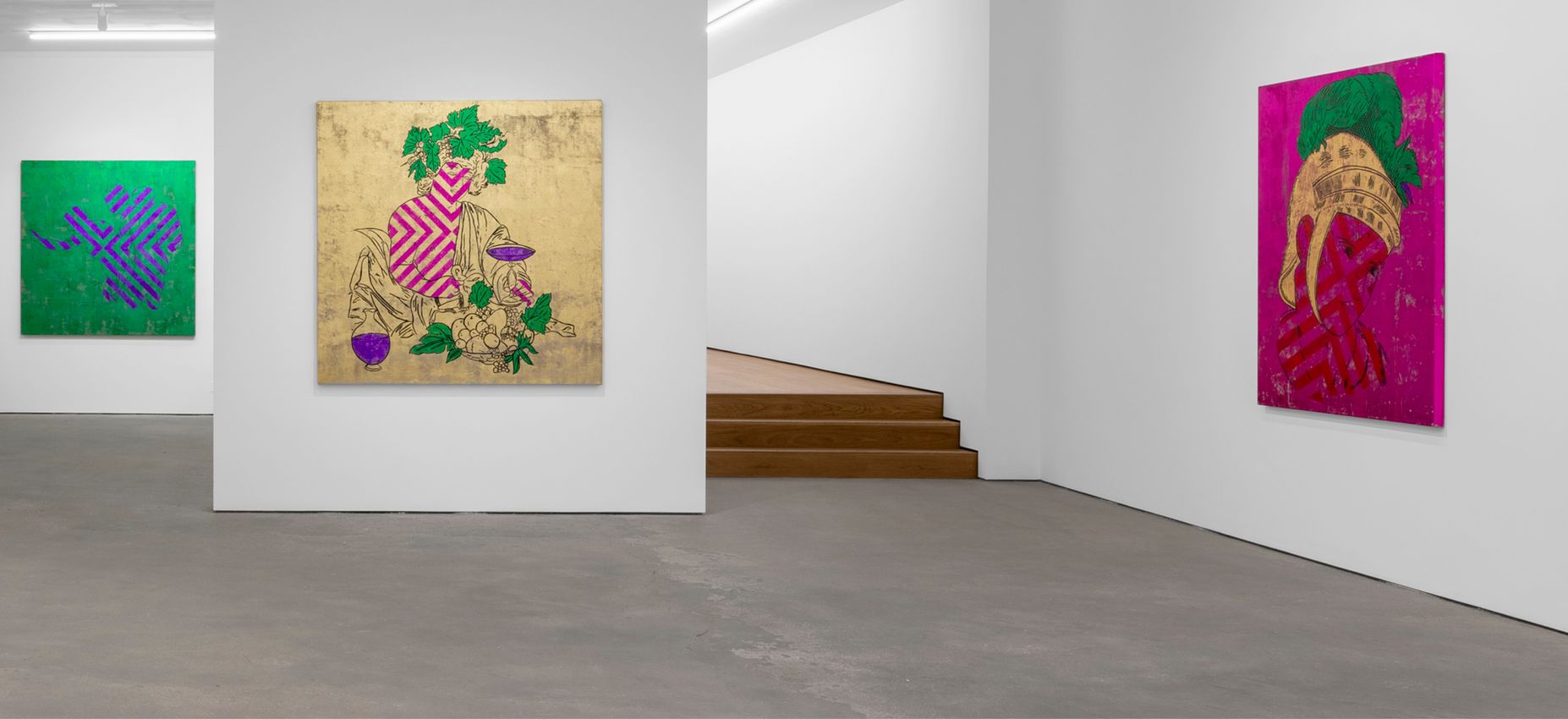
A significant selection of works by Brook Andrew further extends these themes, whose practice interrogates the ways histories are constructed, collected and represented. Drawing attention to archives, systems of display and institutional power, Andrew considers whose histories are preserved, whose voices are privileged, and how images and objects can be reframed to produce new meanings. These concerns were also central to Symbolic Nature, his recently concluded solo exhibition at Ames Yavuz in London, and resonate strongly with the questions raised across the presentation, particularly around cultural memory, authority and the ongoing life of objects and histories. Together, these works sit alongside a diverse range of practices that approach materiality, representation and cultural inheritance through distinct perspectives and forms.
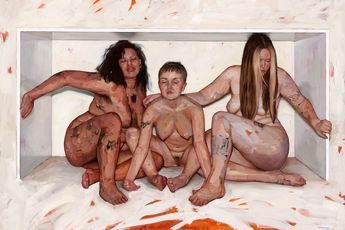
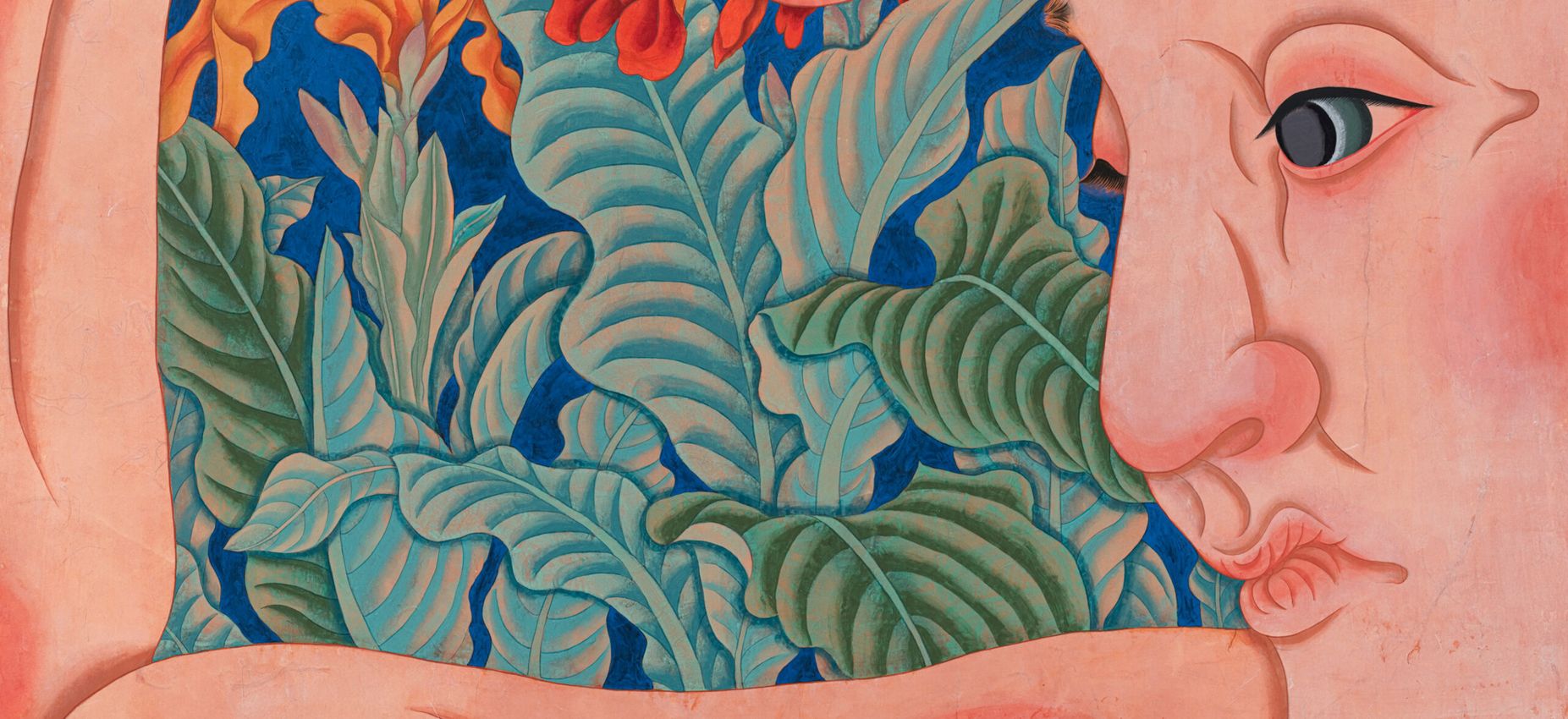
Christopher Bassi creates paintings that draw on representational traditions to explore cultural identity, alternative genealogies and colonial histories across Australia and the South Pacific, while Sarah Drinan examines the body as a site of vulnerability, desire and emotional experience through fluid, dreamlike figurative paintings. Emily Floyd’s brightly coloured geometric sculptures draw on play, alternative education, feminism and social history, while Solomon Kammer’s paintings and drawings draw on her experiences of chronic illness, medical science and gender bias to examine power, embodiment and systemic control, giving form to broader experiences of emotional and bodily mistreatment.
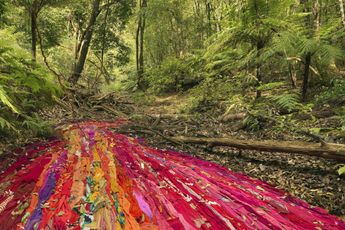
Questions of colonial history, place and cultural memory are central to the practice of Rosemary Laing, whose meticulously constructed photographic environments transform familiar landscapes into psychologically charged examinations of colonialism, land ownership and Australian identity.
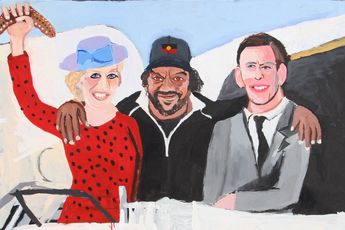
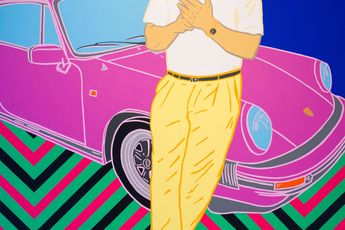
Vincent Namatjira and Reko Rennie approach representation through distinct visual languages shaped by Indigenous identity and contemporary culture. Namatjira uses portraiture, humour and caricature to interrogate colonial power, politics and Empire, while Rennie combines Kamilaroi motifs, hand-drawn symbols and repetitive patterning with contemporary visual languages to challenge romanticised ideas of Aboriginal identity and cultural belonging. Caroline Rothwell considers the relationship between nature, science, technology and human intervention through sculpture and installation, often beginning with scientific and botanical research.
Amrita Hepi and Rindon Johnson further expand the presentation’s engagement with embodiment and memory. Hepi, a Bundjulung/Ngāpuhi artist and choreographer, explores perception, lenticular imagery and the relationship between language and visual recognition, considering how meaning shifts according to where we stand and how we look. Johnson’s multidisciplinary practice spans sculpture, painting, video, writing and digital technologies, examining the relationships between bodies, nature and systems of extraction. Central to his work is the cow, a figure bred and engineered for human consumption; through materials including cowhide, wood and stone, as well as digital environments, Johnson traces the material afterlives of capitalism and the ways bodies, animals and natural resources become entangled within systems of production and consumption.
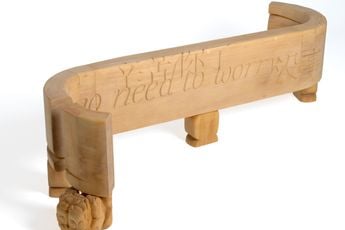
The presentation also includes works by Kathy Temin, Monica Rani Rudhar and Jenny Jia Li van Ratingen, whose practices turn to family histories, domestic objects and inherited symbols as repositories of cultural memory. Temin transforms familiar forms and domestic imagery into tactile, uncanny sculptural environments, exploring memory, displacement and belonging through handmade forms and synthetic materials. Rani Rudhar enlarges intimate jewellery and heirlooms into monumental ceramic forms, exploring migration, longing, loss and cultural identity, while van Ratingen uses materials such as jelutong wood to transform familiar objects and symbols into meditations on cultural inheritance, intergenerational exchange and the complexities of migrant family relationships.
Concurrently on view is Sydney Contemporary’s Installations programme, featuring Reko Rennie’s ALWAYS (2026), which draws on the artist’s Kamilaroi/Gamilaroi/Gamilaraay heritage to challenge preconceived ideas of Aboriginal art. The installation is on view at the new Sydney Fish Markets until 14 September.


A respected voice in contemporary art discourse.
Focusing on ambitious storytelling and insightful art-world commentary. Ocula Magazine publishes in-depth interviews, critical essays and timely analysis on the artists, exhibitions and ideas driving the global art world.
Learn more about Ocula Magazine
Showcasing the best of the art world.
Ocula partners with galleries from around the world to highlight their artists, artworks and exhibitions. Gallery membership is by application and invitation, with each member vetted by an independent panel.
Learn more about Ocula Membership

Specialises in the sale of major artworks.
Led by a team with deep ties to the world’s leading auction houses, galleries and collectors. Ocula’s advisory team offers bespoke services to high-net-worth clients from around the world who are looking to acquire the best of contemporary and modern art.
Learn more about our team and services