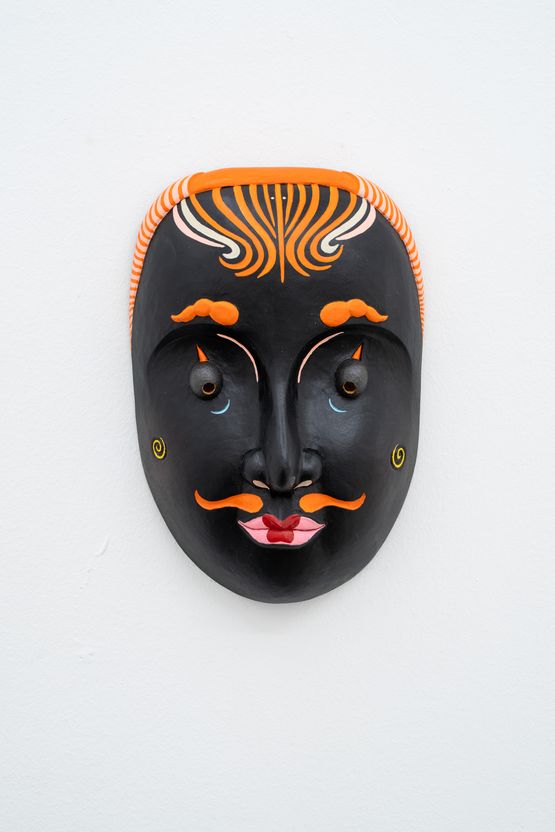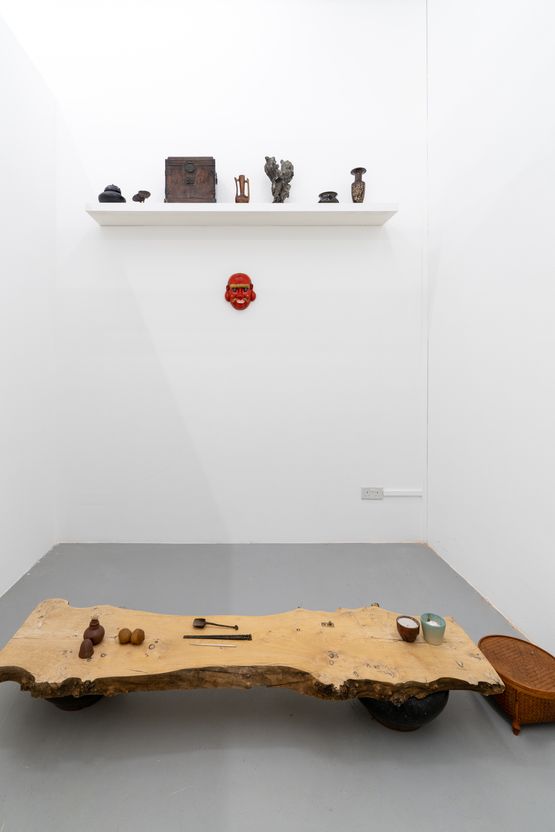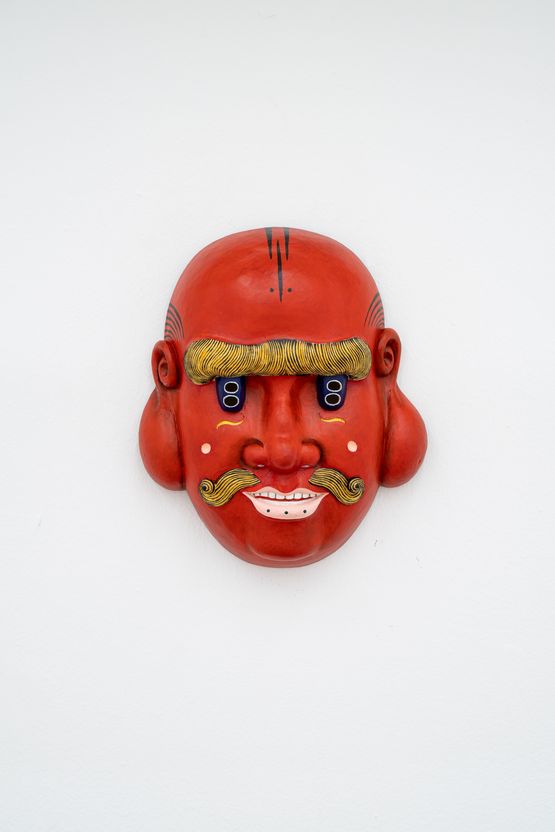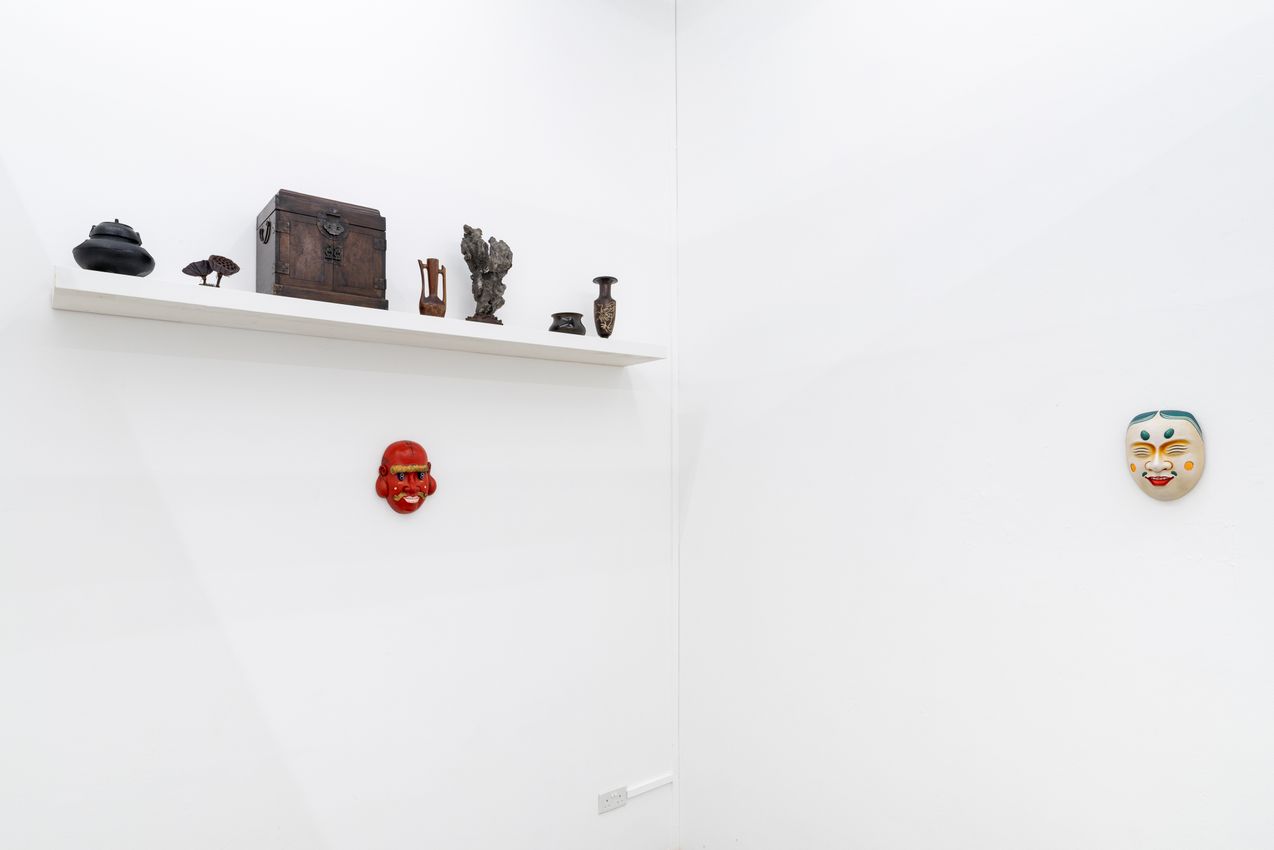
Singaporean artist Wong Lip Chin is unflinching when it comes to the unconventional. One might recall his repurposed vintage bus stop Exquisite Paradox (2013) on the front lawn of Singapore Art Museum, which brought the concept of Marcel Duchamp’s readymade to a sentiment much closer to home. Informed by the ethos of relational aesthetics, a postmodernist concept where an artist replicates an environment for people to participate in, he has staged numerous art encounters/ interventions in Singapore for the public to engage with over the years. From an homage to Joseph Bueys in _Some We Love, Some We Hate, Some We Eat _(2020)—a live performance where he read excerpts from an animal rights text before a cow, to his most recent installation The Gathering: 千岁宫 qiānsuì gōng (2022) at Chinatown, which invited audiences to sit down for a tea ceremony and enjoy the tranquillity as ancient Chinese scholars did some 1600 years ago; Wong seeks out novel ways to bring East Asian culture and heritage, as well as Western art historical canon, to contemporary and local relevance. His paintings can be said to exude a similar attitude in bridging such dualities (past and present, East and West, highbrow and philistine), perhaps with a greater sense of humour and irreverence.
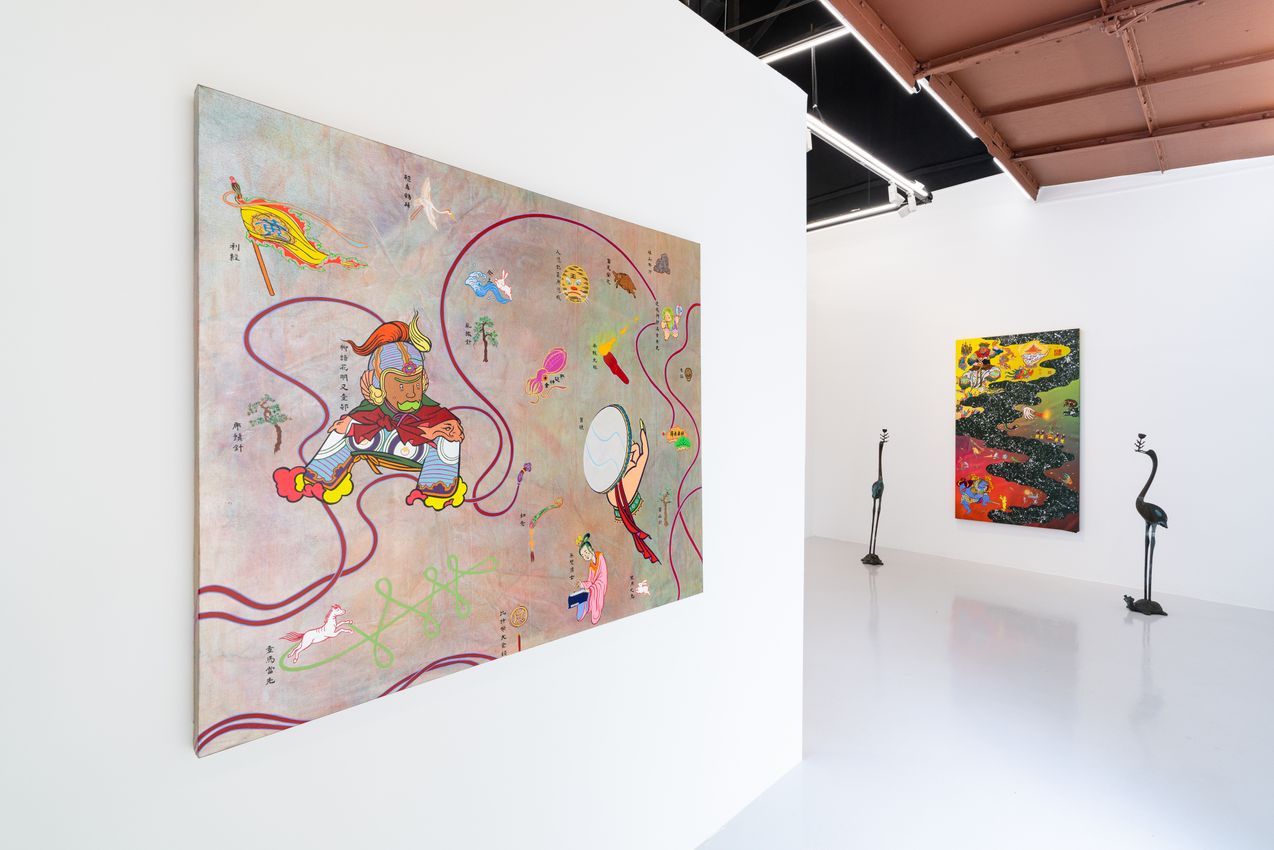
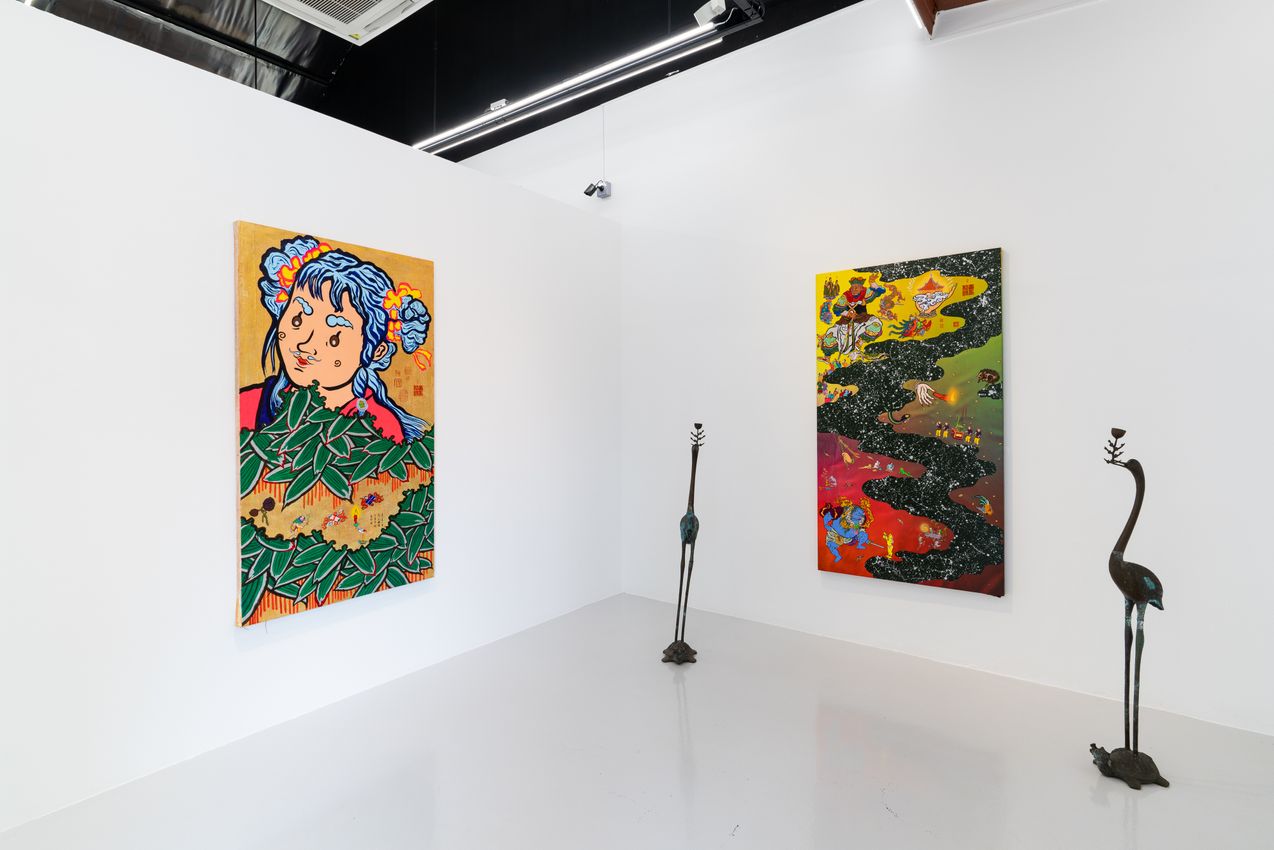
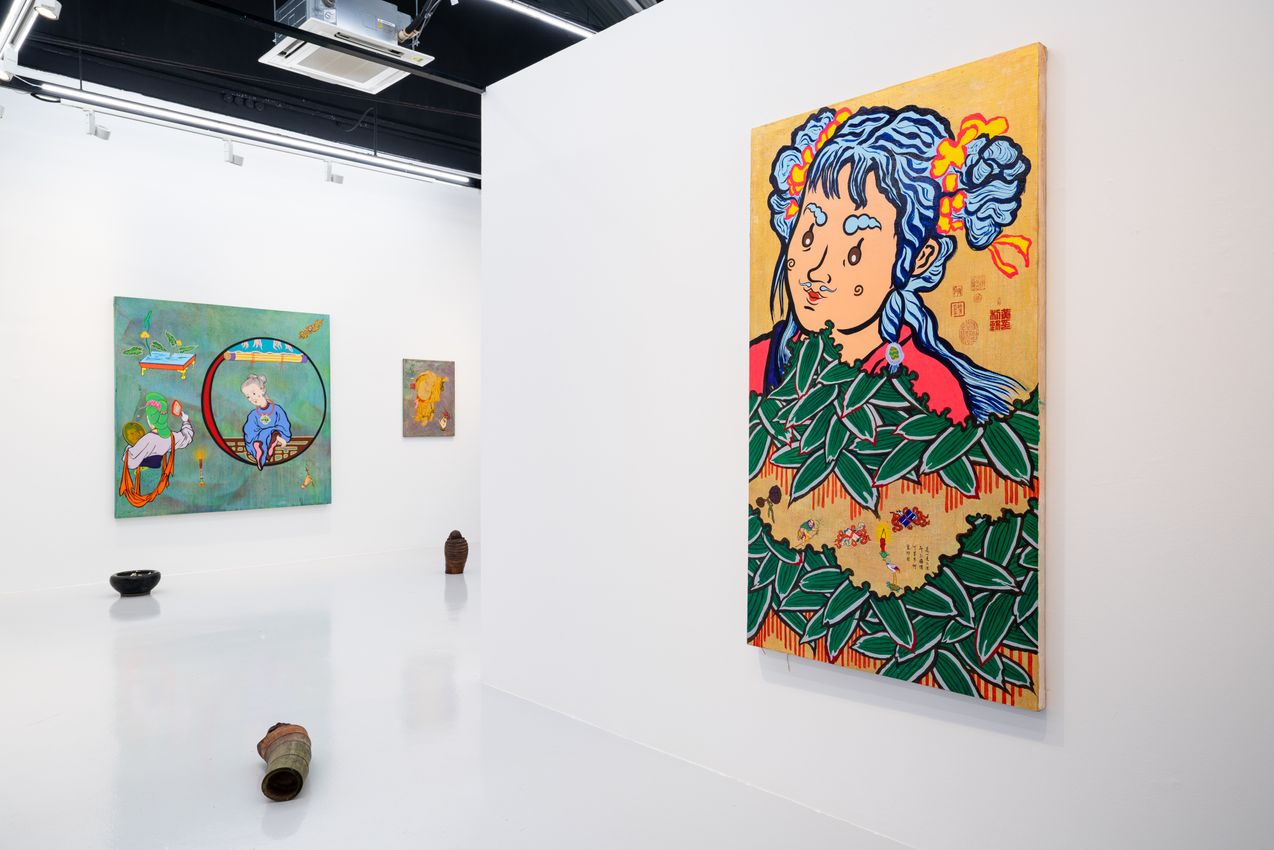
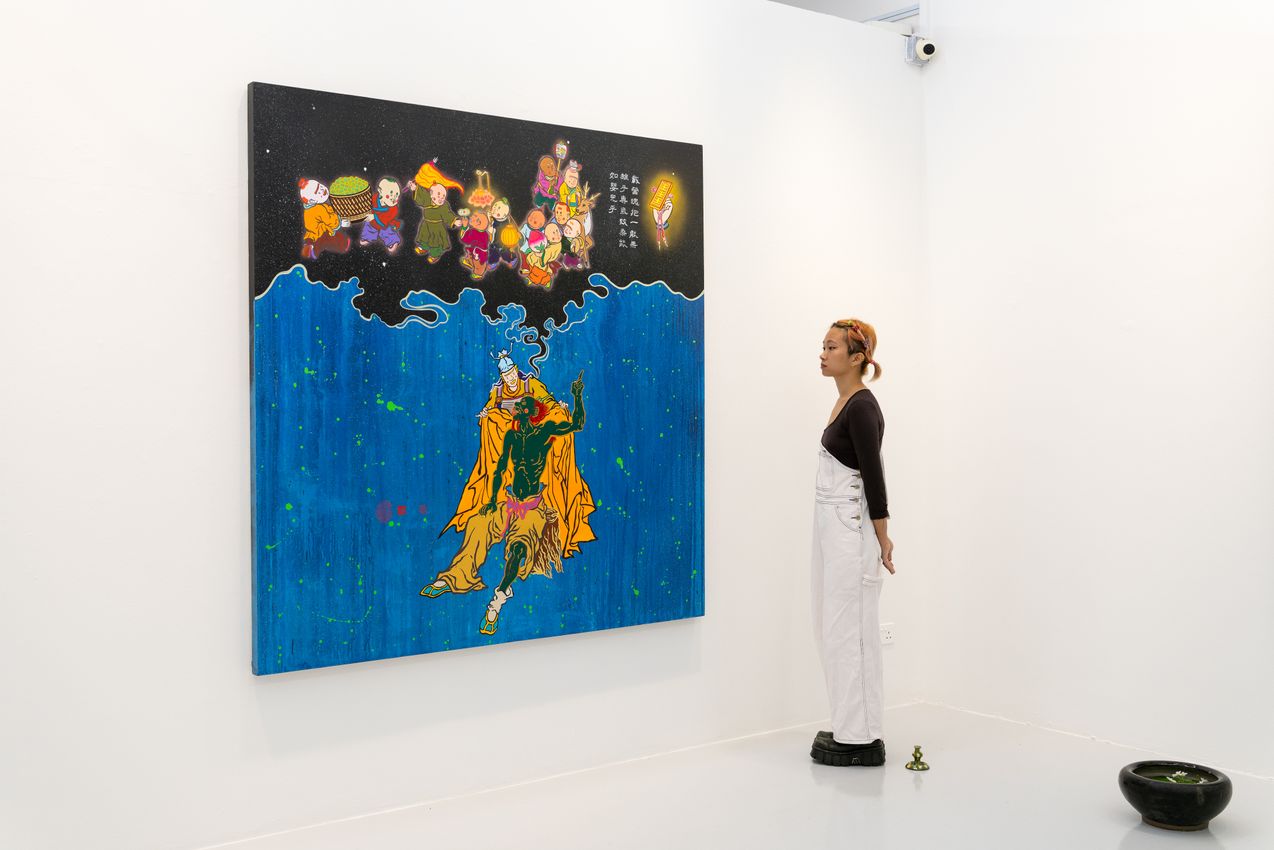
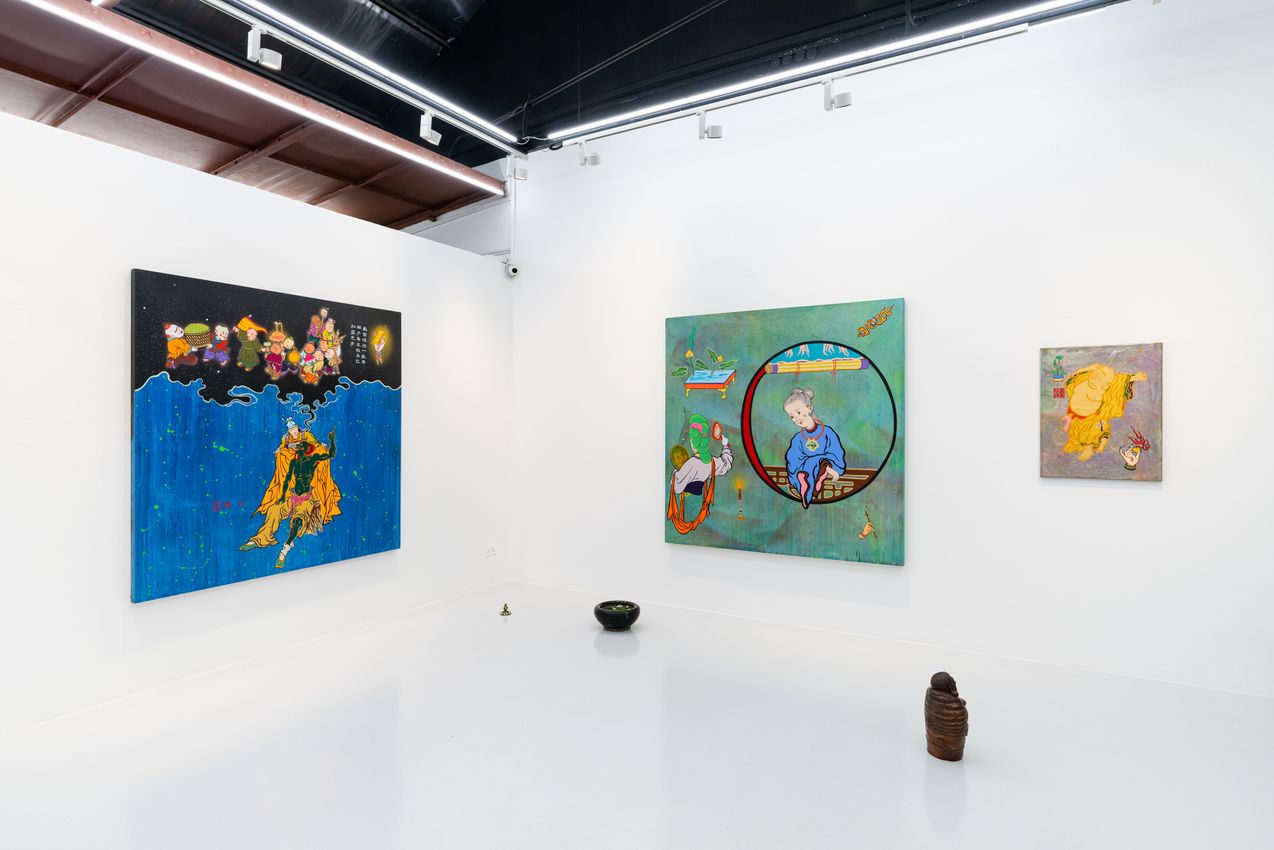
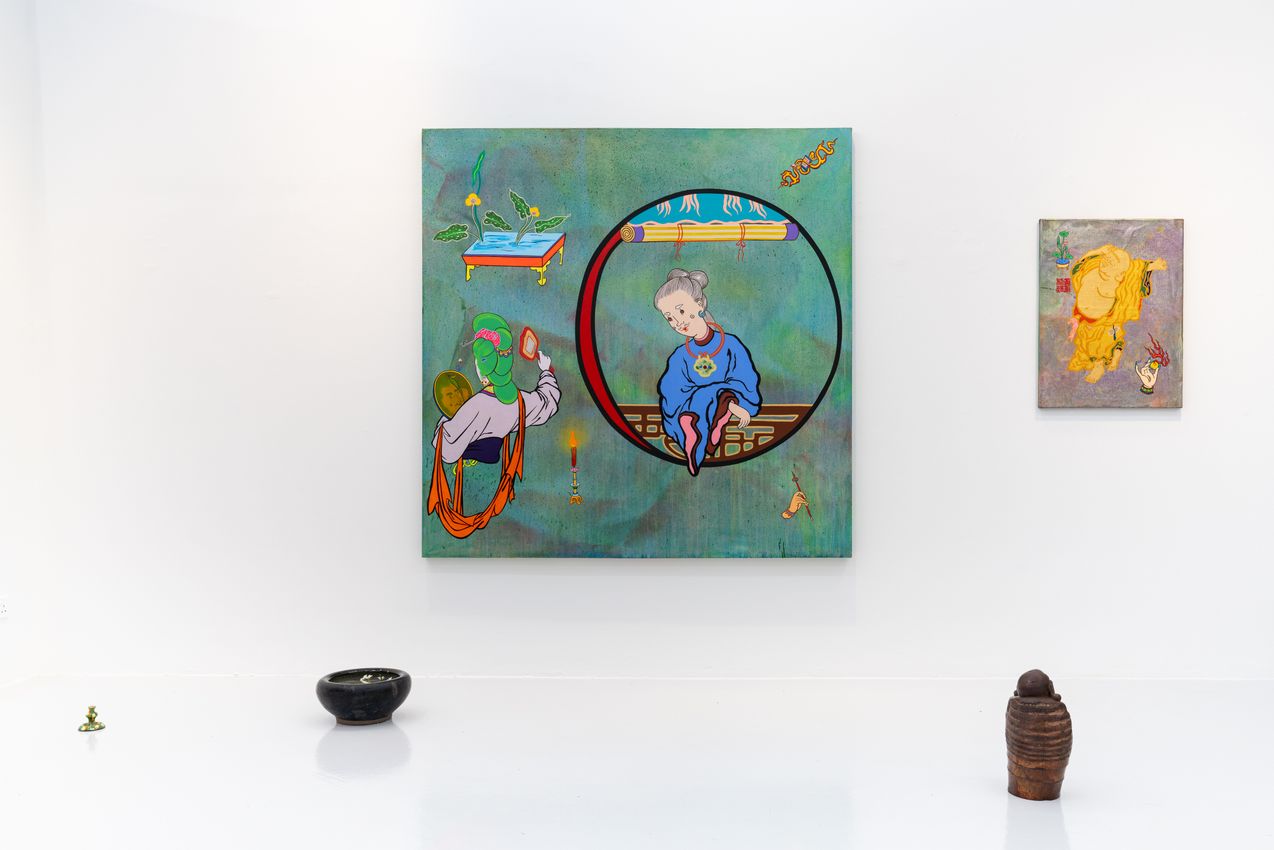
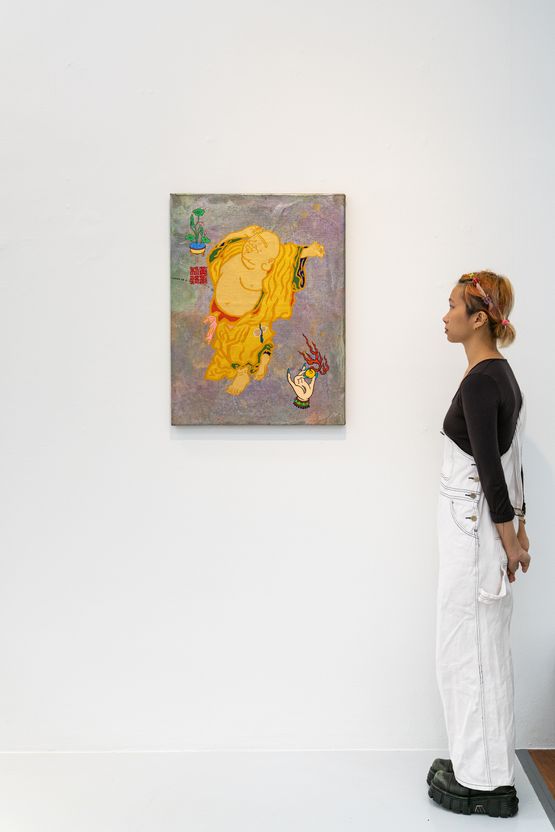
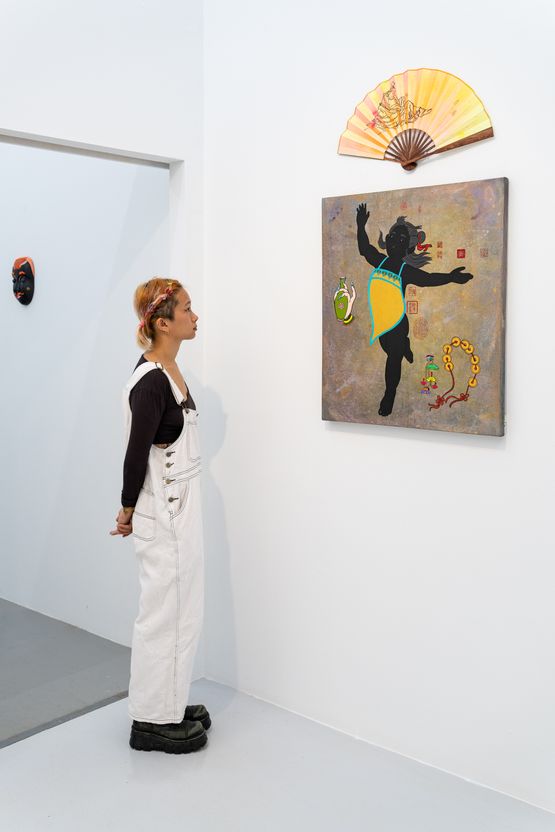
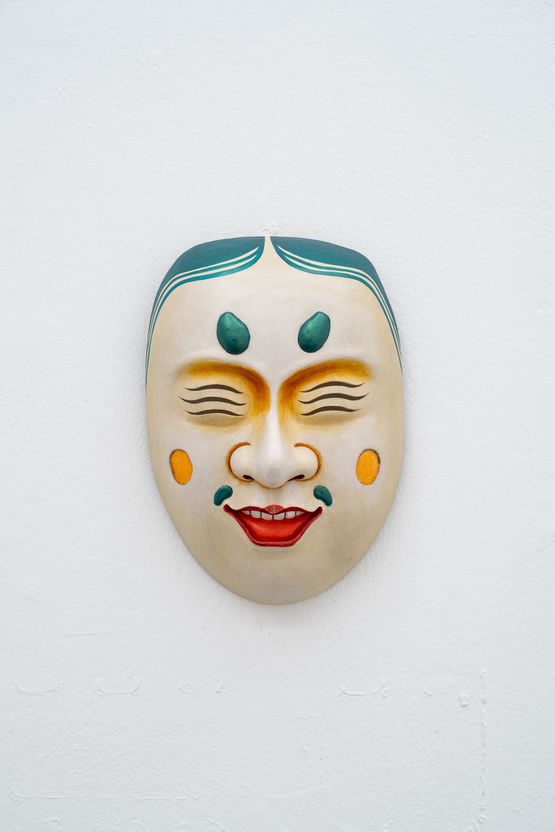
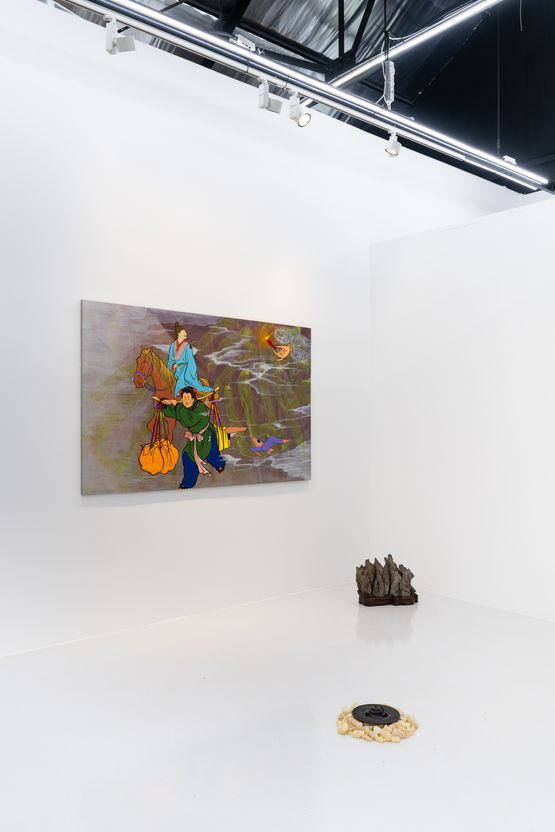
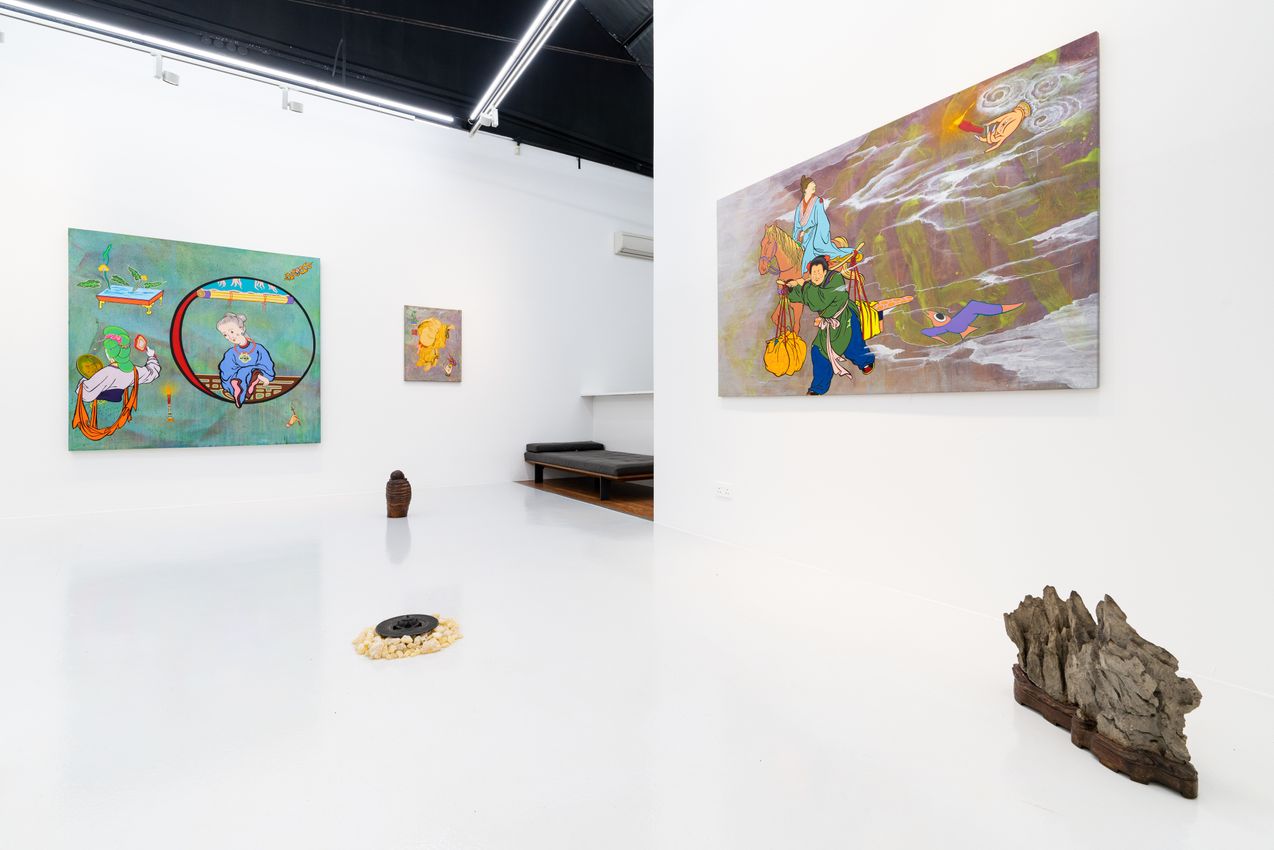
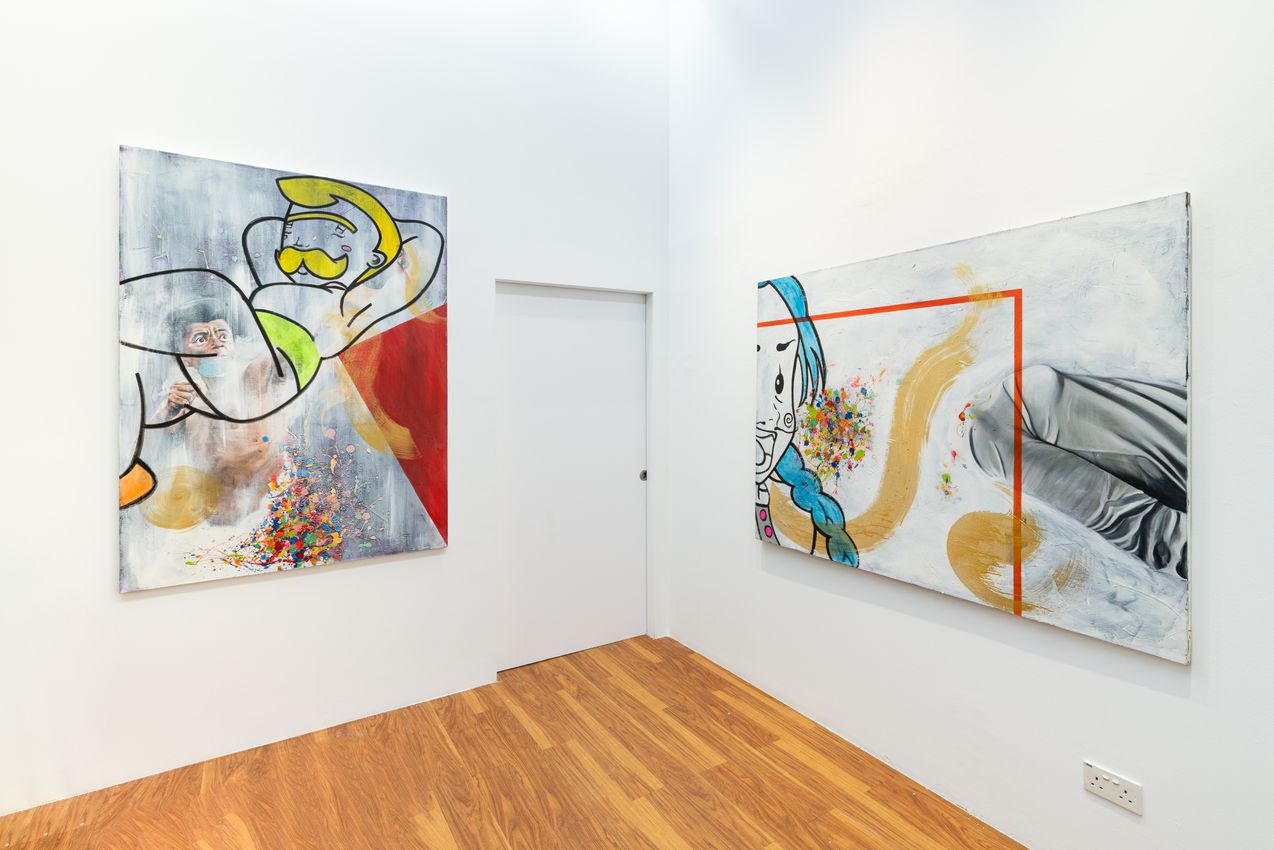
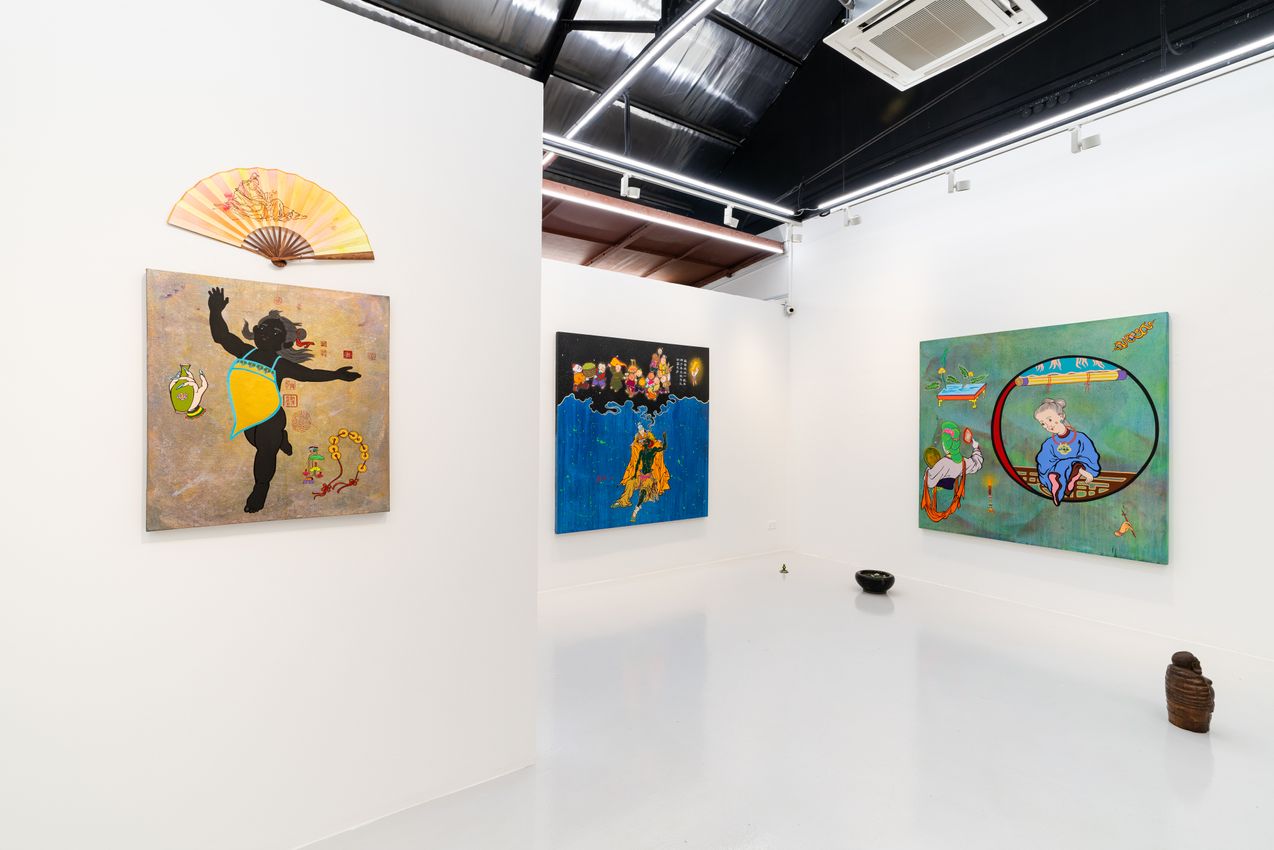
In his upcoming solo exhibition at Yeo Workshop, the artist presents a new body of paintings that continue to feature his manga-like characters—Lilou, Ooomoo and Gemunggal. He has been developing these alter egos over the years, as they appear recurrently in his paintings, such that they have become recognisable leitmotifs that encapsulate a deep appreciation for the Literati movement in the Sinosphere imbued with Warholian spirit. Combining the sensibilities of Pop Art and classical Chinese ink painting, Wong’s paintings are suffused with iconography that might seem recognisable to many, borrowed from a variety of sources including Chinese calligraphy, totems, Japanese kyōga (comic pictures; 狂画 kuáng huà), film and design. Such icons and motifs range from the Buddhist hand mudras and seals to the Chinese celestial gods like Qianliyan, at times paired with Chinese idiomatic phrases and old adages that have been deliberately mistranslated in an accompanying English glossary. This exhibition, Mother Flippin’ Heavens! 翻天印 (fān tiān yìn) builds on the distinct pictorial language and vocabulary the artist has refined over the years. Where ancient classical texts such as Laozi’s Tao Te Ching and Tao Yuanming’s The Peach Blossom Spring underpin the exhibition, it considers the rhetoric of utopia as its central question. Visitors can scan the QR codes beside each painting to discover the various literature, imagery and music in association with the iconography embedded within his works. Using pastiche to subvert conventions, Wong invites visitors to take what they will from the manifold symbolisms they might gather from his paintings.


Wong Lip Chin (b. 1987, Singapore) is an interdisciplinary artist based between Singapore and Shanghai, his practice spanning the range from painting to installation to performance. He began his artistic career as a painter, but his more recent creative trajectory is centered on multi-sensorial modalities in art, especially the olfactory, auditory and gustatory. His works tend toward a strongly autobiographical bent, dealing with issues and shifts in his personal life, which are often related through narratives involving Lilou and Oomoo. The latter are two manga-like characters that serve as the artist’s alter egos, and were borne of his life-long fascination with the imagery and pictorial language of the wider visual world, from film to comics to design. Of late, his works have also addressed themes concerning speculative or vernacular histories pertinent to the folkloric traditions of the Sinosphere.


Yeo Workshop is a contemporary art gallery based in Singapore’s Gillman Barracks, dedicated to showcasing Southeast Asian artists who push the boundaries of visual culture. From traditional painting and sculpture to cutting-edge digital media, the gallery fosters a bold and diverse program that engages with pressing socio-cultural issues, encouraging critical dialogue and fresh perspectives.

A respected voice in contemporary art discourse.
Focusing on ambitious storytelling and insightful art-world commentary. Ocula Magazine publishes in-depth interviews, critical essays and timely analysis on the artists, exhibitions and ideas driving the global art world.
Learn more about Ocula Magazine
Showcasing the best of the art world.
Ocula partners with galleries from around the world to highlight their artists, artworks and exhibitions. Gallery membership is by application and invitation, with each member vetted by an independent panel.
Learn more about Ocula Membership

Specialises in the sale of major artworks.
Led by a team with deep ties to the world’s leading auction houses, galleries and collectors. Ocula’s advisory team offers bespoke services to high-net-worth clients from around the world who are looking to acquire the best of contemporary and modern art.
Learn more about our team and services