






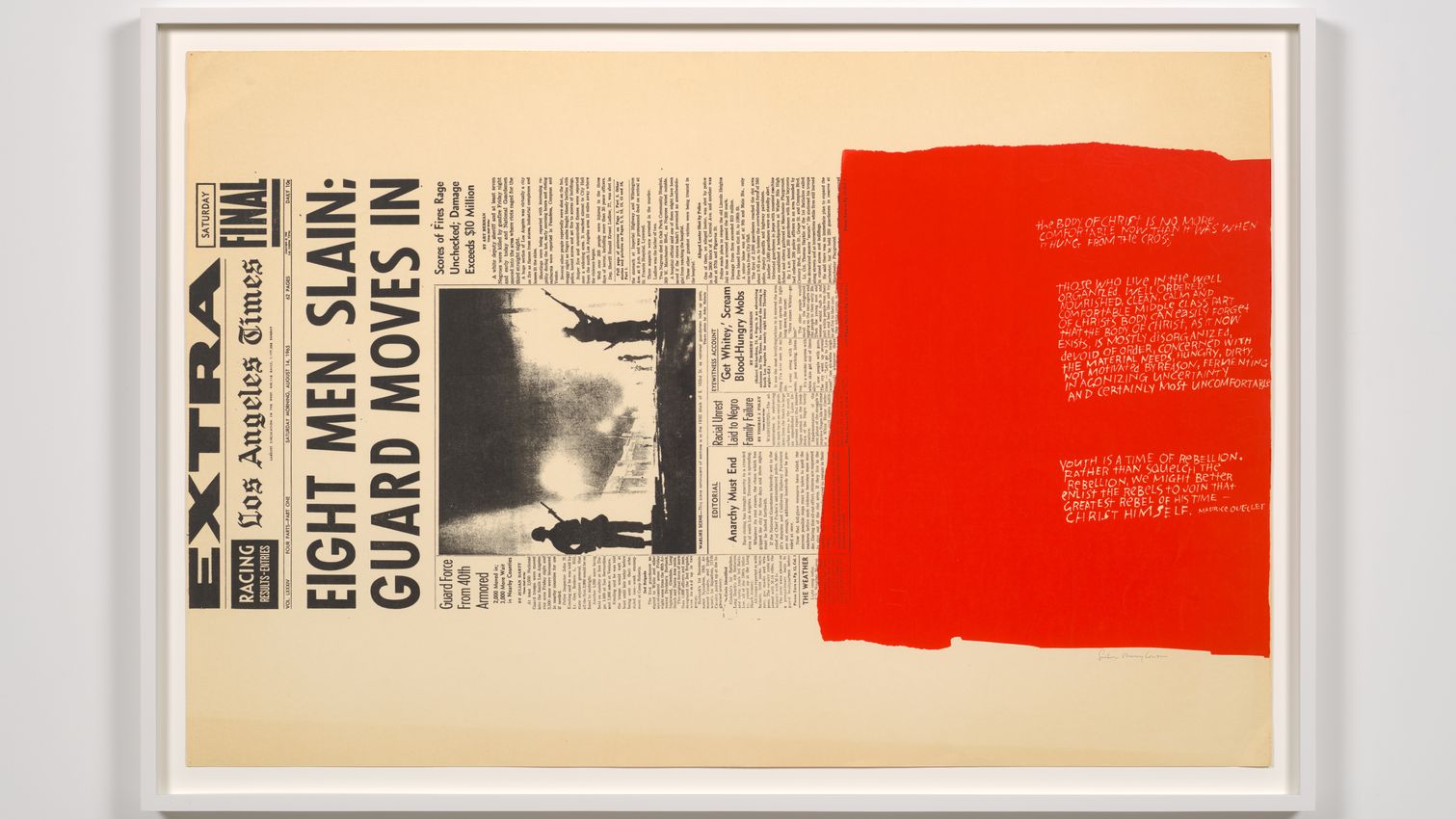
CORITA KENT
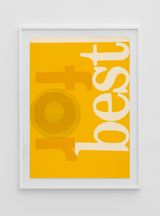
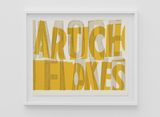
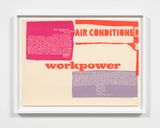
1918-1986, United StatesCorita Kent (1918–1986) was an artist, educator, and advocate for social justice. At age 18, she entered the religious order Immaculate Heart of Mary. After teaching art at Immaculate Heart College for many years, she became the chair of the art department in 1964. While her first prints consisted of dense, figurative compositions with religious themes and iconography, by 1962 her work evolved into a singular mode of Pop art. Reflecting a wide breadth of disciplinary interests, her bright compositions were not limited to the staple imagery and language of consumer and mass culture but also integrated philosophy, literature, street signage, scripture, and song lyrics in bold text and abstract forms.
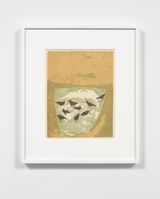
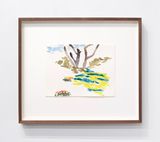
Throughout the ‘60s, her work became increasingly political, urging viewers to consider poverty, racism, and social injustice. In 1968, she sought dispensation from her vows and moved to Boston following mounting pressure from the conservative Archdiocese of Los Angeles, as well as exhaustion from her increasingly public profile. After 1970, her work evolved into a sparser, introspective style, influenced by living in a new environment, a secular life, and her battles with cancer. She remained active in social causes until her death in 1986. At the time of her death, she had created almost 800 screen-print editions, thousands of watercolours, and innumerable public and private commissions.
Corita Kent’s work is held in the collections of the Museum of Modern Art, NY; Whitney Museum of American Art, New York, NY; Brooklyn Museum, Brooklyn; Hammer Museum, Los Angeles; Los Angeles County Museum of Art, Los Angeles, CA; SFMOMA, San Francisco, CA; National Gallery of Art, Washington DC; Ludwig Museum, Cologne; Victoria and Albert Museum, London, England; mumok, Vienna; Centre Pompidou, Paris; Frac Ile-de-France, Paris; Art Gallery of New South Wales, Sydney, among others. Notable exhibitions include: Corita Kent: Get With The Action, Ditchling Museum of Art+Craft, Ditchling, England (2019); Corita Kent and the Language of Pop, Harvard Art Museums, Cambridge, MA (2015); Someday is Now, Tang Museum, Saratoga Springs, NY (2013); People Like Us: Prints from the 1960s by Sister Corita, Museum Ludwig, Cologne, Germany (2007).
The Corita Art Center, a project of the Immaculate Heart Community, preserves and promotes Corita Kent’s art, teaching, and passion for social justice. Today, the Corita Art Center supports exhibition loans and public programs, oversees image and merchandising rights, and serves as a resource of information about her life and work.
Courtesy Andrew Kreps Gallery

Works at Andrew Kreps Gallery

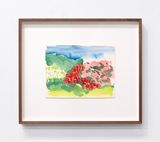

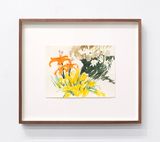

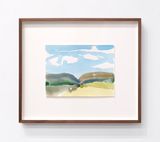





Recently Exhibited





Explore and Follow Artists Shaping Contemporary Art
A respected voice in contemporary art discourse.
Focusing on ambitious storytelling and insightful art-world commentary. Ocula Magazine publishes in-depth interviews, critical essays and timely analysis on the artists, exhibitions and ideas driving the global art world.
Learn more about Ocula Magazine
Showcasing the best of the art world.
Ocula partners with galleries from around the world to highlight their artists, artworks and exhibitions. Gallery membership is by application and invitation, with each member vetted by an independent panel.
Learn more about Ocula Membership
Specialises in the sale of major artworks.
Led by a team with deep ties to the world’s leading auction houses, galleries and collectors. Ocula’s advisory team offers bespoke services to high-net-worth clients from around the world who are looking to acquire the best of contemporary and modern art.
Learn more about our team and services