





FIONA PARDINGTON
b. 1961, New ZealandFiona Pardington MNZM is an esteemed New Zealand photographer of Māori (Kāi Tahu, Kāti Mamoe, Ngāti Kahungunu) and Scottish (Clan Cameron of Erracht) descent. Known for emotionally charged, meticulously crafted photographs, she explores memory, history, identity, conservation and the spiritual charge of taonga, museum collections and specimens of rare or extinct species. In 2026, she will represent Aotearoa New Zealand at La Biennale di Venezia, following recent visibility in major institutional contexts, including the NGV Triennial and The Metropolitan Museum of Art’s rehang of The Michael C. Rockefeller Wing.
Artistic Practice and Career
Pardington rose to prominence in the late 1980s with silver gelatin prints exploring the body, the female gaze, sexuality, implied violence and fetishism, often framed by dense, collaged text. She contributed to the international ascendency of women photographers of the period, challenging male‑dominated, painting‑led paradigms in contemporary art.
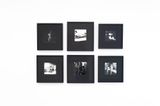
The travelling survey Fiona Pardington: A Beautiful Hesitation (2015–16), organised by City Gallery Wellington and later shown at Auckland Art Gallery Toi o Tāmaki and Christchurch Art Gallery Te Puna o Waiwhetū, presented more than three decades of work. It traced her movement through subjects including rare and extinct birds, nests, hei tiki, vanitas still lifes, 1950s soft‑core pornography, phrenological casts, children’s letters, ornamental glass horses, plaster fungi and Nabokov’s butterflies, revealing a sustained interest in how objects hold layered histories.
Across these projects she demonstrates a refined command of scale, colour and illumination, creating photographs that hover between still life, portrait and relic. Her work draws deeply on the histories of Aotearoa New Zealand and its entanglements with Europe, while engaging global debates around colonial archives, museology and ecological loss. An expert in analogue darkroom processes and tonal manipulation, she moves from velvety black‑and‑white prints to saturated colour still lifes, sustaining a distinctly sensual photographic language.
Important motifs and series
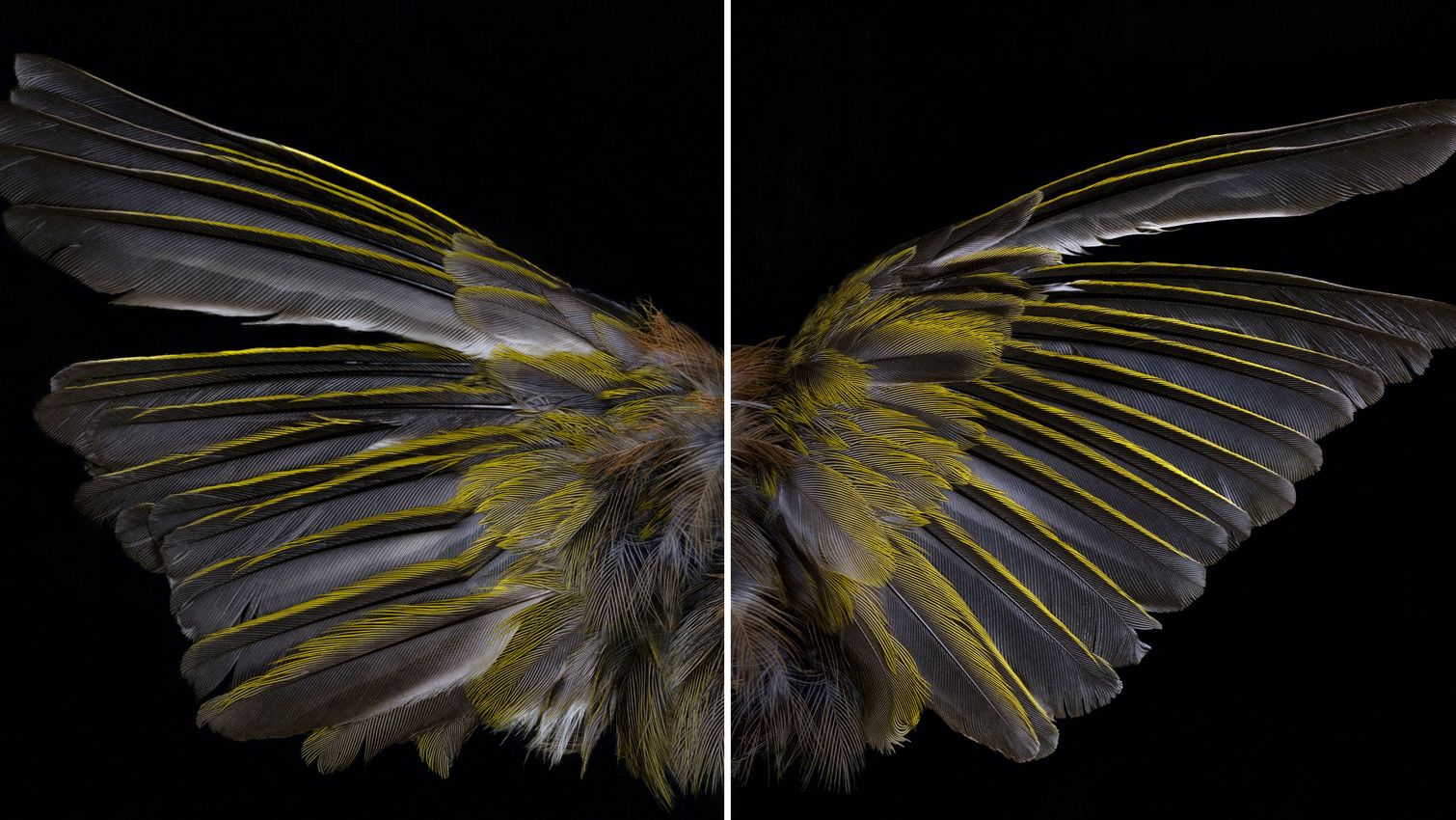
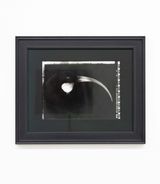
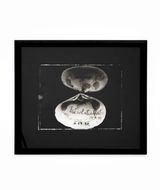
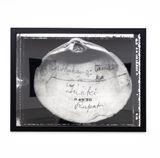
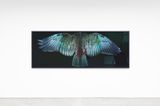
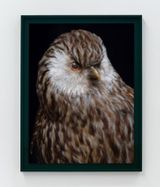
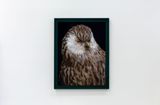
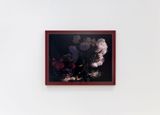
Pardington’s key motifs and series include The Pressure of Sunlight Falling (2010–11), a landmark cycle of large-scale, darkly luminous photographs of nineteenth-century plaster life casts made on Jules Dumont d’Urville’s Pacific voyages, first shown at Govett‑Brewster Art Gallery and Dunedin Public Art Gallery and later anchoring Fiona Pardington: A Beautiful Hesitation at City Gallery Wellington and Auckland Art Gallery Toi o Tāmaki, as well as institutional shows in Australia and major collections abroad. Alongside this are sumptuous colour vanitas still lifes that use shells, glassware, flowers and textiles to meditate on mortality and the histories of trade and collecting; sustained investigations of birds, especially rare and extinct manu held in natural history collections, which she recasts as taonga in images that function as mourning and ecological warning; and emblematic huia portraits and feather studies, which honour chiefly mana while confronting extinction, and are now represented in institutions such as The Metropolitan Museum of Art.
Accolades and international recognition
Pardington has participated in numerous institutional exhibitions and biennales and received significant honours. She was Moët et Chandon Artist‑in‑Residence in France (1991), held the Frances Hodgkins Fellowship twice (1996, 1997), and in 2013 undertook the prestigious McCahon House Artists’ Residency in Titirangi. In 2011 she received both an Arts Foundation Laureate Award and the Quai Branly Laureate Award: La Résidence de Photoquai, and in 2016 became the first New Zealand artist to be made a Chevalier of the Ordre des Arts et des Lettres by the French Government.
Her recent international profile includes the Metropolitan Museum of Art’s acquisition and display of Solitary Female Huia (2006, reprinted 2024) and Hei Tiki (female) as touchstones in the reimagined Michael C. Rockefeller Wing for global Indigenous art. In Australia, her work has been shown at Queensland Art Gallery | Gallery of Modern Art and the National Gallery of Victoria, with NGV Triennial inclusion signalling her importance to contemporary and decolonial museum discourses.
Collections
Her photographs are held in major public collections including Te Papa Tongarewa, Auckland Art Gallery Toi o Tāmaki, Christchurch Art Gallery Te Puna o Waiwhetū, Govett-Brewster Art Gallery, Dunedin Public Art Gallery, the University of Auckland Art Collection, Musée du quai Branly – Jacques Chirac, the National Gallery of Canada, the National Gallery of Art (Washington, DC), Queensland Art Gallery | Gallery of Modern Art, the National Gallery of Victoria and The Metropolitan Museum of Art.
Fiona Pardington FAQs
What defines Fiona Pardington’s artistic practice?
Fiona Pardington’s practice is characterised by her innovative approach to photography, often working within and extending the still-life genre. Her work frequently focuses on taonga (Māori ancestral treasures), museum objects, and extinct or endangered species. By breathing life into these objects through her lens, she raises awareness of cultural preservation and conservation. Her photographs are renowned for their emotional intensity, technical mastery, and ability to convey the intangible. She often employs analogue darkroom techniques such as hand printing and toning to create richly textured images imbued with mystery and cultural depth.
What are Fiona Pardington’s most celebrated works?
Key projects include the Quai Branly Suite of Nine Hei Tiki, The Pressure of Sunlight Falling and Nabokov’s Blues, alongside ongoing huia portraits and vanitas still lifes.
Which important institutional collections include Fiona Pardington’s work?
Internationally, Fiona Pardington’s work is represented in the Musée du quai Branly – Jacques Chirac in Paris, the National Gallery of Canada (Ottawa), the National Gallery of Art (Washington, DC), the Queensland Art Gallery | Gallery of Modern Art, the National Gallery of Victoria, and The Metropolitan Museum of Art in New York, among others. These institutions hold works ranging from the Quai Branly Suite of Nine Hei tiki to major huia and life‑cast photographs, underscoring her standing within global museum contexts and debates around photography, colonial collecting, and Indigenous representation. Upcoming exhibitions include her representation at the Venice Biennale in 2026 under the curation of Christchurch Art Gallery Te Puna o Waiwhetū.
Why is Fiona Pardington a significant contemporary artist?
By animating historical and museological objects while addressing identity, memory, decolonisation and conservation, Pardington has become one of Aotearoa New Zealand’s most influential contemporary artists. Her Biennale representation and sustained presence in leading museums further consolidate her global standing.
Ocula | 2026

Fiona Pardington's Exhibitions Opening Soon


View Fiona Pardington's Artworks



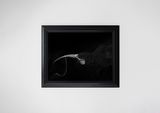


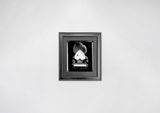


161 x 124 x 6 cm
1301SW Request Price & Availability


161 x 124 x 6 cm
1301SW Request Price & Availability

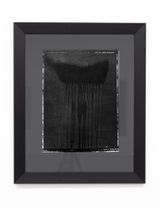

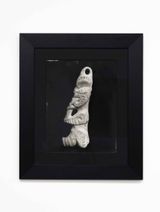







160 x 124 x 6 cm
Starkwhite Request Price & Availability

152.8 x 122.2 x 4.2 cm
1301SW Request Price & Availability









Explore and Follow Artists Shaping Contemporary Art
A respected voice in contemporary art discourse.
Focusing on ambitious storytelling and insightful art-world commentary. Ocula Magazine publishes in-depth interviews, critical essays and timely analysis on the artists, exhibitions and ideas driving the global art world.
Learn more about Ocula Magazine
Showcasing the best of the art world.
Ocula partners with galleries from around the world to highlight their artists, artworks and exhibitions. Gallery membership is by application and invitation, with each member vetted by an independent panel.
Learn more about Ocula Membership
Specialises in the sale of major artworks.
Led by a team with deep ties to the world’s leading auction houses, galleries and collectors. Ocula’s advisory team offers bespoke services to high-net-worth clients from around the world who are looking to acquire the best of contemporary and modern art.
Learn more about our team and services