





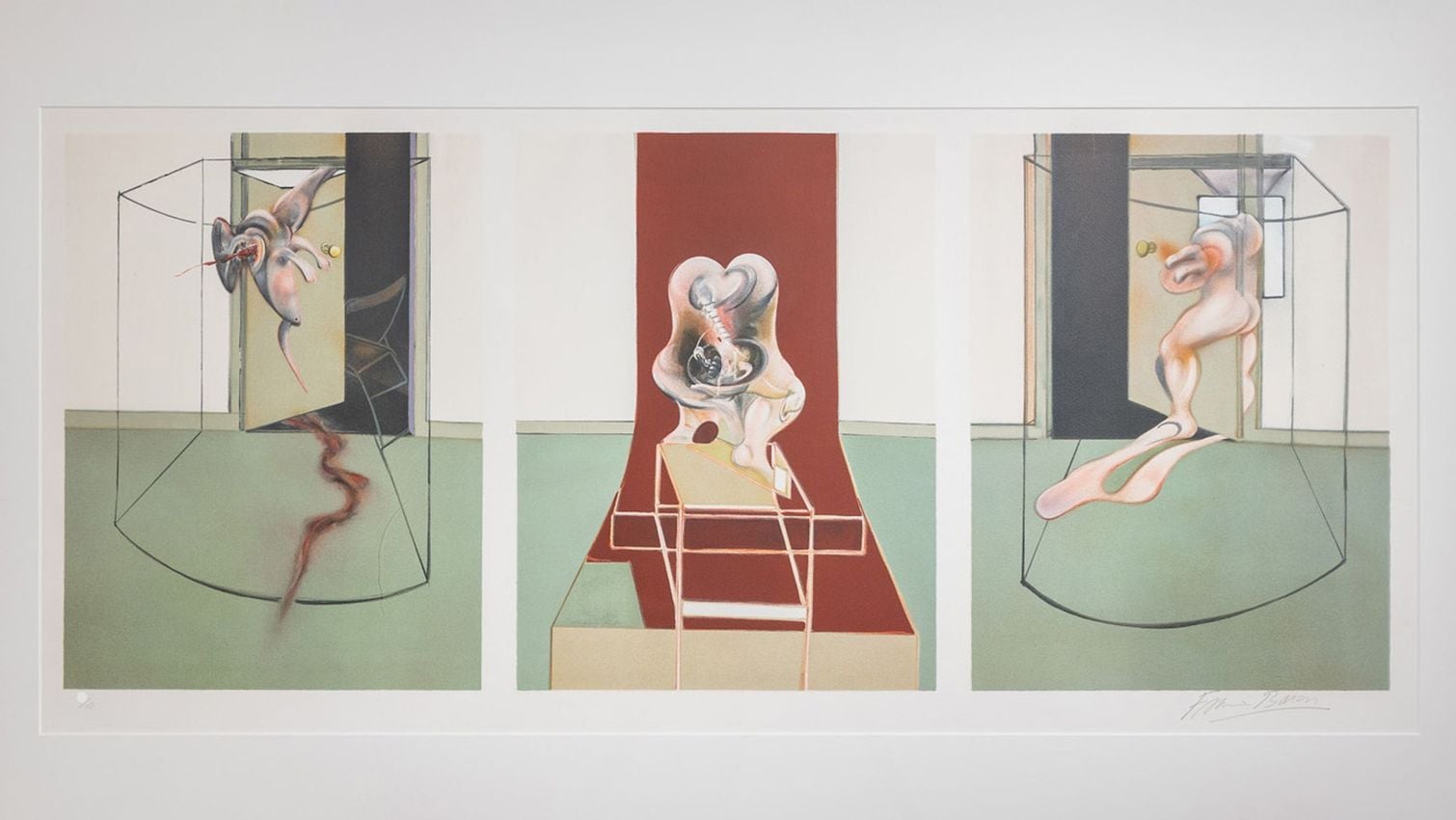
FRANCIS BACON
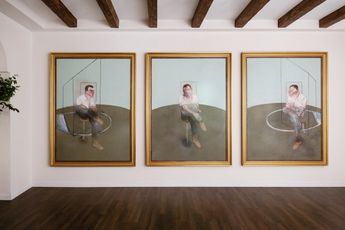
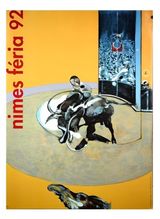
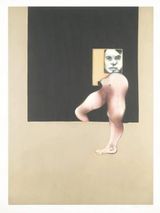
1909-1992, IrelandRenowned for his vehement and often disturbing imagery, the Irish-born British figurative painter is revered as one of the giants in the contemporary era, having conjured up some of the most iconic images depicting agonised humanity in the post-WWII period. Bacon steadfastly rejected various attempts to classify his work, instead describing himself as a “post-traditional painter”, one who rendered “the brutality of fact”. Drawing inspirations from cinema, photography, and not least the Old Masters, he created an idiosyncratic style combining the grotesque and the ethereal, thereby symbolising human suffering since time immemorial. Entirely self-taught, Bacon did not begin to paint in earnest until his late 20s, having spent years on finding subject-matters capable of sustaining his interest. It would appear that much of his art was born out of coincidence and serendipity: a chance viewing of the Soviet cinema pioneer Sergei Eisenstein’s Battleship Potemkin (1925) in Berlin in 1927, followed by the casual acquisition of a hand-coloured book illustrating oral diseases in Paris in 1935, would prove to be the sowed seed that reaped a hundredfold. Bacon employed such an extensive range of materials as paint, pastel, pigment, aerosol, fixative, turpentine, dust, sand, roller sponges, cotton wool, and even cut-off ends of corduroy to add depth and volume to his paintings.
Recently Exhibited

Works Elsewhere



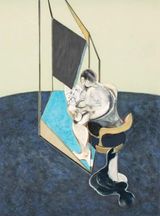

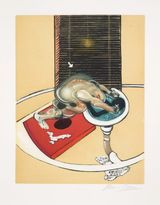
67.5 x 52 cm
Baldwin Contemporary Request Price & Availability

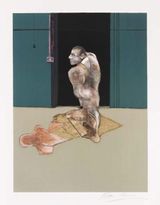

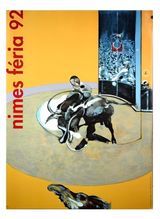





Francis Bacon in Ocula Magazine









Explore and Follow Artists Shaping Contemporary Art
A respected voice in contemporary art discourse.
Focusing on ambitious storytelling and insightful art-world commentary. Ocula Magazine publishes in-depth interviews, critical essays and timely analysis on the artists, exhibitions and ideas driving the global art world.
Learn more about Ocula Magazine
Showcasing the best of the art world.
Ocula partners with galleries from around the world to highlight their artists, artworks and exhibitions. Gallery membership is by application and invitation, with each member vetted by an independent panel.
Learn more about Ocula Membership
Specialises in the sale of major artworks.
Led by a team with deep ties to the world’s leading auction houses, galleries and collectors. Ocula’s advisory team offers bespoke services to high-net-worth clients from around the world who are looking to acquire the best of contemporary and modern art.
Learn more about our team and services