





GRETCHEN BENDER
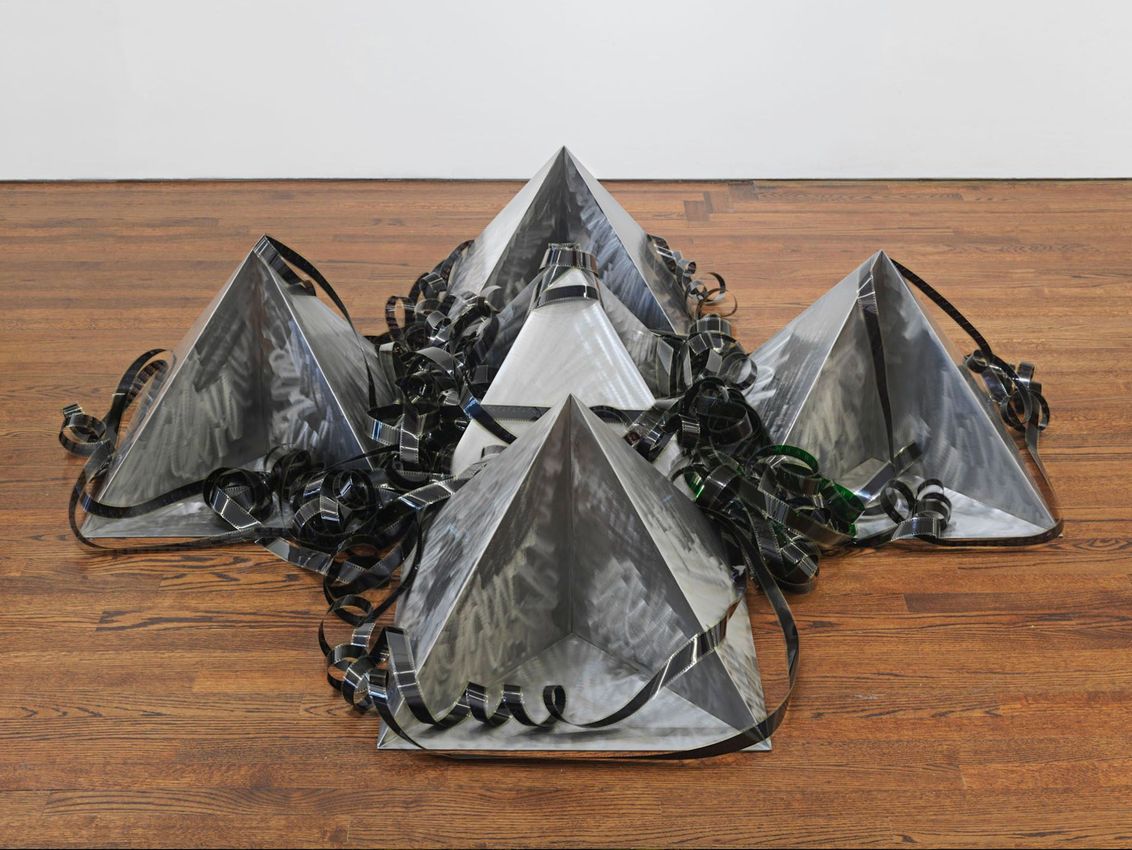
1951-2004, United StatesGretchen Bender was an influential figure in late twentieth-century American art and a key observer of the effects of the inundation of mass media on the human experience. The immersive ‘electronic theater’ installations that she produced in New York in the 1980s are groundbreaking mixtures of sculpture, video, sound and performance that subverted the power of corporate imagery on collective consciousness and prefigured the practices of many younger artists in the post-Internet age.
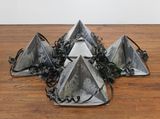
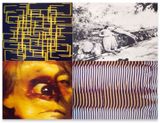
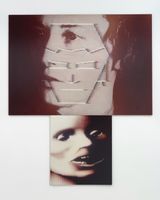
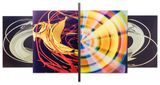
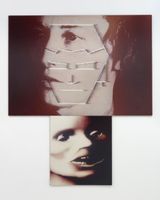
Part of the first generation raised on television, Bender began her career as part of a feminist and Marxist screen-printing collective in Washington, DC. After moving to New York, Bender created The Pleasure is Back in the early 1980s, a series of wall-based works comprised of silkscreens and photographs printed on tin; in cruciform arrangements. She juxtaposed works by historical and contemporary artists with imagery shot straight from television screens—faces twisted in pleasure or pain, at times gruesome and difficult to view. This strategy of appropriation aligned her with artists of the Pictures Generation, such as Robert Longo, Cindy Sherman, Louise Lawler, Sherrie Levine, Barbara Kruger and Richard Prince. Yet her emphasis on film and television as source material, and her embrace of spaces beyond galleries and institutions, set her apart from her peers.
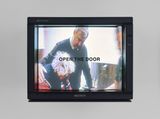
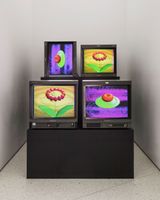
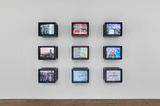
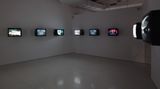
Bender pivoted to using moving images themselves in 1984, with projects that catalyzed her efforts to understand and examine media spectacle from within. In both Wild Dead and Dumping Core (1984), which premiered respectively at single-evening events in a New York discotheque and the nonprofit art space The Kitchen, Bender created multichannel video installations of computer-generated graphics that used rapid-fire editing and thumping soundtracks. Part sculpture, part theatrical experience, these works paved the way for her 1987 masterwork Total Recall, a visual symphonic display across twenty-four monitors and three projections that combines fragments of films, commercials and news broadcasts. Bender’s alluring, virtuoso editing skills, pulled directly from mass media but intensified to an extreme, forces spectators to become active participants in the viewing experience rather than passive, late-capitalist consumers.
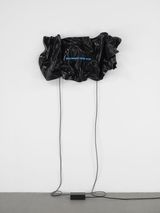
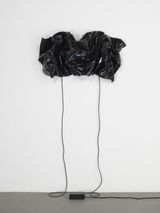
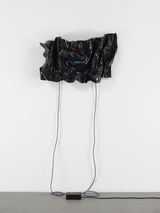
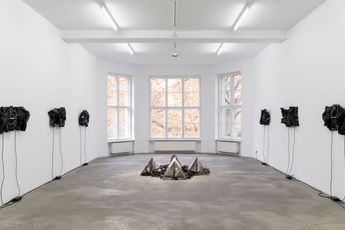
In the late 1980s and 1990s, Bender produced sculptures using innovative techniques and materials, including the monumental installation People in Pain (1988). Crumpled sheets of shiny black vinyl line an over forty-foot-long wall, backlit by blue neon; each displays the name of a movie then in production, which Bender culled from the pages of Variety and other Hollywood trade magazines. While some titles are still recognizable, most are long forgotten, such that the work marks the passage of time and eulogizes the labor and memory constantly lost to history in the fast-paced information age.
Nearly twenty years after her death, Bender’s works still function to critique the conflation of violence and spectacle in mass communications, as well as the loss of empathy and political agency in the age of corporate media. Simultaneously entertaining and critical, they foreshadow many of today’s immersive, virtual installations—new technologies that Bender would surely have explored herself.
Text courtesy Sprüth Magers
























Explore Gretchen Bender's Exhibitions










Explore and Follow Artists Shaping Contemporary Art
A respected voice in contemporary art discourse.
Focusing on ambitious storytelling and insightful art-world commentary. Ocula Magazine publishes in-depth interviews, critical essays and timely analysis on the artists, exhibitions and ideas driving the global art world.
Learn more about Ocula Magazine
Showcasing the best of the art world.
Ocula partners with galleries from around the world to highlight their artists, artworks and exhibitions. Gallery membership is by application and invitation, with each member vetted by an independent panel.
Learn more about Ocula Membership
Specialises in the sale of major artworks.
Led by a team with deep ties to the world’s leading auction houses, galleries and collectors. Ocula’s advisory team offers bespoke services to high-net-worth clients from around the world who are looking to acquire the best of contemporary and modern art.
Learn more about our team and services