





ROSANA PAULINO
b. 1967, BrazilSince the 1990s, Rosana Paulino has examined the history of violence in Brazil, with a particular focus on issues of slavery, racial stereotypes, and gender. Central to her wide-ranging practice is the reconceptualisation of narratives and images of Afro-Brazilian women.
Early Years
Paulino studied at the Universidade de São Paulo, receiving her Bachelor’s degree in 1995 and doctorate in 2011.
Rosana Paulino Artworks
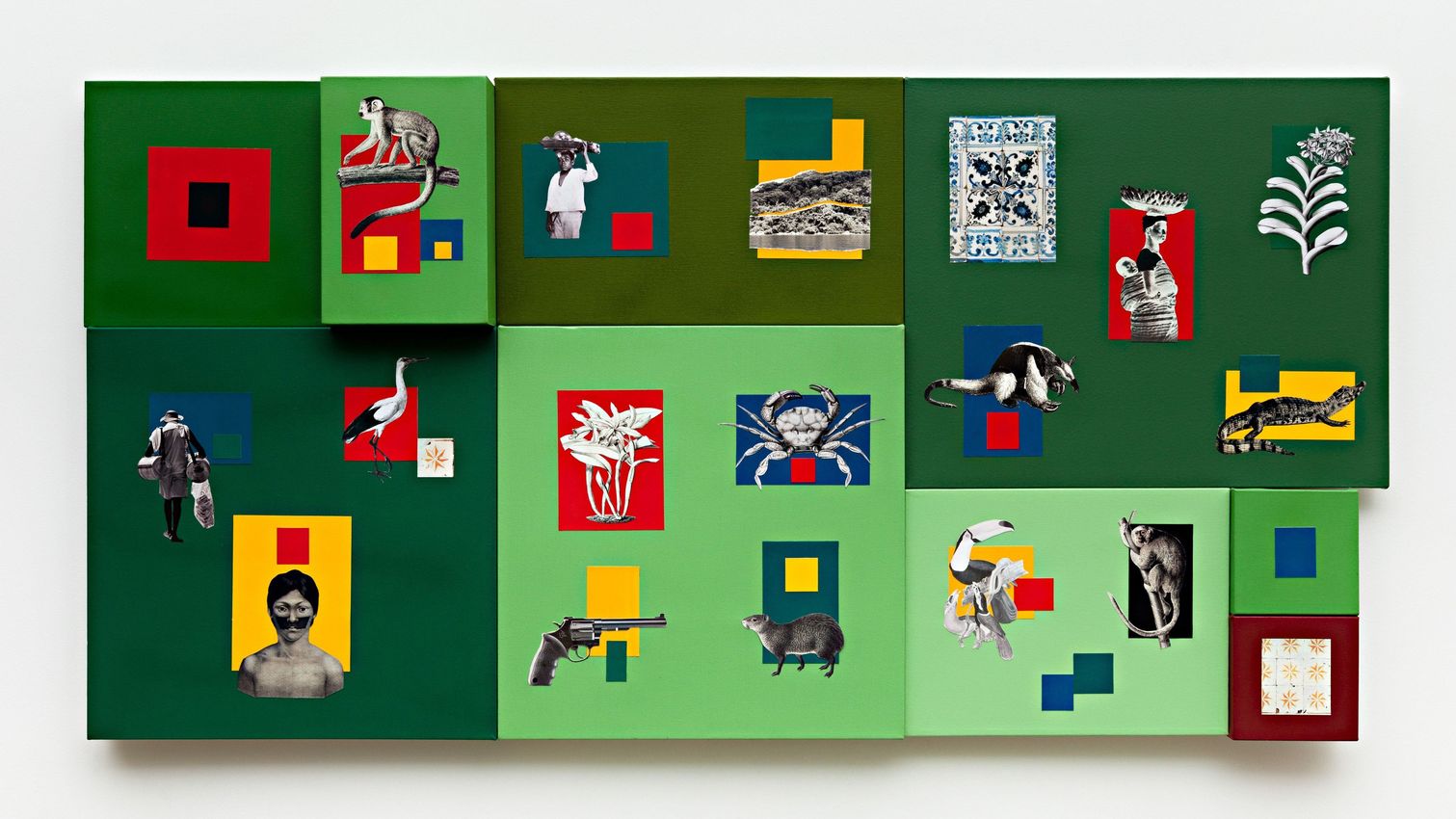
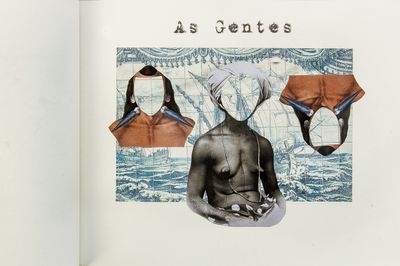
Rosana Paulino’s practice encompasses installations, engravings, drawings, collages, and sculptures, engaging both personal and national histories to address the lasting effects of slavery in Brazil.
Wall of Memory
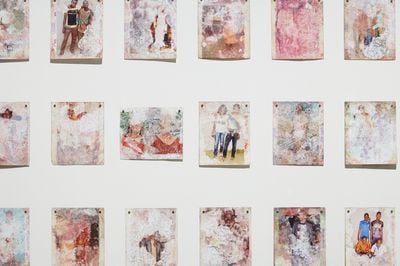
‘Parede da memória’ (Wall of Memory) (1994–2015), which began while Paulino was still an undergraduate, consists of 1500 Brazilian talismans containing small objects known as patuás. Paulino’s square talismans are semi-transparent, revealing printouts of 11 photographs from her family albums through a layer of fabric. Typically presented on a wall in rows, ‘Parede da memória’ transforms otherwise ordinary portraits into potent reliquaries, while shedding light on the historical invisibility of Afro-Brazilians.
Sewing
Paulino’s family members also feature in ‘Bastidores’ (Hoops) (1997), in which printed portraits of her female relatives are stretched on embroidery hoops. Taking a needle and coarse black thread, the artist has sewn over their eyes, mouths, and throats, referencing the violent suppression of Afro-Brazilian people, especially women, in Brazil.
Paulino distinguished between embroidery and sewing in a 2019 interview with New City Brazil, noting that the tendency to equate them reveals ‘just how undervalued these techniques really are.’ Rather than embroidery, Paulino uses suture, an act that suggests ‘a certain amount of force putting the parts together’ and thus violence.
Búfala
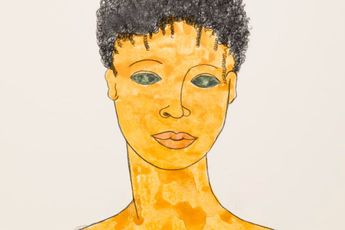
Re-representations of Afro-Brazilian women are at the centre of ‘Búfala’ (She Buffalos), comprising drawings and watercolour paintings of horned women. Sexual and powerful, with bloody eyes and tongues out, the búfala are inspired by Brazilian mythology and act as an antithesis to idealised notions of female beauty in Western art traditions.
Búfala was also the title of Paulino’s first solo exhibition with Mendes Wood DM São Paulo in 2019, which presented, among other works, an installation of clay sculptures depicting female factory workers.
Jatobás
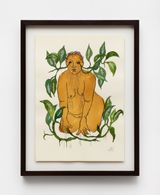
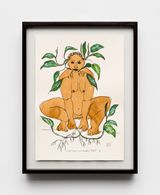
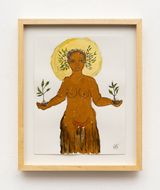
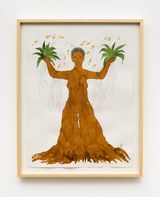
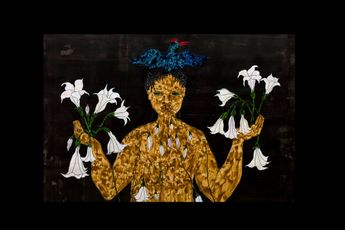
In her exploration of Brazilian mythology, Paulino has worked with the imagery of jatobás, an archetype of female wisdom, that she portrays as women rooted in the ground with branches and palms for their arms. The ‘Jatobá’ series (2019) has been exhibited internationally, including at the 22nd Biennale of Sydney (2020), alongside ‘Búfala’, and the 59th Venice Biennale, The Milk of Dreams (2022).
Awards and Accolades
Rosana Paulino is the recipient of the 2024 Munch Award honouring artistic freedom, presented by Munch Museum in Oslo.
Exhibitions
Rosana Paulino has exhibited internationally. In 2018, she was the first woman artist of colour to hold a major retrospective exhibition at the Pinacoteca de São Paulo, which showed more than 140 works.
Solo exhibitions include The time of things, Mendes Wood DM, São Paulo (2022); Rosana Paulino: The Seam of Memory, Museu de Arte do Rio de Janeiro (MAR) (2019); Rosana Paulino: The Sewing of Memory, Pinacoteca do Estado de São Paulo (2018).
Group exhibitions include The Milk of Dreams, the 59th International Art Exhibition, Venice Biennale (2022); Beyond the Black Atlantic, Kunstverein Hannover (2020); 22nd Sydney Biennale (2020); Afro-Atlantic Histories, São Paulo Museum of Art and Instituto Tomie Ohtake, São Paulo (2018); Here We Are: The Heart of Art, the National Hispanic Cultural Center Art Museum, Albuquerque (2017).
Website
Paulino’s website can be found here.
Rosana Paulino FAQs
What themes does Rosana Paulino explore in her art?
Rosana Paulino’s work focuses on the histories of slavery, racial stereotypes, gender, and the violence endured by Black women in Brazil. She reconceptualises narratives and images of Afro-Brazilian women, addressing both personal and national histories, as well as the lasting effects of colonialism and racism.
Which techniques and materials does Paulino use?
Paulino is known for her technical versatility, employing a range of techniques that include drawing, embroidery, engraving, printmaking, collage, sculpture, and installation. She often uses sewing and suturing as metaphors for violence and healing, distinguishing her approach from traditional embroidery.
What is the significance of ‘Parede da Memória’ (Wall of Memory)?
‘Parede da Memória’ (1994–2015) is a seminal installation consisting of 1,500 talismans containing family photographs. The work transforms personal portraits into reliquaries, highlighting the historical invisibility and silencing of Afro-Brazilians, especially women.
How does Paulino address the representation of Black women in Brazil?
Her art challenges stereotypical and objectified portrayals of Black women, reclaiming agency and identity for her subjects. Paulino’s works often subvert roles historically imposed on Black women, such as wet nurse or maid, and instead foreground individuality, power, and resilience.
Has Rosana Paulino received any major awards or recognition?
Yes, Paulino received the inaugural 2024 MUNCH Award from the Munch Museum in Oslo, honouring artistic freedom, and the Konex Award from Argentina in 2022. She was also the first woman artist of colour to hold a major retrospective at the Pinacoteca de São Paulo in 2018.
What are some of her most notable exhibitions?
Major solo exhibitions include The Sewing of Memory at Pinacoteca do Estado de São Paulo (2018), Nascituras at Mendes Wood DM, São Paulo (2023/2024), and One Becomes Many at Pérez Art Museum Miami (2024/2026). She has also participated in the 59th Venice Biennale (2022), 22nd Sydney Biennale (2020), and Afro-Atlantic Histories at MASP, São Paulo (2018).
What role does mythology play in Paulino’s work?
Paulino frequently draws on Brazilian and Afro-Brazilian mythology, creating archetypes such as the búfala (horned women) and jatobá (women rooted to the earth), which serve as symbols of female wisdom, power, and resistance.
How has Paulino contributed to education and mentorship?
Beyond her artistic practice, Paulino is an educator and mentor, playing an important role in supporting younger artists and contributing to critical conversations about race, gender, and Brazilian culture.
Where can I learn more about Rosana Paulino’s work?
Paulino’s work is featured in major museum collections, including the Pérez Art Museum Miami, and has been widely covered in publications such as Ocula, AWARE, and The Guardian. Her official website and gallery representation at Mendes Wood DM provide further information and updates on exhibitions.
Sherry Paik | Ocula | 2025







Explore Rosana Paulino's Exhibitions










Explore and Follow Artists Shaping Contemporary Art
A respected voice in contemporary art discourse.
Focusing on ambitious storytelling and insightful art-world commentary. Ocula Magazine publishes in-depth interviews, critical essays and timely analysis on the artists, exhibitions and ideas driving the global art world.
Learn more about Ocula Magazine
Showcasing the best of the art world.
Ocula partners with galleries from around the world to highlight their artists, artworks and exhibitions. Gallery membership is by application and invitation, with each member vetted by an independent panel.
Learn more about Ocula Membership
Specialises in the sale of major artworks.
Led by a team with deep ties to the world’s leading auction houses, galleries and collectors. Ocula’s advisory team offers bespoke services to high-net-worth clients from around the world who are looking to acquire the best of contemporary and modern art.
Learn more about our team and services