






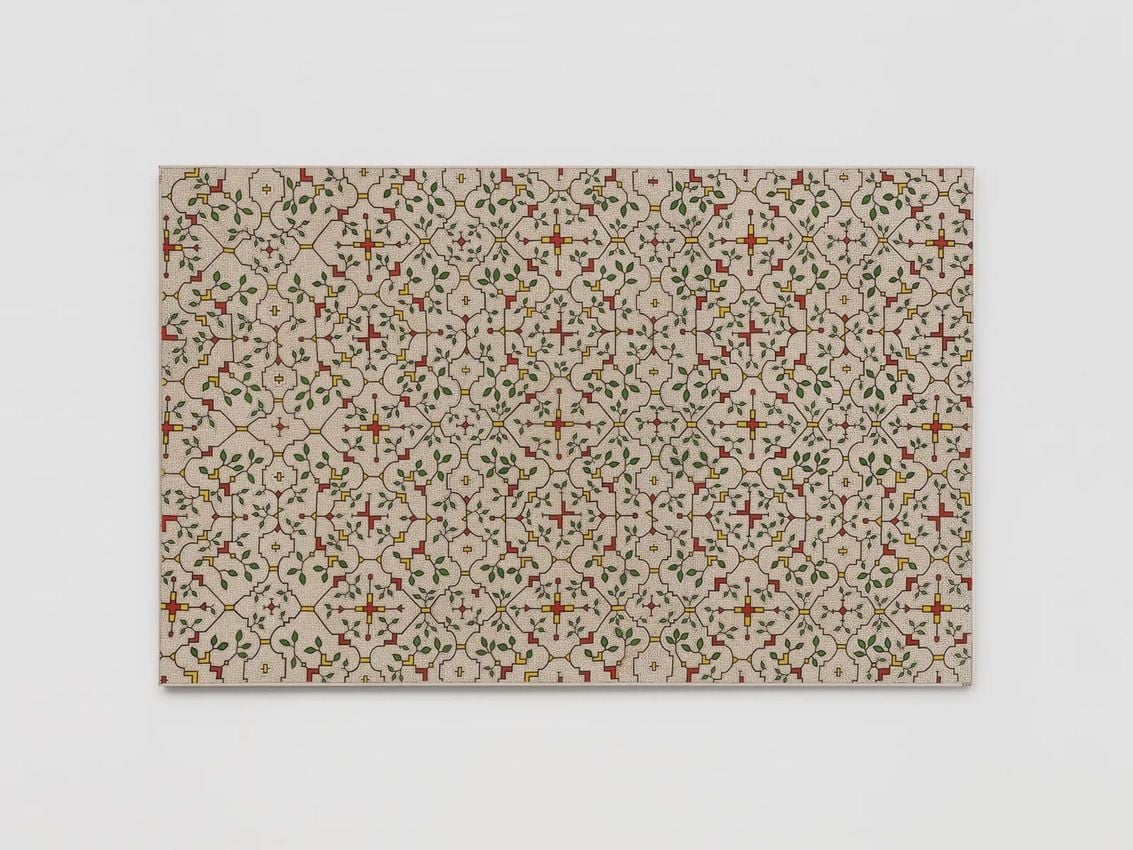
SARA FLORES
b. 1950, PeruSara Flores is a Peruvian artist whose intricate geometric works, rooted in the Shipibo-Conibo tradition of Kené, have brought her international acclaim—including a celebrated collaboration with Dior for the Lady Dior Art Project, where she reimagined the handbag made famous by Princess Diana as a canvas for Indigenous Amazonian art.
Flores’s artistic practice is deeply informed by her ancestral and cultural heritage and the interconnectivity of the Amazonian ecosystem, and she is recognised as one of the foremost contemporary artists emerging from the Amazonian basin.
In 2026, Flores was selected to represent Peru at the 61st Venice Biennale.
Early Years
Flores was born in 1950 in the Shipibo-Conibo community of Tanbo Mayo along the Ucayali River in the Peruvian Amazon. Her Shipibo name, Soi Biri, means ‘well done’ or ‘precisely drawn’. Flores began learning Kené from her mother at an early age, absorbing the matrilineal techniques and spiritual philosophies that underpin her work. She is based in Pucallpa, Peru, and continues to collaborate with her daughters in the creation of her works.
Sara Flores Artworks
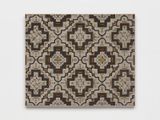
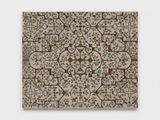
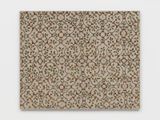
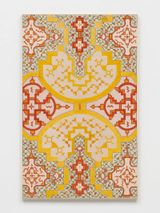
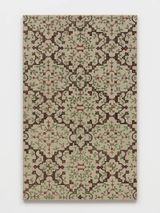
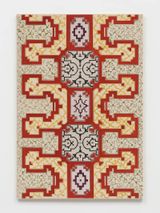
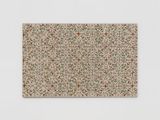
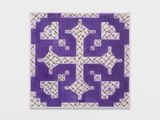
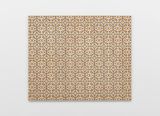
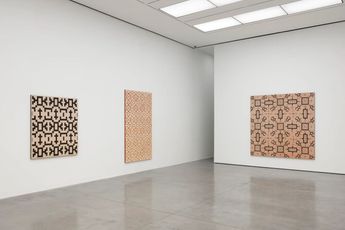
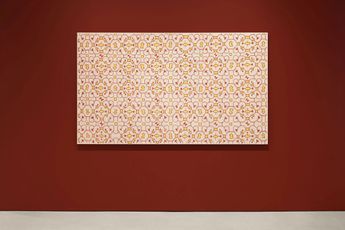
Flores’s art is defined by the creation of Kené—complex, hand-drawn geometric designs that are central to the artistic expression and cultural heritage of the Shipibo-Conibo people.
Kené: Visionary Design
Kené, which shares etymological links to the Shipibo verb kéenti (‘to love’ or ‘to care for’), is believed to have originated with the ancient ‘Incas’ of the Shipibo, mythological figures who received these patterns through visions and observations of nature. Designs are often inspired by visions experienced in shamanic rituals and by the organic forms of the Amazonian environment. Flores’s works map neural, psychological, elemental, and ecological networks, and are created using natural dyes sourced from her immediate surroundings
Dior Collaboration and the Princess Diana Connection
In 2024, Flores was invited by Dior to participate in the 9th edition of the Lady Dior Art Project, joining a select group of international artists to reinterpret the iconic Lady Dior bag—originally popularised by Princess Diana. Other artists featured in the project include Jeffrey Gibson, Huang Yuxing, Liang Yuanwei, Danielle McKinney, Duy Anh Nhan Duc, Hayal Pozanti, Faith Ringgold, Vaughn Spann, Anna Weyant and Woo Kukwon. Flores created two unique versions of the bag, crafted from vegan pineapple leather and hand-painted tocuyo cotton using vegetal dyes, reflecting Shipibo-Conibo cosmology and a commitment to environmental responsibility. The collaboration has amplified the global visibility of Shipibo-Conibo art and highlighted its place in contemporary fashion and culture.
Material and Process
Flores uses plant-based dyes sourced from the Amazon, including black from tree bark, purple from Amí leaves, red from Achiote fruit, and yellow from Guisdor root. Her process is entirely freehand, with no preparatory sketches, and is deeply tied to the land and its changing ecology.
Community and Collaboration
Flores co-founded Maroti Shobo, the first women’s cooperative among the Shipibo, supporting Indigenous economic and cultural autonomy. Through collaborations with organisations like the Shipibo Conibo Center, her art also funds environmental activism and Indigenous resistance in the Amazon.
Exhibitions
Sara Flores has been the subject of both solo exhibitions and group exhibitions at important institutions and galleries. Below is a selection of important exhibitions.
Solo Exhibitions
- Peru Pavilion, 61st Venice Biennale, Arsenale, Venice, Sara Flores. From Other Worlds (2026), 9 May–22 November 2026 — Peru’s national pavilion, curated by Issela Ccoyllo and Matteo Norzi; Flores is the first Indigenous artist to represent Peru at Venice
- Museo de Arte de Lima (MALI), Sara Flores. Non Nete. A Dream for an Indigenous Nation (2025)—her first institutional solo exhibition.
- White Cube Bermondsey, London, Bakish Mai (2025)—her first solo exhibition in the United Kingdom, debuting her first film work and new paintings from the ‘Pei Kené’ series.
- White Cube (2023)
- CLEARING, New York (2023)
- CLEARING, New York (2022)
- White Cube Online (2021)
Group Exhibitions
- Musée du Quai Branly–Jacques Chirac, Paris, France (2023)
- Para Site, Hong Kong (2023)
- El Museo del Barrio, New York, USA (2023)
- Museum Voorlinden, Wassenaar, Netherlands (2023)
- Inca Garcilaso Cultural Center and MAC Museum of Contemporary Art of Lima, Peru (2022)
- Sala Luis Miró Quesada Garland, Lima, Peru (2021)
- Drawing Lab, Paris, France (2020)
- Austrian Cultural Forum, New York, USA (2018)
Sara Flores FAQs
Where can I see Sara Flores’s work?
Sara Flores’s artworks are represented by White Cube and CLEARING. Her pieces have been exhibited at institutions such as Musée du Quai Branly–Jacques Chirac in Paris, El Museo del Barrio in New York, and Museum Voorlinden in the Netherlands, and in 2026 she is representing Peru at the 61st Venice Biennale with a dedicated national pavilion.
What is the significance of Kené in Sara Flores’s art?
Kené is the central motif in Sara Flores’s work, representing both a visual language and a spiritual practice of the Shipibo-Conibo. These geometric designs are believed to have healing properties and are integral to Shipibo identity and cosmology.
How does Sara Flores create her artworks?
Sara Flores uses natural dyes made from Amazonian plants and trees, painting freehand on wild cotton canvas. Her process is guided by visions, dreams, and the inherited knowledge of her matrilineal lineage.
How has Sara Flores contributed to her community?
Sara Flores co-founded the first Shipibo women’s cooperative, Maroti Shobo, and collaborates with organisations supporting Indigenous rights and environmental activism in the Amazon.
Did Sara Flores collaborate with Dior?
Sara Flores’s work has reached global audiences through her collaboration with Dior’s Lady Dior Art Project, where she brought Shipibo-Conibo designs to high fashion, transforming the handbag made iconic by Princess Diana into a vessel for Indigenous art.
How do you pronounce Sara Flores?
Sara Flores is pronounced: SAH-rah FLOR-es.
Ocula | 2026














Explore Sara Flores' Exhibitions








Explore and Follow Artists Shaping Contemporary Art
A respected voice in contemporary art discourse.
Focusing on ambitious storytelling and insightful art-world commentary. Ocula Magazine publishes in-depth interviews, critical essays and timely analysis on the artists, exhibitions and ideas driving the global art world.
Learn more about Ocula Magazine
Showcasing the best of the art world.
Ocula partners with galleries from around the world to highlight their artists, artworks and exhibitions. Gallery membership is by application and invitation, with each member vetted by an independent panel.
Learn more about Ocula Membership
Specialises in the sale of major artworks.
Led by a team with deep ties to the world’s leading auction houses, galleries and collectors. Ocula’s advisory team offers bespoke services to high-net-worth clients from around the world who are looking to acquire the best of contemporary and modern art.
Learn more about our team and services