






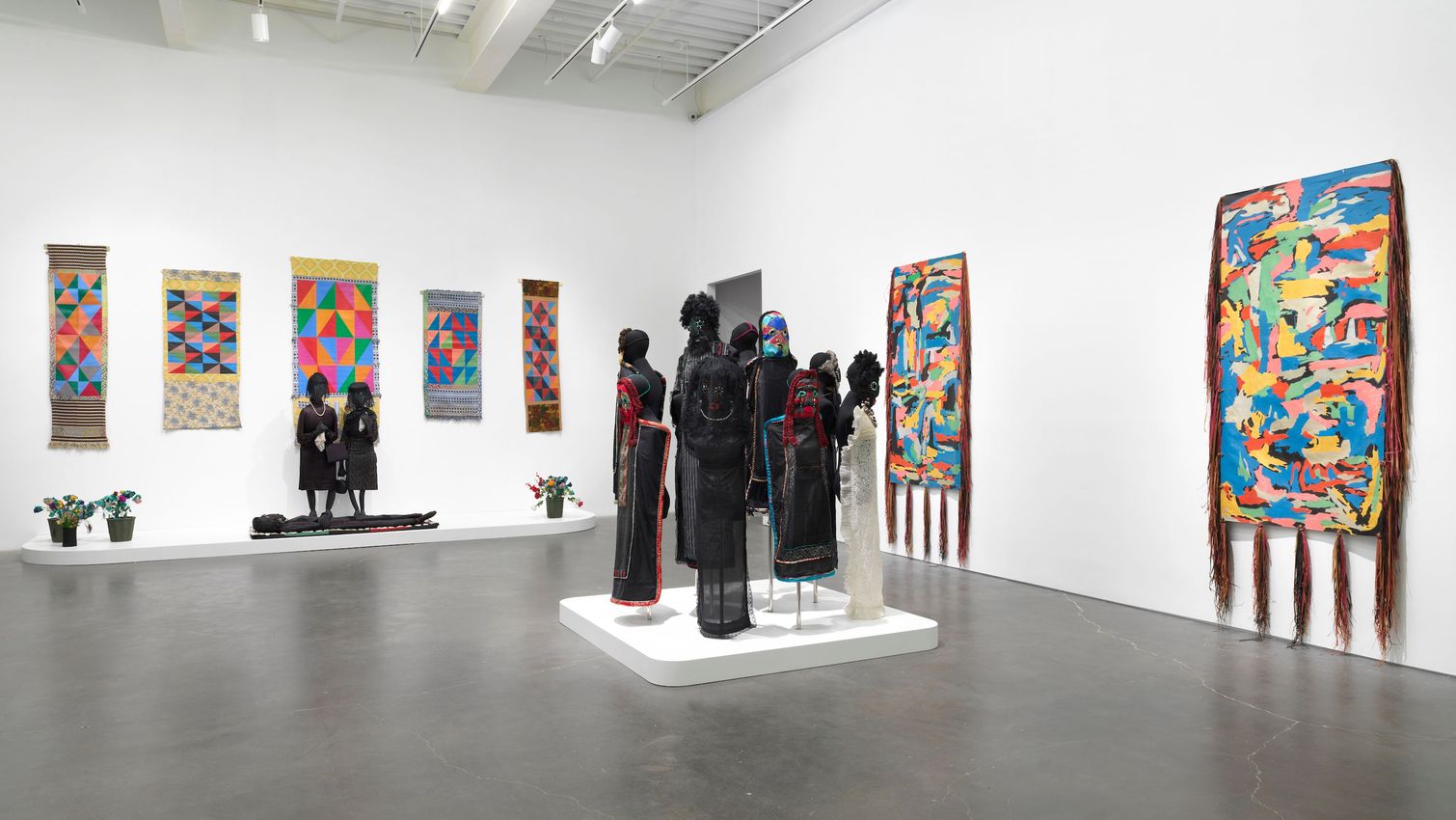
FAITH RINGGOLD
1930-2024, United StatesFaith Ringgold was a pioneering American artist whose vibrant story quilts, paintings, and activism have left an indelible mark on contemporary art.
Her works, which blend painting, quilting, and narrative, confront themes of race, gender, and social justice, and are held in major museum collections including the Museum of Modern Art (MoMA), the Solomon R. Guggenheim Museum, and Tate Modern.
As Ocula Magazine notes, ‘Ringgold blazed a trail for Black women artists in America, depicting their experiences through “outsider” approaches including the use of textiles and a deliberately naive painting style.’
Early Years
Faith Ringgold was born Faith Willi Jones in Harlem, New York, in 1930, and was raised in a creative, supportive family during the Harlem Renaissance. Her mother, Willi Posey Jones, was a fashion designer who taught Ringgold sewing and quilting—skills that would later become central to her art. After earning her degrees from City College of New York, she taught art in New York public schools and began exhibiting paintings in the 1950s, drawing inspiration from artists like Jacob Lawrence and writers such as James Baldwin.
Ringgold’s early paintings were influenced by African art, Cubism, and Impressionism, but her work became more overtly political in the 1960s with the American People Series, addressing civil rights and feminist themes.
In 1970, she was arrested for her participation in The People’s Flag Show, reflecting her lifelong activism. Her practice expanded to include unstretched canvas works with fabric borders inspired by Tibetan thangkas, and later, her signature story quilts, beginning with Who’s Afraid of Aunt Jemima? (1983). Over her career, she authored more than 25 books, including acclaimed children’s titles, and was a leading advocate for Black and women artists in the American art world
Faith Ringgold Artworks
Ringgold’s practice spans painting, sculpture, quilt-making, and performance art, all unified by a commitment to storytelling and activism. Her approach to art is direct, community-focused, and deeply personal.
American People Series (1963–67)
Ringgold’s American People Series is a landmark in American contemporary art, addressing civil rights and racial tensions. American People Series #20: Die (1967), now in MoMA’s collection, is a mural-sized painting inspired by Picasso’s Guernica, depicting the violence of the 1960s civil rights era. This work was included in the major exhibition Soul of a Nation: Art in the Age of Black Power at Tate Modern in 2017.
Story Quilts and The French Collection
In the 1980s, Ringgold began creating story quilts, combining painted canvas with fabric and handwritten text. Who’s Afraid of Aunt Jemima? (1983) is her first story quilt, recasting a stereotyped figure as a matriarch and entrepreneur. The French Collection (1991–97) consists of twelve quilts chronicling a Black woman’s journey from Harlem to Paris, blending history, autobiography, and art historical references.
Children’s Books and Tar Beach
Ringgold’s Tar Beach (1988) inspired her acclaimed children’s book of the same name (1991), which won the Caldecott Honor and Coretta Scott King Award. She authored over 20 children’s books, making her stories accessible to new generations.
Masks, Soft Sculpture, and Performance
Ringgold also created masks and soft sculptures, often collaborating with her mother, and used these in performances to explore identity and ancestry.
Awards and Accolades
- Solomon R. Guggenheim Fellowship for Painting.
- Two National Endowment for the Arts Awards.
- Over 75 awards and 23 honorary doctorates
- Caldecott Honor and Coretta Scott King Award for Tar Beach.
- American Academy of Arts and Letters Award; Medal of Honor for Fine Arts from the National Arts Club.
Exhibitions
Faith Ringgold has exhibited widely at leading institutions.
Solo Exhibitions
- Faith Ringgold: American People, New Museum, New York (2022).
- Serpentine Gallery, London (2019).
Group Exhibitions
- Soul of a Nation: Art in the Age of Black Power, Tate Modern, London (2017)
- Crystal Bridges Museum of American Art, Brooklyn Museum, The Broad, de Young Museum (touring venues for Soul of a Nation)
Collections
Faith Ringgold’s artwork is held in important collections, including: MoMA, Guggenheim, Tate Modern, Metropolitan Museum of Art, Smithsonian American Art Museum, and Philadelphia Museum of Art.
Faith Ringgold FAQs
Who was Faith Ringgold?
Faith Ringgold (1930–2024) was a pioneering African American artist, author, educator, and activist whose painted ‘story quilts’ and politically charged images of Black life transformed late 20th-century American art. Her work combined painting, textiles, narrative, and activism to address race, gender, class, and history from a distinctly Black feminist perspective.
Is Faith Ringgold still alive?
Faith Ringgold died on 13 April 2024 at the age of 93. She passed away at her home in Englewood, New Jersey; her death was confirmed by her assistant. Obituaries describe her as a groundbreaking Black feminist artist whose work will continue to shape art and cultural history.
How did Faith Ringgold die?
Reports note that Faith Ringgold died peacefully at home in Englewood, New Jersey, with no widely reported cause beyond age-related health issues. Coverage has focused less on medical specifics and more on the significance of her artistic and activist legacy.
When and where was Faith Ringgold born?
Faith Ringgold was born on 8 October 1930 in Harlem Hospital, New York City. She grew up in Harlem and Sugar Hill during the Harlem Renaissance, an environment that deeply informed her later depictions of Black urban life and community.
What is Faith Ringgold known for?
Faith Ringgold is best known for her ‘story quilts: painted and quilted textile works that combine images, handwritten text, and patchwork borders to tell complex narratives about African American experiences. She also created paintings, political posters, soft sculptures, performance pieces, and acclaimed children’s books that address civil rights, feminism, and Black family life.
What type of art did Faith Ringgold make?
Across six decades, Faith Ringgold’s art encompassed painting, mixed-media sculpture, quilting, performance, and illustration. Her practice consistently foregrounded storytelling, using vivid colour, stylised figures, and text to connect personal memory with broader histories of racism, migration, and resistance.
Why is Faith Ringgold important?
Faith Ringgold is important for transforming quilting and so-called ‘domestic’ craft into a vehicle for high art, political commentary, and Black feminist storytelling. Her story quilts, such as Tar Beach and the American Collection series, expanded the possibilities of narrative in contemporary art and inspired generations of artists and writers.
Was Faith Ringgold an important artist to the Black Arts Movement?
Faith Ringgold was a key figure in the Black Arts Movement and a vocal activist who challenged major museums to exhibit work by Black and women artists. Through her teaching, public campaigns, and children’s books, she broadened access to art and reshaped how Black history and creativity are represented.
Why did Faith Ringgold use quilts?
Faith Ringgold turned to quilts in the late 1970s and 1980s, building on skills learned from her mother, fashion designer Willi Posey, and family quilting traditions that traced back to relatives who quilted while enslaved. Quilting allowed her to connect to African American women’s work, honour matrilineal knowledge, and embed her narratives in a medium historically associated with care and survival. Using quilts also enabled Faith Ringgold to circumvent certain art-world barriers, as textiles could be shown, stored, and circulated outside conventional painting markets. By combining painting, fabric, and handwritten text, she elevated quilt-making into a powerful form of political art and visual literature.
Where did Faith Ringgold live?
Faith Ringgold grew up in Harlem and Sugar Hill in New York City, where she absorbed the cultural energy of the Harlem Renaissance and early jazz-era Black communities. She later lived and worked across New York, including the Bronx and Manhattan, while teaching in the city’s public schools. From the 1990s until her death, Faith Ringgold lived in Englewood, New Jersey, where she maintained her studio and home. Englewood is also where she died in April 2024.
Where did Faith Ringgold go to school?
Faith Ringgold studied at City College of New York, where strict segregation policies initially limited women to the School of Education rather than the School of Fine Arts. She earned a bachelor’s degree in fine arts and education in 1955 and a master’s degree in fine arts in 1959, then taught art in New York public schools for many years. She later received numerous honorary doctorates from institutions such as Wheelock College and Molloy College in recognition of her contributions as an artist, writer, and educator.
Who influenced Faith Ringgold?
Faith Ringgold was influenced early on by her mother, Willi Posey Jones, a fashion designer and seamstress who taught her sewing and instilled an appreciation for textiles and dressmaking. Family stories, including those of ancestors from the American South, also shaped her emphasis on oral history and narrative art. Artistically, she was informed by the Harlem Renaissance, the Civil Rights and Black Power movements, and modernists and muralists who addressed social justice. She cited Jacob Lawrence, Romare Bearden, and the activism of the Black Arts Movement as important reference points, while also drawing on African textiles, African American quilting traditions, and global folk art.
Ocula | 2026


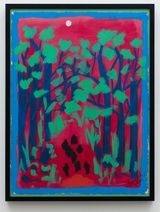


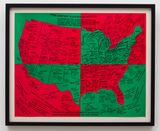
Explore Faith Ringgold's Exhibitions

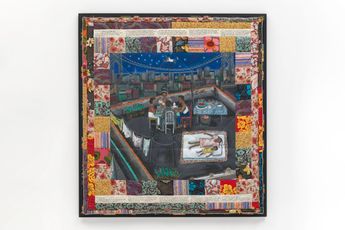









Explore and Follow Artists Shaping Contemporary Art
A respected voice in contemporary art discourse.
Focusing on ambitious storytelling and insightful art-world commentary. Ocula Magazine publishes in-depth interviews, critical essays and timely analysis on the artists, exhibitions and ideas driving the global art world.
Learn more about Ocula Magazine
Showcasing the best of the art world.
Ocula partners with galleries from around the world to highlight their artists, artworks and exhibitions. Gallery membership is by application and invitation, with each member vetted by an independent panel.
Learn more about Ocula Membership
Specialises in the sale of major artworks.
Led by a team with deep ties to the world’s leading auction houses, galleries and collectors. Ocula’s advisory team offers bespoke services to high-net-worth clients from around the world who are looking to acquire the best of contemporary and modern art.
Learn more about our team and services